

Introduction
Visual discrete trial training is transforming how children with learning challenges connect with their education, especially within Applied Behavior Analysis (ABA) therapy. By tapping into personalized visual strategies, caregivers and clinicians can greatly improve a child’s grasp and retention of skills. This makes learning not just effective but also enjoyable! 😊
But here’s a thought: how can we fine-tune these visual tools to cater to the unique needs of each learner and ensure steady progress? In this article, we’ll explore ten impactful strategies that utilize visual aids to foster a supportive and engaging learning environment for children, paving the way for their success in everyday situations. Let’s dive in together and see how we can make a difference!
Rori Care – ABA Therapy: Personalized Visual Strategies for Discrete Trial Training
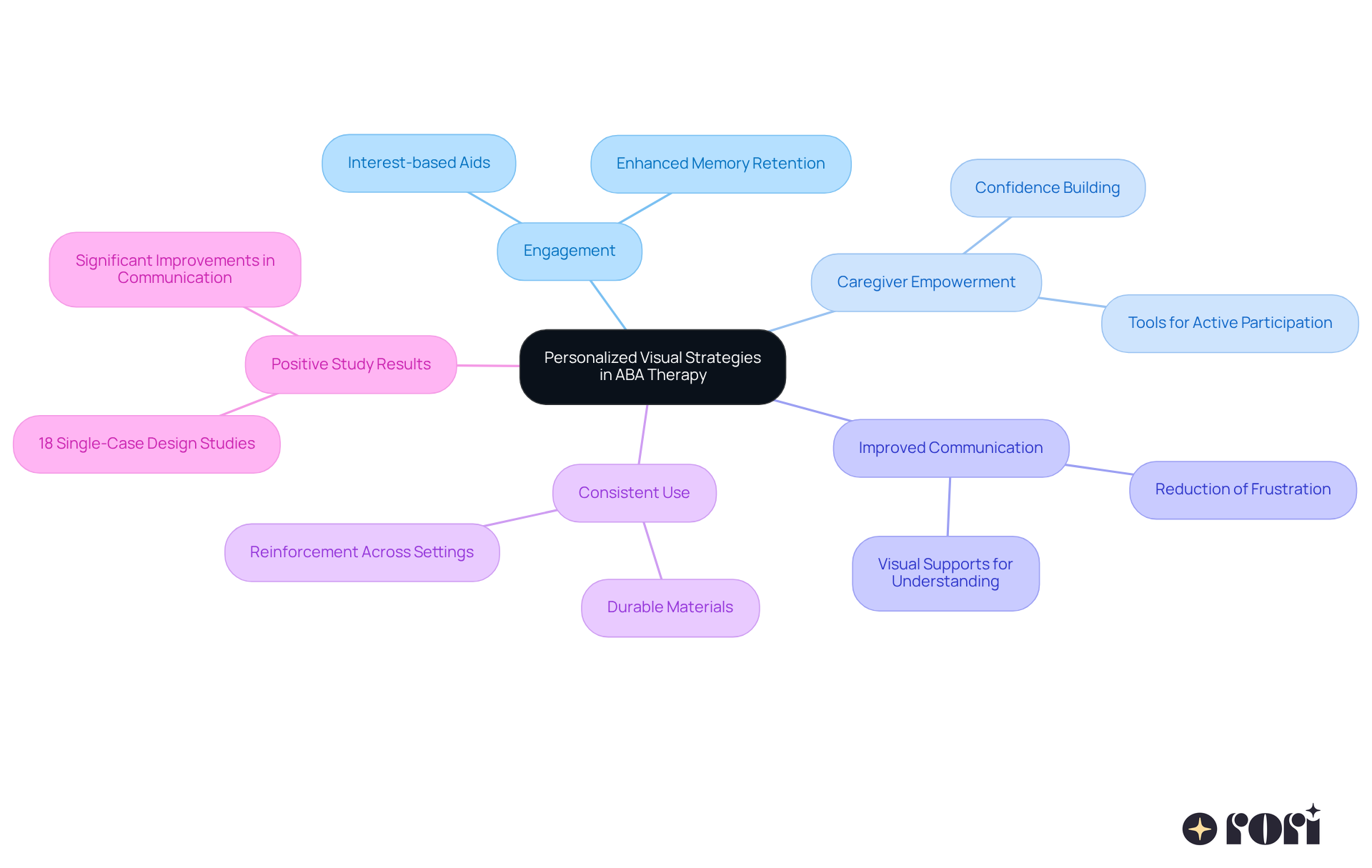
At Rori Care, we truly believe in the power of ! 🌟 By customizing graphical aids to fit each child’s unique learning style and preferences, clinicians can really during . This tailored approach not only helps kids grasp new concepts but also , giving them the tools and confidence to actively participate in their child’s learning journey. Together, we can make this experience both !
Research shows that personalized graphical supports can lead to amazing improvements in . This promotes independence and helps reduce anxiety during transitions. Healthcare professionals have noticed that when these aids reflect a young person’s interests—like their favorite toys or snacks—the effectiveness really skyrockets! It makes learning so much more relatable and fun.
Plus, consistently using these reinforces learning, helping children apply their skills confidently in everyday situations. And let’s not forget about practicality! for display aids is crucial to withstand daily wear and tear.
Did you know that at least 18 single-case design studies have shown ? That’s pretty impressive! Consistency among caregivers and therapists is vital, too. When everyone is on the same page, it encourages and leads to better behavioral outcomes. By keeping an eye on progress and tweaking strategies, caregivers can ensure that interventions remain effective and responsive to their child’s changing needs. Let’s explore this together! We’re here to help you every step of the way!
Boardmaker: Customizable Visual Supports for Discrete Trial Training
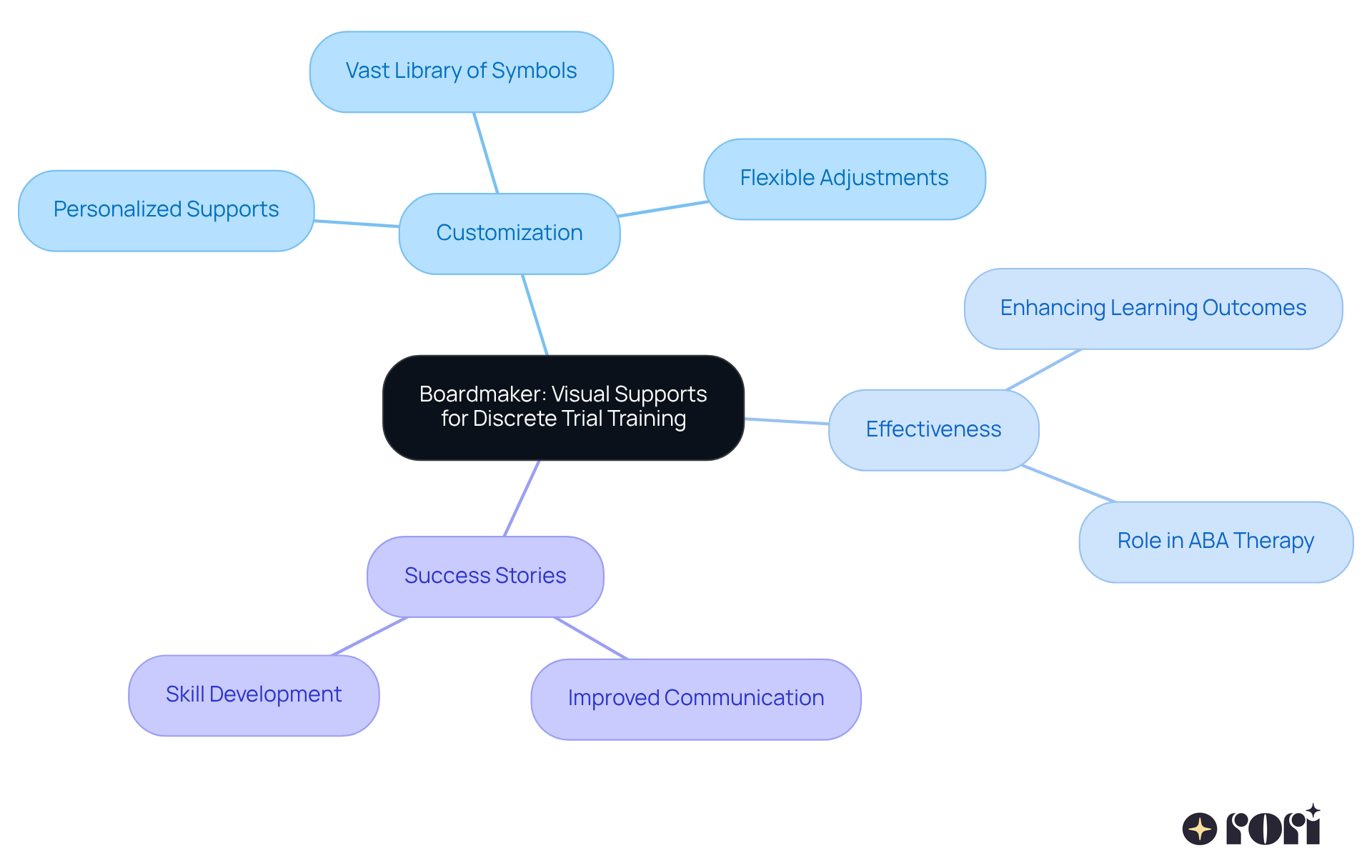
Boardmaker is such a valuable tool for creating in . With its , clinicians can easily craft aids that align perfectly with their training session goals. This customization really boosts understanding and involvement, allowing for smooth adjustments as individual skills grow.
Plus, recent have only strengthened Boardmaker’s role in , proving its effectiveness in enhancing learning outcomes. Educators have shared amazing success stories, highlighting how for individuals with autism.
By using Boardmaker, practitioners can ensure that their instruction in is not only effective but also flexible enough to adapt to the evolving needs of their students. Let’s explore this together and see how it can make a difference!
Visual Schedules: Enhancing Predictability in Discrete Trial Training
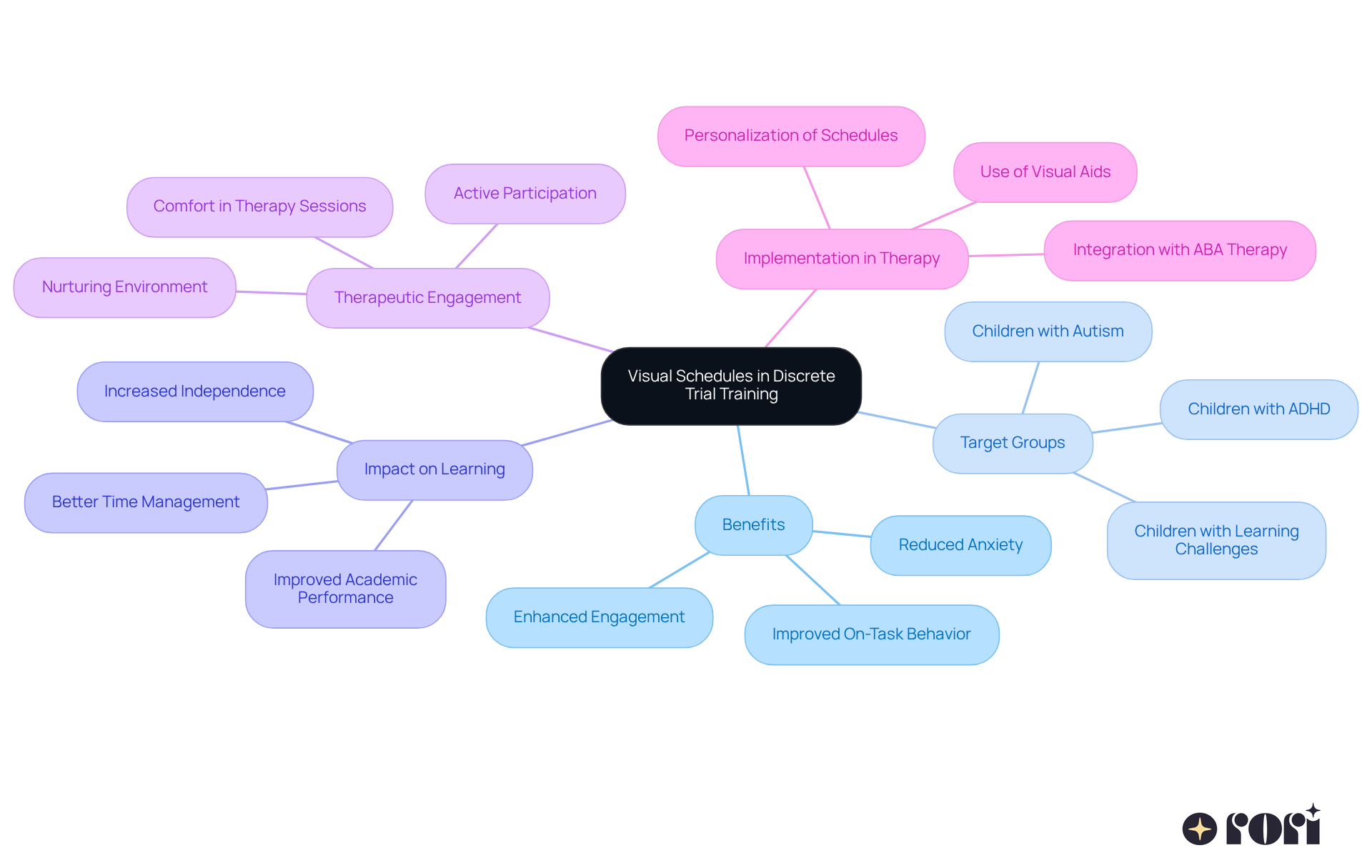
utilizes as important tools! They provide a clear picture of what activities are coming up, which really helps young learners feel more at ease. By showing the sequence of tasks visually, these schedules not only reduce anxiety but also create a , allowing kids to concentrate better on their .
This organized method is especially helpful for , as well as those with ADHD and learning challenges. These kids often thrive in environments where consistency is key. Recent studies have shown that using graphical timetables can lead to improved in school, as they help kids understand and manage their time more effectively.
Plus, therapists emphasize that when children know what to expect, they feel more comfortable. This comfort can lead to better engagement and participation during therapy sessions. By incorporating along with into , which is proven to be effective, caregivers can create a nurturing atmosphere that supports learning and reduces . This ultimately enhances the therapeutic experience for both kids and their families. Let’s explore this together!
Social Stories: Teaching Social Skills through Visual Narratives
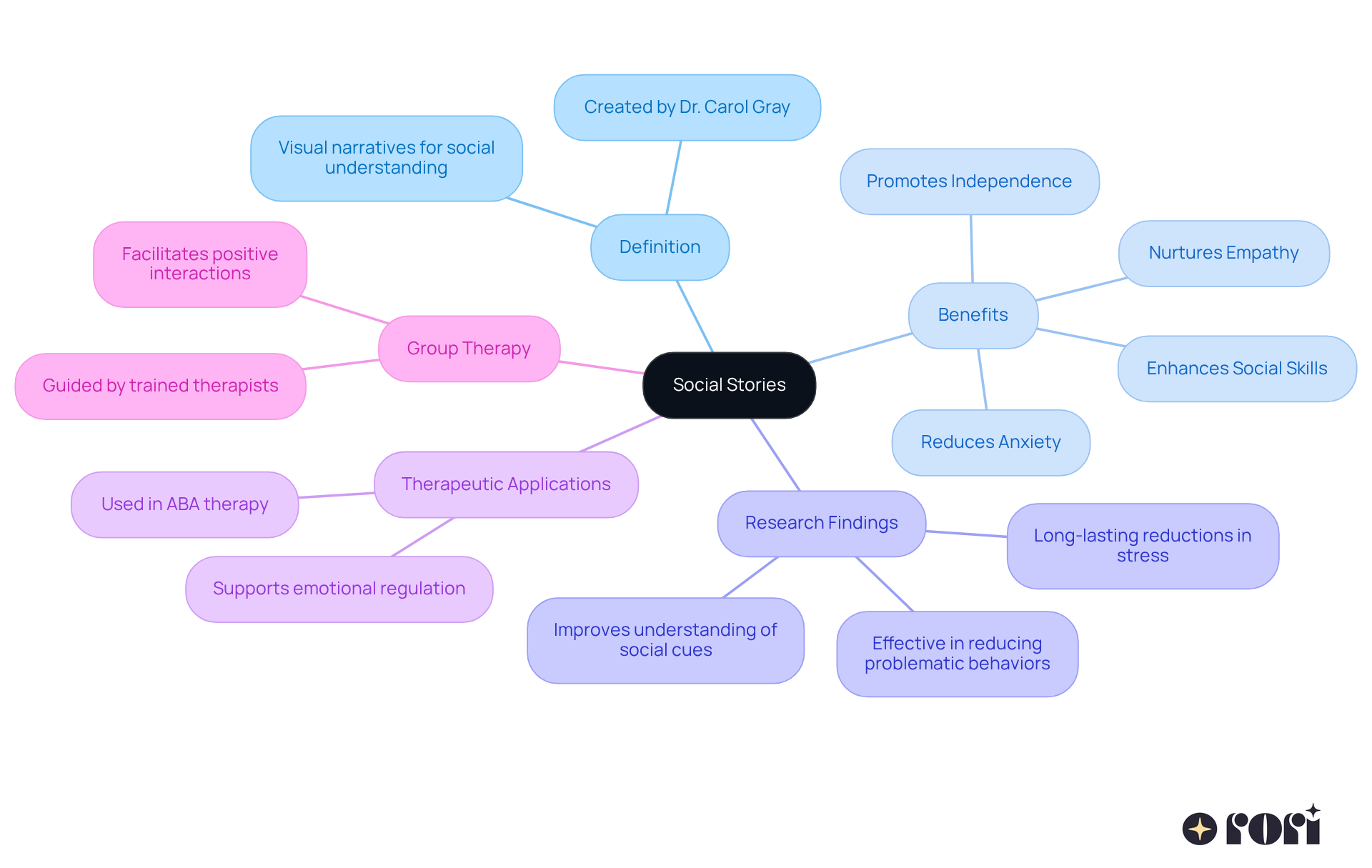
, , use to . By presenting relatable scenarios with engaging visuals and straightforward text, kids can better grasp social cues and expectations. This method not only helps them learn important skills but also —both vital for effective learning.
Research shows that using these visual stories regularly can significantly , paving the way for positive interactions. Clinicians have found that these narratives are powerful tools in , helping children navigate complex social environments with greater confidence and understanding.
Additionally, , guided by trained therapists, works hand-in-hand with . It boosts individuals’ social interactions and communication in group settings, fostering improved relationships and competence. Plus, are an affordable resource that , helping kids anticipate experiences and ease feelings of fear and uncertainty.
Let’s explore this together! By embracing , we can support our children in their social journeys, making every step a little easier and more enjoyable.
Visual Prompts: Boosting Engagement in Discrete Trial Training
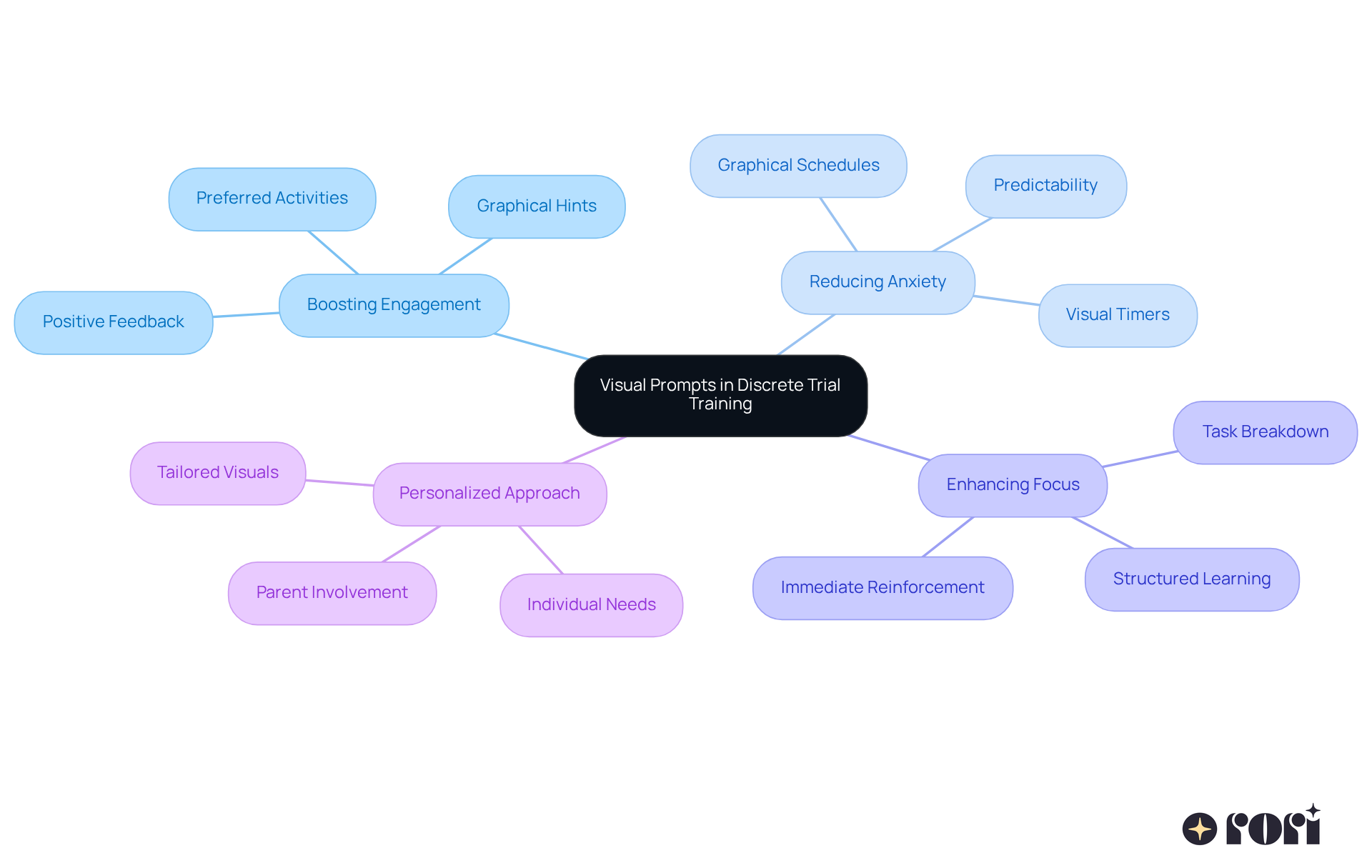
are such helpful tools in ! They really boost involvement and motivation, especially for our youth with Autism Spectrum Disorders and ADHD. By using graphical hints—like pictures, symbols, and color-coded resources—these prompts guide kids through tasks, making learning so much more engaging and enjoyable. 🌟
Research shows that these not only help kids stay focused but also create a sense of predictability, which is super important for and increasing participation. For instance, can clarify daily routines, helping kids anticipate what’s coming next, which ultimately enhances their overall engagement. This personalized approach fits perfectly with the principles of , adapting to each child’s unique needs.
Instructors have noticed that using graphical signals really . Young students often respond positively to , which strengthens their . This organized method not only but also leads to better learning outcomes, as students become more engaged in their educational journey. Let’s explore this together and see how these strategies can make a difference!
Visual Reinforcement Systems: Motivating Learners in Discrete Trial Training
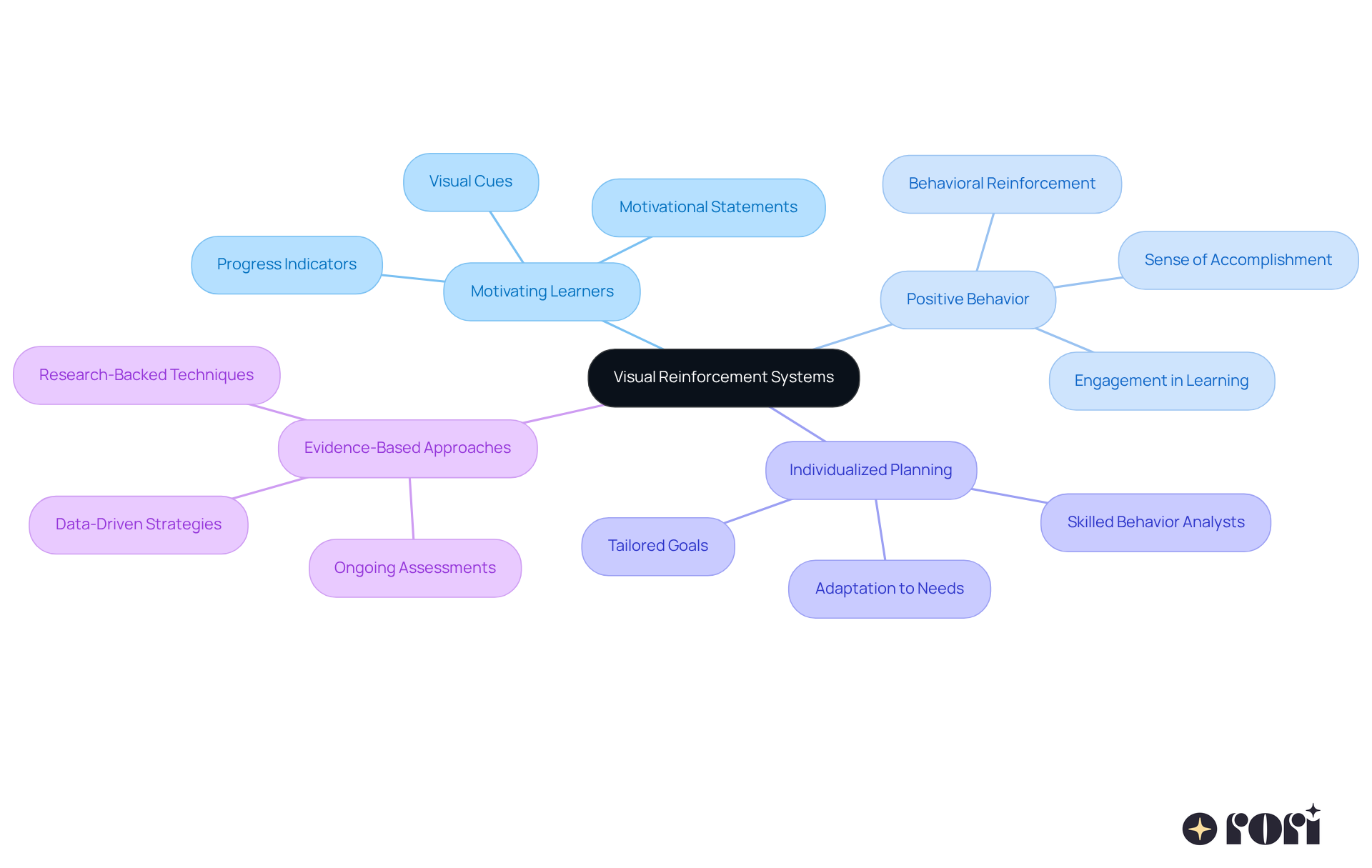
serve as helpful guides that encourage learners during . When rewards or progress indicators are clearly shown, young individuals can see how their efforts lead to results. This fosters while building a , making learning more enjoyable.
With and measurable goals crafted by skilled behavior analysts, these systems become even more effective. By weaving in and , caregivers can adapt these tools to meet each person’s . This ensures that the is not just tailored but also empowering. Let’s explore this together!
Visual Data Collection Tools: Tracking Progress in Discrete Trial Training
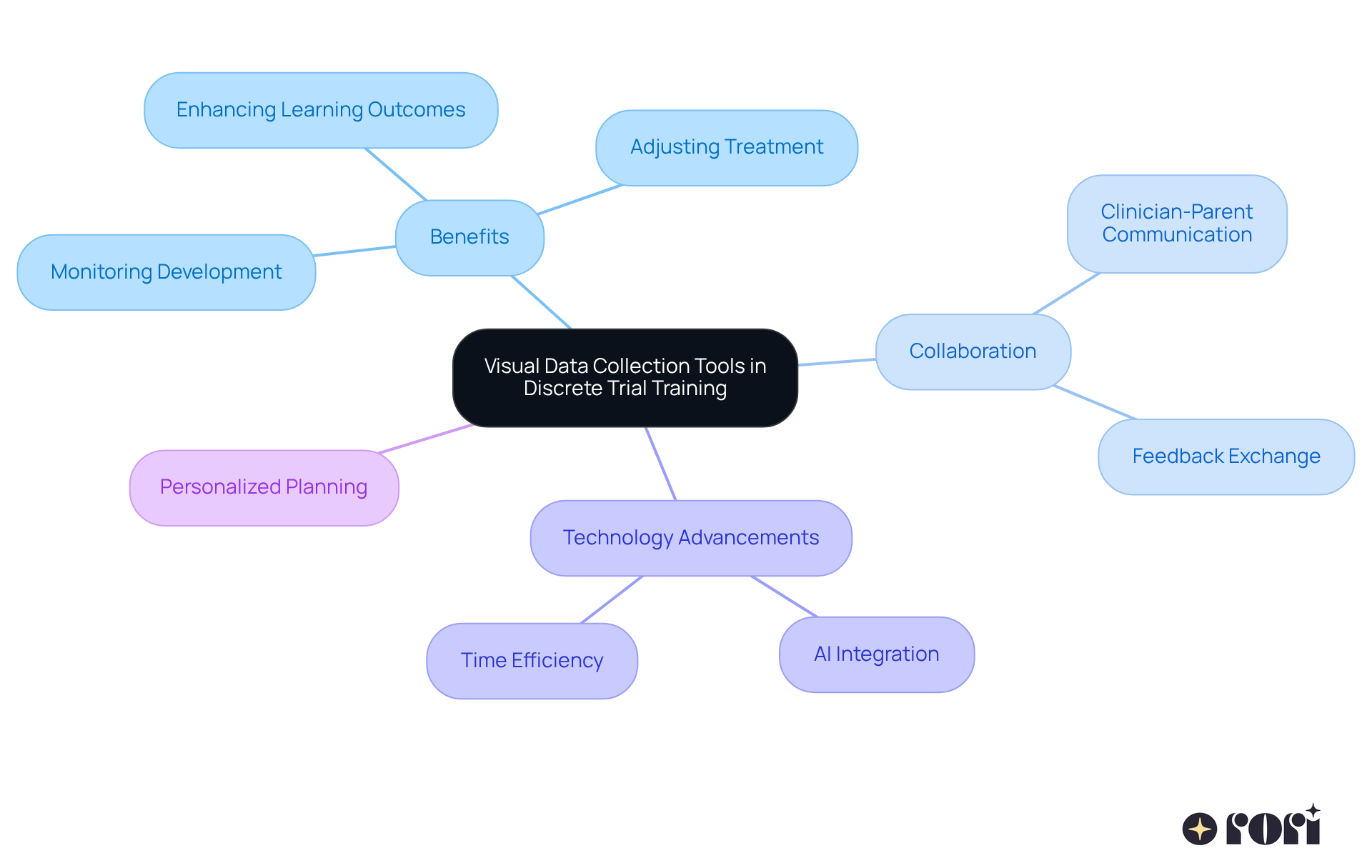
requires essential for tracking progress. By using charts, graphs, and , clinicians can easily monitor a young person’s development over time. This , which incorporates , not only helps assess but also allows for , ensuring that each individual’s unique needs are met.
Recent advancements in data tracking technologies, especially with the integration of , have transformed how we gather real-time insights. This AI-driven automation of progress reports means clinicians can free up 50% more time for direct treatment, which boosts the overall efficiency of ABA therapy. Isn’t that amazing?
Clinicians often share that consistent visual tracking creates a collaborative environment, where parents and therapists can exchange observations and feedback. This teamwork ultimately leads to more . As one expert pointed out, “the true value of data collection lies in its capacity to guide teaching methods.” This really highlights how important it is to adapt support to meet evolving needs.
Moreover, the and measurable objectives set by skilled behavior analysts ensure that each individual’s behavioral program is tailored to their unique strengths and challenges. This equips caregivers with the essential tools they need for effective behavioral support. Let’s explore this together and see how these tools can make a difference in your child’s journey!
Visual Cue Cards: Teaching Specific Skills in Discrete Trial Training
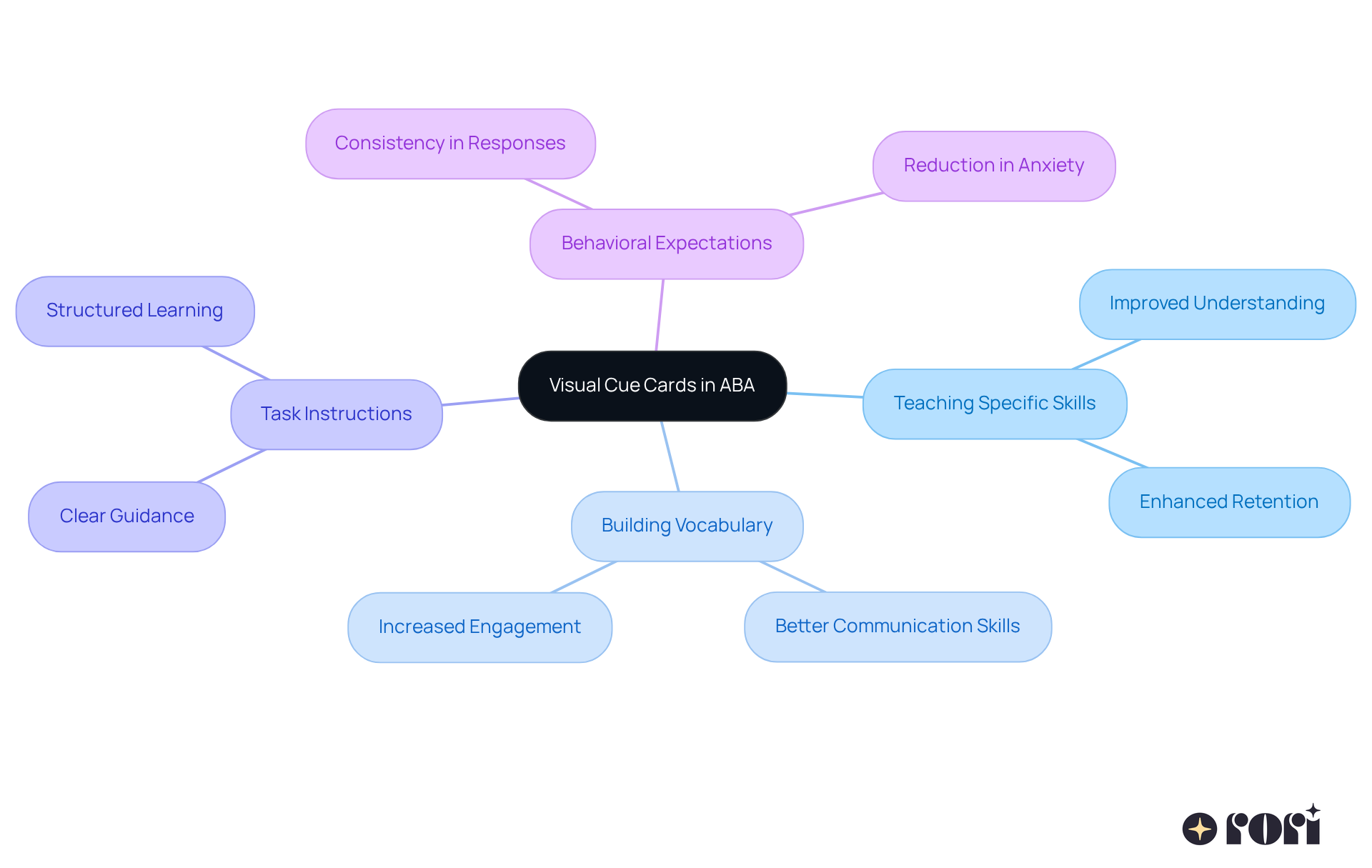
are such powerful tools in ! They help teach specific skills by presenting information clearly and concisely. These cards are fantastic for building vocabulary, giving task instructions, and setting behavioral expectations, which can really and retention of concepts.
Now, let’s talk about . It’s a personalized therapy grounded in the science of learning and behavior. ABA uses and to support . Research shows that using graphical aids can enhance retention rates by as much as 60%! That’s why they’re essential in ABA therapy.
By incorporating with cue cards into sessions, youngsters with autism can learn and more effectively. This leads to . Isn’t that wonderful? Let’s explore this together and see how these tools can make a real difference in your child’s learning journey!
Technology-Enhanced Visual Supports: Modernizing Discrete Trial Training
are really changing the game for ! With and digital visual schedules, kids are getting involved in fun and dynamic ways. These modern tools not only make information easier to digest but also cater to the diverse needs of children with autism, . Research shows that when , kids pick up skills much faster—often mastering them in virtual settings compared to traditional methods. For instance, trials conducted through platforms like Camp Discovery have demonstrated significant among participants, highlighting just how effective technology can be in enhancing .
Clinicians are excited about these innovations, pointing out that technology can be a fantastic resource in when used wisely. As one ABA therapist put it, “Supervision, parental involvement, and strategic application ensure that technology remains an asset rather than a dependency.” This really emphasizes the need to balance digital tools with real-life interactions to get the most therapeutic benefits. Plus, the to actively participate in their learning journey, encouraging them to practice essential skills regularly. Overall, weaving technology into discrete trial methods not only enriches the learning experience but also leads to improved therapeutic outcomes for children with autism. Let’s explore this together!

Visually Structured Environments: Setting the Stage for Effective Discrete Trial Training
Creating visually organized environments is crucial for helping kids succeed in . A qualified behavior analyst can design that include measurable goals and . This means ensuring that the physical space is set up with clear visual boundaries and designated areas for specific activities. By doing this, distractions are minimized, and an ideal is established. This not only helps children focus better but also nurtures a sense of safety, allowing them to participate more fully in the training process.
Research shows that how we arrange physical spaces can significantly impact educational outcomes. It can lead to better engagement and skill acquisition. Therapists often emphasize that having a setting with distinct visual signals and limits is key for helping young learners understand expectations and navigate their educational experiences. For example, can enhance and support skill development.
When clinicians create a structured setting, they foster a more effective and for . This ultimately leads to improved behavioral and communication skills. Plus, incorporating is essential for breaking down complex tasks into manageable steps, which is vital for children’s understanding. also play a crucial role in aiding communication for nonspeaking or minimally verbal students, ensuring they can follow along and actively participate in their learning journey. Let’s explore this together and see how these strategies can make a difference!

Conclusion
Personalized visual strategies in Discrete Trial Training (DTT) can truly transform learning experiences for children, especially those with autism. By customizing visual supports to fit individual needs, caregivers and clinicians can boost engagement, understanding, and skill retention significantly. This approach not only creates a more enjoyable learning environment but also empowers families to actively join in their child’s developmental journey.
Throughout the article, we’ve explored several effective strategies, including customizable tools like Boardmaker, visual schedules, social stories, and tech-enhanced aids. Each method has its own unique purpose, from easing anxiety and providing predictability to enhancing communication and social skills. It’s crucial for caregivers to maintain consistency and integrate visual data collection tools, highlighting the importance of a collaborative effort for achieving meaningful outcomes.
As ABA therapy continues to evolve, embracing these innovative visual strategies is vital for fostering effective learning in children. By leveraging personalized supports and modern technology, caregivers and educators can cultivate a nurturing and structured environment that meets each child’s unique needs while paving the way for their success. Engaging in these practices ensures that every learning experience is not just a step toward skill acquisition but also a celebration of progress and growth. Let’s explore this together and make every moment count!
Frequently Asked Questions
What is the purpose of personalized visual strategies in ABA therapy at Rori Care?
The purpose of personalized visual strategies in ABA therapy at Rori Care is to customize graphical aids to fit each child’s unique learning style and preferences, which boosts engagement and memory during visual discrete trial training.
How do personalized graphical supports impact children’s learning?
Personalized graphical supports improve communication and understanding, promote independence, and help reduce anxiety during transitions by reflecting a young person’s interests, making learning more relatable and enjoyable.
Why is consistency among caregivers and therapists important in ABA therapy?
Consistency among caregivers and therapists is vital as it encourages informed decision-making and leads to better behavioral outcomes, ensuring that interventions remain effective and responsive to a child’s changing needs.
What is Boardmaker and how does it benefit discrete trial training?
Boardmaker is a tool for creating personalized visual supports that meet the unique needs of each learner. It provides a vast library of symbols and templates, allowing clinicians to craft aids that align with training session goals, enhancing understanding and involvement.
How do visual schedules enhance discrete trial training?
Visual schedules enhance discrete trial training by providing a clear picture of upcoming activities, reducing anxiety, and creating a sense of security for young learners, which helps them concentrate better on their learning goals.
Who benefits the most from visual schedules in therapy?
Children on the autism spectrum, as well as those with ADHD and learning challenges, benefit the most from visual schedules because they thrive in environments where consistency is key.
What outcomes have studies shown regarding the use of graphical timetables?
Studies have shown that using graphical timetables can lead to improved on-task behaviors in school, helping kids understand and manage their time more effectively.
What materials are recommended for display aids in ABA therapy?
Durable materials are recommended for display aids to withstand daily wear and tear, ensuring their long-term effectiveness in therapy sessions.
List of Sources
- Rori Care – ABA Therapy: Personalized Visual Strategies for Discrete Trial Training
- crossrivertherapy.com (https://crossrivertherapy.com/autism/using-visual-supports-in-aba-therapy-to-improve-learning)
- crossrivertherapy.com (https://crossrivertherapy.com/autism/the-role-of-visual-aids-in-at-home-aba-therapy)
- How to Use Visual Supports to Enhance ABA Therapy Outcomes | Intellistars – ABA Therapy (https://intellistarsaba.com/blog/how-to-use-visual-supports-to-enhance-aba-therapy-outcomes)
- The Numbers Don’t Lie: Revealing Autism Therapy Statistics | Above and Beyond Therapy (https://abtaba.com/blog/autism-therapy-statistics)
- Boardmaker: Customizable Visual Supports for Discrete Trial Training
- researchgate.net (https://researchgate.net/publication/305497694_The_effects_of_video_modeling_in_teaching_functional_living_skills_to_persons_with_ASD_A_meta-analysis_of_single-case_studies)
- researchgate.net (https://researchgate.net/publication/374678141_The_Effect_of_Discrete_Trial_Teaching_Using_Visual_Support_Techniques_Specifically_Arrow_Cues_on_Echolalia_in_Children_with_Autism_Spectrum_Disorders)
- tobiidynavox.com (https://tobiidynavox.com/blogs/live-training/create-powerful-visuals-with-boardmaker-2025-09-04)
- management.org (https://management.org/blogs/training-and-development/2013/04/22/useful-quotes-for-training-and-education-part-ii)
- Effective Autism Therapy: Discrete Trial Training Techniques (https://allstaraba.org/blog/discrete-trial-training)
- Visual Schedules: Enhancing Predictability in Discrete Trial Training
- Inspirational ABA and Autism Quotes – Mrs. Moe’s Modifications (https://mrsmoesmodifications.com/inspirational-aba-and-autism-quotes)
- What Are ABA Therapy Quotes? Understanding Their Role and Importance – Rori Blog (https://rori.care/post/what-are-aba-therapy-quotes-understanding-their-role-and-importance)
- The use of visual schedules to increase academic-related on-task behaviors of individuals with autism: a literature review (https://tandfonline.com/doi/full/10.1080/20473869.2024.2402124)
- ablespace.io (https://ablespace.io/blog/5-benefits-of-visual-schedules-in-sped-classrooms)
- The Efficacy of Visual Activity Schedule Intervention in Reducing Problem Behaviors in Children With Attention-Deficit/Hyperactivity Disorder Between the Age of 5 and 12 Years: A Systematic Review – PMC (https://pmc.ncbi.nlm.nih.gov/articles/PMC8733412)
- Social Stories: Teaching Social Skills through Visual Narratives
- Inspirational ABA and Autism Quotes – Mrs. Moe’s Modifications (https://mrsmoesmodifications.com/inspirational-aba-and-autism-quotes)
- advancedtherapyclinic.com (https://advancedtherapyclinic.com/blog/benefits-of-social-stories-for-autism)
- magnetaba.com (https://magnetaba.com/blog/social-stories-for-autism)
- stepaheadaba.com (https://stepaheadaba.com/blog/social-stories-for-autism)
- gratefulcareaba.com (https://gratefulcareaba.com/blog/aba-therapy-and-social-stories)
- Visual Prompts: Boosting Engagement in Discrete Trial Training
- autismlearningpartners.com (https://autismlearningpartners.com/understanding-discrete-trial-training)
- How to Use Visual Supports to Enhance ABA Therapy Outcomes | Intellistars – ABA Therapy (https://intellistarsaba.com/blog/how-to-use-visual-supports-to-enhance-aba-therapy-outcomes)
- advancedautism.com (https://advancedautism.com/post/how-aba-therapy-helps-children-with-autism-improve-their-focus-and-attention)
- Effective Autism Therapy: Discrete Trial Training Techniques (https://allstaraba.org/blog/discrete-trial-training)
- How ABA Therapy Helps Children with Autism Improve Focus and Attention | Grateful Care ABA (https://gratefulcareaba.com/blog/how-aba-therapy-helps-children-with-autism-improve-focus-and-attention)
- Visual Reinforcement Systems: Motivating Learners in Discrete Trial Training
- Inspirational ABA and Autism Quotes – Mrs. Moe’s Modifications (https://mrsmoesmodifications.com/inspirational-aba-and-autism-quotes)
- Exploring Visual Learning Animations Statistics (https://educationalvoice.co.uk/visual-learning-animations-statistics)
- What Are ABA Therapy Quotes? Understanding Their Role and Importance – Rori Blog (https://rori.care/post/what-are-aba-therapy-quotes-understanding-their-role-and-importance)
- Applied Behavior Analysis in Children and Youth with Autism Spectrum Disorders: A Scoping Review – PMC (https://pmc.ncbi.nlm.nih.gov/articles/PMC9458805)
- The use of visual schedules to increase academic-related on-task behaviors of individuals with autism: a literature review (https://tandfonline.com/doi/full/10.1080/20473869.2024.2402124)
- Visual Data Collection Tools: Tracking Progress in Discrete Trial Training
- Inspirational ABA and Autism Quotes – Mrs. Moe’s Modifications (https://mrsmoesmodifications.com/inspirational-aba-and-autism-quotes)
- intellistarsaba.com (https://intellistarsaba.com/blog/the-importance-of-using-data-to-track-progress-in-aba-therapy)
- autismlearningpartners.com (https://autismlearningpartners.com/understanding-discrete-trial-training)
- Data Collection in ABA: Apps and Tools You Need | Links (https://linksaba.com/data-collection-in-aba-apps-and-tools-you-need)
- The Role of Data Collection in Monitoring ABA Therapy Progress | Discovery ABA (https://discoveryaba.com/aba-therapy/the-role-of-data-collection-in-monitoring-aba-therapy-progress)
- Visual Cue Cards: Teaching Specific Skills in Discrete Trial Training
- avisualmerriment.com (https://avisualmerriment.com/inspirational-teacher-quotes)
- yellowbusaba.com (https://yellowbusaba.com/post/what-is-discrete-trial-training-in-aba)
- 34 Inspirational Quotes for Students 2024 (https://teachersoftomorrow.org/blog/insights/inspirational-quotes-for-students)
- stepaheadaba.com (https://stepaheadaba.com/blog/how-to-use-visual-supports-effectively-in-aba-therapy)
- soeonline.american.edu (https://soeonline.american.edu/blog/25-inspirational-quotes-for-teachers)
- Technology-Enhanced Visual Supports: Modernizing Discrete Trial Training
- 107 Favorite Quotes About Autism and Aspergers (https://the-art-of-autism.com/favorite-quotes-about-autism-and-aspergers)
- aquila.usm.edu (https://aquila.usm.edu/dissertations/2368)
- camaliclinic.com (https://camaliclinic.com/how-technology-can-be-used-in-aba-therapy)
- How Technology Enhances ABA Therapy Techniques (https://goldenstepsaba.com/resources/how-technology-enhances-aba-therapy-techniques)
- Visually Structured Environments: Setting the Stage for Effective Discrete Trial Training
- totalcareaba.com (https://totalcareaba.com/autism/aba-therapy-and-visual-schedules)
- The Benefits of Structured Routines in ABA Therapy | Intellistars – ABA Therapy (https://intellistarsaba.com/blog/the-benefits-of-structured-routines-in-aba-therapy)
- Best Autism Quotes to Raise Awareness and Understanding (https://yellowbusaba.com/post/autism-quotes)