

Introduction
Visual prompts are essential in enhancing learning for children with autism, changing the way they connect with their surroundings. By using tools like visual schedules, choice boards, and social stories, caregivers and educators can create a structured and supportive environment that nurtures independence and communication.
But here’s the question: how can we customize these visual aids to fit the unique needs of each child? It’s all about ensuring they not only grasp expectations but also feel empowered on their learning journey.
Let’s explore the innovative applications of visual prompts in ABA therapy, revealing exciting opportunities for growth and development together!
Rori Care – ABA Therapy: Innovative Visual Prompts for Effective Learning
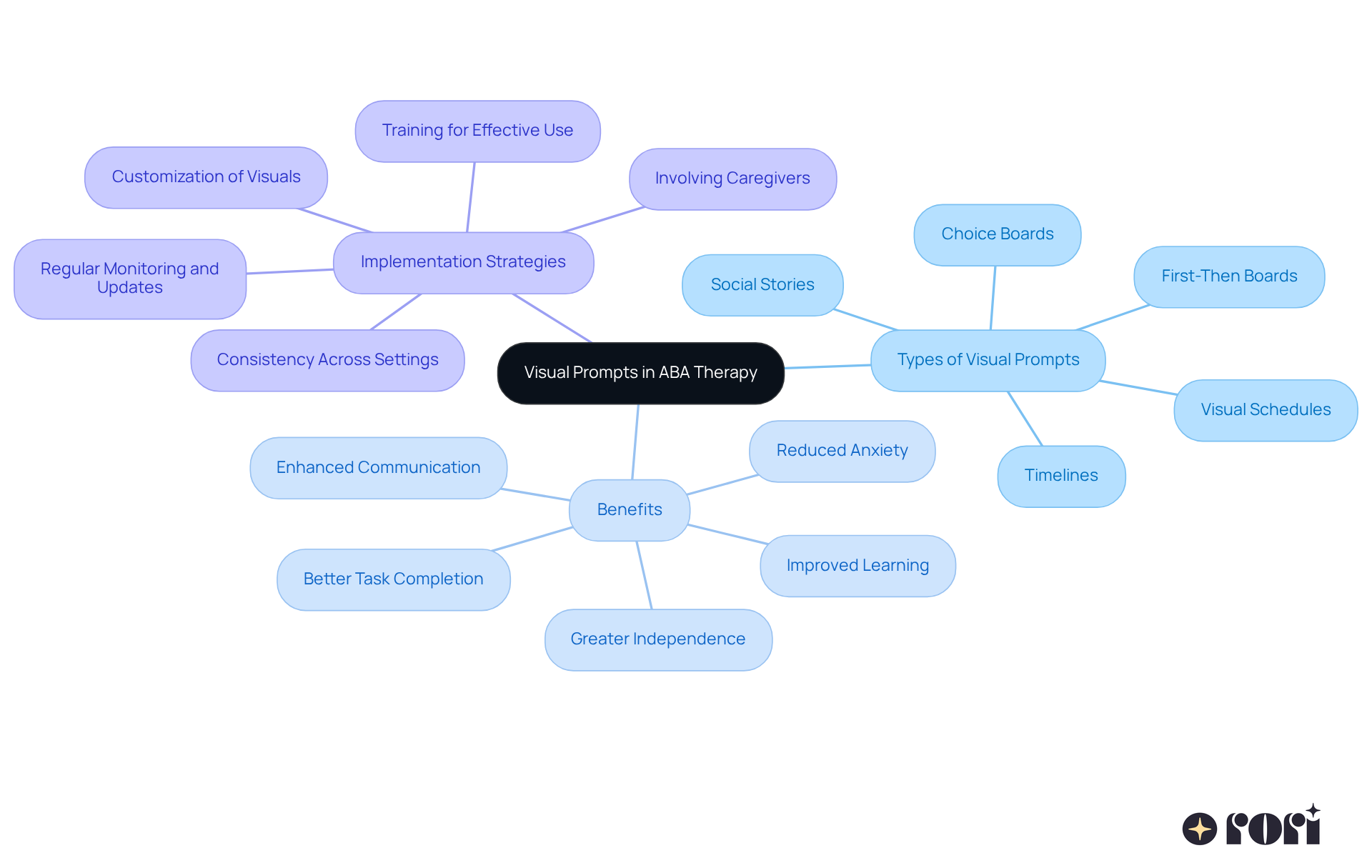
In , are essential as they utilize pictures, symbols, and various aids to enhance learning for kids with autism. These tools help clarify tasks and expectations, making it easier for young people to engage with their surroundings. For instance, timelines can help children anticipate their daily tasks, reducing stress and uncertainty during transitions. Research shows that kids who use tend to be more flexible and less resistant to change, leading to a smoother learning experience.
At Rori Behavioral Innovations Inc., we integrate innovative to create a that meets each child’s unique needs. Tools like allow kids to express their preferences, while clarify task sequences, guiding them through . This organized approach not only aids understanding but also fosters independence and confidence, empowering children to manage their daily routines more effectively.
The benefits of extend beyond immediate learning; they offer lasting advantages like and a better overall quality of life. ABA therapists recognize that the consistent use of enhances , enabling kids to express their needs and emotions more effectively. By nurturing a collaborative atmosphere among therapists, parents, and educators, Rori Care ensures that visual prompts are consistently applied across all settings, reinforcing skills and promoting greater independence for individuals with autism. Let’s explore this together and see how we can support your child on their learning journey!
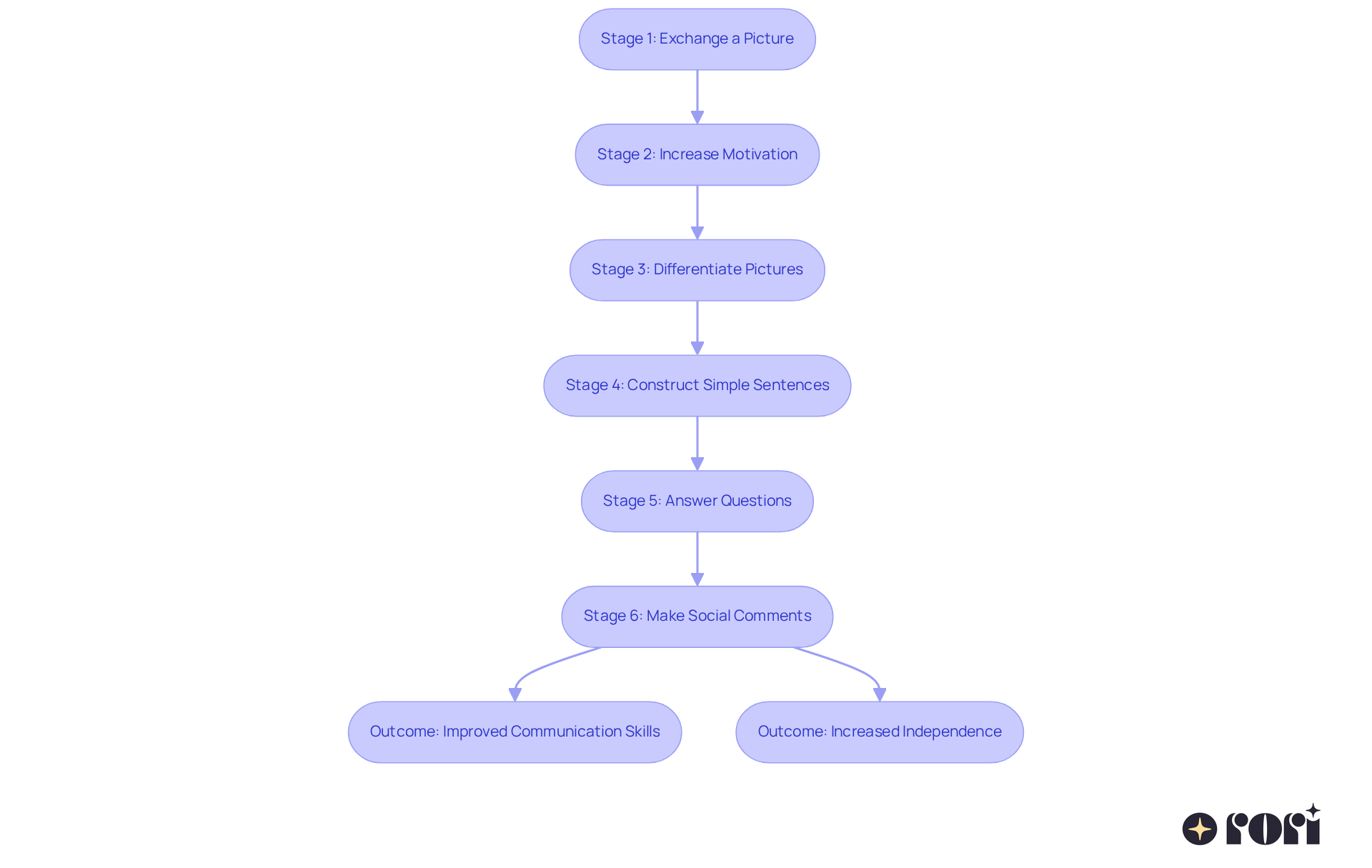
Picture Exchange Communication System (PECS): Facilitating Communication Through Visuals
The is a wonderful way for individuals with autism to express their needs and desires using pictures. By swapping images for objects or behaviors, PECS really boosts effective communication, helping to reduce frustration and encourage . This system unfolds in six stages, each one a little more complex than the last, which helps young individuals build essential that are key to their independence and social life.
Research shows that PECS can make a big difference in for those with autism. For example, a after starting PECS training, with an average Improvement Rate Difference of .56 across various studies. Clinicians have observed that those with less severe communication challenges and more frequent PECS sessions tend to achieve better outcomes. One clinician shared, “Success was defined as achieving PECS phase 3 proficiency and demonstrating significant improvement in social communication.”
The magic of PECS becomes even stronger when caregivers learn about and related strategies. When caregivers are equipped with knowledge and skills, they can provide at home, which enhances professional interventions. This informed approach leads to , as active aligns beautifully with therapeutic strategies. Plus, educating caregivers helps to ease stress and improve family dynamics, creating a more nurturing environment for the child.
Real-life stories highlight how effective PECS can be. Take, for instance, a case study of a seven-year-old boy with autism. By combining PECS with traditional behavioral methods, there was a 60% boost in target behaviors, including better and increased independence in self-help tasks. These outcomes really showcase the and social skills for individuals with autism, making it an invaluable tool in autism interventions. Let’s explore this together!
Visual Schedules: Structuring Daily Activities for Enhanced Understanding
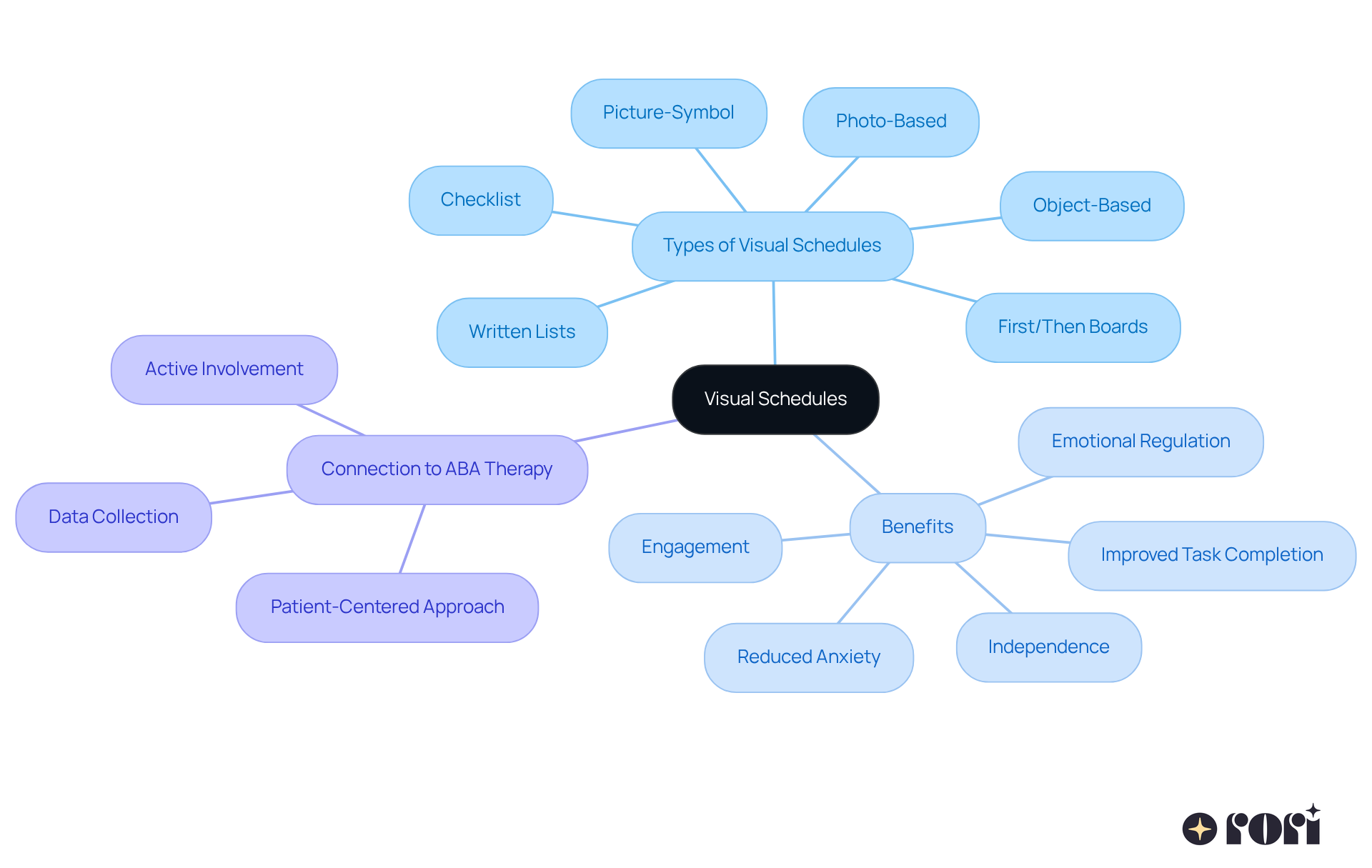
, using pictures or icons to represent tasks. They come in various forms, like object-based, picture-symbol, and checklist schedules, so you can customize them to fit your child’s unique routine. This graphic representation helps kids anticipate what’s coming up, which can really ease the stress of transitions.
Research shows that effectively aid in emotional regulation, offering a reliable structure that’s particularly beneficial for children with autism. When kids are involved in , they not only gain a but also feel excited about their daily activities. This fosters a sense of control over their environment, which is so important!
Regularly using these schedules not only helps kids complete tasks but also encourages them to be more engaged in their daily activities. This can lead to in various settings. As point out, tied to unpredictable routines, making them a crucial part of effective autism support.
This aligns beautifully with the principles of , which emphasizes the use of for a patient-centered, flexible approach. It empowers caregivers to support their children’s behavioral goals through active involvement and data collection. Let’s explore this together and see how visual schedules can make a positive impact in your child’s life!
Social Stories: Guiding Children Through Social Interactions with Visual Aids
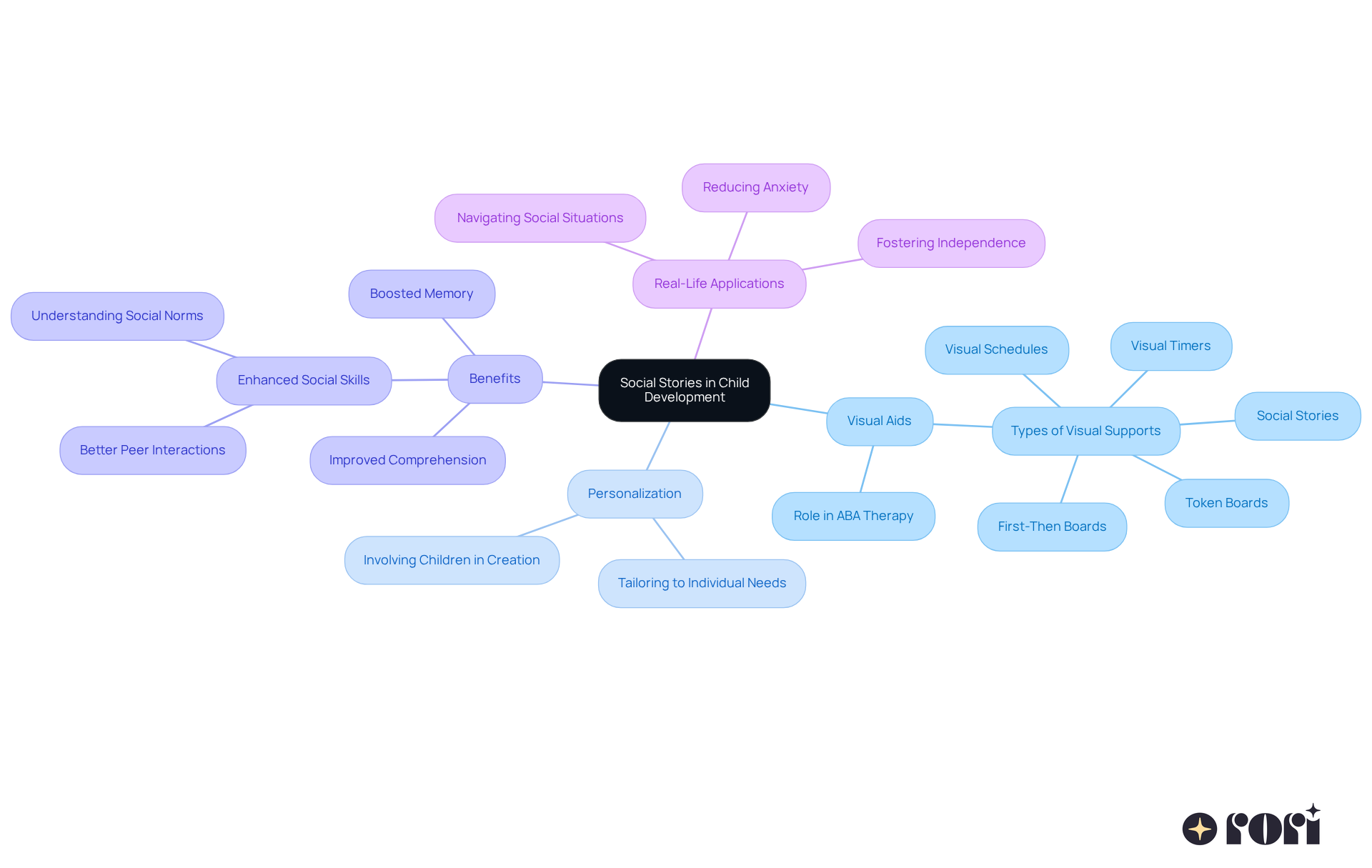
Narrative tales are wonderful storytelling tools that help kids visualize interpersonal situations and expected actions. By depicting scenarios like sharing toys or saying hello to friends, these tales guide children in understanding cues and appropriate responses. When we tailor these stories to reflect a child’s unique experiences, they become relatable and effective in teaching vital . 🌟
Research shows that adding visuals to narrative tales significantly boosts comprehension and memory, empowering kids to navigate social interactions with more confidence. For instance, therapists have observed that children who engage with demonstrate a better grasp of social norms and etiquette, leading to improved . The consistent use of these not only enhances but also helps young people apply their learned skills in real-life situations, ultimately increasing their overall social competence.
As one therapist shared, ‘Using personalized has transformed how my clients interact with their peers, making social situations less daunting and more manageable.’ Plus, Rori Care’s clinical leadership emphasizes the importance of these techniques in supporting , aligning with our commitment to empower caregivers with effective strategies, including . Let’s explore this together!
Video Modeling: Demonstrating Desired Behaviors Through Visual Examples
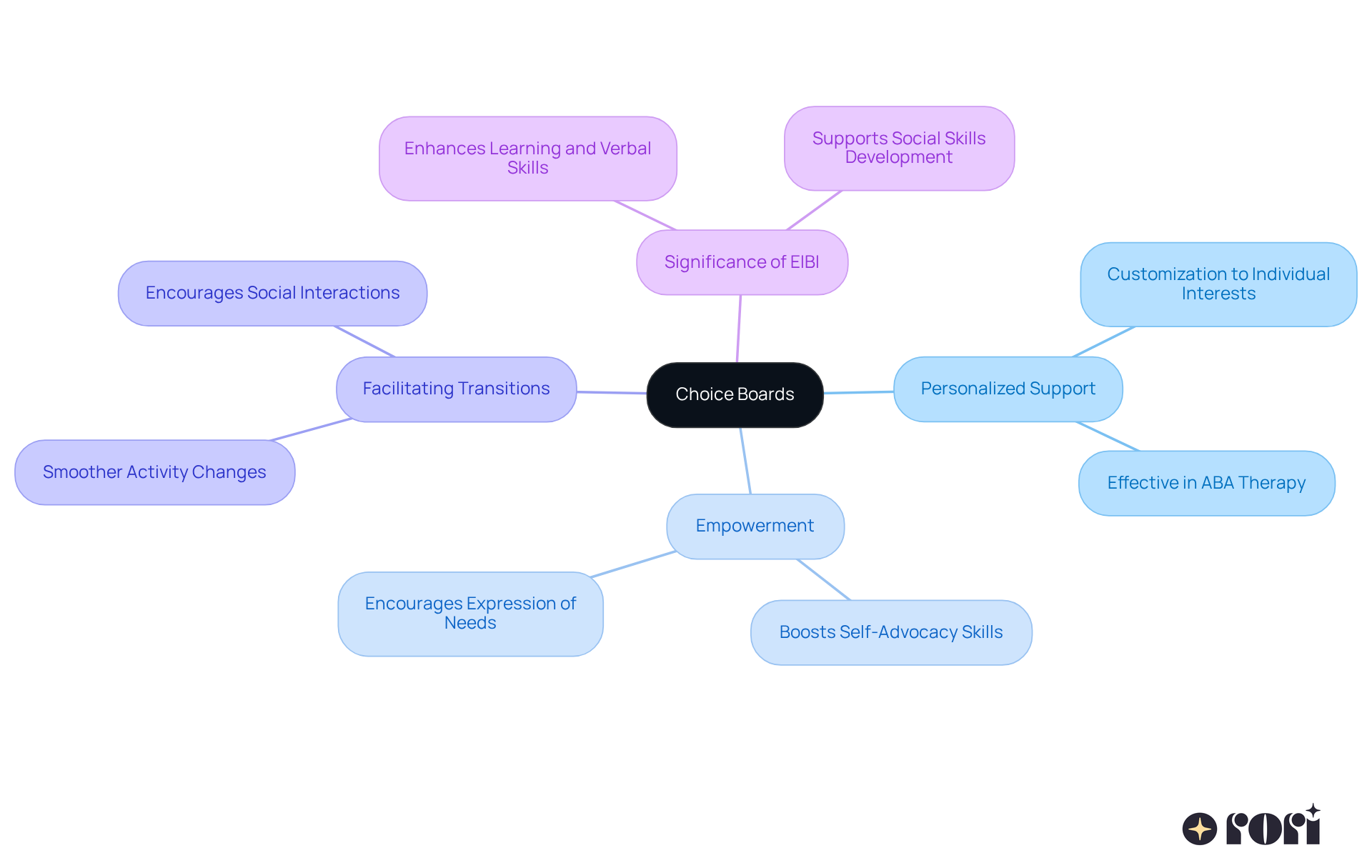
Video modeling is such a wonderful teaching approach! It involves showing videos of peers or adults demonstrating desired behaviors or skills. This method shines when it comes to teaching complex tasks because it allows learners to see behaviors in action and then try them out themselves. Research shows that in various areas, like interpersonal interactions and daily living tasks. It’s truly a versatile tool in !
When young learners see , they’re more likely to grasp and imitate the behaviors being shown. This leads to better learning outcomes! For instance, studies have shown that in young children and toddlers. This often results in quick mastery and strong generalization across different settings.
Clinicians have been impressed by how effective video modeling is in among learners. One clinician pointed out that this method not only helps with understanding complex tasks but also enhances skills beyond just the technical aspects, improving overall social competence and emotional regulation. It’s recognized as an , highlighting its value in both clinical and everyday environments.
In real-life situations, video modeling has been successfully used to teach a range of skills, from greeting peers to completing household chores. By weaving video modeling into , therapists can reinforce or small rewards, which encourages the application of these skills in various settings. Plus, adding , led by a trained therapist, can really boost these learning experiences. This group setting fosters better social interactions and communication, empowering caregivers with ABA principles and strategies that align with their child’s developmental needs. Overall, video modeling is a remarkable approach in that utilizes visual prompts ABA to help individuals with autism learn and thrive. Let’s explore this together!
First-Then Boards: Clarifying Task Sequences for Improved Focus
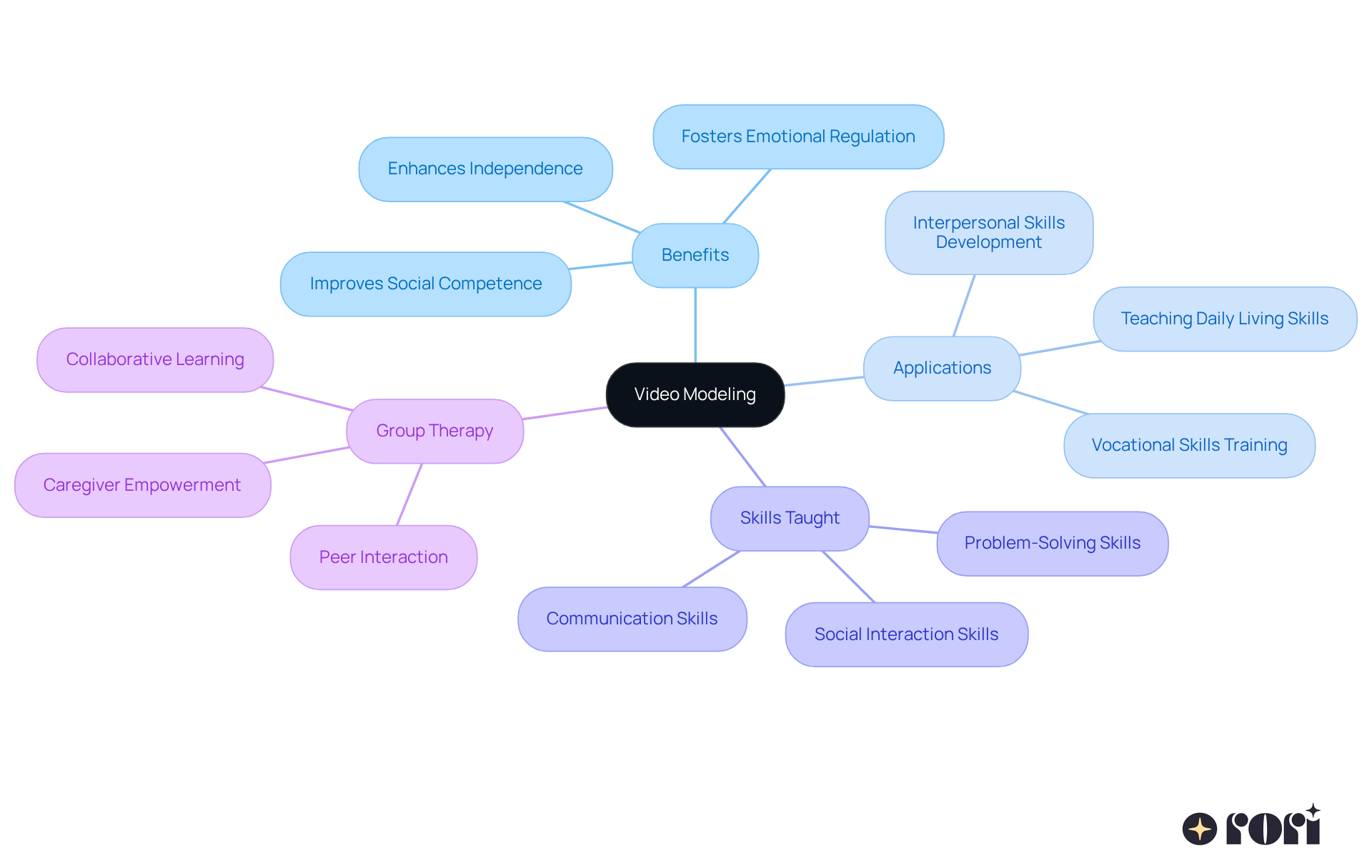
are fantastic that help outline the sequence of tasks, showing clearly what comes first and what follows. For example, a board might say, ‘First: Clean up toys, Then: Play outside.’ This clear setup not only helps clarify expectations but also significantly reduces anxiety, encouraging a more from young ones.
Research shows that using consistently can really boost —some studies even report on-task performance hitting 100%! By pairing less favored tasks with fun activities, caregivers can effectively motivate kids, enhancing their focus and engagement. This approach is rooted in the , which highlights how linking less preferred tasks to more enjoyable outcomes can spark motivation.
In real life, have shown they can simplify daily routines, like chores and mealtimes, leading to smoother transitions and greater independence. Behavior analysts emphasize that these task sequences in are key to , making them invaluable tools in . Plus, using , which include , aligns beautifully with the principles of Applied Behavior Analysis, tailoring strategies to meet each child’s unique needs and empowering caregivers with .
When caregivers use with First-Then boards, it boosts their effectiveness even more, helping young learners understand and respond positively to the prompts. Let’s explore this together! We’re here to help you every step of the way!
Token Economies: Using Visual Tokens to Reinforce Positive Behavior
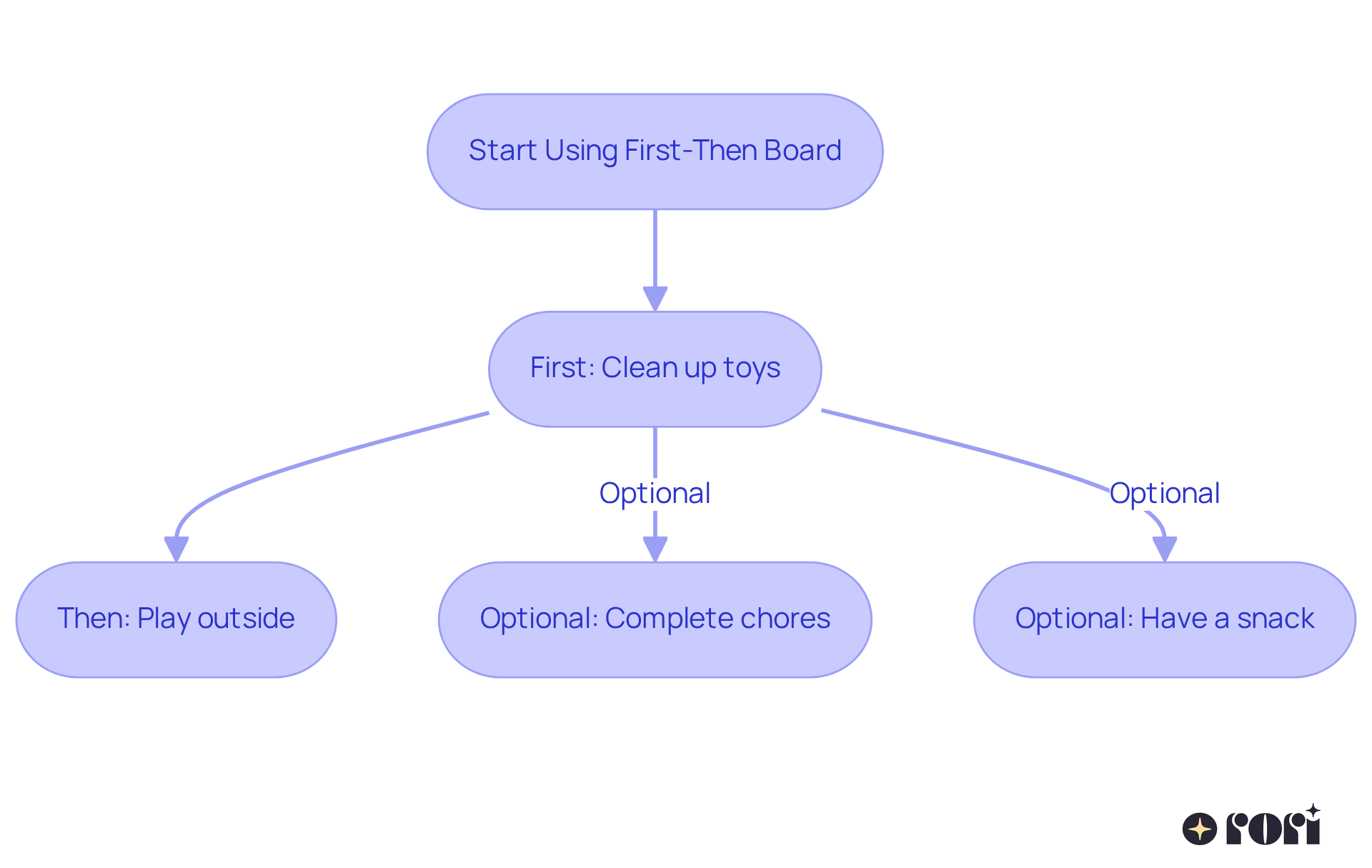
are a fantastic ! They allow young individuals to earn tokens as rewards for showing off those desired behaviors. Think of these tokens as little badges of progress that can be traded for . This creates a that really works!
Studies have shown that can significantly boost . This encourages our young ones to engage in . Clinicians have noticed that this method not only promotes compliance but also helps kids feel a as they work towards earning their rewards.
For example, in educational settings, have been a game-changer! They’ve successfully reinforced behaviors like completing homework and interacting positively with peers, leading to noticeable improvements in motivation and engagement. By creating an environment where kids can see their progress, truly foster the growth of . Let’s explore this together and see how it can benefit your child!
Choice Boards: Empowering Decision-Making Through Visual Options
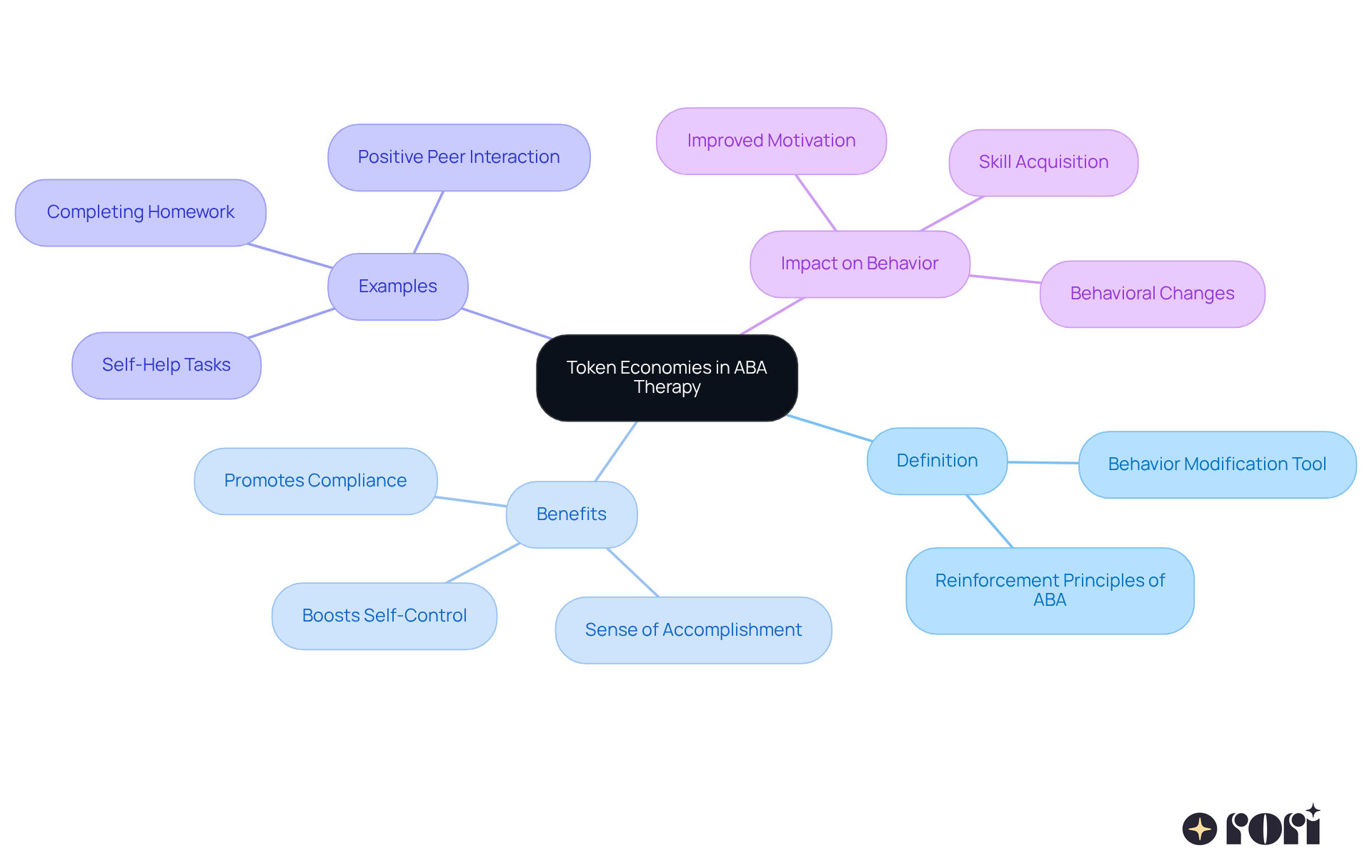
are fantastic visual aids that give kids options for activities or tasks, allowing them to make choices based on what they like. This approach not only empowers them but also keeps them engaged in the learning process, which is a key principle of . When young individuals have a variety of options, they feel more involved, which helps reduce frustration while and self-advocacy.
Key Benefits of :
- : can be customized to fit individual interests, making them even more .
- Empowerment: Kids learn to express their needs and preferences confidently, which boosts their .
- : Real-world uses of have shown they can help make transitions between activities smoother and encourage social interactions.
- Significance of EIBI: Using choice boards aligns perfectly with the principles of , which is crucial for enhancing learning, verbal, and social skills in children with autism.
It’s important to introduce choice boards in a calm environment, ensuring that the child feels comfortable and engaged. Plus, when we validate their choices with , it fosters a sense of accomplishment that’s vital for and skill acquisition. Let’s explore this together and see how choice boards can make a difference!
Emotion Regulation Visuals: Aiding Children in Identifying and Managing Emotions
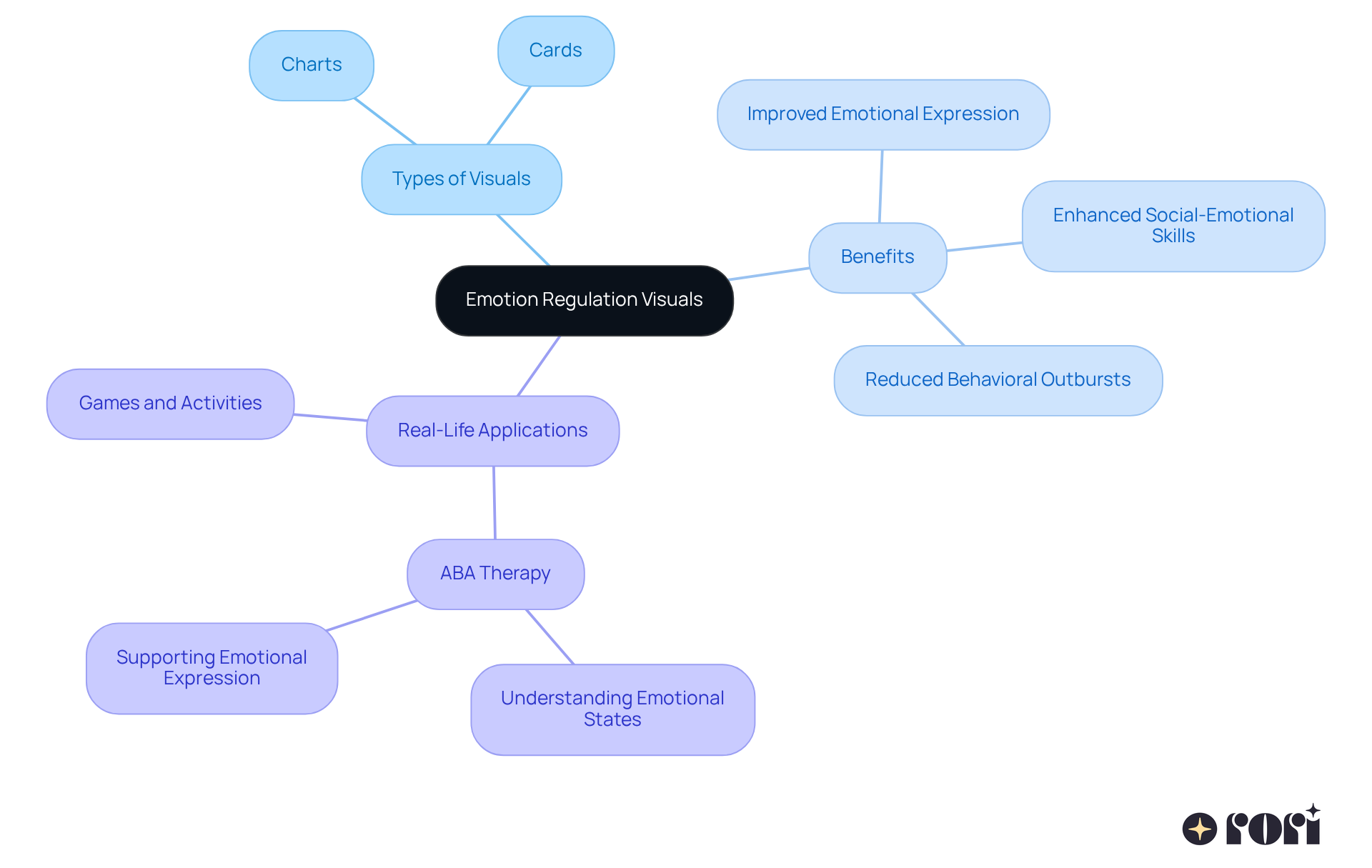
visuals, like charts and cards that showcase different emotions, are super helpful for young individuals trying to recognize and express their feelings. These tools offer clear visuals, making it easier for them to share what they’re feeling. 🌈 Studies show that when kids can pinpoint and express their emotions, they experience fewer frustrations and , which really boosts their .
For instance, in real-life situations, have been shown to reduce in children with autism. This happens because they help these youngsters better . This approach not only supports emotional expression but also nurtures essential . So, it’s clear that are an invaluable resource in within . Let’s explore this together and see how we can make a difference!
Task Completion Visuals: Guiding Children Through Steps to Achieve Goals
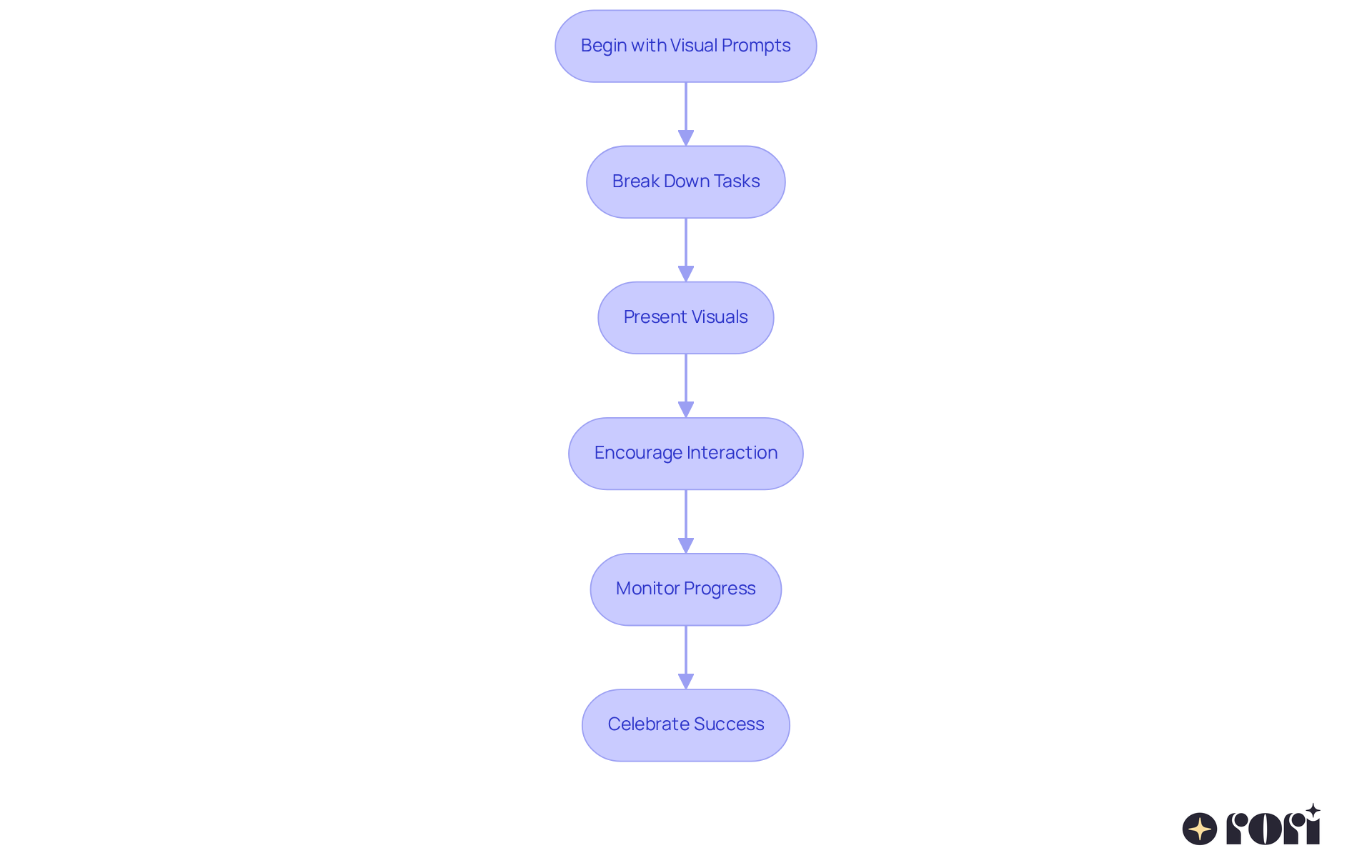
are truly essential tools that provide step-by-step guidance for kids, breaking down activities into smaller, manageable steps. This organized method not only clarifies expectations but also significantly boosts the chances of success, particularly for individuals with Autism Spectrum Disorders and other behavioral challenges. Research shows that can significantly enhance , especially for individuals who struggle with . By providing clear, visual representations of tasks, these aids help young individuals navigate their responsibilities with confidence, ultimately fostering a sense of accomplishment as they reach their goals.
In real-world scenarios, when young individuals use task completion visuals, they often find improved clarity and focus, leading to higher success rates in both academic and daily activities. that incorporating into is a proven strategy to enhance learning outcomes. It allows young learners to visualize their progress and understand the sequence of actions required to complete tasks efficiently. This aligns perfectly with the principles of , especially the use of , which tailors approaches to each individual’s unique needs by harnessing the science of learning and behavior.
Visual prompts aba are particularly vital for supporting autistic children in classrooms, as they provide the clarity needed for success. Plus, using consistent visuals across home, school, and therapy settings has been shown to boost effectiveness, highlighting the importance of a cohesive approach. also give students the chance to and adapting to them, which aids in their emotional regulation. By integrating these strategies, parents can ensure personalized support and clear progress tracking—key benefits of program development in . Let’s explore this together and see how these tools can make a difference!
Conclusion
Visual prompts in ABA therapy are truly powerful tools that can enhance learning and communication for children with autism. By using a variety of visual aids—like choice boards, visual schedules, and social stories—caregivers and therapists create structured environments that promote independence, clarity, and emotional regulation. This tailored approach not only helps children navigate their daily routines but also empowers them to express their needs and manage their emotions effectively.
Throughout our journey, we’ve seen how effective these visual prompts can be. For instance, the Picture Exchange Communication System (PECS) facilitates communication, while video modeling shows desired behaviors. Each method plays a unique role in a child’s development. Visual schedules provide predictability, First-Then boards clarify task sequences, and token economies reinforce positive behavior. Together, these strategies create a cohesive learning experience. Plus, when consistently applied across different settings, they enhance their impact, ensuring that children receive the support they need to thrive.
We can’t underestimate the significance of integrating visual prompts into ABA therapy. These tools improve not just academic and social outcomes, but they also cultivate a nurturing environment where children can develop essential life skills. As caregivers and professionals work together to implement these strategies, they pave the way for greater independence and success for children with autism. Let’s embrace these innovative approaches and transform the learning journey, making it more engaging and effective for every child. We’re here to help you every step of the way!
Frequently Asked Questions
What are visual prompts in ABA therapy?
Visual prompts in ABA therapy are tools that utilize pictures, symbols, and various aids to enhance learning for children with autism. They help clarify tasks and expectations, making it easier for kids to engage with their surroundings.
How do visual prompts benefit children with autism?
Visual prompts help reduce stress and uncertainty during transitions, improve flexibility, and decrease resistance to change. They also foster independence and confidence, enabling children to manage their daily routines more effectively.
What specific tools are used as visual prompts in ABA therapy?
Tools such as choice boards and first-then boards are used. Choice boards allow children to express their preferences, while first-then boards clarify task sequences, guiding them through daily activities.
How do visual aids impact communication skills in children with autism?
Consistent use of visual aids enhances communication skills, enabling children to express their needs and emotions more effectively. This collaborative approach among therapists, parents, and educators promotes greater independence.
What is the Picture Exchange Communication System (PECS)?
PECS is a communication system that allows individuals with autism to express their needs and desires using pictures by swapping images for objects or behaviors, thereby boosting effective communication.
How many stages are there in the PECS system, and what is their purpose?
There are six stages in the PECS system, each progressively more complex, which help young individuals build essential communication skills necessary for their independence and social interactions.
What are the outcomes of using PECS for children with autism?
Research indicates that children using PECS can quickly learn to communicate using pictures, leading to improved communication skills and social interactions. Clinicians have noted better outcomes for those who engage in more frequent PECS sessions.
How can caregiver involvement enhance the effectiveness of PECS?
When caregivers are knowledgeable about visual prompts and related strategies, they can provide consistent support at home, enhancing professional interventions and leading to better behavioral outcomes.
What are visual schedules, and how do they assist children with autism?
Visual schedules are tools that outline daily activities using pictures or icons to represent tasks. They help children anticipate upcoming activities, easing the stress of transitions and improving engagement in daily tasks.
How do visual schedules contribute to emotional regulation in children with autism?
Visual schedules provide a reliable structure that helps reduce anxiety associated with unpredictable routines. When children create their own schedules, they gain a sense of ownership and control over their environment.
How do visual prompts align with Applied Behavior Analysis (ABA) therapy?
Visual prompts are integral to ABA therapy as they support a patient-centered, flexible approach, empowering caregivers to aid their children’s behavioral goals through active involvement and data collection.
List of Sources
- Rori Care – ABA Therapy: Innovative Visual Prompts for Effective Learning
- How to Use Visual Supports to Enhance ABA Therapy Outcomes | Intellistars – ABA Therapy (https://intellistarsaba.com/blog/how-to-use-visual-supports-to-enhance-aba-therapy-outcomes)
- buildingblockstherapy.org (https://buildingblockstherapy.org/blog/the-role-of-visual-learning-aids-in-aba-therapy-for-autism-spectrum-disorder)
- yellowbusaba.com (https://yellowbusaba.com/post/how-to-use-visual-aids-in-aba-therapy)
- Visual Supports to Optimize ABA Therapy for Children with Autism (https://striveabaconsultants.com/harnessing-visual-supports-to-optimize-aba-therapy-for-children-with-autism)
- stepaheadaba.com (https://stepaheadaba.com/blog/how-to-use-visual-supports-effectively-in-aba-therapy)
- Picture Exchange Communication System (PECS): Facilitating Communication Through Visuals
- Predictors of successful Picture Exchange Communication System training in children with communication impairments: insights from a real-world intervention in a resource-limited setting – PMC (https://pmc.ncbi.nlm.nih.gov/articles/PMC11907048)
- stepaheadaba.com (https://stepaheadaba.com/blog/picture-exchange-communication-system-pecs)
- sciencedirect.com (https://sciencedirect.com/science/article/abs/pii/S0891422211003751)
- goldenstepsaba.com (https://goldenstepsaba.com/resources/pecs-autism)
- Visual Schedules: Structuring Daily Activities for Enhanced Understanding
- The Efficacy of Visual Activity Schedule Intervention in Reducing Problem Behaviors in Children With Attention-Deficit/Hyperactivity Disorder Between the Age of 5 and 12 Years: A Systematic Review – PMC (https://pmc.ncbi.nlm.nih.gov/articles/PMC8733412)
- pepcleve.org (https://pepcleve.org/resources/articles/2025/04/02/visual-schedules-tools-to-support-young-people-with-autism)
- chicagoabatherapy.com (https://chicagoabatherapy.com/resources/articles/importance-of-visual-schedules-for-individuals-in-esdm)
- stepaheadaba.com (https://stepaheadaba.com/blog/the-role-of-visual-schedules-in-managing-daily-activities)
- discoveryaba.com (https://discoveryaba.com/aba-therapy/the-role-of-visual-supports-in-aba-therapy-sessions)
- Social Stories: Guiding Children Through Social Interactions with Visual Aids
- autism-nsfaglobal.com (https://autism-nsfaglobal.com/case_studies/boy-yan_f-was-10-5-years-old)
- The Benefits of Visual Aids in Enhancing ABA Therapy Sessions | Intellistars – ABA Therapy (https://intellistarsaba.com/blog/the-benefits-of-visual-aids-in-enhancing-aba-therapy-sessions)
- yellowbusaba.com (https://yellowbusaba.com/post/how-to-use-visual-aids-in-aba-therapy)
- mastermindbehavior.com (https://mastermindbehavior.com/post/the-role-of-social-stories-in-teaching-new-skills)
- stepaheadaba.com (https://stepaheadaba.com/blog/social-stories-for-autism)
- Video Modeling: Demonstrating Desired Behaviors Through Visual Examples
- leorabh.com (https://leorabh.com/blog/the-role-of-video-modeling-in-skill-development)
- asatonline.org (https://asatonline.org/for-parents/learn-more-about-specific-treatments/applied-behavior-analysis-aba/aba-techniques/video-modeling)
- frontiersin.org (https://frontiersin.org/journals/education/articles/10.3389/feduc.2019.00104/full)
- mastermindbehavior.com (https://mastermindbehavior.com/post/how-video-modeling-supports-skill-development-in-autism)
- First-Then Boards: Clarifying Task Sequences for Improved Focus
- magnetaba.com (https://magnetaba.com/blog/how-to-use-first-then-boards-in-home-based-aba-therapy)
- The Efficacy of Visual Activity Schedule Intervention in Reducing Problem Behaviors in Children With Attention-Deficit/Hyperactivity Disorder Between the Age of 5 and 12 Years: A Systematic Review – PMC (https://pmc.ncbi.nlm.nih.gov/articles/PMC8733412)
- discoveryaba.com (https://discoveryaba.com/aba-therapy/how-to-use-first-then-boards-to-support-positive-behavior-changes?8936781b_page=17)
- Inspirational ABA and Autism Quotes – Mrs. Moe’s Modifications (https://mrsmoesmodifications.com/inspirational-aba-and-autism-quotes)
- Token Economies: Using Visual Tokens to Reinforce Positive Behavior
- tjjd.texas.gov (https://tjjd.texas.gov/tjjd-launches-token-economy-program-motivating-youth-to-build-skills)
- mayinstitute.org (https://mayinstitute.org/news/acl/asd-and-dd-child-focused/use-token-economies-to-provide-positive-reinforcement-and-modify-behavior)
- Understanding the Role of Token Economies in ABA Therapy | Advanced Autism Services (https://advancedautism.com/post/understanding-the-role-of-token-economies-in-aba-therapy)
- Choice Boards: Empowering Decision-Making Through Visual Options
- crossrivertherapy.com (https://crossrivertherapy.com/articles/how-aba-supports-self-advocacy-in-children-with-autism)
- autismadvance.com (https://autismadvance.com/how-to-use-choice-board-for-autism)
- newpatternsaba.com (https://newpatternsaba.com/blog/the-role-of-aba-therapy-in-teaching-children-to-make-choices)
- scribd.com (https://scribd.com/doc/260722354/measuring-behavior-case-study)
- Emotion Regulation Visuals: Aiding Children in Identifying and Managing Emotions
- blog.brookespublishing.com (https://blog.brookespublishing.com/10-quotes-and-tips-for-building-strong-social-emotional-skills)
- Task Completion Visuals: Guiding Children Through Steps to Achieve Goals
- The Efficacy of Visual Activity Schedule Intervention in Reducing Problem Behaviors in Children With Attention-Deficit/Hyperactivity Disorder Between the Age of 5 and 12 Years: A Systematic Review – PMC (https://pmc.ncbi.nlm.nih.gov/articles/PMC8733412)
- Inspirational ABA and Autism Quotes – Mrs. Moe’s Modifications (https://mrsmoesmodifications.com/inspirational-aba-and-autism-quotes)
- leafwingcenter.org (https://leafwingcenter.org/visuals-to-help-students-with-autism)