

Introduction
ABA therapy has become a beacon of hope for many children with autism, offering structured routines that help them grow and gain independence. By creating personalized routines, this therapy not only tackles behavioral challenges but also nurtures an environment where kids can thrive emotionally and socially.
But how can caregivers effectively tap into these structured approaches to unlock their child’s full potential? 🤔 Let’s explore this together! This article dives into ten impactful ways ABA therapy enhances daily life for children, sharing insights and strategies that promise positive outcomes. We’re here to help you every step of the way!
Rori Care – ABA Therapy: Personalized Routines for Transformative Outcomes
At Rori Behavioral Innovations, we understand that every child is unique, and that’s why we implement for to create . By blending evidence-based methods with the latest technology, our clinicians can craft that really make a difference in the .
This personalized touch doesn’t just tackle behavioral challenges; it also nurtures a where growth and development can flourish. Imagine seeing ! Our clinicians emphasize that using allows for real-time adjustments to therapy, ensuring that we’re always tracking and supporting each child’s effectively.
We’re here to help you every step of the way! Let’s explore this journey together and see how we can make a positive impact on your child’s life.
Structured Routines: Enhancing Daily Life for Children with Autism
is essential for kids with autism, offering them the predictability and security they need. At Rori Care, our dedicated clinical leadership team, made up of experienced professionals, is all about and helping young individuals thrive through .
When kids engage in , they can better anticipate what comes next. This predictability, facilitated by , can really help in various activities. Research shows that having not only improves emotional well-being but also encourages independence, as kids gain confidence in handling their daily tasks.
By fostering a , aba therapy for routine and structure empowers young individuals to flourish, allowing them to and adapt more easily to their environments. , emphasized through aba therapy for routine and structure, is key in creating a supportive atmosphere, leading to better and a stronger sense of safety for youth on the autism spectrum.
Let’s explore this together! If you’re looking for ways to implement aba therapy for routine and structure in your child’s life, we’re here to help you every step of the way!
Visual Aids: Supporting Routine Comprehension in ABA Therapy
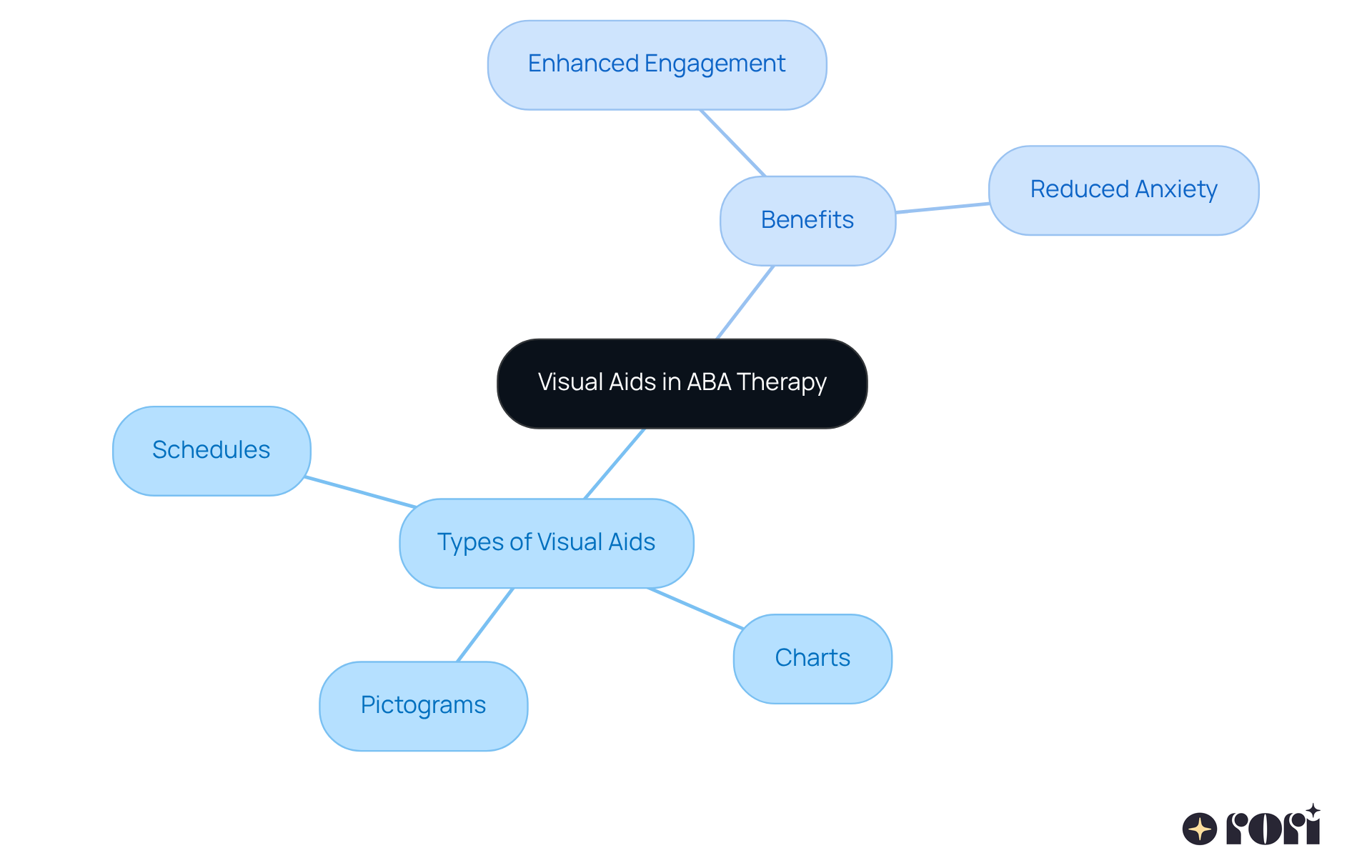
, such as schedules, charts, and pictograms, play a crucial role in in . These tools help children visualize their daily activities, making it easier for them to understand what comes next. By incorporating visual supports into therapy, clinicians can and , allowing children to and confidence.
Caregiver Engagement: Key to Successful Routine Implementation
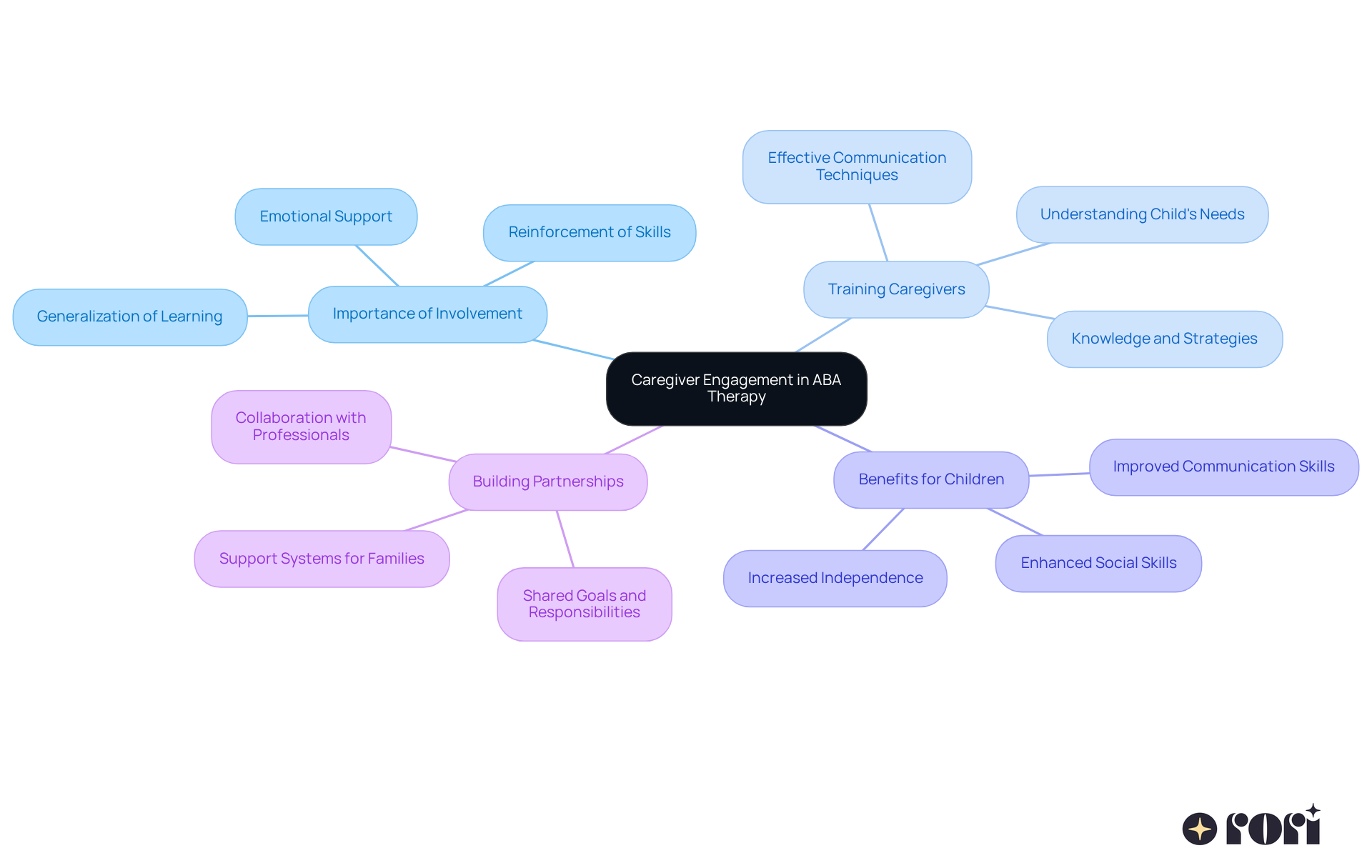
is so important for making ABA intervention work well! When caregivers jump in, they help reinforce the skills learned during therapy sessions, making it easier for kids to carry those lessons into their home life. This teamwork not only boosts a child’s grasp of routines but also implements , creating a warm environment that nurtures .
You know, studies show that kids who get really shine in areas like communication and social skills. That’s why is key – it gives them the tools they need to provide reliable support, leading to better outcomes for the little ones they care for.
Effective programs understand that the best results happen when families are equipped with knowledge and strategies related to . It’s all about and success. So, let’s explore this together and see how we can make a difference!
Long-Term Benefits: Fostering Independence Through Consistent ABA
Consistent is essential for helping kids with autism gain independence. When children engage in , they practice regularly within a predictable framework, which helps them develop and making their own choices. This gradual increase in autonomy not only but also prepares them to tackle future challenges.
Did you know that research shows 50-75% of youngsters receiving intensive Applied Behavior Analysis (ABA) therapy for two or more years see ? That’s pretty encouraging! Plus, ABA therapy for routine and structure helps kids navigate their environments more smoothly through organized routines. For instance, ABA therapy for routine and structure can make teaching kitchen safety easier with simple strategies.
The , who understand ABA principles and strategies, really enhances these outcomes. When caregivers are equipped with knowledge, they can make informed decisions that positively impact their child’s progress, leading to .
The long-term benefits of go beyond just learning new skills; they lay a solid foundation for lifelong independence and success. While it can’t reverse autism, it can greatly , ensuring that young individuals are better prepared for the future.
Let’s explore this together! We’re here to help you every step of the way!

Structured Teaching: Improving Educational Outcomes in ABA Therapy
is an essential aspect of for routine and structure! It focuses on creating organized learning environments that really make a difference. By using visual supports, clear instructions, and , educators can boost . Isn’t that amazing?
Research shows that (EIBI) can lead to significant improvements in cognitive, language, and daily living skills, especially when it’s tailored to individual needs. This organized approach not only helps with academic performance but also encourages . It allows young individuals to interact more effectively with their peers and educators.
Plus, a well- can really help , which is so vital for those on the autism spectrum. By implementing for routine and structure, educators can create a where young learners can thrive both academically and socially. Let’s explore this together and see how we can make a positive impact!

Anxiety Reduction: The Role of Routine in ABA Therapy
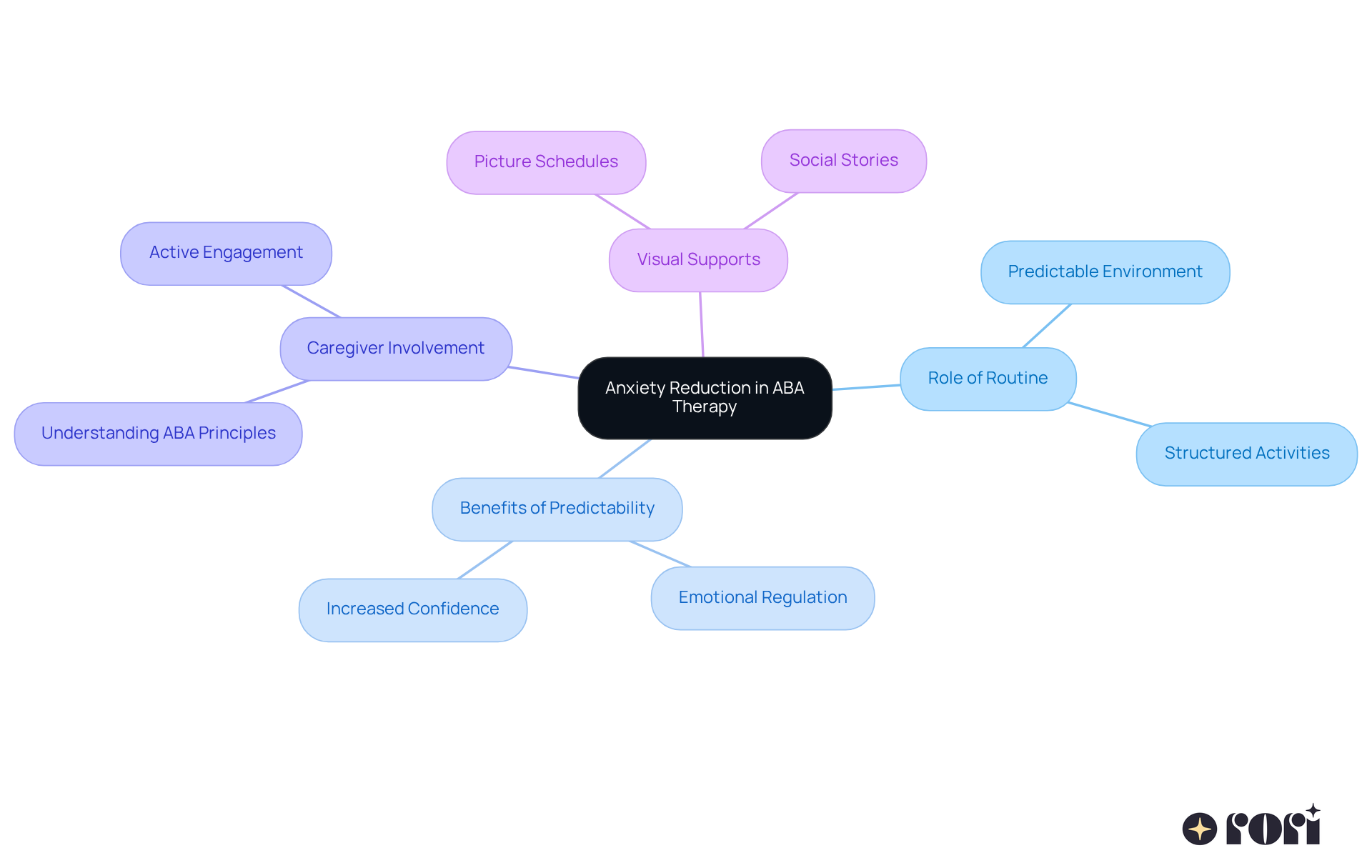
plays a vital role in easing anxiety for kids with autism. They create a that helps kids feel safe and secure. When things are , it can really cut down on those overwhelming feelings that come with unexpected changes. This way, young learners can focus more on their education and engage with their surroundings.
Research shows that having regular practices can significantly boost . This means kids are more open to counseling and social interactions. Experts agree that these predictable frameworks not only support but also help kids navigate their daily lives with more confidence.
By incorporating , caregivers can weave into the process to create a that promotes emotional well-being and encourages . Plus, when caregivers understand ABA principles and strategies, they’re better equipped to provide the right support at home. This complements professional interventions and helps maintain consistency.
When caregivers are actively involved, it leads to . Their engagement aligns with therapeutic strategies, resulting in more effective and lasting improvements. As Temple Grandin wisely said, “Different, not less,” highlighting the importance of understanding and supporting the unique needs of individuals with autism.
The case study titled “Establishing Patterns” shows how consistent practices can provide stability and comfort, reinforcing the positive impact of predictability on . And let’s not forget about ! They can really enhance the efficiency of activities, helping kids grasp expectations and manage their daily tasks with ease.
Let’s explore this together! We’re here to help you every step of the way!
Early Intervention: Establishing Routines for Better Development
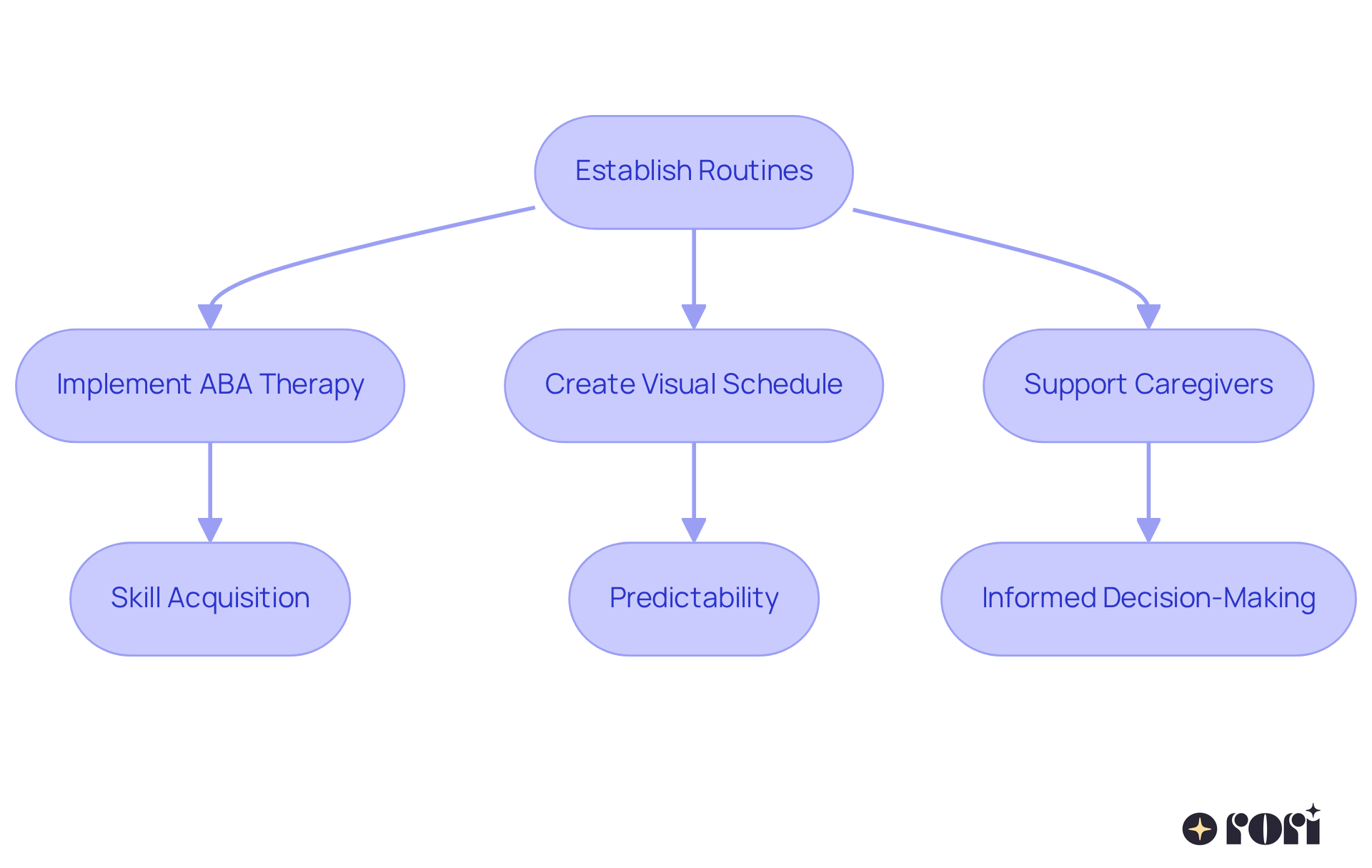
Creating consistent practices during early intervention is so important for helping individuals with autism thrive. When we implement for routine and structure, young ones can pick up through . Think about it: regular support not only helps kids adjust to their surroundings but also enhances their learning experiences, laying the groundwork for future successes in various areas of life.
And here’s something to consider: using can really . It gives you the tools and strategies you need to support your child’s unique behavioral goals. This active involvement not only fosters informed decision-making but also leads to , which is a win for the whole family!
To further support your child, why not create a ? This can help them understand and anticipate transitions, making the day feel a bit more predictable. Let’s explore this together! We’re here to help you every step of the way!
Structured Play: Enhancing Social Skills Through ABA Therapy
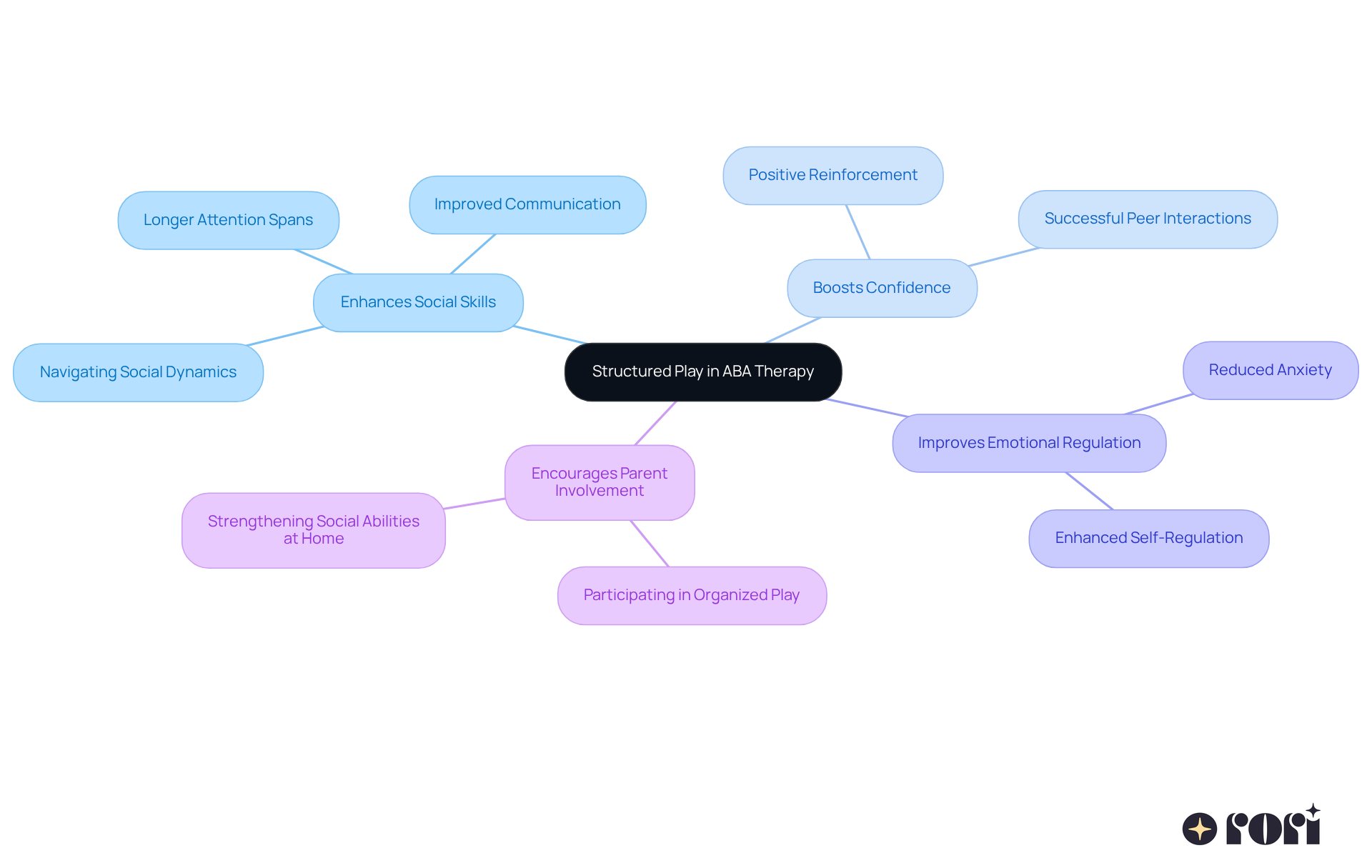
is such a crucial part of , especially when it comes to helping kids with autism develop their . Through fun, goal-oriented play activities, children get to interact with their peers, share, and take turns. This not only builds but also boosts their confidence and – both key ingredients for effective social engagement.
For example, have been linked to longer attention spans and less anxiety, creating a more welcoming environment for learning. Isn’t that amazing? Plus, studies show that kids who engage in often see . They learn to navigate social dynamics through guided interactions, which is so important!
This approach doesn’t just help kids develop foundational ; it also empowers them to express themselves and form meaningful relationships. Ultimately, this can really . Parents and caregivers, you can play a big role too! Try participating in at home, focusing on skills like . It’s a great way to strengthen those vital social abilities and support your child’s development. Let’s explore this together!
Transformative Impact: How ABA Therapy Reshapes Lives Through Routine
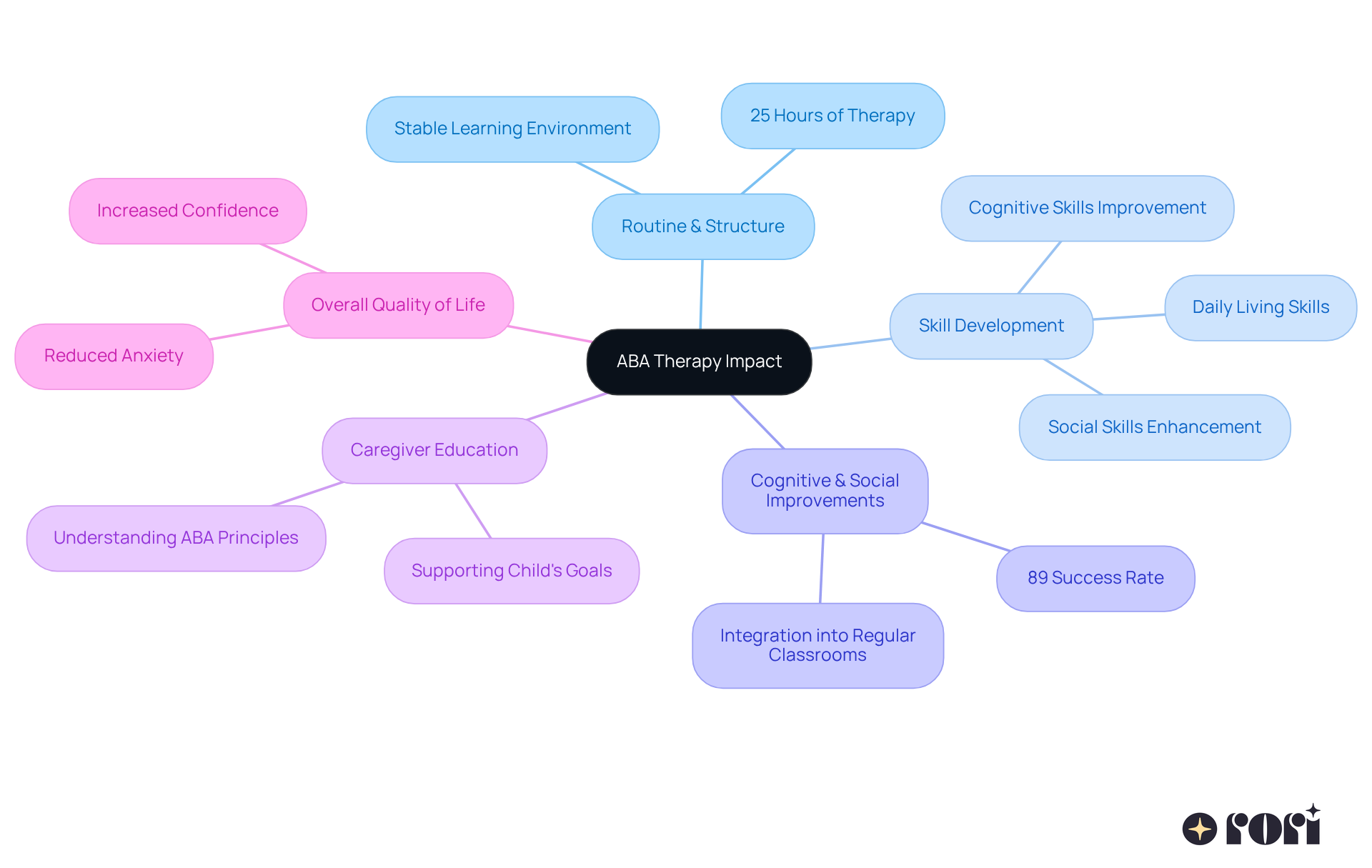
ABA intervention can truly transform the lives of kids with autism! By creating organized patterns, it provides a and behavior that is crucial in . This , including for routine and structure, is crucial for skill development, .
Did you know that kids who receive at least 25 hours of ABA therapy each week show ? This really highlights how consistency can promote independence! Plus, these organized patterns help , allowing kids to feel more secure and confident in their surroundings.
The positive changes that young individuals and their families experience underscore just how vital ABA therapy for routine and structure is for achieving . It can truly enhance their overall quality of life. And let’s not forget about ! It’s essential for the success of ABA therapy. When families are equipped with a deeper and strategies, they can support their child’s learning and behavioral goals more effectively.
By making informed decisions, caregivers can positively impact their child’s progress, leading to better behavioral outcomes and improved family dynamics. So, let’s explore this together! We’re here to help you every step of the way!
Conclusion
Implementing ABA therapy with a focus on routine and structure brings wonderful benefits for children with autism. This approach creates a predictable environment that not only fosters security and reduces anxiety but also helps children develop essential skills for independence. By customizing routines to fit each child’s unique needs, ABA therapy paves the way for significant progress in their daily lives and overall well-being.
Throughout this journey, it’s clear that personalized routines, the use of visual aids, and the active involvement of caregivers play crucial roles in reinforcing learned skills. Structured teaching and play enhance educational outcomes and social skills, creating a nurturing atmosphere where children can truly thrive. The evidence shows that consistent ABA therapy can lead to meaningful improvements in communication, behavior, and emotional regulation, ultimately laying a solid foundation for lifelong success.
The importance of routine in ABA therapy is something we can’t overlook. It’s a vital tool for managing anxiety, promoting independence, and enhancing the quality of life for children with autism. As caregivers and educators embrace these strategies, they can create a supportive environment that nurtures growth and fosters a brighter future for the children they care for. Engaging with ABA therapy not only transforms individual lives but also strengthens family dynamics, making it an invaluable approach for those looking to make a positive impact.
Let’s explore this together! By embracing these strategies, we can create a community of support and understanding. We’re here to help you every step of the way!
Frequently Asked Questions
What is Rori Care’s approach to ABA therapy?
Rori Care implements ABA therapy through personalized routines tailored to each child’s unique needs, blending evidence-based methods with the latest technology to create effective treatment plans.
How does personalized ABA therapy benefit children with autism?
Personalized ABA therapy addresses behavioral challenges while nurturing a supportive environment for growth and development, leading to transformative results for children with autism.
What role does data analytics play in Rori Care’s therapy?
Data analytics allows clinicians to make real-time adjustments to therapy, ensuring effective tracking and support of each child’s unique progress.
Why are structured routines important for children with autism?
Structured routines provide predictability and security, which help reduce anxiety and boost participation in activities, ultimately improving emotional well-being and encouraging independence.
How does ABA therapy promote neurodiversity?
Rori Care’s clinical leadership team focuses on personalized approaches that promote neurodiversity, helping young individuals thrive and develop essential skills.
What are the benefits of using visual aids in ABA therapy?
Visual aids, such as schedules and charts, help children visualize daily activities, enhancing engagement, reducing anxiety, and making it easier for them to follow routines with confidence.
List of Sources
- Rori Care – ABA Therapy: Personalized Routines for Transformative Outcomes
- Understanding Autism Therapy Success Rates (https://ambitionsaba.com/resources/understanding-autism-therapy-success-rates)
- Success Rates of ABA Therapy | Advanced Autism Services (https://advancedautism.com/post/success-rates-of-aba-therapy)
- Resources | Golden Steps ABA (https://goldenstepsaba.com/resources/success-rates-of-aba-therapy)
- The Numbers Don’t Lie: Revealing Autism Therapy Statistics | Above and Beyond Therapy (https://abtaba.com/blog/autism-therapy-statistics)
- Structured Routines: Enhancing Daily Life for Children with Autism
- Best Autism Quotes to Raise Awareness and Understanding (https://yellowbusaba.com/post/autism-quotes)
- rori.care (https://rori.care/post/10-positive-proud-autism-quotes-to-inspire-and-empower-parents)
- Autism Routine and Structure (https://goldenstepsaba.com/resources/autism-routine-and-structure)
- Journal of Family Theory & Review | NCFR Family Science Journal | Wiley Online Library (https://onlinelibrary.wiley.com/doi/10.1111/jftr.12549)
- Caregiver Engagement: Key to Successful Routine Implementation
- The Role of Caregiver Involvement in ABA Therapy | Behavioral Health Center of Excellence Accreditation (https://bhcoe.org/2021/07/the-role-of-caregiver-involvement-in-aba-therapy)
- 10 Powerful Autism ABA Quotes That Inspire Change – Rori Blog (https://rori.care/post/10-powerful-autism-aba-quotes-that-inspire-change)
- Resources | Golden Steps ABA (https://goldenstepsaba.com/resources/success-rates-of-aba-therapy)
- Success Rates of ABA Therapy | Advanced Autism Services (https://advancedautism.com/post/success-rates-of-aba-therapy)
- aigift.alibaba.com (https://aigift.alibaba.com/quotes/applied-behavior-analysis-quotes)
- Long-Term Benefits: Fostering Independence Through Consistent ABA
- Success Rate of Early Intervention for Autism | Connect n Care (https://connectncareaba.com/blog/early-intervention-autism-success-rate-statistics)
- Success Rates of ABA Therapy | Advanced Autism Services (https://advancedautism.com/post/success-rates-of-aba-therapy)
- The Numbers Don’t Lie: Revealing Autism Therapy Statistics | Above and Beyond Therapy (https://abtaba.com/blog/autism-therapy-statistics)
- Patient Outcomes After Applied Behavior Analysis for Autism Spectrum Disorder – PMC (https://pmc.ncbi.nlm.nih.gov/articles/PMC8702444)
- Structured Teaching: Improving Educational Outcomes in ABA Therapy
- Resources | Golden Steps ABA (https://goldenstepsaba.com/resources/success-rates-of-aba-therapy)
- 10 Powerful Autism ABA Quotes That Inspire Change – Rori Blog (https://rori.care/post/10-powerful-autism-aba-quotes-that-inspire-change)
- Inspiring and Insightful Autism Quotes | Advanced Autism Services (https://advancedautism.com/post/autism-quotes)
- Structured Teaching in ABA Therapy | Rising Above ABA (https://risingaboveaba.com/autism-blog/structured-teaching-in-aba-therapy)
- Quotes About Autism – Arms Wide Open ABA Therapy (https://armswideopenaba.com/blog/quotes-about-autism)
- Anxiety Reduction: The Role of Routine in ABA Therapy
- Best Autism Quotes to Raise Awareness and Understanding (https://yellowbusaba.com/post/autism-quotes)
- rori.care (https://rori.care/post/10-positive-proud-autism-quotes-to-inspire-and-empower-parents)
- Strengthen Your Family with ABA-Informed Parenting (https://thetreetop.com/aba-therapy/autism-routines-and-rituals)
- Structured Play: Enhancing Social Skills Through ABA Therapy
- The Benefits of ABA Therapy for Encouraging Play-Based Learning – Kids First (https://kidsfirstservices.com/first-insights/the-benefits-of-aba-therapy-for-encouraging-play-based-learning)
- Play Skills and ABA Therapy: How Play Enhances ABA Treatment – Headway ABA (https://headwayaba.com/play-skills-and-aba-therapy)
- The Effect of Play-Based Occupational Therapy on Playfulness and Social Play of Children with Autism Spectrum Disorder: A Systematic Review (https://tandfonline.com/doi/full/10.1080/19411243.2024.2360414)
- Inspiring Quotes on Child Learning and Development (https://vincegowmon.com/inspiring-quotes-on-child-learning-and-development)
- Transformative Impact: How ABA Therapy Reshapes Lives Through Routine
- supportivecareaba.com (https://supportivecareaba.com/statistics/autism-therapy-statistics)
- Success Rates of ABA Therapy (https://alumacare.com/blog/success-rates-of-aba-therapy)
- Resources | Golden Steps ABA (https://goldenstepsaba.com/resources/success-rates-of-aba-therapy)
- The Numbers Don’t Lie: Revealing Autism Therapy Statistics | Above and Beyond Therapy (https://abtaba.com/blog/autism-therapy-statistics)