

Introduction
Understanding the nuances of Applied Behavior Analysis (ABA) therapy can be quite the journey for both children and their parents. By getting a handle on the core principles and actively participating in their child’s therapeutic process, parents can really boost the effectiveness of ABA interventions. But let’s be honest – navigating this landscape can be tricky. How can parents provide the right support without feeling overwhelmed?
This article dives into some essential practices that empower parents to advocate for personalized treatment plans, leverage technology, and foster meaningful collaboration with therapists. Together, we can pave the way for lasting positive change in your child’s development. Let’s explore this together!
Understand the Core Principles of ABA Therapy
Applied Behavior Analysis (ABA) is built on some key principles that really help make it effective:
- Reinforcement: This principle is all about giving rewards after desired behaviors, which boosts the chances of those behaviors happening again. Research shows that consistent can lead to big improvements in children’s behavior. It’s a great tool for parents looking to encourage good behavior at home with !
- Antecedent-Behavior-Consequence (ABC) Model: Understanding the helps caregivers spot triggers (antecedents) and outcomes (consequences) of behaviors. This insight allows parents to manage behaviors better, tackling potential issues before they escalate. It’s like having a roadmap for behavior!
- : ABA relies on collecting data to track progress and fine-tune strategies. At Rori Care, we document sessions so our clinical team is always focused on your little one, without interruptions for data collection or report writing. This automatic data collection helps parents keep an eye on their child’s behaviors and share insights with therapists to improve treatment plans. Studies show that kids getting at least 25 hours of ABA support each week see . That’s why regular monitoring is so important!
- Individualization: Every child is unique, and ABA treatment is tailored to meet their specific needs. that reflect a child’s strengths and challenges are vital for effective intervention. Evidence suggests that . At Rori Care, we provide care that’s specifically designed for each child’s individual goals, leading to more meaningful outcomes.
By understanding these core concepts, parents can provide for ABA therapy, which will enhance their child’s learning and behavior changes, creating a consistent approach both at home and during therapy. It’s also crucial for parents to be aware of , as missteps can slow progress and lead to frustration. Our ongoing evaluation process at Rori Care ensures that interventions stay effective and responsive to each child’s evolving needs, promoting lasting positive change.
Let’s explore this together! We’re here to !

Advocate for Personalized Treatment Plans
is crucial when it comes to advocating for . Let’s explore some effective strategies to enhance your collaboration with Board Certified Behavior Analysts (BCBAs) and therapists:
- : Keep those communication channels open! Sharing insights about your child’s behaviors, preferences, and challenges can really help inform and refine the treatment plan.
- : Don’t hesitate to schedule periodic assessments of the treatment plan. This way, you can . It’s all about ensuring the plan evolves alongside your child’s development, keeping it relevant and effective.
- Educate Yourself: Take some time to familiarize yourself with . This knowledge empowers you to engage in meaningful discussions with therapists and advocate for changes that align with your child’s unique needs.
- : Whenever it feels right, involve your child in conversations about their treatment. This not only fosters a sense of investment in their progress but can also provide valuable insights into their preferences and feelings.
By actively promoting , you can ensure that your child’s care is not just effective but also tailored to their individual needs. Together, we can ! 💪 Let’s make this journey a collaborative one!

Engage Actively in Your Child’s ABA Journey
Parent support for can really make a difference in your child’s progress in their ABA treatment! Here are some friendly ways to jump in:
- : Whenever you can, try to attend counseling sessions. It’s a great way to pick up techniques and strategies that you can use at home. Plus, watching these sessions helps you understand the methods better, so you can reinforce them effectively. Many parents find that observing treatment sessions gives them a clearer picture of their child’s needs and the most effective approaches, leading to .
- : Why not reinforce what your child is learning in therapy by practicing those skills in everyday situations? Using similar prompts and rewards can help keep things consistent. Research shows that when parents , kids often see a big drop in behavioral issues. It’s a powerful way to support their learning!
- : Keep those lines of communication open with your child’s therapists! Share updates on their progress, any challenges you’re noticing, and changes in behavior at home. This teamwork is crucial for effective treatment, allowing for adjustments to be made as needed.
- Join : Connecting with other parents who are on a similar journey can be so helpful. Support groups offer emotional backing, practical tips, and shared strategies that have worked for others. Being part of a community of parents not only builds resilience but also empowers you to advocate for your child’s needs.
By actively participating in your child’s ABA journey, you’re providing essential while also strengthening your bond with them. It creates a positive and encouraging environment that can lead to . Your involvement is truly essential in this process! Let’s explore this together!

Leverage Technology to Enhance ABA Therapy
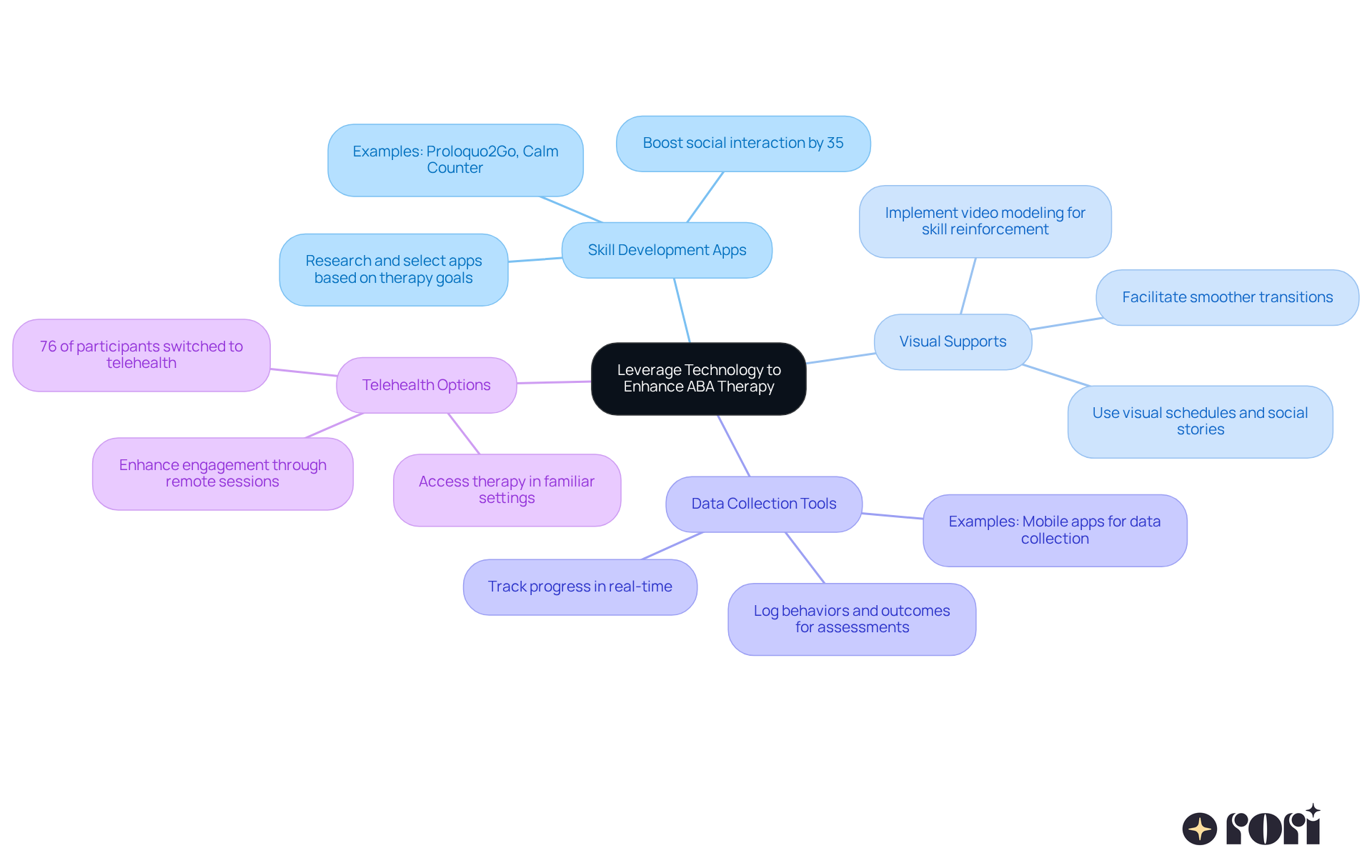
Technology can really make a difference in ABA therapy for kids with autism! Here are some friendly strategies for parents to tap into technology:
- Use : There are tons of apps out there designed to help kids build essential communication, social, and daily living skills. Take some time to research and pick the ones that fit your therapy goals for your child. You might be surprised to learn that studies show consistent use of can boost social interaction quality by up to 35% in just six months!
- : Visual schedules, social stories, and video modeling are fantastic tools that can really reinforce learning. These resources help kids understand what’s expected of them and make transitions smoother, which can lead to better comprehension overall.
- : Digital tools can help you keep an eye on your child’s progress in real-time. Many apps let you log behaviors and outcomes, giving you valuable data to share with therapists for ongoing assessments and tweaks to treatment plans. This aligns perfectly with Rori Care’s commitment to , ensuring that interventions stay effective and responsive to your child’s evolving needs.
- : If in-person sessions are tricky, why not consider telehealth services that use video conferencing? This approach not only keeps the care going but also allows sessions to happen in a familiar and comfy setting, making it easier for kids to engage. In fact, 76% of participants made the switch to technician-delivered telehealth services when moving from in-person to telehealth.
By weaving these tech strategies into your child’s ABA therapy, you can , support learning, and make therapy more accessible and effective. Plus, getting caregivers involved in choosing and using these tools can really empower them, providing and allowing them to play an active role in their child’s therapeutic journey. As Ralph Moller points out, are key to meeting the unique needs of kids with autism, so it’s super important to tailor these strategies to fit.
And don’t forget, Rori Care’s AI-driven progress report automation can free up 50% more time for your child’s treatment, allowing for a more focused and personalized approach. Let’s explore this together!
Conclusion
Understanding and implementing effective parent support in ABA therapy is so important for fostering positive outcomes in our kids. By embracing the core principles of Applied Behavior Analysis – like reinforcement, the ABC model, data-driven decision-making, and individualization – parents can really enhance their child’s learning experience. When caregivers get actively involved, it not only reinforces therapeutic techniques at home but also ensures that treatment plans are tailored to meet each child’s unique needs.
Let’s talk about some key strategies! Advocating for personalized treatment plans through collaboration with therapists is a great start. Engaging actively in the therapy process and leveraging technology can really enrich ABA practices. By keeping communication open, practicing skills at home, and using digital tools, parents can create a supportive environment that promotes their child’s development. These practices empower parents to take an active role in their child’s journey, leading to more effective interventions and better behavioral outcomes.
Ultimately, committing to parent involvement in ABA therapy isn’t just beneficial; it’s essential! By recognizing the importance of these practices and actively participating in their child’s therapy, parents can help pave the way for meaningful progress and lasting change. Embracing these strategies not only supports children with autism but also strengthens family bonds, creating a collaborative atmosphere that nurtures growth and learning.
So, let’s explore this together! Your involvement can make a world of difference, and we’re here to help you every step of the way!
Frequently Asked Questions
What is Applied Behavior Analysis (ABA) therapy?
ABA therapy is a treatment approach that focuses on understanding and improving specific behaviors through various principles, including reinforcement, data-driven decision making, and individualization.
What is the principle of reinforcement in ABA therapy?
Reinforcement involves providing rewards after desired behaviors to increase the likelihood of those behaviors occurring again. Consistent positive reinforcement can lead to significant improvements in children’s behavior.
What is the ABC model in ABA therapy?
The Antecedent-Behavior-Consequence (ABC) model helps caregivers identify triggers (antecedents) and outcomes (consequences) of behaviors, allowing for better management of behaviors and proactive intervention.
How does data-driven decision making work in ABA therapy?
ABA relies on collecting data to track a child’s progress and adjust strategies accordingly. This includes automatic data collection during sessions, which helps parents monitor behaviors and collaborate with therapists to enhance treatment plans.
Why is individualization important in ABA therapy?
Individualization ensures that treatment plans are tailored to meet each child’s unique needs, strengths, and challenges. Evidence suggests that early intervention, particularly before age four, leads to significant improvements in communication and social skills.
How can parents support ABA therapy effectively?
Parents can enhance their child’s learning and behavior changes by understanding and applying the core principles of ABA therapy consistently at home and during therapy sessions.
What common pitfalls should parents be aware of in ABA therapy?
Parents should be cautious of missteps in applying ABA principles, as these can hinder progress and lead to frustration. Awareness of these pitfalls is crucial for maintaining effective interventions.
How does Rori Care ensure the effectiveness of ABA interventions?
Rori Care conducts ongoing evaluations to ensure that interventions remain effective and responsive to each child’s evolving needs, promoting lasting positive change.