
Introduction
Social skills are the foundation for building relationships and supporting emotional well-being in children with autism. Many parents know how tough it can be for their kids to navigate social cues. But what if there were fun group activities that could really change the game? These activities can help boost their confidence and transform their interactions.
Imagine if parents and educators could discover a treasure trove of engaging strategies that not only improve communication but also create lasting connections. Exploring effective group activities can empower children with autism, opening doors to meaningful social engagement and development. Let’s explore this together!
Understand the Importance of Social Skills in Autism
Social skills are so important for kids with autism! They help with , build relationships, and boost emotional well-being. Many young people on the autism spectrum struggle to pick up on social cues, which can make it tough to make friends or engage in group activities for . But here’s the good news: recent studies show that can lead to amazing improvements in how kids interact with their peers. This not only helps them academically but also enhances their .
For example, kids who participate in often show great progress in starting conversations and responding appropriately in different social situations. Plus, is crucial in this journey. It helps them provide better support, make informed choices, and ultimately leads to .
Focusing on in children with autism is essential for helping youth navigate their social environments and build . Let’s explore this together! If you’re a parent, know that you’re not alone in this journey, and there are resources available to help you every step of the way!

Implement Effective Group Activities for Skill Development
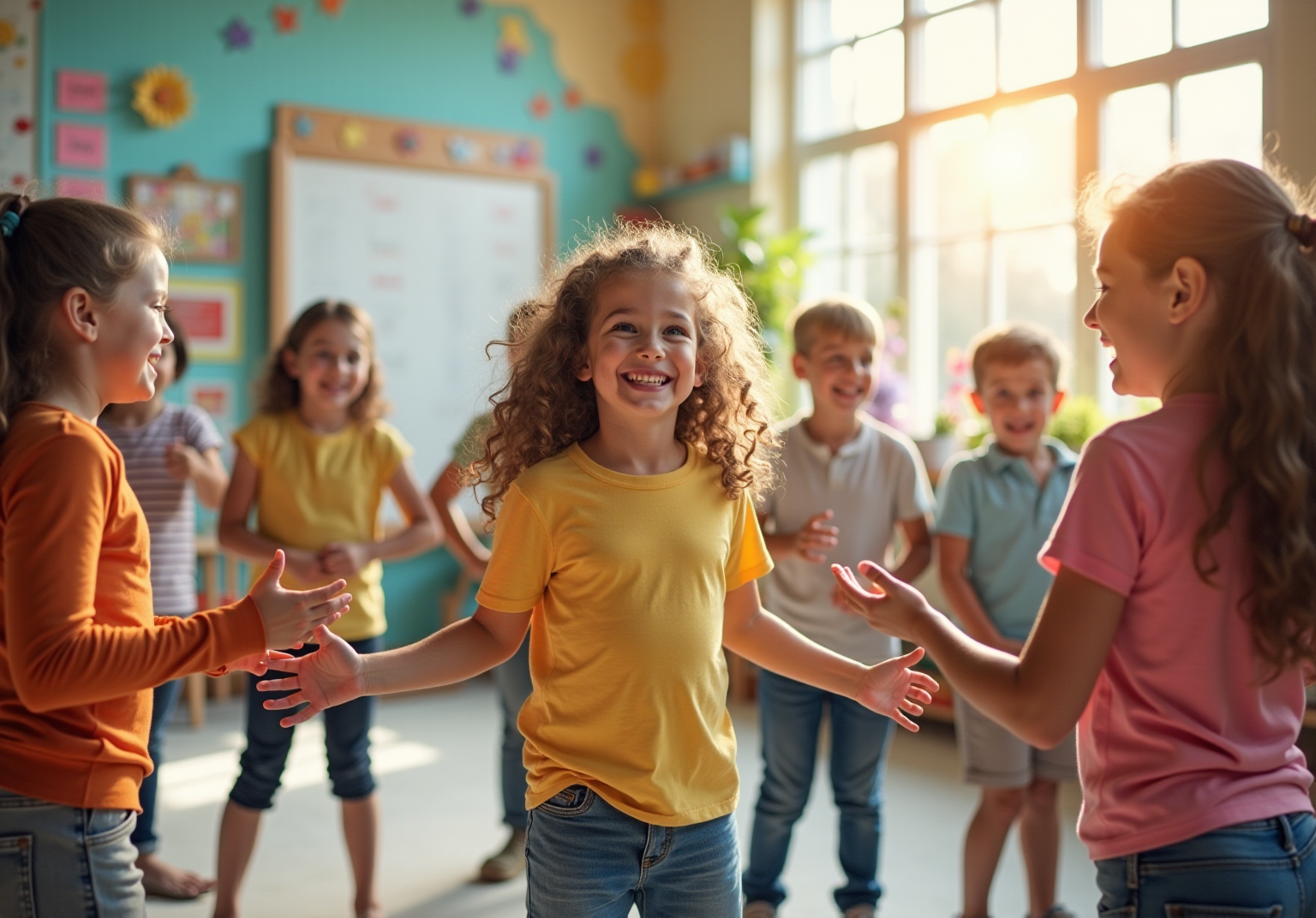
Group activities for in children with autism are a valuable way to help kids with autism, ADHD, Social Communication Disorders, and Anxiety Disorders enhance their social skills. Let’s dive into some fun activities that can make a real difference:
- : Think about games like ‘Simon Says’ or ‘The Floor is Lava.’ These are not just fun; they encourage teamwork, following instructions, and taking turns. Kids get to move around, which boosts their listening skills and helps them work together. Research shows that playing cooperative games can improve interaction skills by up to 40%! That’s a big win for building confidence in social settings.
- : Imagine your child practicing how to greet a new friend or ask to join a game. Role-playing helps them understand social norms and how to respond appropriately. Studies reveal that consistent practice can in about 70% of kids. It’s a safe space for them to rehearse real-life interactions and gain confidence.
- : Collaborative art projects are a fantastic way for kids to express their creativity while working together. They learn to share materials and ideas, which strengthens their social bonds. Plus, a little positive reinforcement during these activities can really .
- : Encouraging kids to share stories or personal experiences in a group setting can work wonders for their . This activity teaches them to listen carefully and respond appropriately, enhancing their community involvement and self-assurance.
Incorporating in children with autism into your routine can create a vibrant environment that significantly boosts interpersonal skills. It’s all about helping our kids manage interactions with more confidence and ease. Let’s explore this together!

Foster Collaboration Between Parents and Educators
Cooperation between parents and educators is so important for helping kids with autism grow their . Let’s look at some :
- Regular Communication: Keeping the lines of communication open is key! Think about setting up weekly updates, phone calls, or emails to chat about your child’s progress and any bumps in the road. This ongoing dialogue helps everyone stay on the same page, using to track and progress.
- Common Objectives: It’s super helpful to set . When parents and educators team up toward the same objectives, it creates a unified approach that really enhances the learning experience. Plus, when parents get involved and understand , it can boost their child’s academic performance and emotional well-being.
- : Encourage parents to jump into or social interaction training sessions. This not only helps reinforce skills at home but also gives educators valuable insights into how the child behaves in different settings. For example, parents can use specific ABA strategies, like positive reinforcement, to support their child’s learning.
- Feedback Mechanisms: Setting up a is a great idea! Parents can share what they observe at home, while educators can provide insights from the classroom. This exchange is crucial for adjusting strategies to meet each child’s unique needs. Anecdotal evidence shows that parents who engage in feedback loops with educators often see better results for their kids. Educating caregivers plays a big role here, helping them make informed decisions that positively impact their child’s progress.
By fostering a cooperative atmosphere, parents and educators can create a supportive structure that truly enhances a child’s development in interpersonal skills. Let’s explore this together!

Leverage Technology to Enhance Group Activities
Technology can really make a difference in for in children with autism by offering fun ways to build . Let’s dive into some effective strategies to use :
- : Have you heard of apps like ‘Let’s Be Social’ and ‘Model Me Kids’? They’re designed to help kids practice social skills through engaging scenarios. It’s like learning while playing! Research shows that about 80% of interventions using these self-created apps have led to positive outcomes in developing social skills.
- : Imagine your child stepping into a virtual world where they can without the pressure of real-life situations. VR technology creates immersive experiences that can ease anxiety and boost confidence. Case studies have shown that kids using VR often show improved engagement and social competence.
- : This technique is all about learning by watching. Kids can see peers or adults demonstrating appropriate social behaviors, which is super helpful for visual learners. It’s been proven to enhance understanding and memory of social skills, making it easier for kids to apply what they’ve learned.
- : Platforms like Google Classroom and Zoom are fantastic for group activities, especially when learning remotely. These tools help kids connect with others, fostering social skills in a virtual space. Research highlights that around 70% of studies using online tools reported success in social development.
By incorporating these tech strategies into group activities for social skill development in children with autism, parents and educators can create that significantly enhance social skills. Let’s explore this together and see how we can make a positive impact!

Conclusion
Fostering social skills in children with autism is such an important journey! It can truly enhance their ability to communicate, build relationships, and improve their emotional well-being. Through fun group activities, kids can learn to navigate social situations more effectively, leading to better interactions and a boost in confidence. It’s crucial for parents and educators to recognize how vital these skills are and to actively create supportive environments that encourage social learning.
Let’s talk about some effective group activities! Think about:
- Cooperative games
- Role-playing scenarios
- Arts and crafts projects
- Storytelling circles
Each of these is designed to promote social interaction and skill development. Plus, collaboration between parents and educators is key! When both parties work together toward common goals, it makes a world of difference. And don’t forget about technology! Interactive apps and virtual reality can make social skills training engaging and accessible for everyone.
Ultimately, improving social skills for children with autism is a collective effort. By embracing group activities, fostering collaboration between caregivers and educators, and leveraging technology, we can create a supportive framework that empowers children to thrive socially. This commitment not only benefits individual children but also enriches our community, paving the way for a more inclusive environment where everyone can connect and grow. Let’s explore this together!
Frequently Asked Questions
Why are social skills important for kids with autism?
Social skills are crucial for kids with autism as they help with communication, building relationships, and boosting emotional well-being.
What challenges do children with autism face regarding social skills?
Many young people on the autism spectrum struggle to pick up on social cues, which can make it difficult for them to make friends or engage in group activities.
Can social skills training improve interactions for children with autism?
Yes, recent studies show that targeted social skills training can lead to significant improvements in how kids with autism interact with their peers.
What benefits do children experience from participating in social development programs?
Children who participate in social development programs often show progress in starting conversations and responding appropriately in various social situations.
How important is caregiver education in supporting children with autism?
Educating caregivers is crucial as it helps them provide better support, make informed choices, and ultimately leads to better behavioral outcomes for children with autism.
What role do group activities play in social skill development for children with autism?
Group activities are essential for helping youth navigate their social environments and build meaningful relationships.
What resources are available for parents of children with autism?
There are various resources available to help parents support their children with autism in developing social skills and navigating their social environments.