
Introduction
Sensory boxes have become wonderful tools in autism therapy, offering children a unique way to explore their world through touch and interaction. These curated containers create a safe space for sensory experiences, helping kids with emotional regulation, enhancing focus, and supporting skill development. Yet, customizing these boxes to fit each child’s individual sensory needs can be quite the challenge.
So, how can caregivers tap into the amazing potential of sensory boxes to boost therapeutic outcomes and nurture emotional well-being for children with autism? Let’s explore this together! Your journey in understanding and utilizing these tools can make a significant difference in your child’s life.
Understand the Role of Sensory Boxes in Autism Therapy
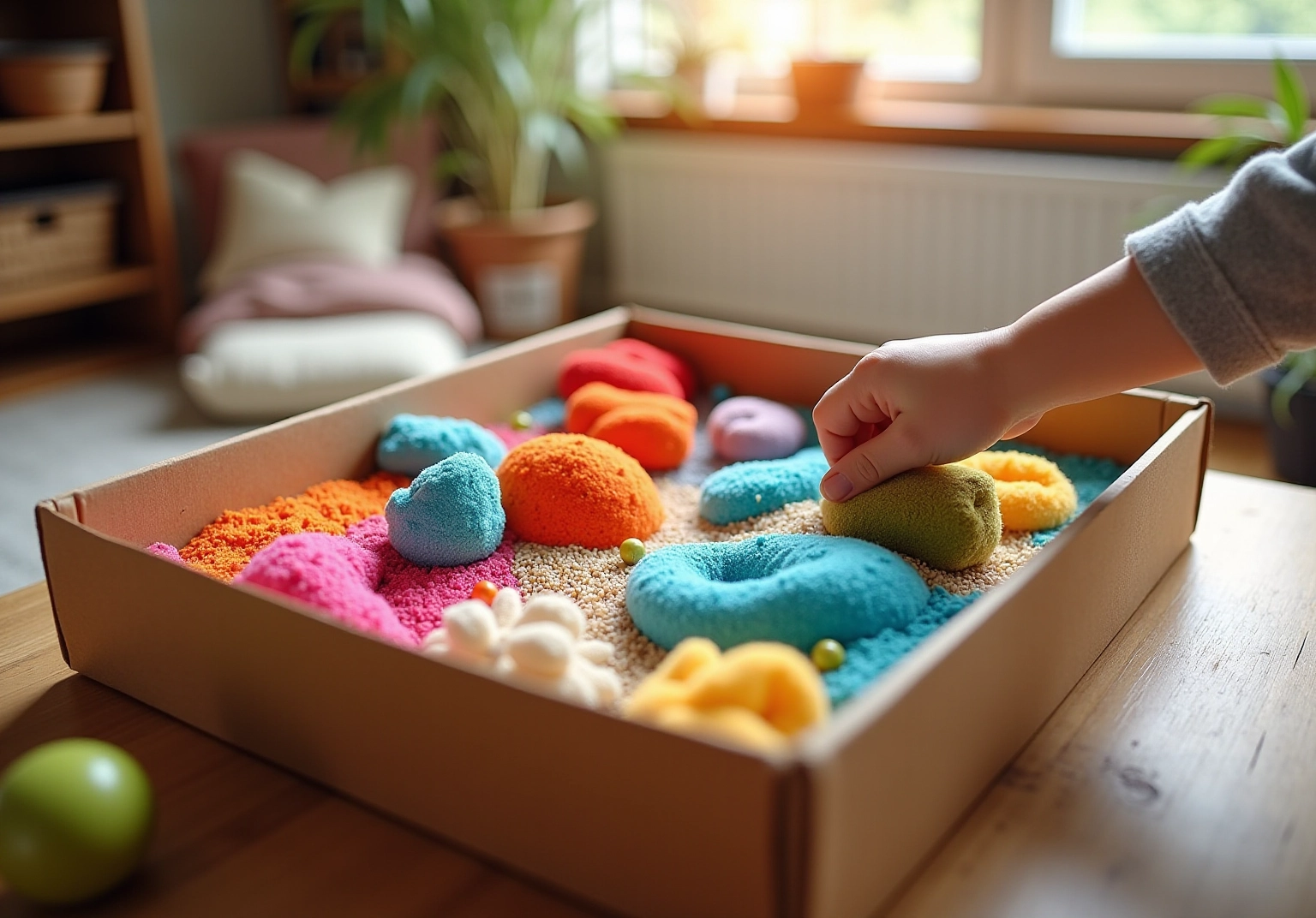
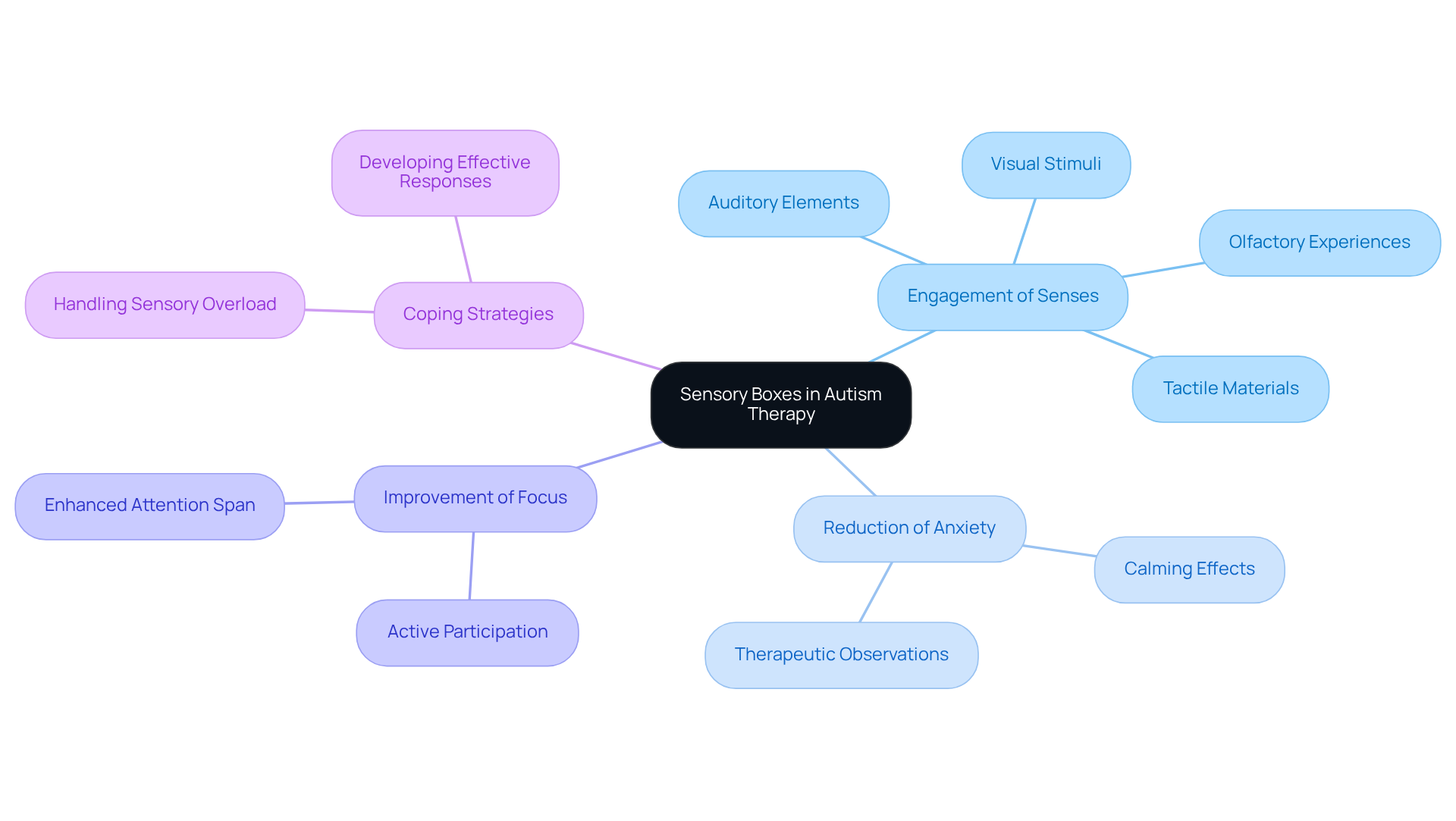
Sensory containers are wonderful vessels filled with different materials that engage our senses—touch, sight, sound, and smell. For kids with autism, create a that is essential for exploring , which is important for their growth. Did you know that can really help , improve focus, and boost ? By interacting with various textures and materials, young ones learn to handle sensory overload and develop .
For instance, therapists have observed that using can lead to noticeable decreases in , allowing kids to engage more fully in their learning. This makes an , nurturing an environment where children can thrive and grow. Let’s explore this together!
Create Customized Sensory Boxes Tailored to Individual Needs
Creating begins with understanding your child’s unique sensory preferences and sensitivities. Did you know that over 90% of individuals with ASD experience ? This makes it super important to just for them. At Rori Care, our champions neurodiversity and youth success, ensuring every child gets the support they truly need.
When filling the , consider including a variety of materials—like textured fabrics, squishy toys, calming scents, and visually stimulating items. For example, if your child loves tactile experiences, you might want to add kinetic sand, rice, or soft plush toys. changing the contents regularly to keep things fresh and engaging. This not only boosts the therapeutic benefits but also helps your child feel a sense of ownership and excitement!
As Sharon A. Cermak, a Professor of Occupational Science and Occupational Therapy, points out, “Data also supported a correlation between perceptual differences and eating challenges in youth with ASD.” This highlights how important it is to address . By using sensory boxes for autism, parents can effectively , leading to better engagement and overall wellness.
At Rori Care, we with , ensuring they are actively involved in their child’s behavioral goals through data collection and individualized plans crafted by . Let’s explore this together! We’re here to help you every step of the way!
Explore the Benefits of Sensory Boxes for Skill Development and Emotional Regulation
Sensory boxes offer so many ! They really help with , fine motor skills, and focus. When young learners explore different textures and materials, they’re not just playing—they’re developing as they investigate what’s inside.
These sensory activities can be so soothing. They give kids a way to express their feelings and . For example, a child might find comfort in squeezing a stress ball or running their fingers through sand. These simple actions can really help them self-soothe during overwhelming moments.
Research shows that tactile experiences not only support but also boost . When kids express their feelings and experiences, they enhance their vocabulary and communication skills. Isn’t that amazing?
Real-life stories show that consistent engagement with can significantly lower anxiety and enhance . This makes invaluable tools, particularly for children with autism. Plus, having skilled behavior analysts involved in creating can make these play activities even more effective.
By sharing with caregivers, families can create a supportive atmosphere that maximizes the benefits of these interventions. Let’s explore this together and see how we can support our little ones every step of the way!
Implement Effective Strategies for Using Sensory Boxes at Home
To enhance the benefits of exploration boxes at home, start by creating a special space where your child can explore the box freely. Consistent engagement is key! Incorporate fun —think of them as rewards for completing tasks or during calm-down moments. Research shows that can significantly improve . Many studies highlight improvements in avoiding overwhelming stimuli and managing sensitivity.
Pay close attention to how your child reacts and tailor the contents of to fit their likes and needs. Involving your child in creating and maintaining the box not only fosters a sense of independence but also . Parents have shared that has transformed their children’s ability to handle , making therapy more enjoyable and effective.
Additionally, empowering caregivers with enhances support and leads to better decision-making. This is crucial for achieving positive behavioral outcomes and reducing family stress. Let’s explore this together! Your journey in supporting your child is important, and we’re here to help you every step of the way!
Conclusion
Sensory boxes are truly powerful tools in autism therapy, offering a safe and engaging space for children to explore sensory experiences. By providing materials tailored to each child’s preferences, these boxes not only help with emotional regulation and skill development but also empower kids to navigate their sensory worlds more effectively.
Throughout this discussion, we’ve highlighted the importance of customizing sensory boxes, emphasizing the need to understand each child’s unique sensory needs. The benefits of sensory play are significant, extending beyond mere enjoyment to include reducing anxiety and enhancing cognitive growth. Engaging with various textures and materials can foster problem-solving skills and emotional resilience, making sensory boxes invaluable both in therapeutic settings and at home.
Ultimately, integrating sensory boxes into daily routines can change how children with autism interact with their environment. By prioritizing sensory exploration and involving caregivers in the process, families can create nurturing atmospheres that support growth and development. So, let’s embrace the potential of sensory boxes together! Take actionable steps to incorporate these effective strategies into your everyday life, ensuring that every child receives the support they need to thrive. We’re here to help you every step of the way!
Frequently Asked Questions
What are sensory boxes in the context of autism therapy?
Sensory boxes are containers filled with various materials that engage the senses of touch, sight, sound, and smell, providing a safe space for children with autism to explore sensory experiences.
How do sensory boxes benefit children with autism?
Sensory boxes help reduce anxiety, improve focus, and boost emotional regulation by allowing children to interact with different textures and materials, which aids in handling sensory overload and developing coping strategies.
What have therapists observed regarding the use of sensory boxes in therapy sessions?
Therapists have noted that using tactile containers can lead to significant decreases in anxiety during therapy sessions, enabling children to engage more fully in their learning.
Why are sensory boxes considered essential in autism therapy?
Sensory boxes are essential because they nurture an environment where children can thrive and grow, facilitating their exploration of sensory experiences crucial for their development.
List of Sources
- Understand the Role of Sensory Boxes in Autism Therapy
- Autism Therapy Statistics (https://goldenstepsaba.com/resources/autism-therapy-statistics)
- Effectiveness of Sensory Integration Interventions in Children With Autism Spectrum Disorders: A Pilot Study – PMC (https://pmc.ncbi.nlm.nih.gov/articles/PMC3708964)
- mastermindbehavior.com (https://mastermindbehavior.com/post/the-impact-of-sensory-integration-techniques-in-aba)
- Create Customized Sensory Boxes Tailored to Individual Needs
- research.aota.org (https://research.aota.org/ajot/article/69/5/6905185050p1/6034/Sensory-Differences-and-Mealtime-Behavior-in)
- buildingblockstherapy.org (https://buildingblockstherapy.org/blog/addressing-sensory-seeking-in-autism)
- Sensory Strategies to Calm and Engage Children with Autism Spectrum Disorder (https://leader.pubs.asha.org/doi/10.1044/leader.FTR2.24042019.56)
- discoveryaba.com (https://discoveryaba.com/aba-therapy/how-to-manage-autism-sensory-issues?8936781b_page=12&c73247f3_page=3)
- Sensory Abnormalities in Autism Spectrum Disorders: A Focus on the Tactile Domain, From Genetic Mouse Models to the Clinic – PMC (https://pmc.ncbi.nlm.nih.gov/articles/PMC6997554)
- Explore the Benefits of Sensory Boxes for Skill Development and Emotional Regulation
- bighearttoys.com (https://bighearttoys.com/blogs/autism/benefits-of-sensory-bins?srsltid=AfmBOoojXCbVuDR_ACtXVsp4iKkBR9vqFlsZ-1FyGm12JcZ5-te4QnqG)
- mothercould.com (https://mothercould.com/posts/sensory-bin-benefits)
- springfieldmo.macaronikid.com (https://springfieldmo.macaronikid.com/articles/64c310d35e11a5273fa89f45/exploring-the-world-through-sensory-bins)
- Implement Effective Strategies for Using Sensory Boxes at Home
- researchgate.net (https://researchgate.net/publication/326590284_Home-based_Sensory_Interventions_in_Children_with_Autism_Spectrum_Disorder_A_Randomized_Controlled_Trial)
- sensoryprocessingdisorderparentsupport.com (https://sensoryprocessingdisorderparentsupport.com/inspirational-quotes-for-special-needs-parents)
- ctv.veeva.com (https://ctv.veeva.com/study/comparison-of-effectiveness-of-home-based-sensory-interventions-along-with-standard-therapy-versus-s)
- brieflands.com (https://brieflands.com/articles/ijpbs-136750)