

Introduction
Understanding the intricacies of autism support can feel overwhelming for parents, especially when searching for effective educational strategies. But don’t worry—precision teaching, a tailored approach within Applied Behavior Analysis (ABA) therapy, shines as a beacon of hope. It significantly enhances learning outcomes for children with autism. In this article, we’ll dive into five compelling examples of precision teaching in action, showcasing how these strategies can truly transform a child’s educational experience.
So, what happens when traditional methods fall short? And how can caregivers harness these innovative techniques to ensure their child’s success? Let’s explore this together!
Rori Care – ABA Therapy: Personalized Precision Teaching Strategies for Effective Learning
At Rori Care, we understand the unique challenges that parents face when supporting their children with autism. That’s why we utilize within ABA therapy to significantly enhance learning outcomes for young ones. Our qualified to create tailored to each child’s . This approach not only ensures effective therapy but also aligns with your child’s preferred learning style, making the educational experience more engaging and productive.
For instance, if a child struggles with social interactions, we implement that focus on . By using real-life scenarios, children can practice and reinforce these skills in a , helping them build confidence in their social abilities. Our program includes and skill enhancement, which are that provide a clear standard for progress. Research shows that can lead to significant improvements in communication and social skills, ultimately enhancing the overall quality of life for individuals with autism. Plus, we place a strong emphasis on caregiver education, ensuring families are equipped with the knowledge and tools they need to support their child’s growth effectively.
Let’s explore this journey together! We’re here to !
Precision Teaching Fundamentals: Key Principles and Techniques in ABA Therapy
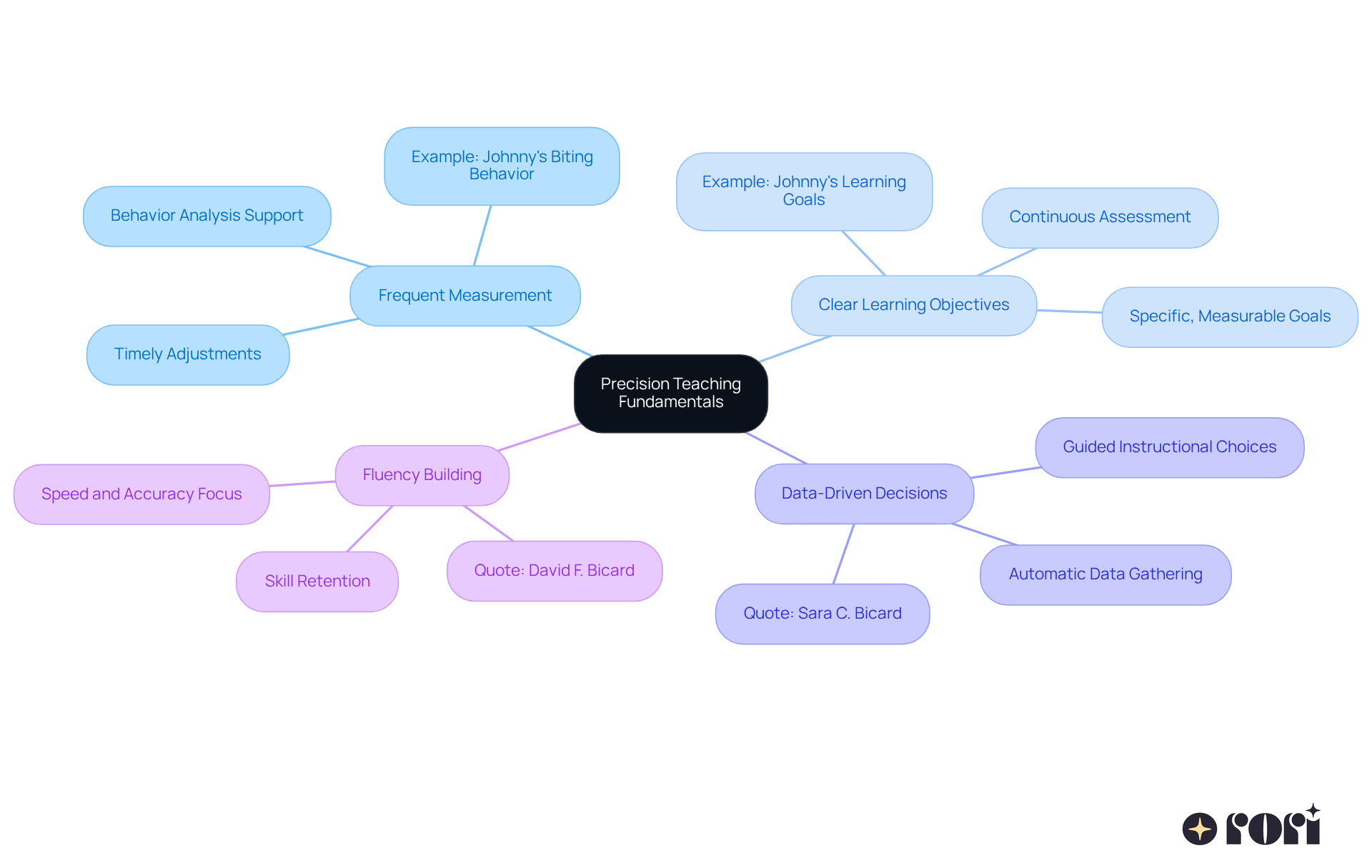
Precision teaching is rooted in several key principles that really enhance the effectiveness of for children with autism.
- : Regularly checking in on a child’s progress allows for timely adjustments to teaching strategies, making sure interventions stay aligned with the child’s changing needs. For example, take Johnny, a 6-year-old boy with autism who has recently started biting. Understanding when and how often this behavior happens is crucial for . Qualified behavior analysts are there to support this process, designing that include and evidence-based strategies to foster .
- : Setting specific, creates a focused framework for the teaching process. This helps both educators and parents track progress effectively. It’s essential for kids like Johnny to reach their learning goals systematically, with continuous assessment and adjustments to meet their unique requirements.
- : Using data to guide instructional choices ensures that interventions are not only effective but also tailored to each child’s distinct needs. Our automatic data gathering during clinical sessions means our clinical team is always available for your little one, without pausing to collect data or write reports. As Sara C. Bicard wisely said, “Data collection is an objective method of measurement that can be used to shape and guide professional judgment.” and automatic performance report generation are vital parts of this process, providing insights that enhance interventions even further.
- : Focusing on the speed and accuracy of responses helps with skill retention and application, which are crucial for long-term success. David F. Bicard emphasizes that is key in this process, ensuring that interventions respond to the child’s needs. Rest assured, the information gathered is securely kept, anonymized, and removed after examination, ensuring confidentiality while supporting and automatic performance report generation for clinician review.
These principles work together to guide the application of precision teaching ABA examples within , ensuring that interventions are systematic, responsive, and ultimately effective in promoting meaningful learning outcomes. For parents, regularly discussing advancements with your child’s behavior analyst can strengthen these principles at home and support your child’s learning journey. Let’s explore this together!
Real-World Applications: 5 Effective Precision Teaching Examples in ABA Therapy
Here are five effective examples of precision teaching in that can truly benefit your child, especially when you, as caregivers, are actively involved and informed about the process:
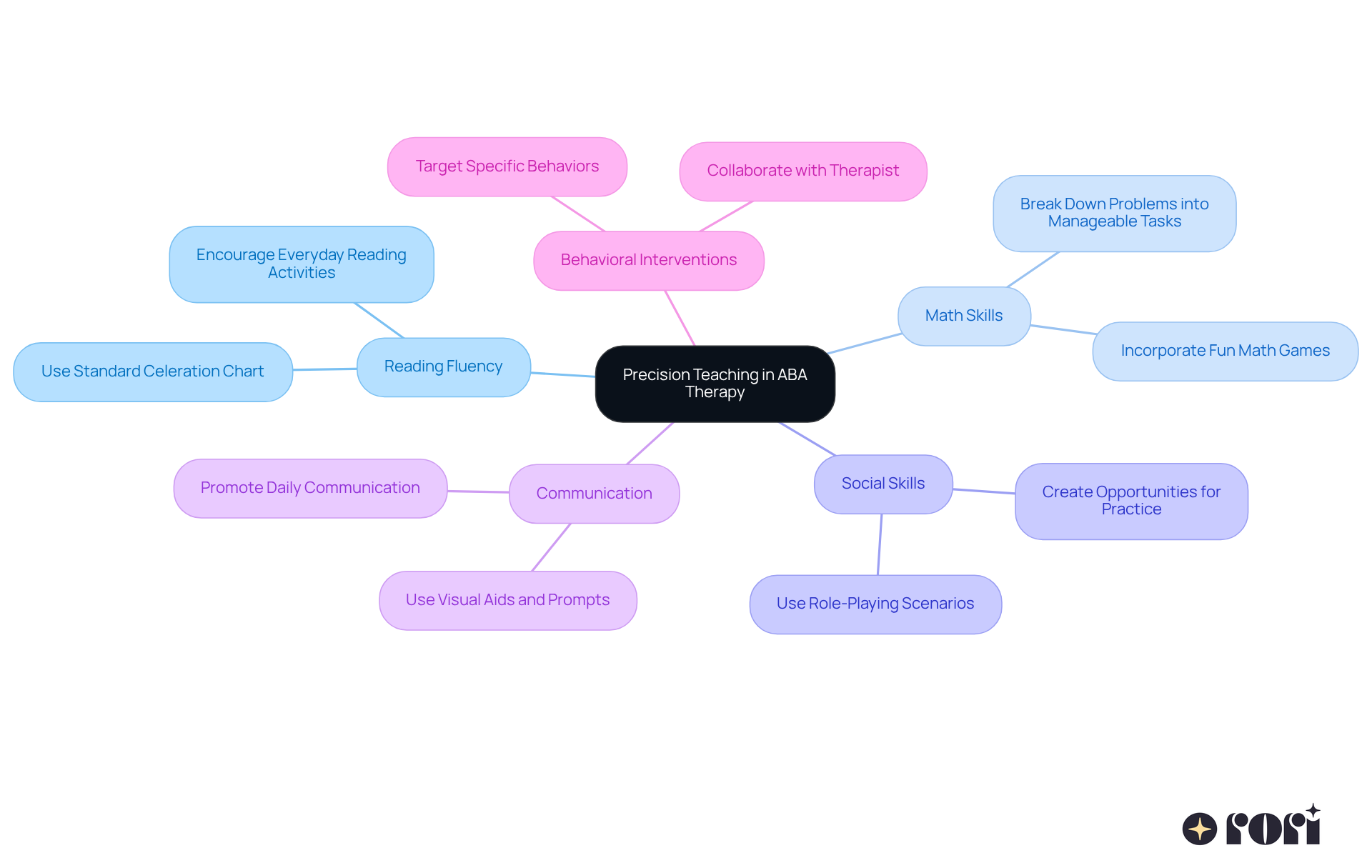
- Reading Fluency: Imagine a young learner practicing reading passages multiple times, with their progress tracked using a Standard Celeration Chart. This visual tool helps illustrate their enhancement! Advice for Guardians: Encourage everyday . Use the chart to celebrate advancements and motivate your little one. When caregivers are educated, it empowers you to support this practice effectively, leading to informed decision-making.
- Math Skills: Precision teaching can enhance by breaking down problems into smaller, manageable tasks. This approach allows focused practice and mastery. Tip for Parents: Why not incorporate fun math games that reinforce these skills? Making learning enjoyable can really engage your child. Understanding ABA principles helps you facilitate this learning, leading to better behavioral outcomes.
- Social Skills: can be a great way to teach . Data is gathered on the individual’s responses to assess their progress. Tip for Parents: Create opportunities for your child to practice these skills in real-life situations, like playdates or family gatherings. Your active involvement can lead to !
- Communication: Visual aids and prompts can help young learners practice their , with their success rates documented to adjust strategies as needed. Tip for Parents: Use daily moments to promote communication, such as asking your child to describe their day or express their needs. Empowered caregivers can make informed decisions that positively impact their child’s progress.
- : Specific behaviors are targeted for reduction or increase, with careful and make necessary adjustments. Tip for Parents: Collaborate closely with your child’s therapist to understand the data and strategies being utilized. This ensures consistency at home, which is vital for achieving lasting behavioral improvements.
These examples of precision teaching ABA examples are backed by the expertise of highly skilled, licensed, and insured professionals at Rori Care – . We’re here to help you every step of the way in your loved one’s learning journey!
Benefits of Precision Teaching: Enhancing Learning Outcomes for Children with Autism
The benefits of for children with autism truly enhance their learning experiences!
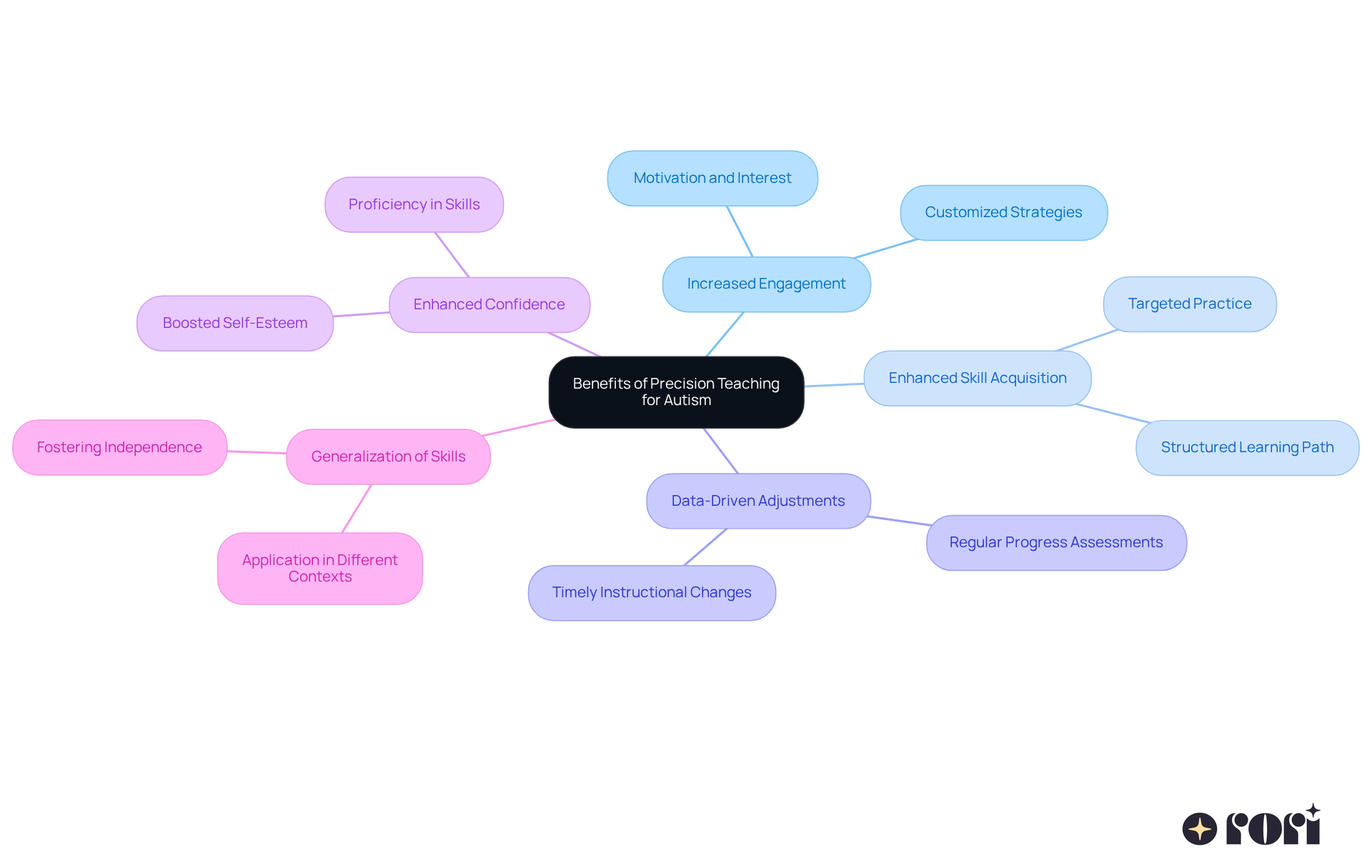
- : are crafted to capture children’s interest, keeping them motivated and actively involved in their learning journey. This personalized approach, as illustrated by , helps create a deeper connection to the material, which is so important for effective learning.
- : show that by focusing on specific abilities through targeted practice, young individuals can master skills more quickly. This efficiency not only speeds up learning but also allows for a more through their educational goals.
- : Regularly assessing a student’s progress enables educators to make timely changes to instructional methods. This flexibility ensures that are effective and align with each child’s evolving needs, maximizing their potential for success.
- : is developed as children gain proficiency in skills through , which boosts their self-esteem. As they achieve tangible milestones, their confidence in their abilities grows, encouraging them to take on new challenges.
- : Precision teaching emphasizes applying learned skills in different contexts. This ability to transfer knowledge to real-life situations is essential for fostering independence and functional skills in daily life.
At Rori Care, our clinical leadership team is dedicated to empowering caregivers with ABA principles and strategies. We want to ensure you’re well-prepared to through active involvement and data collection. This commitment not only enhances support for families with autism but also promotes growth through expertise and compassion. Let’s explore this together!
Challenges of Precision Teaching: Navigating Limitations in ABA Therapy
While are a fantastic way to boost learning outcomes, they do come with some challenges that practitioners need to navigate.
- : Implementing precision teaching can take quite a bit of time for data collection and analysis. This time investment can feel daunting for some practitioners, especially since keeping a close eye on progress is key to tailoring interventions to each child’s unique needs. But here’s the good news! With , Rori Care – ABA Therapy can help , freeing up to 50% more time for direct treatment. Studies show that children with autism who receive tailored instruction often see compared to those who don’t, highlighting the importance of this time spent.
- Training Requirements: To make the most of precise instructional methods, clinicians and caregivers need thorough training. Without it, the effectiveness of these strategies might fall short, leading to mixed results. As Carter McNamara wisely points out, “” are essential for ensuring that practitioners can implement these techniques successfully. However, access to quality training resources can sometimes be limited, which can be a hurdle for many.
- : Every young learner responds differently to targeted instruction, which means continuous adjustments to educational approaches are crucial. What works wonders for one child might not have the same effect on another, so a flexible approach that considers individual learning styles and needs is vital. A case study titled ” illustrates how these examples of tailored interventions can lead to remarkable improvements in skill acquisition.
- : Having access to the right tools and technology can greatly influence how well are executed. In some environments, practitioners might struggle to obtain the necessary resources to effectively track progress and adapt interventions, which can limit the overall success of the therapy. This situation underscores the need for a systematic approach to ensure that practitioners are well-equipped to maximize the benefits of tailored instruction.
These challenges really emphasize the importance of a well-organized method to accurate instruction. By being prepared, practitioners can make the most of its advantages while addressing any potential drawbacks. Let’s explore this together!

Tools and Techniques: Essential Resources for Implementing Precision Teaching
When it comes to implementing precision teaching, there are some essential tools and techniques that can really make a difference:
- : Think of this as your visual companion for tracking progress! It helps you see how things are going over time, aligning with the measurable goals set by qualified . This chart allows you to visualize trends in learner performance, which provides to help you make timely adjustments to interventions based on your observations.
- : These handy programs are here to help you record and analyze behavioral data effortlessly. They make tracking development a breeze and ensure that you’re responsive to your client’s needs. Plus, they can help spot clients who might be plateauing, giving you the chance to proactively adjust therapy.
- : Tools like flashcards and charts are fantastic for supporting learning and reinforcing concepts. They’re integral to the that develop. With these aids, children can more easily, making learning a fun experience.
- : These organized lists are perfect for tracking specific skills and behaviors. They ensure thorough monitoring and continuous assessment of development, helping practitioners maintain a clear focus on targeted behaviors.
- : Workshops and online courses offer valuable education on accurate instructional methods and best practices. They emphasize that encourage positive behavior changes. These resources empower both clinicians and parents by equipping them with the knowledge needed to implement effective strategies in autism therapy, such as .
Let’s explore these tools together! They can truly enhance the learning journey for your child, and we’re here to help you every step of the way!

Technology Integration: Enhancing Precision Teaching with Innovative Tools
Integrating technology into precision teaching can really enhance its effectiveness with some innovative tools that make a difference:
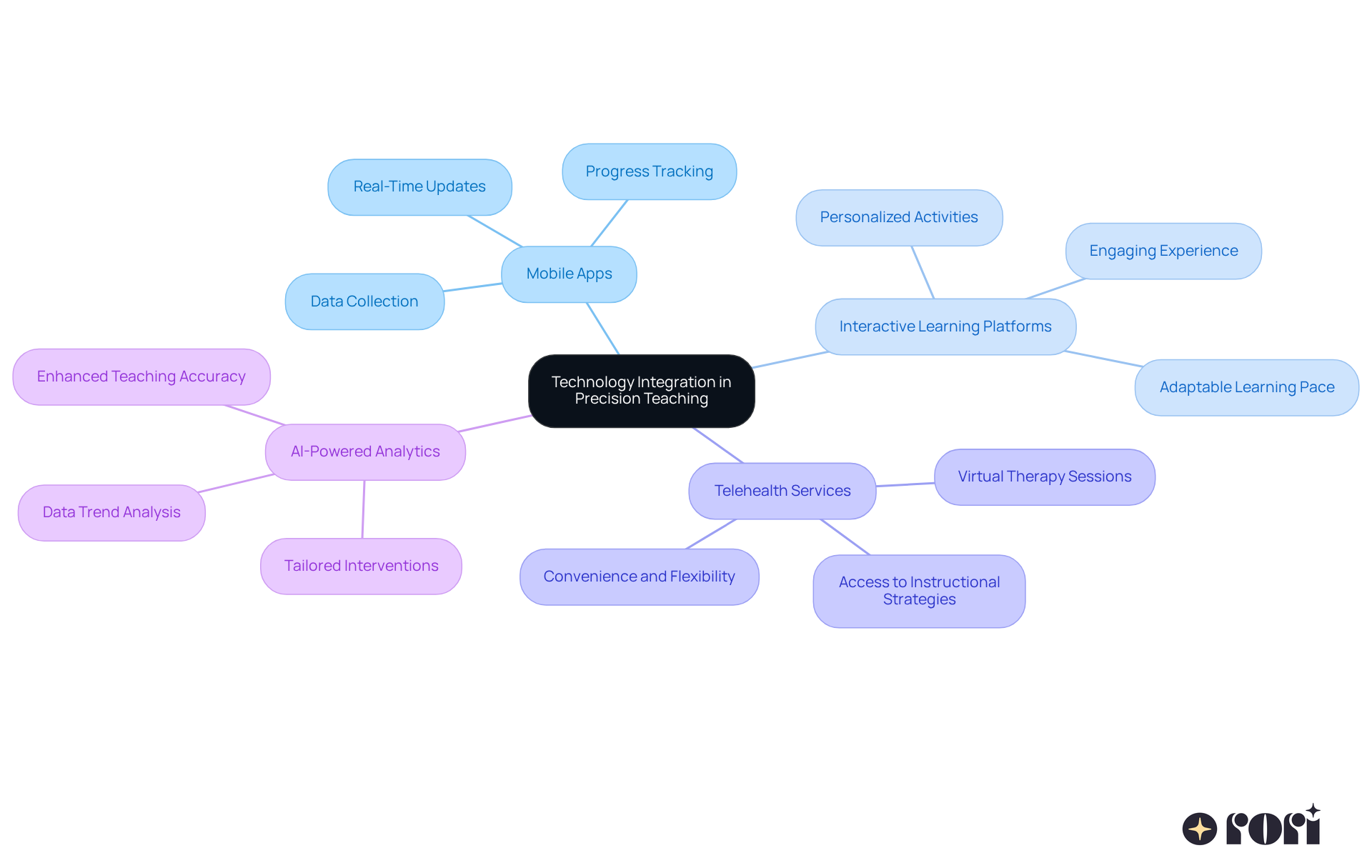
- : These handy applications are designed for collecting data and tracking progress, giving real-time updates and analysis. They help healthcare providers and parents keep a close eye on a young one’s development, ensuring that can be adjusted when needed.
- : Online resources offer fun activities tailored to individual learning needs, creating a more personalized experience. These platforms can adapt to a young learner’s pace, making education both effective and enjoyable.
- : Virtual therapy sessions provide families with easy access to right from the comfort of their homes. This flexibility not only saves time but also allows for consistent use of techniques in familiar settings.
- : Tools that harness artificial intelligence analyze data trends and suggest tailored interventions based on a student’s progress. This technology enhances the accuracy of teaching methods, ensuring that interventions are .
By utilizing these innovative tools, can enhance the effectiveness, accessibility, and responsiveness of therapy to the specific needs of young individuals with autism. Let’s explore this together and see how these advancements can make a difference in your child’s journey!
Measuring Success: Effective Data Collection Methods in Precision Teaching
Effective in ABA examples are essential for assessing and enhancing a student’s learning experience. Let’s dive into some key techniques that can make a real difference:
- Frequency Counts: This method tracks how often a specific behavior occurs, giving us insights into progress over time. By systematically counting instances of a behavior, therapists can spot patterns and make informed adjustments to interventions.
- : This technique measures how long a behavior lasts, allowing us to evaluate its intensity and impact. Understanding the duration helps therapists gauge how effective strategies are and how engaged the child is.
- : In this approach, behaviors are observed during predetermined intervals, gathering data on their occurrence. This method helps us understand the frequency and context of behaviors, paving the way for targeted interventions.
- : This involves assessing the outcomes of a behavior, like completed assignments or tasks, to evaluate success. It provides concrete proof of advancement and skill development.
- : Utilizing graphs and charts to illustrate advancements is key in tracking . Visual representations make it easier for therapists and parents to , monitor effectiveness, and adjust strategies accordingly. As Yitz Diena observes, ‘Graphing the collected data is a crucial element of ,’ highlighting the significance of visual data in comprehending a young person’s development.
Furthermore, establishing is essential as it offers a standard against which we can assess advancement. Continuous data gathering, including automatic data collection techniques that securely store and anonymize information, facilitates ongoing monitoring of progress. This ensures that interventions remain dynamic and tailored to each individual’s needs. These ABA examples not only enhance the efficacy of but also empower parents and therapists to collaborate effectively in supporting the individual’s development.
Let’s explore this together! We’re here to help you every step of the way!

Parent-Clinician Collaboration: Maximizing the Impact of Precision Teaching
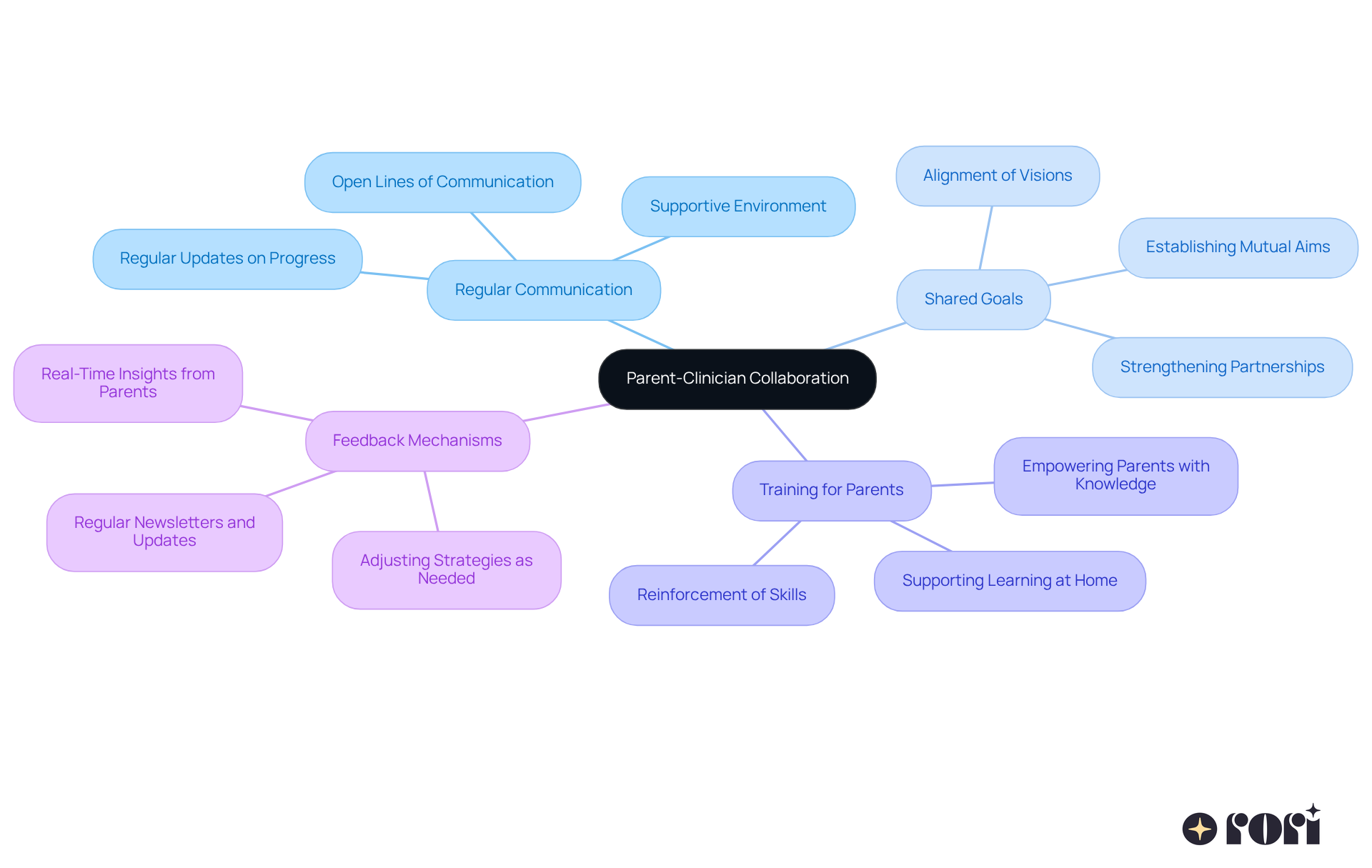
Collaboration between parents and clinicians is essential for the success of at Rori Care. Let’s explore some to enhance this partnership!
- : Keeping the lines of communication open is key. Regular chats about your child’s progress and challenges create a supportive environment where everyone feels involved. Research shows that consistent communication can significantly boost educational outcomes. At Rori Care, our dedicated practitioners are here to every step of the way, ensuring that caregivers are actively engaged in their loved one’s .
- : Establishing mutual aims that align with both the clinician’s and the parent’s vision for the child’s development is crucial. When everyone is on the same page, it enhances the effectiveness of interventions and strengthens the partnership. As Megan Okrand wisely says, “family involvement is a crucial foundation of a student’s educational journey.” At Rori Care, we truly emphasize this partnership to achieve meaningful advancements, especially when caregivers are actively involved.
- : We believe in empowering parents with training on . When you have the right tools and knowledge, you can at home. This reinforcement in everyday situations leads to better retention and application of skills. Rori Care is committed to sharing ABA principles with caregivers, reflecting our dedication to compassionate care.
- : It’s vital to have systems in place for parents to share feedback on their child’s progress. This ensures that interventions stay relevant and effective. By incorporating real-time insights from parents, clinicians can adjust strategies as needed. Regular newsletters and updates help keep families informed and involved, enhancing the accuracy of instructional approaches and leading to better outcomes for students.
By fostering a through these approaches, parents and clinicians at Rori Care can work together to enhance the effectiveness of tailored instruction. This collaboration ultimately benefits your child’s learning journey. We’re here to help you every step of the way!
Resources and Training: Empowering Families and Practitioners in Precision Teaching
Empowering families and practitioners in is all about having the right resources and training opportunities at your fingertips. Let’s take a look at some of the options available to you:
- : Joining events focused on precision teaching techniques can really boost your understanding and application of . These gatherings often feature expert speakers and interactive sessions that make skill development feel engaging and fun.
- Online Courses: Signing up for lets you dive deep into precise methodologies at your own pace. This flexibility makes it easier to weave these techniques into your practice seamlessly.
- Literature: Picking up literature that delves into can offer you valuable insights and strategies for .
- : Becoming part of allows for the sharing of experiences, strategies, and resources related to . This creates a supportive network for learning and growth.
- : Getting involved with that focus on ABA and opens doors to resources, networking opportunities, and continuing education. Staying updated on the latest advancements in the field is essential.
These resources not only sharpen the skills of practitioners but also empower families to take an active role in their child’s learning journey. Together, we can work towards achieving . Let’s explore this together!

Conclusion
Precision teaching in ABA therapy offers a truly transformative approach to enhancing learning for children with autism. It focuses on individualized strategies that cater to each child’s unique needs. By setting measurable goals, conducting regular assessments, and making data-driven decisions, caregivers and professionals can create a supportive environment that fosters meaningful progress. This tailored methodology not only boosts engagement but also builds confidence, empowering children to master essential skills and apply them in real-life situations.
Throughout this article, we’ve highlighted key principles of precision teaching, like frequent measurement, clear learning objectives, and fluency building. These are vital components for effective intervention. Real-world applications, such as reading fluency, math skills, and social interactions, showcase the practical benefits of this approach. Moreover, the importance of parent-clinician collaboration and the use of innovative tools and resources are critical in maximizing the impact of precision teaching.
Ultimately, the significance of precision teaching goes beyond immediate learning outcomes; it lays the groundwork for lifelong skills and independence. By actively engaging in the learning process and utilizing available resources, parents and practitioners can work together to create a brighter future for children with autism. Embracing these strategies not only enhances educational experiences but also fosters a supportive community that champions the growth and development of every child. Let’s explore this journey together, as we’re here to help you every step of the way!
Frequently Asked Questions
What is Rori Care’s approach to ABA therapy for children with autism?
Rori Care utilizes precision teaching within ABA therapy to enhance learning outcomes by creating personalized treatment plans tailored to each child’s unique needs, strengths, and challenges.
How does Rori Care ensure that therapy aligns with a child’s learning style?
Qualified behavior analysts conduct thorough evaluations to create individualized treatment plans that incorporate the child’s preferred learning style, making the educational experience more engaging and productive.
What are some examples of targeted strategies used in therapy?
For children struggling with social interactions, Rori Care implements strategies that focus on developing social skills through real-life scenarios, helping them practice and reinforce these skills in a supportive environment.
How does Rori Care measure progress in therapy?
The program includes measurable objectives for behavior modification and skill enhancement, allowing for clear standards of progress to be established and tracked.
What benefits does early and intensive ABA therapy provide?
Research shows that early and intensive ABA therapy can lead to significant improvements in communication and social skills, ultimately enhancing the overall quality of life for individuals with autism.
How does Rori Care involve caregivers in the therapy process?
Rori Care places a strong emphasis on caregiver education, equipping families with the knowledge and tools they need to effectively support their child’s growth.
What are the key principles of precision teaching in ABA therapy?
Key principles include frequent measurement of progress, clear learning objectives, data-driven decisions, and fluency building to ensure effective interventions tailored to each child’s needs.
How does frequent measurement benefit children in therapy?
Regularly checking in on a child’s progress allows for timely adjustments to teaching strategies, ensuring that interventions remain aligned with the child’s changing needs.
What are some real-world applications of precision teaching in ABA therapy?
Examples include enhancing reading fluency, improving math skills, teaching social skills through role-playing, promoting communication with visual aids, and implementing behavioral interventions with careful data collection.
How can caregivers support their child’s learning at home?
Caregivers can encourage daily reading, incorporate fun learning games, create opportunities for social practice, use daily moments to promote communication, and collaborate closely with their child’s therapist to ensure consistency in strategies.
List of Sources
- Rori Care – ABA Therapy: Personalized Precision Teaching Strategies for Effective Learning
- littlestaraba.org (https://littlestaraba.org/the-power-of-early-intervention-with-aba-therapy-for-autism)
- lamag.com (https://lamag.com/contributor-content/discover-how-success-on-the-spectrum-is-elevating-care-and-establishing-new-standards-in-autism-therapy)
- rainbowtherapy.org (https://rainbowtherapy.org/autism-latest-treatment-news)
- mastermindbehavior.com (https://mastermindbehavior.com/post/the-importance-of-individualized-treatment-plans-in-aba-therapy)
- Precision Teaching Fundamentals: Key Principles and Techniques in ABA Therapy
- scribd.com (https://scribd.com/doc/260722354/measuring-behavior-case-study)
- Real-World Applications: 5 Effective Precision Teaching Examples in ABA Therapy
- adinaaba.com (https://adinaaba.com/post/autism-precision-teaching)
- Benefits of Precision Teaching: Enhancing Learning Outcomes for Children with Autism
- researchgate.net (https://researchgate.net/publication/224767910_Technology-based_programs_to_improve_walking_behavior_of_persons_with_multiple_disabilities_Two_single-case_studies)
- Challenges of Precision Teaching: Navigating Limitations in ABA Therapy
- bluegemsaba.com (https://bluegemsaba.com/precision-teaching-in-aba)
- Inspirational Learning and Training Quotes | SkyPrep (https://skyprep.com/2013/07/29/15-inspiration-learning-and-training-quotes)
- brighterstridesaba.com (https://brighterstridesaba.com/blog/what-is-precision-teaching-in-aba-therapy)
- management.org (https://management.org/blogs/training-and-development/2013/04/22/useful-quotes-for-training-and-education-part-ii)
- Tools and Techniques: Essential Resources for Implementing Precision Teaching
- brighterstridesaba.com (https://brighterstridesaba.com/blog/what-is-precision-teaching-in-aba-therapy)
- pmc.ncbi.nlm.nih.gov (https://pmc.ncbi.nlm.nih.gov/articles/PMC7781427)
- blueabatherapy.com (https://blueabatherapy.com/aba/precision-teaching-aba-therapy)
- ABA News and Trends for May 2025 | VG Soft Co (https://vgsoft.co/blog/aba-news-and-trends-may-2025)
- achievebetteraba.com (https://achievebetteraba.com/blog/what-is-precision-teaching-in-aba-therapy)
- Technology Integration: Enhancing Precision Teaching with Innovative Tools
- researchgate.net (https://researchgate.net/publication/224767910_Technology-based_programs_to_improve_walking_behavior_of_persons_with_multiple_disabilities_Two_single-case_studies)
- Case Study | GreenTech Solutions Group, LLC. (https://greentechsolutionsgroup.com/case_studies)
- Measuring Success: Effective Data Collection Methods in Precision Teaching
- ambitionsaba.com (https://ambitionsaba.com/resources/what-is-precision-teaching-in-aba-therapy)
- 20 best data visualization quotes – The Data Literacy Project (https://thedataliteracyproject.org/20-best-data-visualization-quotes)
- discoveryaba.com (https://discoveryaba.com/aba-therapy/precision-teaching-in-aba)
- 19 Inspirational Quotes About Data | The Pipeline | ZoomInfo (https://pipeline.zoominfo.com/operations/19-inspirational-quotes-about-data)
- 20 Data Visualization Quotes by Industry Experts (https://coresignal.com/blog/data-visualization-quotes)
- Parent-Clinician Collaboration: Maximizing the Impact of Precision Teaching
- parentpowered.com (https://parentpowered.com/blog/family-engagement/family-engagement-strategies-for-schools)
- ybgr.org (https://ybgr.org/17-quotes-on-coaching-kids-through-behaviors)
- youth.gov (https://youth.gov/youth-topics/family-engagement/impact)
- Synergy Enterprises (https://seiservices.com/case_studies)
- 10 Quotes to Inspire Early Childhood Professionals (https://zerotothree.org/quotes-to-inspire-early-childhood-professionals)
- Resources and Training: Empowering Families and Practitioners in Precision Teaching
- Virtual Reality Training in Higher Education (https://atsindustrialautomation.com/case_studies/virtual-reality-training-in-education)