
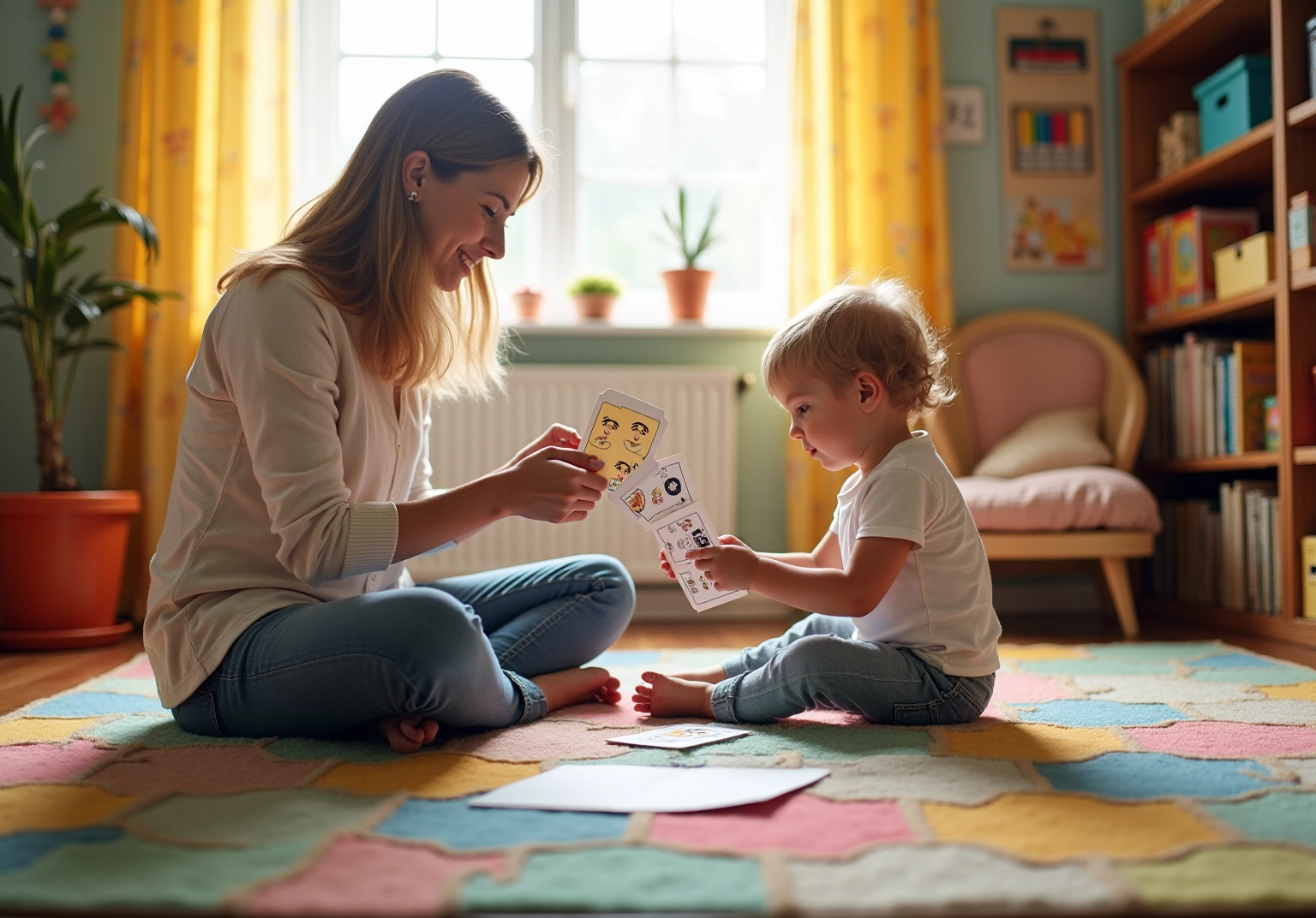
Introduction
Navigating daily life can present unique challenges for children with autism, often requiring tailored strategies to enhance their coping skills. 🌟 This article delves into seven effective coping techniques designed specifically for kids on the spectrum, aiming to empower them with the tools they need to thrive.
But how can parents and caregivers ensure these strategies are not only effective but also personalized to meet each child’s distinct needs?
Let’s explore this together! We’re here to help you every step of the way!
Rori Care – ABA Therapy: Personalized Coping Skills Development for Children with Autism
At Rori Care, we understand the . Our utilizes (ABA) to help develop for kids with autism tailored just for your child. Through thorough assessments, our professionals identify specific challenges and strengths, paving the way for that empower kids to manage everyday life more effectively.
This personalized method not only enhances but also . Imagine your child handling their emotions and behaviors in various situations with ease! The success stories we’ve seen highlight the profound impact of personalized care in . As specialists in the field often say, ‘ are essential for nurturing resilience in youth with autism.’ This emphasizes the importance of .
Moreover, we’re excited to share that Rori Care integrates to elevate these strategies. For instance, our automatic progress report generation saves 50% more time for the treatment of children, allowing us to focus on what truly matters—your child’s growth and development. Our commitment to continuous assessment and adjustment ensures that each child’s unique needs are met with precision and care. Together, we can foster a future where every child can thrive! Let’s explore this journey together!

Mindfulness Techniques: Enhancing Emotional Regulation in Kids with Autism
Mindfulness methods, including and guided imagery, are important for developing to improve their . These practices encourage a focus on the present moment, which allows young people to better . For instance, simply taking a few deep breaths before facing a stressful situation can help them pause and respond thoughtfully rather than impulsively.
Research shows that those who engage in often report significant improvements in emotional control and , leading to reduced feelings of loneliness and anxiety. Plus, techniques such as the ‘Soles of the Feet’ and ‘Glitter Jar’ have been shown to effectively manage , giving young individuals valuable tools for tackling everyday challenges.
Integrating mindfulness into daily routines not only nurtures self-awareness but also enhances overall well-being, making it an essential part of autism care. Current studies highlight that these practices can lead to lasting improvements in and , showcasing their effectiveness as a complementary approach to like ABA.
By incorporating these techniques, families can create a that fosters emotional resilience and better , ultimately enhancing coping skills for kids with autism. Let’s explore this together! We’re here to help you every step of the way!

Sensory Processing Strategies: Tools for Managing Overwhelm in Autistic Children
Effective are essential for helping autistic individuals develop to manage feelings of overwhelm. By , we can significantly enhance their ability to focus and feel secure. , weighted vests, and fidget toys act as practical aids in . Did you know that studies suggest up to 96% of individuals and adolescents with autism process sensory information so differently that everyday activities can be greatly affected? At Rori Care, our caring clinical leadership group emphasizes the importance of identifying and using tailored approaches to promote comfort and stability. They are passionate about neurodiversity and empowering caregivers with ABA principles, expressing, ‘By understanding individual sensory profiles, we can create settings that genuinely cater to the needs of young individuals.’
Some specific strategies include:
- Controlling noise levels
- Providing
Parents, it’s also important to be aware of , such as increased restlessness or withdrawal from social interactions. By proactively and observing your child’s triggers, you can create an environment that reduces stress and enhances daily life for your little ones, which is essential for developing . Let’s explore this together! Make an appointment today.

Social Skills Training: Building Connections and Communication for Kids with Autism
is vital for our youngsters with autism, equipping them with that are essential for and . At Rori Care, our amazing clinical leadership group—composed of skilled and caring professionals—is dedicated to promoting and ensuring the success of our youth. Techniques like role-playing and social stories, along with , create a supportive environment for practicing .
By focusing on coping skills for kids with autism, such as turn-taking, maintaining eye contact, and understanding social signals, youngsters can they need to engage with their peers. This not only helps them make friends but also enriches their overall social experiences. Research shows that role-playing can significantly improve communication abilities, allowing youngsters to navigate social situations with greater ease.
Educators often highlight the , noting how they empower youngsters to interact meaningfully with others. This ultimately leads to and less anxiety in social settings, benefiting the development of coping skills for kids with autism. So, let’s explore this journey together and see how we can support our children every step of the way!

Visual Supports: Enhancing Understanding and Communication for Autistic Kids
, like , charts, and visual cues, are super important for helping autistic individuals communicate better and understand their world. These tools make it easier for young people to process information by laying out for their daily activities. Did you know that around 90% of participants in comprehensive ABA interventions show real progress in language development and ? This really highlights how effective can be in communication!
By weaving into everyday routines, parents and educators can help make transitions smoother and . This creates a more for everyone involved. Special education experts emphasize that visual aids not only clarify behavior expectations but also empower young individuals to express their needs and feelings. It’s all about bridging those !
This organized approach not only boosts involvement and understanding but also supports the of individuals on the spectrum, particularly in for kids with autism. So, let’s explore this together and see how these tools can make a difference in your child’s life!

Problem-Solving Strategies: Fostering Independence in Children with Autism
Teaching is essential for helping individuals with autism become self-sufficient. Think about breaking tasks into smaller, manageable steps, using , and encouraging brainstorming for different approaches. Did you know that research shows visual supports can boost comprehension by 65%? That’s a fantastic reason to use them in teaching! By nurturing , young individuals can , helping them tackle everyday challenges.
Behavioral therapists emphasize that helps young individuals develop coping skills for kids with autism, allowing them to take charge of their education and daily tasks. This can lead to a more ! As parents, you play a vital role in this journey. By participating actively, you become essential allies in your child’s development, using to support their growth.
is also crucial. It equips you with , empowering you to make informed decisions that positively affect your child’s progress. This active involvement not only enhances behavioral outcomes but also reduces stress and improves family dynamics. Let’s explore this together! We’re here to help you every step of the way!

Emotional Coping Techniques: Supporting Emotional Expression in Autistic Children
, including , , and the use of emotion cards, are essential for helping them express their feelings. These methods offer safe outlets, allowing young people to share their experiences, which is key to . , especially, has shown great promise in enhancing emotional expression, giving kids a .
Developmental psychologists note that engaging in art therapy can lead to better for these youngsters. This creative exploration not only nurtures healthier but also . By weaving these practices into the structure of , known for its transformative power, parents and caregivers can help kids with autism develop coping skills for kids with autism to manage their emotions more effectively.
And here’s something exciting: the use of AI technologies in therapy can , ensuring they fit each child’s unique needs. Ultimately, these approaches can truly and support their growth. Let’s explore this together and see how we can make a difference!

Deep Breathing Exercises: Simple Techniques for Calming Autistic Kids
are simple yet powerful that can help to calm them. Encouraging young ones to take slow, deep breaths can really help lessen anxiety and foster relaxation. For instance, the ‘5-5-5’ method—inhale for five seconds, hold for five seconds, and exhale for five seconds—can be easily practiced at home or during therapy sessions.
Caregivers can support this practice by:
- Modeling the technique themselves
- Using visual aids
- Incorporating it into calming routines before stressful situations, like homework or social interactions
By incorporating these exercises into daily routines, youngsters can learn to more effectively.
plays a crucial role in this process. Informed caregivers can reinforce these techniques, ensuring consistency and effectiveness in their application. With a deeper , caregivers can make informed decisions that positively affect their children’s ability to utilize these . This ultimately leads to improved behavioral outcomes and a more harmonious family dynamic. Let’s explore this together and see how we can make a difference!

Trauma-Informed Approaches: Understanding and Supporting Autistic Children
Understanding how past experiences shape the lives of individuals with autism is essential, and play a vital role in this. At Rori Care, our clinical leadership team is dedicated to embracing neurodiversity. We empower caregivers with ABA principles and strategies that help achieve children’s . By focusing on , we prioritize .
When caregivers understand personal triggers and reactions, they can offer that meet each young person’s unique needs. Adopting a allows parents and educators to create spaces where young individuals feel secure and understood. This empowerment encourages them to express themselves freely, without the fear of judgment.
Not only does this approach enhance , but it also builds resilience, enabling young people to navigate their daily lives more effectively. Experts emphasize the importance of recognizing the for providing informed care that genuinely supports a child’s growth. Did you know that studies indicate 50 to 60% of individuals report ? This highlights how common trauma is among autistic youth.
Dr. Beck points out that is crucial for effective support. Embracing the idea that ‘Being autistic doesn’t mean I’m broken. It means I see and experience the world in a different and beautiful way’ reinforces the significance of acceptance in trauma-informed practices.
Through caregiver training, Rori Care enhances support, informed decision-making, and improved behavioral outcomes. We’re here to help you every step of the way! Let’s explore this together! Make an Appointment.

Seeking Professional Help: Accessing Resources for Autism Support
Seeking professional assistance is a crucial step for families looking to support their autistic children effectively. , specialized therapists, and educational consultants offer invaluable guidance and resources that can truly enhance a young person’s development. Research shows that families who tap into these resources often see better outcomes, like management and .
Parents, we encourage you to actively seek help! Doing so not only equips you with essential knowledge and tools but also empowers you to advocate effectively for your child’s unique needs. plays a vital role in this journey, as it boosts caregivers’ understanding of ABA principles and strategies, allowing for consistent support at home. This active involvement can lead to and a more positive family dynamic.
Moreover, promotes uniformity in care and eases anxiety for families, further enhancing your ability to assist your child. The impact of local support groups is huge; they create and provide emotional support, contributing to a more positive family atmosphere and overall well-being.
Understanding the —ranging from $500 to $3,000—is also essential for families seeking help. Resources like the ” by Autism Speaks can offer critical insights for families navigating those early days after an ASD diagnosis. As Autism Speaks reminds us, ‘People with autism and their families often have a variety of additional expenses required to meet their unique needs.’ This highlights just how important it is to .
Let’s explore this together! We’re here to help you every step of the way!

Conclusion
Enhancing coping skills for kids with autism is truly a multifaceted journey. It’s all about understanding their unique needs and using tailored strategies. By integrating personalized approaches—like ABA therapy, mindfulness techniques, and sensory processing strategies—caregivers can really make a difference in the daily lives of children on the spectrum. These methods not only foster independence and emotional regulation but also empower kids to navigate their environments with greater confidence.
The article highlighted several effective coping strategies, including:
- Social skills training
- Visual supports
- Emotional coping techniques
Each of these contributes to a more supportive framework for autistic children. By utilizing tools like deep breathing exercises and problem-solving strategies, families can create an environment that nurtures growth and resilience. And let’s not forget the importance of seeking professional help and accessing resources; they play a crucial role in enhancing the overall well-being of children with autism.
Ultimately, improving coping skills for kids with autism is a collaborative effort that involves both caregivers and professionals. By embracing these strategies and fostering a supportive community, every child can thrive in their unique way. The path may be challenging, but seeing children flourish and develop their full potential makes it all worthwhile. Let’s explore this together and support one another on this incredible journey!
Frequently Asked Questions
What is Rori Care’s approach to ABA therapy for children with autism?
Rori Care utilizes Applied Behavior Analysis (ABA) to develop personalized coping skills for children with autism, focusing on their specific challenges and strengths through thorough assessments.
How does Rori Care enhance children’s coping skills?
The personalized method at Rori Care not only enhances coping skills but also fosters independence and confidence, empowering children to manage their emotions and behaviors effectively in various situations.
What role does AI technology play in Rori Care’s therapy?
Rori Care integrates advanced AI technologies to streamline processes, such as automatic progress report generation, which saves time and allows professionals to focus on the child’s growth and development.
What mindfulness techniques are used to help kids with autism?
Mindfulness techniques, including deep breathing exercises and guided imagery, are utilized to improve emotional regulation and coping skills for kids with autism.
How do mindfulness practices benefit children with autism?
Engaging in mindfulness activities can lead to significant improvements in emotional control and social interactions, reducing feelings of loneliness and anxiety.
What sensory processing strategies does Rori Care recommend?
Rori Care recommends creating sensory-friendly environments using tools like noise-canceling headphones, weighted vests, and fidget toys to help manage feelings of overwhelm in autistic children.
Why is it important to identify sensory triggers for autistic children?
Identifying sensory triggers is essential for creating supportive environments that cater to the needs of autistic individuals, helping to promote comfort and stability.
What behavioral signs may indicate sensory overload in children with autism?
Behavioral signs of sensory overload can include increased restlessness or withdrawal from social interactions, which parents should be aware of to better support their child.
List of Sources
- Rori Care – ABA Therapy: Personalized Coping Skills Development for Children with Autism
- Strength Autistic Mom Quotes: Words of Courage & Hope (https://levelaheadaba.com/blog/strength-autistic-mom-quotes)
- goldstarrehab.com (https://goldstarrehab.com/parent-resources/autism-quotes)
- 107 Favorite Quotes About Autism and Aspergers (https://the-art-of-autism.com/favorite-quotes-about-autism-and-aspergers)
- brighterstridesaba.com (https://brighterstridesaba.com/blog/autism-quotes-quotes-that-illuminate-the-world-of-autism)
- Mindfulness Techniques: Enhancing Emotional Regulation in Kids with Autism
- mindfulcenter.org (https://mindfulcenter.org/10-mindfulness-quotes-to-remind-you-to-refocus-on-being-here-now)
- 30 Mindfulness Quotes for Kids – Mrs. Moe’s Modifications (https://mrsmoesmodifications.com/mindfulness-quotes-for-kids)
- magnetaba.com (https://magnetaba.com/blog/autism-and-mindfulness-practices)
- advancedautism.com (https://advancedautism.com/post/the-benefits-of-mindfulness-practices-for-autism-therapy-programs)
- Sensory Processing Strategies: Tools for Managing Overwhelm in Autistic Children
- ambitionsaba.com (https://ambitionsaba.com/resources/autism-sensory-overload-overstimulation)
- Part 2: Sensory-Friendly Strategies for Home (https://autism.org/sensory-friendly-strategies-at-home-p2)
- How to Manage Challenging Behavior in Children with Autism Effectively | Advanced Autism Services (https://advancedautism.com/post/how-to-manage-challenging-behavior-in-children-with-autism-effectively)
- Effectiveness of Sensory Integration Interventions in Children With Autism Spectrum Disorders: A Pilot Study – PMC (https://pmc.ncbi.nlm.nih.gov/articles/PMC3708964)
- Study finds sensory integration therapy benefits children with autism | Autism Speaks (https://autismspeaks.org/science-news/study-finds-sensory-integration-therapy-benefits-children-autism)
- Social Skills Training: Building Connections and Communication for Kids with Autism
- Inspirational ABA and Autism Quotes – Mrs. Moe’s Modifications (https://mrsmoesmodifications.com/inspirational-aba-and-autism-quotes)
- Effects of Parent-Implemented Interventions on Outcomes of Children with Autism: A Meta-Analysis – PMC (https://pmc.ncbi.nlm.nih.gov/articles/PMC10539413)
- 10 inspiring quotes from people with autism | Autism Speaks (https://autismspeaks.org/life-spectrum/autism-quotes)
- Effect of social skills training on interpersonal interactions of children with autism: an interventional research – PMC (https://pmc.ncbi.nlm.nih.gov/articles/PMC9788721)
- Visual Supports: Enhancing Understanding and Communication for Autistic Kids
- saintpetershcs.com (https://saintpetershcs.com/news/2025/saint-peter’s-established-as-a-certified-autism-center)
- crossrivertherapy.com (https://crossrivertherapy.com/autism/the-role-of-visual-cues-in-aba-therapy-language-development)
- news.flinders.edu.au (https://news.flinders.edu.au/blog/2016/06/20/visual-supports-for-autistic-children)
- Using Visual Supports To Help Children With Autism (https://thetreetop.com/aba-therapy/visuals-for-autism)
- magnetaba.com (https://magnetaba.com/blog/visual-tools-in-autism-therapy)
- Problem-Solving Strategies: Fostering Independence in Children with Autism
- nature.com (https://nature.com/articles/s41599-025-05292-y)
- 25 Great Insights on Teaching and Parenting Learners with Autism – Brookes Blog (https://blog.brookespublishing.com/25-great-insights-on-teaching-and-parenting-learners-with-autism)
- kidsclubaba.com (https://kidsclubaba.com/autism-quotes)
- Emotional Coping Techniques: Supporting Emotional Expression in Autistic Children
- 107 Favorite Quotes About Autism and Aspergers (https://the-art-of-autism.com/favorite-quotes-about-autism-and-aspergers)
- Trauma-Informed Approaches: Understanding and Supporting Autistic Children
- therapyworks.com (https://therapyworks.com/blog/autism/trauma-informed-care)
- goldstarrehab.com (https://goldstarrehab.com/parent-resources/autism-quotes)
- pmc.ncbi.nlm.nih.gov (https://pmc.ncbi.nlm.nih.gov/articles/PMC11997697)
- neurodivergentinsights.com (https://neurodivergentinsights.com/autismandtrauma?srsltid=AfmBOoqerhP4mu6mfgx0ptdXySNWkoCbrDPvC2S1QYEGwsAbJZNk8917)
- Seeking Professional Help: Accessing Resources for Autism Support
- aboutkidshealth.ca (https://aboutkidshealth.ca/resources-for-autism-spectrum-disorder-asd)
- autismspeaks.org (https://autismspeaks.org/autism-speaks-tool-kits)
- goldstarrehab.com (https://goldstarrehab.com/parent-resources/autism-support-for-families-in-crisis)
- autismspeaks.org (https://autismspeaks.org/financial-autism-support)
- aacap.org (https://aacap.org/aacap/Families_and_Youth/Resource_Centers/Autism_Resource_Center/Home.aspx)