

Introduction
Supporting a child with autism can truly be a rewarding yet challenging journey. Early intervention is key to shaping their developmental path. By using tailored strategies, families can unlock amazing benefits that boost communication, social skills, and independence in their children.
But how can parents effectively navigate this crucial phase to ensure their child gets the best support possible? Let’s explore the profound advantages of early intervention together! Not only can it lead to immediate improvements, but it also has a lasting impact on a child’s future.
Rori Care – ABA Therapy: Personalized Early Intervention Strategies for Autism
At Rori Behavioral Innovations Inc., we believe in the power of as a key part of our strategies. Our approach is all about you and your child! Each individual’s unique needs are carefully assessed through thorough evaluations, leading to a that focuses on , social skills, and independence. 🌟
These tailored programs often include strategies to help young individuals use their newfound skills in different environments, . Plus, with the integration of AI-driven technologies, Rori Care ensures that our methods are not only effective but also adaptable to your child’s evolving needs, providing the best possible support from the start.
Research shows that include that can lead to , paving the way for greater independence and better long-term outcomes for children with autism. And let’s not forget—! By empowering families, we can enhance the effectiveness of ABA therapy, enabling you to support your child’s growth at home. We’re here to help you every step of the way! 😊
Enhanced Communication Skills: A Key Benefit of Early Intervention
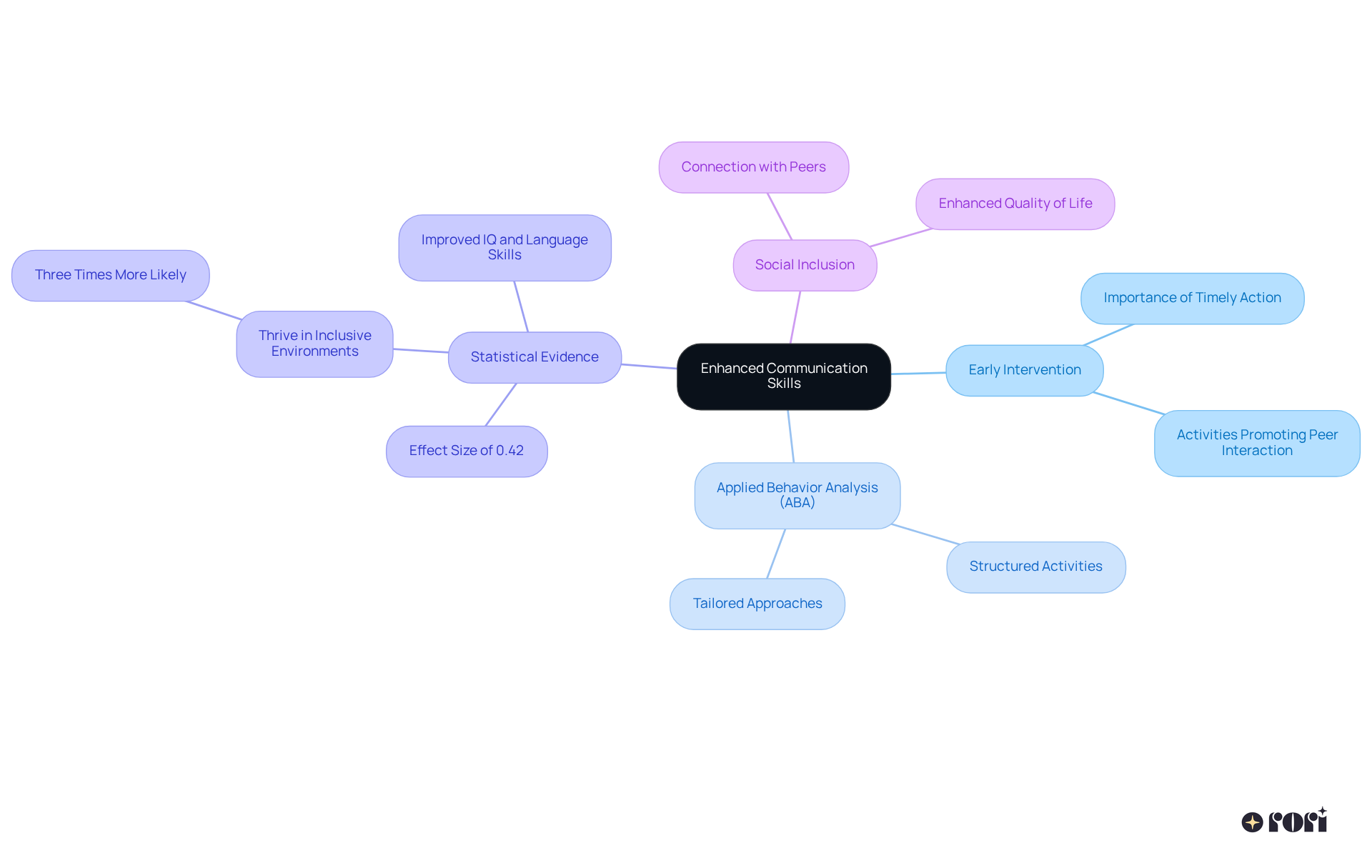
One of the most notable is the improvement in for individuals with autism. These individuals often face challenges in both spoken and unspoken communication. are particularly effective because they focus on that help .
Studies show that youngsters who participate in programs that provide experience . For instance, a systematic review found that measures from both parents and clinicians resulted in an effect size of 0.42, indicating meaningful enhancements in spoken language outcomes. Isn’t that encouraging?
Moreover, research reveals that are three times more likely to thrive in inclusive educational environments. These findings highlight the . Improved communication skills not only support personal growth but also promote , enabling young individuals to connect more deeply with their peers and communities. Let’s explore this together!
Reduction in Challenging Behaviors: How Early Intervention Makes a Difference
Timely support is so important for often seen in children with autism, like tantrums, aggression, and self-harm. With organized strategies and , these young individuals can learn alternative behaviors and coping mechanisms.
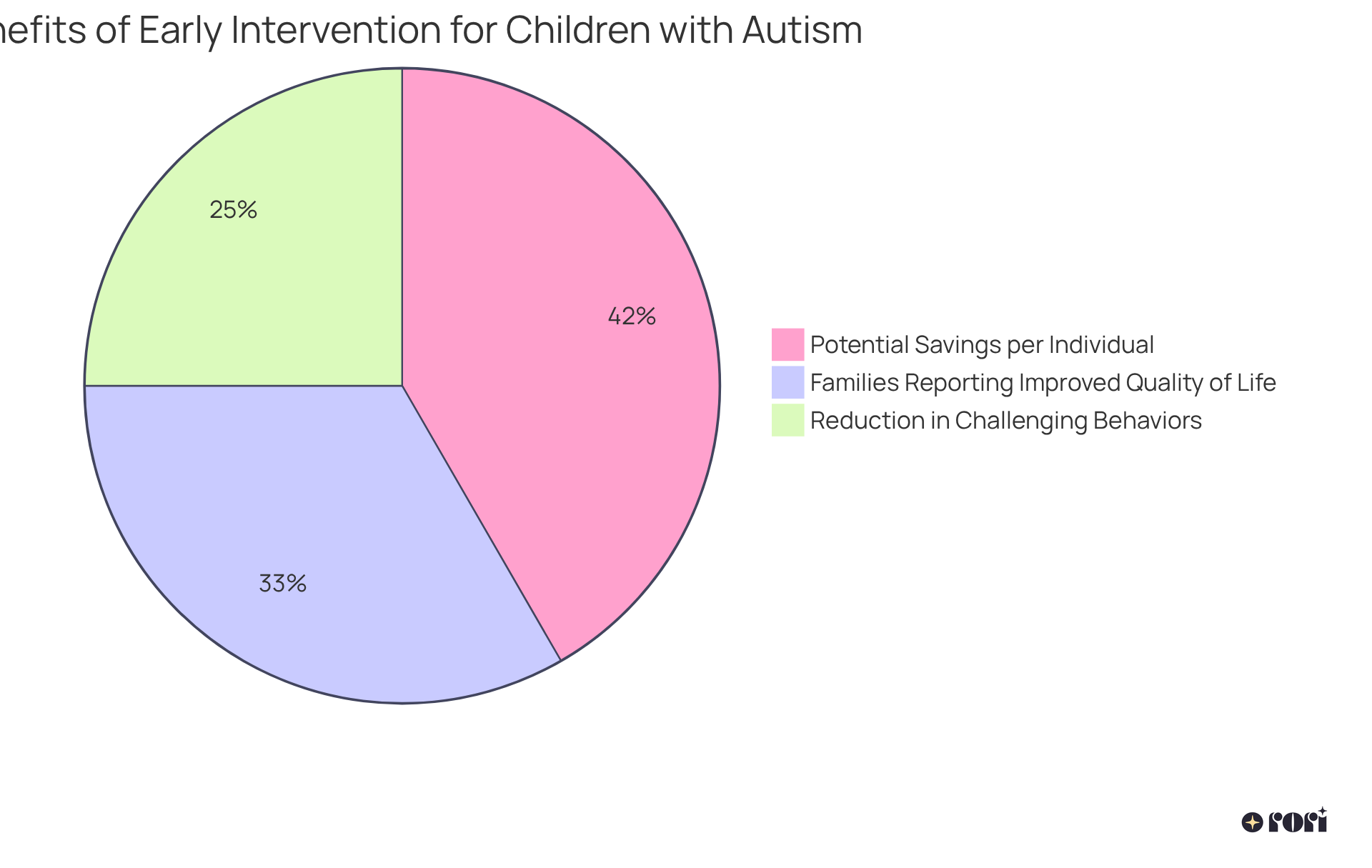
Studies show that kids who receive are much less likely to display these behaviors as they grow up, contributing to a calmer environment at home and school. For instance, children in early support programs experience an incredible within just six months of starting therapy! This improvement not only boosts their social interactions but also enhances family dynamics, demonstrating the , with over 80% of families reporting a after joining these programs.
Plus, can save around $1.3 million per individual over their lifetime by reducing the need for long-term special education and intensive care. The evidence is clear: the early intervention autism benefits not only foster but also open the door for children to thrive in all areas of life.
Let’s explore this together and see how we can make a difference!
Greater Independence in Daily Life: The Impact of Early Intervention
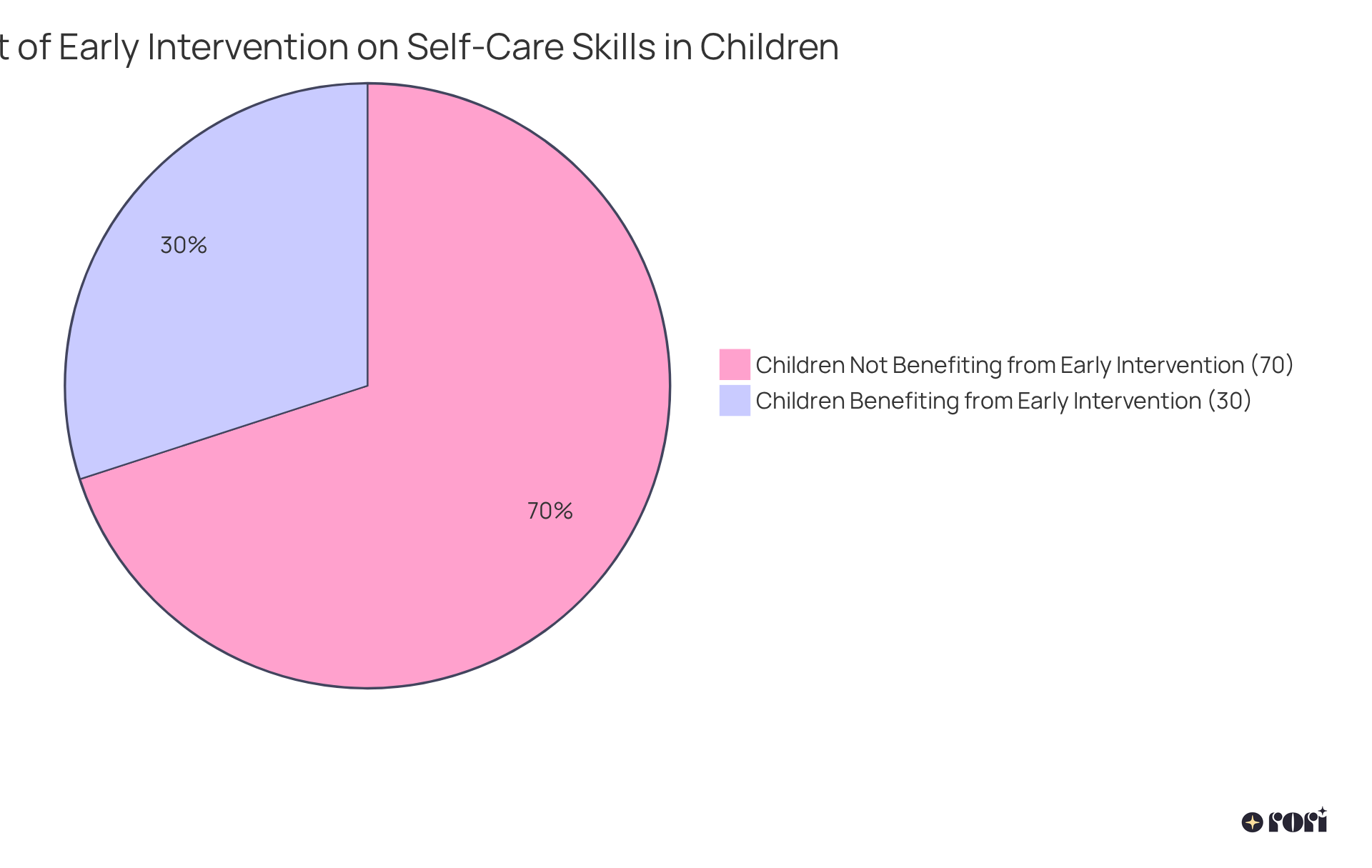
is so important in helping young people gain independence in their everyday activities. It goes beyond just communication and behavior—it includes essential too! With focused training, kids learn vital routines like dressing, feeding, and personal hygiene, all of which are key to .
Did you know that studies show kids who receive are much more likely to develop these skills? This leads to greater . The earlier these skills are introduced, the greater the for young individuals in preparing them for future educational and social environments. This really sets the stage for a more independent life!
Research indicates that children receiving see a 30% increase in their self-care ability compared to those who don’t. that the early intervention autism benefits of can significantly boost a person’s confidence and independence. And let’s not forget the ! It really enhances this progress, making prompt strategies not just effective, but essential for lasting success.
Let’s explore this together! We’re here to help you every step of the way!
Improved Social and Play Skills: Benefits of Early Intervention
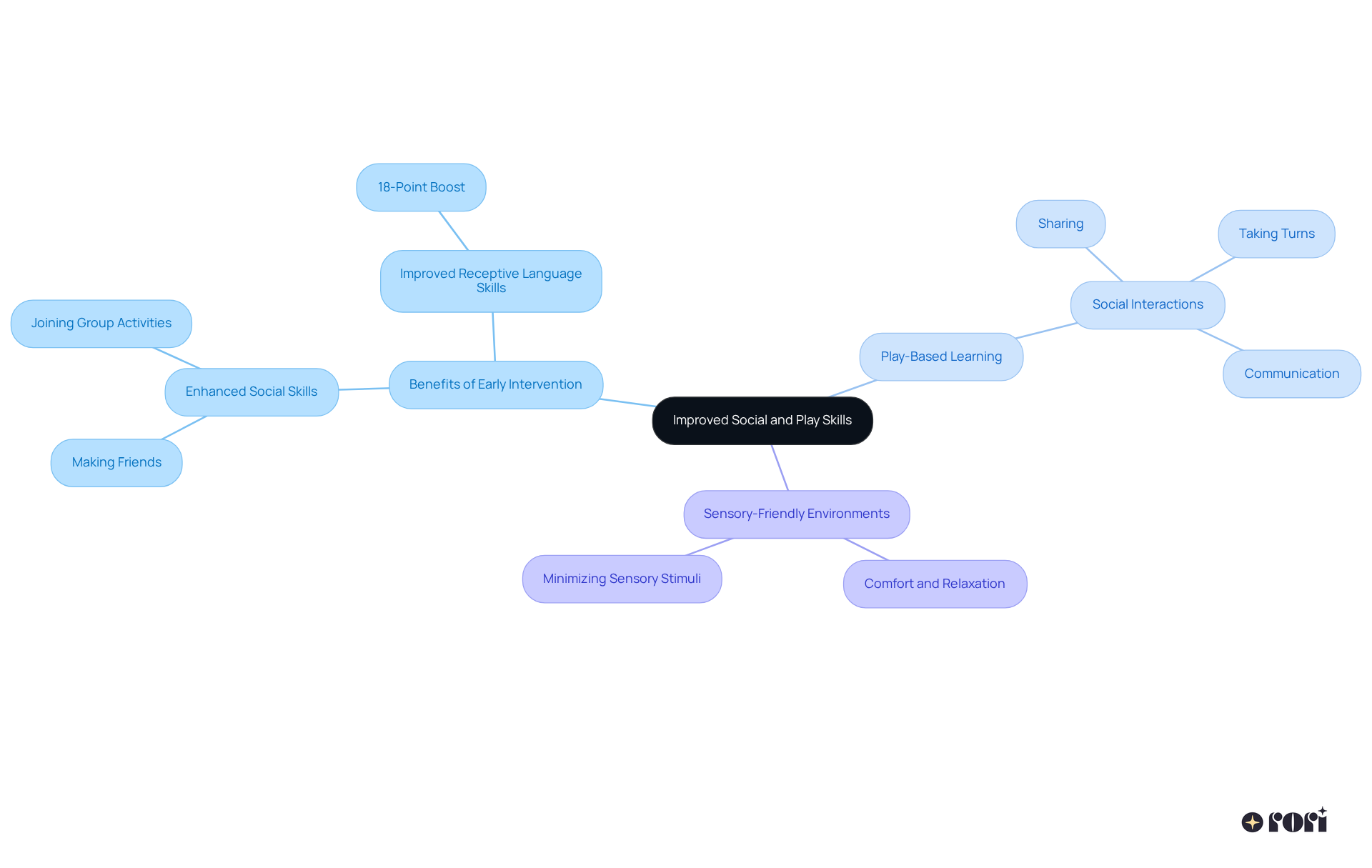
Social and play abilities are so important for kids with autism! The can really make a difference in these skills. Programs that focus on allow young individuals to practice in a safe space. Through , kids learn to share, take turns, and communicate with their peers.
Isn’t it amazing? Studies show that children who benefit from , which are key for making friends and joining in group activities. One study even found that kids involved in play-focused programs saw an ! This really highlights how effective early intervention autism benefits can be.
Plus, can make a big difference too! These supportive settings help kids feel comfortable and relaxed while they . Let’s explore this together and see how we can on their journey!
Empowered and Informed Parents: The Role of Early Intervention
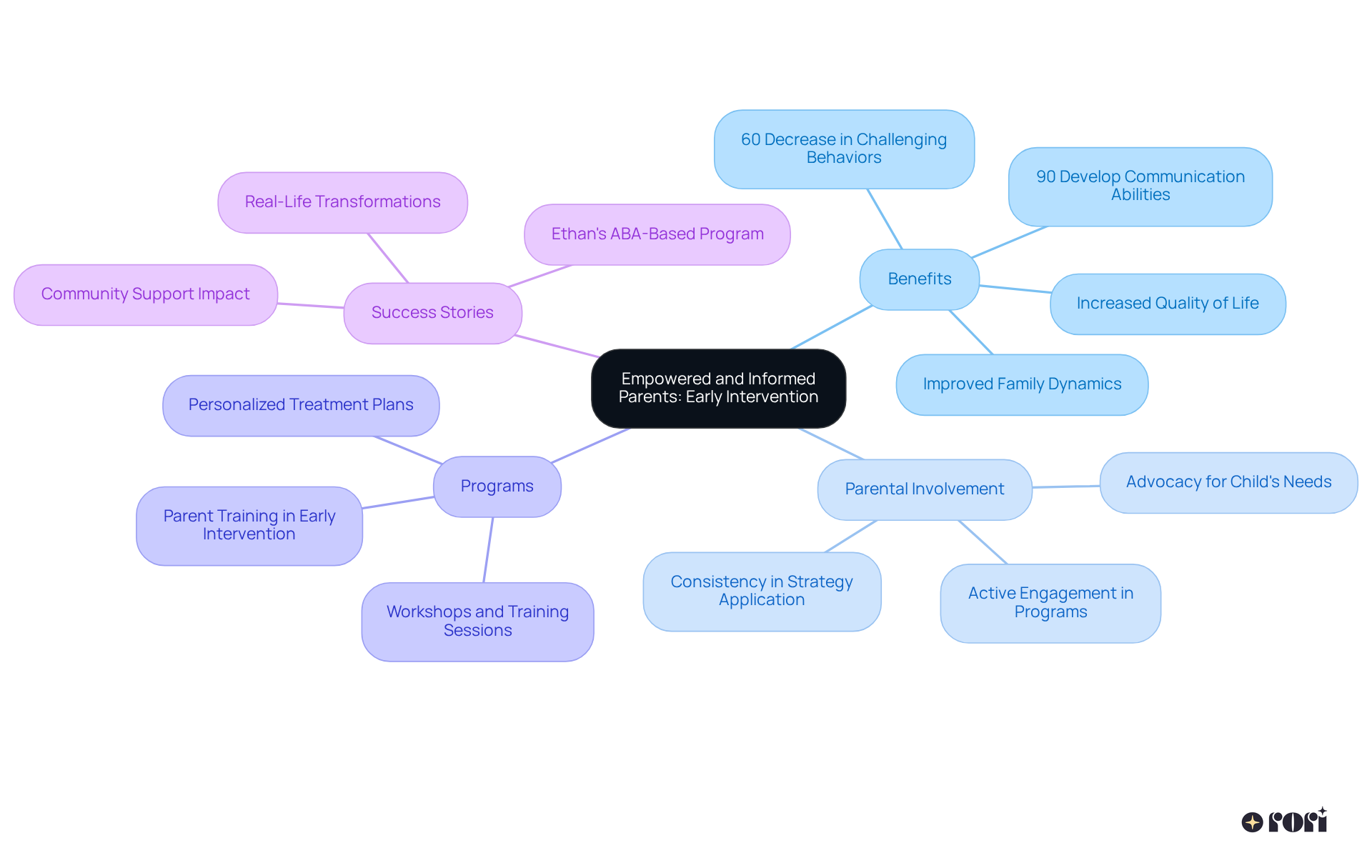
The greatly aid our youngsters and empower parents by providing them with vital information and resources to . It’s essential to involve parents in this support process; it ensures they understand the strategies being implemented and can effectively reinforce these skills at home.
Programs that include workshops, training sessions, and resources from specialists do wonders for parental confidence. They empower parents to and implement . For instance, studies suggest that the are significant when parents are actively engaged in initial support programs, resulting in . In fact, children receiving early intervention autism benefits with often see a remarkable 60% decrease in challenging behaviors within just six months!
Moreover, research highlights that up to 90% of youngsters receiving early intervention autism benefits develop functional communication abilities. This truly emphasizes the . Just think about , who participated in an for young ones. His experience shows how parental engagement can lead to substantial improvements in communication and behavior, reinforcing the idea that empowered parents are crucial to their children’s development and success.
As Robert Collier wisely noted, ‘Success is the sum of small efforts, repeated day in and day out.’ This really underscores the importance of consistent in nurturing our children’s growth. So, let’s explore this together! We’re here to help you every step of the way!
The Earlier, the Better: Timing of Early Intervention for Optimal Outcomes
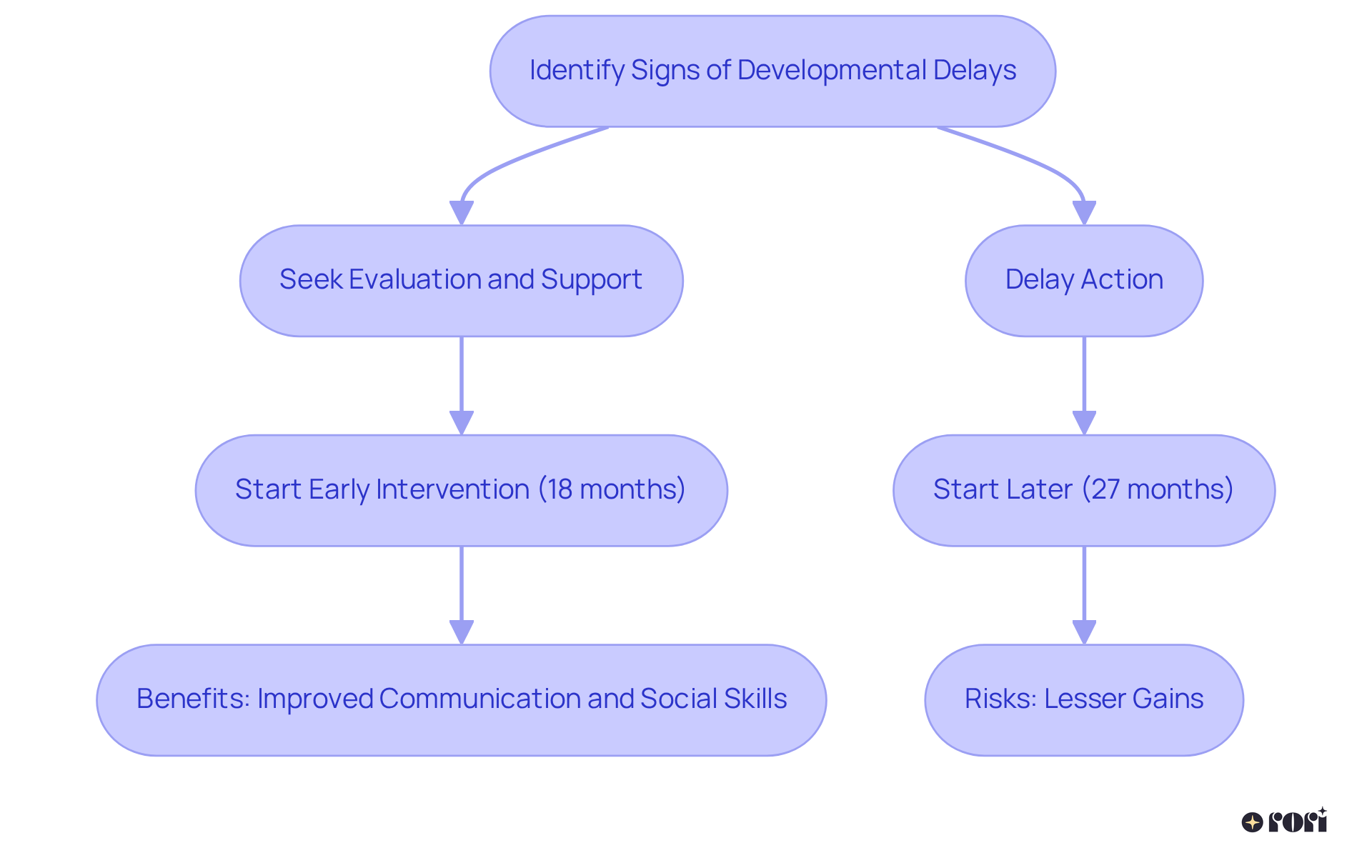
Studies consistently show that the of starting support as soon as 18 months can lead to , social skills, and overall growth for individuals with autism. The brain’s plasticity during these early years makes learning and adaptation easier, which is why initial support is so effective. For example, children who began (Individual-ESI) at 18 months showed significantly greater gains in receptive and expressive language skills compared to those who started at 27 months. This really highlights how important it is to , as even a slight delay can impact developmental outcomes.
Developmental psychologists emphasize the importance of , pointing out that the flexibility of infant brains allows for targeted strategies that can help realize the by lessening the effects of autism. As Geraldine Dawson, Ph.D., chief science officer of Autism Speaks, beautifully stated, “By starting as soon as the toddler is diagnosed, we hope to maximize the positive effect of the support.”
Parents are strongly encouraged to seek evaluations and support at the first signs of . Taking prompt action not only nurtures those vital skills but also allows families to actively engage in their child’s growth journey. The long-lasting benefits of are significant! Research shows that children who receive early intervention autism benefits are more likely to thrive in and enjoy a better quality of life. Plus, acting quickly can save an estimated $1.3 million per individual over their lifetime—talk about a financial advantage!
By recognizing the signs and seeking help early, families can truly for the better. Additionally, therapies like , speech therapy, and occupational therapy play a crucial role in these early interventions, offering tailored support that meets each individual’s unique needs. Let’s explore this together, and remember, we’re here to help you every step of the way!
Effective Models: Early Start Denver Model (ESDM) for Autism Intervention
The Early Start Denver Model (ESDM) is a fantastic, that offers for little ones with autism aged 12 to 48 months. This innovative model blends principles with developmental strategies, focusing on enhancing through playful engagement.
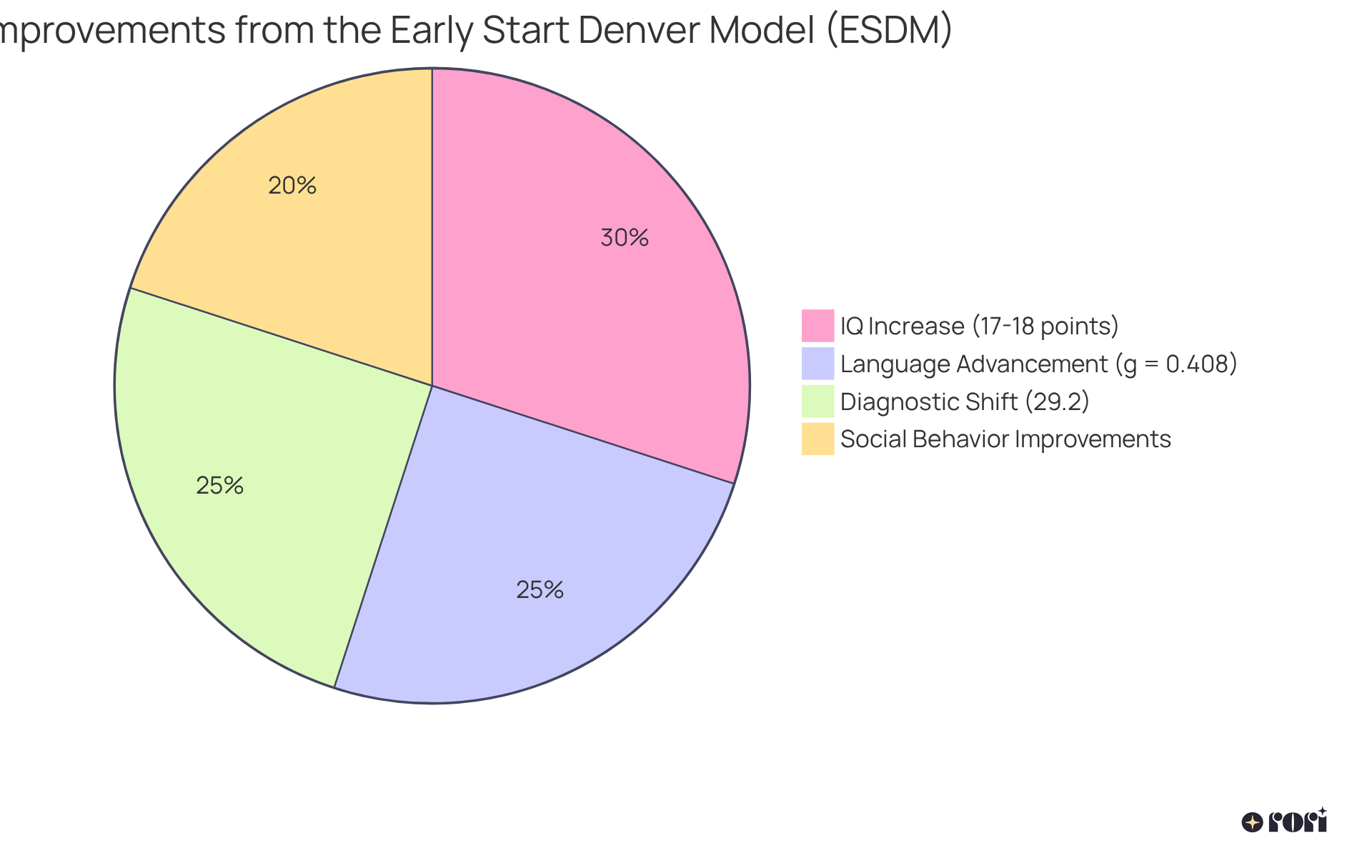
Research shows that children involved in ESDM experience amazing improvements, highlighting such as:
- An
- Significant progress in , with a moderate effect size of g = 0.408 for language advancement
- A notable positive impact on social behaviors, demonstrating the early intervention autism benefits by encouraging better interaction and communication among young individuals with autism
What’s really exciting is that 29.2% of youths receiving ESDM experienced a , which highlights the early intervention autism benefits of the model beyond just skill enhancements.
By actively involving parents in the , ESDM not only strengthens families but also equips them with effective strategies to support their child’s developmental journey. As a practical tip, parents are encouraged to engage in that incorporate ESDM techniques, making learning and communication enjoyable and supportive.
Let’s explore this together and see how we can make a difference in our children’s lives!
Long-Term Impact: Lasting Benefits of Early Intervention for Children with Autism
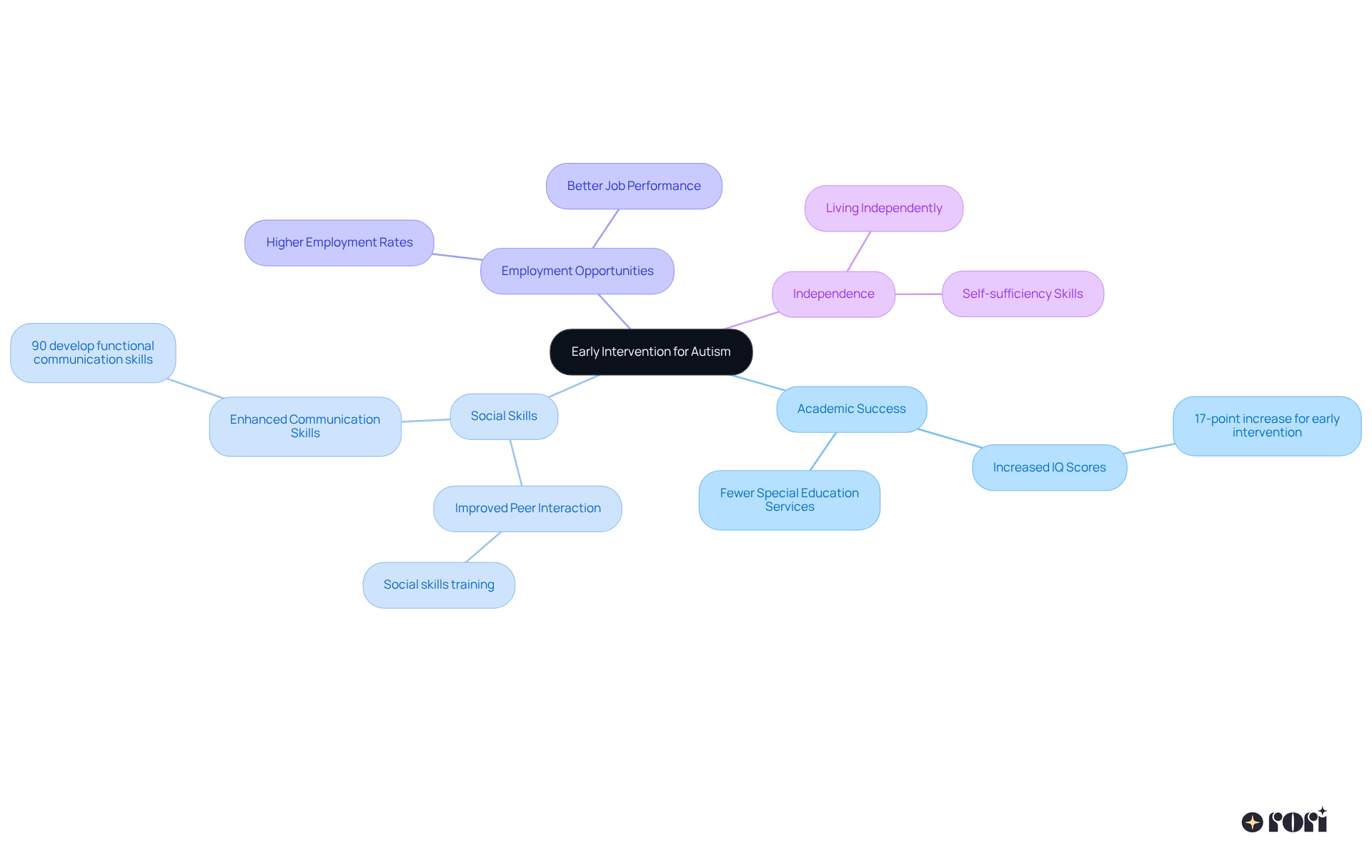
The advantages of stretch far beyond childhood! 🌟 Studies show that kids who benefit from tend to as they grow up. They often need and enjoy and living independently.
By addressing early on, families can take advantage of the to and . Let’s explore this together! If you’re wondering how to , remember, you’re not alone on this journey. We’re here to help you every step of the way!
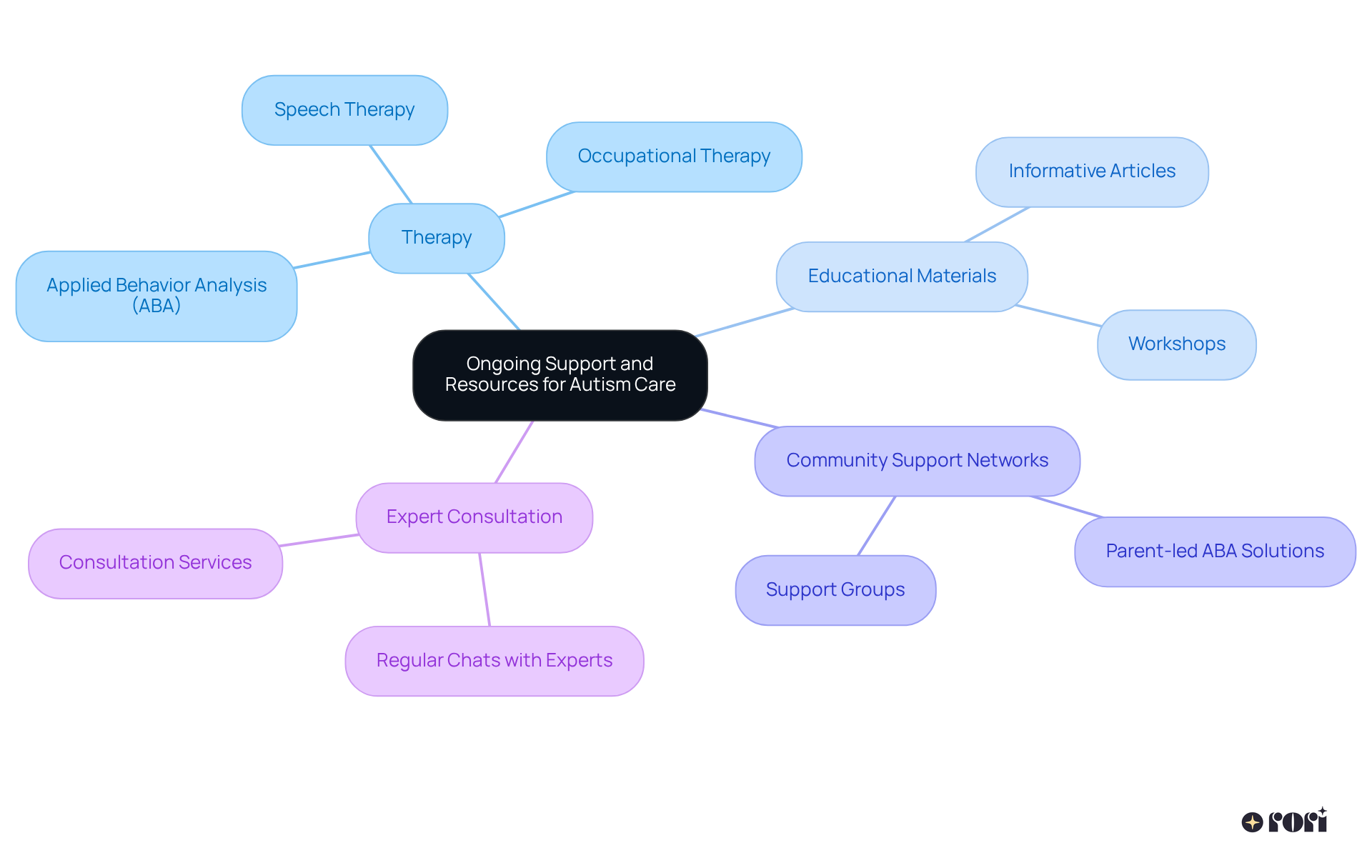
Ongoing Support and Resources: Essential for Successful Early Intervention
Successful prompt assistance is all about ongoing support and resources for both kids and their families. It’s essential to have access to therapy, educational materials, and strong . Regular chats with experts help us adjust strategies as kids grow and their needs change.
At Rori Behavioral Innovations, we offer a wide range of , , and support groups, all designed to empower families facing the challenges of autism. Did you know that, according to the Centers for Disease Control and Prevention, ? This highlights the urgent need for .
have demonstrated their ability to significantly boost the effectiveness of strategies that highlight . Families involved in these networks often share that they see , resulting in better outcomes for their children. As Laura Conrad, a Senior Consultant at the Technical Assistance Collaborative, Inc., wisely notes, ‘One of the most important factors in improving the outcome for individuals with ASD is the early intervention autism benefits that come from .’
By tapping into these resources, families can more effectively, ensuring their child’s growth and development are at the forefront. Let’s explore this journey together, and remember, we’re here to help you every step of the way!
Conclusion
The transformative power of early intervention for children with autism truly shines through. By embracing personalized strategies and support from an early age, families can significantly boost their child’s communication skills, social interactions, and independence. It’s clear that timely intervention leads to better outcomes, paving the way for a more fulfilling life for young individuals with autism.
In this article, we’ve highlighted some key benefits, such as:
- Improved communication abilities
- Reduced challenging behaviors
- Greater independence
Research shows that children who receive early intervention are more likely to thrive in inclusive settings, develop essential life skills, and experience lasting positive changes in their behavior. Plus, empowering parents with education and resources is vital in maximizing these benefits, ensuring families are well-equipped to support their children’s growth.
Ultimately, the significance of early intervention goes beyond immediate improvements; it lays the groundwork for a brighter future. By recognizing developmental delays and seeking support promptly, families can truly change their child’s trajectory for the better. Acting early and utilizing available resources is essential, as this proactive approach not only fosters skill development but also enhances the quality of life for both children and their families. Embracing early intervention is a powerful step toward unlocking the full potential of children with autism. Let’s explore this together!
Frequently Asked Questions
What is Rori Care’s approach to ABA therapy for autism?
Rori Care uses Applied Behavior Analysis (ABA) therapy as a key part of their early intervention strategies, focusing on personalized treatment plans that enhance communication, social skills, and independence for each child based on their unique needs.
How does Rori Care personalize treatment plans for children with autism?
Each child’s unique needs are assessed through thorough evaluations, leading to a tailored treatment plan that includes strategies to help them use their skills in various environments, promoting self-sufficiency.
What role does technology play in Rori Care’s therapy methods?
Rori Care integrates AI-driven technologies to ensure their methods are effective and adaptable to each child’s evolving needs, providing the best possible support from the beginning.
What are the benefits of early intervention for children with autism?
Early intervention can lead to significant improvements in cognitive, communication, and social skills, fostering greater independence and better long-term outcomes for children with autism.
Why is educating caregivers important in ABA therapy?
Educating caregivers enhances the effectiveness of ABA therapy, empowering families to support their child’s growth at home, which is crucial for the child’s development.
How does early intervention improve communication skills in children with autism?
Programs using ABA techniques focus on structured activities and social interactions, leading to significant improvements in communication abilities, as studies show meaningful enhancements in spoken language outcomes.
What impact does early intervention have on children’s educational success?
Children receiving early intervention benefits before age four are three times more likely to thrive in inclusive educational environments, highlighting the importance of prompt action.
How does early intervention reduce challenging behaviors in children with autism?
Timely support with organized strategies and positive reinforcement helps children learn alternative behaviors and coping mechanisms, resulting in a significant reduction in challenging behaviors.
What are the reported outcomes for families involved in early intervention programs?
Over 80% of families report a better quality of life and decreased stress after joining early intervention programs, which also contribute to a calmer environment at home and school.
What financial benefits can early intervention provide?
Timely assistance can save around $1.3 million per individual over their lifetime by reducing the need for long-term special education and intensive care.