

Introduction
Understanding how to effectively generalize skills across various environments is so important in ABA therapy. This article dives into personalized strategies that not only boost learning but also help children with ASD apply their skills in real-life situations. But here’s the big question: how can caregivers and clinicians team up to make sure these skills aren’t just learned, but truly woven into everyday life?
Exploring this question opens up a treasure trove of insights and practical techniques that can really change the therapy experience for children and their families. Let’s explore this together!
Rori Care – ABA Therapy: Personalized Strategies for Skill Generalization
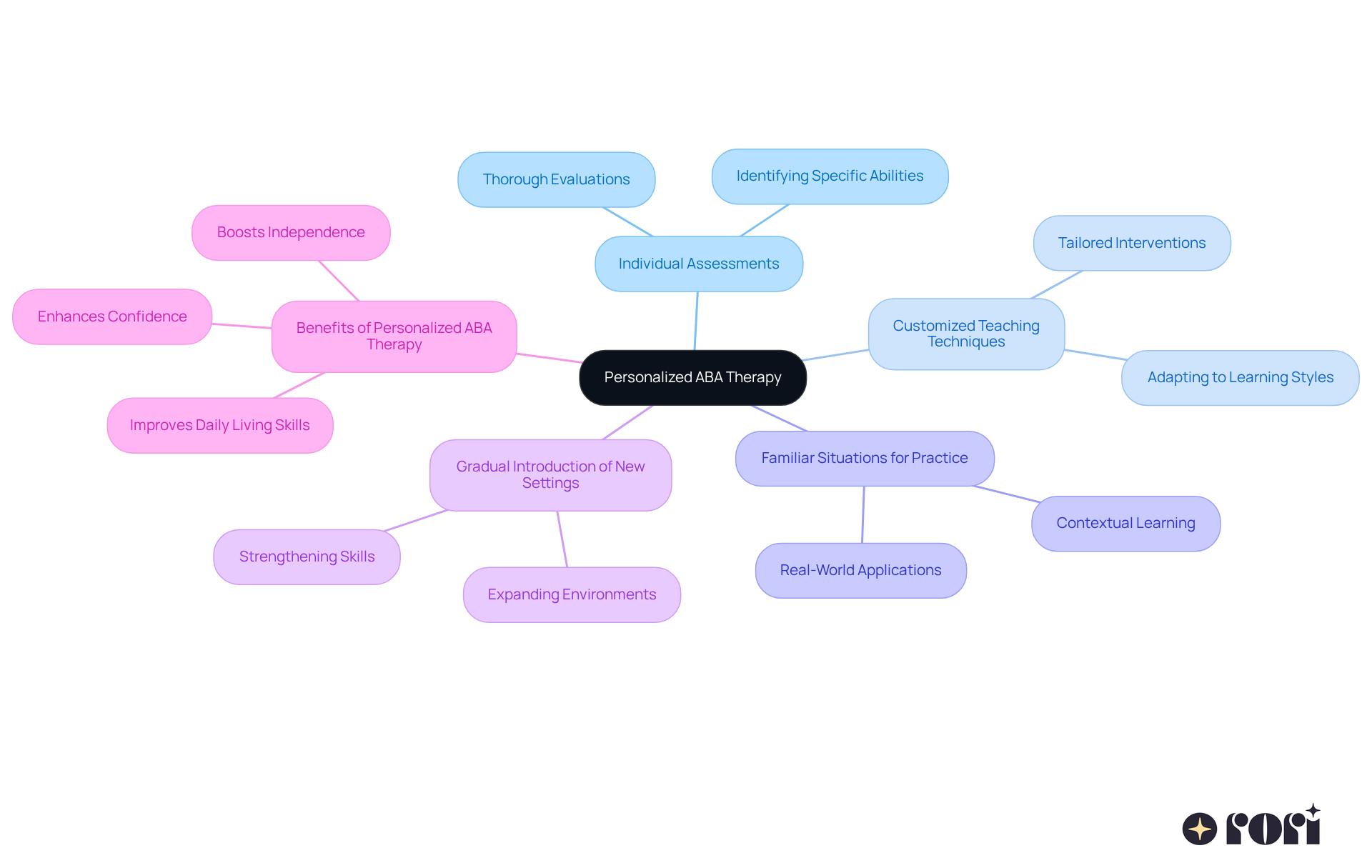
At Rori Behavioral Innovations, we truly believe in a . We know that every child is unique, and that’s why we prioritize their . Our clinicians take the time to conduct , pinpointing specific abilities that need a little extra attention. This way, we can ensure that our interventions are focused and effective.
Imagine this: your child learns best in a certain way. We to match their preferred style, using familiar situations for practice. Plus, we gradually introduce new settings to help strengthen those learned abilities. This tailored approach offers in for , which not only helps kids apply their skills but also and confidence in real-world situations.
By focusing on personalized treatment strategies, we’re enhancing the effectiveness of ABA interventions. Our goal? To . Let’s explore this together! We’re here to help you every step of the way!
AI-Powered Tracking: Enhancing Skill Generalization in ABA Therapy
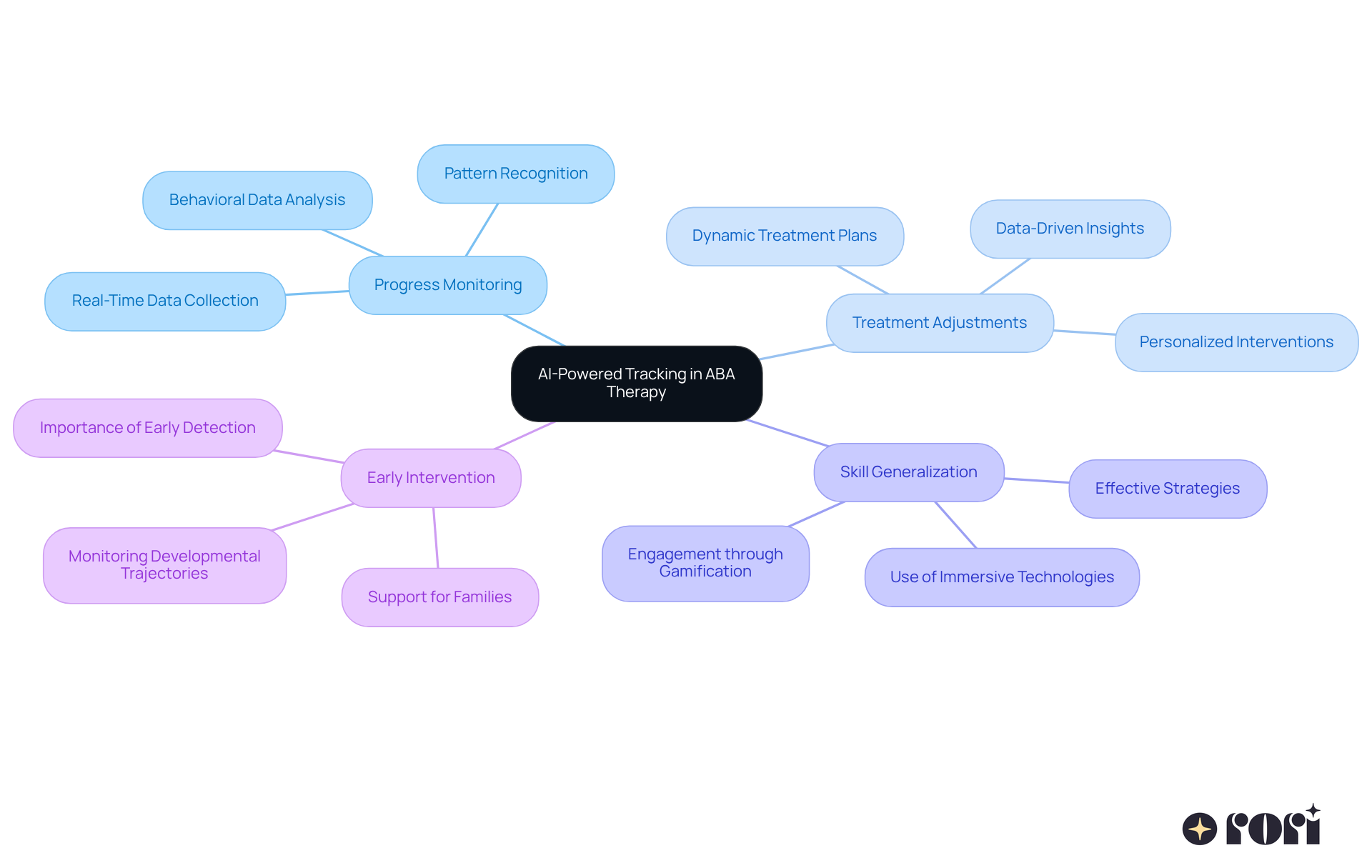
are really changing the game in ABA therapy! They give clinicians a deeper look into how a young person is progressing in different settings. These smart systems analyze behavioral data, offering , which helps therapists spot patterns in how skills are applied. For example, we know that can often be seen as early as ages 2 to 3. This highlights just how crucial can be.
With AI, clinicians can on the fly, making sure that strategies stay effective as the child grows. This technology not only boosts the accuracy of interventions but also serves as , providing families with practical, . Dr. Zachary Warren points out that . He says, “The ability to meaningfully dissect the heterogeneity that exists is hopefully what AI and advanced math can help us with.”
Parents, it’s a great idea to ask about how AI tools are being used in your child’s treatment. These innovations are key to . Let’s explore this together! We’re here to help you every step of the way!
Caregiver Involvement: Key to Successful Skill Generalization
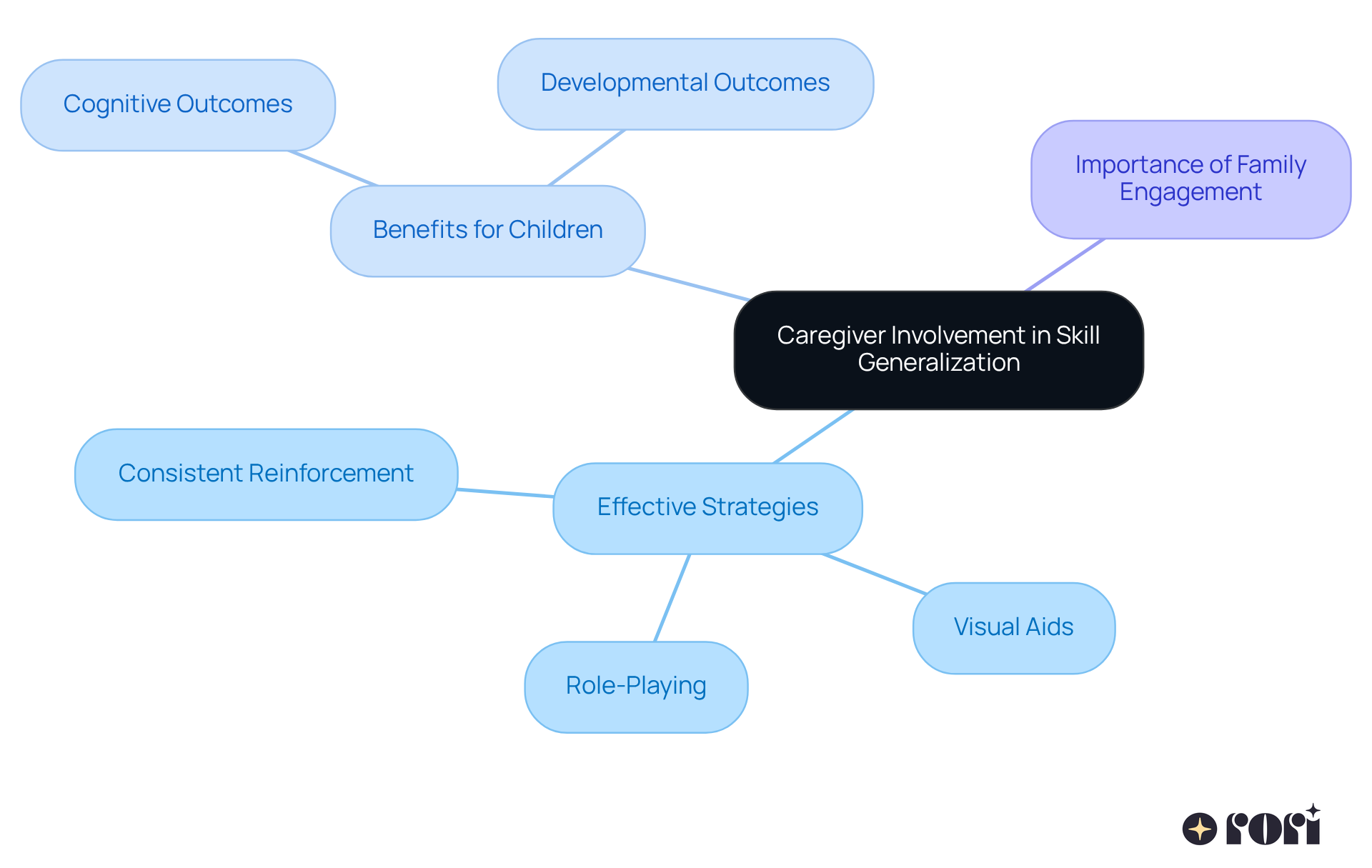
. When caregivers participate in the therapy process, they can utilize in different environments for children with asd to strengthen what their kids learn during daily routines. Imagine a training session designed just for caregivers, where they pick up – like visual aids, role-playing, and consistent reinforcement methods. This teamwork not only enhances learning effectiveness but also creates a that aids kids in developing .
Studies show that children who receive steady . It really highlights how crucial . As one behavioral specialist noted, without , it becomes challenging to implement , leading to difficulties for kids in transferring what they learn in therapy to their home and community. So, it’s essential to equip caregivers with the right to .
Let’s explore this together! By working hand-in-hand, we can create a nurturing atmosphere that supports our children’s growth.
Contextual Learning: Applying Skills Across Different Environments
Contextual learning is essential for helping young learners apply their skills in various settings, utilizing . When kids practice abilities at home, school, and in the community, they learn , allowing them to adjust their behaviors to fit various situations. Techniques such as:
- Utilizing a variety of materials
are , which can significantly . This approach not only strengthens the skills gained in counseling but also employs , preparing them for .
At Rori Care, we truly believe in the power of in this journey. Our is tailored to meet each child’s unique needs, ensuring that caregivers have the knowledge and strategies they need to support their development effectively. Research shows that when caregivers actively participate and implement recommended strategies, about 90% of children show . This collaboration not only enhances behavioral outcomes but also empowers caregivers, boosting their confidence and easing stress within the family.
Let’s explore this together! Your involvement can !

Effective Generalization Strategies: Bridging Therapy and Real Life
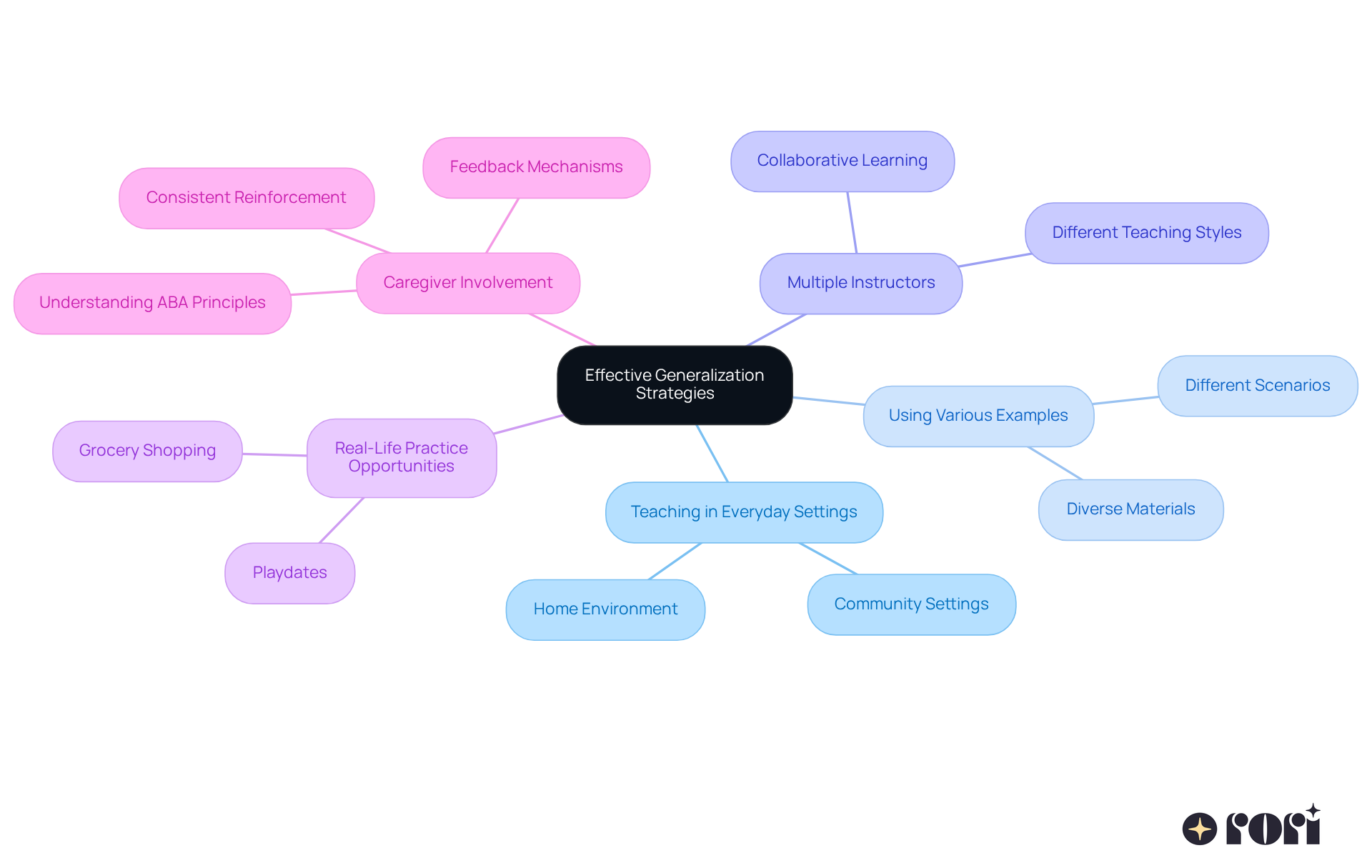
To bridge the gap between therapy and real life, one can utilize that can really help! Consider implementing by:
- Using various examples
- Having multiple instructors during practice sessions
Plus, giving kids chances to , like grocery shopping or playdates, is one of the , and it can make a huge difference in how well they transfer those skills.
And let’s not forget about the importance of during these activities. It really helps solidify the learning process! By , they can offer even more support at home. This not only complements professional interventions but also promotes consistency.
When caregivers are actively involved, it leads to and fosters informed decision-making. Ultimately, this means more effective and lasting progress for our kids. Let’s explore this together!
Evaluation Techniques: Monitoring Skill Generalization Progress
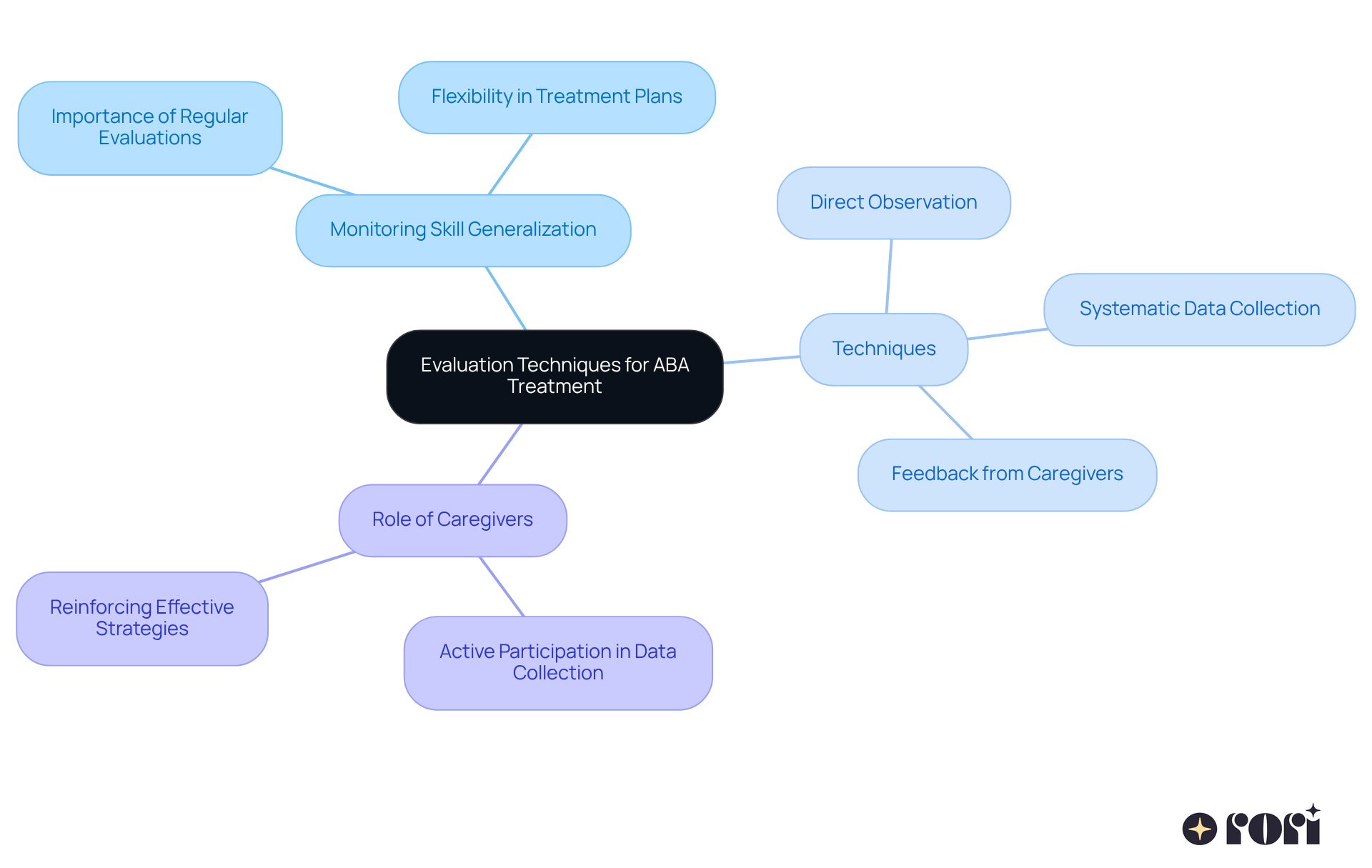
Keeping an eye on how abilities progress is super important when it comes to . You know, in different environments for children with ASD include:
- Direct observation
- Systematic data collection on how skills are applied
- Feedback from caregivers
At Rori Care, we’re excited to use to automate progress report creation. This means our clinicians can focus more on treatment rather than paperwork-freeing up 50% more time for therapy! That’s a big win for personalized and effective interventions.
Research shows that individuals who consistently receive ABA intervention often enjoy as they transition into adulthood. Our automatic , without interrupting the therapeutic process. Plus, all data is securely stored, anonymized, and deleted after analysis. Regular evaluations help clinicians determine for children with ASD, identifying which abilities have been successfully generalized and which ones may need additional attention.
This ongoing evaluation process ensures that treatment plans are flexible and responsive to each child’s evolving needs. It also aligns with best practices in the field. Behavioral analysts emphasize that is key to enhancing treatment effectiveness. This approach allows for customized interventions that promote lasting behavioral changes.
Caregivers, you play a crucial role in this journey! By actively participating in data collection and sharing feedback, you can help reinforce for children with ASD. According to the National Autism Center, often exceed 89%. That really highlights the importance of effective monitoring!
And let’s not forget about . This best practice not only improves the evaluation process but also ensures that each individual’s unique needs are met. So, let’s explore this together! We’re here to help you every step of the way!
Case Studies: Successful Skill Generalization in Action
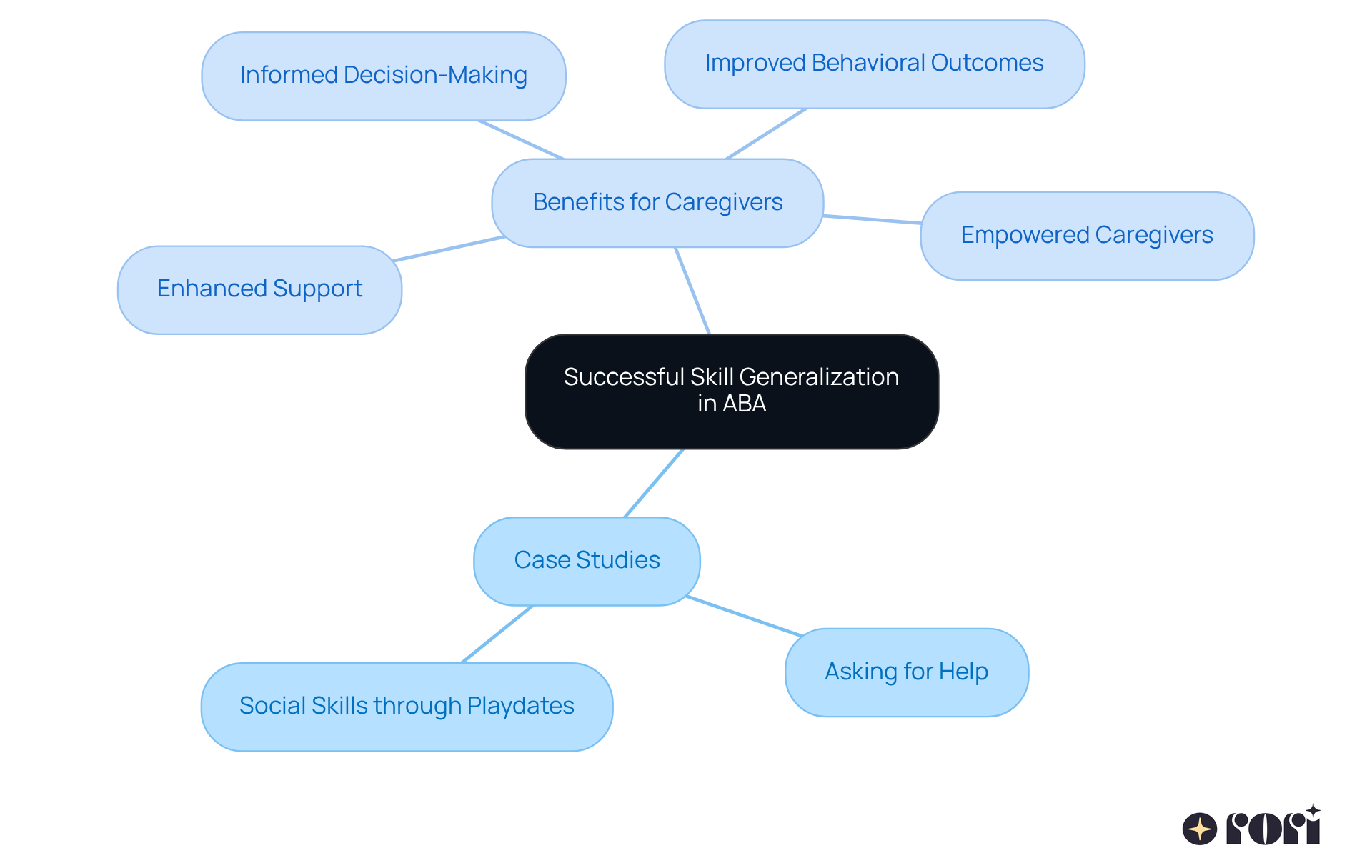
Case studies really show how can be in helping kids generalize their skills. For example, one young person learned to ask for help using a picture card during therapy sessions. This skill came in handy during family outings, leading to a big !
In another case, a young individual practiced through organized playdates, which helped them interact successfully in school settings. These real-world examples highlight just how effective can be, particularly when consistent practice is implemented. Research shows that . This really emphasizes how important these approaches are for fostering and adaptive behaviors.
Now, let’s talk about the benefits of in this context:
- Enhanced Support: Caregivers become better equipped to provide the right support at home, which complements professional interventions and promotes consistency.
- Informed Decision-Making: With a deeper understanding of ABA principles and strategies, caregivers can make choices that positively impact their child’s progress.
- : When caregivers actively get involved and align with therapeutic strategies, it often leads to more effective and lasting behavioral improvements.
- Empowered Caregivers: The knowledge and skills gained through the program boost caregivers’ confidence in their ability to help their children, reducing stress and enhancing family dynamics.
As Dr. Lord emphasizes, a tailored approach is key for effectiveness. It’s so important for parents to consider how they can adapt in different environments for children with asd to fit their own situations and support their child’s development. Let’s explore this together!
Structured Instruction: Teaching Generalization Skills Effectively
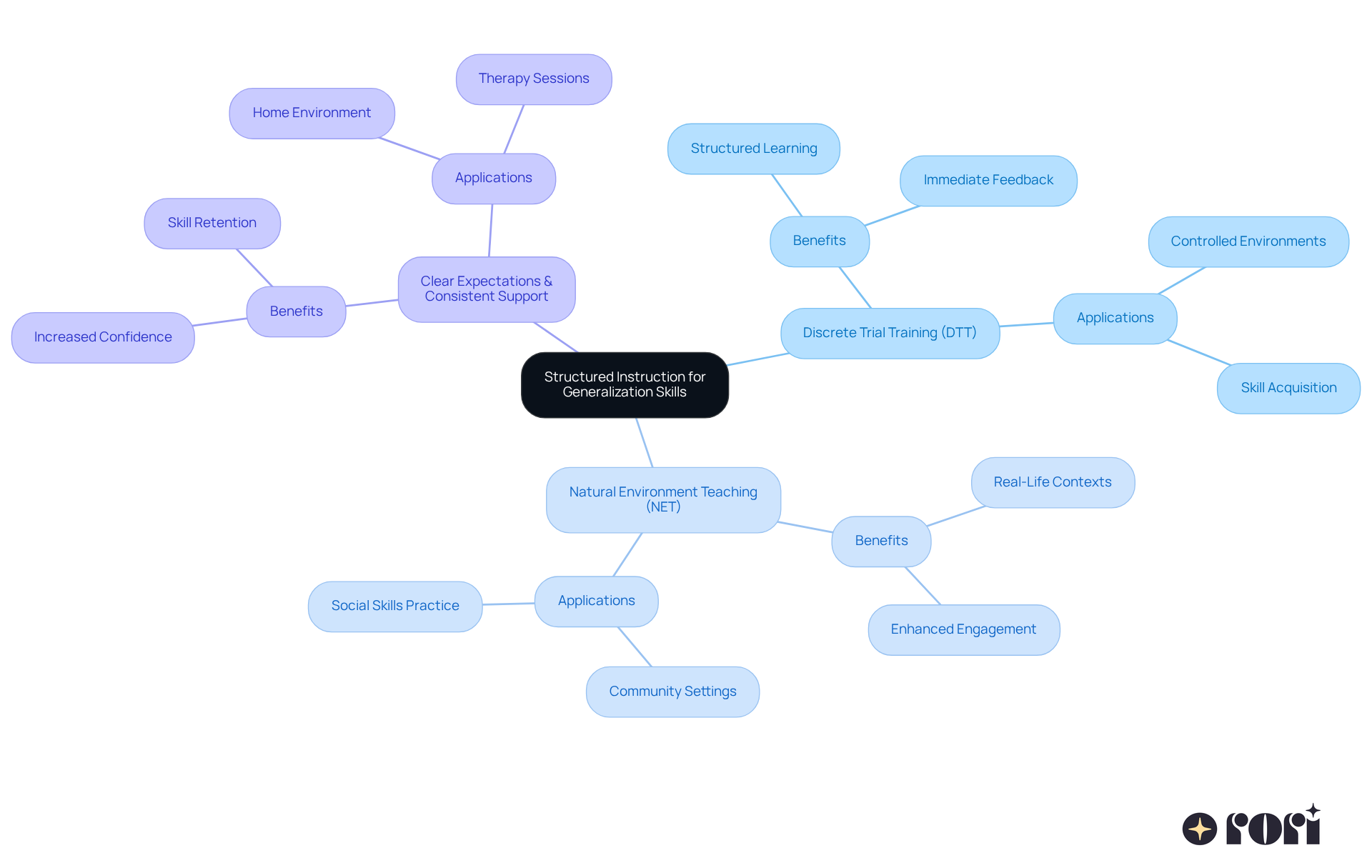
While teaching generalization abilities to children with autism can feel like a big challenge for parents, using in different environments for children with ASD through can really make a difference! This approach breaks down skills into bite-sized pieces and teaches them in different settings. Methods like and are considered , as they assist kids in practicing their skills in both controlled and everyday settings.
and are , helping our young ones become more confident in using their skills in real-life situations. This incorporates , which not only boosts learning but also encourages flexibility, allowing kids to navigate various settings with ease.
So, let’s explore this together! By embracing , we can and feel more secure in their abilities. Remember, you’re not alone in this journey; we’re here to help you every step of the way!
Importance of Generalization: Why It Matters in ABA Therapy
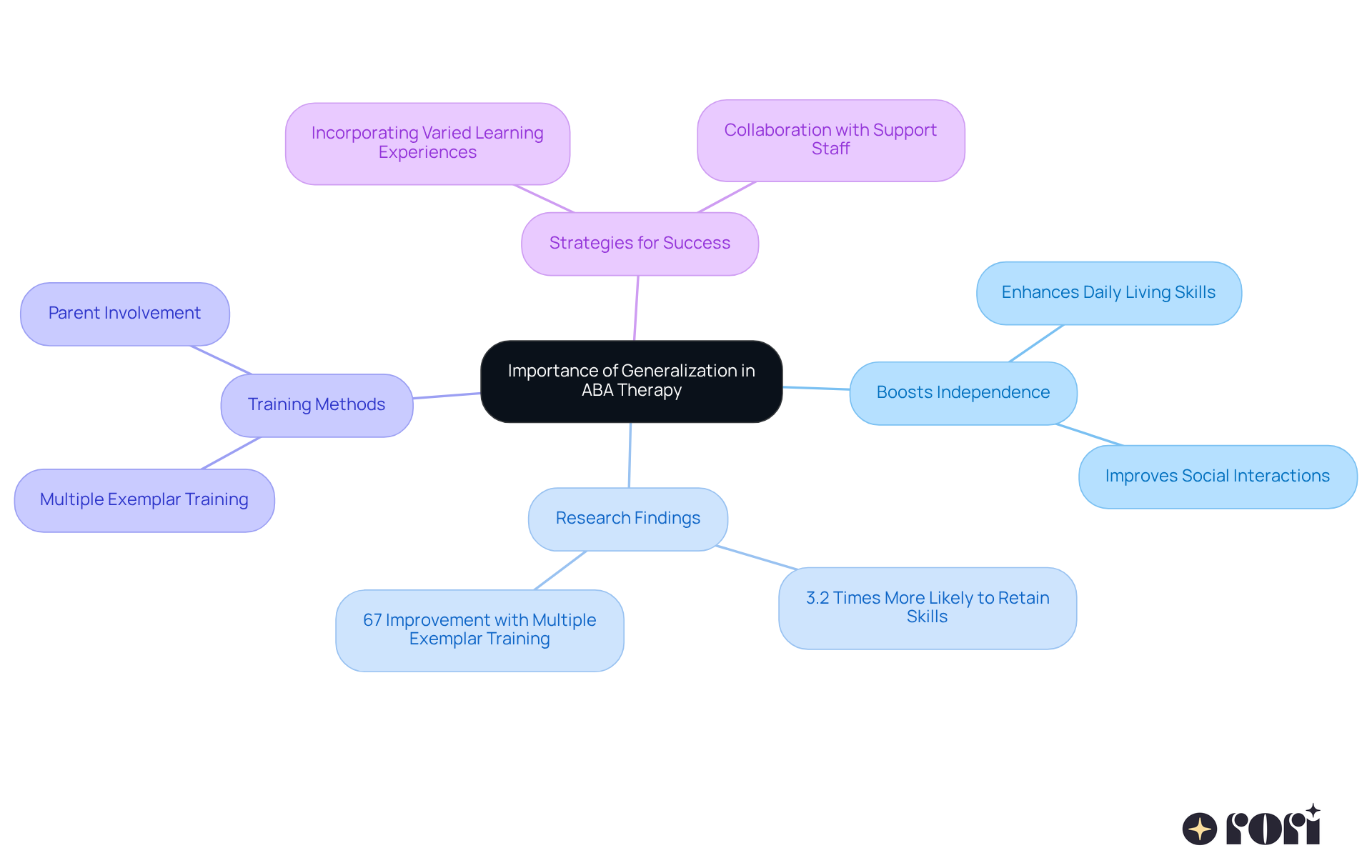
of ! It helps ensure that the can be used in everyday life, not just in the clinic. When kids can apply what they’ve learned in different situations, it really boosts their independence and adaptability-two key ingredients for long-term success.
Did you know that research shows youth who achieve strong are 3.2 times more likely to keep their skills six months after treatment? That’s pretty impressive! Without , the benefits of treatment can fade away, making it tougher for kids to .
For instance, kids who went through saw a 67% improvement in generalization compared to those who only had single-exemplar training. This really highlights how important it is to have varied learning experiences. Thus, focusing on in different environments for is crucial for achieving meaningful and lasting results in ABA practices. It’s all about helping our children thrive in their everyday environments!
Let’s explore this together! If you have any thoughts or experiences to share, we’d love to hear from you!
Educational Resources: Supporting Skill Generalization for Families
Families play a vital role in helping children generalize their abilities, and having access to . 🌟 tailored for parents in equip them with practical at home. Imagine being able to with confidence! Research shows that when families actively engage in this process, they often see better results in applying in for children with asd.
Plus, like:
- Visual schedules
- Checklists
- Interactive apps
can create . By empowering families with knowledge and resources, we can help foster a nurturing space for our children’s growth and development. Let’s explore this together! If you have any thoughts or experiences to share, we’d love to hear from you!

Conclusion
The importance of skill generalization in ABA therapy is huge! It’s all about making sure that the skills kids learn in therapy actually fit into their everyday lives, helping them become more independent and adaptable. When families and clinicians team up to use effective strategies for generalizing skills in different settings, they create meaningful connections between therapy sessions and real-world situations.
In this article, we’ve explored various strategies, like:
- Personalized approaches
- AI-powered tracking
- Caregiver involvement
- Contextual learning
Each of these plays a vital role in making sure kids can apply their skills effectively in different environments. Plus, the collaboration between caregivers and clinicians really highlights how important a supportive environment is for a child’s success.
Ultimately, skill generalization is a journey we all share. It takes dedication and creativity from everyone involved. By tapping into educational resources and actively participating in the therapeutic process, families can empower their children to thrive in daily life. Remember, the path to effective skill generalization isn’t just about learning; it’s about building a supportive community that nurtures growth and fosters independence. Let’s explore this together!
Frequently Asked Questions
What is the approach of Rori Behavioral Innovations to ABA therapy?
Rori Behavioral Innovations emphasizes a personalized approach to ABA therapy, focusing on the individual needs of each child. Clinicians conduct thorough assessments to identify specific abilities that require attention, ensuring that interventions are tailored and effective.
How does Rori Care customize teaching techniques for children?
Rori Care customizes teaching techniques by matching them to each child’s preferred learning style and using familiar situations for practice. They gradually introduce new settings to help strengthen learned abilities, which aids in skill generalization in different environments.
What role does AI play in enhancing ABA therapy at Rori Care?
AI-powered tracking systems provide clinicians with insights into a child’s progress across different settings. These systems analyze behavioral data, allowing therapists to spot patterns and adjust treatment plans as the child grows, ultimately improving the effectiveness of interventions.
Why is caregiver involvement important in ABA therapy?
Caregiver participation is crucial for the successful generalization of skills in children with ASD. Engaged caregivers can implement effective strategies at home, which reinforces what children learn during therapy and creates a supportive learning environment.
What strategies can caregivers use to support their child’s learning?
Caregivers can use practical strategies such as visual aids, role-playing, and consistent reinforcement methods. Training sessions designed for caregivers can help them learn and implement these strategies effectively at home.
What impact does family involvement have on children’s development in ABA therapy?
Studies indicate that children who receive consistent support from their families tend to achieve better cognitive and developmental outcomes. Family involvement is essential for transferring skills learned in therapy to home and community settings.
How can parents inquire about the use of AI tools in their child’s treatment?
Parents are encouraged to ask their child’s therapists about how AI tools are being utilized in their treatment. Understanding the integration of AI can provide valuable insights into the personalization and improvement of autism care.
List of Sources
- Rori Care – ABA Therapy: Personalized Strategies for Skill Generalization
- Success Rates of ABA Therapy | Advanced Autism Services (https://advancedautism.com/post/success-rates-of-aba-therapy)
- Understanding Autism Therapy Success Rates (https://ambitionsaba.com/resources/understanding-autism-therapy-success-rates)
- The Numbers Don’t Lie: Revealing Autism Therapy Statistics | Above and Beyond Therapy (https://abtaba.com/blog/autism-therapy-statistics)
- Applied Behavior Analysis (ABA) Statistics: Data, Effectiveness, and Evidence-Based Practices (https://nexoaba.com/applied-behavior-analysis-statistics)
- Autism Therapy Statistics (https://supportivecareaba.com/statistics/autism-therapy-statistics)
- AI-Powered Tracking: Enhancing Skill Generalization in ABA Therapy
- vanderbilt.edu (https://vanderbilt.edu/autismandinnovation/the-role-of-ai-in-autism-dr-zachary-warrens-perspective-by-gabriele-barrocas)
- How to Incorporate Technology into ABA Therapy for Children with Autism (https://buildingblockstherapy.org/blog/how-to-incorporate-technology-into-aba-therapy-for-children-with-autism)
- One moment, please… (https://autismlabs.com/artificial-intelligence-and-autism-transforming-care)
- Using AI in ABA Progress Monitoring | Links (https://linksaba.com/using-ai-in-aba-progress-monitoring)
- Caregiver Involvement: Key to Successful Skill Generalization
- The Role of Caregiver Involvement in ABA Therapy | Behavioral Health Center of Excellence Accreditation (https://bhcoe.org/2021/07/the-role-of-caregiver-involvement-in-aba-therapy)
- Aba Therapy Training For Parents (https://discoveryaba.com/aba-therapy/the-importance-of-caregiver-involvement-in-aba-therapy-programs)
- Success Rates of ABA Therapy | Advanced Autism Services (https://advancedautism.com/post/success-rates-of-aba-therapy)
- Family & Caregiver Involvement in ABA Therapy | Autism Treatment & Parent Training Support — Behavior Frontiers (https://behaviorfrontiers.com/blog/importance-of-family-and-caregiver-involvement-in-autism-care)
- The Vital Role Caregivers Play in ABA Therapy Success | Step Ahead ABA (https://stepaheadaba.com/blog/how-caregiver-support-enhances-the-effectiveness-of-aba-therapy-interventions)
- Contextual Learning: Applying Skills Across Different Environments
- Voices of Strength and Understanding: Insights and Inspiration on Autism – apricott ABA (https://apricott.com/resources/autism-quotes)
- Social Skills Training for Autism Spectrum Disorder: a Meta-analysis of In-person and Technological Interventions – PMC (https://pmc.ncbi.nlm.nih.gov/articles/PMC7670840)
- Intact predictive processing in autistic adults: evidence from statistical learning – Scientific Reports (https://nature.com/articles/s41598-023-38708-3)
- besteveraba.com (https://besteveraba.com/blog/autism-quotes)
- Evaluation Techniques: Monitoring Skill Generalization Progress
- Success Rates of ABA Therapy | Advanced Autism Services (https://advancedautism.com/post/success-rates-of-aba-therapy)
- Applied Behavior Analysis (ABA) Statistics: Data, Effectiveness, and Evidence-Based Practices (https://nexoaba.com/applied-behavior-analysis-statistics)
- Tracking and Measuring Outcomes in ABA Therapy Programs (https://mastermindbehavior.com/post/tracking-and-measuring-outcomes-in-aba-therapy-programs)
- Resources | Golden Steps ABA (https://goldenstepsaba.com/resources/success-rates-of-aba-therapy)
- The Numbers Don’t Lie: Revealing Autism Therapy Statistics | Above and Beyond Therapy (https://abtaba.com/blog/autism-therapy-statistics)
- Case Studies: Successful Skill Generalization in Action
- Success Rates of ABA Therapy (https://alumacare.com/blog/success-rates-of-aba-therapy)
- Success Rates of ABA Therapy | Advanced Autism Services (https://advancedautism.com/post/success-rates-of-aba-therapy)
- Applied Behavior Analysis (ABA) Statistics: Data, Effectiveness, and Evidence-Based Practices (https://nexoaba.com/applied-behavior-analysis-statistics)
- ABA Therapy Impact (https://goldenstepsaba.com/resources/aba-therapy-impact)
- ABA Therapist Statistics & Demographics In The US (https://crossrivertherapy.com/aba-therapy-success-rates)
- Structured Instruction: Teaching Generalization Skills Effectively
- The Effectiveness of DTT (Discrete Trial Training) in ABA Therapy (https://mastermindbehavior.com/post/the-effectiveness-of-dtt-discrete-trial-training-in-aba-therapy)
- How to Foster Generalization of Skills Through Behavioral Intervention (https://precisionfamilytherapy.com/post/how-to-foster-generalization-of-skills-through-behavioral-intervention)
- intellistarsaba.com (https://intellistarsaba.com/blog/how-to-promote-generalization-of-skills-in-aba-therapy)
- discoveryaba.com (https://discoveryaba.com/aba-therapy/the-role-of-generalization-in-teaching-lasting-skills-through-aba-therapy)
- aigift.alibaba.com (https://aigift.alibaba.com/quotes/applied-behavior-analysis-quotes)
- Importance of Generalization: Why It Matters in ABA Therapy
- Generalization in ABA: Why It Matters | Links (https://linksaba.com/generalization-in-aba-why-it-matters)
- crossrivertherapy.com (https://crossrivertherapy.com/articles/understanding-the-importance-of-generalization-in-aba)
- Ensuring Long-Term Success through Skill Transfer | Step Ahead ABA (https://stepaheadaba.com/blog/the-benefits-of-generalization-in-aba-therapy)
- Educational Resources: Supporting Skill Generalization for Families
- The Numbers Don’t Lie: Revealing Autism Therapy Statistics | Above and Beyond Therapy (https://abtaba.com/blog/autism-therapy-statistics)
- Autism Quotes (https://kidsclubaba.com/autism-quotes)
- 2026 Autism Statistics – Insights for Families and Advocates (https://prosperahealthcare.com/autism-statistics)
- supportivecareaba.com (https://supportivecareaba.com/statistics/the-role-of-parent-education-in-aba-therapy-success)