

Introduction
Total task chaining has emerged as a transformative approach within Applied Behavior Analysis (ABA), especially for children with autism. This method allows learners to engage with entire activities in a structured way, fostering independence and enhancing both skill acquisition and confidence. However, as practitioners and families explore the nuances of total task chaining, they might face challenges that call for thoughtful strategies and adaptations.
So, what are the key insights that can help maximize the effectiveness of this powerful technique? In this article, we’ll delve into the essential components of total task chaining. We aim to offer valuable perspectives and practical guidance to empower both caregivers and practitioners on this impactful journey. Let’s explore this together!
Rori Care – ABA Therapy: Pioneering Total Task Chaining Techniques
Rori Care – ABA Therapy is leading the way with , making the educational journey for kids with autism much more enjoyable. This approach helps children tackle complex challenges in a , breaking them down into manageable steps that promote independence and skill development. Research shows that for learners with some foundational abilities, allowing them to complete entire activities in one go, which boosts their sense of accomplishment and motivation. Plus, early during crucial developmental stages, leading to remarkable improvements in learning.
By incorporating into , our skilled behavior analysts at Rori Care, guided by our clinical leadership team, empower clinicians and families to achieve . Focusing on completing activities from start to finish not only helps young people but also nurtures . This method simplifies the learning process, easing feelings of being overwhelmed and enhancing the child’s confidence. As Jamie Leigh Bassos wisely states, “Total activity linking is most effective for assignments that include a predictable, organized sequence and when the young one is prepared to engage in a complete activity with some initial assistance.”
Implementing in autism care requires careful consideration of each child’s unique abilities and needs. At Rori Care, our clinicians diligently collect data to monitor progress and adapt strategies, ensuring that every child receives the support they need for optimal growth. This involves setting clear, measurable goals and utilizing evidence-based strategies tailored to individual requirements. As Emily Sapp emphasizes, “The young one receives reinforcement for finishing the activity with all the links in the chain.” This strong illustrates how data guides the application of these techniques. Consequently, families can witness the transformative effects of these methods on their child’s development, reinforcing the belief that every child has the potential to thrive. Let’s explore this journey together!
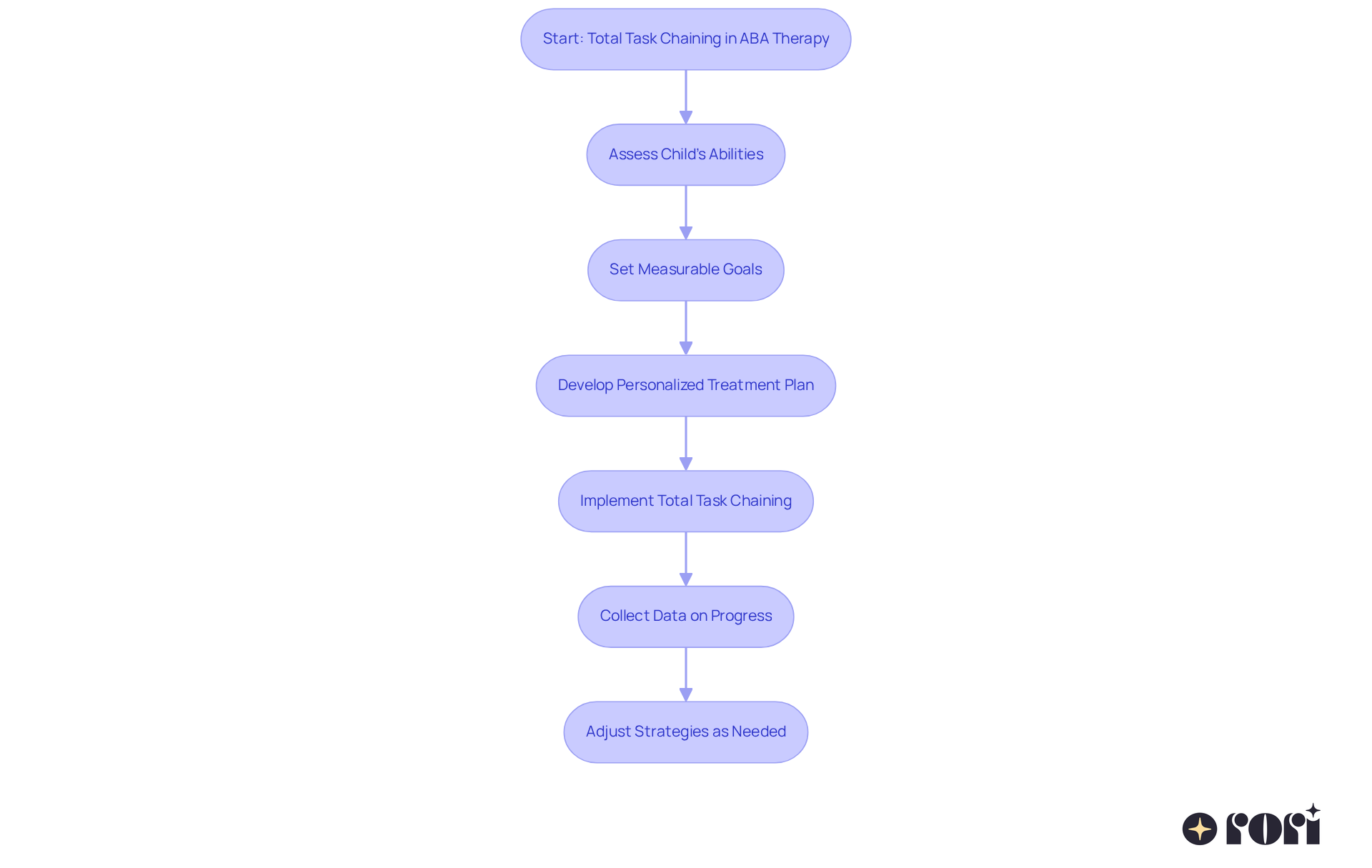
Total Task Chaining Defined: A Comprehensive Overview
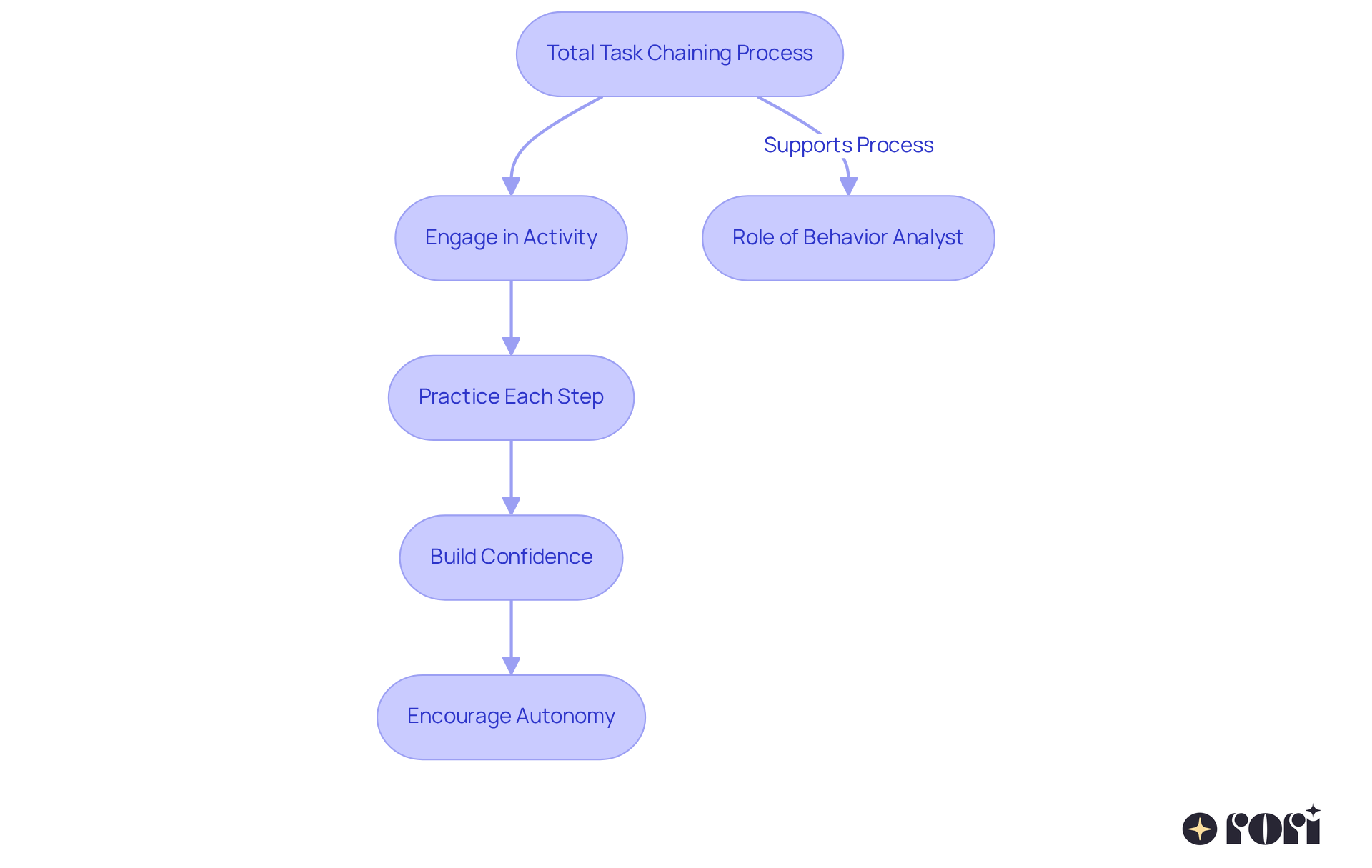
The describes a friendly instructional strategy within Applied Behavior Analysis (ABA) that teaches . Imagine this: each session, learners engage with all stages of an activity, allowing them to practice the entire sequence. By tackling the , they gain a deeper understanding of how each step connects, which helps . This method not only boosts involvement but also , making it especially helpful for individuals with autism who might find multi-step tasks a bit tricky.
Now, let’s talk about the role of a . They’re essential in this process, designing that incorporate tailored to each youth’s unique needs. This kind of support makes it easier to and emphasizes the importance of . We’re here to help you every step of the way! If you have any thoughts or experiences to share, feel free to comment below. Let’s explore this together!
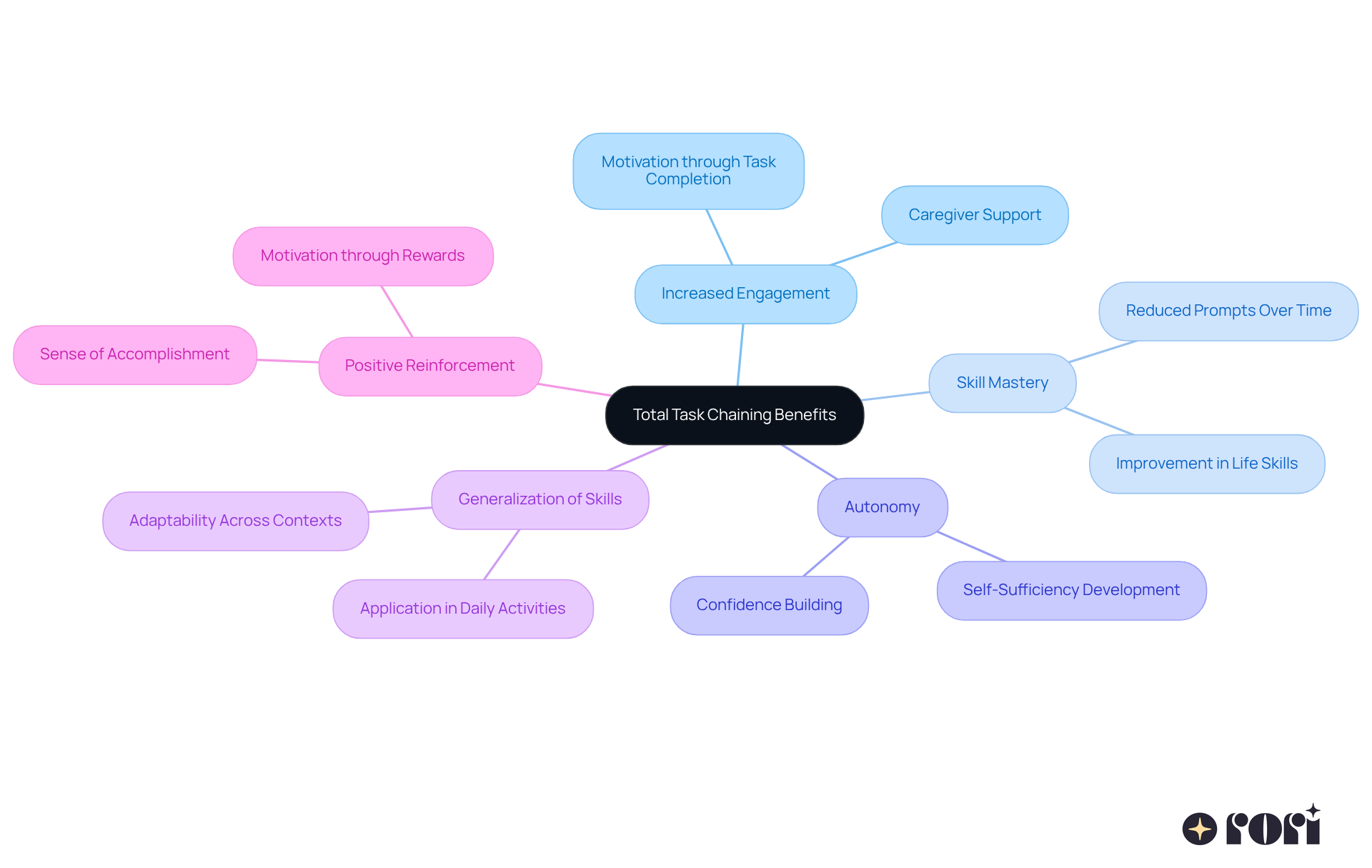
Benefits of Total Task Chaining: Enhancing Skill Acquisition
offers fantastic benefits that can really enhance learning for children with Autism Spectrum Disorder (ASD). Let’s dive into some key advantages!
- : When kids can complete the whole task, they stay engaged and motivated. This approach helps them feel accomplished as they succeed at each step, which is so important for keeping their interest alive. Plus, can boost this engagement by reinforcing positive behaviors at home, providing even more support.
- : Practicing all the steps in each session really cements learning and encourages mastery of the activity. Research shows that kids using need fewer prompts over time, showcasing their growing independence in tasks like handwashing. This improvement positively impacts their overall life skills. Caregivers who grasp these strategies can make informed choices that really help their kids progress.
- Autonomy: This method encourages kids to tackle activities on their own, . As they gradually master each step, they build a solid skill base that prepares them for more complex tasks. by providing consistent support and encouragement throughout this journey.
- : The skills learned through can be applied in various contexts, enhancing adaptability. For instance, children can use the skills they gain in structured settings for everyday tasks like brushing their teeth or getting dressed, helping them navigate different environments with ease. Caregiver involvement is key in helping kids transfer these skills to various situations.
- : By incorporating during the learning process, kids develop a sense of accomplishment and self-confidence. This approach not only motivates them but also reinforces their progress, making learning enjoyable and encouraging ongoing effort. Caregivers knowledgeable in ABA strategies can effectively apply reinforcement techniques at home, enriching their children’s learning experience.
In summary, the total task chaining aba definition is a vital approach in that enhances skill acquisition while fostering engagement and independence in children with ASD. The active involvement of caregivers, equipped with knowledge and strategies, significantly boosts the effectiveness of this method. Let’s explore this together and see how it can make a difference for your family!
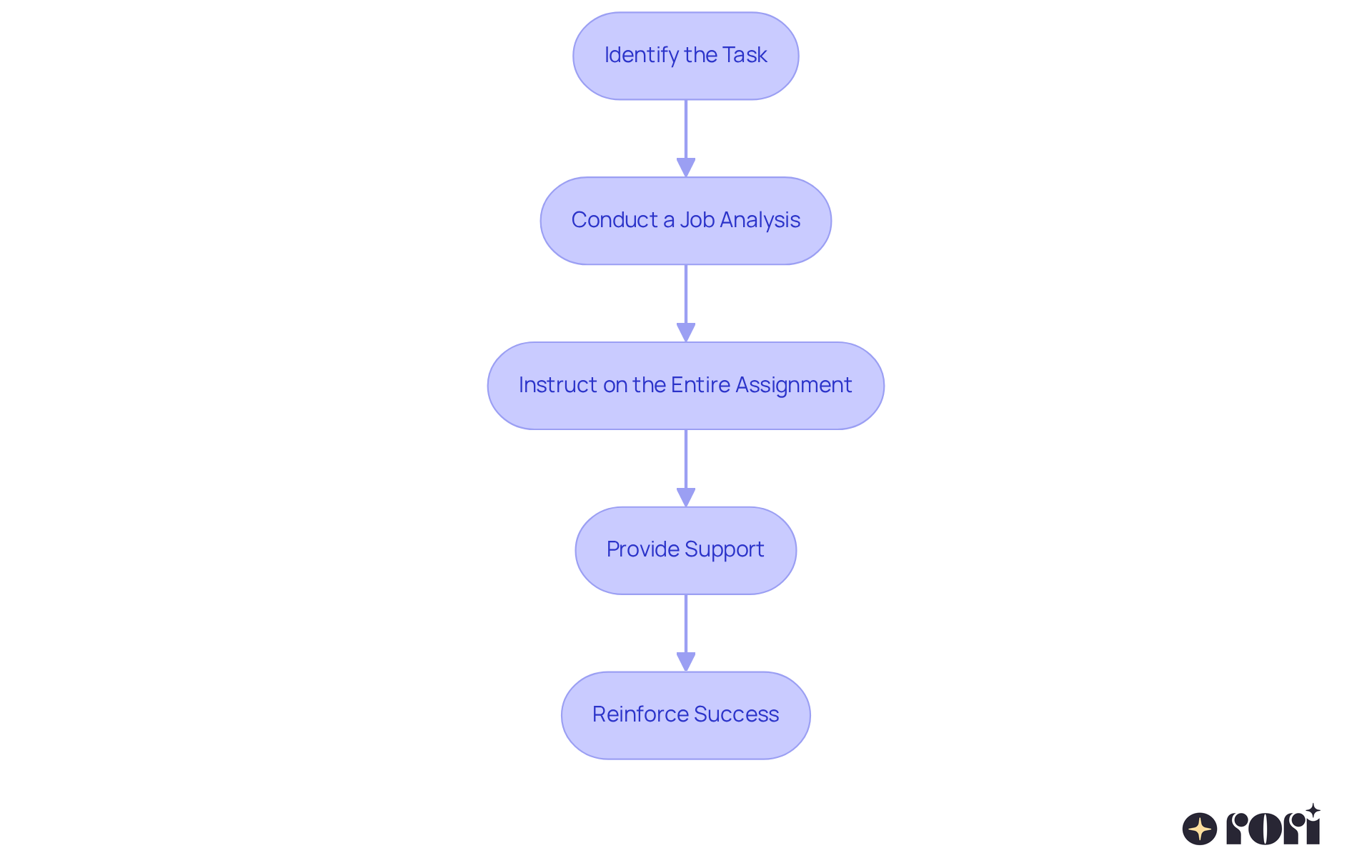
Implementing Total Task Chaining: Step-by-Step Guide
To implement total task chaining effectively, let’s follow these friendly steps together:
- Identify the Task: Start by selecting a specific skill or behavior to teach, like brushing teeth or making a sandwich. This initial step is super important as it lays the groundwork for the entire learning journey.
- Conduct a Job Analysis: Break down the task into to better understand the sequence required. This analysis helps you recognize each individual element that contributes to the overall process, ensuring that nothing gets overlooked.
- Instruct on the Entire Assignment: Present the complete task to your little learner, guiding them through each step. This allows them to , which can boost their understanding and motivation!
- Provide Support: Offer prompts and assistance as needed, gradually fading support as your child . Research shows that kids really benefit from visual cues and physical support, which helps them tackle activities independently.
- Reinforce Success: Don’t forget to ! Providing upon completing the entire task promotes ongoing effort and keeps them engaged. It’s crucial because it encourages your child and strengthens their ability to succeed.
By following these steps, you can efficiently guide your children in mastering through the , helping them and confidence in their abilities. Let’s explore this together!
Challenges in Total Task Chaining: Identifying and Overcoming Obstacles
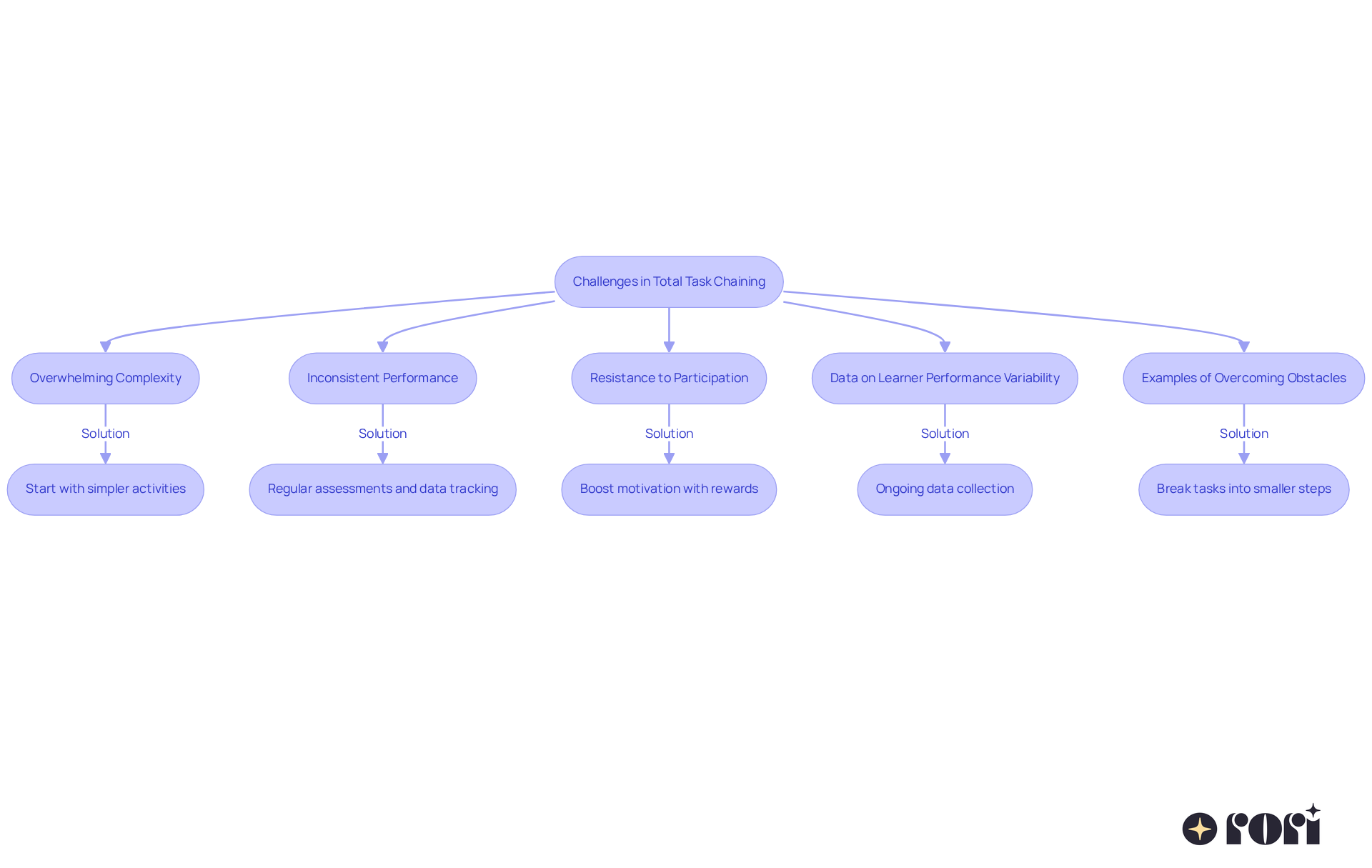
While the is a powerful method in , it’s not without its challenges. Let’s explore some and how we can tackle them together:
- Overwhelming Complexity: Sometimes, learners might see the whole task as a mountain to climb. To ease this, why not start with simpler activities? Gradually increasing the difficulty as the learner gains confidence can make a world of difference. can turn therapy sessions into a more engaging experience.
- Inconsistent Performance: It’s totally normal for a learner’s performance to fluctuate. Regular assessments can be a game-changer here! By adjusting prompts as needed, we can help ensure that learning outcomes remain consistent. is essential to understanding each individual’s performance, allowing therapists to tailor interventions to meet each child’s unique needs.
- Resistance to Participation: Some kids might hesitate to jump in. or tangible rewards can really spark their interest! Reinforcement techniques, like verbal praise or tokens, can help keep that motivation alive during the linking process.
- : Ongoing data collection is crucial for tracking progress and refining interventions. By keeping an eye on individual performance, therapists can ensure that the chaining process stays effective. Plus, can free up to 50% more time for direct youth treatment—how great is that? This allows for more focused caregiver education.
- Examples of Overcoming Obstacles: For example, if a young person is having trouble with a multi-step activity like washing hands, can really help. Starting with just turning on the faucet and then gradually adding steps can ease anxiety and promote success. Instructing motor sequences or using preference evaluations can provide additional context to overcome barriers in total activity linking.
By recognizing these obstacles and employing focused strategies, we can enhance the effectiveness of in our processes. Ultimately, this promotes greater independence and proficiency in children with autism while equipping caregivers with the knowledge and resources they need to support their child’s behavioral goals. We’re here to help you every step of the way!
Personalizing Total Task Chaining: Adapting Techniques to Individual Needs
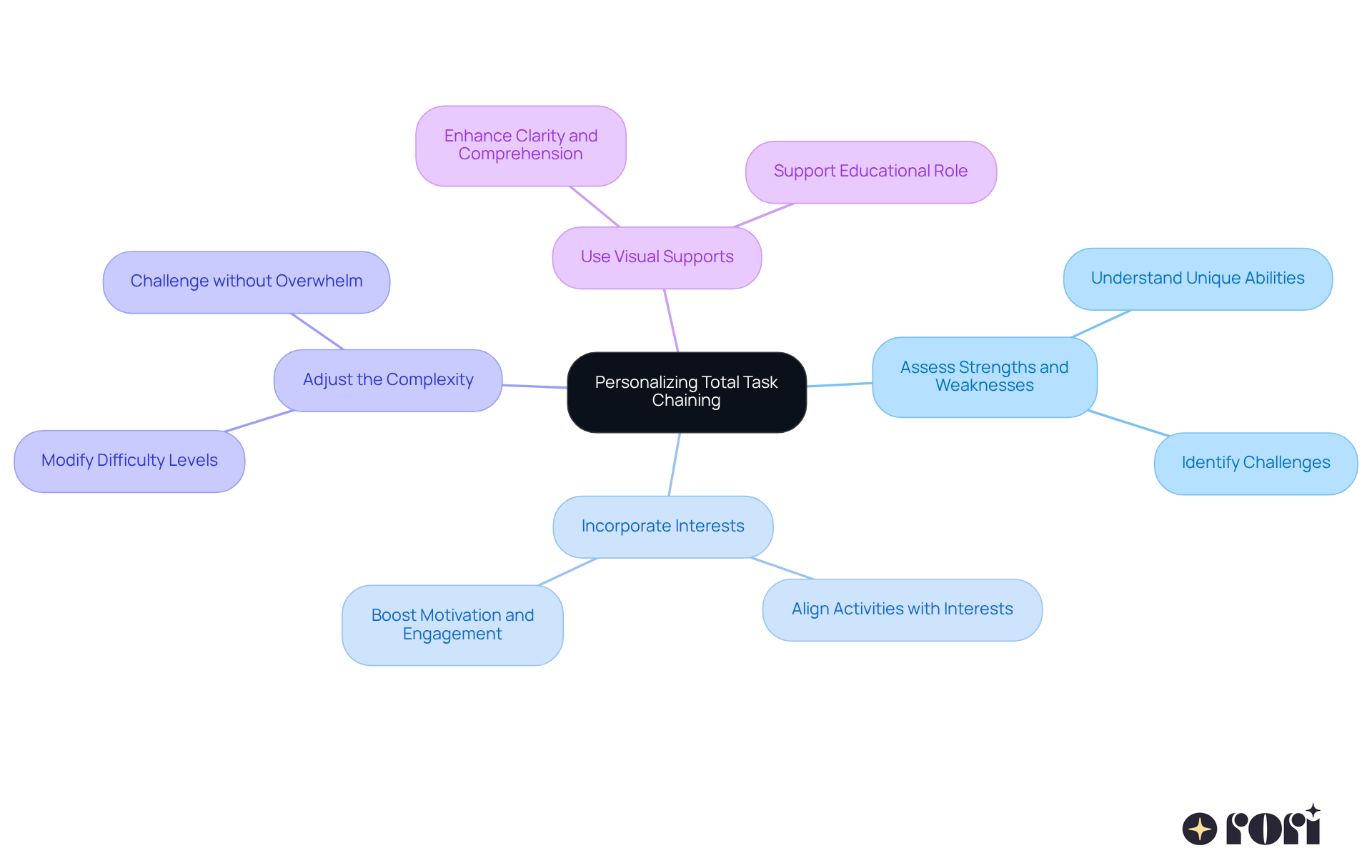
To personalize total task chaining, let’s consider a few friendly strategies:
- Assess Individual Strengths and Weaknesses: It’s important to understand each child’s . This way, you can them with the .
- Incorporate Interests: Think about using activities that align with your child’s interests. This can really boost their motivation and engagement, fostering a sense of ownership in their learning journey.
- Adjust the Complexity: It’s all about finding the right balance! Modify the difficulty level based on your child’s current abilities. This ensures they are challenged but not overwhelmed, which is key for and skill acquisition.
- Use Visual Supports: ! They help youngsters grasp the steps involved in activities, enhancing clarity and comprehension, while also supporting you in your educational role.
By implementing these strategies, you can actively aid in your . This ensures a more effective experience in line with the . Let’s explore this together!
Case Studies: Success Stories of Total Task Chaining in ABA Therapy
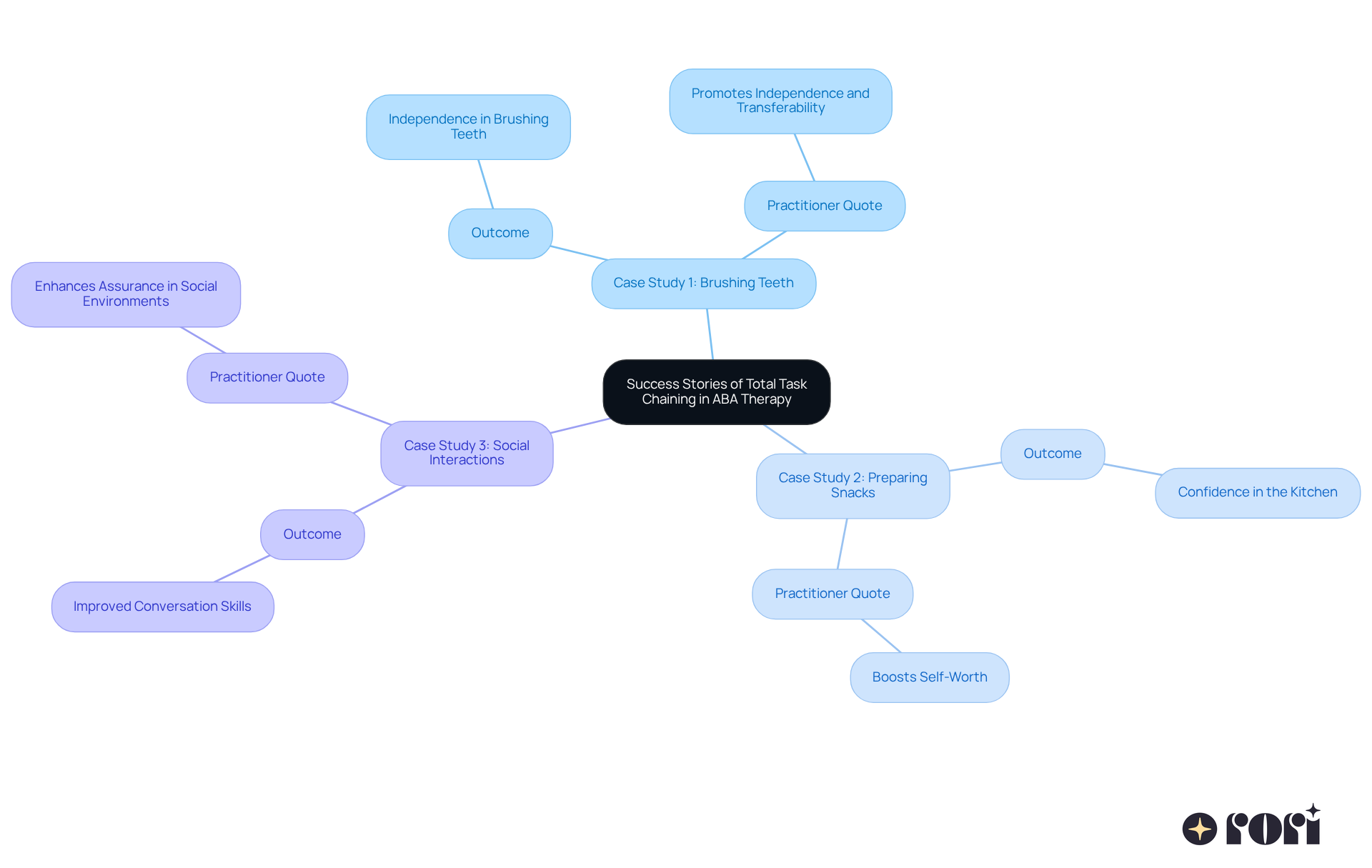
Many case studies highlight how can truly . plays a vital role in this success:
- Case Study 1: One child learned to brush their teeth all by themselves! They went from needing full assistance to completing the task independently in just a few weeks. As one practitioner shared, “This method not only promotes independence but also guarantees that the ability is transferable across different settings.”
- Case Study 2: Another young individual successfully prepared a simple snack, showing off newfound independence and confidence in the kitchen. A healthcare professional noted, ” enables young individuals to take initiative in , boosting their self-worth.”
- Case Study 3: A learner who struggled with social interactions improved their ability to engage in conversations by practicing the during each session. According to a therapist, “The organized method of complete activity sequencing greatly enhances assurance in social environments, enabling youth to flourish.”
These examples really showcase how can be in . These are crucial elements for individuals with Autism Spectrum Disorder (ASD) to thrive in various settings. Rori Care’s clinical leadership team is committed to and empowering caregivers through ABA principles, which is key to these success stories.
Actionable Tip: Parents can encourage their kids to practice activities using total activity sequencing by breaking tasks into manageable steps and celebrating small achievements along the way. This can really help build their confidence! Let’s explore this together!
Technology in Total Task Chaining: Enhancing ABA Therapy Outcomes
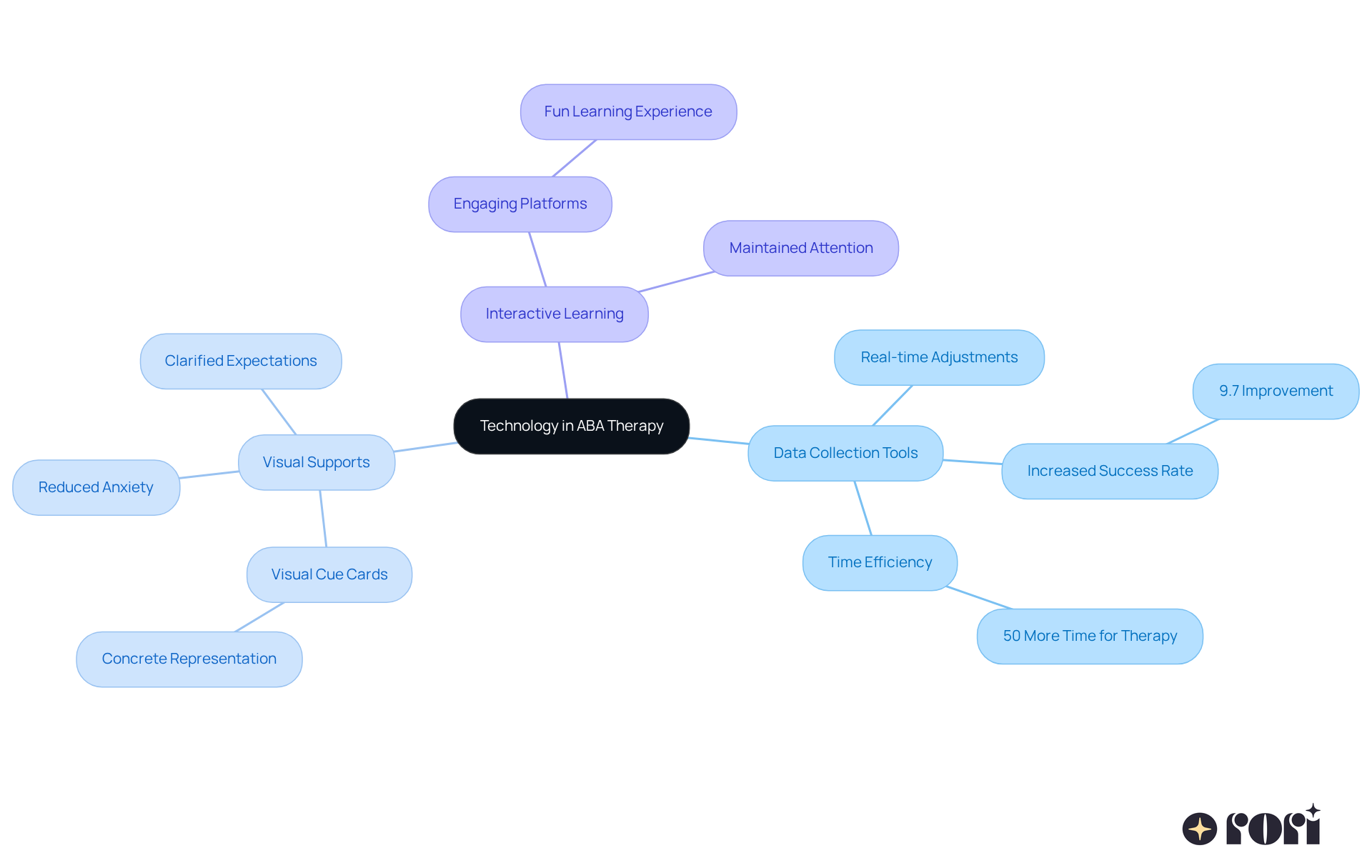
Technology significantly enhances through various innovative approaches.
- : Imagine a world where therapists can meticulously track progress using apps and software! This integration allows for to strategies, which is crucial for monitoring improvements. It’s all about , leading to more effective outcomes. A study from the NCBI even found that can boost the success rate of ABA interventions by 9.7% compared to the baseline. Plus, with AI automating progress report creation, clinicians can focus more on direct treatment, freeing up a whopping 50% more time for therapy.
- : Digital tools provide essential visual prompts and reminders, making it easier for learners to follow task steps. These visual aids clarify expectations and reduce anxiety, creating a more supportive learning environment. For example, visual cue cards can help autistic students by providing a concrete visual representation of directions, enhancing their understanding and compliance.
- Interactive Learning: Engaging platforms turn education into a delightful experience! By making learning fun, these tools help maintain attention and interest, which are so important for effective knowledge acquisition.
Experts agree on the transformative potential of . Dr. Nancy Edwards beautifully states, ‘ABA is a tool that can help .’ This highlights how innovative strategies empower individuals on the spectrum. Technology in ABA not only supports , allowing children to thrive in various aspects of life.
As a helpful tip, parents can enroll to receive three complimentary activity boxes to enhance their teaching methods and streamline weekly planning. Let’s explore this together!
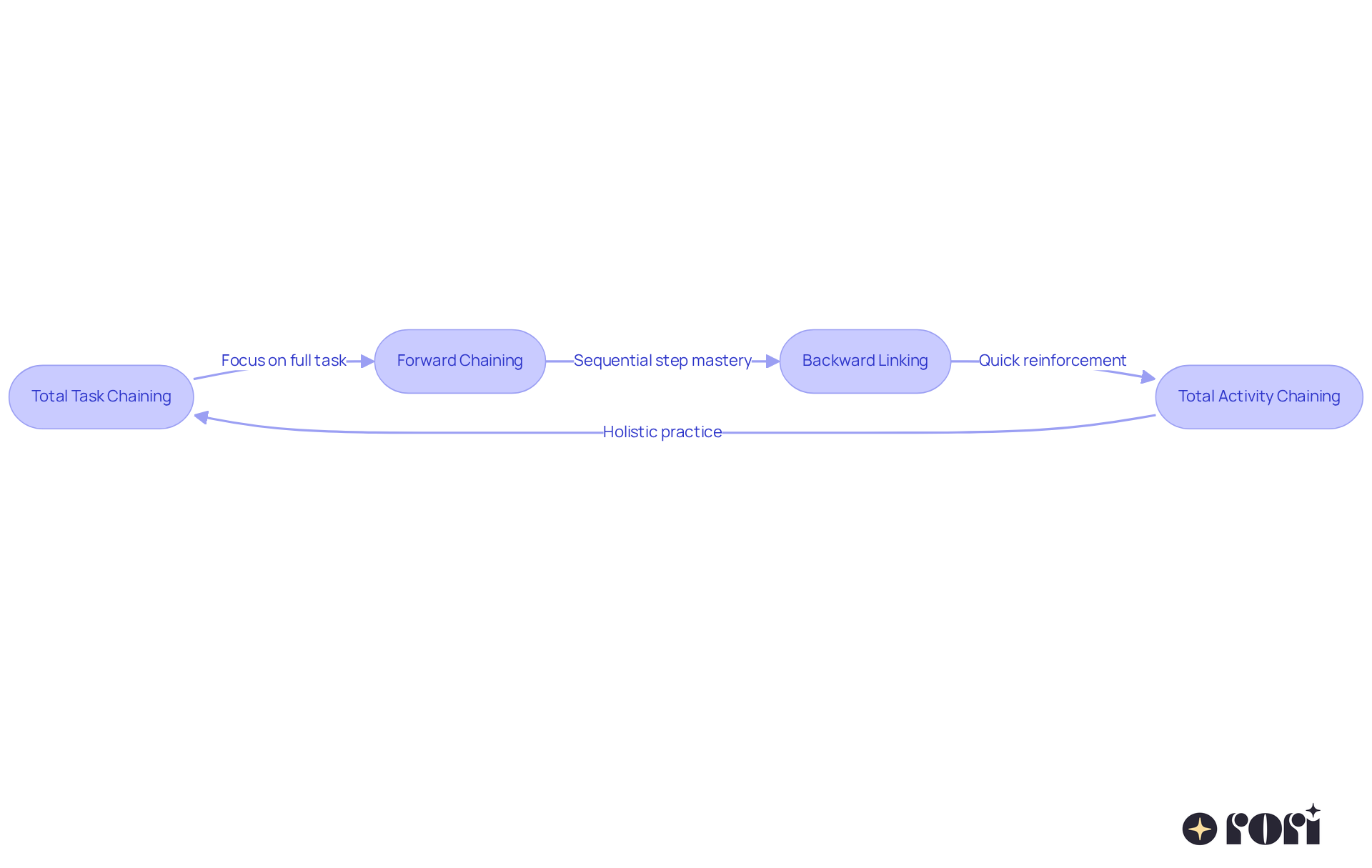
Total Task Chaining vs. Other Chaining Methods: Key Differences
really stands out from other chaining methods in a few key ways:
- : This method starts by teaching the first step of a task. It allows learners to move sequentially through each step. In contrast, complete activity linking teaches all steps at once, which can be a fun way to boost engagement and retention!
- : Now, starts with the last step of an activity. This offers , which can really boost confidence as learners enjoy those quick wins. However, according to the , reinforcement is provided only after completing the entire assignment. This approach can help foster a deeper understanding of the whole process.
- : This method shines when . It lets learners practice the complete activity in each session. By interacting with all elements at once, they can develop a thorough comprehension and gain more autonomy in performing the task. For example, when teaching handwashing, complete process linking allows the learner to navigate the whole routine—from turning on the faucet to drying their hands—each time. This reinforces the full sequence and encourages mastery.
In summary, while forward and backward sequences focus on specific steps, the aba definition emphasizes holistic practice. This makes it a powerful tool for skill acquisition and keeping learners engaged. Let’s explore this together!
Further Resources on Total Task Chaining: Expanding Your Knowledge
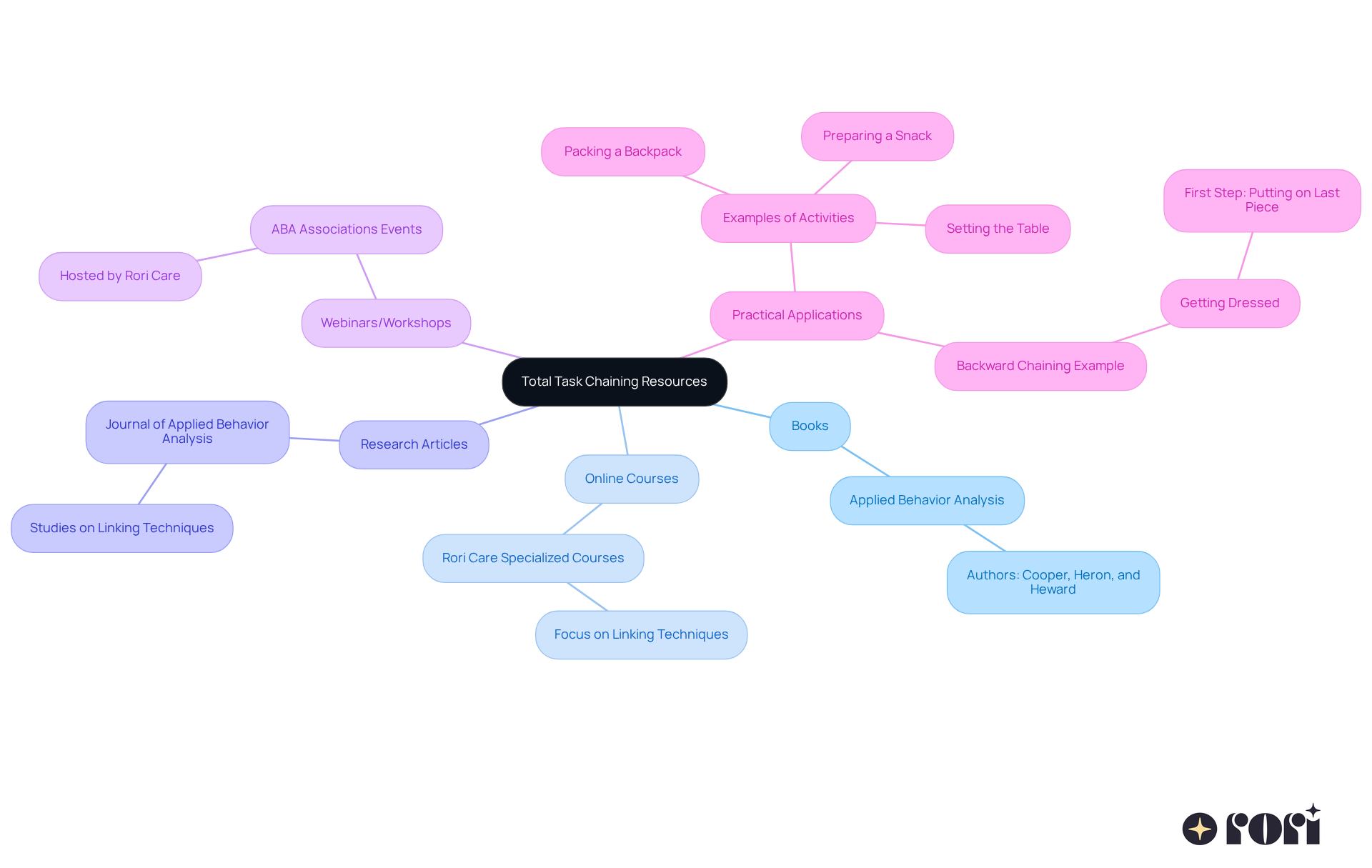
To deepen your understanding of , let’s explore some valuable resources together:
- Books: “Applied Behavior Analysis” by Cooper, Heron, and Heward is a fantastic foundational text. It details essential ABA techniques, including that can really make a difference!
- : focusing on . These provide practical applications and insights, all backed by our innovative AI-driven approach to behavioral care.
- Research Articles: Check out the Journal of Applied Behavior Analysis. It showcases studies that assess the effectiveness of various , offering that can help you feel more confident in your approach.
- Webinars and Workshops: , including those hosted by Rori Care, is a great way to learn directly from experts. You’ll gain to implement in your practice.
Consider practical instances of activities that are perfect for complete integration, like setting the table, packing a backpack, or preparing a snack. For instance, when using backward reasoning for getting dressed, the first step is putting on the last piece of clothing, such as a shirt. These resources will equip you with the in , empowering you and your family on the journey of autism care. We’re here to help you every step of the way!
Conclusion
Total task chaining is a game-changer in Applied Behavior Analysis (ABA), helping children with autism tackle complex activities in a holistic way. By teaching skills as complete actions, this approach not only boosts learning but also nurtures independence and confidence in young learners. Completing entire tasks gives them a wonderful sense of accomplishment, which is so important for motivation and ongoing engagement.
Throughout our discussion, we’ve seen the many benefits of total task chaining, like:
- Increased engagement
- Skill mastery
- The ability to apply learned skills in different settings
It’s crucial to personalize strategies to fit each child’s unique needs, ensuring they get the support they require for optimal growth. Plus, incorporating technology into this method enhances data collection and makes learning experiences more enjoyable for both children and caregivers.
Given these insights, it’s essential for caregivers and practitioners to embrace the principles of total task chaining. By using these techniques, they can empower children with autism to navigate daily routines with more ease and confidence. Remember, learning isn’t just about picking up skills; it’s about fostering independence and self-worth. Engaging with total task chaining can lead to incredible transformations, making it a vital part of effective ABA therapy. Let’s explore this together and see how we can make a difference!
Frequently Asked Questions
What is Rori Care – ABA Therapy known for?
Rori Care – ABA Therapy is known for pioneering total task chaining techniques, which make the educational journey for children with autism more enjoyable by breaking complex challenges into manageable steps.
How does total task chaining benefit children with autism?
Total task chaining helps children with autism by allowing them to complete entire activities in one go, which boosts their sense of accomplishment, motivation, and independence. It also simplifies the learning process and enhances their confidence.
What is the definition of total task chaining in ABA?
Total task chaining is an instructional strategy within Applied Behavior Analysis (ABA) that teaches complex skills as complete actions, allowing learners to engage with all stages of an activity and understand how each step connects.
What role do behavior analysts play in total task chaining?
Qualified behavior analysts design personalized plans that incorporate measurable goals and evidence-based strategies tailored to each child’s unique needs, facilitating tracking of progress and ongoing evaluation.
What are the key benefits of total task chaining for children with Autism Spectrum Disorder (ASD)?
Key benefits include increased engagement, skill mastery, autonomy, generalization of skills, and positive reinforcement, all of which enhance learning and encourage independence.
How does total task chaining promote skill mastery?
By practicing all steps of an activity in each session, children solidify their learning, requiring fewer prompts over time and showcasing their growing independence in tasks.
In what ways does total task chaining encourage autonomy in children?
This method fosters self-sufficiency and confidence as children gradually master each step, building a solid skill base for more complex tasks.
How can caregivers support the effectiveness of total task chaining?
Caregivers can boost engagement and learning by reinforcing positive behaviors, providing consistent support, and applying reinforcement techniques at home to enrich their children’s learning experience.
Can the skills learned through total task chaining be applied in different contexts?
Yes, the skills gained can be generalized and applied in various everyday tasks, helping children navigate different environments with ease.
Why is early ABA intervention important for children with autism?
Early ABA intervention taps into neuroplasticity during crucial developmental stages, leading to significant improvements in learning and skill acquisition.