

Introduction
Understanding the intricacies of verbal operants is essential for fostering effective communication skills, especially in children with autism. 🌟 By exploring seven targeted strategies for transcription verbal operant success, parents and therapists can unlock new pathways for meaningful interactions and language development. But what happens when traditional methods fall short? Can personalized approaches truly make a difference in a child’s ability to communicate?
This article delves into effective techniques and insights that can transform verbal behavior training. We’re here to help you every step of the way! Let’s explore this together and offer hope and practical solutions for families navigating these challenges.
Rori Care – ABA Therapy: Personalized Approaches to Verbal Operants
At Rori Behavioral Innovations, we understand that is crucial for your child’s communication growth. By focusing on , we can help foster . Our clinicians conduct thorough evaluations to pinpoint each child’s unique needs, ensuring that interventions are . This personalized approach not only makes therapy more effective but also aligns with your child’s distinct learning style, which can lead to in training.
We know that navigating these challenges can be overwhelming. Many parents share stories about how made a difference in their child’s life. It’s all about finding what works best for your little one! We’re here to every step of the way. So, let’s explore this together and see how we can help your child thrive!
Brighter Strides ABA: Understanding Verbal Operants for Communication Development
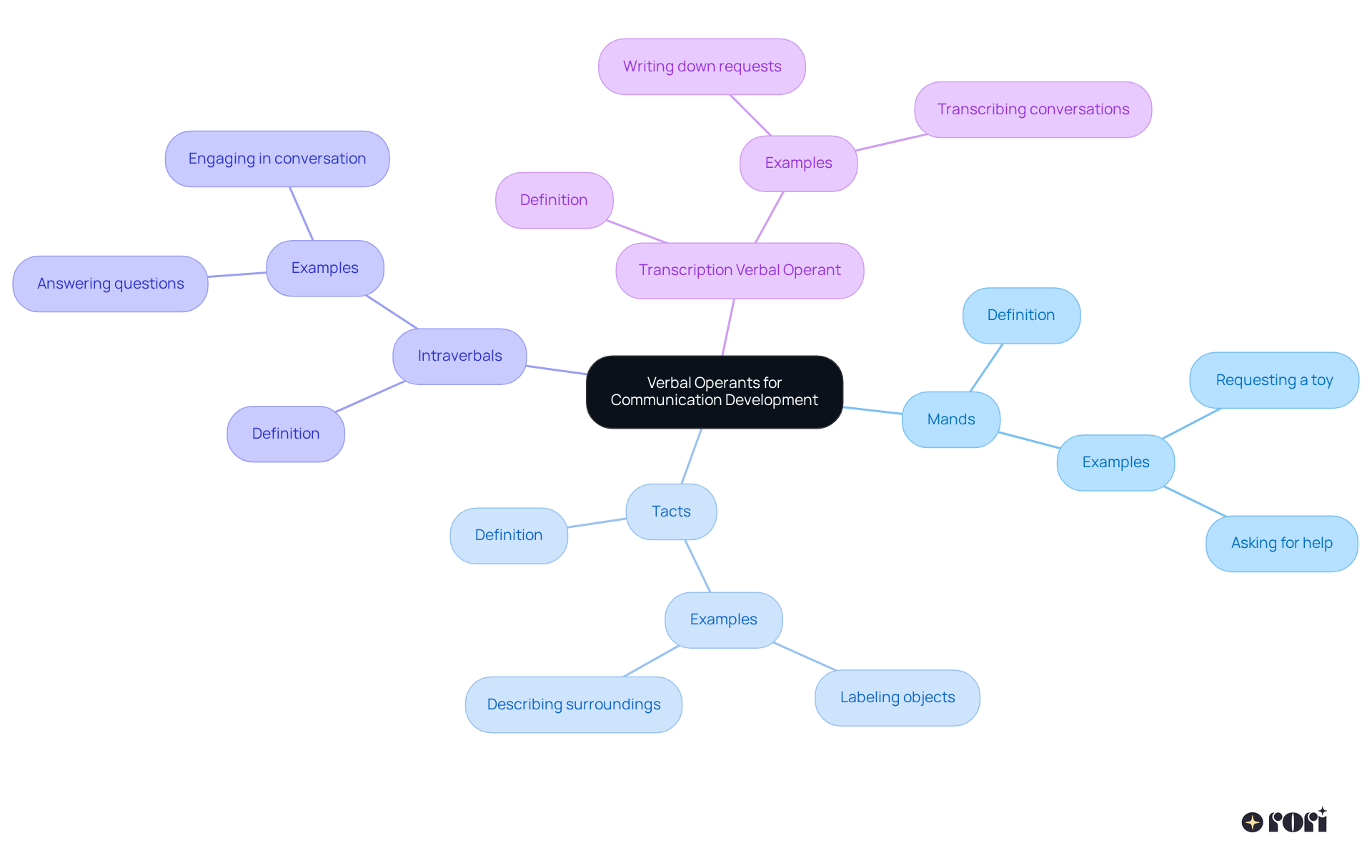
At Brighter Strides ABA, we believe that is essential for in their interactions. By exploring different types of verbal operants, such as mands, tacts, intraverbals, and , therapists can guide children in expressing their needs, labeling their surroundings, and joining in conversations. This foundational knowledge is not just important; it’s essential for crafting a well-rounded approach in .
Let’s dive a little deeper! Imagine a child learning to ask for their favorite toy or to name things around them. These moments are not just milestones; they’re stepping stones toward greater . By nurturing these abilities, we’re helping children connect with their world and the people in it.
So, if you’re a parent looking for ways to , remember that you’re not alone. We’re here to help you every step of the way! Together, we can explore the that can make a difference in your child’s life.
Significance of Verbal Operants: Enhancing Communication Skills in ABA Therapy
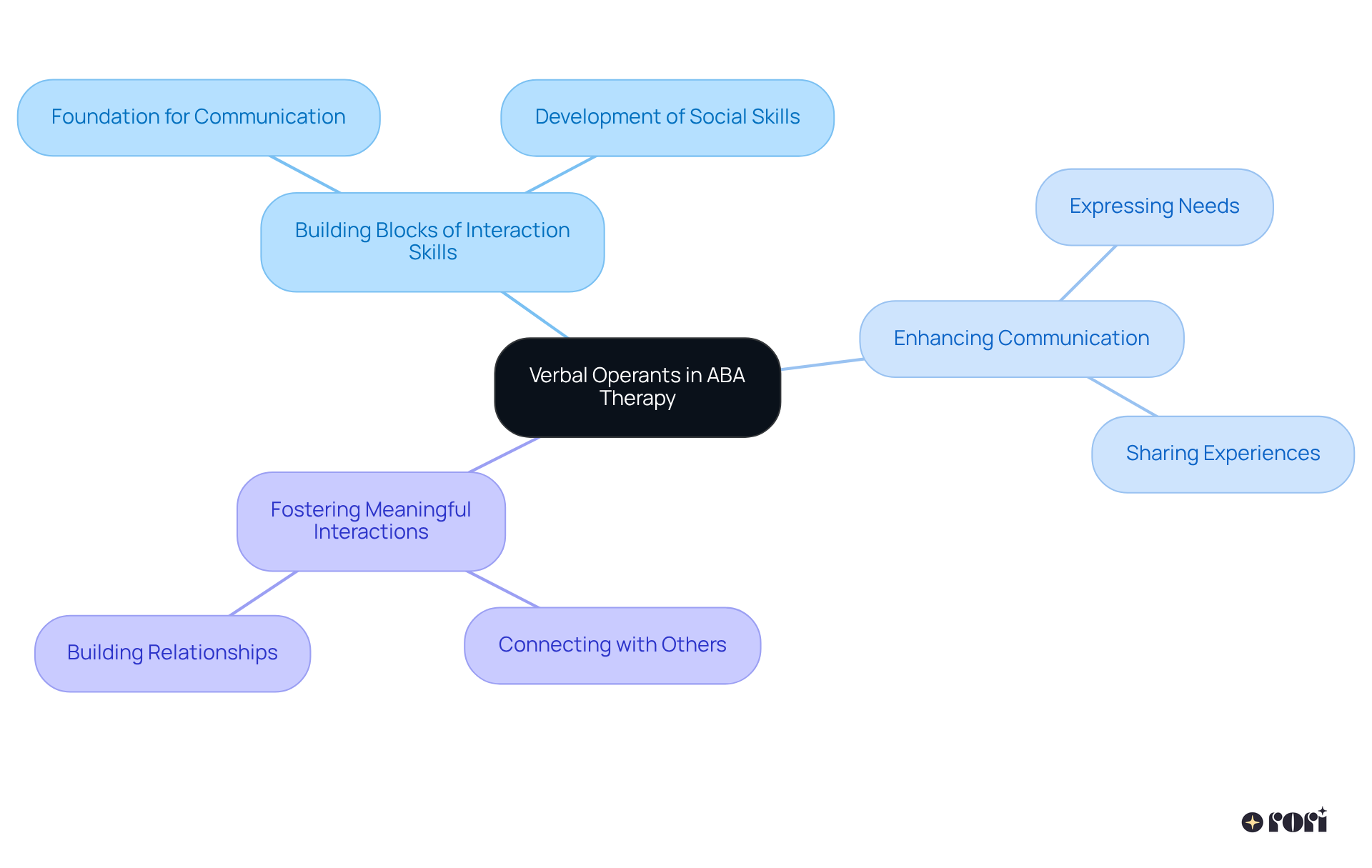
are the building blocks of in . By focusing on these behaviors, therapists help learn to communicate effectively. This is so important for their social interactions and overall development! 🌟
The power of spoken behaviors lies in their ability to foster . They enable to express their needs, share experiences, and connect with others in a genuine way. Isn’t it wonderful how to connection? Let’s explore this together!
Types of Verbal Operants: Mand, Tact, Echoic, and More
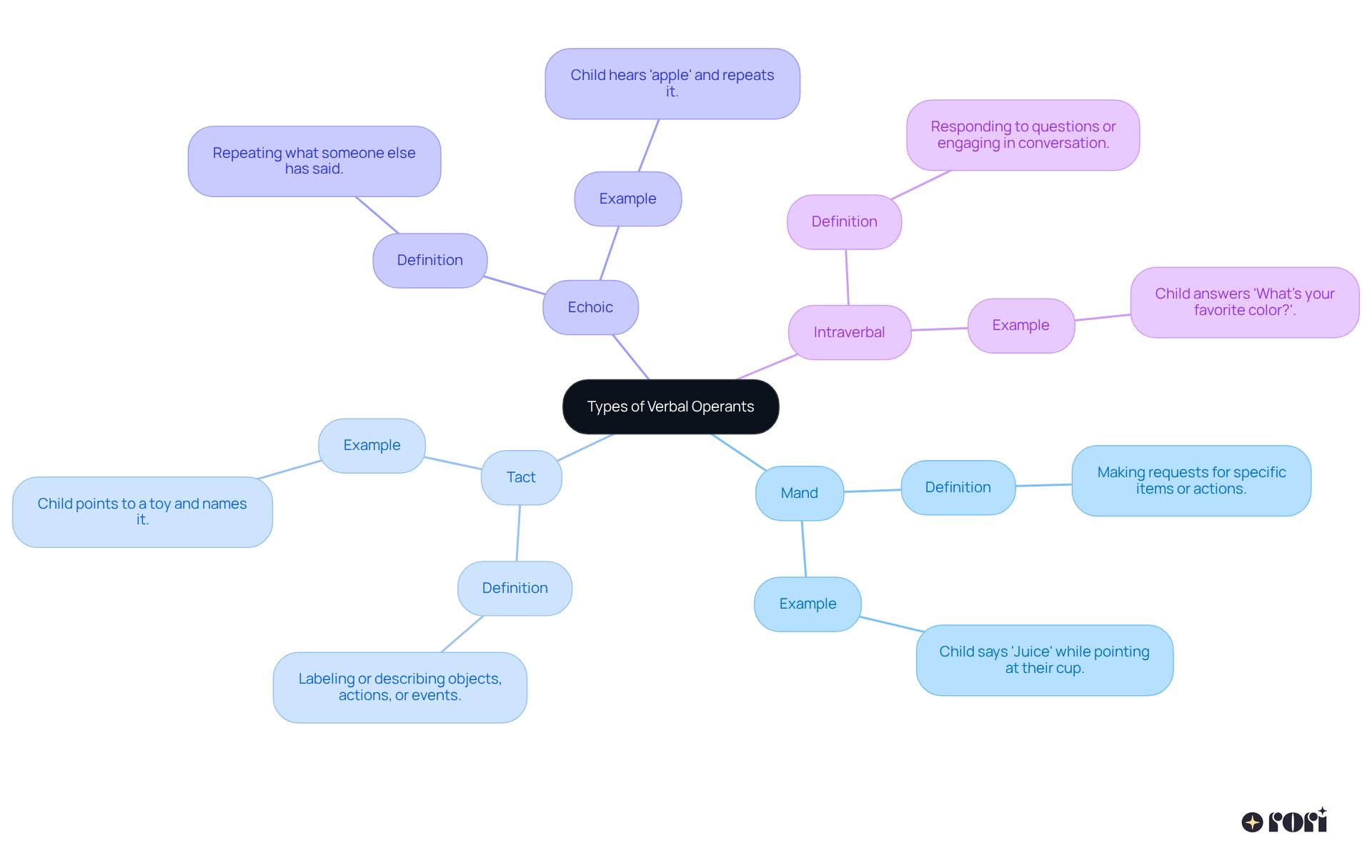
The primary types of are essential components of language development, each serving a distinct function in communication. Let’s dive into them!
- Mand: This operant is all about making requests for specific items or actions, like asking for a toy or a snack. Mands are crucial for expressing needs and desires, and they can really help reduce those pesky behaviors that come with wanting something. For example, when a little one says, ‘Juice’ while pointing at their cup, that’s a in action!
- Tact: Tacting refers to the ability to , actions, or events around us. Imagine a child pointing to a toy and naming it—that’s them demonstrating tact! can boost social interactions and expressive language, allowing kids to communicate their observations effectively.
- Echoic: is all about repeating what someone else has said, which is super important for . Think about it: when a child hears an adult say ‘apple’ and then repeats it, they’re engaging in . This operant lays the groundwork for developing speech sound discrimination and accurate pronunciation.
- Intraverbal: This operant involves responding to questions or engaging in conversation without needing a direct visual cue. For instance, when a child answers the question ‘What’s your favorite color?’, they’re showcasing . Building these skills is crucial for having meaningful conversations and social interactions.
Each type of transcription verbal operant plays a vital role in nurturing a child’s language skills, helping them communicate effectively and connect with others. Recent studies highlight how these actions can improve interactions for individuals with autism, emphasizing their importance in developing and fostering independence. As B.F. Skinner wisely noted, ‘These behaviors are essential in teaching individuals with communication challenges to effectively express themselves, comprehend others, and engage in meaningful interactions.’ are that encompass various categories, reinforcing their foundational role in language development.
So, let’s explore this together and see how we can support our little ones on their language journey!
Strategies for Teaching Verbal Operants: Effective Techniques for Therapists
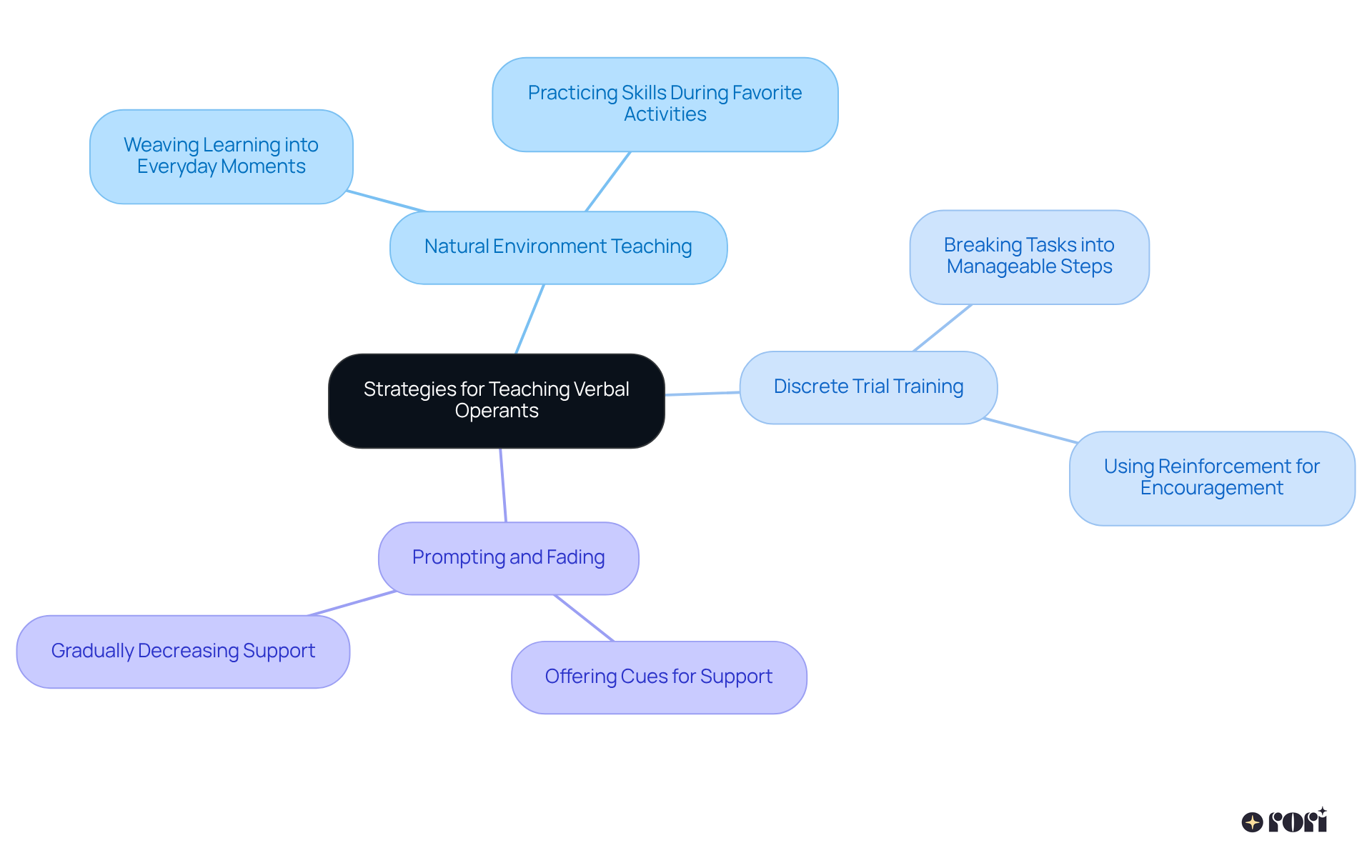
Teaching can be a rewarding journey, and there are some effective strategies that can help! 😊
- (NET): This is all about weaving . Think about how your child can practice skills naturally while doing things they love—this helps them generalize what they learn!
- (DTT): Here, we break tasks down into smaller, manageable steps. It’s like building a LEGO tower—one piece at a time! By using reinforcement, we can encourage success and make learning fun.
- : Offering cues can be a great way to support your little ones in using their transcription verbal operant skills. As they grow more confident, we gradually decrease our support, helping them to shine on their own.
These techniques are essential for nurturing those important in a structured yet friendly way. Let’s explore this together and see how we can make learning a joyful experience!
Individualized Instruction: Tailoring ABA Therapy to Each Child’s Needs
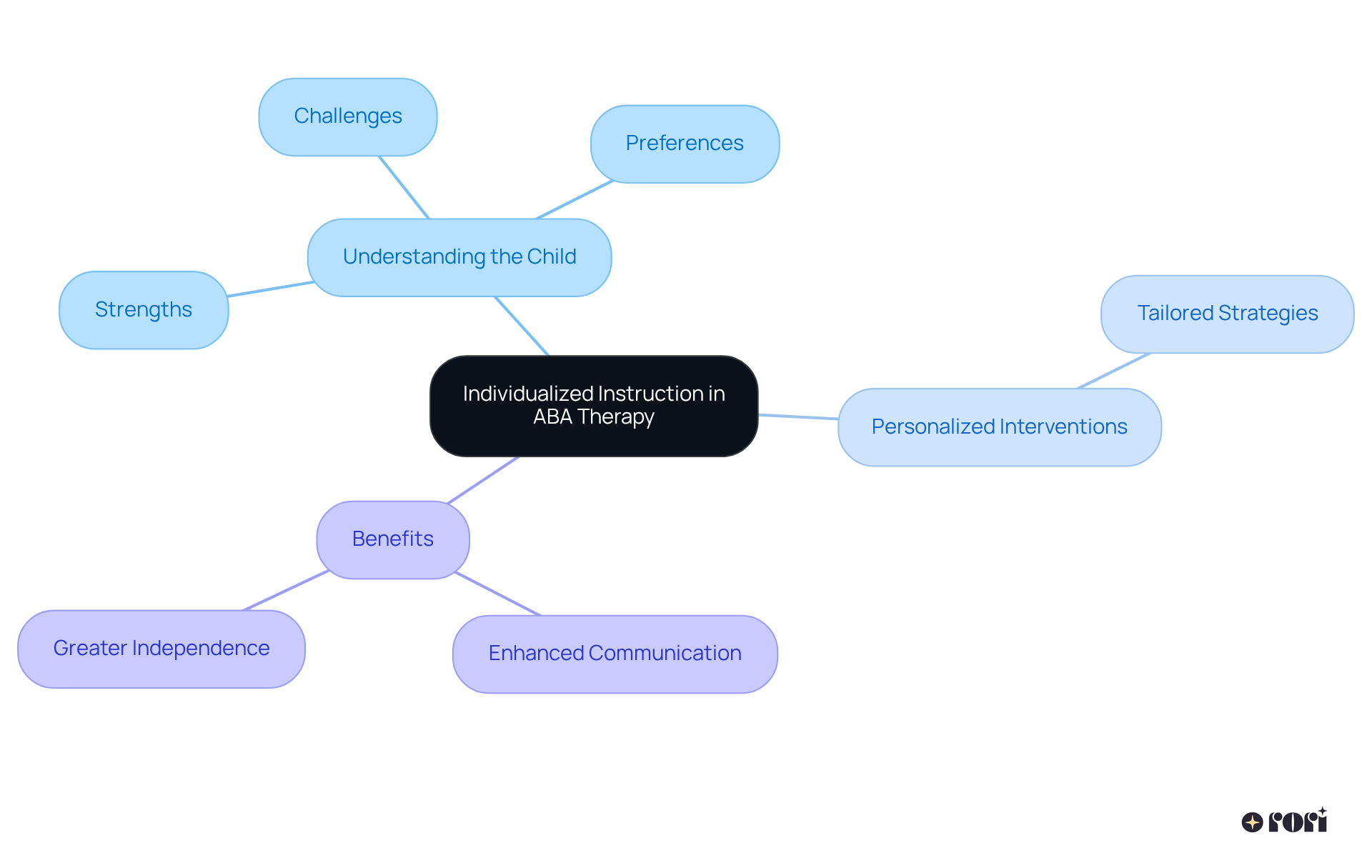
Individualized instruction is a key part of . By taking the time to understand each child’s strengths, challenges, and preferences, therapists can create that truly resonate with the child’s . This tailored approach not only but also fosters a . As a result, children enhance their and gain in expressing their needs and wishes. Let’s explore this together!
Research Insights: Evidence-Based Strategies for Verbal Operants in ABA
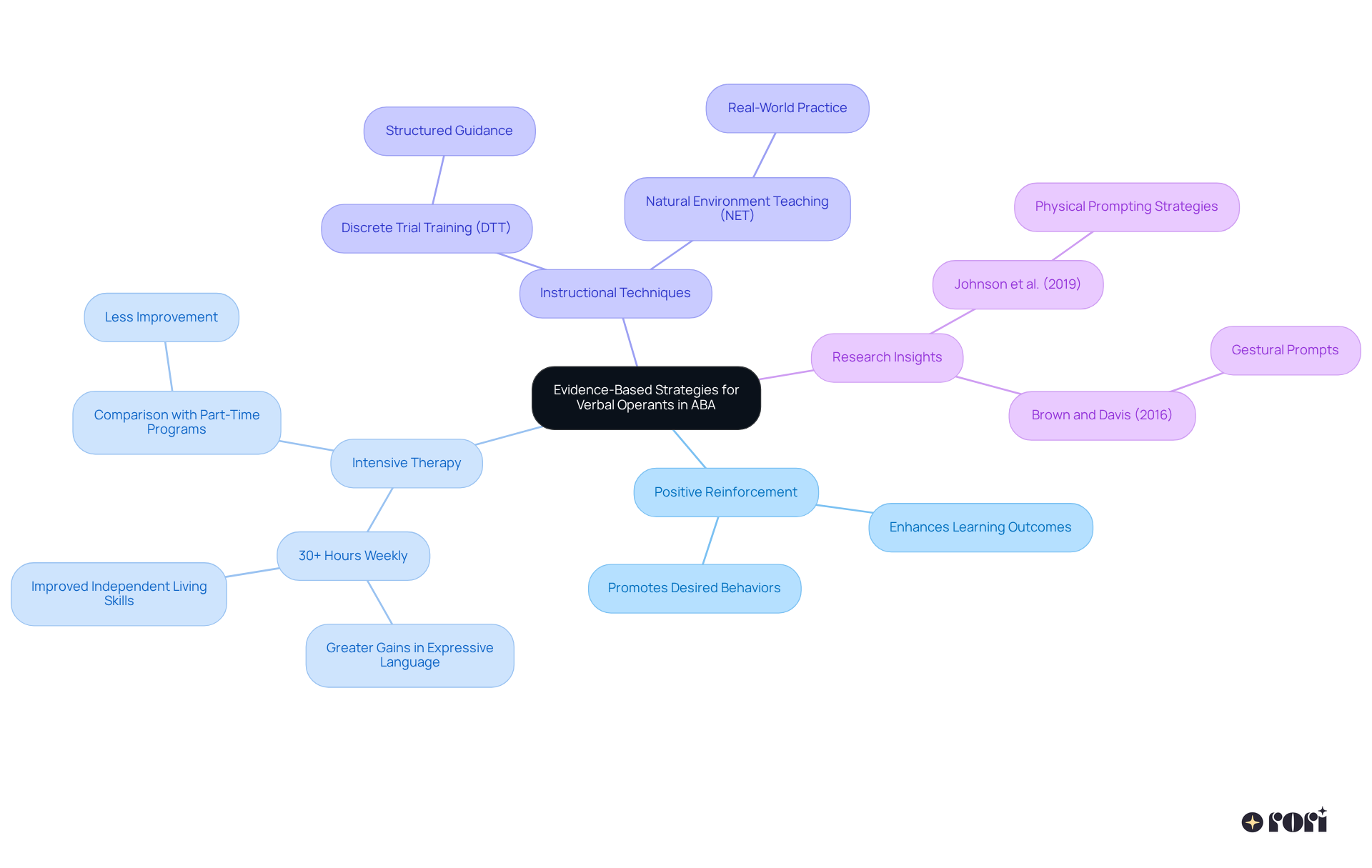
Current research highlights how effective can be, especially regarding the teaching of transcription verbal operants. Did you know that in promoting desired behaviors? It can really enhance learning outcomes for individuals with autism! For instance, children who are part of , particularly those receiving 30 or more hours each week, show remarkable progress in their .
Research indicates that these youngsters often achieve greater improvements in expressive language and independent living skills compared to those in part-time programs. Isn’t that encouraging? Organized instructional techniques, like and , are fantastic at fostering skills related to transcription verbal operant. They provide clear, structured guidance and opportunities for practice in real-world settings, leading to . These approaches not only help in but also encourage independence in daily living tasks.
As the world of ABA therapy evolves, staying updated on the is vital for therapists. Studies by Johnson et al. (2019) and Brown and Davis (2016) are great resources to ensure . Parents, it’s a good idea to chat with your child’s therapist about the specific reinforcement strategies being utilized to support their learning. Let’s explore this together! We’re here to help you every step of the way!
Role of Verbal Operants: Building Blocks for Language Development
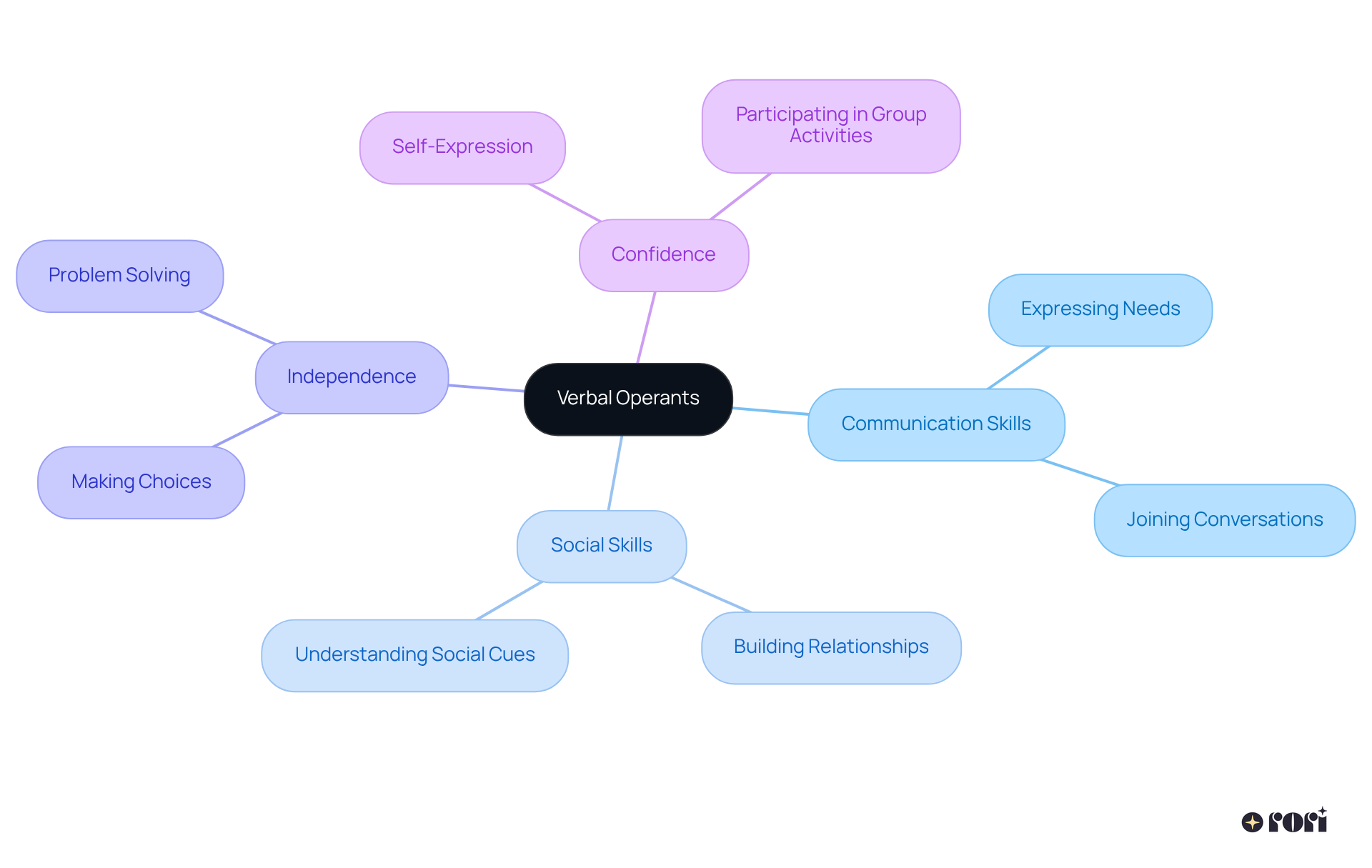
play a crucial role in , serving as the building blocks for . When kids master these behaviors, they can better express their needs, join in conversations, and develop important . This ability to use spoken language effectively not only boosts a child’s communication skills but also fosters and confidence in —both of which are essential for their overall development.
Let’s explore this together! By understanding the importance of , you can help your child thrive in their interactions. Remember, every little conversation is a step toward building their confidence and social abilities. We’re here to !
Practical Applications: Implementing Verbal Operants in ABA Therapy
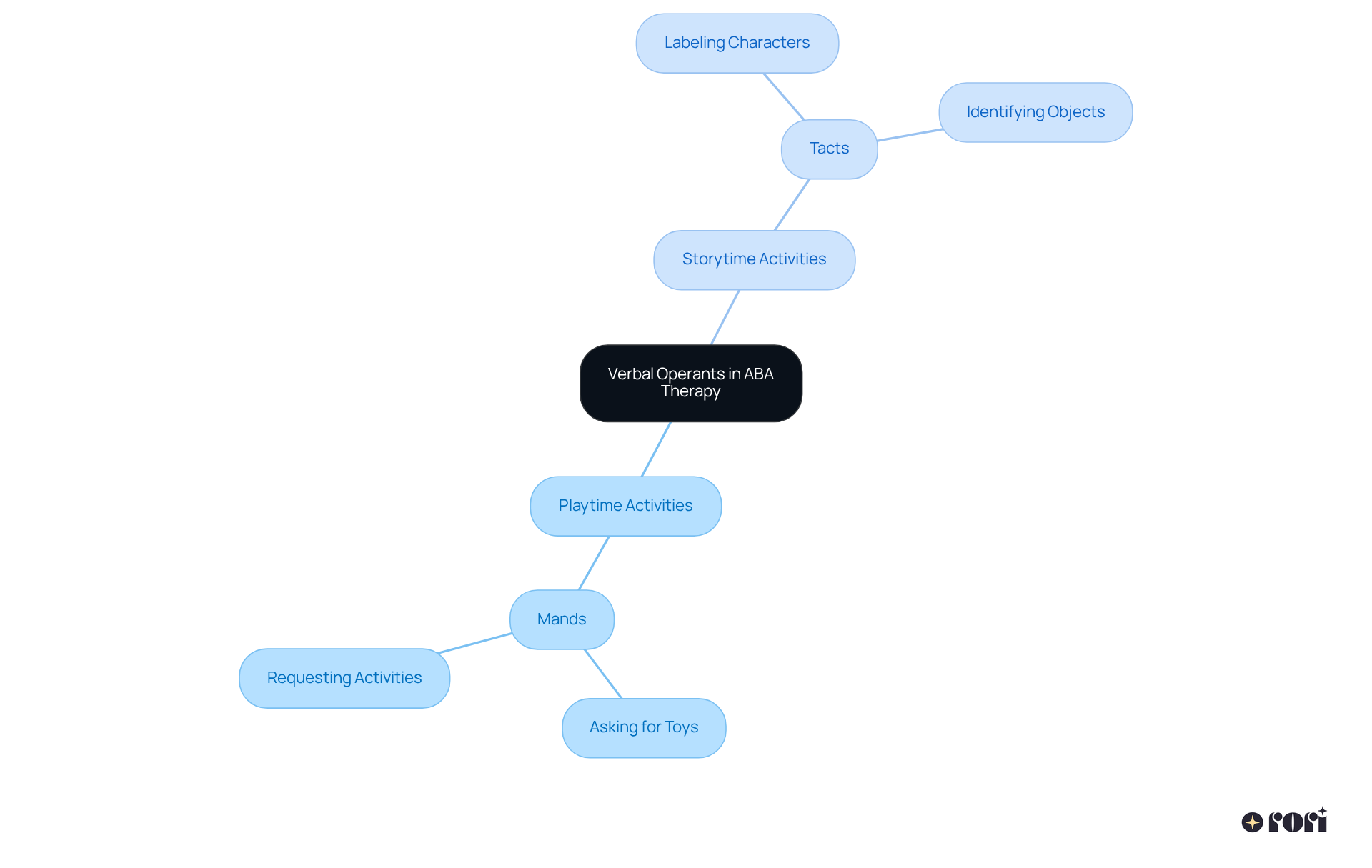
Integrating into can be a fun and engaging way to ! For example, during playtime, therapists can encourage kids to use mands by prompting them to ask for their favorite toys or activities. And during storytime, children can practice tacts by labeling characters or objects in the book. By weaving and other linguistic behaviors into everyday moments, therapists help create that boost and interaction skills. Let’s !
Molecular Mechanisms: Understanding the Science Behind Verbal Operants
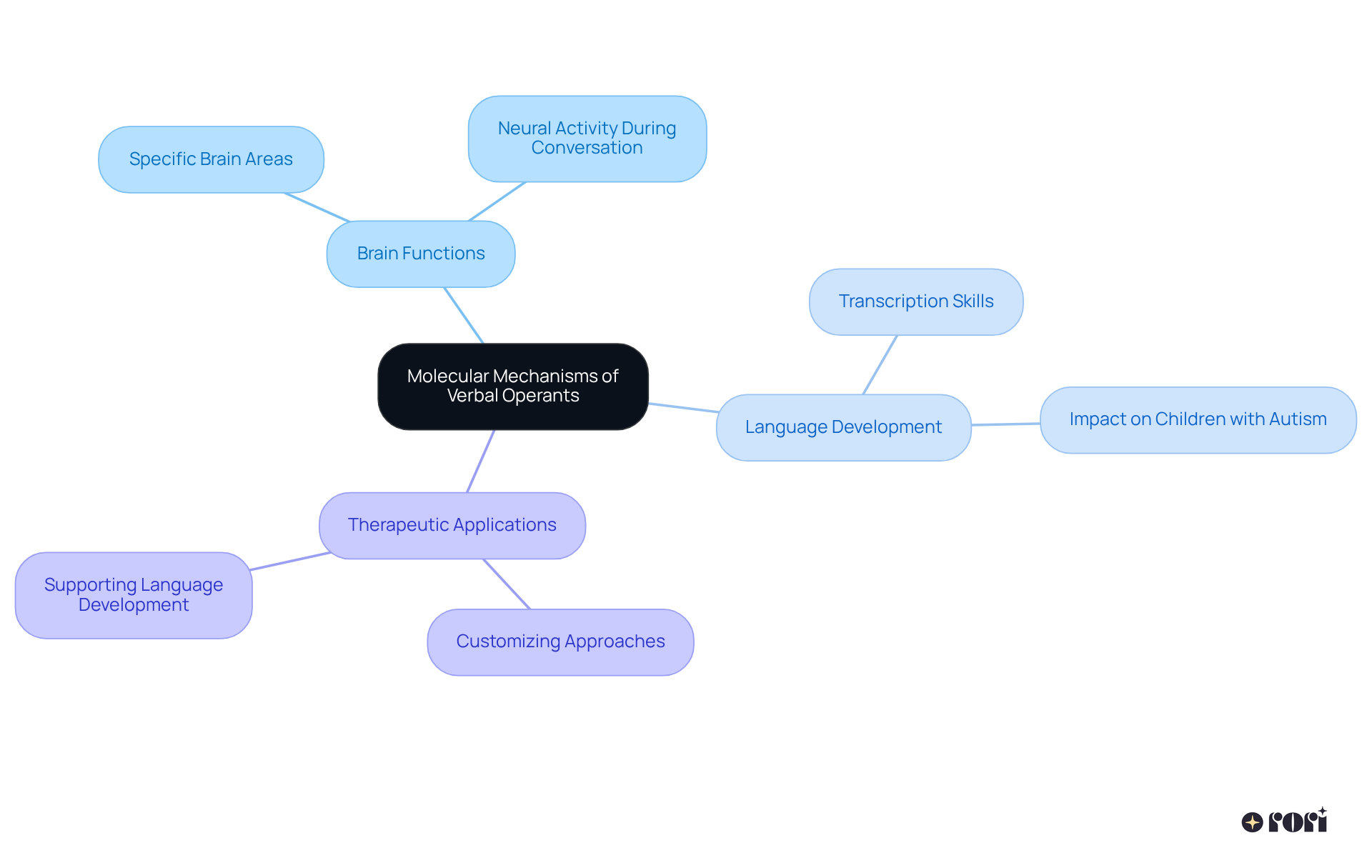
Understanding how we speak involves a fascinating . Research indicates that specific areas of the brain light up during conversations, highlighting just how crucial language is in our learning journey. By understanding these processes, therapists can truly grasp the importance of teaching , enabling them to to in their . Let’s explore this together!
Conclusion
Transcription verbal operants are essential for helping children, especially those with autism, develop effective communication skills. By focusing on personalized ABA therapy strategies—like understanding various types of verbal operants and using tailored instruction—therapists can truly enhance a child’s ability to express themselves and connect with their surroundings. This individualized approach not only nurtures communication growth but also lays the groundwork for social interactions and independence.
Throughout this article, we’ve explored several strategies for teaching transcription verbal operants, including:
- Natural Environment Teaching (NET)
- Discrete Trial Training (DTT)
- The power of positive reinforcement
Each method plays a vital role in crafting meaningful learning experiences that resonate with a child’s unique learning style. Plus, understanding the underlying mechanisms of language acquisition highlights just how important these operants are for fostering effective communication skills.
Improving verbal operant skills is more than just teaching language; it’s about empowering children to engage with the world around them. By prioritizing personalized approaches and utilizing evidence-based strategies, parents and therapists can work hand in hand to support each child’s communication journey. Embracing these methods can lead to transformative outcomes, allowing children to flourish in their interactions and build the confidence they need for lifelong success.
Let’s explore this together! Remember, you’re not alone on this journey—every step you take makes a difference in your child’s life.
Frequently Asked Questions
What is the focus of Rori Care’s ABA therapy?
Rori Care focuses on individualized ABA therapy that emphasizes transcription verbal operants to foster meaningful connections and enhance communication growth in children.
How does Rori Care ensure therapy is personalized for each child?
Rori Care conducts thorough evaluations to identify each child’s unique needs, allowing them to tailor interventions specifically to align with the child’s distinct learning style.
What is the significance of understanding verbal operants in ABA therapy?
Understanding verbal operants is essential for helping youth with autism thrive in their interactions by guiding them in expressing needs, labeling surroundings, and joining conversations.
What types of verbal operants are explored in Brighter Strides ABA therapy?
Brighter Strides ABA explores various types of verbal operants, including mands, tacts, intraverbals, and transcription verbal operant.
How do verbal behaviors contribute to communication skills in ABA therapy?
Verbal behaviors are the building blocks of interaction skills, helping young individuals learn to communicate effectively, which is crucial for their social interactions and overall development.
What role do parents play in supporting their child’s communication journey?
Parents are encouraged to explore resources and strategies alongside therapists, as they are not alone in supporting their child’s communication development.
List of Sources
- Types of Verbal Operants: Mand, Tact, Echoic, and More
- brighterstridesaba.com (https://brighterstridesaba.com/blog/verbal-operants-in-aba)
- Verbal Operants – How to ABA (https://howtoaba.com/verbal-operants)
- aprilaba.com (https://aprilaba.com/resources/define-and-provide-examples-of-the-verbal-operants)
- learningbehavioranalysis.com (https://learningbehavioranalysis.com/verbal-operants)
- Research Insights: Evidence-Based Strategies for Verbal Operants in ABA
- ebbandflowaba.com (https://ebbandflowaba.com/benefits-of-aba-therapy-for-children-with-autism)
- yellowbusaba.com (https://yellowbusaba.com/post/aba-therapy-and-evidence-based-practices)
- brighterstridesaba.com (https://brighterstridesaba.com/blog/aba-reinforcement-methods)