

Introduction
Navigating the complexities of autism care can feel like a daunting journey for parents. Understanding the Functional Behavioral Assessment (FBA) process is a key part of this. This essential framework not only helps identify and address behavioral concerns but also empowers families to create personalized strategies that cater to their child’s unique needs. But with so many steps involved, how can parents effectively support their child’s development while managing the intricacies of behavior intervention?
Let’s explore this together! In this article, we’ll delve into the nine crucial FBA process steps that every parent should know. We’ll offer insights and practical guidance to foster positive outcomes for your children. Your journey is important, and we’re here to help you every step of the way!
Rori Care – ABA Therapy: Personalized FBA Support for Your Child
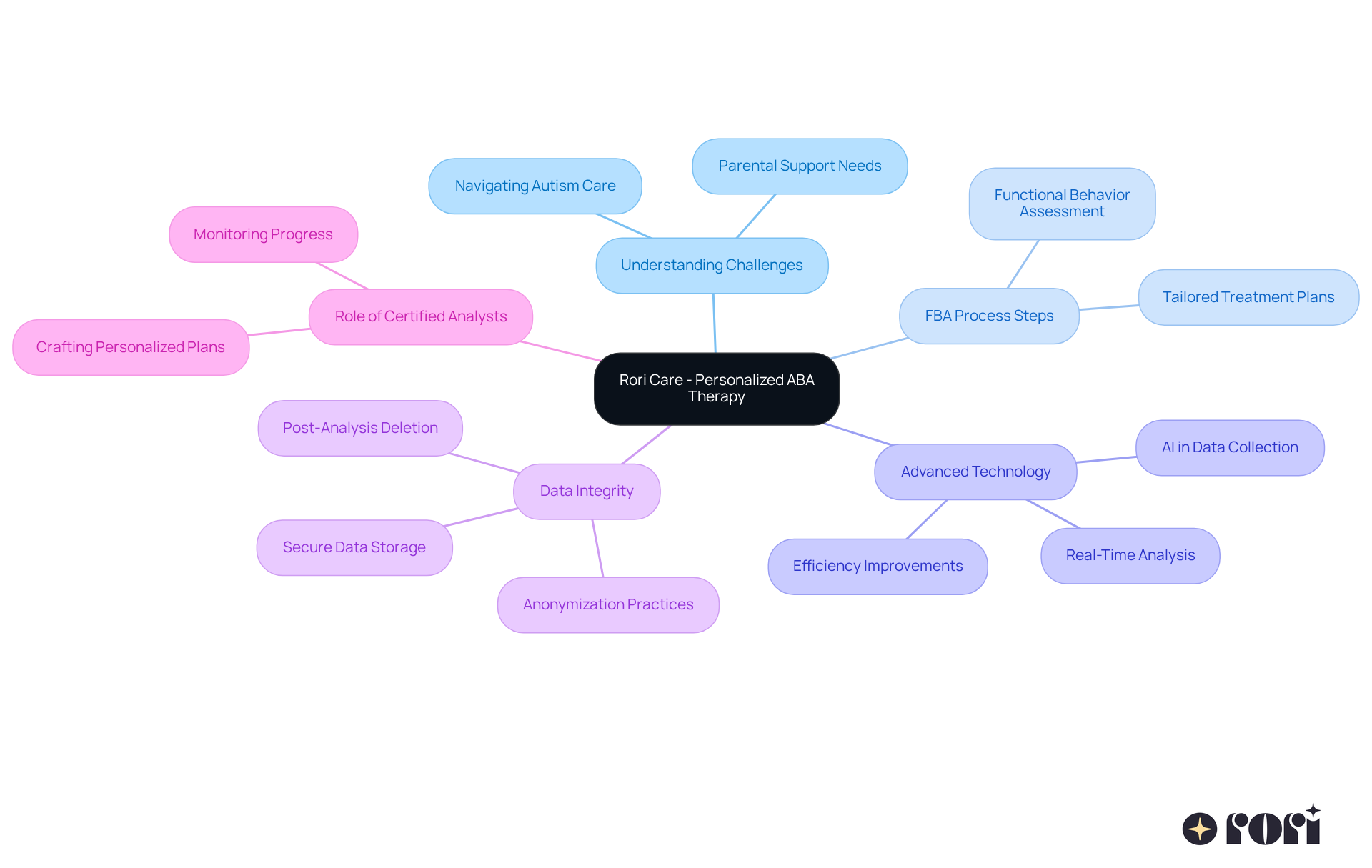
At Rori Care, we truly understand the challenges parents face when navigating autism care. That’s why our ABA Therapy excels in delivering through the . By using advanced technology and , we empower clinicians and families to create tailored treatment plans that cater to each individual’s unique needs. This customized approach not only boosts the effectiveness of interventions but also aligns them with specific , ultimately promoting better and fostering greater independence.
Imagine having in FBAs that automatically gathers data during therapy sessions, following the . This means real-time analysis, allowing us to continuously improve treatment strategies based on individual progress. It’s pretty amazing! Plus, this innovative approach frees up 50% more time for direct care, letting our clinicians focus on what truly matters—supporting your child.
We also prioritize , ensuring secure storage, anonymization, and post-analysis deletion for effective data collection in ABA therapy. This commitment supports the effectiveness of by following the FBA process steps. By emphasizing personalized planning, measurable objectives, and , Rori Care is here to help families navigate the complexities of autism care. We believe every individual deserves the opportunity to thrive!
Certified analysts play a crucial role in crafting these personalized plans, ensuring that interventions are tailored to meet each child’s unique needs. Let’s explore this journey together! We’re here to !
Step 1: Define the Behavior of Concern Clearly
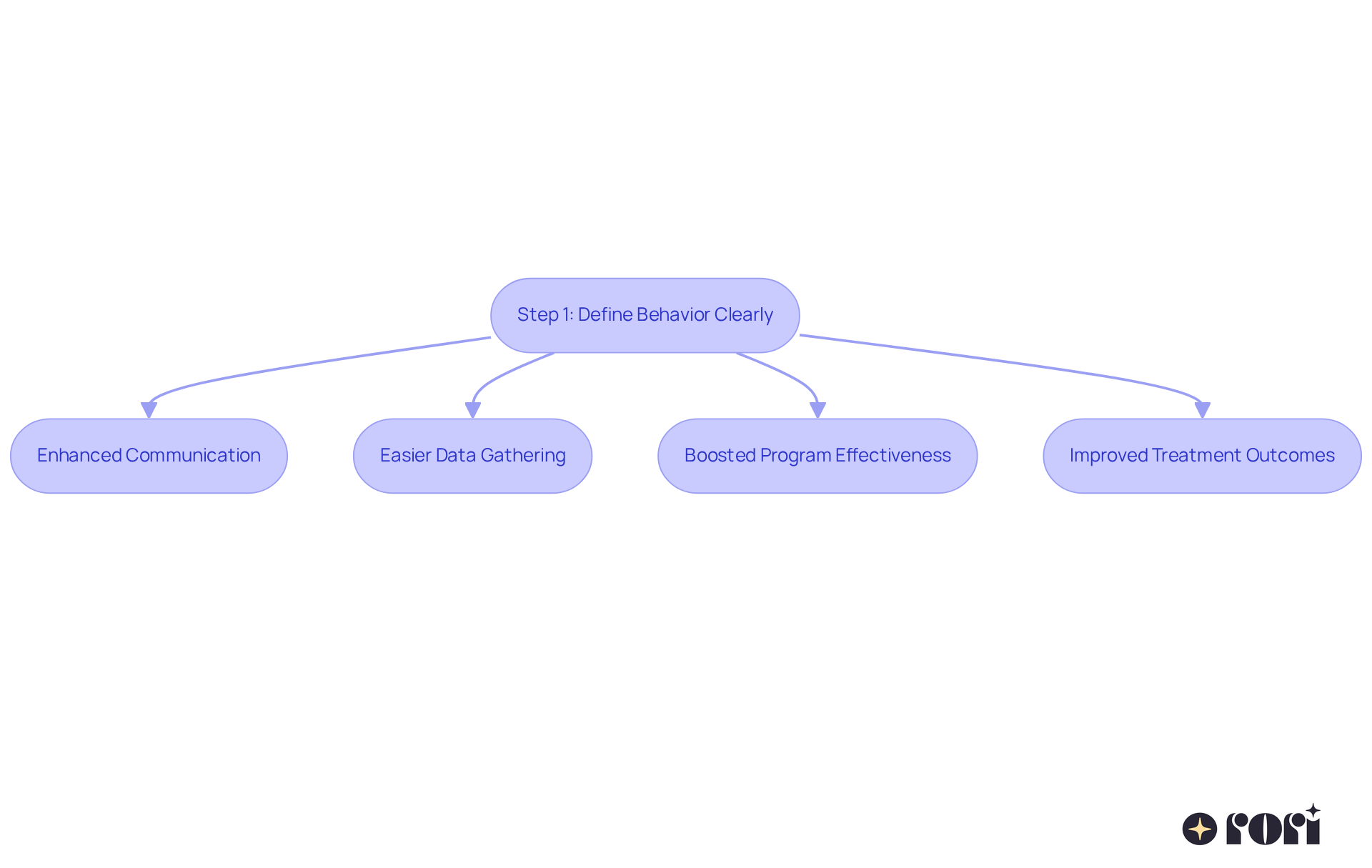
The first of the is to clearly define the specific in . For example, instead of labeling a child as ‘disruptive,’ it’s more helpful to say they are ‘talking out of turn during class.’ This clarity is key! It ensures that everyone involved—parents, educators, and therapists—understands the behavior we’re focusing on. When we have this precision, it not only makes data gathering easier but also boosts the overall effectiveness of the program.
Research shows that when behaviors are clearly defined, it can really enhance the outcomes of . In fact, studies have demonstrated a 30% increase in when clients hear . By setting measurable definitions, caregivers can track progress more effectively and adjust strategies, leading to more successful interventions.
This aligns perfectly with the principles of , which highlights a patient-centered approach tailored to each child’s unique needs. Remarkably, 90% of children show significant improvement when recommended hours are fully utilized with active . Plus, our care engine generates automatic progress reports for clinicians, which helps caregivers keep an eye on their child’s development.
As B.F. Skinner wisely said, ‘Teachers must learn how to teach… they need only to be taught more effective ways of teaching.’ This really underscores how important it is to have to and empower caregivers in supporting their children’s behavioral goals. Let’s explore this together!
Step 2: Gather Comprehensive Information on Behavior
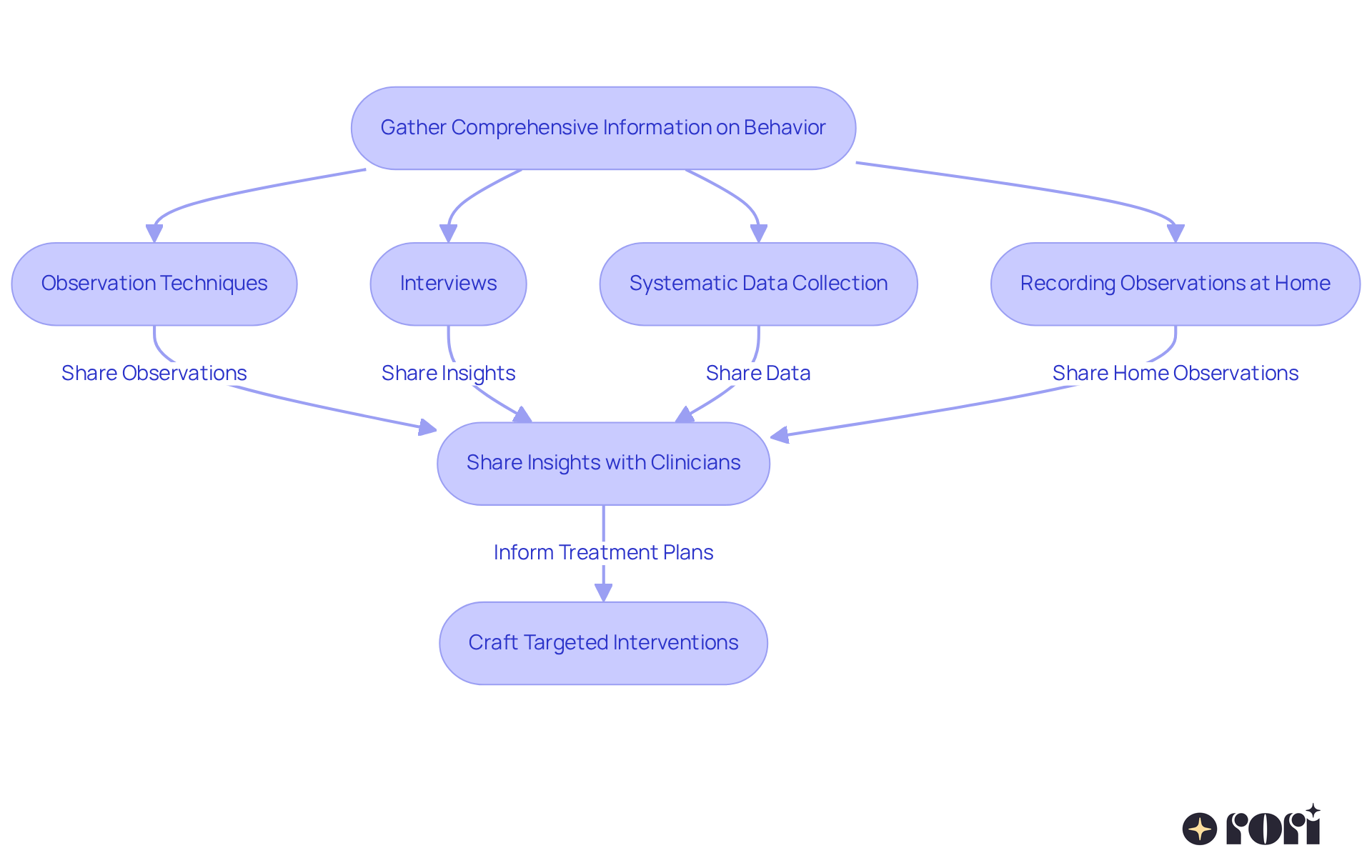
In this important step, parents and clinicians come together to gather detailed information about a child’s actions. This is done through various , interviews, and systematic . It’s all about tracking specific times and locations where actions occur, noting who is present, and observing any antecedents or consequences tied to those actions. Effective , like the ABC model, help in recording what happens before, during, and after these actions.
This thorough is crucial because it provides a clearer context for understanding behavior, which is essential for crafting targeted and . Clinicians emphasize that collecting comprehensive information allows for a deeper understanding of , ultimately leading to better support strategies tailored to each child’s unique needs.
Caregivers can play an active role in this journey by consistently recording observations at home. Sharing these insights with clinicians can really inform . Plus, Rori Care’s care engine makes this process even smoother by automatically generating progress reports after each session. This enhances data collection efficiency and lets clinicians quickly adapt based on the child’s progress.
Rest assured, all data collected during clinical sessions is securely stored, anonymized, and deleted after analysis to ensure privacy and compliance. Collaboration is key here! When (BCBAs) work closely with education professionals, it ensures that all relevant information is considered, boosting the .
As one clinician beautifully put it, ‘Comprehensive is the basis for comprehending and tackling difficult actions effectively.’ Let’s explore this together and see how we can support our children in the best way possible!
Step 3: Develop Hypotheses About Behavior Functions
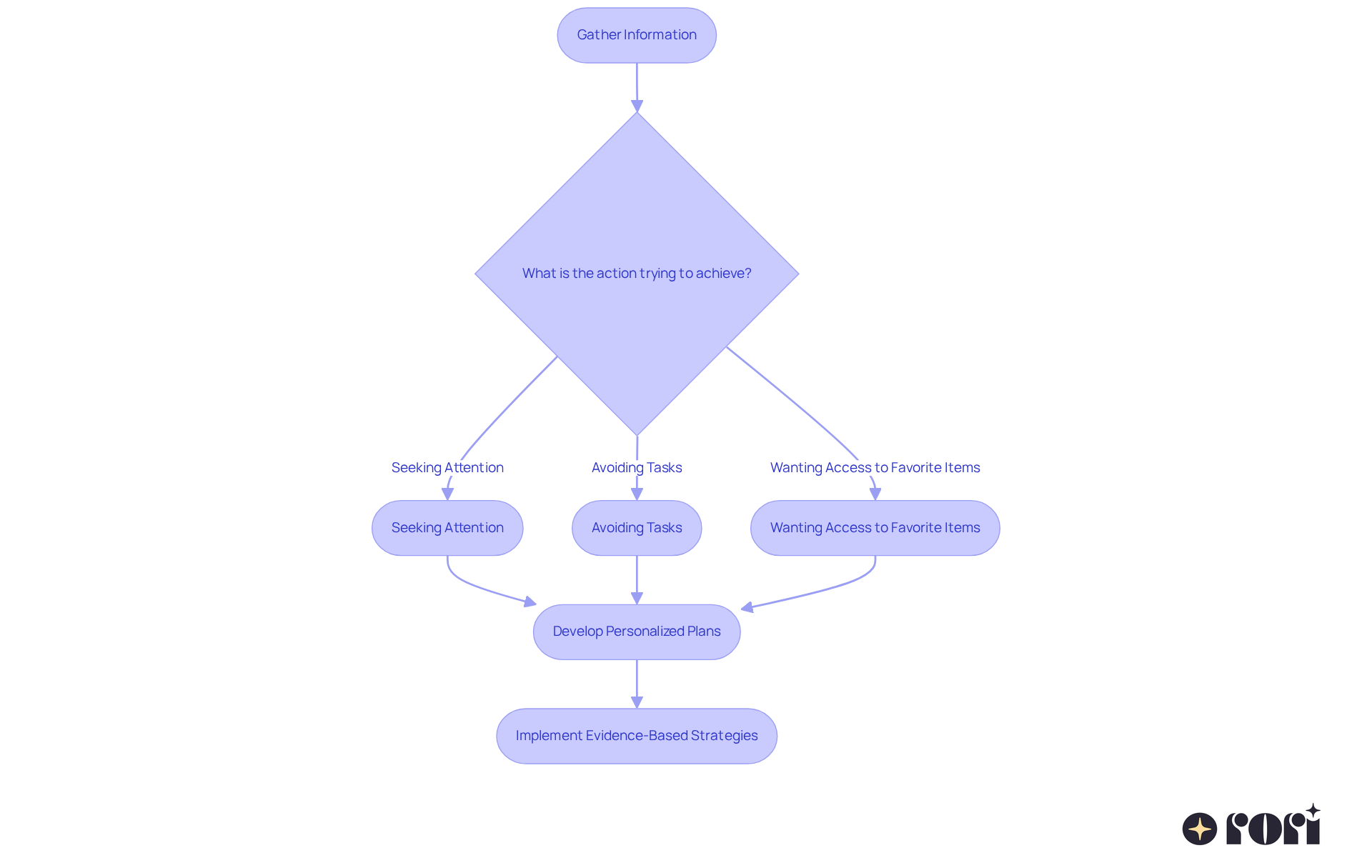
Once you’ve gathered information, the next step is to think about what the action might be trying to achieve. Common reasons could be seeking attention, avoiding tasks, or wanting access to favorite items. For example, if a child often throws tantrums when it’s time to do homework, you might wonder if they’re trying to escape that task. Understanding these motivations is crucial for creating effective strategies that address the underlying issues.
A skilled analyst is key in this journey, crafting that include and . This approach ensures that support is tailored to your child’s unique needs, fostering . Plus, our care engine performs , generating automatic progress reports for clinicians to review, which helps in developing .
Let’s explore this together! We’re here to !
Step 4: Create a Behavior Intervention Plan (BIP)
Once you’ve established your hypotheses, the next important step is to create a . This plan should outline , including proactive measures, teaching alternative actions, and reinforcement techniques. The FBA process steps are key here, as they provide a thorough that offers foundational understanding of why behaviors occur, helping to shape the BIP.
For example, if a child is acting out to get attention, the BIP might include strategies to give positive attention when they engage in appropriate behaviors. Plus, creating a one-page overview of the BIP can make it easier for substitute teachers or new staff to implement, ensuring everyone is on the same page.
. Teamwork among caregivers, teachers, and therapists is essential for successful . Our behavior care engine plays a vital role in this journey by for clinician review, ensuring that treatment plans are regularly updated based on the child’s progress.
This adaptive approach empowers caregivers with , allowing them to actively support their children’s behavioral goals through informed decision-making and data collection. A well-crafted BIP serves as a comprehensive guide for everyone involved in the child’s care, ensuring clarity in implementing interventions.
Regularly monitoring and assessing the BIP is also crucial. This way, you can as needed and ensure continued effectiveness. Let’s explore this together and make this journey a little easier for you!
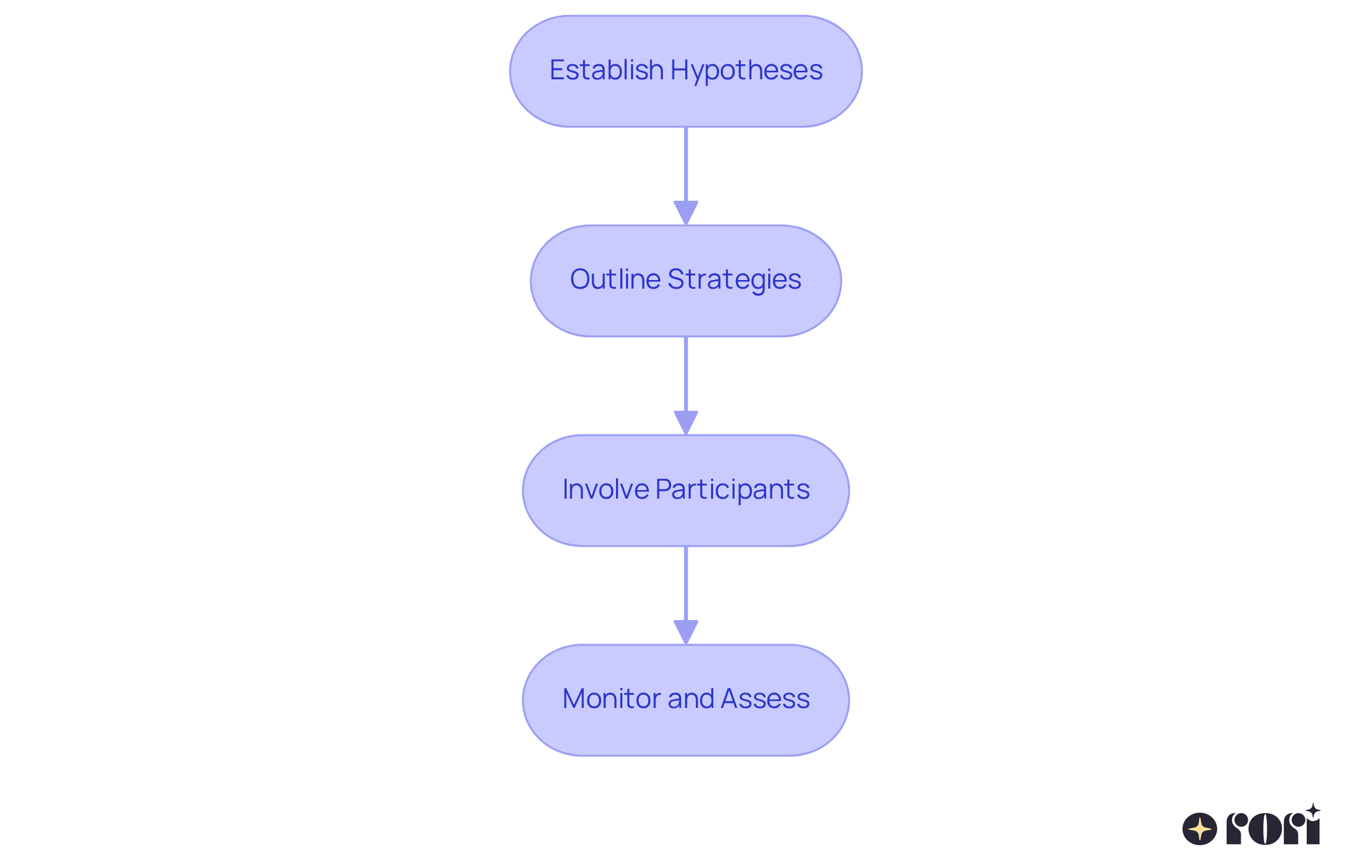
Step 5: Implement the Behavior Intervention Plan
Implementing the is truly a ! It really relies on the active participation of parents, educators, and therapists. This teamwork is so important to make sure everyone is on the same page with the . Consistency among all caregivers is key. For example, if the BIP suggests a reinforcement strategy for , it’s crucial that everyone uses this method consistently to effectively promote the desired changes.
Regular communication among team members not only helps monitor progress but also allows for timely adjustments to the plan when needed. Plus, incorporating a that conducts functional analysis for target actions and skills can really improve this process. It produces automatic progress reports for clinician review, ensuring that guide treatments. This not only enhances the effectiveness of measures but also fosters a nurturing atmosphere where young individuals can truly flourish.
Studies show that when parents and therapists work together, the results for children in ABA therapy improve significantly. This really highlights the importance of a cohesive strategy in modification efforts! For instance, with Tasha, her team conducted a to understand her actions during independent work, which helped them develop specific strategies. As noted, ‘A well-crafted plan based on a (FBA) process steps not only provides clarity and direction for educators but also increases the likelihood of the student’s long-term success.’ This emphasizes the critical role of collaboration and the use of data in achieving positive outcomes. Let’s explore this together!

Step 6: Monitor and Evaluate Intervention Effectiveness
Keeping track of how well the is working is super important for making sure it meets its goals. This means about the young person’s actions, focusing on the specific behaviors we want to see and any noticeable changes in their overall conduct. For instance, noticing how often a young person shows a particular behavior can give us .
to the BIP, ensuring it stays in tune with the young person’s changing needs. If the , the team can revisit their ideas and strategies, . This is key because it empowers us to make that can really improve the young person’s behavioral outcomes. Let’s explore this together and see how we can make a difference!

Step 7: Collaborate with Educators and Clinicians
Working together with educators and clinicians is so important for providing for our . Regular meetings among all stakeholders can really help keep everyone in the loop about the student’s progress and any challenges they might be facing.
For instance, if a young person is receiving both at home and in school, it’s crucial that both environments use similar strategies to encourage . This ensures that the young individual gets tailored to their .
Let’s explore this together!

Step 8: Understand Legal and Ethical Considerations
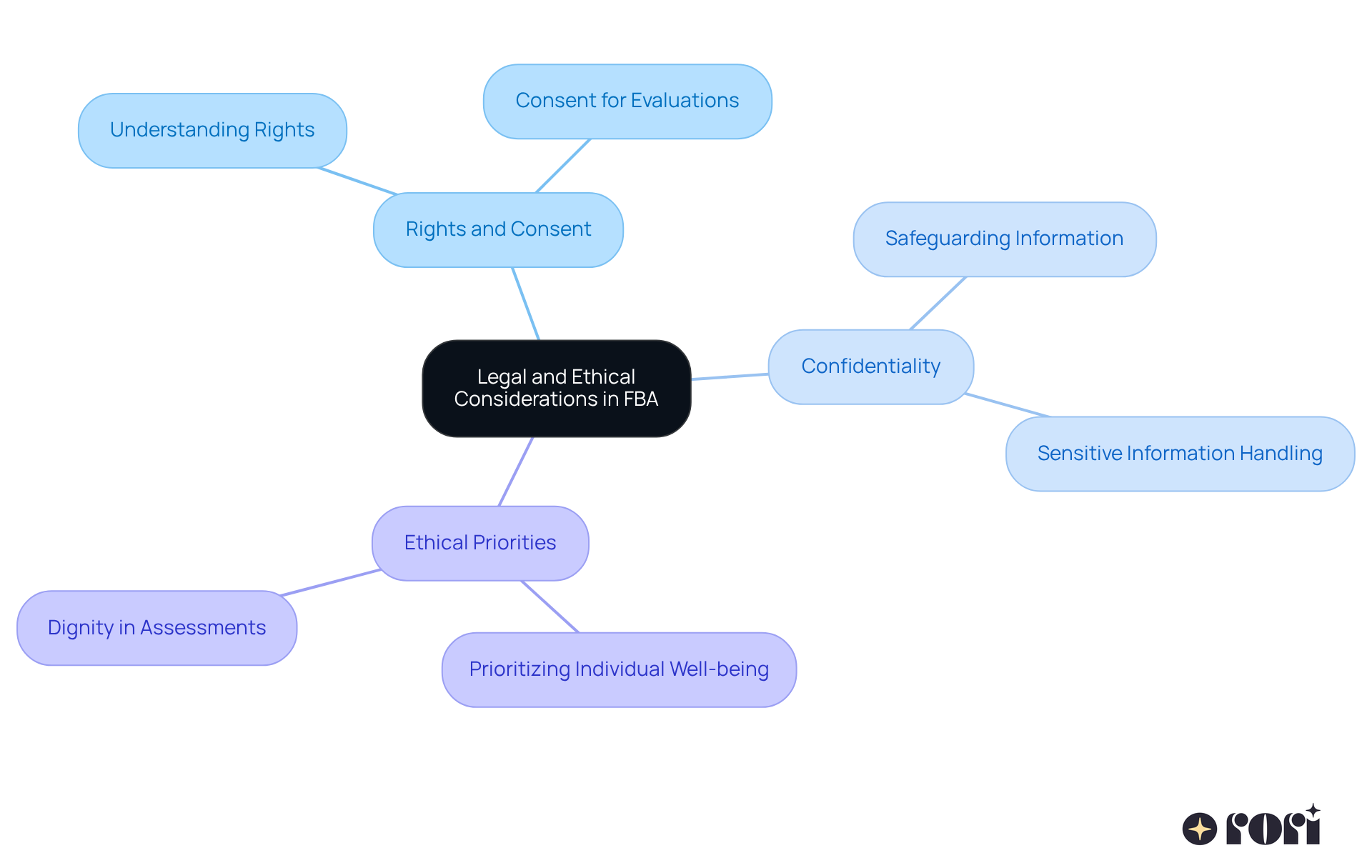
As parents, it’s essential to be aware of the surrounding the . This means understanding your rights regarding consent for evaluations and actions, as well as the . Plus, remind us to always prioritize the during assessments and interventions.
Becoming familiar with these aspects ensures that the are followed in a way that respects the rights of your child and promotes . Let’s explore this together! Remember, you’re not alone in this journey, and we’re here to help you every step of the way!
Step 9: Engage in Continuous Learning and Adaptation
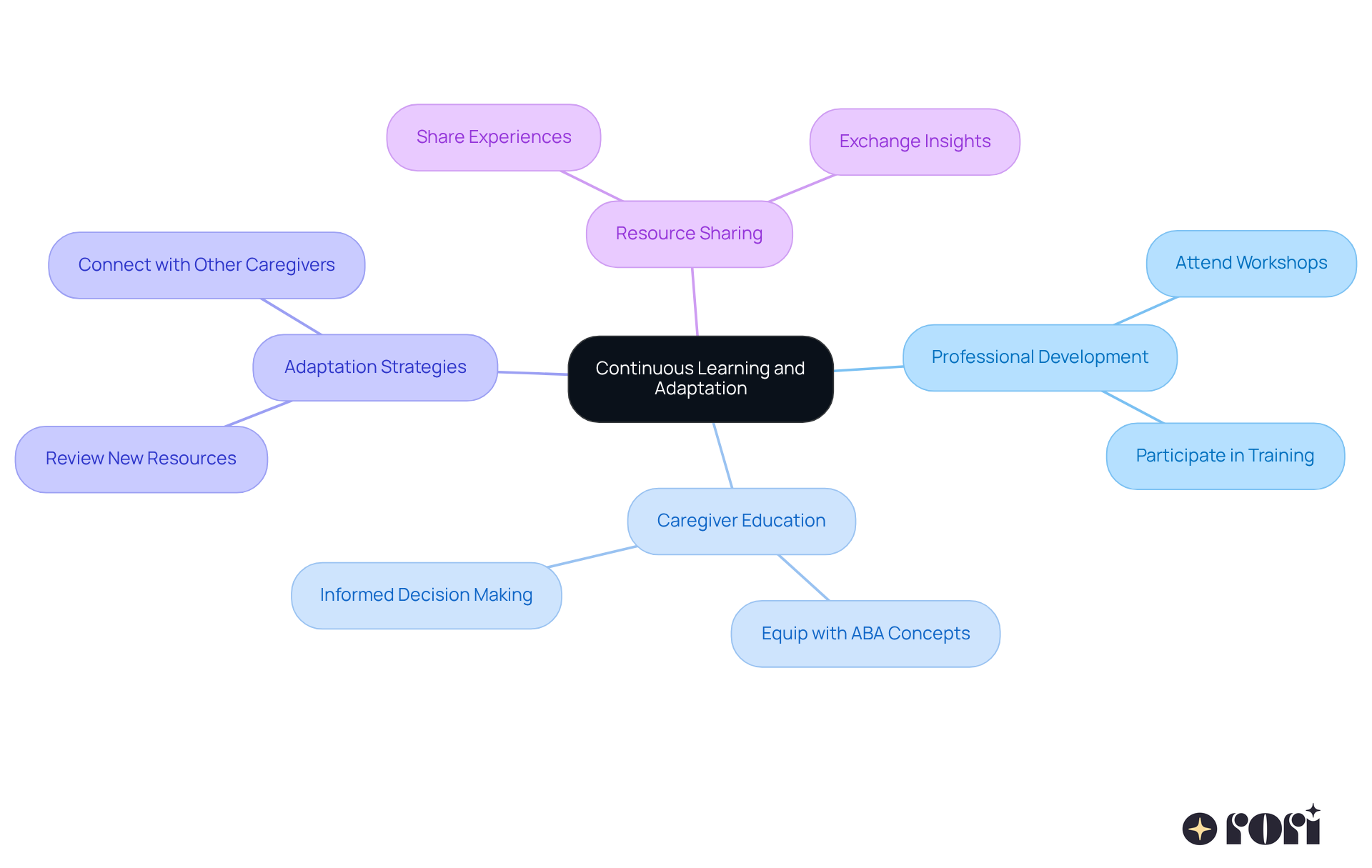
The final step in the FBA process steps focuses on continuous learning and adaptation! 🌱 It’s so important to stay updated on the , techniques, and . Parents and clinicians can really benefit from seeking out , attending workshops, and participating in to boost their knowledge and skills.
By equipping caregivers with and techniques, they can make informed choices that positively influence their children’s development. Active participation and alignment with therapeutic approaches not only enhance support but also lead to better . Plus, when caregivers are educated, it can lessen stress and improve family dynamics, creating a more supportive atmosphere for everyone involved.
By staying informed and open to new strategies, the team can adapt interventions as needed to ensure they effectively meet the child’s evolving needs. To enhance your learning even further, why not set aside some time each week to review new resources or connect with other caregivers? Sharing experiences and insights can be such a rewarding way to grow together! Let’s explore this journey together! 💪
Conclusion
The FBA process is an essential journey for parents eager to support their children facing behavioral challenges. By understanding and following the key steps outlined here, caregivers can create a structured approach that not only addresses specific behaviors but also nurtures positive developmental outcomes. This personalized framework empowers families and clinicians to work hand in hand, ensuring that interventions are tailored to meet each child’s unique needs.
Key insights from the article highlight the importance of:
- Clearly defining behaviors
- Gathering comprehensive data
- Crafting targeted intervention plans
Engaging in continuous learning and keeping open lines of communication among all stakeholders are crucial elements that enhance the effectiveness of the strategies employed. By leveraging advanced technology and evidence-based practices, families can navigate the complexities of autism care with greater confidence and clarity.
Ultimately, embracing these FBA process steps can lead to meaningful improvements in children’s behavior and overall well-being. Parents are encouraged to actively participate in this journey, collaborating with educators and clinicians while staying informed about the legal and ethical considerations involved. By doing so, they not only advocate for their children’s needs but also help create a supportive environment that nurtures growth and independence. Let’s explore this together!
Frequently Asked Questions
What is Rori Care’s approach to ABA therapy?
Rori Care delivers personalized support through the Functional Behavior Assessment (FBA) process, using advanced technology and data-informed approaches to create tailored treatment plans that cater to each child’s unique needs.
How does Rori Care utilize technology in their therapy?
Rori Care employs advanced AI technology in FBAs that automatically gathers data during therapy sessions, allowing for real-time analysis and continuous improvement of treatment strategies, while freeing up 50% more time for direct care.
What is the importance of data integrity in Rori Care’s therapy?
Rori Care prioritizes data integrity by ensuring secure storage, anonymization, and post-analysis deletion of data collected during ABA therapy, which supports the effectiveness of personalized treatment plans.
What is the first step in the FBA process?
The first step is to clearly define the specific behavior of concern in measurable terms, which helps ensure that everyone involved understands the behavior being focused on and enhances the effectiveness of the program.
How does clearly defining behaviors impact treatment outcomes?
Clearly defined behaviors can enhance outcomes of autism treatments, with studies showing a 30% increase in positive behavioral results when clients hear motivational statements.
What role do caregivers play in the FBA process?
Caregivers can actively participate by consistently recording observations at home and sharing insights with clinicians, which helps inform treatment plans and track progress effectively.
How does Rori Care ensure efficient data collection?
Rori Care’s care engine automatically generates progress reports after each session, enhancing data collection efficiency and allowing clinicians to quickly adapt treatment plans based on the child’s progress.
What is the significance of gathering comprehensive information on behavior?
Gathering detailed information about a child’s actions through observation and data collection provides context for understanding behavior, which is essential for crafting targeted and effective interventions.
How does collaboration enhance the effectiveness of interventions?
Collaboration between Board Certified Behavior Analysts (BCBAs) and education professionals ensures that all relevant information is considered, boosting the effectiveness of interventions tailored to the child’s needs.