

Introduction
Board Certified Behavior Analysts (BCBAs) play a vital role in transforming lives in various settings, from clinics to schools and even corporate spaces. This article takes a closer look at the exciting opportunities available for BCBAs, highlighting how their skills in Applied Behavior Analysis (ABA) can truly enhance the lives of individuals with autism and developmental disabilities.
With a job market projected to grow by 22% over the next decade, it’s natural to wonder: where can a BCBA really make a difference? As we explore this landscape, we’ll uncover not only the versatility of BCBA roles but also the meaningful impact they have on the communities they serve. Let’s dive in together and discover how these professionals are making a difference!
Rori Care – ABA Therapy: Transforming Lives Through Data-Driven Autism Care
At Rori Care, we understand that navigating can feel overwhelming for parents. That’s why our is designed to tailor each care plan to meet the unique needs of every child. By leveraging , like automated data collection tools and analytics software, our clinicians can analyze behavioral data effectively. This helps us make informed decisions that lead to .
Imagine having a that not only automates progress report creation but also ensures your child’s data is securely stored and anonymized. This innovation boosts the efficiency of ABA therapy, giving caregivers an incredible 50% more time to focus on youth care. Our aims to foster independence and social skills in children with autism.
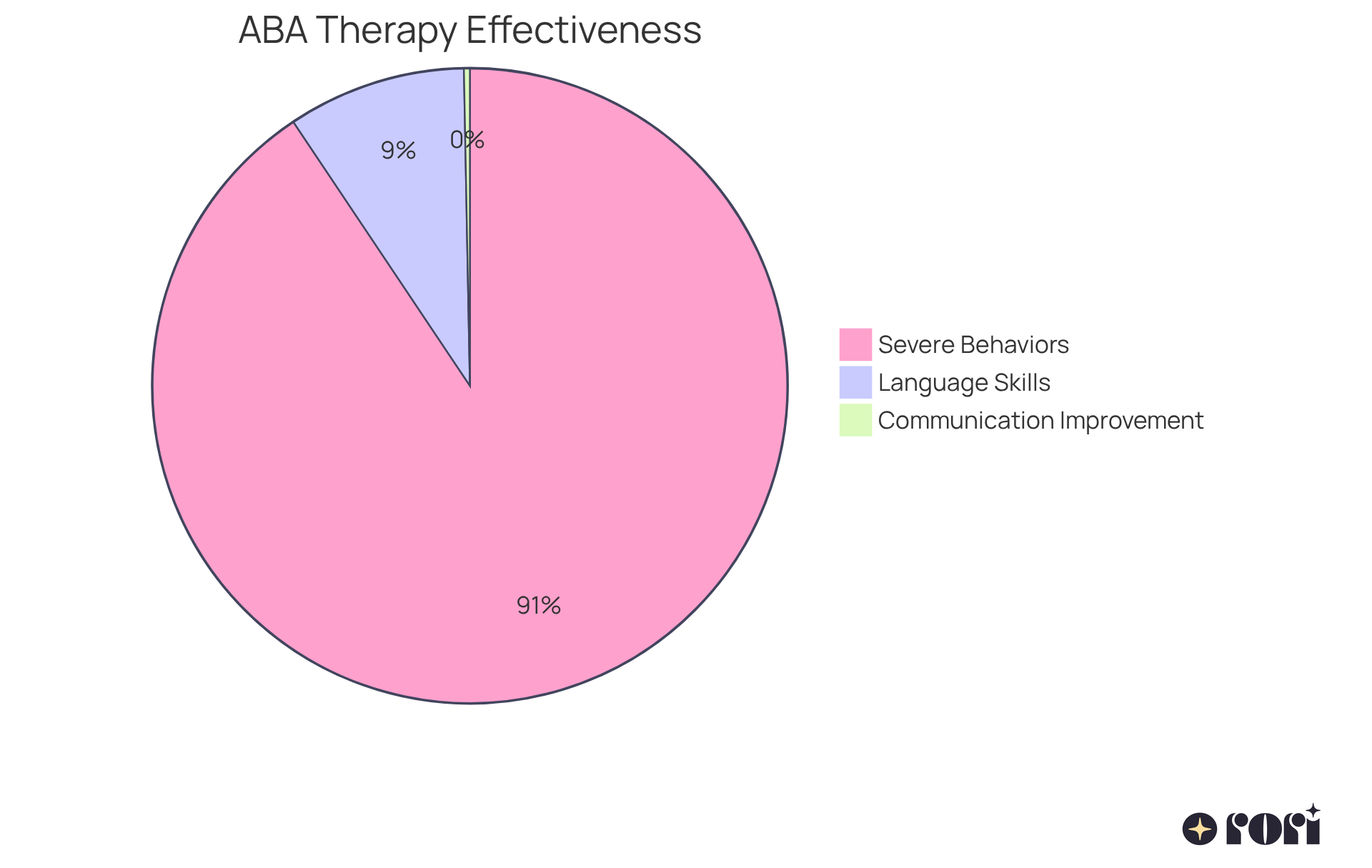
Did you know that studies show kids receiving intensive ABA interventions can by as much as 90%? Plus, research indicates an impressive average effect size of 9.02 for language skills. And when it comes to communication, ABA interventions have shown significant improvements, with a standardized mean difference of d=0.30.
Ultimately, this innovative approach can and their families, paving the way for a brighter future. As one expert put it, ‘ is a systematic, evidence-based approach that uses careful measurement and analysis of behavior to guide intervention decisions.’
Let’s explore this together! We’re here to !
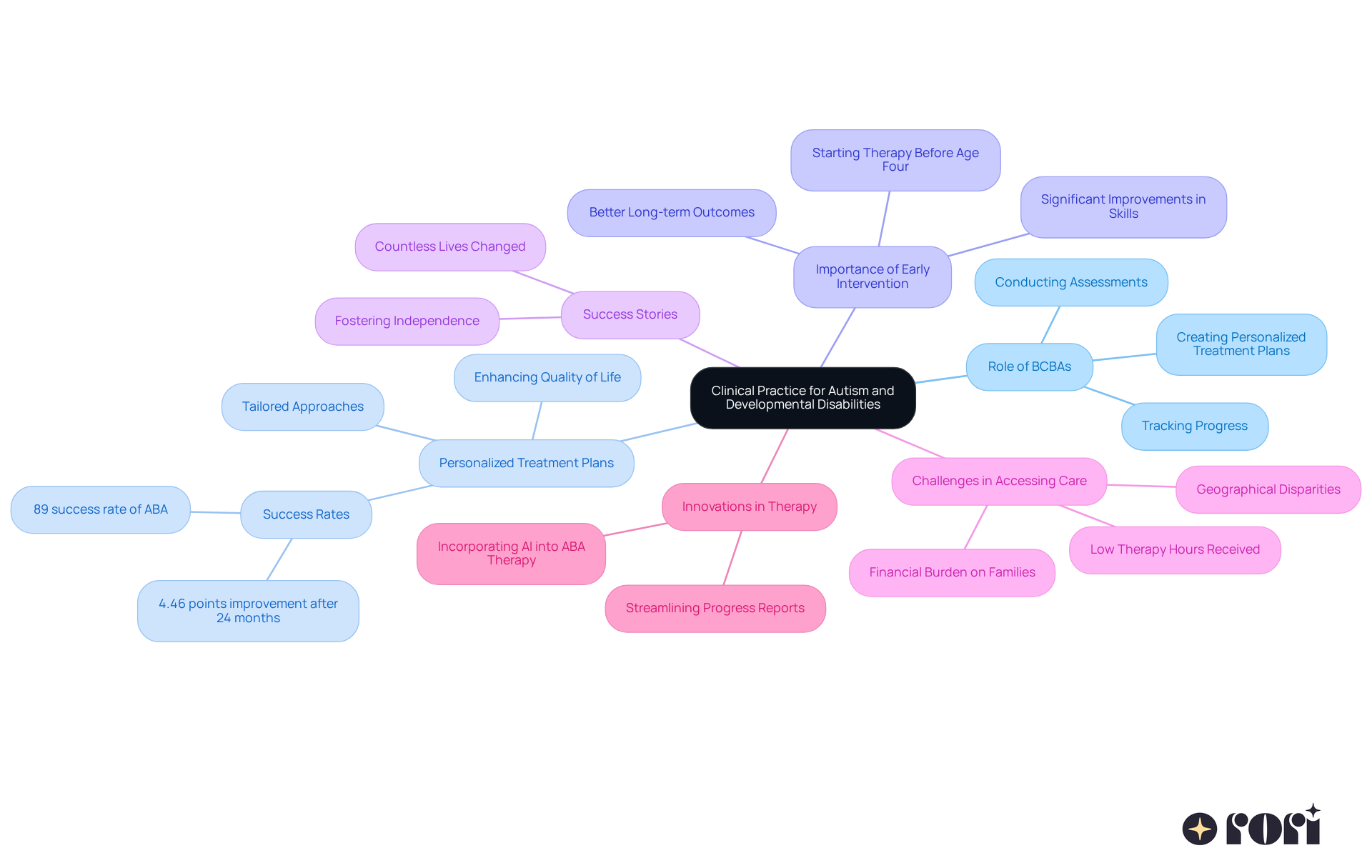
Clinical Practice: Supporting Individuals with Autism and Developmental Disabilities
Board Certified Behavior Analysts (BCBAs) play a vital role in clinical practice, focusing on creating for individuals with autism and other developmental disabilities. By conducting thorough assessments, they gather important data to track progress and adjust interventions as needed. This not only helps clients achieve their specific goals but also greatly improves their quality of life by encouraging .
Did you know that kids who start therapy before age four tend to have better long-term outcomes? can lead to and adaptive behavior. There are countless success stories of how BCBAs have changed lives by , ultimately .
Interestingly, individuals with lower initial adaptive levels have shown an average improvement of 4.46 points in their Adaptive Behavior Composite score after 24 months of intensive ABA intervention. However, it’s crucial to recognize that only 15% of insured youths referred for ABA-based behavioral health care received 80% or more of the recommended therapy hours. This highlights the they need.
As specialists emphasize, early identification and intervention are key to . At Rori Care, we’re excited to incorporate , which boosts treatment efficiency and allows for 50% more time dedicated to direct patient care. This innovation not only streamlines the creation of progress reports but also equips caregivers with the knowledge and strategies they need to effectively support their children’s behavioral goals.
Ready to explore how personalized ABA therapy can make a difference for your child? Let’s schedule an immediate consultation and take the first step together!
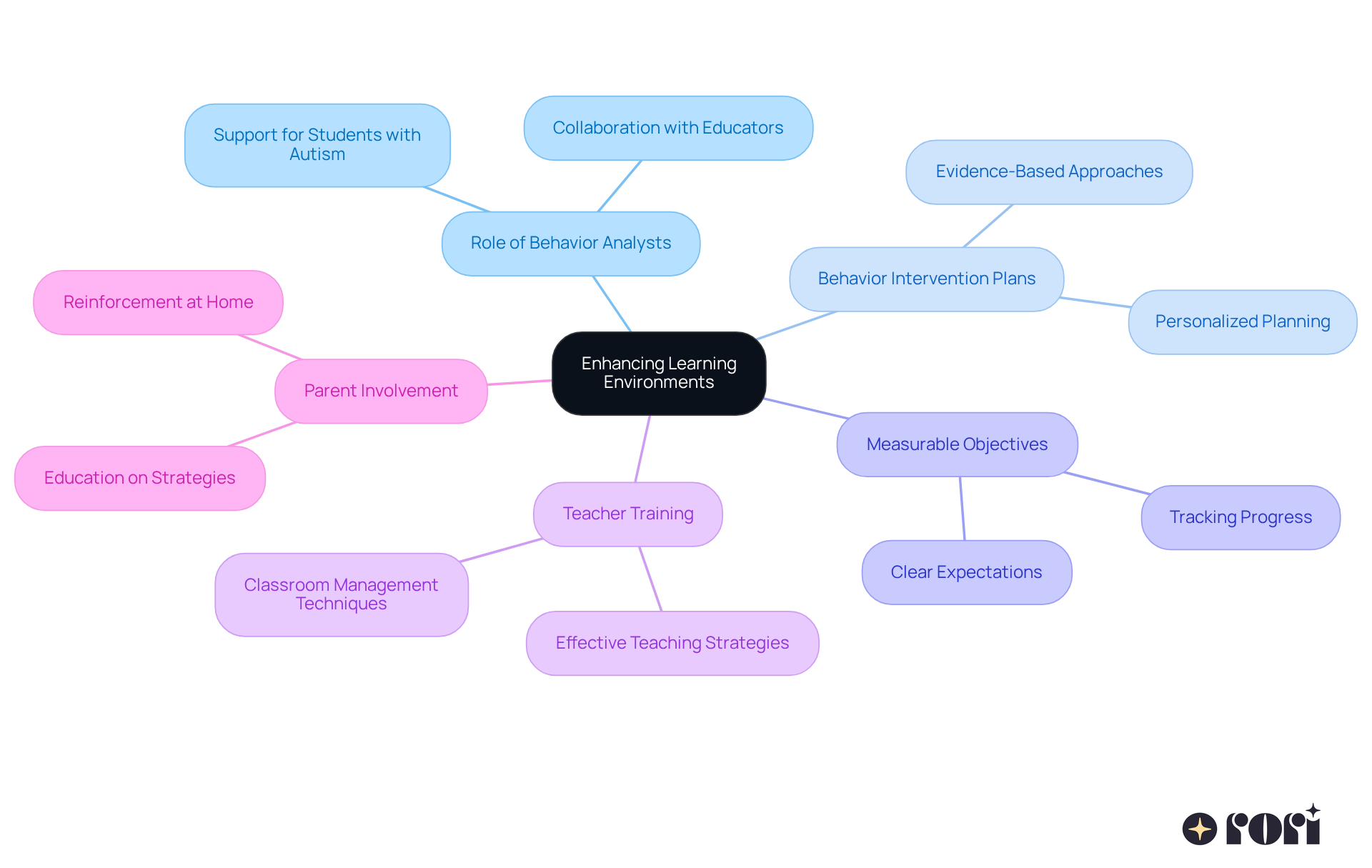
Education: Enhancing Learning Environments in Schools and Special Education
In educational environments, play a vital role in supporting students with autism. They work closely with teachers and school staff to craft effective that are tailored to each student’s unique needs. By using evidence-based approaches and personalized planning, they ensure that every behavioral plan addresses the distinct strengths and challenges of the individual.
Establishing clear, measurable objectives is key. This transparency helps both educators and parents track progress, making it easier to celebrate successes along the way! Behavior analysts also provide essential training on and classroom management techniques, creating a more inclusive learning environment.
As Kathy Perez wisely noted, ‘Empathy can help students become more aware of how their words and actions affect others.’ This highlights the importance of understanding students’ experiences. By focusing on encouraging , for individuals with developmental disabilities.
Research shows that ‘ early is more effective than implementing consequences after difficult behaviors occur.’ This proactive approach is what practitioners strive for! Their expertise ensures that interventions are not only effective but also supportive, leading to better academic outcomes and social interactions.
. When families are educated about at home, it enhances support and informed decision-making for their child’s development. So, let’s explore this together! We’re here to help you every step of the way!
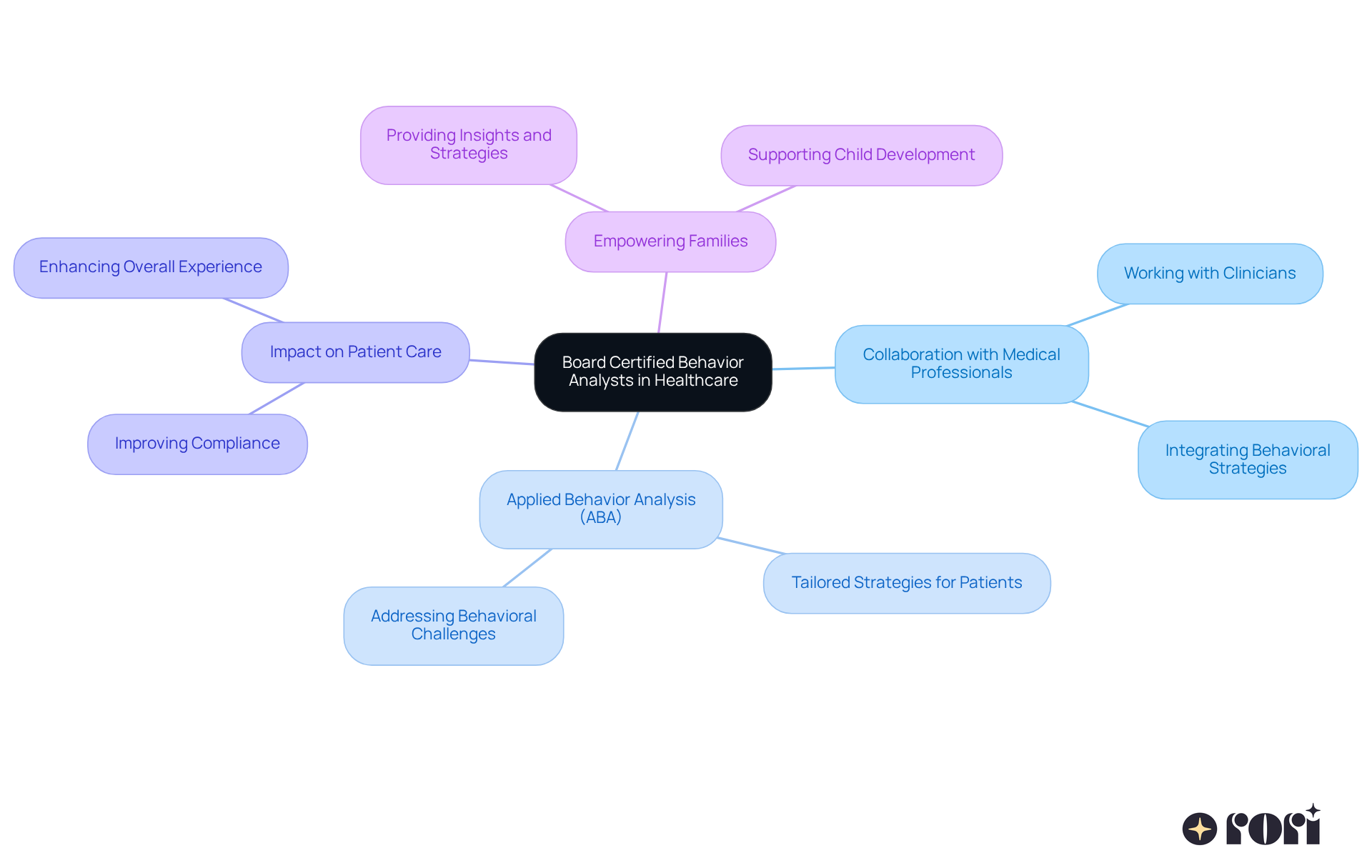
Healthcare: Advancing Patient Care in Hospitals and Rehabilitation Centers
are becoming increasingly recognized in healthcare settings, working hand in hand with medical professionals to address the that patients often face. At Rori Care, our dedicated clinicians provide compassionate support, helping families navigate their unique journeys. These specialists develop tailored strategies to ease anxiety, , and enhance overall patient care.
By weaving , Board Certified Behavior Analysts play a vital role in crafting more . This leads to for individuals with autism and other developmental disabilities. As the demand for behavioral strategies in hospitals continues to rise, these experts are key in shaping patient care protocols that balance both behavioral and medical needs.
Their knowledge not only encourages compliance but also enriches the overall experience for patients, ensuring that care remains both . As industry experts highlight, the growing acknowledgment of ABA’s effectiveness is essential for parents searching for . It empowers them with the insights and strategies they need to . Let’s explore this together!
Organizational Behavior Management: Consulting in the Corporate Sector
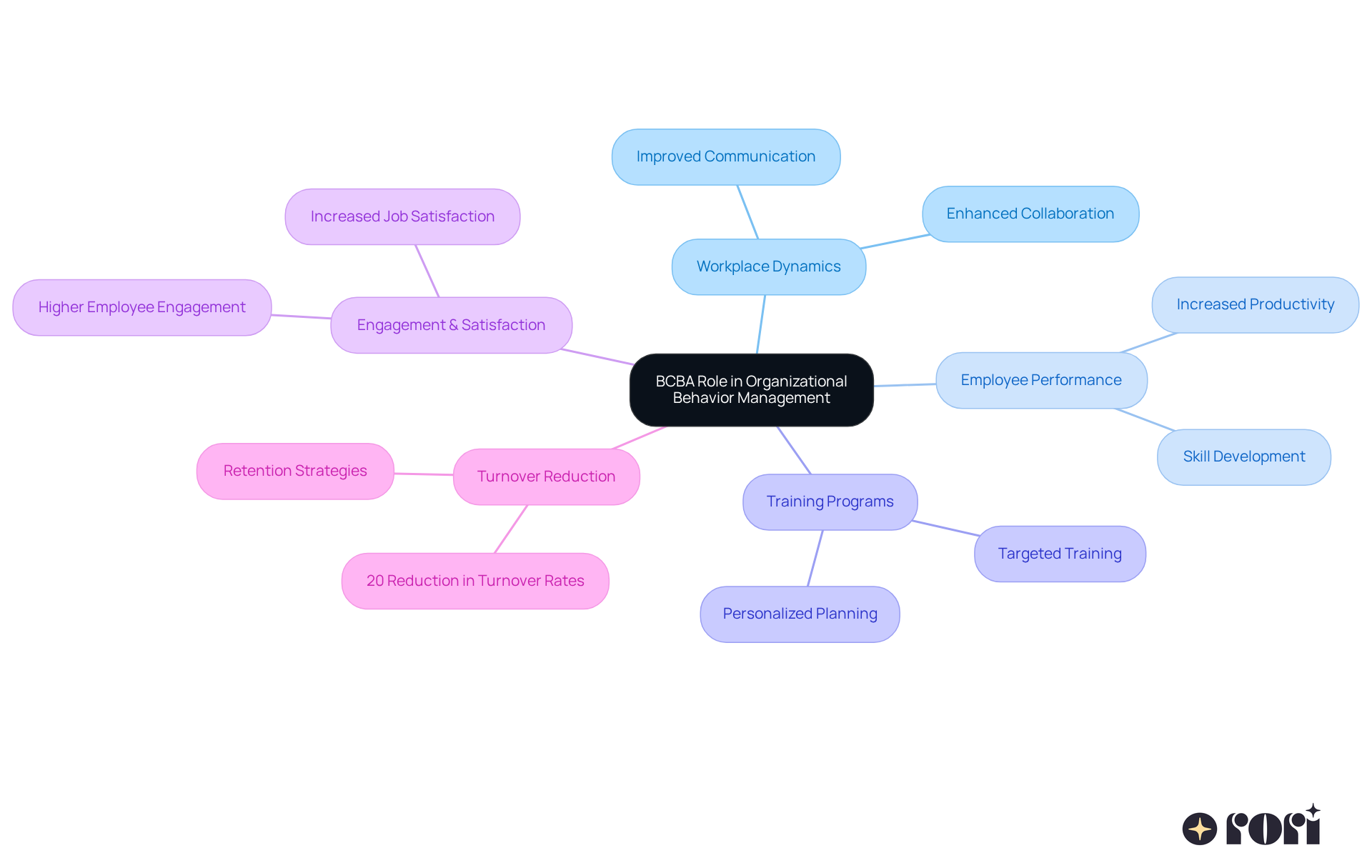
play a pivotal role in organizational behavior management, using to enhance workplace dynamics and boost . By conducting thorough assessments and implementing targeted training programs, behavior analysts help organizations create a positive work environment. This is essential for increasing productivity and reducing employee turnover.
For instance, companies that have embraced ABA strategies often see a significant rise in employee engagement and satisfaction. In fact, this can lead to a 20% reduction in turnover rates! Isn’t that impressive? This consulting role not only highlights the flexibility of behavior analysts but also showcases to drive meaningful change across various professional settings.
Success stories are everywhere, with organizations reporting improved communication and collaboration among teams. This ultimately leads to better overall performance. As the need for effective workplace solutions continues to grow, it is important to understand where can a BCBA work, as their expertise in applying behavioral principles is becoming even more valuable in corporate environments.
By employing , behavior analysts can tailor their strategies to fit the unique needs of each organization. Plus, ensure that interventions are truly effective. And let’s not forget the exciting integration of AI-driven progress report automation! This not only streamlines data collection but also frees up 50% more time for . How amazing is that? It really enhances the impact of ABA principles in the workplace. Let’s explore this together!
Research and Academia: Contributing to the Field of Behavior Analysis
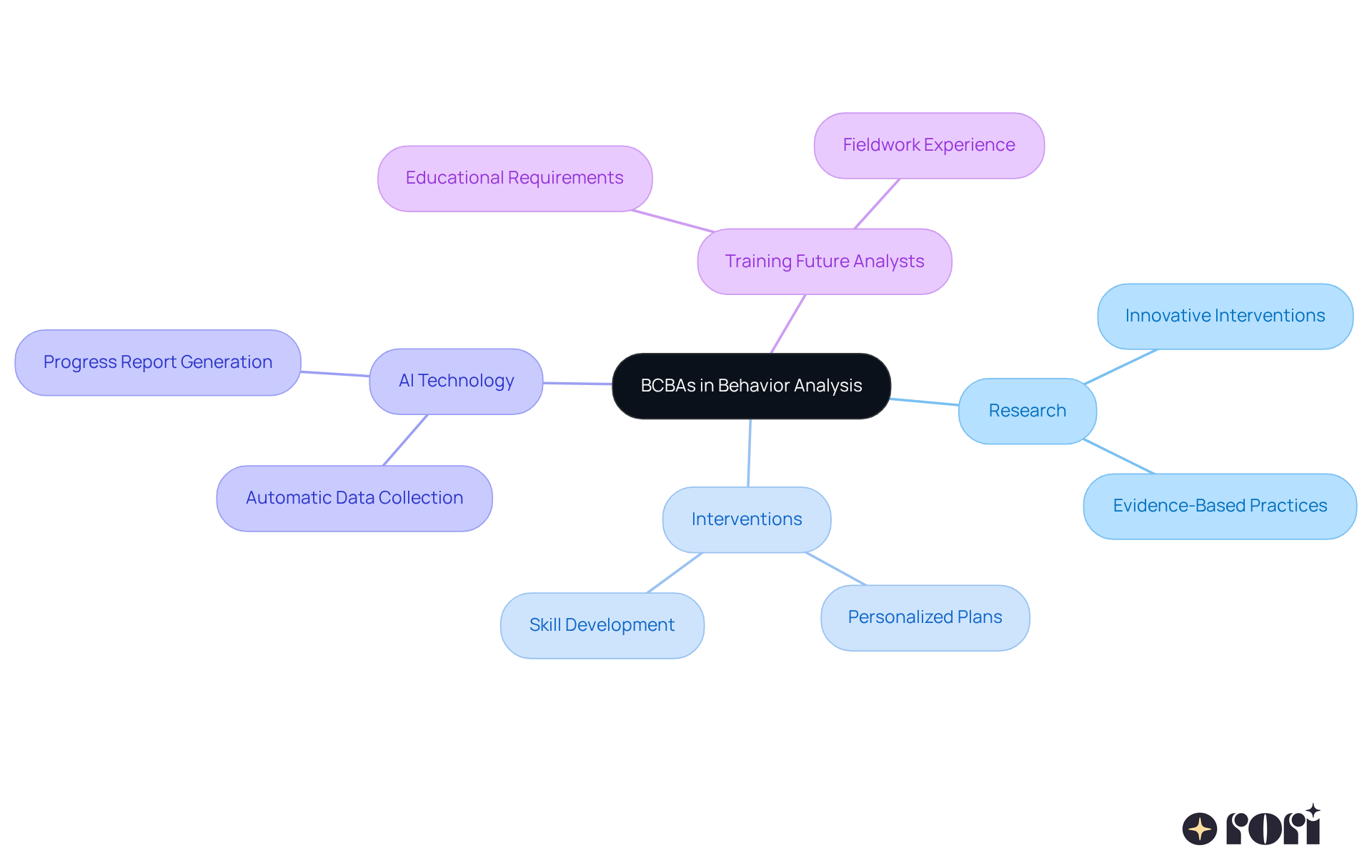
play a vital role in the world of behavior analysis, actively engaging in research and academia. They dive into and share their findings, which serve as the foundation for best practices in autism care. By crafting and , BCBAs ensure that interventions are tailored to meet the unique needs of each individual. Their dedication to continuously evaluating and adjusting these plans is key to fostering and .
Plus, the integration of makes things even more exciting! It allows for automatic data collection and progress report generation, freeing up 50% more time for direct care. This efficiency not only enhances the quality of care but also and strategies. They can actively support their children’s behavioral goals through informed decision-making and effective data collection.
By training future behavior analysts and conducting thorough studies, these professionals are essential in expanding our understanding of autism and fine-tuning effective intervention strategies. Their research ensures that interventions are not just evidence-based but also continually evolving to meet the needs of individuals with autism. This commitment to is crucial, as it leads to successful interventions that enhance communication, social skills, and overall quality of life for children with autism. The ongoing advancements in behavior analysis research in 2025 highlight the importance of board-certified behavior analysts in shaping the future of autism treatment. Let’s explore this together!
Public Policy and Advocacy: Shaping the Future of Applied Behavior Analysis
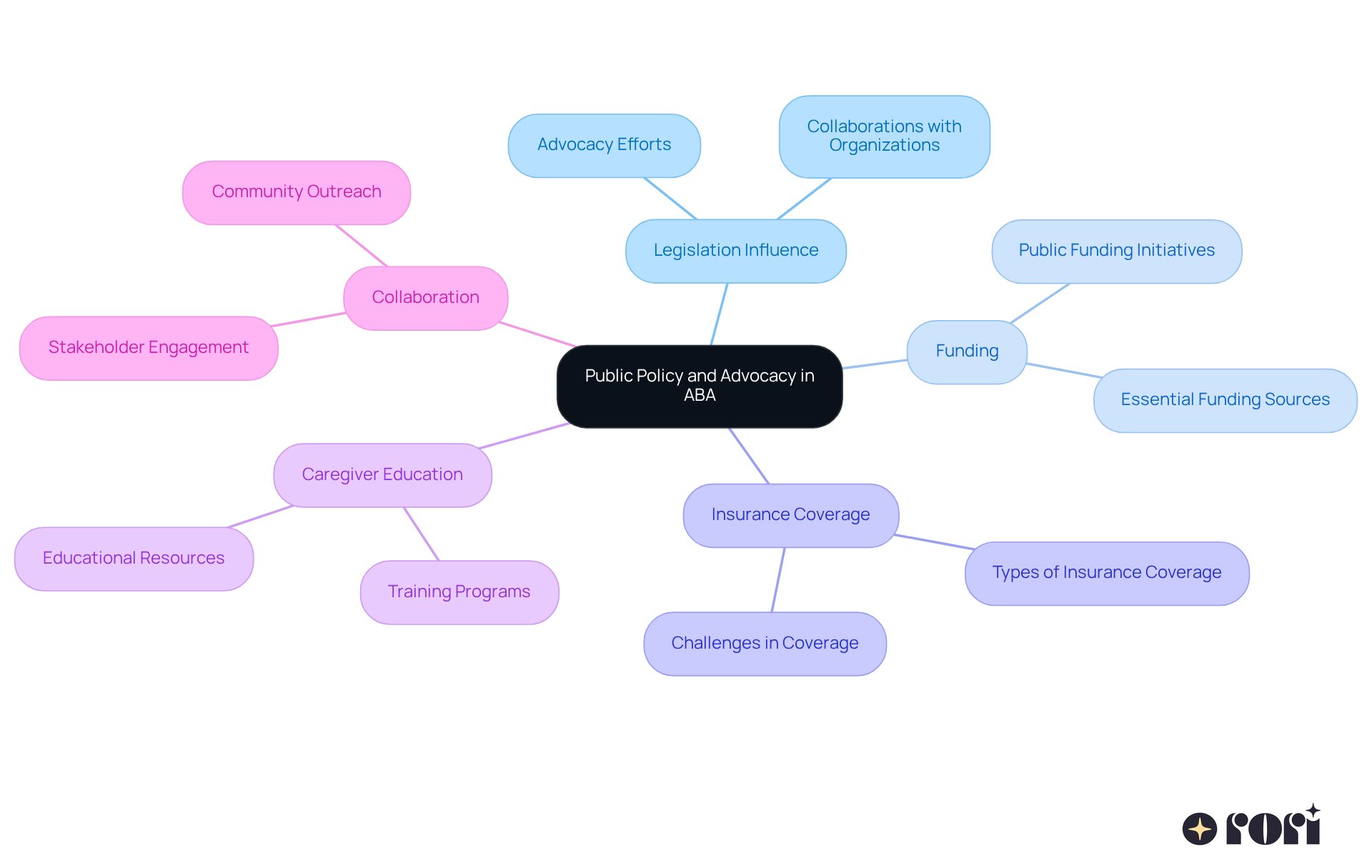
are truly making a difference in public policy and advocacy! They’re actively working to influence legislation that affects , which is so important for families. By teaming up with various organizations and stakeholders, they’re advocating for , and the rights of individuals with autism. This advocacy is vital in making sure that effective are available to those who need them.
Recently, there’s been a push to expand access to , showing a growing recognition of its importance in supporting individuals with autism. Through these , behavior analysts are enhancing the availability of services and . It’s all about guiding families on the payment options available, including insurance-covered therapy that can cover up to 100% of ABA treatment. This assistance helps families overcome .
And let’s not forget the role of caregivers! When they are empowered through and strategies, it significantly enhances behavioral outcomes for children. This creates a collaborative environment that promotes effective and lasting progress. We’re here to help you every step of the way! Let’s explore this together!
Private Practice: Establishing Your Own ABA Business
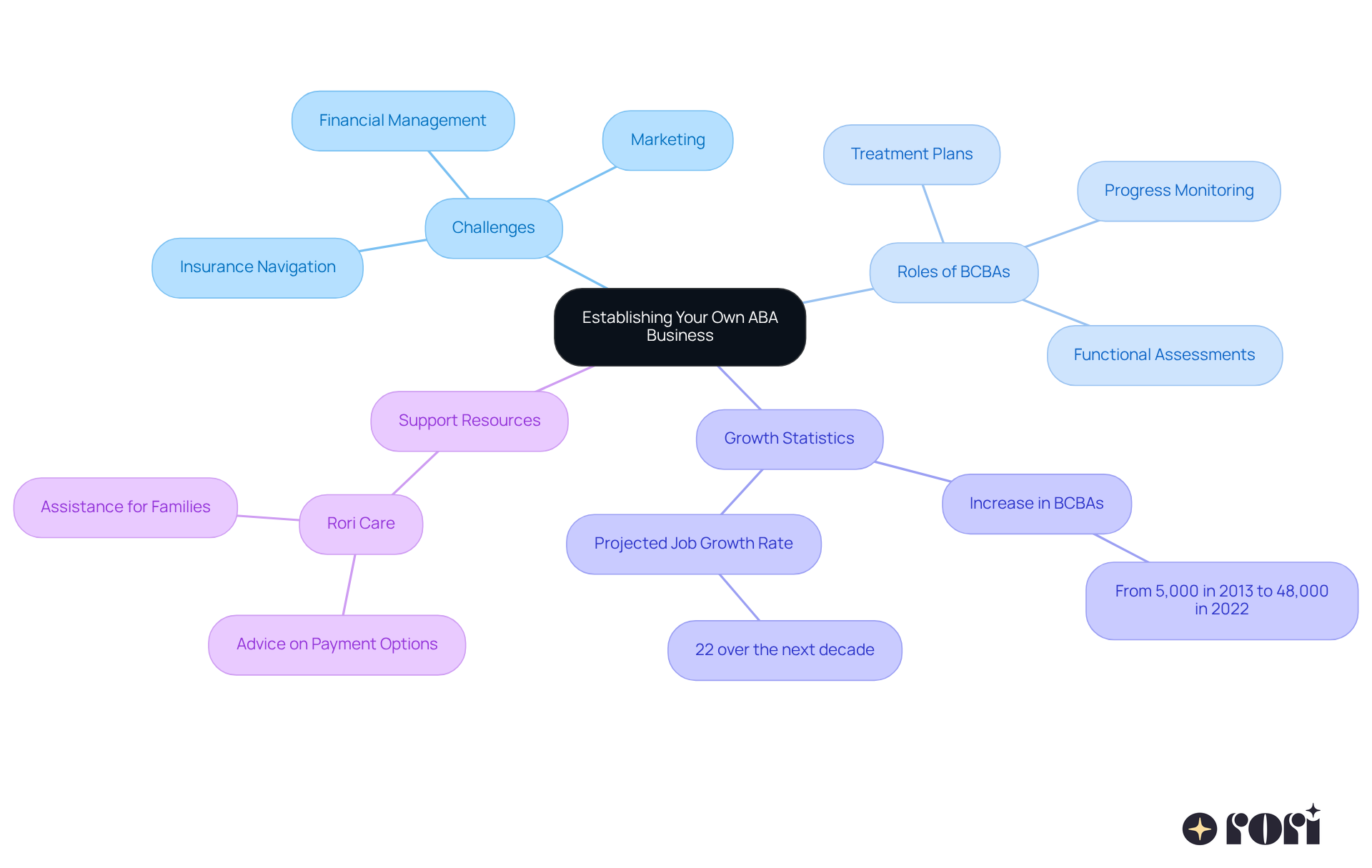
Establishing a is a popular choice for many , as it represents one of the places where a BCBA can work to provide directly to clients. This entrepreneurial path offers flexibility in service delivery and the opportunity to create a tailored just for individual needs. However, launching a private practice comes with its own set of challenges. Behavior analysts need to manage finances wisely, market their services effectively, and navigate the complexities of insurance reimbursement—these are crucial for building a successful practice.
Rori Care is here to help with advice on available payment options, assisting families in covering up to 100% of . This support is vital for making these essential services more attainable. Additionally, behavior analysts play a key role in conducting , designing , and monitoring progress—these are all essential aspects of their work. Did you know that significant progress is observed in 90% of children when recommended hours are fully implemented with active caregiver involvement?
The demand for personalized ABA services has increased, raising the question of where a BCBA can work! from 5,000 in 2013 to 48,000 in 2022. Plus, , indicating where a BCBA can work, is , reflecting a robust market for specialized care. As behavior analysts step into private practice, they can utilize their expertise to develop effective interventions that greatly enhance the lives of individuals with autism spectrum disorder (ASD) and other behavioral challenges.
By leveraging advanced tools like Rori’s behavior care engine, which automates progress report generation, behavior analysts can boost therapy efficiency, freeing up 50% more time for child treatment. Collaboration with families and other professionals is also key—it enhances the effectiveness of interventions and supports the overall well-being of clients. Let’s explore this together! We’re here to help you every step of the way!
Job Outlook: Exploring the Future Opportunities for BCBAs
The job outlook for is looking really bright! With a over the next decade, there’s a lot to be excited about. This growth is mainly driven by the increasing demand for (ABA) services, thanks to a greater awareness of . Can you believe that the by an incredible 1,942% from 2010 to 2018? That really shows how strong the market need is! As of 2023, there are over 65,000 , which highlights and the vast opportunities waiting for you in this field.
Behavioral analysts can look forward to finding rewarding roles in various settings, which raises the question of where can a BCBA work, including:
- Schools
- Healthcare facilities
- Private practices
The adult services sector is particularly booming, with a remarkable growth rate of 28-32% annually. That means even more job opportunities are on the horizon! Plus, the is projected to grow impressively at a rate of 25-30% each year, providing behavior analysts with innovative ways to deliver care.
As the world of evolves, the need for qualified professionals is expected to stay strong. It’s truly an exciting time to dive into a career in behavior analysis! With the ongoing , certified behavior analysts are in a fantastic position to make a real difference in people’s lives and contribute positively to their communities. Let’s explore this together!

Diverse Roles: Understanding the Versatility of BCBA Career Paths
Board Certified Behavior Analysts (BCBAs) have a fantastic array of , raising the question of across various sectors such as clinical practice, education, research, and . This versatility means you can explore where can a BCBA work that truly resonates with your personal interests and strengths—whether you love direct client interaction, teaching, or diving into organizational consulting.
For example, in clinical settings, BCBAs work closely with , implementing that can make a real difference. In schools, they create programs that help and , making learning more accessible and enjoyable. And in the corporate world, their expertise can transform workplace dynamics and improve employee training programs.
This adaptability not only boosts job satisfaction but also makes in today’s competitive job market. With the over the next decade, professionals in this field should consider where can a BCBA work to find fulfilling opportunities that align with their unique skills and passions. Let’s explore this together and see how a career in behavior analysis might be the perfect fit for you!

Conclusion
The transformative impact of Board Certified Behavior Analysts (BCBAs) is truly remarkable, showcasing the diverse opportunities available in various sectors. Whether in clinical practice, education, healthcare, or corporate consulting, BCBAs play a vital role in enhancing the lives of individuals with autism and other developmental disabilities. Their knack for creating personalized interventions and using data-driven strategies not only boosts individual outcomes but also nurtures greater independence and social integration.
Throughout this article, we’ve uncovered key insights about the effectiveness of ABA therapy in different settings. For example, early intervention can lead to significant improvements in communication and adaptive behaviors. Plus, integrating advanced technology helps streamline care processes, allowing more time for meaningful engagement with clients. And let’s not forget, the growing demand for BCBAs—projected to increase by 22% over the next decade—highlights the importance of their work in shaping future opportunities and advancing practices in the field.
As the landscape of behavior analysis continues to change, the call to action for aspiring BCBAs is clear: let’s explore the various roles available and think about how you can leverage your skills to make a meaningful difference. Whether you’re drawn to private practice, educational institutions, or healthcare settings, the potential to transform lives through effective behavioral interventions is immense! Embracing this journey not only enriches your personal career path but also significantly contributes to the well-being of individuals and families who need support. We’re here to help you every step of the way!
Frequently Asked Questions
What is Rori Care’s approach to ABA therapy?
Rori Care employs a data-driven strategy to tailor each care plan to meet the unique needs of every child, utilizing advanced technology for automated data collection and analytics to inform interventions.
How does Rori Care enhance the efficiency of ABA therapy?
Rori Care’s behavior care engine automates progress report creation and securely stores data, allowing caregivers to focus 50% more time on direct youth care.
What are the benefits of intensive ABA interventions for children with autism?
Studies show that intensive ABA interventions can reduce severe behaviors by up to 90% and improve language skills significantly, with an average effect size of 9.02.
What role do Board Certified Behavior Analysts (BCBAs) play in clinical practice?
BCBAs create personalized treatment plans for individuals with autism and developmental disabilities, conducting assessments to track progress and adjust interventions accordingly.
Why is early intervention important for children with autism?
Early intervention, particularly before age four, tends to lead to better long-term outcomes, including significant improvements in communication skills and adaptive behavior.
What challenges do families face regarding access to ABA therapy?
Only 15% of insured youths referred for ABA-based behavioral health care receive 80% or more of the recommended therapy hours, indicating accessibility challenges.
How do behavior analysts support educational environments for students with autism?
Behavior analysts collaborate with teachers to develop tailored behavior intervention plans, establish clear objectives, and provide training on effective teaching strategies and classroom management.
What is the importance of involving parents in the ABA therapy process?
Educating families about strategies to reinforce interventions at home enhances support and informed decision-making for their child’s development.