

Introduction
Understanding the intricacies of randomized trials is crucial in the world of Applied Behavior Analysis (ABA) therapy. Here, tailored interventions can make a real difference for children with developmental disorders. 🌟 Let’s explore the nine essential steps for effectively rotating trials together! By doing so, you’ll see how to implement strategies that ensure interventions are not just personalized, but also supported by solid evidence.
But here’s the challenge: how can clinicians navigate the complexities of randomization and bias to achieve the most reliable results? This article will delve into the core principles and practical steps necessary for optimizing randomized trials in ABA therapy. Together, we can pave the way for improved care and outcomes!
Rori Care – ABA Therapy: Implementing Randomized Trials for Effective Treatment
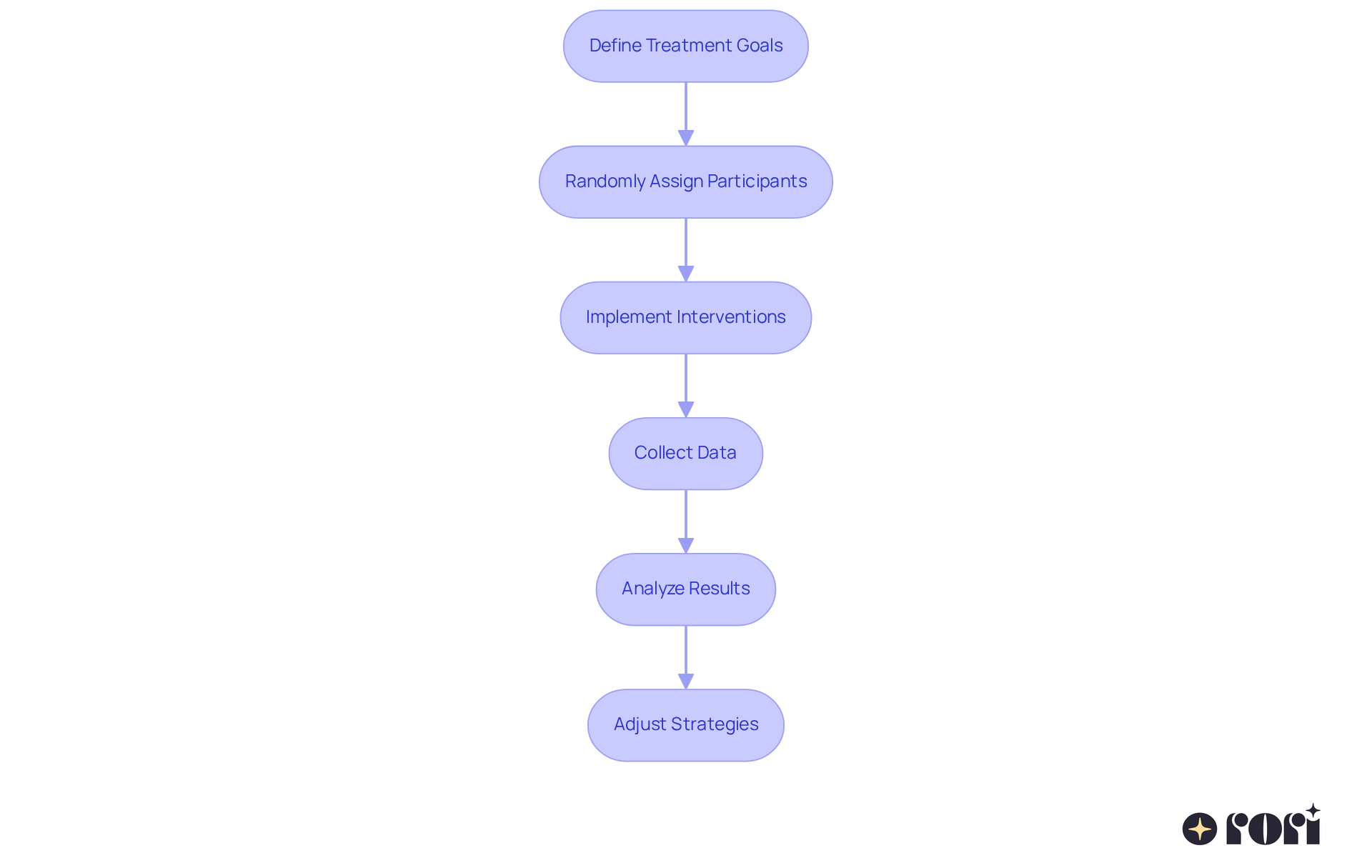
In order to , what must a learner have done first in implementing randomized trials in ABA therapy to rigorously assess how effective different interventions can be? In order to , what must a learner have done first when clinicians randomly assign youngsters to various intervention groups to gather ? This approach not only personalizes care but also ensures that interventions are backed by strong evidence. Did you know that studies show in enhancing various developmental aspects for youngsters with developmental disorders, such as communication and social skills?
Moreover, , leading to that cater to each individual’s unique needs; in order to , what must a learner have done first? Clinicians have noticed that significantly improve care outcomes, reinforcing the importance of in autism support. And here’s something exciting: by integrating with advanced AI, Rori Care boosts efficiency by automating progress report creation, freeing up 50% more time for treatment!
Continuous assessment and adjustment of personalized plans ensure responsiveness to each individual’s evolving needs. Ultimately, the impact of randomized studies goes beyond immediate behavioral improvements; it promotes and autonomy in individuals with autism. Let’s explore this journey together and see how these methods can make a difference!
Understand Randomization: Core Principles for Trial Rotation
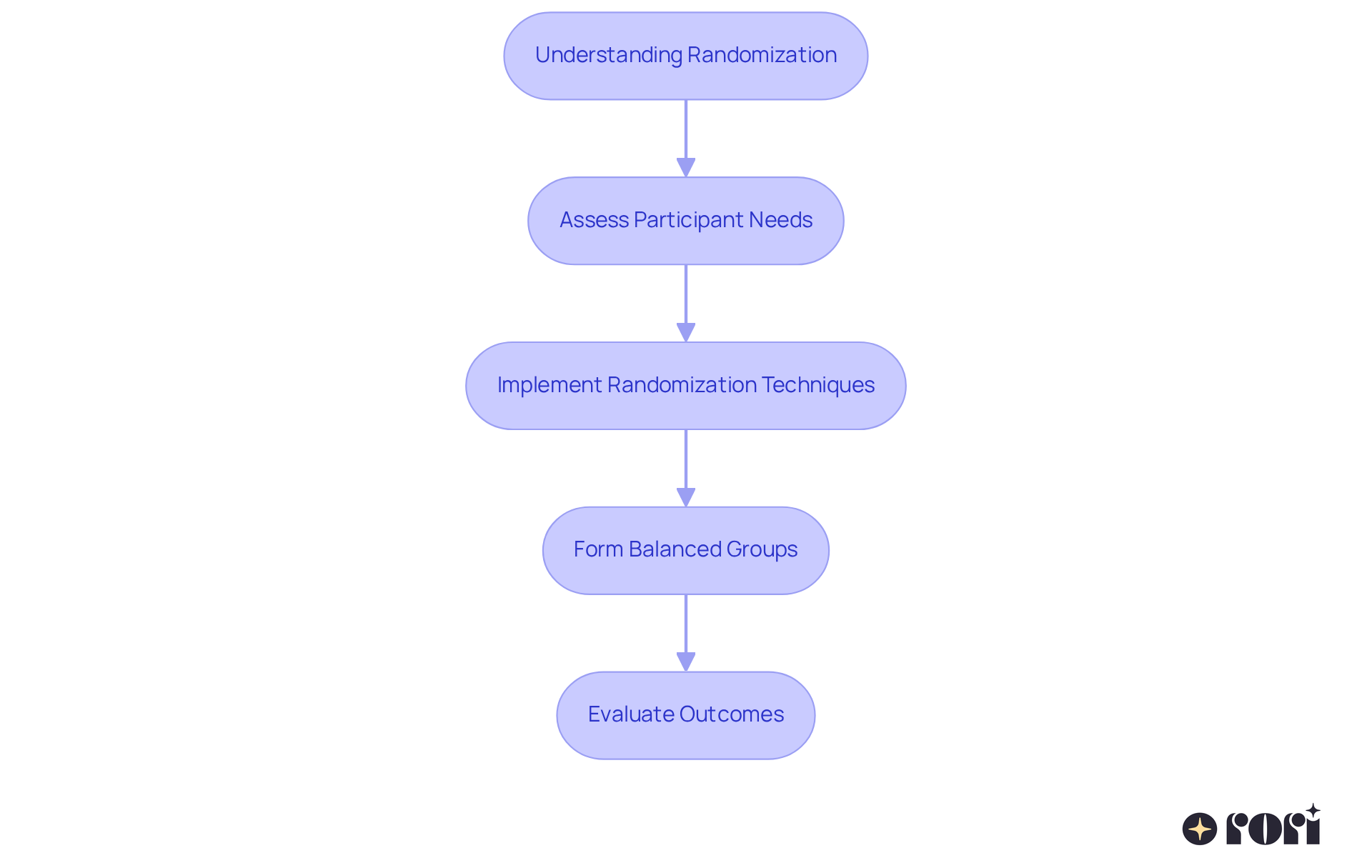
Randomization is a key player in clinical trials, giving each participant a fair shot at being placed in any intervention group. This important step helps reduce , making the results more applicable to real-world situations. In the world of , which tailors to each person’s unique needs by tapping into the science of learning and behavior, clinicians must understand in order to randomly rotate trials, what must a learner have done first. It helps them create that truly reflect the diverse populations they support.
This balance is super important when evaluating how are, leading to better outcomes for youth with . However, recent studies show that remains a significant challenge in clinical research. Research highlights that poor randomization can skew results and make conclusions less reliable. By employing effective —like (PBD) or stratified randomization— research can achieve more valid and . This progress is vital for enhancing intervention strategies, especially in (EIBI), which plays a crucial role in boosting learning, verbal, and social skills for children with autism. Let’s explore this together!
Identify Bias: Strategies to Minimize Influence in Trials
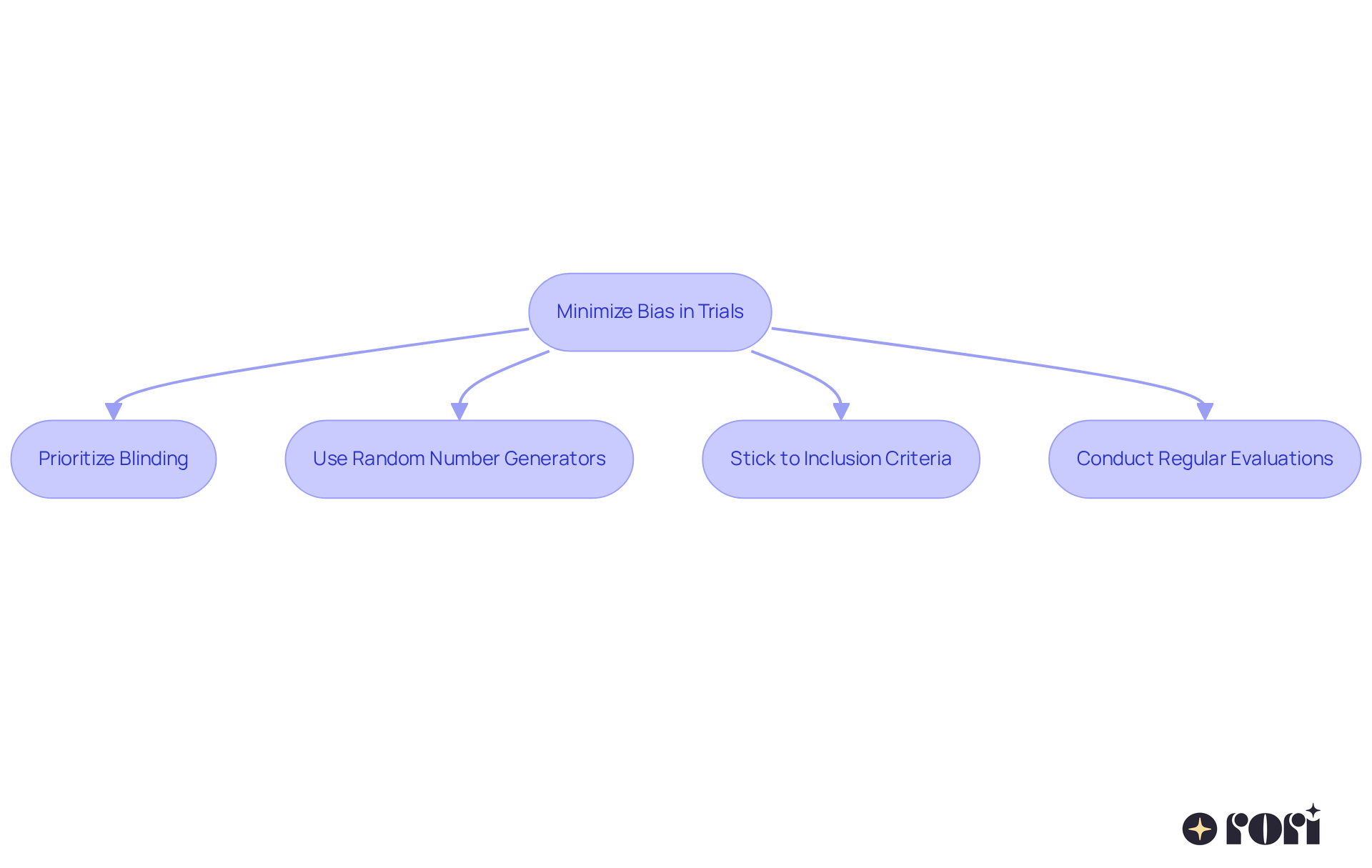
To effectively reduce bias in , it’s important for clinicians to prioritize to intervention assignments. This practice is essential because it helps prevent that can skew results. Using further boosts the integrity of the study, ensuring that treatment assignments are random and unbiased. Plus, sticking to is crucial for maintaining the study’s focus and validity.
Regular evaluations of can help spot and address potential biases early in the research, which strengthens the reliability of the results. Experts agree that blinding isn’t just a procedural formality; it’s a key part of study design that greatly impacts the reliability of outcomes. Recent findings show that studies using strong blinding methods yield more , especially in the area of , where precise evaluation is so important. By implementing these strategies, researchers can enhance the quality of their findings and contribute to more . Let’s explore this together!
Explore Types of Randomized Controlled Trials: A Comprehensive Overview
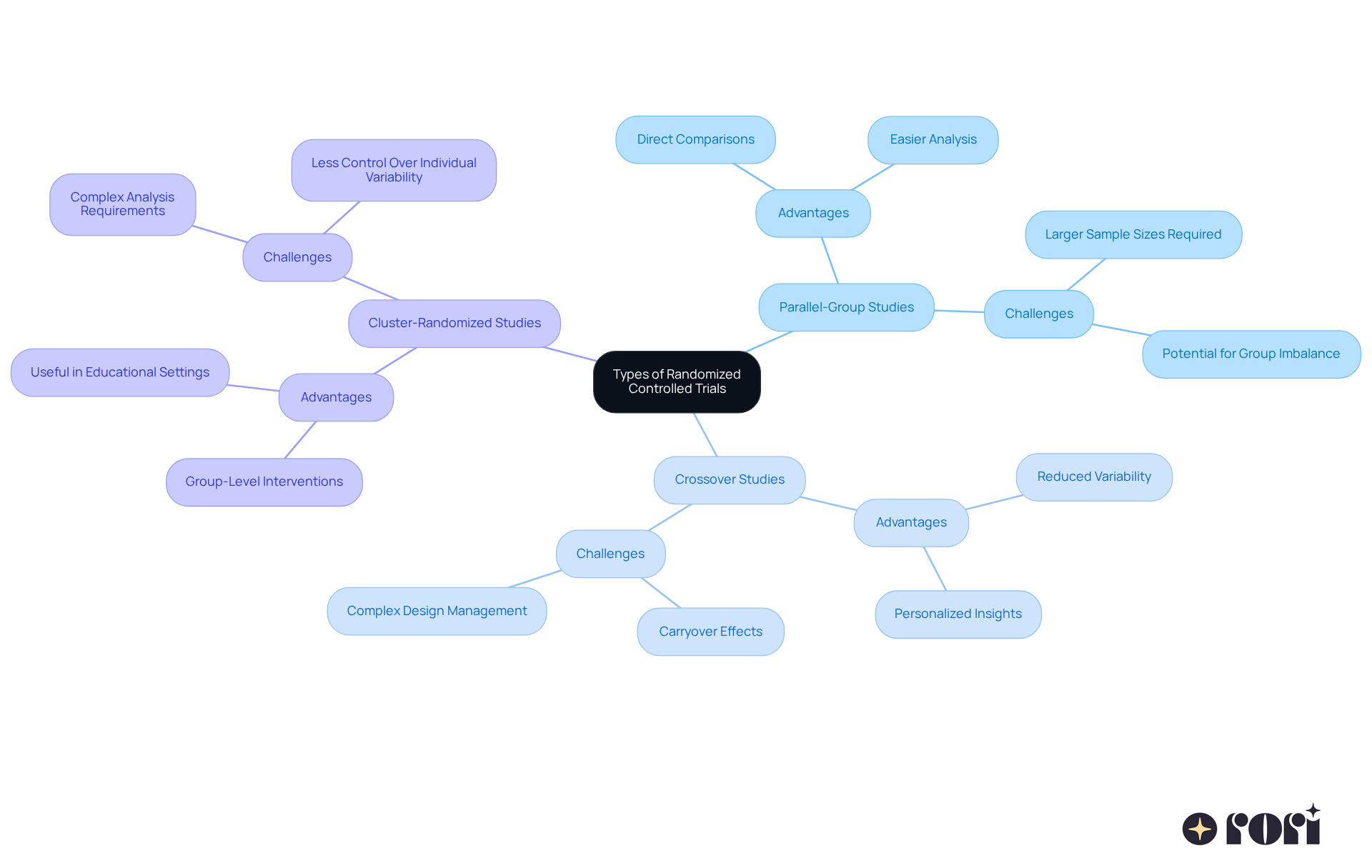
play an essential role in autism research, showcasing various designs like , , and . In , participants are placed into either an intervention or control group, which allows for . On the flip side, enable participants to experience both treatments at different intervals, enhancing our understanding of treatment effects within the same individuals. This design is particularly beneficial in , as it facilitates while accounting for individual differences.
take a different approach by assigning entire groups, such as classrooms, to different interventions. This can be especially useful in educational settings! Each study type comes with its own set of advantages and challenges. For instance, while often yield more reliable data by reducing variability, they can also introduce carryover effects if not properly managed. Meanwhile, are easier to analyze but may require larger sample sizes to achieve statistical significance.
Current findings suggest that crossover studies in can provide more , as they allow for repeated measures within the same subjects. However, it’s important for researchers to thoughtfully consider their design choices based on specific research questions and the nature of the interventions being examined. Understanding these study structures is crucial for healthcare professionals who aim to implement effective, in treating developmental disorders. Let’s explore this together!
Address Ethics: Navigating Moral Considerations in Randomized Trials
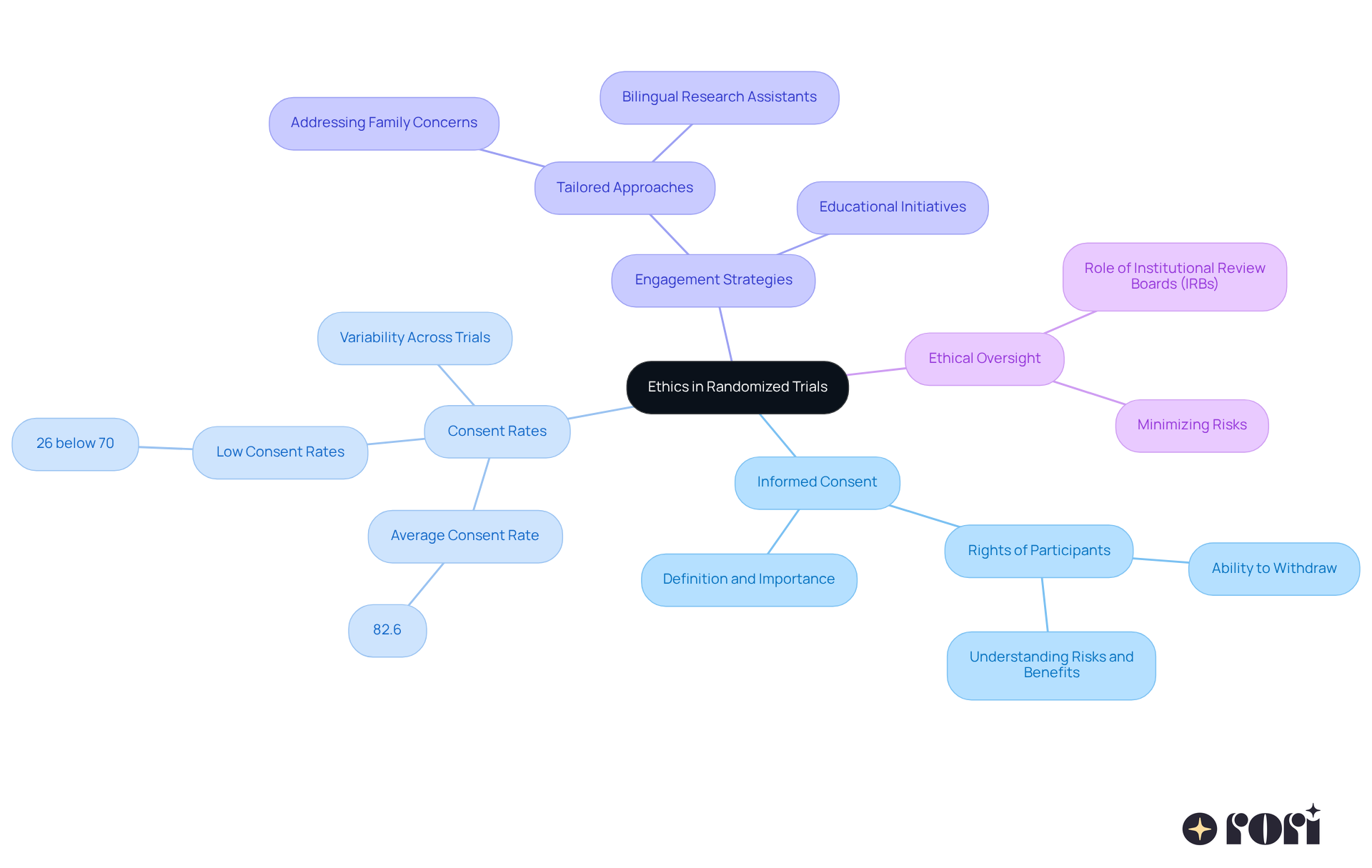
In the realm of randomized studies, it’s super important to follow to protect participants. This all starts with obtaining informed consent. This process ensures that participants are fully aware of their rights, like the ability to withdraw from the study at any time. The importance of informed consent is huge, especially in , where is vital for everyone involved.
Current data shows that can really vary. Some research even reports averages as high as 82.6%! However, around 26% of tests fall below the critical threshold of 70%. This highlights the need for better . For example, in , need to be tailored to address the unique concerns of families, making sure they understand what participation really means.
Experts agree that (IRBs) is key to maintaining these standards. Researchers should think about the potential risks and benefits of participation, working to minimize harm while maximizing positive outcomes. By creating a clear and nurturing atmosphere, researchers can improve the informed consent process. This ultimately leads to more efficient and .
Let’s explore this together! By staying informed and engaged, we can help ensure that everyone involved feels supported and understood.
Follow Reporting Standards: Ensuring Transparency in Trial Results
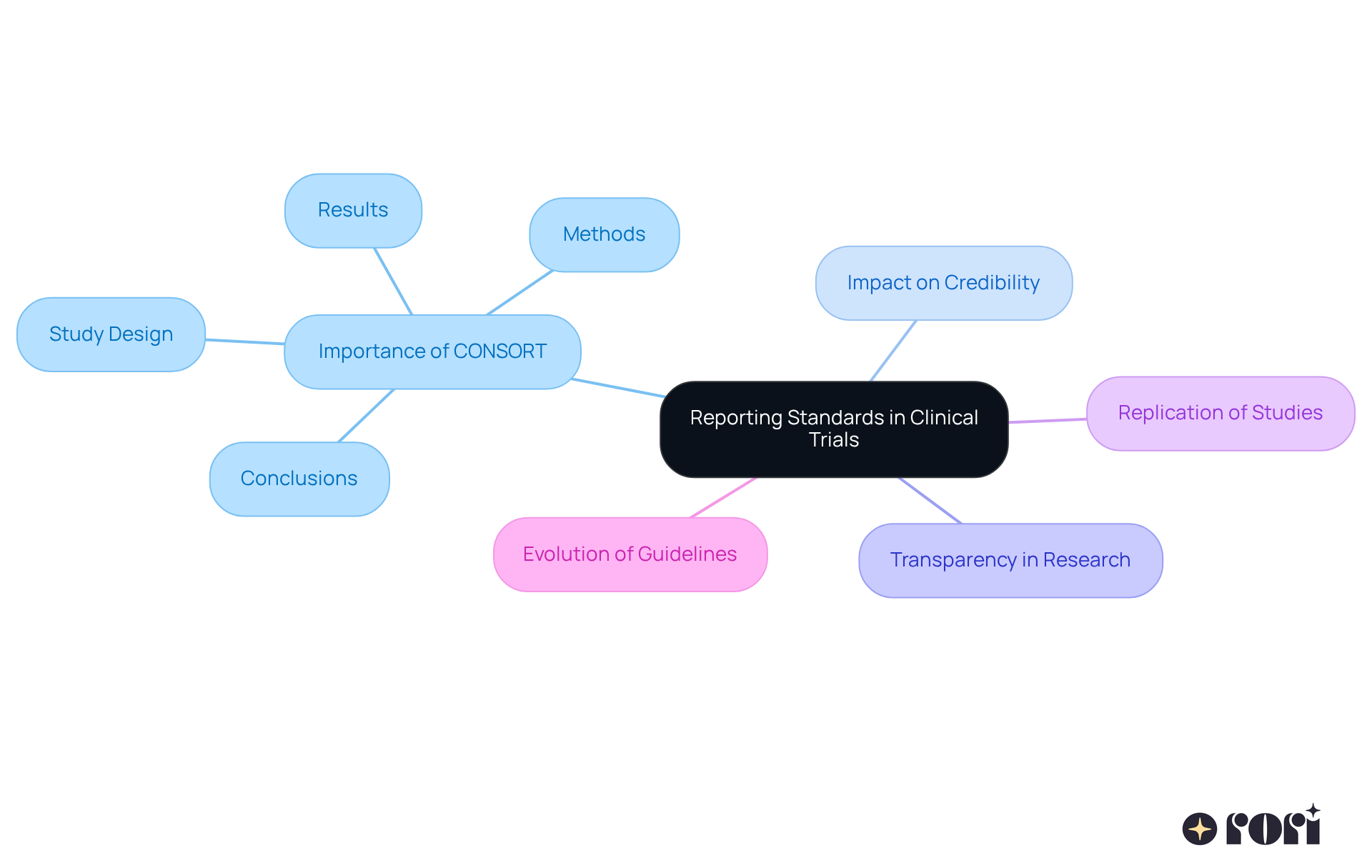
Following established reporting standards, like the , is super important for making sure we’re all on the same page in randomized studies. These guidelines lay out a clear framework for sharing , methods, results, and conclusions, which helps everyone—peers and stakeholders alike—evaluate the research effectively. Did you know that only 39% of registered in ClinicalTrials.gov reported results by early October 2021? Plus, about 4 in every 10 randomized controlled studies included in registries didn’t make it to journal articles even two years after completion. This really highlights the need for better !
The not only boost the credibility of research but also encourage the replication of studies. This is a vital part of enhancing our understanding of care for individuals with . As Douglas G. Altman wisely said, “To interpret an experiment accurately, readers need complete and transparent information on its .” This commitment to openness is particularly crucial when it comes to research about , where accurate reporting can significantly impact and the development of effective strategies.
Additionally, the CONSORT 2025 statement introduces new elements regarding and the evaluation of harms. This shows how to better meet our needs. Let’s explore this together! It’s all about ensuring that we have the best information at hand to support our loved ones.
Utilize Adaptive Designs: Enhancing Flexibility in Trial Methodologies
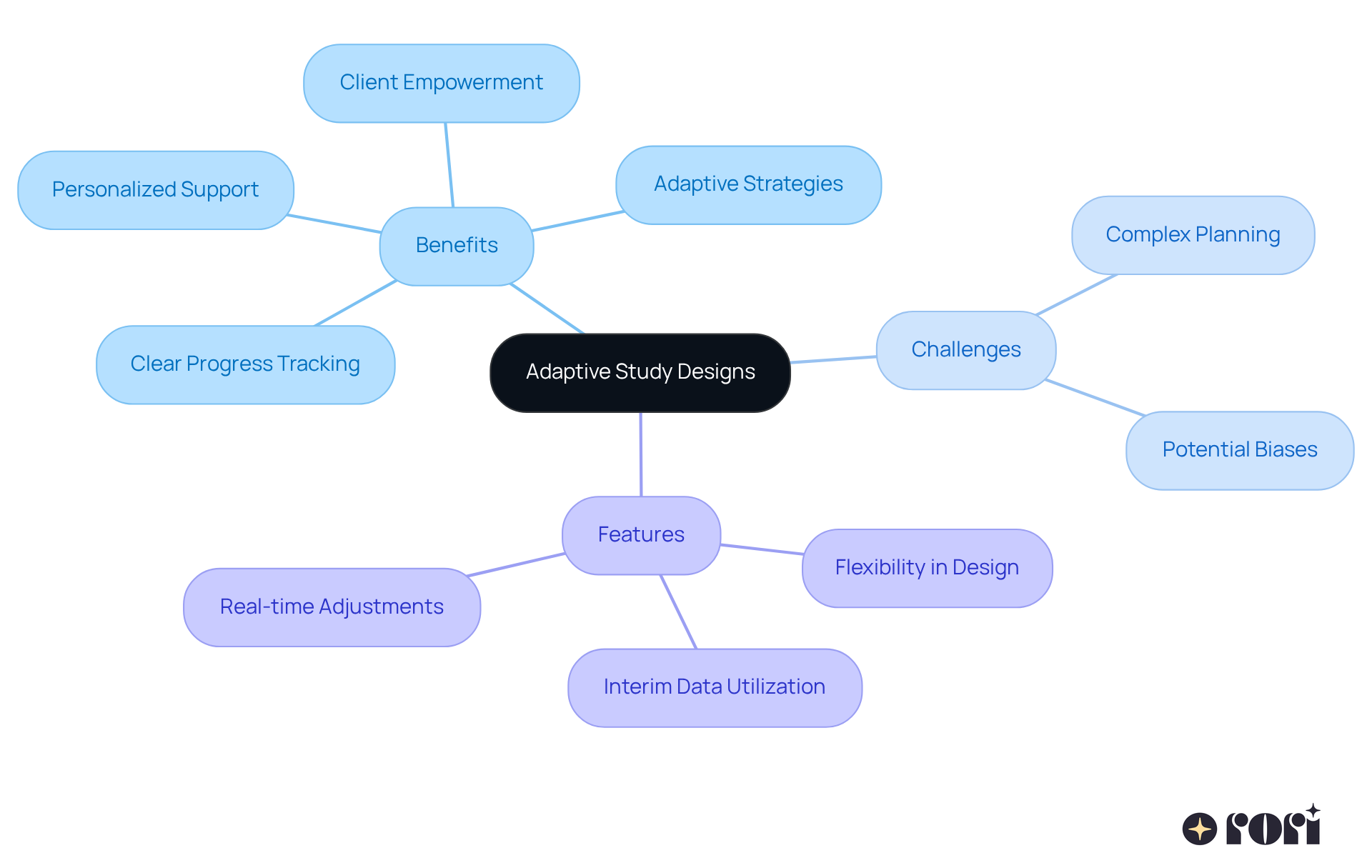
Adaptive study designs are a game-changer for researchers, allowing them to tweak study parameters based on interim results. This . For instance, if early data shows that a certain intervention is particularly effective, researchers can quickly reassign participants to that group. This means we can faster and reduce the time participants spend on less effective options—ultimately benefiting everyone involved! 🌟
Recent findings show that are becoming more common in studies, which reflects a growing recognition of their potential to enhance outcomes. Researchers are excited about the flexibility that adaptive methodologies offer, as they enable more responsive and patient-centered approaches. This leads to . By utilizing , the autism treatment field can deliver quicker and more effective interventions, ensuring that young individuals receive the best possible care.
:
- : Qualified behavior analysts craft that cater to each child’s unique needs, boosting the effectiveness of interventions.
- Clear Progress Tracking: help set measurable goals, allowing caregivers to keep an eye on progress and make necessary adjustments along the way.
- Adaptive Strategies: The continuous evaluation process ensures that interventions stay effective and responsive to each individual’s evolving needs.
- Client Empowerment: Caregivers play an active role in the planning and evaluation process, fostering a sense of ownership in achieving behavioral goals.
And there’s more! The incorporation of AI-driven progress report automation can , freeing up 50% more time for direct care. This empowers caregivers by equipping them with ABA principles and strategies, encouraging their active involvement in their child’s behavioral goals and data collection.
However, it’s important to recognize that adaptive designs come with their own challenges, like complexities in planning and potential biases. These factors need careful consideration to maintain the integrity of results. Let’s explore this together and ensure we’re making the best choices for our children’s care!
Apply Statistical Methods: Analyzing Data for Accurate Interpretation
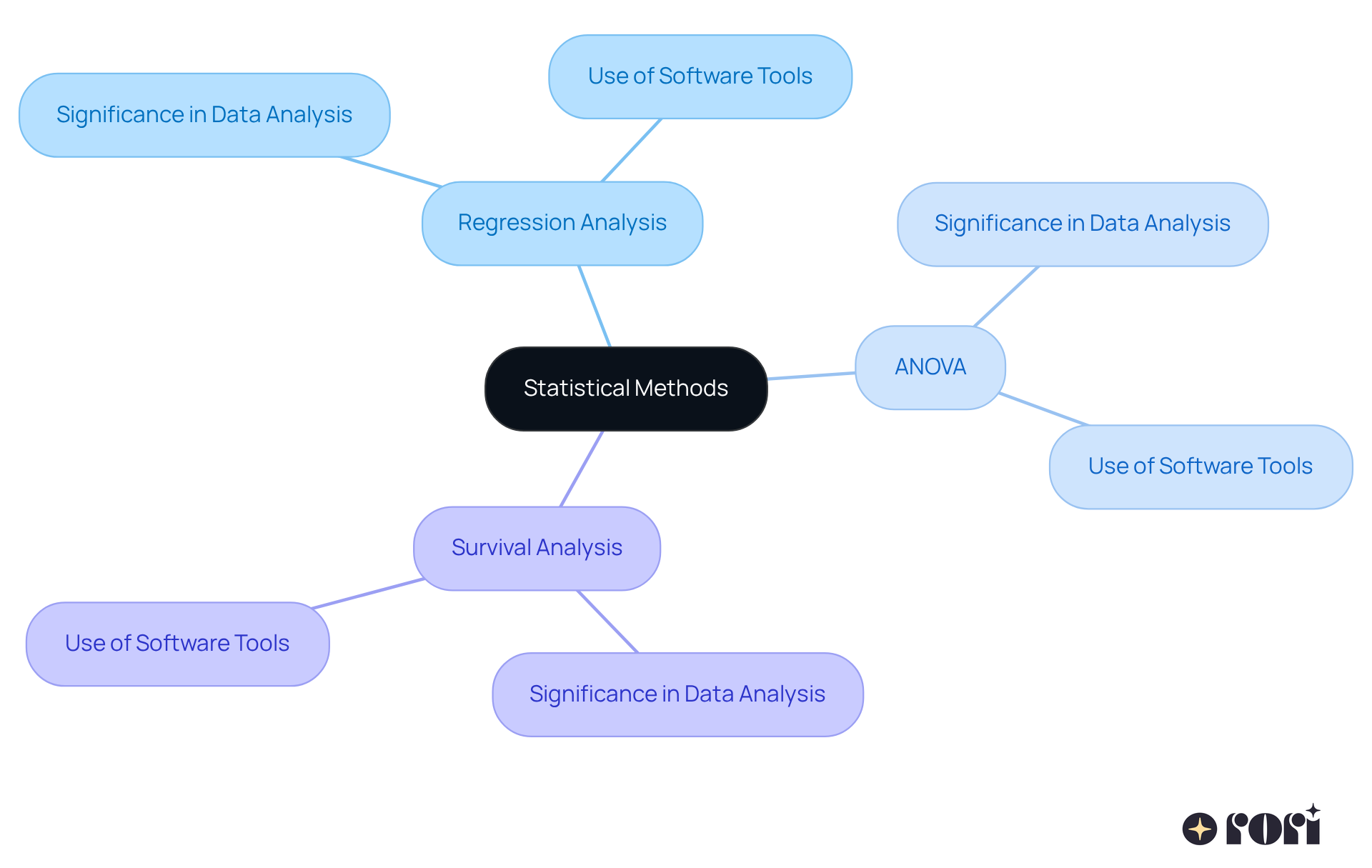
Using the right is super important when we look at data from randomized studies. Techniques like:
- ANOVA
help researchers figure out how are and manage any . Plus, using can really make things easier and of the results. Understanding these techniques allows to make based on the insights gathered from studies. Let’s explore this together!
Select Participants: Criteria for Effective Randomized Trials
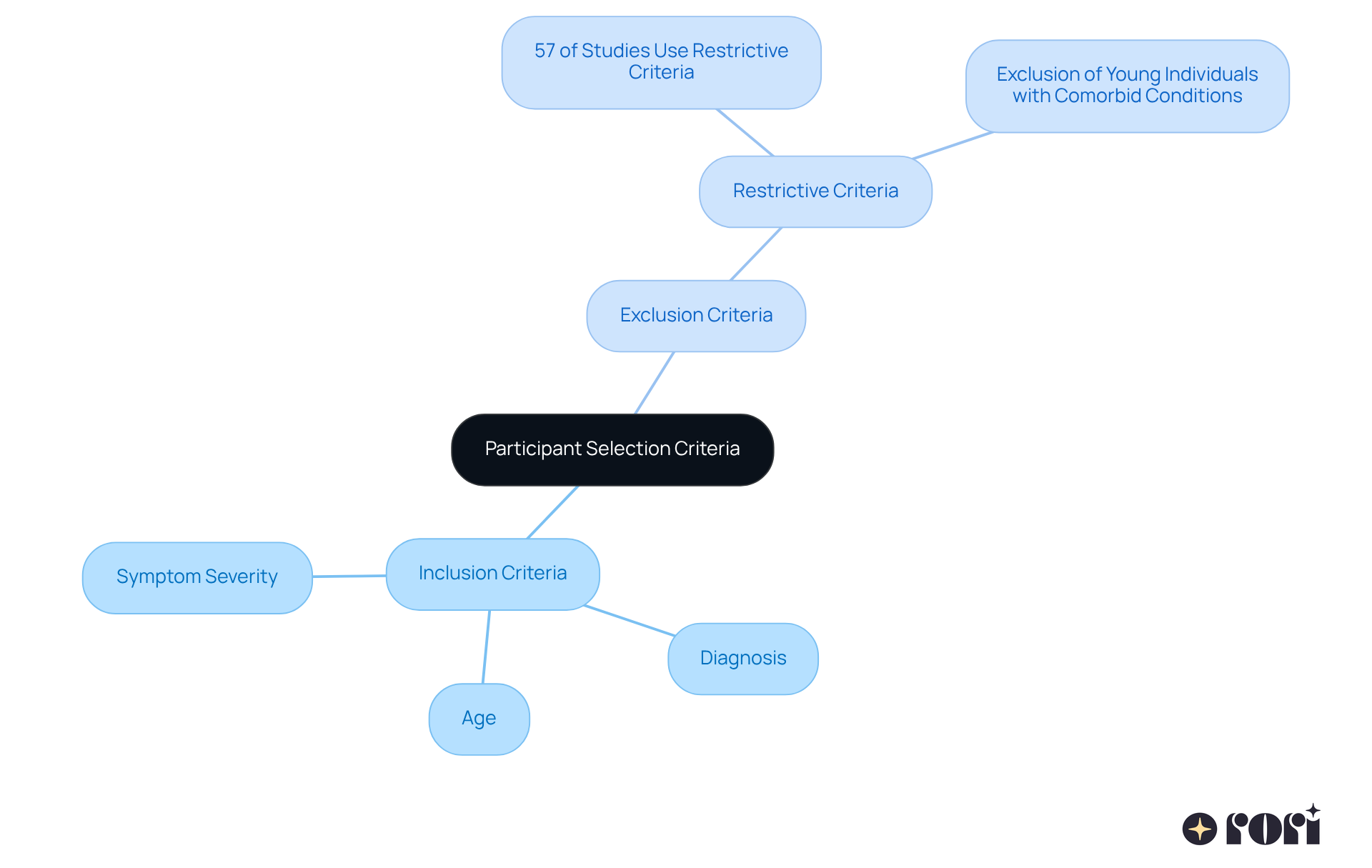
Selecting participants for randomized trials is an important task, and it starts with setting clear . These criteria help ensure that the truly reflects the diverse group we want to understand. When considering eligibility, factors like age, diagnosis, and symptom severity play a crucial role.
Interestingly, research shows that about 57% of studies use . This often means young individuals with comorbid conditions are left out, which can really limit how applicable the findings are to the broader autism community. Without a , we might miss out on understanding how effective can be for different kids.
Experts remind us that knowing the traits of youth who benefit from these interventions is essential. Without this understanding, making can be quite challenging. By choosing participants thoughtfully, researchers can . This way, the findings become relevant and beneficial for a wider range of . Let’s explore this together and see how we can make a difference!
Implement Practical Steps: Running Randomized Trials Effectively
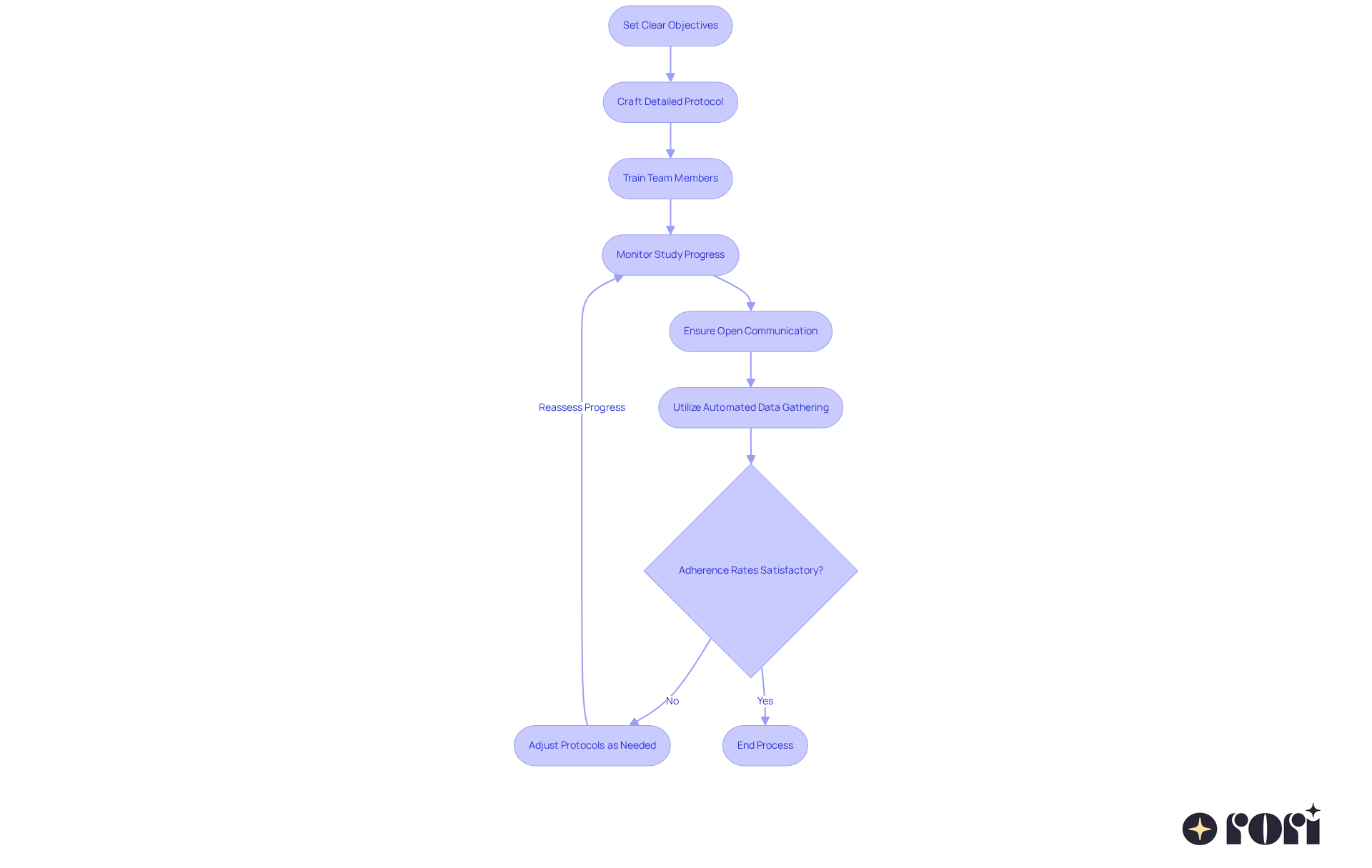
When it comes to conducting randomized studies in , it’s essential for clinicians to follow a . This starts with setting clear objectives and crafting a detailed protocol, which serves as a roadmap for the entire team. By ensuring everyone is on the same page, we can work together more effectively! Training all team members is also key; it helps everyone understand the study’s requirements and stick to the protocols, especially when need tweaking based on progress and .
Keeping a close eye on study progress is crucial. Did you know that can significantly impact outcomes? For instance, are around 89.8% for noninferiority studies and 91.5% for superiority studies. These figures highlight how important it is to maintain , particularly in , where following protocols closely is vital for valid results and participant safety.
Open communication among team members and stakeholders is so important for tackling challenges as they come up. This collaborative approach not only helps resolve issues but also ensures we stay on track to meet our goals. For example, a decentralized oncology study that used telehealth follow-ups achieved an impressive 95% adherence rate at the six-month mark! This shows how flexible strategies can enhance participant engagement. Plus, offering options like telehealth and home visits can really lighten the load for participants, making it easier for them to stay involved.
In studies, using automated data gathering techniques with secure storage and anonymization can boost efficiency, giving us 50% more time for youth care. It’s also worth noting that is the only scientifically validated treatment for developmental disorders that insurance covers, making it accessible for many families. As Meri Beckwith wisely pointed out, ” can have severe consequences, ranging from compromised data validity to legal and ethical implications.”
Clinicians can truly optimize randomized trials by empowering caregivers with ABA principles and strategies for supporting youth behavioral goals through active involvement and data collection, in order to , what must a learner have done first? This ultimately leads to more reliable and impactful results in autism research. And here’s an encouraging statistic: notable progress is observed in 90% of children when recommended hours are fully implemented with active . Let’s explore this together!
Conclusion
Implementing randomized trials in ABA therapy is a crucial step toward providing effective support for individuals with developmental disorders. By adopting a structured approach to trial rotation, clinicians can gather valuable insights that lead to personalized interventions backed by solid evidence. This emphasis on randomization not only reduces bias but also boosts the reliability of outcomes, ultimately enhancing care for those on the autism spectrum.
Throughout this article, we’ve explored key strategies for effective trial rotation. These include:
- Grasping the core principles of randomization
- Identifying and minimizing bias
- Looking into various types of randomized controlled trials
- Upholding ethical standards
- Using adaptive designs to improve flexibility
Each of these elements plays a vital role in shaping research methodologies that prioritize participant well-being and treatment efficacy.
As the field of ABA therapy continues to grow, the importance of conducting rigorous randomized trials cannot be overstated. It’s essential for researchers and clinicians alike to stay committed to transparency, ethical considerations, and the application of robust statistical methods. By creating an environment that encourages collaboration and innovation, we can work together to ensure the best possible outcomes for individuals with autism. Embracing these practices not only advances the science of ABA therapy but also empowers families and caregivers to take an active role in their loved ones’ developmental journeys. Let’s explore this together and make a difference!
Frequently Asked Questions
What is the significance of randomized trials in ABA therapy?
Randomized trials in ABA therapy are crucial for rigorously assessing the effectiveness of different interventions, ensuring that strategies are personalized and backed by strong evidence.
What must a learner do first to implement randomized trials in ABA therapy?
A learner must first understand the core principles of randomization to effectively rotate trials and gather solid data on intervention strategies.
How does randomization help in clinical trials?
Randomization ensures that each participant has a fair chance of being placed in any intervention group, which reduces selection bias and makes results more applicable to real-world situations.
What are some effective randomization techniques mentioned in the article?
Effective randomization techniques include permuted block design (PBD) and stratified randomization, which help achieve valid and trustworthy results in ABA therapy research.
How can bias be minimized in randomized studies?
Bias can be minimized by prioritizing blinding of both participants and researchers to intervention assignments, using random number generators for allocation, and adhering to strict inclusion criteria.
Why is blinding important in clinical research?
Blinding is important because it helps prevent performance and detection biases, which can skew results, ultimately enhancing the reliability of the study’s outcomes.
What impact do randomized studies have on individuals with autism?
Randomized studies promote long-term development and autonomy in individuals with autism, beyond immediate behavioral improvements.
How does Rori Care enhance the efficiency of ABA therapy?
Rori Care enhances efficiency by integrating personalized therapy with advanced AI, automating progress report creation, and freeing up 50% more time for treatment.
List of Sources
- Rori Care – ABA Therapy: Implementing Randomized Trials for Effective Treatment
- The Numbers Don’t Lie: Revealing Autism Therapy Statistics | Above and Beyond Therapy (https://abtaba.com/blog/autism-therapy-statistics)
- link.springer.com (https://link.springer.com/article/10.1007/s40489-025-00506-0)
- Applied Behavior Analysis in Children and Youth with Autism Spectrum Disorders: A Scoping Review – PMC (https://pmc.ncbi.nlm.nih.gov/articles/PMC9458805)
- Understand Randomization: Core Principles for Trial Rotation
- A Practical Guide to Randomization in Clinical Trials (https://statsols.com/guides/a-practical-guide-to-randomization-in-clinical-trials)
- viares.com (https://viares.com/blog/clinical-research-explained/randomization)
- bmcmedresmethodol.biomedcentral.com (https://bmcmedresmethodol.biomedcentral.com/articles/10.1186/s12874-021-01303-z)
- Randomization in clinical studies – PMC (https://pmc.ncbi.nlm.nih.gov/articles/PMC6547231)
- The importance of randomization in clinical research – PMC (https://pmc.ncbi.nlm.nih.gov/articles/PMC9424468)
- Identify Bias: Strategies to Minimize Influence in Trials
- nature.com (https://nature.com/articles/s41467-024-45718-w)
- trialsjournal.biomedcentral.com (https://trialsjournal.biomedcentral.com/articles/10.1186/s13063-022-06481-9)
- numberanalytics.com (https://numberanalytics.com/blog/ultimate-guide-bias-reduction-clinical-trials)
- numberanalytics.com (https://numberanalytics.com/blog/bias-reduction-techniques-clinical-trials)
- sciencedirect.com (https://sciencedirect.com/science/article/abs/pii/S0167268107000455)
- Explore Types of Randomized Controlled Trials: A Comprehensive Overview
- pmc.ncbi.nlm.nih.gov (https://pmc.ncbi.nlm.nih.gov/articles/PMC10698204)
- simplypsychology.org (https://simplypsychology.org/randomized-controlled-trial.html)
- psycnet.apa.org (https://psycnet.apa.org/record/2024-97080-013)
- statisticsbyjim.com (https://statisticsbyjim.com/basics/randomized-controlled-trial-rct)
- ajronline.org (https://ajronline.org/doi/10.2214/ajr.183.6.01831539)
- Address Ethics: Navigating Moral Considerations in Randomized Trials
- researchgate.net (https://researchgate.net/publication/342483177_Consent_Rates_Reported_in_Published_Pediatric_Randomized_Controlled_Trials)
- Significant Variability in Surrogate Informed Consent Rates in ARDS and Prevention and Early Treatment of Acute Lung Injury Network Multicenter Trials (https://journal.chestnet.org/article/S0012-3692(21)03904-0/fulltext)
- Consent Rates Reported in Published Pediatric Randomized Controlled Trials (https://sciencedirect.com/science/article/abs/pii/S0022347620307617)
- pmc.ncbi.nlm.nih.gov (https://pmc.ncbi.nlm.nih.gov/articles/PMC10760836)
- Rates of and Factors Associated With Patient Withdrawal of Consent in Cancer Clinical Trials (https://jamanetwork.com/journals/jamaoncology/fullarticle/2806577)
- Follow Reporting Standards: Ensuring Transparency in Trial Results
- jamanetwork.com (https://jamanetwork.com/journals/jama/fullarticle/2832868)
- Public reporting of clinical trial findings as an ethical responsibility to participants: a qualitative study – PMC (https://pmc.ncbi.nlm.nih.gov/articles/PMC10032397)
- researchgate.net (https://researchgate.net/publication/6513219_Reporting_in_randomized_clinical_trials_improved_after_adoption_of_the_CONSORT_statement)
- journals.plos.org (https://journals.plos.org/plosmedicine/article?id=10.1371/journal.pmed.1004588)
- statnews.com (https://statnews.com/pharmalot/2023/03/29/nih-fda-studies-trials-transparency)
- Utilize Adaptive Designs: Enhancing Flexibility in Trial Methodologies
- Figure 1. Annual statistics of clinical trial using adaptive design…. (https://researchgate.net/figure/Annual-statistics-of-clinical-trial-using-adaptive-design-Number-of-adaptive-design_fig1_376859898)
- Adaptive designs in clinical trials: why use them, and how to run and report them – BMC Medicine (https://bmcmedicine.biomedcentral.com/articles/10.1186/s12916-018-1017-7)
- Adaptive trial designs will increase clinical trial speed, safety, and effectiveness (https://statnews.com/2024/07/12/adaptive-trial-designs-increase-speed-safety-effectiveness)
- Adaptive designs in clinical trials: a systematic review-part I – PMC (https://pmc.ncbi.nlm.nih.gov/articles/PMC11451232)
- Adaptive trial designs: understanding the potential of statistical innovation (https://iqvia.com/blogs/2021/11/adaptive-trial-designs-understanding-the-potential-of-statistical-innovation)
- Apply Statistical Methods: Analyzing Data for Accurate Interpretation
- Statistical analysis and significance tests for clinical trial data (https://sciencedirect.com/science/article/pii/S1357303925000787)
- Understanding statistical analysis in randomized trials: tips and tricks for effective review – PMC (https://pmc.ncbi.nlm.nih.gov/articles/PMC11973554)
- biostatistics.sph.brown.edu (https://biostatistics.sph.brown.edu/research/theory-methods)
- tandfonline.com (https://tandfonline.com/doi/full/10.1080/00401706.2024.2307310)
- Select Participants: Criteria for Effective Randomized Trials
- pmc.ncbi.nlm.nih.gov (https://pmc.ncbi.nlm.nih.gov/articles/PMC1609186)
- pmc.ncbi.nlm.nih.gov (https://pmc.ncbi.nlm.nih.gov/articles/PMC7071598)
- who.int (https://who.int/tools/clinical-trials-registry-platform/network/who-data-set)
- clinicaltrials.gov (https://clinicaltrials.gov/study/NCT06866275)
- clinicaltrials.gov (https://clinicaltrials.gov/policy/protocol-definitions)
- Implement Practical Steps: Running Randomized Trials Effectively
- journals.sagepub.com (https://journals.sagepub.com/doi/abs/10.1177/1740774520941428)
- spirit-statement.org (https://spirit-statement.org/adherence)
- lindushealth.com (https://lindushealth.com/blog/the-importance-of-adherence-to-clinical-trial-protocols)
- mahalo.health (https://mahalo.health/insights/how-to-increase-adherence-and-protocol-compliance-for-clinical-trials)