

Introduction
Child elopement can be a significant concern for families with children on the autism spectrum. Did you know that nearly half of these children will attempt to wander away at some point? This eye-opening statistic highlights the importance of effective, tailored strategies to keep our vulnerable little ones safe.
By exploring a variety of proactive approaches—like structured routines, environmental modifications, sensory supports, and professional collaboration—families can create comprehensive plans. These plans not only enhance safety but also empower children to thrive.
So, what are the most effective methods to prevent child elopement? And how can caregivers ensure they are equipped to handle this challenge? Let’s explore this together!
Rori Care – ABA Therapy: Personalized ABA Strategies for Elopement Prevention
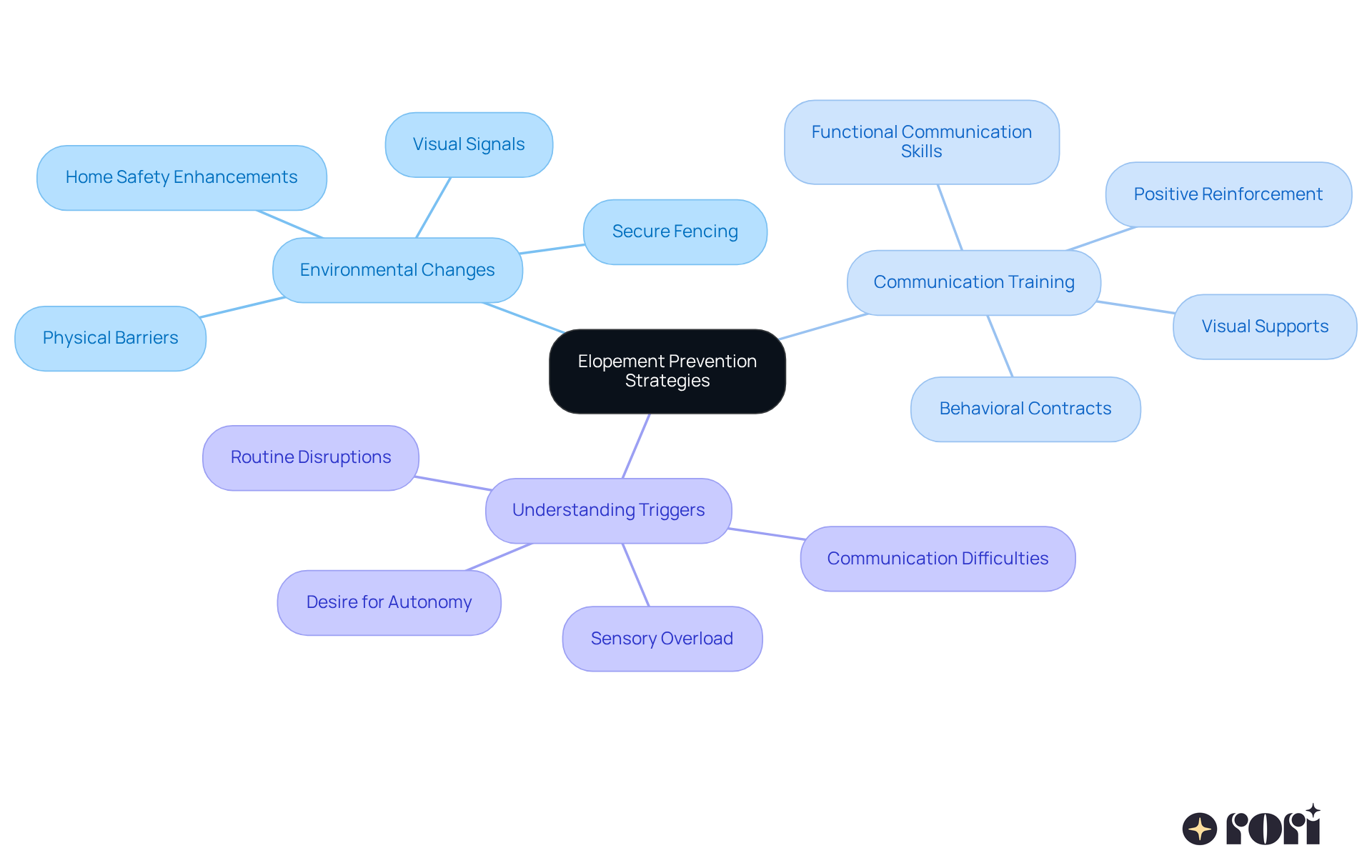
At Rori Care, we understand the challenges that come with supporting a loved one with autism. That’s why our ABA Therapy employs data-driven strategies to create personalized plans specifically aimed at preventing . Did you know that nearly 50% of individuals with autism may attempt ? This makes tailored interventions not just helpful, but essential for reducing occurrences of .
Our certified work closely with families to develop that incorporate measurable objectives and evidence-based approaches. This ensures that each intervention is tailored to the unique triggers and behaviors of the individual. By getting to know these factors, our clinicians can implement that truly meet individual needs.
Effective approaches often include:
- Making , such as installing secure fencing and using visual signals around exits.
- Focusing on and positive reinforcement to create a safe and encouraging atmosphere.
As one expert wisely noted, “Understanding why a young person with autism escapes is crucial for selecting the most .”
By concentrating on the specific situations that lead to running away, Rori Care ensures that our interventions are not only effective but also adaptable to the changing needs of each young person. This ultimately enhances safety and empowers families with practical tools, like . Let’s explore this together! We’re here to !
Structured Routine: Create Predictable Environments to Minimize Elopement
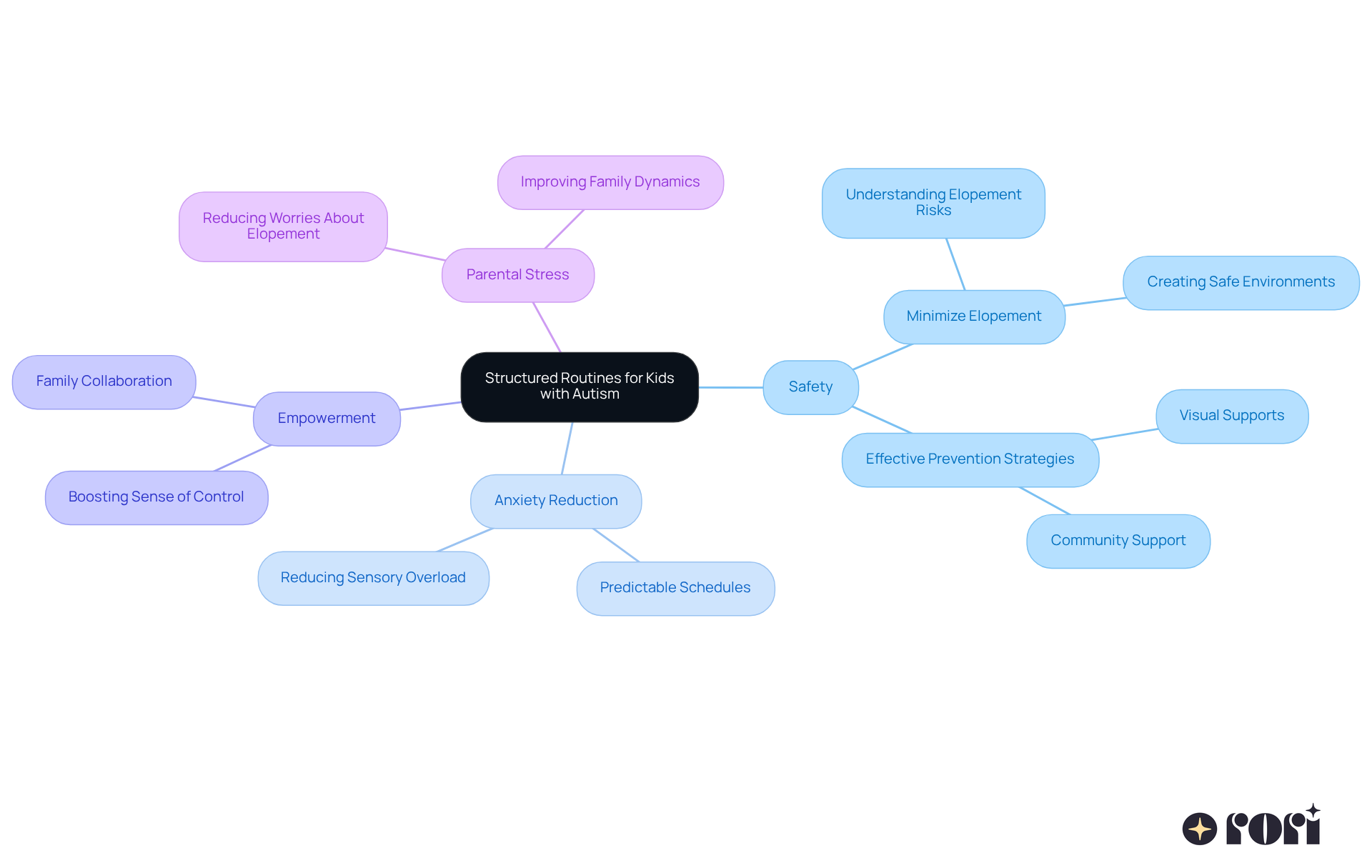
Creating an is so important for kids with autism. It helps them feel safe and consistent in their routines. When activities, meals, and transitions are regular, it can really —a common trigger for impulsive actions, including . Did you know that nearly 50% of kids with autism engage in wandering behaviors, which raises concerns about ? This highlights the need for .
By setting up a , parents and caregivers can help kids know what to expect throughout the day. This not only boosts their sense of control but also empowers them. Plus, when families work together to maintain these routines, it can lessen the stress everyone feels. In fact, 62% of parents say that make it hard to enjoy outings.
Experts agree that can help reduce the motivations behind . So, let’s explore this together! Establishing these routines is a crucial step toward for our little ones, particularly to . We’re here to help you every step of the way!
Visual Supports: Utilize Visual Aids to Enhance Understanding and Safety
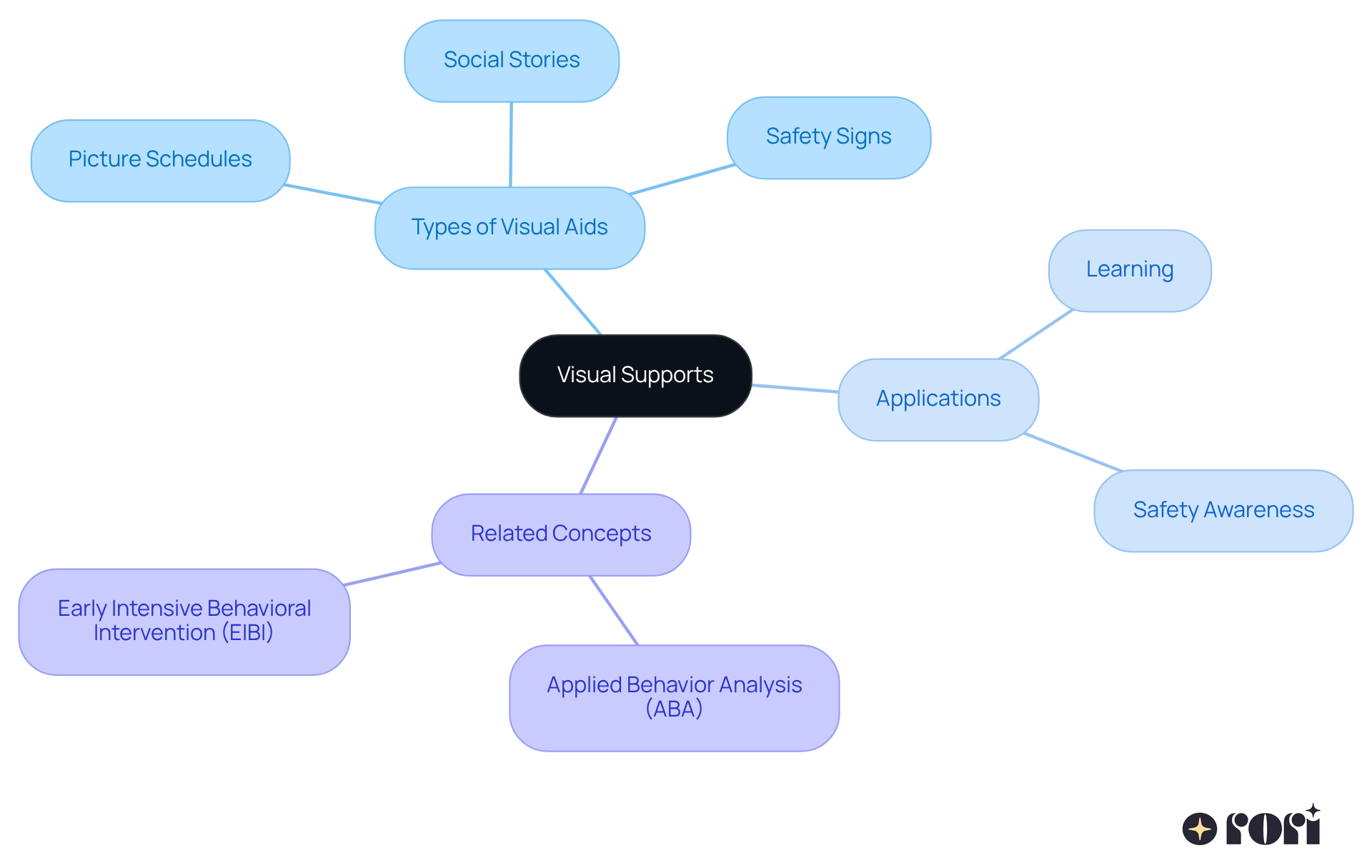
, can really help young people understand their environment and the rules that come with it. By providing clear visual signals, caregivers can guide children in recognizing safe and unsafe situations, which can lower the chances of . This approach aligns perfectly with , where certified behavior analysts design and techniques backed by research.
Integrating these visual aids into daily routines not only but also . It’s a crucial part of that enhances learning, verbal, and social skills for individuals with autism. Let’s explore this together and see how these strategies can make a difference in your child’s life!
Safety Skills: Educate Children on Recognizing and Responding to Risks
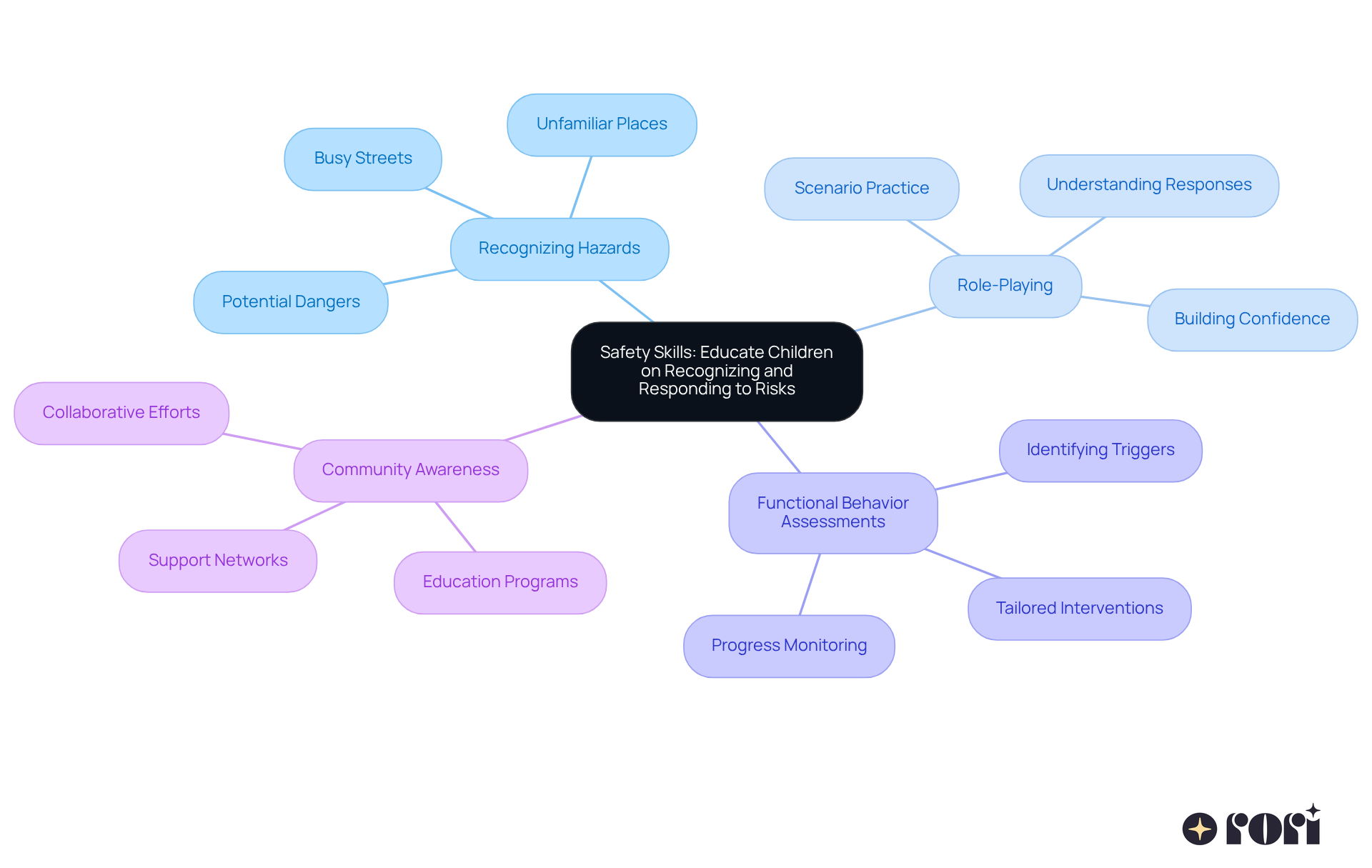
Teaching our little ones about safety is so important in helping them avoid child eloping. By guiding them to recognize potential hazards—like busy streets or unfamiliar places—we empower them to make safer choices. is a fun and effective way to practice how they should respond in various situations. This not only reinforces their understanding of why it’s crucial to stay close to trusted adults but also builds their confidence in navigating the world around them.
Did you know that studies show participating in can significantly enhance young people’s ability to identify risks and react appropriately? This proactive approach not only develops but also fosters a sense of confidence. With around 49% of autistic children , it’s vital for parents to implement .
Employing can be a game changer! They help pinpoint what triggers a child to wander, allowing for tailored interventions based on insights from Rori Care’s care engine. This amazing tool conducts functional performance analysis for specific actions and skills, generating automatic progress reports that equip caregivers with actionable data to effectively manage the risks of wandering.
Let’s not forget the importance of about ! By working together, we can create a safer environment for everyone. We’re here to help you every step of the way! If you have any thoughts or experiences to share, we’d love to hear from you!
Environmental Modifications: Adjust Spaces to Deter Elopement Behaviors
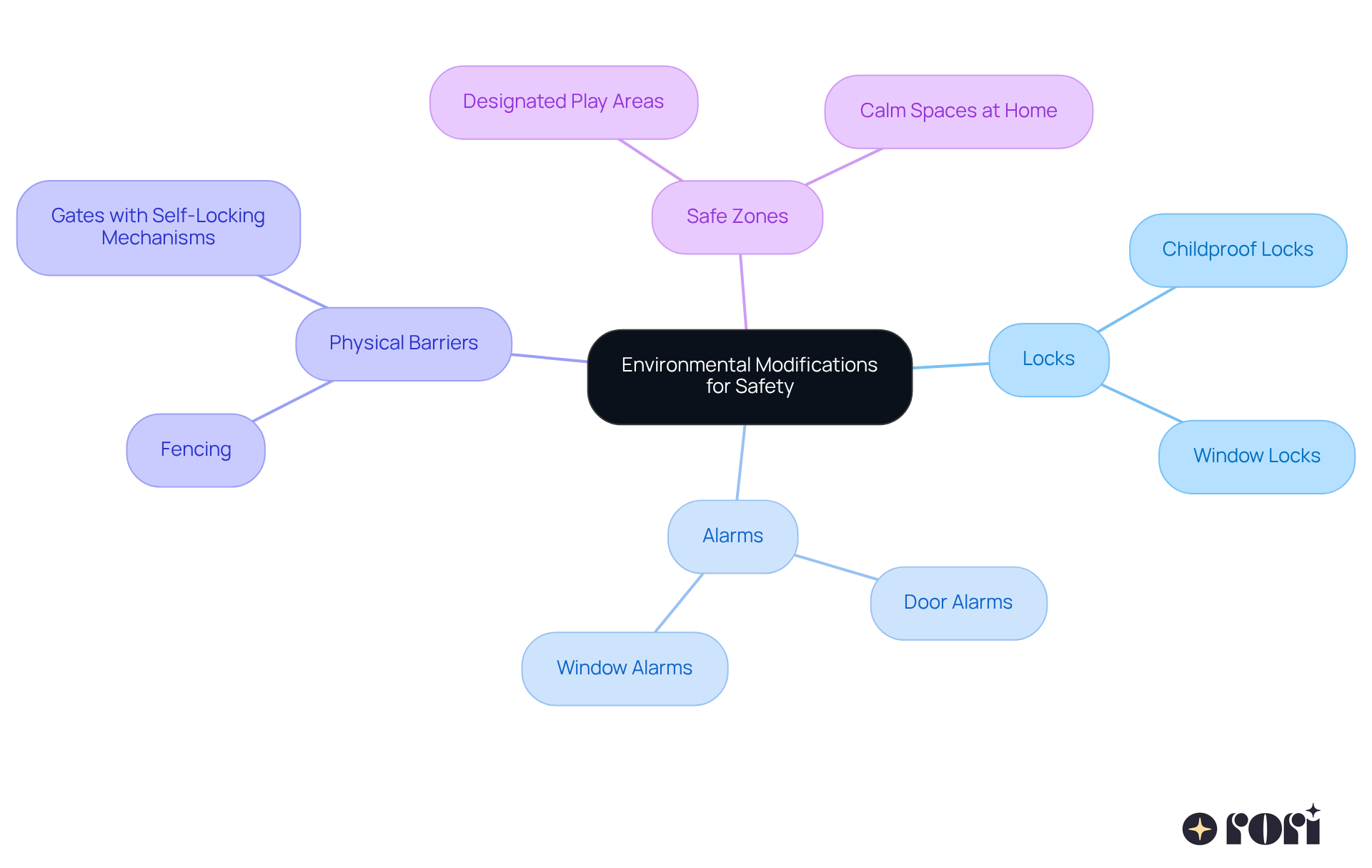
When it comes to among kids with autism, introducing some environmental changes can be a game changer! 🌟 Simple strategies like , using alarms, and creating physical barriers in outdoor spaces can make a big difference. Did you know that studies show a staggering 74% of escape incidents, such as , happen right from the individual’s own home? That’s why regular assessments of the environment are so important—they help identify potential risks and allow for necessary adjustments.
As caregivers, it’s a great idea to think about adding childproof locks and alarms to alert you if your child tries to leave. Additionally, within your home or play areas can really help manage movement effectively. Experts agree that these not only enhance safety but also provide families with peace of mind, allowing them to enjoy activities outside the home without the constant worry of their .
It’s also worth noting that 62% of parents of individuals who wander reported that concerns about their child’s absence affected their enjoyment of outings. This really highlights the ! Building a partnership between families and law enforcement can further enhance safety, creating a .
Moreover, empowering can improve their ability to implement these strategies effectively. This leads to better behavioral outcomes and informed decision-making that supports their child’s development. The benefits of caregiver training are significant—it helps in establishing secure settings and making knowledgeable choices about the best methods to prevent wandering. Let’s explore this together and ensure our kids have the safe environments they deserve!
Sensory Supports: Address Sensory Needs to Reduce Elopement Impulses
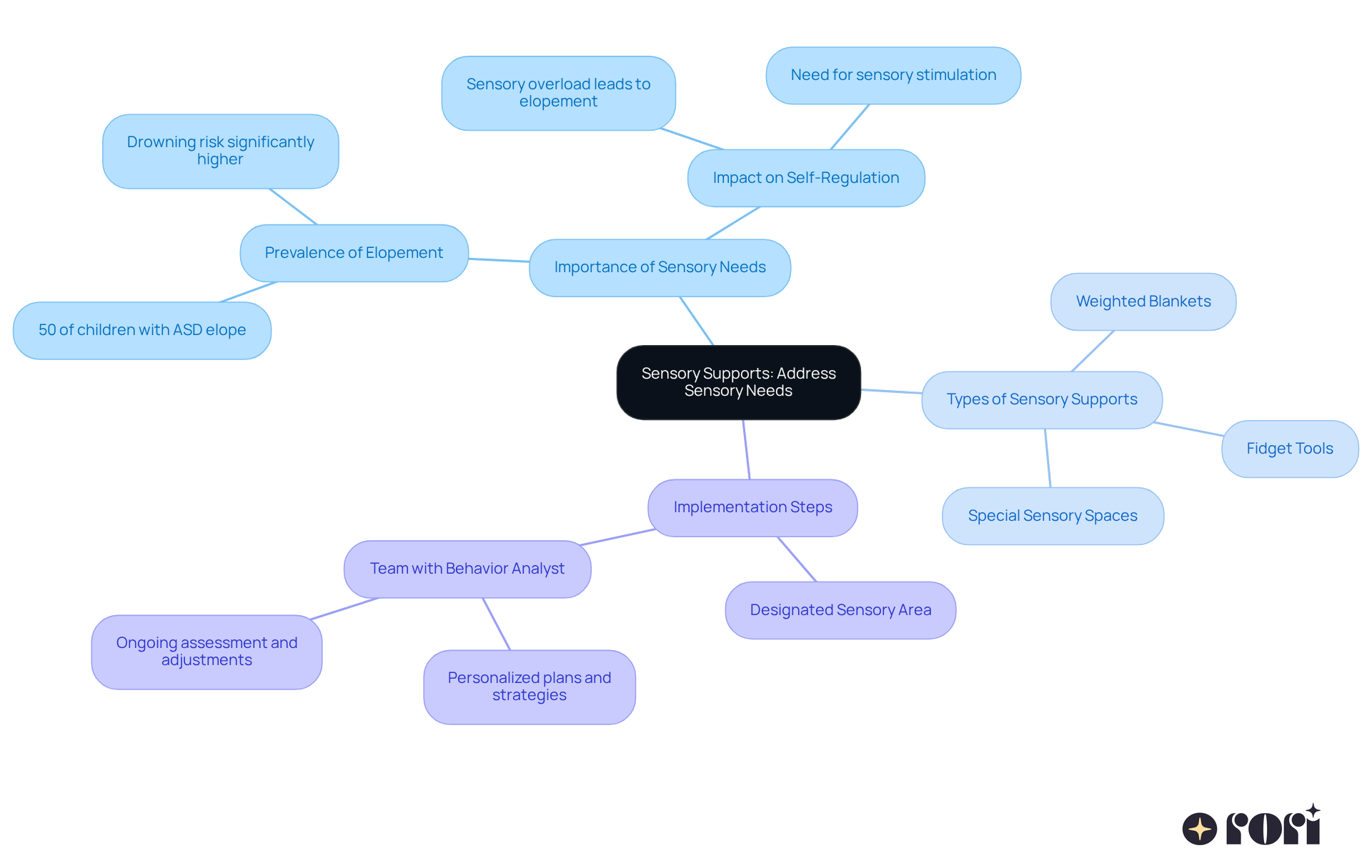
Understanding and addressing is essential for preventing in children with autism. Did you know that around 50% of kids with Autism Spectrum Disorder (ASD) are known for ? Often, they do this to escape overwhelming sensory environments or to seek out sensory stimulation, particularly in cases of . By —like fidget tools, weighted blankets, and special sensory spaces—we can really help them with self-regulation.
Research shows that these supports can , which often lead to . For instance, sensory tools can help young ones manage their sensory input, which lowers the chances of . Creating a allows caregivers to foster a sense of safety and comfort, which can significantly reduce the risk of and enhance the overall well-being of the child.
To start implementing sensory supports at home, parents might consider:
- Setting up a designated sensory area where their child can go when feeling overwhelmed.
- , which can be a game-changer. They can help with clear goals and proven strategies, along with ongoing assessment and adjustments. This ensures that the sensory supports are tailored to meet the unique needs of each child.
Let’s explore this together! We’re here to !
Supervision and Monitoring: Ensure Constant Oversight to Prevent Elopement
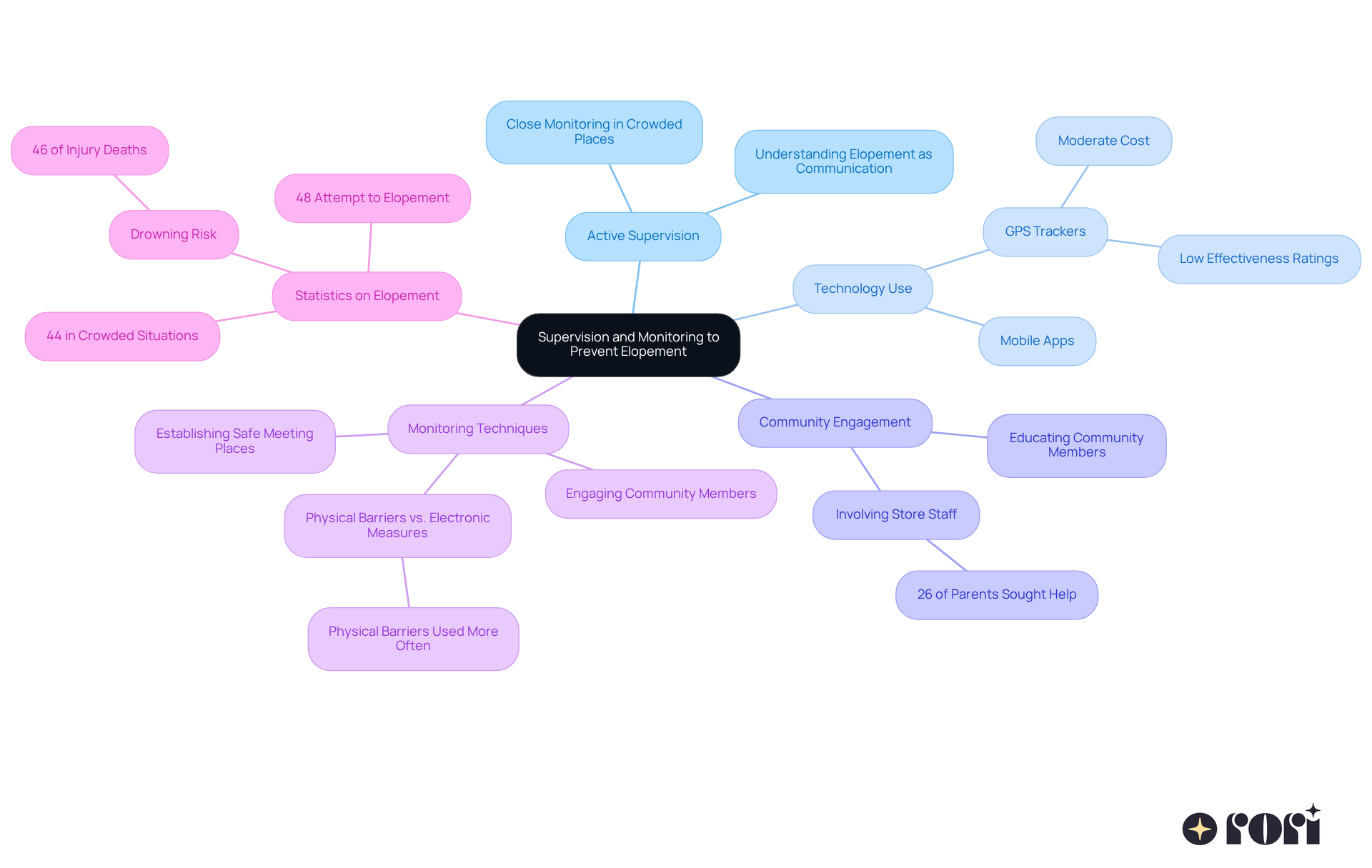
Active supervision is key in preventing among youth with autism. Caregivers need to keep a close eye, especially in unfamiliar or crowded places where distractions can lead to wandering. At Rori Care, we equip caregivers with essential knowledge and skills related to , strategy alignment, and data collection. This empowers them to provide .
Using technology, like GPS trackers and mobile apps, can really . Did you know that ? This highlights just how crucial careful intervention is. By being proactive and attentive, caregivers can quickly respond if a young one attempts , ensuring their safety and reducing the risk of dangerous situations.
, such as establishing safe meeting places and engaging community members, can further boost safety measures. These approaches not only help in prompt prevention but also create a . This way, guardians can efficiently handle the behavior associated with . As Rori Care reminds us, “Elopement behavior in individuals with autism is a multifaceted issue that requires .”
It’s also important for caregivers to recognize that . This really emphasizes the significance of . Let’s explore this together! We’re here to help you every step of the way!
Safety Plan: Create a Comprehensive Response Strategy for Elopement Incidents
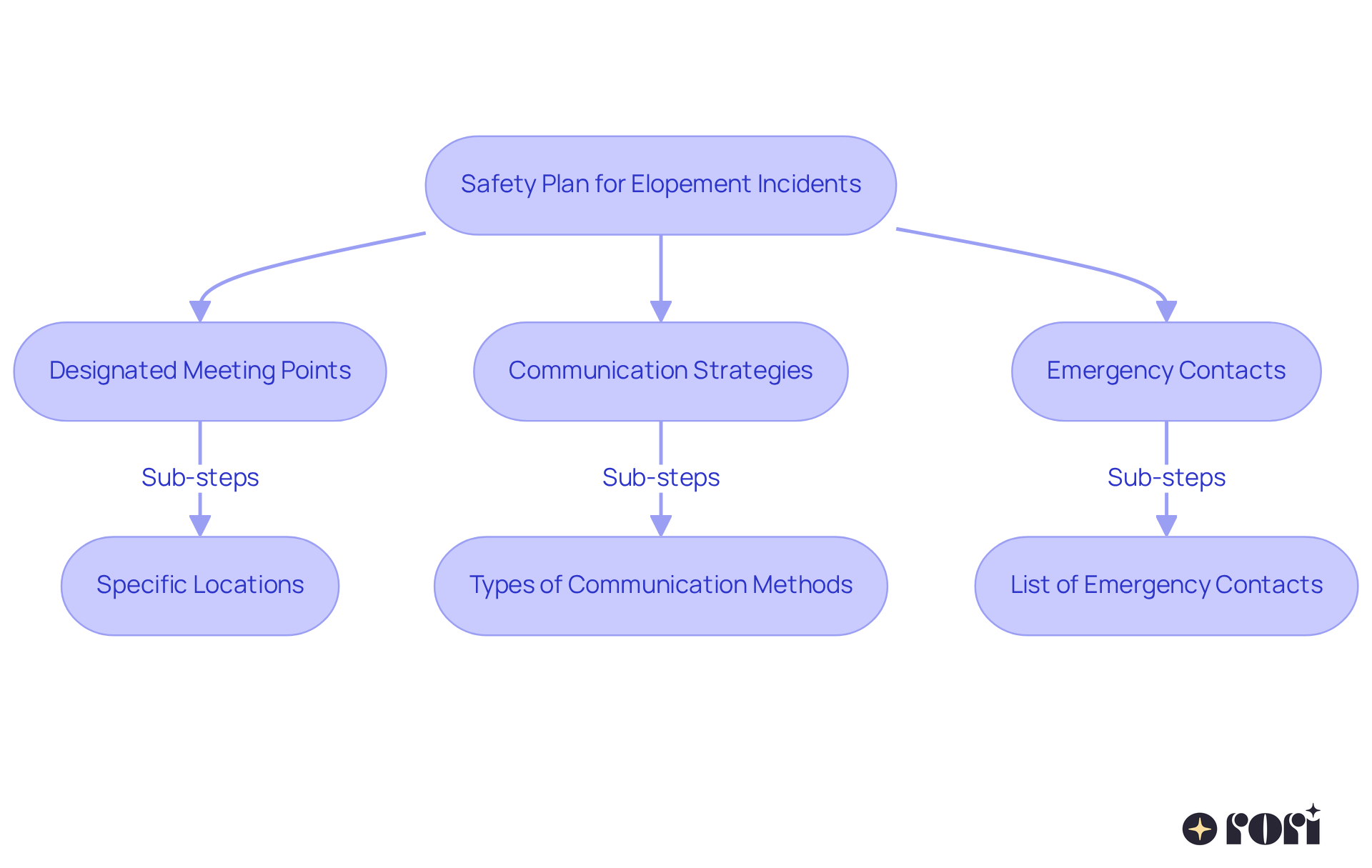
Creating a solid is essential for families with kids who might be involved in child eloping. This plan should outline specific steps to take during a , such as:
- Setting up designated meeting points
- Emergency contacts
Did you know that 48% of youths with autism attempt to escape from secure environments? This statistic really highlights how . Regularly reviewing and practicing the with all family members ensures that everyone knows how to respond effectively in a crisis. Plus, involving local community members can enhance safety, as familiar faces can help in locating a minor in cases of child eloping.
Integrating principles from into your can empower caregivers even more. By recognizing the and applying ABA techniques, caregivers can create a nurturing environment that boosts safety and reduces the chances of running away. When caregivers are actively involved, a remarkable 90% of young ones show , underscoring the importance of their role. Families should also consider since managing wandering behavior can lead to stress and anxiety. Educating caregivers enhances their ability to make informed decisions and implement effective strategies, ultimately improving behavioral outcomes for the children they care for. By adopting a proactive approach, families can significantly reduce the risks associated with child eloping and create a safer environment for their children. Let’s explore this together!
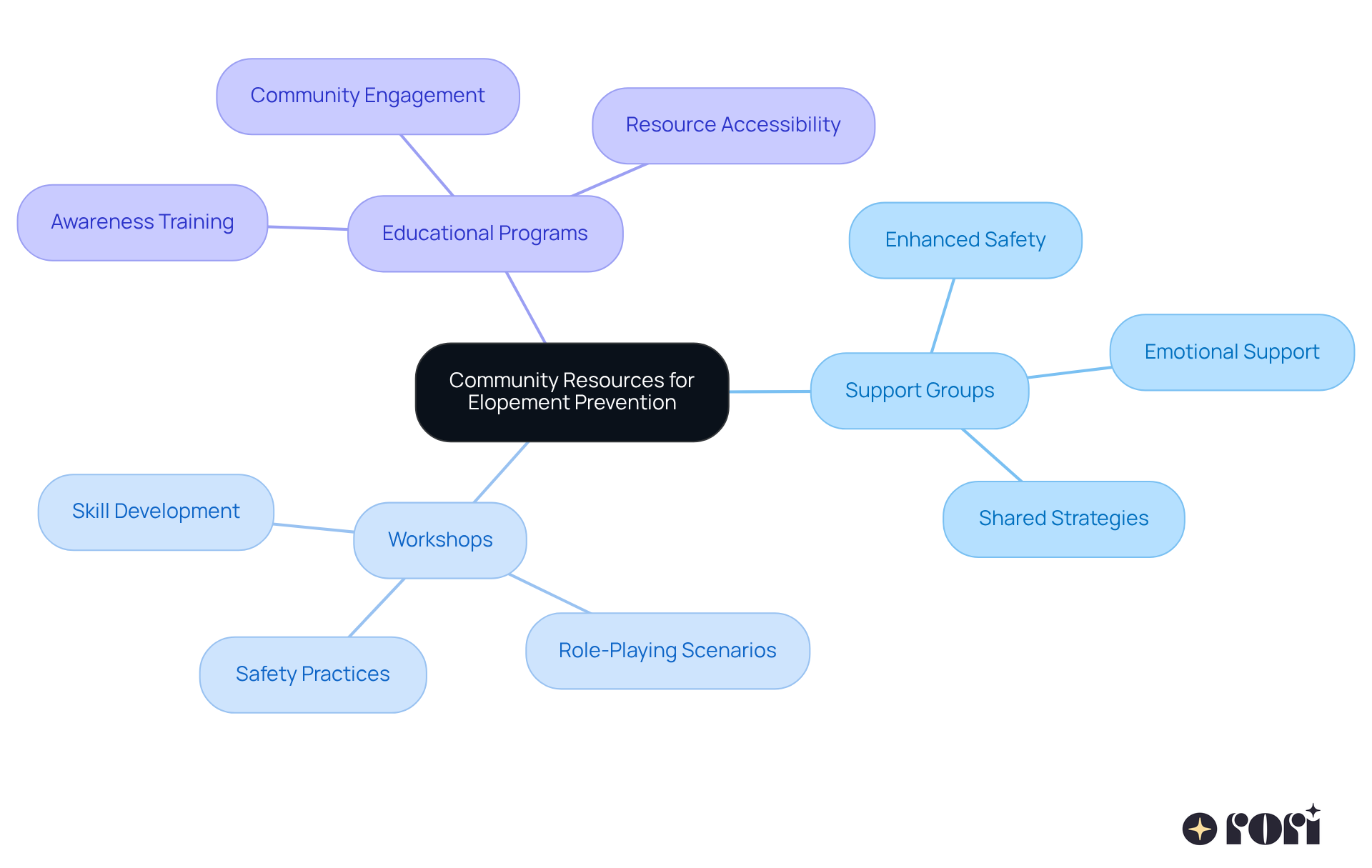
Community Resources: Leverage Local Support for Elopement Prevention
Families are encouraged to tap into local that play a vital role in . , workshops, and and safety can provide invaluable support. By engaging with these , families not only gain but also cultivate a .
Studies reveal that joining can significantly enhance families’ ability to manage the risks associated with child eloping, leading to . When parents collaborate with local specialists and connect with other families, they can develop that address their unique challenges. This ultimately creates a more secure environment for their kids. Let’s explore this together and see how we can make a difference!
Professional Collaboration: Work with BCBAs for Tailored Elopement Strategies
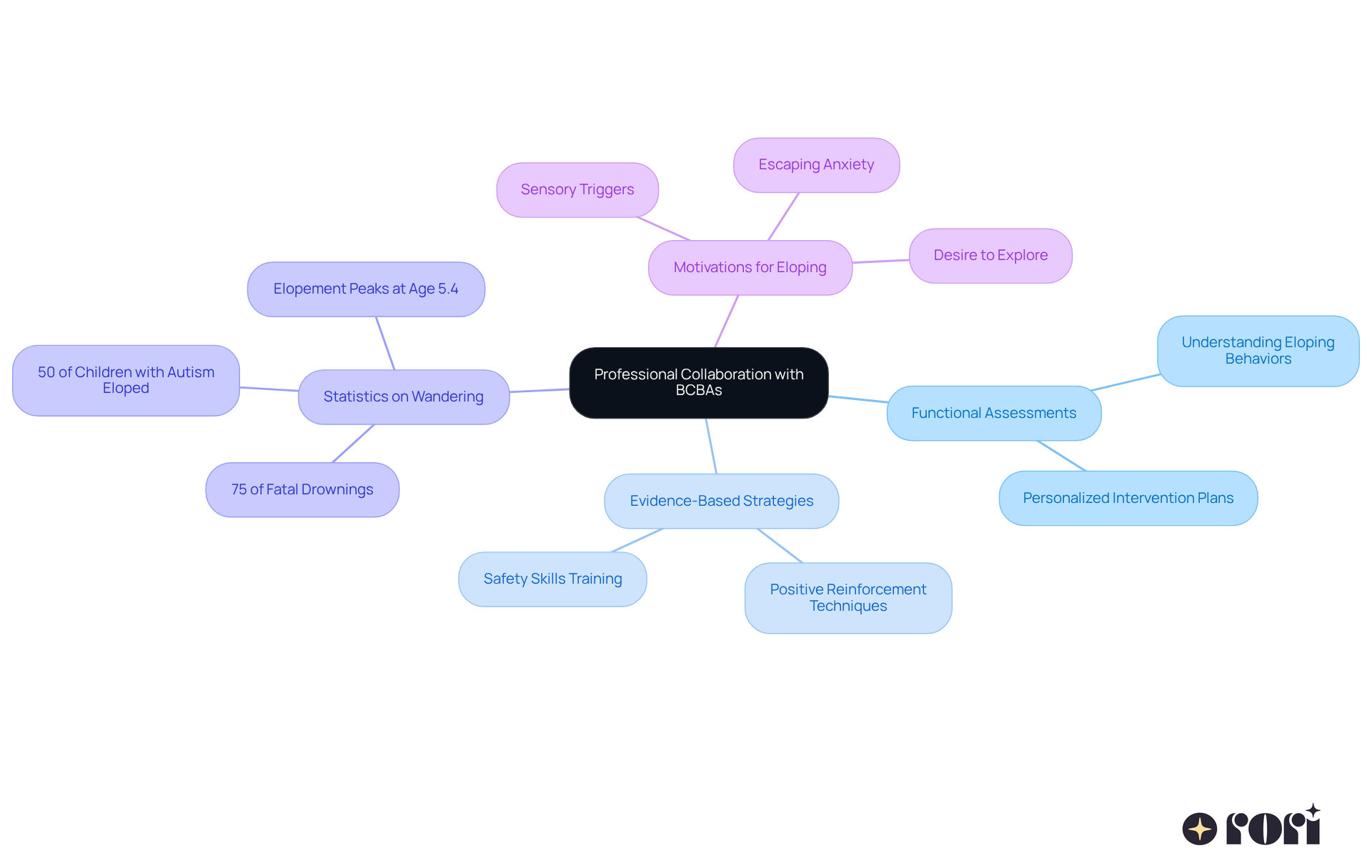
Working with is so important for creating effective ways to in individuals with autism. BCBAs use to uncover the reasons behind child , which allows them to design tailored to each person’s unique needs. Our behavior care engine makes this process even better by conducting functional behavior analysis for specific behaviors and skills, and it automatically generates progress reports for our clinicians to review and approve.
This professional guidance not only provides families with access to but also ensures that interventions are grounded in a deep understanding of the individual’s unique circumstances. Did you know that a staggering 75% of fatal drownings involving autistic individuals are due to wandering? This highlights just how urgent is. Plus, nearly 50% of young children with autism display behaviors of by the age of four, emphasizing how common this issue is.
By focusing on the motivations behind —like sensory triggers or the urge to explore—BCBAs can implement targeted strategies that greatly . As Yitz Diena points out, understanding these motivations is key to developing s. This collaborative approach empowers families, giving them the tools they need to create a safe environment for their children. Parents are encouraged to actively engage with BCBAs to craft tailored intervention plans that meet their child’s specific needs. Let’s explore this together!
Conclusion
Implementing effective strategies to prevent child eloping is crucial for ensuring the safety and well-being of children with autism. By understanding the unique challenges these children face, caregivers can adopt tailored interventions that significantly reduce the risk of wandering. The key takeaway here is the importance of a comprehensive approach that combines personalized strategies, community resources, and professional collaboration.
Throughout this article, we’ve highlighted essential strategies, such as:
- Creating structured routines
- Using visual supports
- Emphasizing safety skills education
Environmental modifications and active supervision can further enhance safety. Plus, developing a solid safety plan prepares families for potential elopement incidents. Collaborating with Board Certified Behavior Analysts (BCBAs) ensures that interventions are grounded in a deep understanding of each child’s specific needs, ultimately fostering a safer environment.
As families navigate these challenges, it’s essential to remember that proactive measures can lead to significant improvements in safety outcomes. Engaging with local community resources and support networks can provide invaluable assistance on this journey. By working together, caregivers, professionals, and communities can create a nurturing environment that prioritizes the safety of children at risk of eloping. Let’s empower families to enjoy life with confidence, knowing they have the support they need!
Frequently Asked Questions
What is Rori Care’s approach to preventing child eloping in individuals with autism?
Rori Care employs data-driven strategies to create personalized ABA Therapy plans aimed specifically at preventing child eloping, recognizing that nearly 50% of individuals with autism may attempt eloping.
How does Rori Care develop personalized plans for elopement prevention?
Certified behavior analysts at Rori Care work closely with families to develop customized plans that include measurable objectives and evidence-based approaches, tailored to the unique triggers and behaviors of each individual.
What are some effective strategies used to prevent eloping?
Effective strategies include making environmental changes (like installing secure fencing and using visual signals), focusing on communication training, and applying positive reinforcement to create a safe atmosphere.
Why is understanding the reasons behind eloping important?
Understanding why a young person with autism escapes is crucial for selecting the most effective intervention strategies, allowing for targeted and adaptable approaches that enhance safety.
How can structured routines help minimize elopement?
Creating an organized daily schedule helps children with autism feel safe and consistent, reducing anxiety and impulsive actions, which can lower the likelihood of eloping.
What role do visual supports play in preventing elopement?
Visual supports, such as picture schedules and safety signs, help young people understand their environment and recognize safe versus unsafe situations, thereby lowering the chances of eloping.
How do structured routines benefit families?
Maintaining consistent routines not only boosts the child’s sense of control but also lessens the overall stress for families, making outings more enjoyable.
What is the significance of early intensive behavioral intervention (EIBI) in this context?
EIBI enhances learning, verbal, and social skills for individuals with autism, and integrating visual aids into daily routines is a crucial part of this intervention that can improve safety and understanding.
List of Sources
- Rori Care – ABA Therapy: Personalized ABA Strategies for Elopement Prevention
- ambitionsaba.com (https://ambitionsaba.com/resources/how-aba-therapy-helps-address-elopement-and-wandering-issues)
- ambitionsaba.com (https://ambitionsaba.com/resources/elopement-and-autism)
- The Role of ABA Therapy in Reducing Elopement Behaviors (https://magnetaba.com/blog/the-role-of-aba-therapy-in-reducing-elopement-behaviors)
- The Numbers Don’t Lie: Revealing Autism Therapy Statistics | Above and Beyond Therapy (https://abtaba.com/blog/autism-therapy-statistics)
- Structured Routine: Create Predictable Environments to Minimize Elopement
- Inspiring Autism Quotes for Understanding and Acceptance – Kids First (https://kidsfirstservices.com/first-insights/autism-quotes)
- precisionfamilytherapy.com (https://precisionfamilytherapy.com/post/how-to-address-elopement-running-away-in-children-with-autism)
- Understanding Elopement in Autism | Advanced Autism Services (https://advancedautism.com/post/elopement-and-autism)
- ambitionsaba.com (https://ambitionsaba.com/resources/elopement-and-autism)
- Visual Supports: Utilize Visual Aids to Enhance Understanding and Safety
- nea.org (https://nea.org)
- goldenstepsaba.com (https://goldenstepsaba.com/resources/visuals-for-autism)
- The use of visual schedules to increase academic-related on-task behaviors of individuals with autism: a literature review (https://tandfonline.com/doi/full/10.1080/20473869.2024.2402124)
- 25 quotes that show why education is important (https://canva.com/learn/25-quotes-show-education-important)
- Inspiring Quotes on Child Learning and Development (https://vincegowmon.com/inspiring-quotes-on-child-learning-and-development)
- Safety Skills: Educate Children on Recognizing and Responding to Risks
- The Role of ABA Therapy in Reducing Elopement Behaviors (https://magnetaba.com/blog/the-role-of-aba-therapy-in-reducing-elopement-behaviors)
- Best Autism Quotes to Raise Awareness and Understanding (https://yellowbusaba.com/post/autism-quotes)
- ELOPEMENT PREVENTION CAREGIVERS (https://theautismproject.org/training-education/elopement-prevention/elopement-prevention-family)
- Best Inspirational Autism Quotes (https://ambitionsaba.com/resources/autism-quotes)
- Environmental Modifications: Adjust Spaces to Deter Elopement Behaviors
- Effective Elopement Prevention Strategies for Safety (https://connectncareaba.com/delopement-prevention-strategies)
- Understanding Elopement in Autism | Advanced Autism Services (https://advancedautism.com/post/elopement-and-autism)
- rori.care (https://rori.care/post/9-evidence-based-interventions-for-elopement-in-children)
- ELOPEMENT PREVENTION CAREGIVERS (https://theautismproject.org/training-education/elopement-prevention/elopement-prevention-family)
- Elopement Patterns and Caregiver Strategies – PMC (https://pmc.ncbi.nlm.nih.gov/articles/PMC6728233)
- Sensory Supports: Address Sensory Needs to Reduce Elopement Impulses
- milestoneachievements.com (https://milestoneachievements.com/post/elopement-and-autism)
- Best Autism Quotes to Raise Awareness and Understanding (https://yellowbusaba.com/post/autism-quotes)
- Autism Quotes (https://kidsclubaba.com/autism-quotes)
- Autism Elopement Safety Measures for Families | Blossom ABA (https://blossomabatherapy.com/blog/autism-elopement-safety-measures)
- Supervision and Monitoring: Ensure Constant Oversight to Prevent Elopement
- gametime.com (https://gametime.com/news/good-fences-make-good-inclusive-playgrounds)
- rori.care (https://rori.care/post/5-real-life-elopement-behavior-examples-in-autism)
- Elopement Patterns and Caregiver Strategies – PMC (https://pmc.ncbi.nlm.nih.gov/articles/PMC6728233)
- ELOPEMENT PREVENTION CAREGIVERS (https://theautismproject.org/training-education/elopement-prevention/elopement-prevention-family)
- autismbc.ca (https://autismbc.ca/blog/elopement-and-policing)
- Safety Plan: Create a Comprehensive Response Strategy for Elopement Incidents
- crossrivertherapy.com (https://crossrivertherapy.com/autism/elopement-behavior-in-individuals-with-autism)
- 41 Psychological Safety Quotes + Practical Directives (https://parabol.co/resources/psychological-safety-quotes)
- ELOPEMENT PREVENTION CAREGIVERS (https://theautismproject.org/training-education/elopement-prevention/elopement-prevention-family)
- Top 100 Inspirational Workplace Safety Quotes (https://damotech.com/blog/inspirational-quotes-warehouse-safety)
- Top 20 Safety Quotes To Improve Your Safety Culture (https://blog.safetyculture.com/industry-trends/top-20-safety-quotes-improve-safety-culture)
- Community Resources: Leverage Local Support for Elopement Prevention
- theautismproject.org (https://theautismproject.org/training-education/elopement-prevention/elopement-prevention-general-resources)
- Occurrence and Family Impact of Elopement in Children With Autism Spectrum Disorders – PMC (https://pmc.ncbi.nlm.nih.gov/articles/PMC4524545)
- rori.care (https://rori.care/post/4-strategies-for-autism-elopement-prevention-every-parent-should-know)
- Nearly Half Of Children With Autism Wander Or “Bolt” From Safe Places (https://kennedykrieger.org/stories/nearly-half-children-autism-wander-or-bolt-safe-places)
- ELOPEMENT PREVENTION CAREGIVERS (https://theautismproject.org/training-education/elopement-prevention/elopement-prevention-family)
- Professional Collaboration: Work with BCBAs for Tailored Elopement Strategies
- The Role of ABA Therapy in Reducing Elopement Behaviors (https://magnetaba.com/blog/the-role-of-aba-therapy-in-reducing-elopement-behaviors)
- crossrivertherapy.com (https://crossrivertherapy.com/autism/elopement-behavior-in-individuals-with-autism)
- ambitionsaba.com (https://ambitionsaba.com/resources/how-aba-therapy-helps-address-elopement-and-wandering-issues)
- Occurrence and Family Impact of Elopement in Children With Autism Spectrum Disorders – PMC (https://pmc.ncbi.nlm.nih.gov/articles/PMC4524545)
- Autism Elopement Safety Measures for Families | Blossom ABA (https://blossomabatherapy.com/blog/autism-elopement-safety-measures)