

Introduction
Creating inclusive classrooms for children with autism isn’t just a trend; it’s a heartfelt approach that enriches the educational experience for everyone involved. 🌟 By nurturing environments where neurodiverse learners can thrive alongside their peers, schools can foster acceptance, boost social skills, and enhance academic outcomes.
But let’s be real – the journey toward true inclusivity often brings up some tough questions. How can parents effectively advocate for their children’s needs? What strategies can educators use to ensure every child feels valued and supported? This guide dives into practical insights and collaborative approaches that empower both families and educators, paving the way for a brighter, more inclusive future.
Let’s explore this together!
Understand the Importance of Inclusive Classrooms
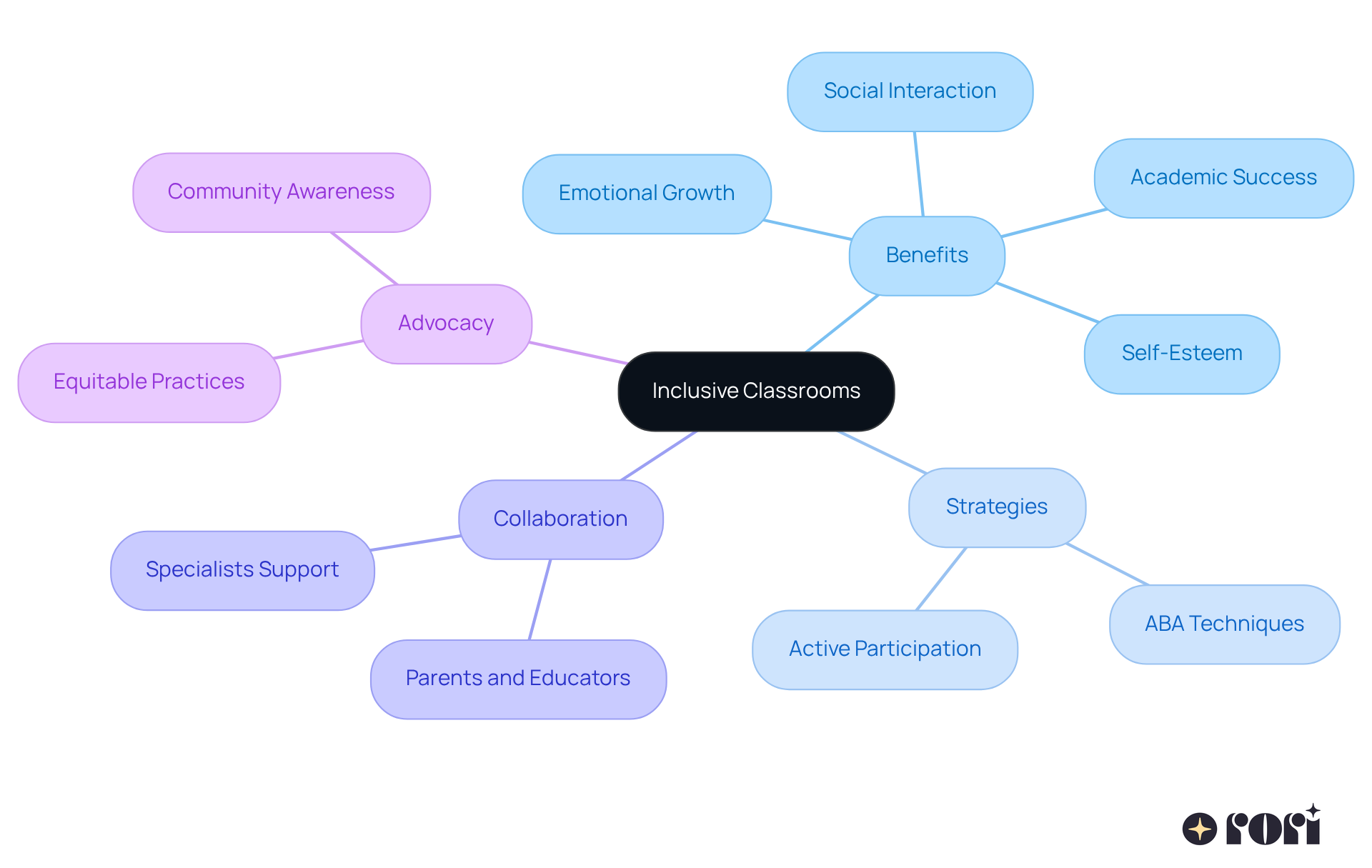
The process of creating allows for a vibrant space where they can learn alongside their neurotypical peers. This setup not only boosts social interaction but also fosters acceptance among all students. Research shows that kids with disabilities often achieve better academic results in integrated settings compared to self-contained classrooms. Plus, studies reveal that these environments help young people develop stronger .
When we , we , reduce stigma, and equip our children with the skills they need for real-world interactions. As Dr. Temple Grandin beautifully puts it, ‘Autism provides a special opportunity to see things in new ways.’ This highlights the unique perspectives that autistic individuals bring to the classroom.
At Rori Care, our clinical leadership team is dedicated to celebrating neurodiversity. We empower families with the knowledge and compassion they need to . This includes using and effective data collection, enabling caregivers to support their children’s behavioral goals.
Parents, we encourage you to . These inclusive settings are an example of , which not only benefit your children but also help cultivate a more compassionate and understanding community. By embracing inclusion, we prepare all students for a diverse world where differences are celebrated and valued.
Moreover, integrated classrooms can , showcasing the many benefits of inclusion beyond just academics. , like the caring team at Rori Care, is essential for creating inclusive classrooms for children with autism. Together, we can ensure that every student thrives!
Implement Key Strategies for Inclusion
We can all work together on creating ! Here are some friendly strategies parents can encourage:
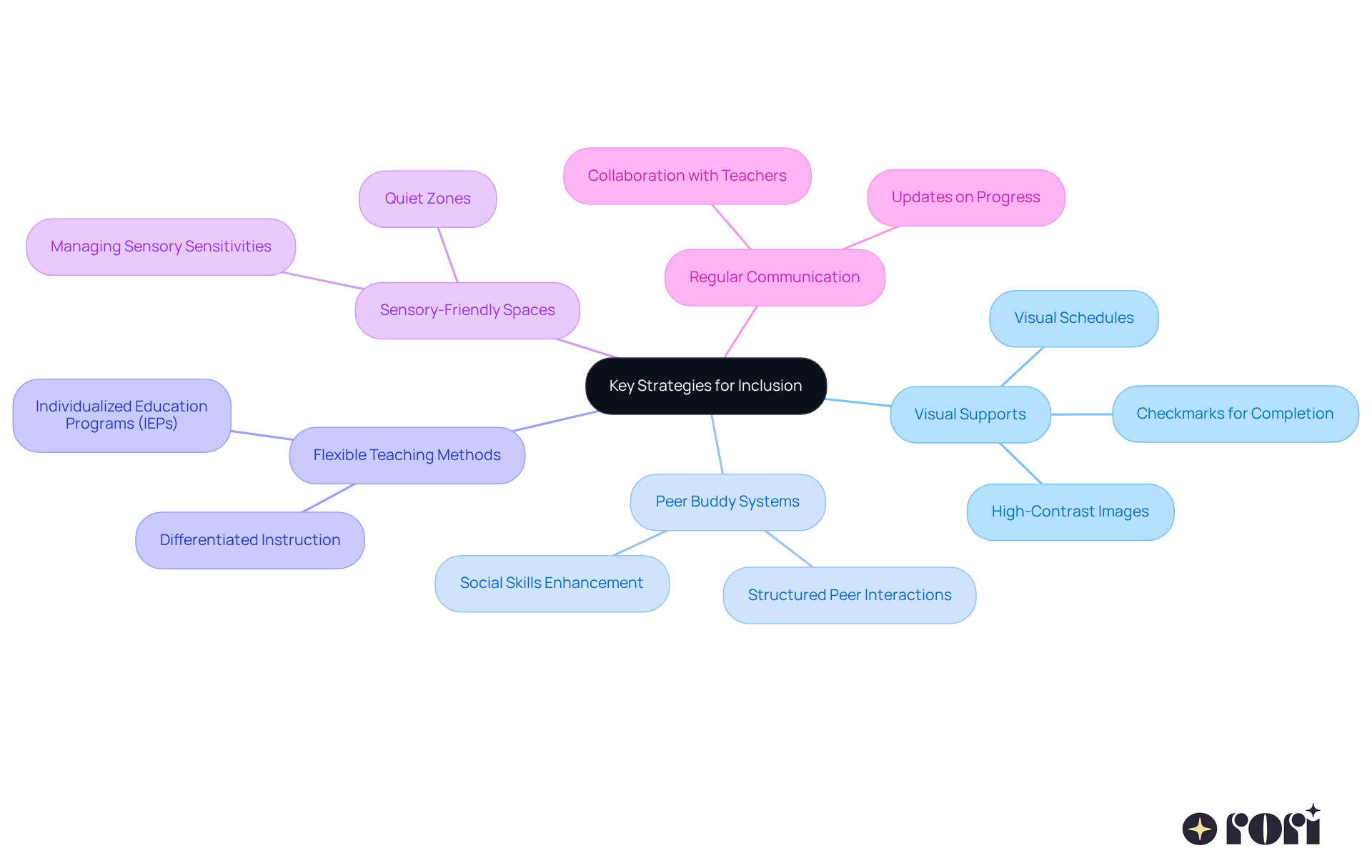
- : Think about how helpful and cues can be for kids with autism. They really help in understanding daily routines! Research shows that these visual aids can boost on-task behaviors and ease anxiety, making transitions a lot smoother. Using high-contrast images and simple checkmarks can really clarify things for them.
- : Have you ever noticed how much kids thrive with a buddy? Setting up peer buddy systems can significantly enhance social interactions, which is essential for creating inclusive classrooms for children with autism. Studies reveal that during school activities lead to big improvements in social skills. It’s amazing how peer-mediated interventions can spark social initiations and responses, which are essential for creating inclusive classrooms for children with autism.
- : Let’s talk about ! This approach focuses on creating inclusive classrooms for children with autism by catering to different learning styles, ensuring every student can engage meaningfully with what they’re learning. Incorporating with visual supports can really make a difference in learning outcomes.
- : Partnering with teachers to create sensory-friendly zones in the classroom is a fantastic idea! These quiet spaces allow kids to take a breather when they feel overwhelmed. It’s all about managing sensory sensitivities and promoting a better learning environment.
- : Keeping the lines of communication open with teachers is so important! Regular updates help parents stay in the loop about their child’s progress and challenges. It ensures that the strategies being used in the classroom are effective and supportive.
Let’s explore these ideas together! We’re here to help you every step of the way!
Collaborate with Parents and Specialists for Tailored Support
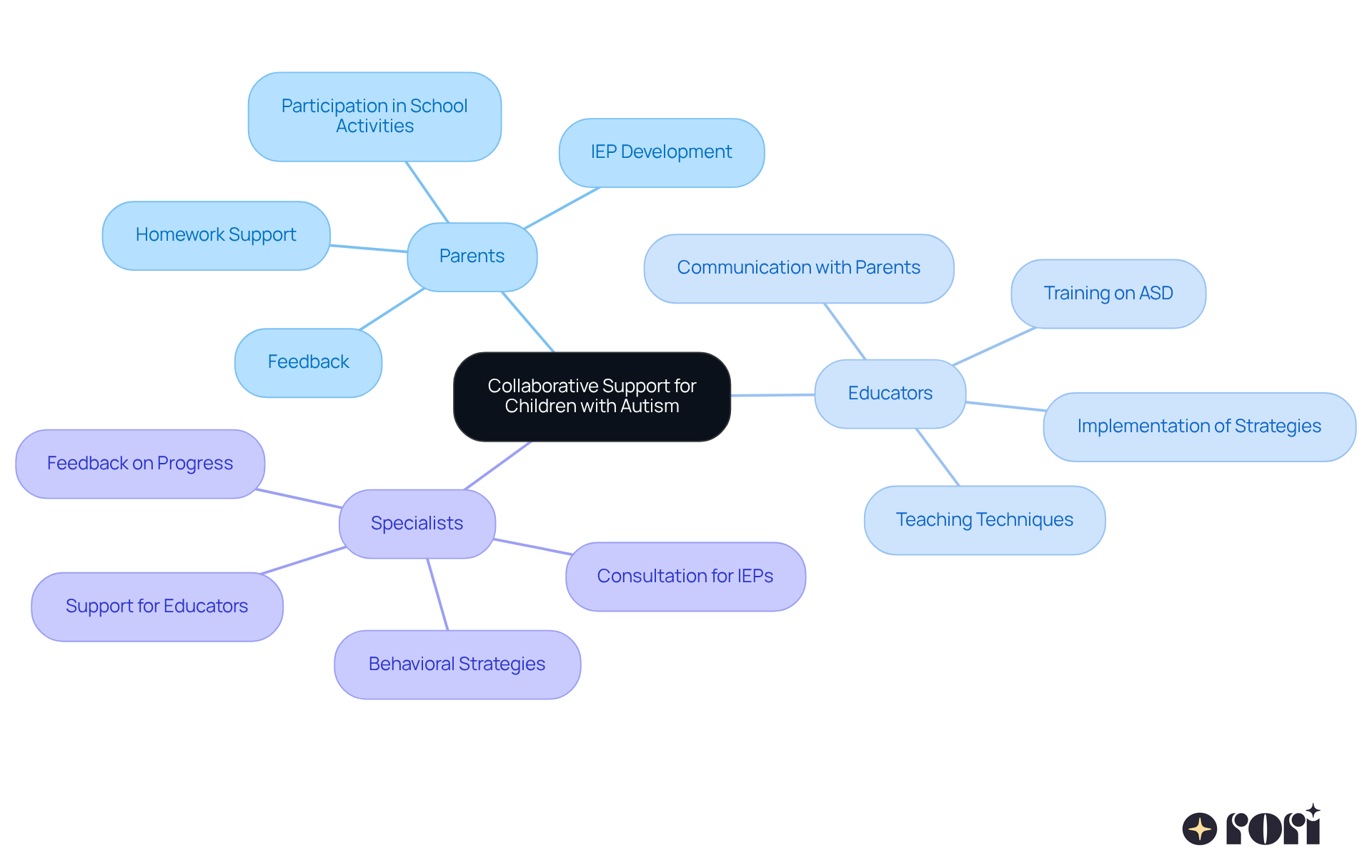
Successful teamwork is essential for , which means getting together often – parents, educators, and specialists – to discuss your child’s development and adjust our approaches as needed. At Rori Care, we’re all about ! We empower caregivers with ABA principles, making sure parents are right there in the mix when developing the . This teamwork is essential for [creating inclusive classrooms for children with autism](https://linksaba.com/how-to-collaborate-with-parents-of-autistic-students) by ensuring the IEP truly reflects your child’s unique strengths and challenges.
And let’s not forget the value of ! Their insights can really shine a light on . Our clinical leadership team is passionate about creating inclusive classrooms for children with autism and ensuring the success of young learners. We in creating inclusive classrooms for children with autism that enhance the learning experience.
Let’s explore this together! We’re here to !
Prioritize Training and Development for Educators
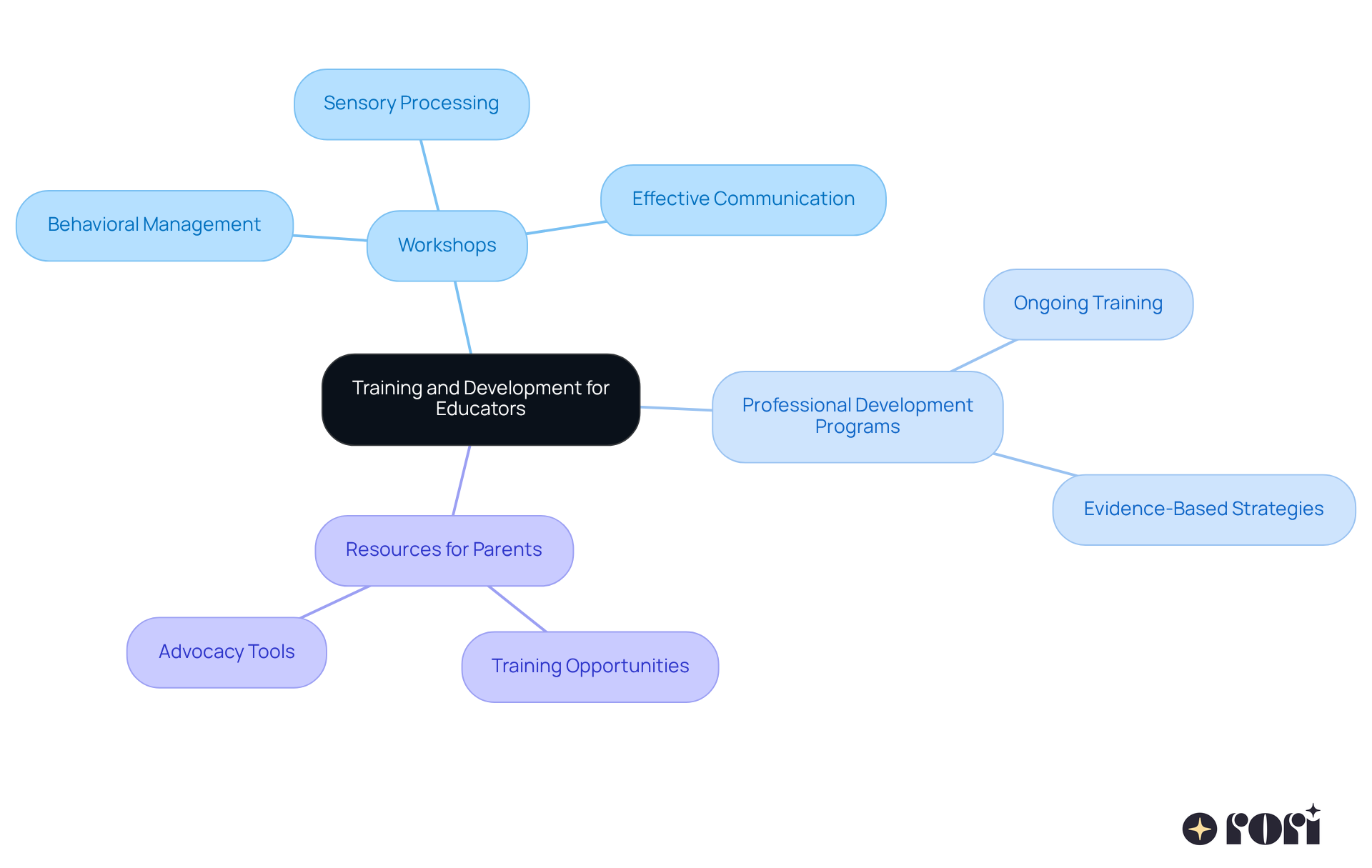
Parents, it’s so important to support our schools in for children with autism by providing ongoing training for educators about . Think about it: , sensory processing, and effective communication can make a world of difference! When schools embrace , it helps ensure that teachers are prepared for creating inclusive classrooms for children with autism and meeting the diverse needs of all their students.
At Rori Care, our clinical leadership team is truly dedicated to of young individuals. We offer extensive and empathetic that really makes an impact. And guess what? Parents can also find for themselves! Educational programs on ABA principles can help you better understand how to support your child’s . It’s all about empowering yourself to advocate for with your child’s behavioral goals.
Let’s explore this together! We’re here to help you every step of the way!
Conclusion
Creating inclusive classrooms for children with autism isn’t just a goal; it’s a vital necessity that enriches the educational experience for everyone involved. By fostering environments where neurodiverse learners can thrive alongside their peers, schools can cultivate acceptance, empathy, and understanding. This ultimately prepares every child for a diverse world.
Throughout this guide, we’ve highlighted key strategies like:
- Implementing visual supports
- Establishing peer buddy systems
- Creating sensory-friendly spaces
These methods are effective for enhancing inclusion. The collaboration between parents, educators, and specialists is essential for tailoring support to meet each child’s unique needs, ensuring that every student has the opportunity to succeed both academically and socially.
The journey toward inclusive classrooms is a shared responsibility that requires commitment and action from all of us. By advocating for equitable practices and prioritizing ongoing training for educators, we can create an atmosphere where differences are celebrated and valued. Embracing inclusion not only benefits children with autism but also enriches the educational landscape for everyone, fostering a generation that understands and appreciates diversity.
Let’s explore this together! We’re here to help you every step of the way!
Frequently Asked Questions
Why are inclusive classrooms important for children with autism?
Inclusive classrooms allow children with autism to learn alongside their neurotypical peers, boosting social interaction and fostering acceptance among all students. Research indicates that children with disabilities often achieve better academic results in integrated settings compared to self-contained classrooms.
What are the benefits of inclusion for students with disabilities?
Inclusion promotes a sense of belonging, reduces stigma, and equips children with essential skills for real-world interactions. It also helps students with disabilities develop stronger social skills and emotional growth, as well as improve self-esteem and body image.
How does Rori Care support inclusive classrooms?
Rori Care’s clinical leadership team celebrates neurodiversity by empowering families with knowledge and compassion. They use ABA strategies to promote active participation and effective data collection, helping caregivers support their children’s behavioral goals.
What can parents do to advocate for inclusive practices in schools?
Parents are encouraged to advocate for equitable practices in schools, emphasizing the importance of inclusive settings that benefit their children and cultivate a more compassionate and understanding community.
What role does collaboration play in creating inclusive classrooms?
Collaboration among parents, educators, and professionals is essential for creating inclusive classrooms for children with autism. Working together ensures that every student thrives in an environment that values and celebrates differences.