
Introduction
Creating inclusive environments for children with autism isn’t just a noble endeavor; it’s a fundamental necessity that truly enhances their social skills, independence, and overall well-being. These spaces foster meaningful peer interactions, paving the way for personal growth and a sense of belonging among all students.
But here’s the thing: how can educators and caregivers effectively implement strategies that really engage children with autism while also accommodating their unique needs? 🤔 This article dives into actionable methods for creating inclusive spaces that promote peer engagement. Let’s explore this together, ensuring that every child has the opportunity to thrive and connect!
Understand the Importance of Inclusive Environments
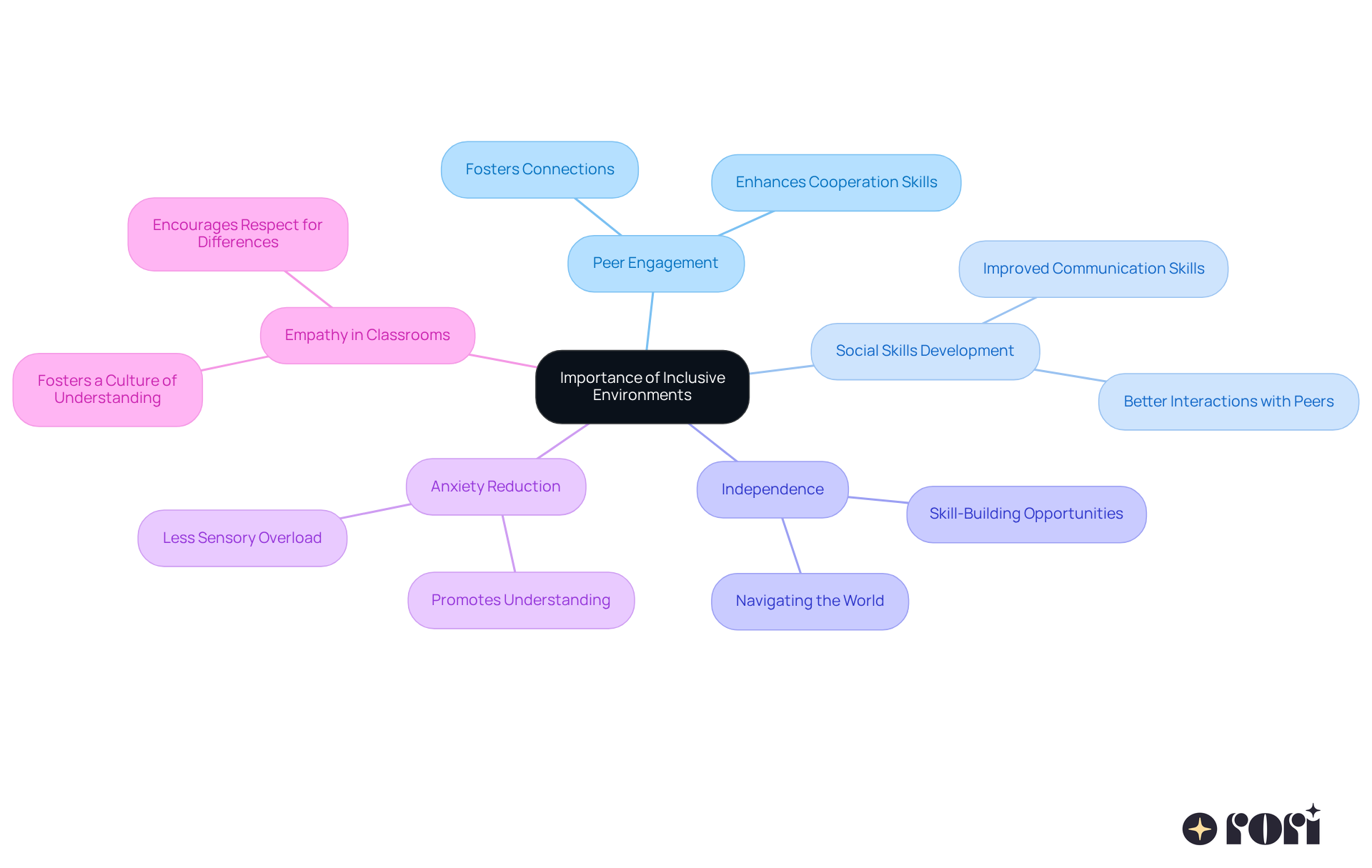
It is crucial for kids with autism that we focus on ! They really boost interaction and learning opportunities. Research shows that when kids with autism are part of mainstream classrooms, they not only develop but also gain more independence and a real sense of belonging. Creating inclusive environments for peer engagement in autism helps by cutting down on sensory overload and promoting understanding among classmates.
When we build respectful connections, we are for peer engagement in autism, which helps everyone learn to engage and cooperate, vital for their growth. At Rori Care, we empower kids with the skills they need to navigate the world on their own, helping them . Our clinical leadership team is all about neurodiversity and supporting youth, offering that focus on educating caregivers.
For example, studies show that kids with autism often show and better interactions with others when in creating inclusive environments for peer engagement in autism. This leads to not just better educational outcomes but also personal growth. The perks of creating inclusive environments for peer engagement in autism extend beyond just the individual students; they help and understanding in the whole classroom, enriching the learning experience for everyone.
Let’s explore this together! We’re here to help you every step of the way!
Implement Strategies for Peer Engagement
Engaging children with autism alongside their peers can be a rewarding journey, particularly when focusing on with effective strategies! Let’s explore this together:
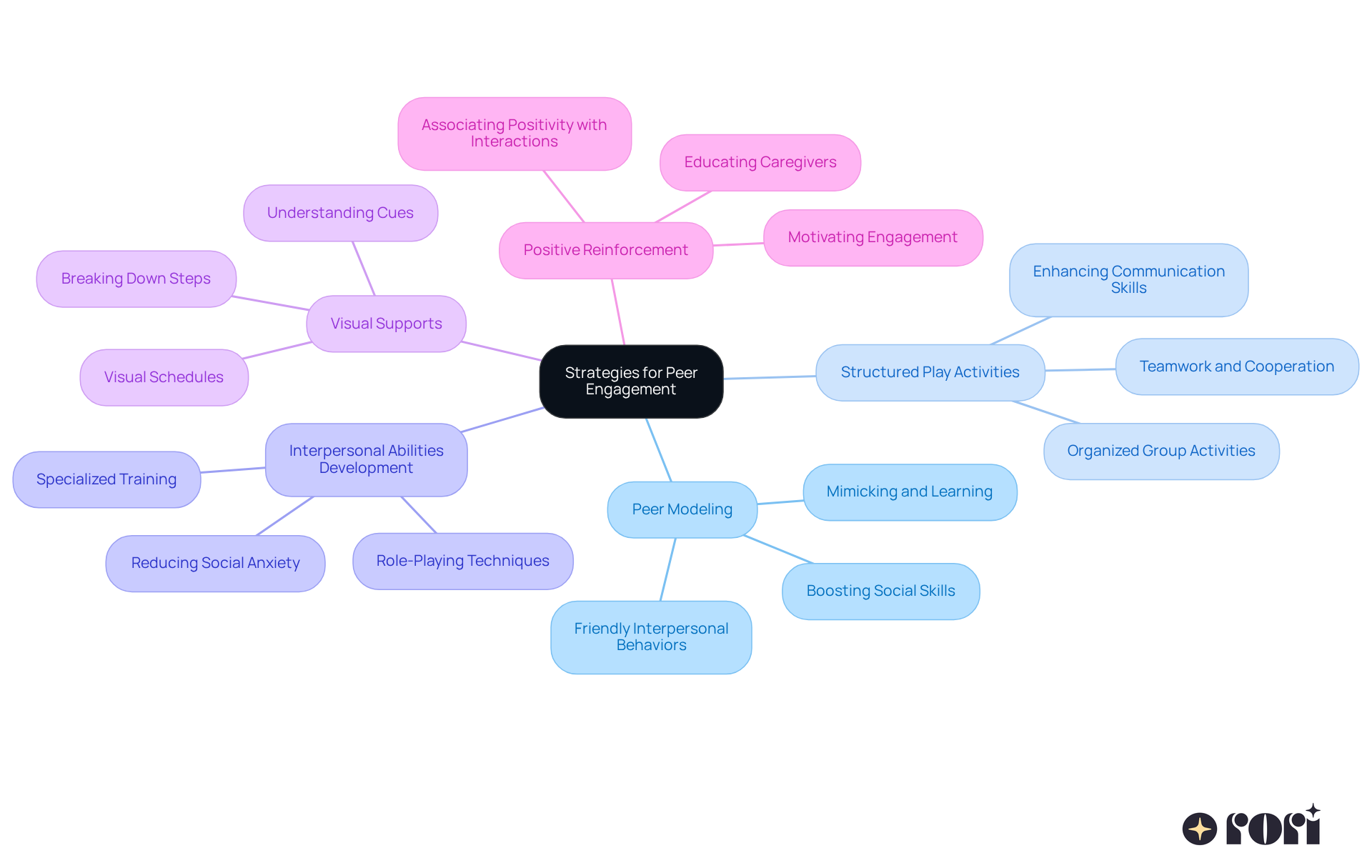
- Peer Modeling: Have neurotypical peers show off those friendly interpersonal behaviors! When kids participate in organized activities, they get to watch and mimic their friends, which really helps them learn together. Research shows that can significantly boost , with studies highlighting improvements in interaction and reciprocity.
- : Think about organizing playdates or group activities that require teamwork, like building projects or cooperative games. These fun activities encourage kids to interact and cooperate, which is so important for developing those interpersonal skills. Effective playtime has been shown to enhance peer involvement and improve communication skills among children with autism, thereby contributing to creating inclusive environments for peer engagement in autism.
- : Offering specialized training in interpersonal skills can be a game-changer! Focus on things like turn-taking, sharing, and starting conversations. Role-playing is a fantastic way to practice these skills in a safe space. Studies indicate that training in interpersonal abilities can lead to significant improvements in interactions and reduce anxiety in social situations. Rori Care even provides , which focuses on creating inclusive environments for peer engagement in autism, helping individuals strengthen their connections and communication in a group setting.
- : can be super helpful for young individuals to understand cues and expectations during conversations. Resources like stories or visual schedules can break down steps for engaging with others, making interactions feel more manageable and less intimidating.
- Positive Reinforcement: Let’s not forget about the power of praise! Strengthening with compliments or rewards can motivate kids to engage more with their peers. This approach not only encourages participation but also helps them associate social interactions with positive outcomes, boosting their eagerness to join in. Plus, is crucial for creating inclusive environments for peer engagement in autism, which supports development through ABA and leads to better support, informed choices, and improved behavioral outcomes.
Remember, you’re not alone in this journey! We’re here to help you every step of the way!
Design Sensory-Friendly Spaces for Engagement
Creating involves considering the little things that can make a big difference for individuals with autism. Let’s dive into some :
- Lighting: Opt for or flexible options. Bright fluorescent lights can be overwhelming for many young ones, so keeping it soft can really help.
- : Think about soundproofing or providing noise-canceling headphones. Reducing distracting sounds can create a more focused space for kids to thrive.
- : Offer a variety of seating choices, like bean bags or floor cushions. Letting kids pick what feels best for them fosters comfort and a sense of control.
- : Use soothing color palettes for walls and furniture. Calming colors can create a relaxing atmosphere that helps reduce anxiety.
- : Set up specific areas where kids can retreat when they feel overwhelmed. These spaces can include or soft textures to help them self-regulate.
Research shows that certain colors can lower stress and improve focus for kids with sensory sensitivities, making color choice super important! Plus, have been proven to aid in for peer engagement in autism, allowing kids to flourish in spaces that cater to their unique needs.
Let’s explore this together! Your insights and experiences are valuable, so feel free to share your thoughts!

Collaborate with Parents and Specialists for Success
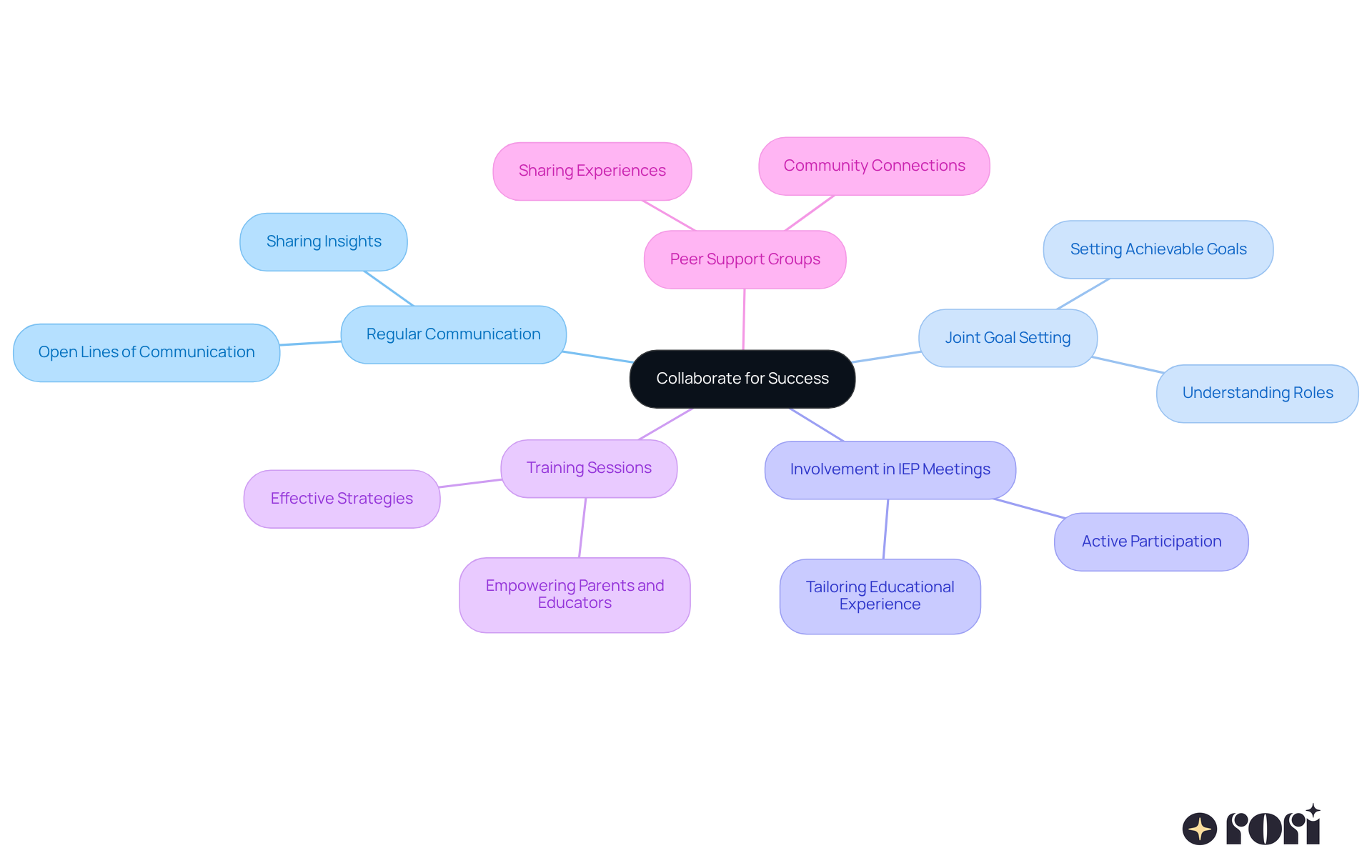
Successful peer involvement for youth with autism really hinges on by ensuring that parents, educators, and specialists work together effectively. Let’s dive into some key strategies that can help build these essential partnerships:
- : Keeping those lines of communication open between parents and educators is so important! This ongoing chat allows everyone to share insights about the child’s progress and challenges, making sure everyone’s on the same page.
- : It’s crucial to set achievable goals together for the child’s social development. When everyone understands their role in , it creates a united front that truly benefits the youth’s growth.
- : Parents, your voice matters! Actively participating in is a great way to ensure that the educational experience is tailored to your child’s unique needs and preferences.
- Offering on effective strategies is essential for creating inclusive environments for peer engagement in autism, . It’s all about equipping each other with the right tools to foster those social interactions and friendships.
- : Let’s not forget the power of community! with one another is vital for creating inclusive environments for peer engagement in autism. Sharing experiences and successful strategies can really empower families and enhance collective knowledge in navigating autism care.
So, what do you think? Let’s explore this together! We’re here to help you every step of the way!
Conclusion
Creating inclusive environments for peer engagement in autism is so important for helping children develop social skills, independence, and a sense of belonging. When we prioritize inclusivity, educational settings can really boost the interaction and learning experiences for these kids, leading to better outcomes for everyone involved.
Let’s talk about some key strategies to make this happen! Think about:
- Peer modeling
- Structured play activities
- Developing interpersonal skills
Visual supports and positive reinforcement can also make a big difference. Plus, designing sensory-friendly spaces and ensuring that parents, educators, and specialists work together are essential for creating a supportive environment. These approaches not only help children with autism thrive socially but also promote empathy and understanding among their peers, enriching the overall classroom experience.
We can’t stress enough how vital it is to create inclusive environments. It’s a shared responsibility that calls for ongoing commitment and teamwork. By putting effective strategies into action and keeping the lines of communication open, everyone can play a crucial role in supporting children with autism. Together, we can ensure they have the opportunities and tools they need for meaningful peer engagement. Let’s embrace this mission and work towards a more inclusive society where every child can connect, learn, and grow together!
Frequently Asked Questions
Why are inclusive environments important for kids with autism?
Inclusive environments are crucial for kids with autism as they boost interaction and learning opportunities, helping them develop better social skills, gain independence, and feel a sense of belonging.
How do inclusive environments affect anxiety and stress in kids with autism?
Creating inclusive environments helps reduce anxiety and stress by minimizing sensory overload and promoting understanding among classmates.
What benefits do kids with autism experience in mainstream classrooms?
Kids with autism in mainstream classrooms often show improved communication skills, better interactions with others, and enhanced educational outcomes and personal growth.
How do inclusive environments contribute to the overall classroom culture?
They foster a culture of empathy and understanding, enriching the learning experience for all students, not just those with autism.
What role does Rori Care play in supporting kids with autism?
Rori Care empowers kids with essential skills for independence through personalized behavior intervention plans and education for caregivers, focusing on neurodiversity and support for youth.