
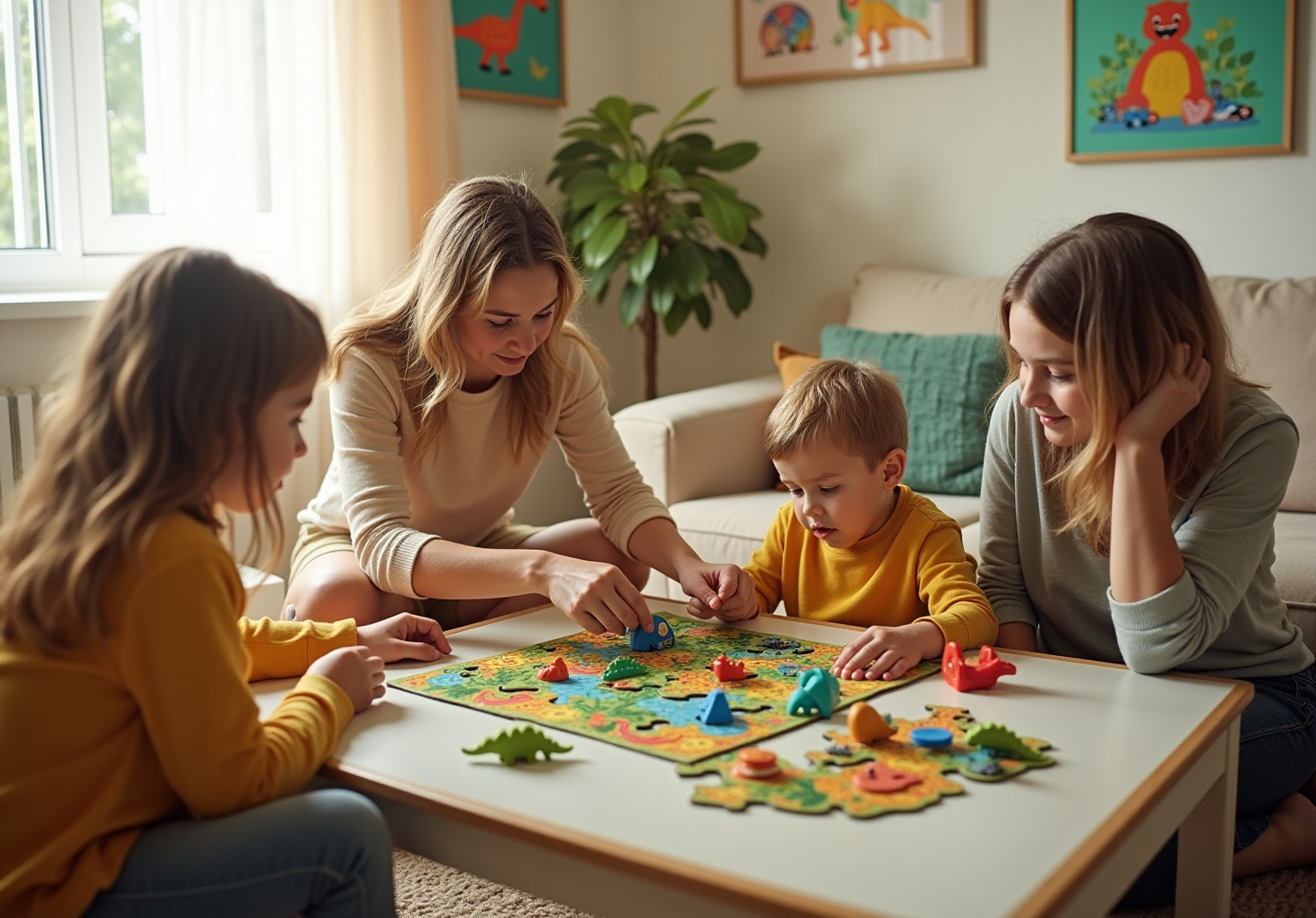
Introduction
Creating motivation in ABA therapy sessions isn’t just a helpful strategy; it’s a key ingredient that can really shape a child’s learning and growth. When kids feel engaged and motivated, they’re much more likely to jump in and participate actively in their treatment. This leads to better skills and behaviors! But here’s the thing: figuring out how to spark that motivation can be tricky.
So, what can parents do to keep their little ones excited and involved throughout their therapy journey? Let’s dive into four key strategies that can help you create a motivating environment. By doing so, you’ll not only enhance the effectiveness of ABA therapy but also make the experience more enjoyable for your child. We’re here to help you every step of the way!
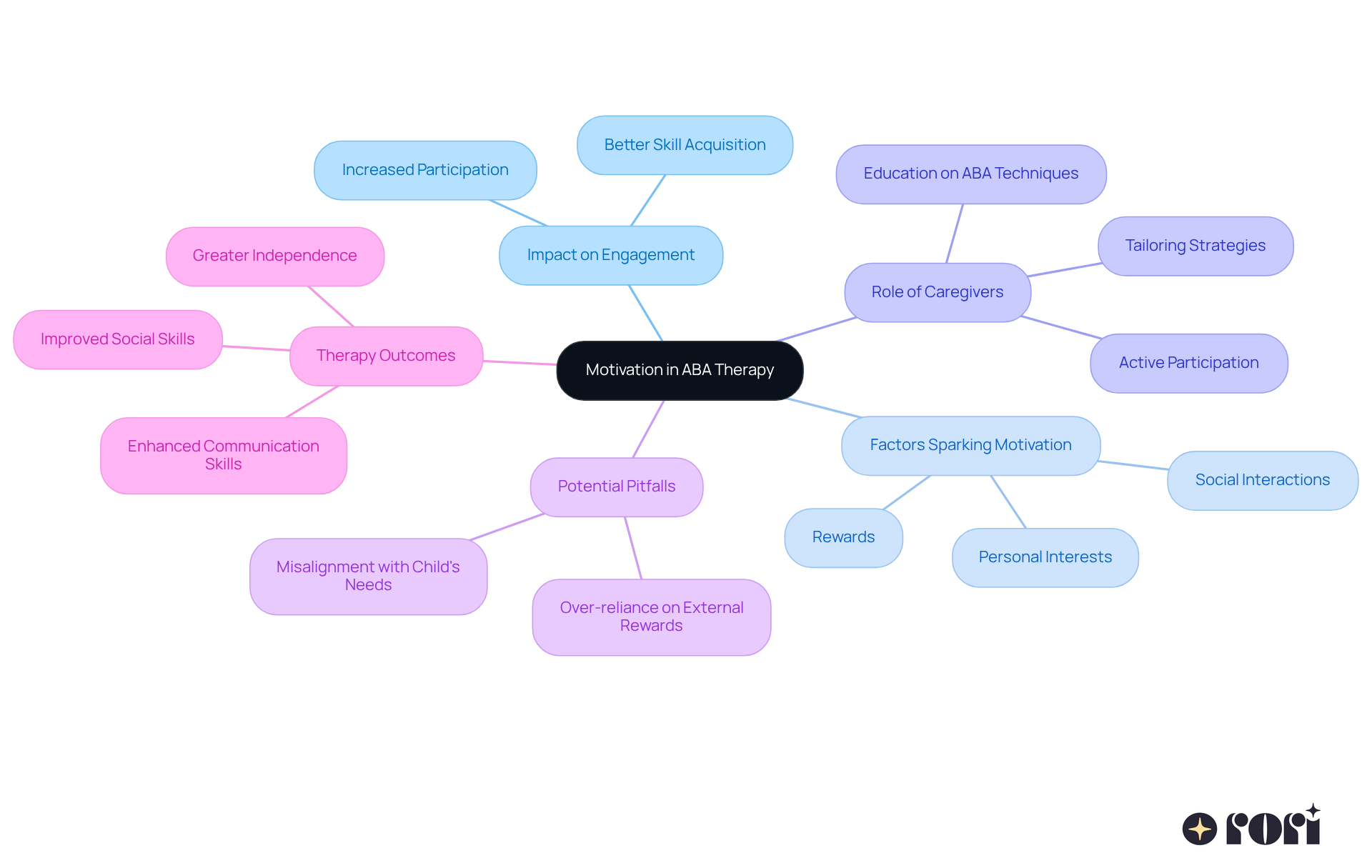
Understand the Role of Motivation in ABA Therapy
is a crucial factor in Applied Behavior Analysis (ABA) practices! It really shapes how young learners engage with educational tasks and respond to interventions. When kids feel motivated, makes them more likely to dive into treatment, leading to . Research shows that , social, and adaptive skills, making it super important for .
By figuring out what sparks their child’s motivation-be it personal interests, rewards, or social interactions-parents can create a that encourages engagement and progress. For instance, case studies reveal that kids who are motivated by their interests often show remarkable improvements in . This really highlights the strong link between and creating motivation in ABA therapy sessions.
And let’s not forget about the role of ! When caregivers have a solid grasp of ABA concepts and techniques, they can make choices that positively impact their child’s growth, reduce stress, and improve family dynamics. Active participation from caregivers, along with coordination with therapeutic methods, often leads to more effective and lasting behavioral changes.
Experts agree that creating motivation in ABA therapy sessions not only enhances the learning experience but also fosters a sense of autonomy and self-efficacy in kids, helping them thrive in various settings. However, it’s crucial for parents to be mindful of potential pitfalls when applying motivational strategies. They should ensure these strategies are tailored to their child’s unique needs and don’t unintentionally create a reliance on external rewards.
Let’s explore this together! We’re here to help you every step of the way!
Implement Effective Strategies to Enhance Motivation
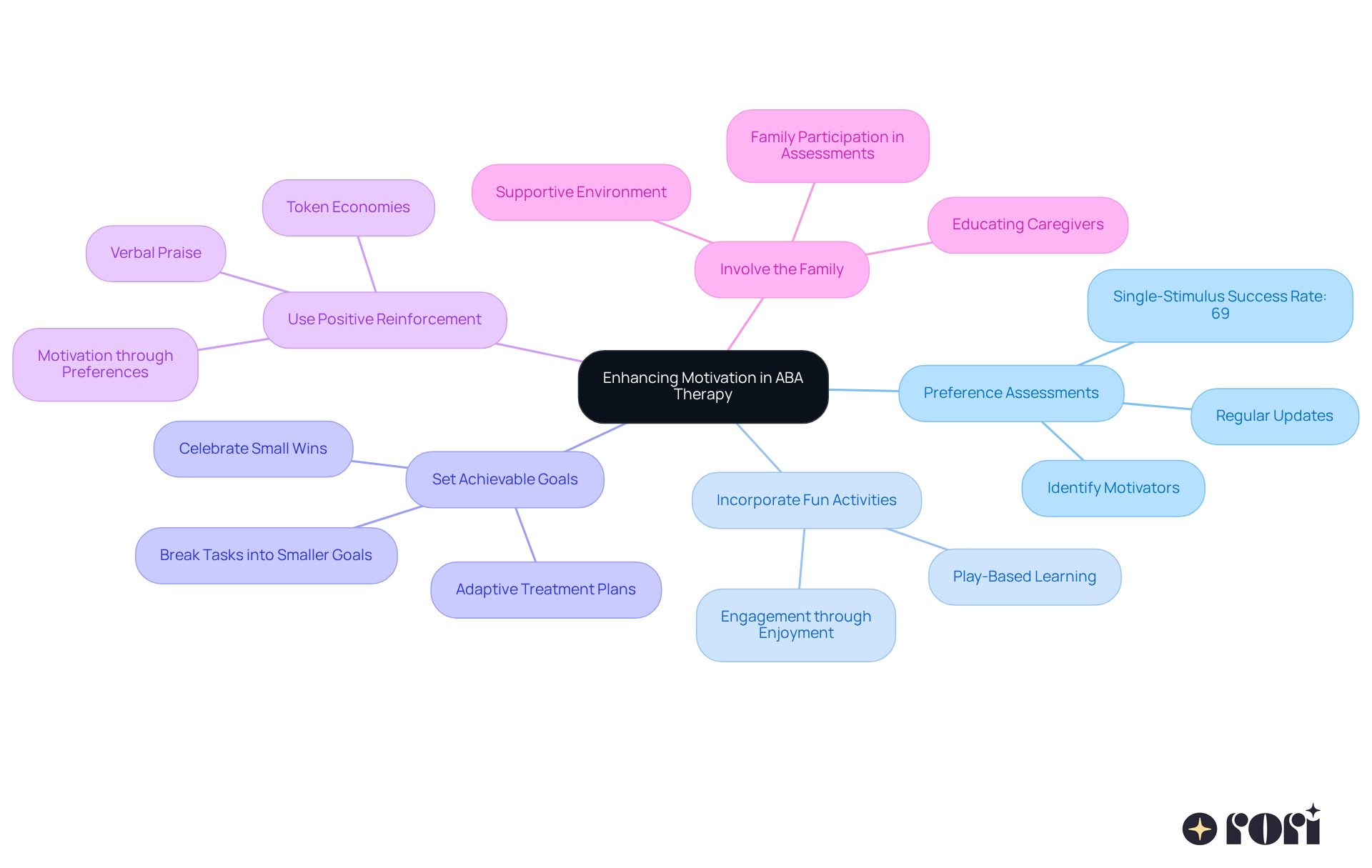
To boost motivation in ABA therapy sessions, parents can try out some effective strategies:
- : Regularly check in on what really motivates your child-be it toys, activities, or social interactions. Tailoring rewards to these preferences can make a big difference in how engaged they feel. Did you know that in identifying what kids like? That’s a great way to keep them encouraged during treatment!
- : Bring play and enjoyable activities into therapy sessions. When learning feels like fun, kids are more likely to jump in with enthusiasm, leading to .
- : Break tasks down into smaller, manageable goals. Celebrating those little wins can really build confidence and keep the momentum going. This approach is similar to what Rori Care does with , which are tailored based on progress reports and family involvement.
- Use : Create a system of , like verbal praise or token economies, to reward the behaviors you want to see. Once you know what your child prefers, these rewards can motivate them even more. It’s a wonderful way to inspire young learners and strengthen their education, that keeps them engaged.
- : Getting family members involved in can really help pinpoint what your child needs. This ensures that the interventions are spot on and support their growth. is key, as it empowers them to help their kids reach their behavioral goals.
By using these strategies, you can focus on creating motivation in ABA therapy sessions, which encourages your child to actively participate and leads to better developmental outcomes. Plus, Rori Care’s behavior care engine updates intervention plans after each session based on progress, making sure treatment stays responsive to your child’s needs.
Let’s explore this together! We’re here to help you every step of the way!
Tailor Interventions to Individual Needs for Maximum Engagement
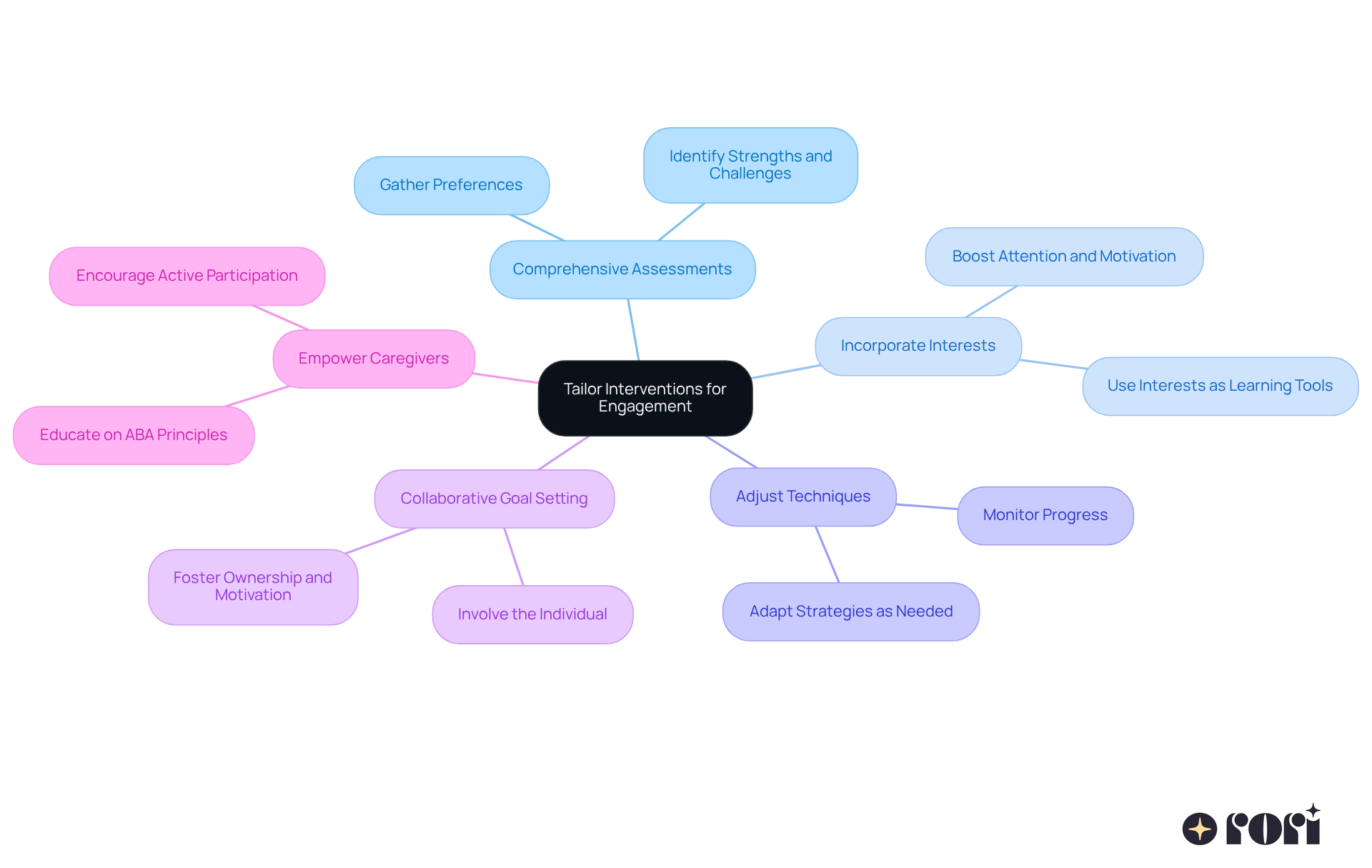
Every individual with autism has their own unique traits, which makes it super important to for the best experience in ABA therapy. Let’s dive into some key strategies for :
- Conduct : Start off with to pinpoint the individual’s strengths, challenges, and preferences. This foundational info is crucial for crafting a treatment plan that truly addresses their needs.
- : Use the young one’s interests as a springboard for learning! For example, if they’re fascinated by dinosaurs, bringing in dinosaur-themed activities can really boost their attention and motivation.
- Adjust Techniques Based on Progress: Keep an eye on how effective the interventions are and be ready to adapt strategies as the individual progresses and their interests evolve. This flexibility is key to keeping motivation high throughout the therapy journey.
- : Whenever possible, involve the young one in setting their own goals. This practice not only fosters a sense of ownership but also boosts their intrinsic motivation to work toward achieving those objectives.
And let’s not forget about ! Educating them on ABA principles is crucial. When caregivers are equipped with knowledge, they can provide better support at home, make informed decisions, and actively engage in their child’s treatment, leading to . Plus, having qualified supervision ensures that practitioners are continually honing their skills, which enhances the quality and ethics of the ABA services provided.
By and involving caregivers in the process, parents and therapists can focus on creating motivation in ABA therapy sessions to provide a more engaging and motivating experience. This ultimately leads to better outcomes in skill development and independence. With about 1 in 36 children in the U.S. diagnosed with autism, the effectiveness of personalized ABA treatment-boasting an impressive -can’t be overstated.
Let’s explore this together and make a difference in the lives of these amazing kids!
Involve Families to Sustain Motivation Beyond Therapy
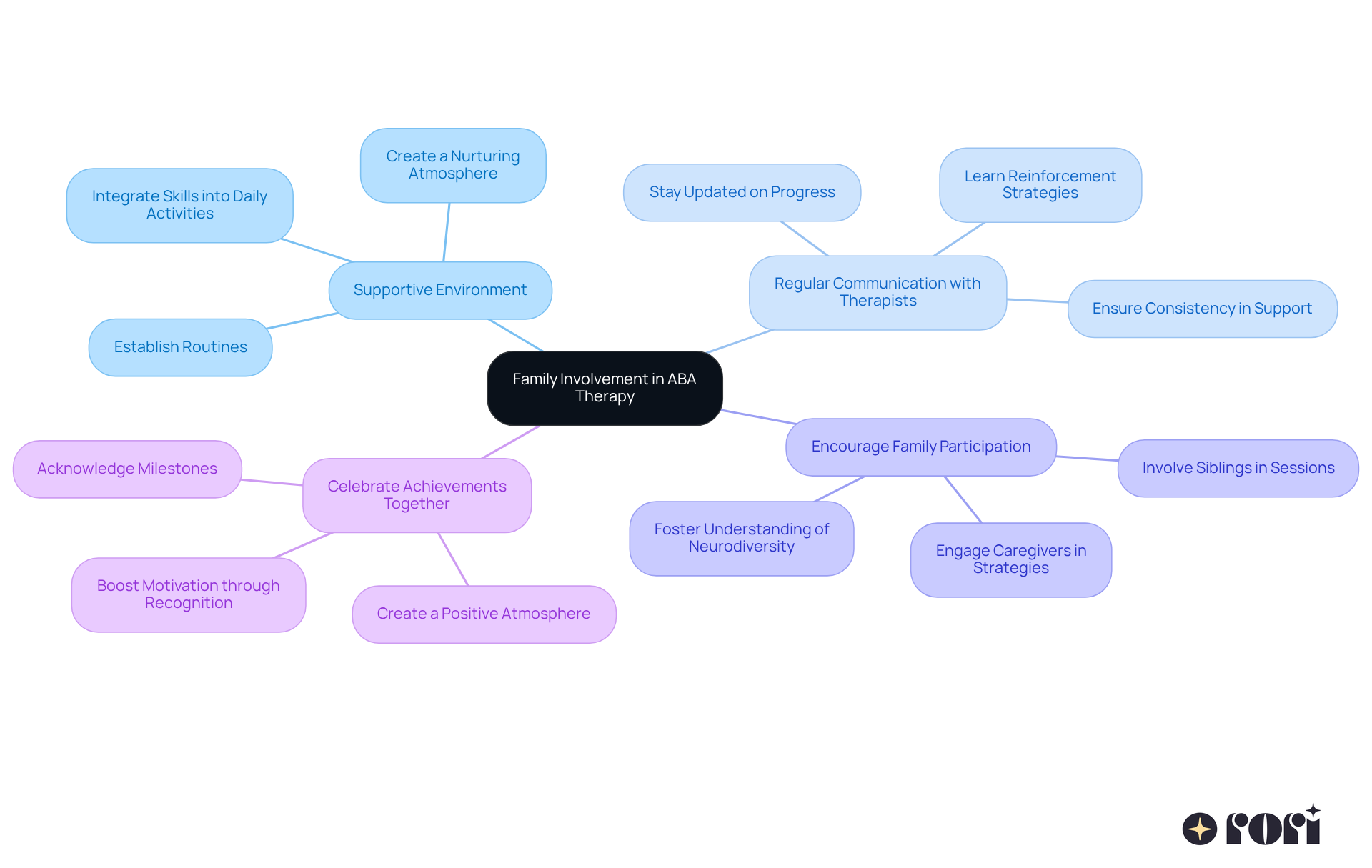
is vital for creating motivation in and reinforcing the skills learned in treatment. Here are some to engage their families:
- : Think about setting up a home atmosphere that encourages the use of . Establish routines that weave these skills into daily activities, making them feel natural and consistent. A nurturing home environment can lead to fewer behavior problems, showing just how crucial this is.
- : Keeping those lines of communication open with therapists is key! Stay updated on your child’s progress and learn specific strategies to reinforce at home. This partnership helps ensure consistency in supporting your child’s development and empowers you to make informed decisions that positively impact their growth.
- Encourage : Why not involve siblings and other family members in therapy sessions when it makes sense? This not only supports your child but also helps the family learn how to reinforce positive behaviors together. can enhance , allowing everyone to see the unique strengths your child brings. When caregivers actively engage alongside therapeutic strategies, it often leads to more .
- Celebrate Achievements Together: Don’t forget to recognize and as a family! Acknowledging progress boosts your child’s motivation and creates a positive atmosphere around their development. Every small victory counts! As Kerry Magro beautifully puts it, “Autism doesn’t come with an instruction guide. It comes with a family who will never give up.” This highlights just how vital family support is. The knowledge and skills you gain through caregiver education can really boost your confidence in supporting your child, easing stress and improving family dynamics.
By actively engaging families in the therapy process, you can assist in creating motivation in and ensure that the skills learned are consistently applied in various contexts. This ultimately enhances your child’s independence and success. Let’s explore this together!
Conclusion
Creating motivation in ABA therapy sessions is so important for keeping kids engaged and helping them thrive. When parents understand how crucial motivation is and use tailored strategies, they can create a space that not only encourages participation but also boosts developmental progress. The insights shared here really highlight how motivation impacts skill acquisition and behavioral changes, showing just how vital it is in effective ABA practices.
Key strategies like conducting preference assessments, incorporating fun activities, setting achievable goals, and involving family members are great ways to boost motivation. These methods not only make learning enjoyable but also empower kids to take charge of their own progress. By customizing interventions to meet individual needs and actively involving caregivers, the chances of success in therapy go way up, leading to better outcomes for children with autism.
Ultimately, creating motivation in ABA therapy is a team effort that goes beyond just the therapy sessions. By nurturing a supportive home environment and keeping open lines of communication with therapists, families can reinforce the skills learned in therapy and celebrate achievements together. This holistic approach not only enhances a child’s independence but also strengthens family bonds, making the journey of learning and growth a shared and rewarding experience. Embracing these strategies can truly make a difference in the lives of children and their families, paving the way for a brighter future. Let’s explore this together!
Frequently Asked Questions
Why is motivation important in ABA therapy?
Motivation is crucial in ABA therapy as it shapes how young learners engage with educational tasks and respond to interventions. When children feel motivated, they are more likely to participate actively in treatment, leading to better outcomes in skill-building and behavior changes.
How can parents enhance their child’s motivation in ABA therapy?
Parents can enhance their child’s motivation by identifying what sparks their interest, such as personal interests, rewards, or social interactions. Creating a nurturing learning environment that encourages engagement can significantly improve therapy outcomes.
What impact does motivation have on children’s skills in ABA therapy?
Research shows that motivation can boost cognitive, social, and adaptive skills in children. Motivated children often demonstrate remarkable improvements in communication and social skills, highlighting the link between motivation and successful therapy outcomes.
What role do caregivers play in creating motivation in ABA therapy?
Caregivers play a vital role by understanding ABA concepts and techniques, which allows them to make informed choices that positively impact their child’s growth. Their active participation and coordination with therapeutic methods lead to more effective and lasting behavioral changes.
What should parents be cautious about when applying motivational strategies?
Parents should be mindful of potential pitfalls, ensuring that motivational strategies are tailored to their child’s unique needs and do not create an unintended reliance on external rewards.
List of Sources
- Understand the Role of Motivation in ABA Therapy
- discoveryaba.com (https://discoveryaba.com/aba-therapy/success-rates-of-aba-therapy)
- The Impact of ABA Therapy on Long-Term Outcomes for Autism | Advanced Autism Services (https://advancedautism.com/post/the-impact-of-aba-therapy-on-long-term-outcomes-for-autism)
- abacentersfl.com (https://abacentersfl.com/blog/aba-therapy-outcomes)
- Implement Effective Strategies to Enhance Motivation
- The Numbers Don’t Lie: Revealing Autism Therapy Statistics | Above and Beyond Therapy (https://abtaba.com/blog/autism-therapy-statistics)
- intellistarsaba.com (https://intellistarsaba.com/blog/how-to-use-reinforcer-assessments-to-enhance-aba-outcomes)
- Resources | Golden Steps ABA (https://goldenstepsaba.com/resources/success-rates-of-aba-therapy)
- How preference assessments shape ABA therapy (https://crossrivertherapy.com/articles/how-preference-assessments-shape-aba-therapy)
- magnetaba.com (https://magnetaba.com/blog/using-preference-assessments-in-aba)
- Tailor Interventions to Individual Needs for Maximum Engagement
- The Numbers Don’t Lie: Revealing Autism Therapy Statistics | Above and Beyond Therapy (https://abtaba.com/blog/autism-therapy-statistics)
- discoveryaba.com (https://discoveryaba.com/aba-therapy/the-importance-of-individualized-treatment-plans-in-aba-therapy)
- Resources | Golden Steps ABA (https://goldenstepsaba.com/resources/success-rates-of-aba-therapy)
- Inspiring and Insightful Autism Quotes | Advanced Autism Services (https://advancedautism.com/post/autism-quotes)
- Involve Families to Sustain Motivation Beyond Therapy
- Inspirational ABA and Autism Quotes – Mrs. Moe’s Modifications (https://mrsmoesmodifications.com/inspirational-aba-and-autism-quotes)
- (PDF) Influence of Home Environment on Participation in Home Activities of Children with an Autism Spectrum Disorder (https://researchgate.net/publication/269396637_Influence_of_Home_Environment_on_Participation_in_Home_Activities_of_Children_with_an_Autism_Spectrum_Disorder)
- Best Autism Quotes to Raise Awareness and Understanding (https://yellowbusaba.com/post/autism-quotes)
- Relative importance of home environment domains to behavior problems in preschool children with developmental disabilities: A cross-sectional study using relative weights analysis (https://sciencedirect.com/science/article/pii/S3050613125000221)
- gratefulcareaba.com (https://gratefulcareaba.com/blog/inspirational-quotes-about-autism)