
Introduction
Navigating the turbulent waters of puberty can feel especially daunting for neurodivergent teens, particularly those on the autism spectrum. The right resources, like specialized puberty books, can offer essential guidance and support during this pivotal time. They help demystify the physical and emotional changes that come up. But with so many options out there, how can parents figure out which books truly resonate with their child’s unique experiences and needs?
This article dives into a comparative guide of essential puberty books tailored for autistic teens. We’ll explore their benefits and share criteria for selection, ensuring that every young person feels informed and empowered as they embark on this journey. Let’s explore this together!
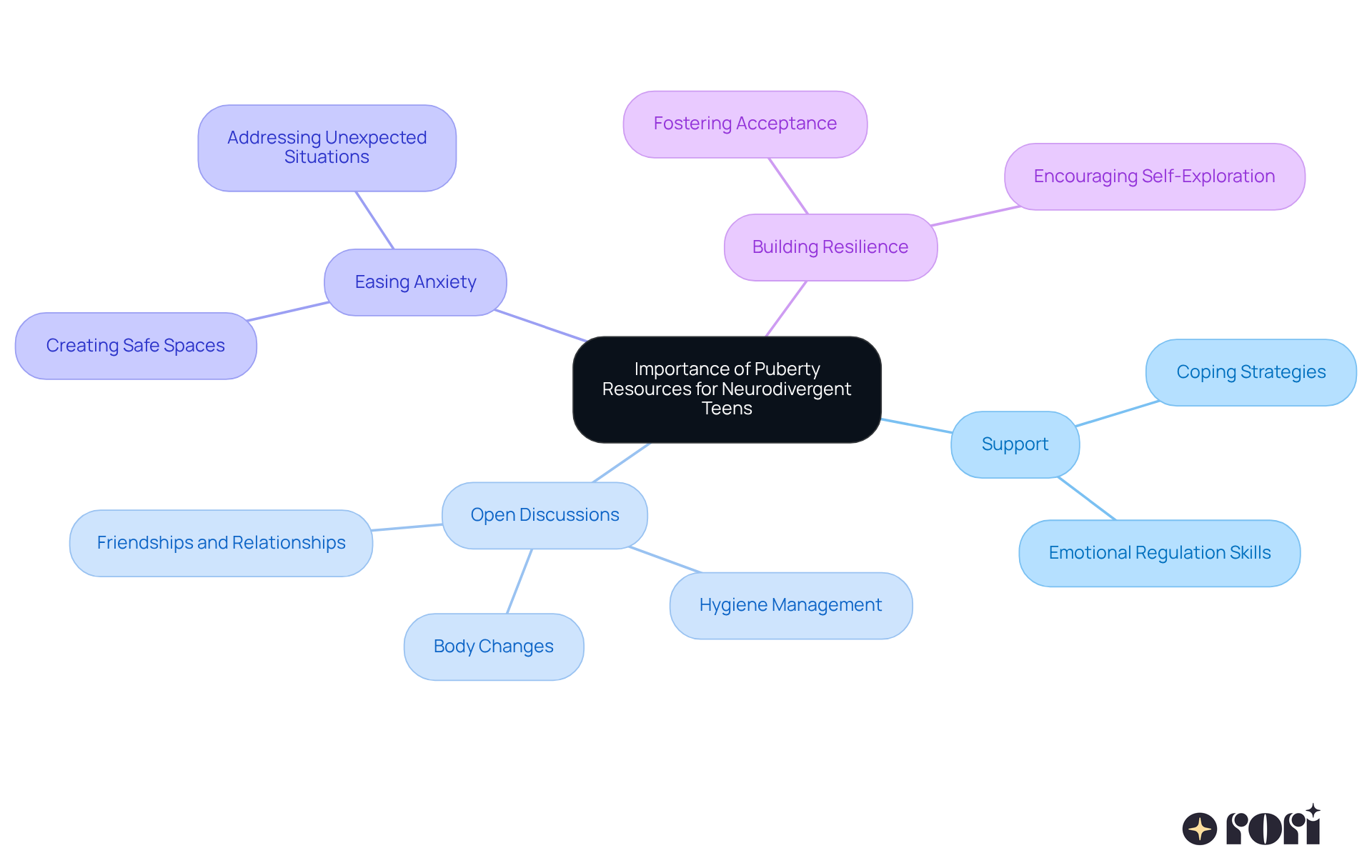
Importance of Puberty Resources for Neurodivergent Teens
Puberty is such an important time in a young person’s life, filled with big changes—physically, emotionally, and socially. For neurodivergent teens, especially those on the autism spectrum, can provide support as they . That’s why having the right resources, such as , is so crucial! They help explain what’s happening in their bodies and offer for the emotional rollercoaster that often comes with this phase.
Imagine sitting down with your child and having an open chat about body changes, hygiene, and social interactions. It creates a safe space for them to express their feelings and ask questions. Plus, these can really , providing neurodivergent teens with a boost of confidence as they . Research shows that when we educate early on these topics, it can make a world of difference in —both key for getting through adolescence.
By where discussions about physical changes and feelings are welcomed, you can help your child . Let’s explore this together! We’re here to help you every step of the way!
Comparison Criteria for Evaluating Puberty Books
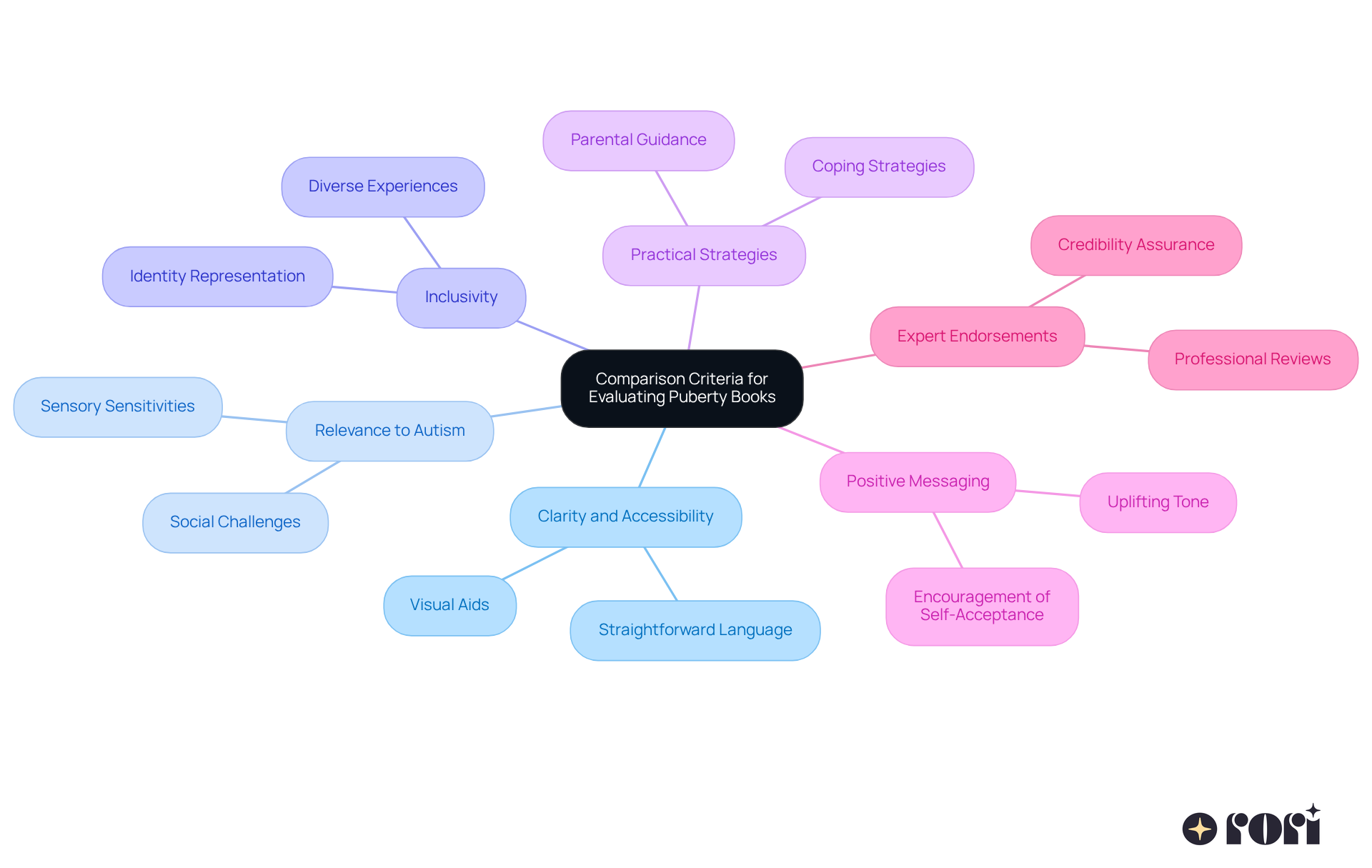
When it comes to picking puberty books for , there are a few key things to keep in mind:
- : It’s important that the language is straightforward and age-appropriate. We want to avoid any complex jargon that might confuse our readers. Visual aids, like illustrations and diagrams, can really help make things clearer!
- Relevance to Autism: The content should speak directly to the unique , as highlighted in . Think about sensory sensitivities and social challenges that can pop up during adolescence.
- Inclusivity: Look for resources that reflect a variety of experiences and identities. It’s essential that all see themselves represented in the material.
- : Great resources will offer that parents can use to support their kids through this transitional phase.
- : The tone of the book should be . We want to nurture a healthy understanding of adolescence and encourage self-acceptance.
- : Books that come with reviews or endorsements from professionals in add an extra layer of credibility. This gives parents peace of mind when choosing the right material.
Let’s explore this together! Finding the right can make a world of difference for both parents and teens navigating this journey.
Overview of Top Puberty Books for Autistic Teens
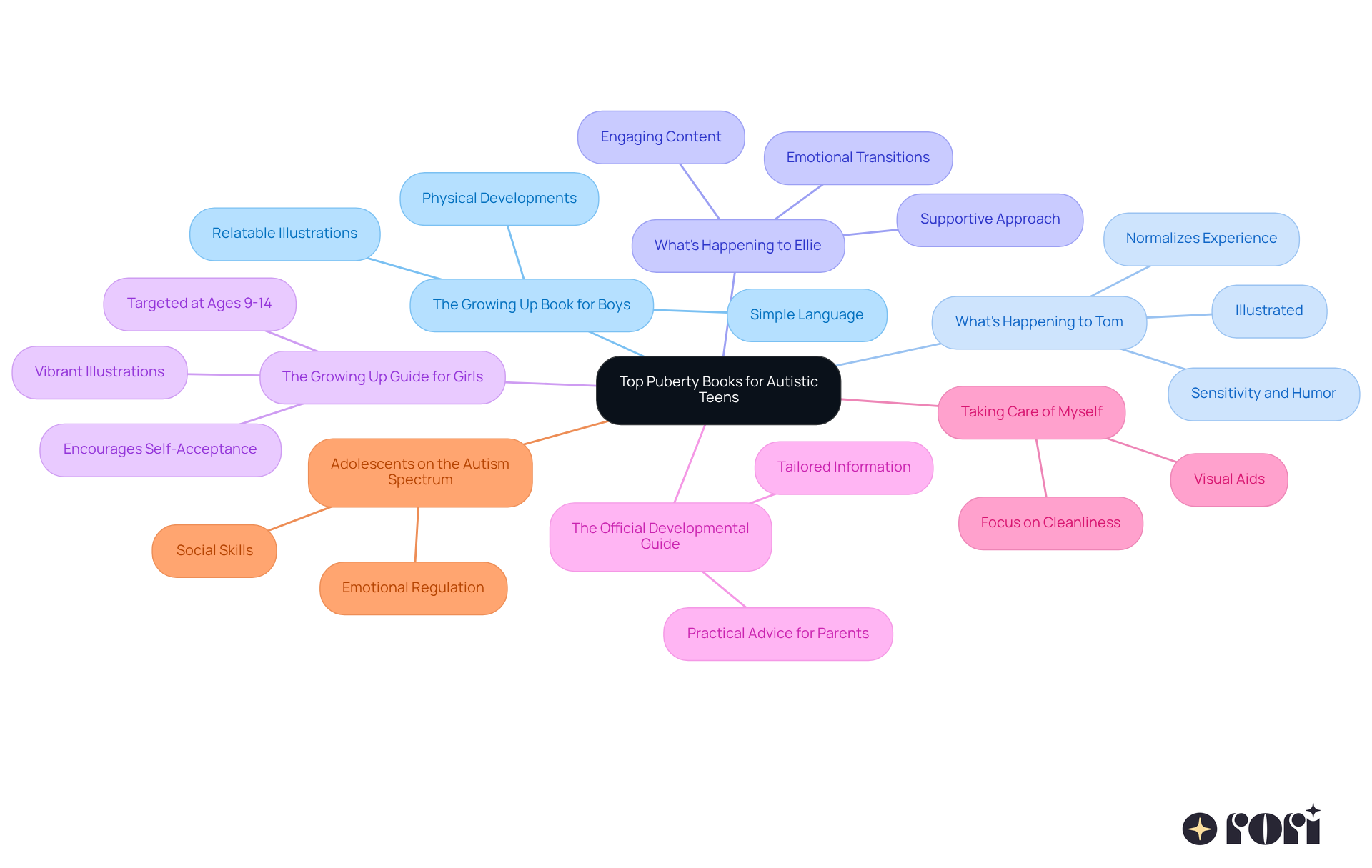
Here are some highly recommended puberty books for :
- The Growing Up Book for Boys: This resource clearly describes the physical developments boys experience during adolescence. It uses simple language and relatable illustrations to help younger readers understand better.
- What’s Happening to Tom regarding ? This illustrated book, designed for boys on the , discusses and serves as one of the key with sensitivity and humor. It helps normalize the experience and eases anxiety surrounding these transitions.
- What’s Happening to Ellie regarding the ? This equivalent for girls employs a similar method, addressing physical transformations and emotional transitions in a supportive and engaging way. It makes the topic approachable for young readers.
- The Growing Up Guide for Girls: Specifically targeted at girls aged 9-14, this guide offers vital information about development and adolescence. It tackles the challenges encountered by girls on the , using straightforward language and vibrant illustrations to clarify bodily transformations, encouraging self-acceptance and understanding.
- The Official Developmental Guide: Released by the American Autism Association, this extensive manual serves as one of the , providing tailored information on maturation for autistic individuals. It includes practical advice for parents navigating these transitions with their children.
- Taking Care of Myself: Focusing on cleanliness and self-nurturing during adolescence, this guide offers visual aids and social narratives that help children grasp the importance of personal care practices.
- Adolescents on the : This book serves as one of the , covering a wide range of topics related to puberty, including emotional regulation and social skills, and acts as a valuable tool for parents supporting their teens through this critical developmental phase.
As Dyan Robson notes, “I wanted the focus of this list to be on their .” These materials not only provide essential information but also empower young readers to embrace their unique experiences. Plus, books like ‘A Different Sort Of Normal’ have received a rating of 3.97 based on 167 reviews, showcasing their positive reception among readers.
For parents seeking additional support, the Hyperlexia Hub Community offers valuable resources and discussions related to these topics. Let’s explore this together!
Key Takeaways and Recommendations for Parents
Navigating adolescence can be quite a journey, especially for neurodivergent teens who may benefit from . But don’t worry! With the right , you can help ease this transition for your child. Here are some friendly tips to consider:
- Start Early: It’s a good idea to chat about puberty before those changes kick in. This way, your child knows what to expect.
- : Think about using visual aids and social stories. They can really help explain those .
- : Create a space where your child feels comfortable asking questions and sharing their feelings about the changes they’re going through.
- : Learning about Applied Behavior Analysis (ABA) can be super helpful. It supports your child’s behavioral goals and helps create a consistent, nurturing environment during this time.
- : Pick out that are relevant and accessible for your child. It makes a difference!
- Be Patient and Understanding: Remember, every child responds to these changes differently. Offer support tailored to their unique needs.
- : If you feel it’s necessary, don’t hesitate to reach out to or therapists. They can provide extra strategies and support, ensuring that interventions for positive behavior change and skill development.
Let’s explore this together! We’re here to help you every step of the way!

Conclusion
Navigating the ups and downs of puberty can be quite the journey for neurodivergent teens, especially those on the autism spectrum. Finding the right puberty books for autism can be a game-changer, offering clarity and support that makes this transition a bit smoother. These resources not only explain the changes happening in their bodies but also empower young individuals to embrace their unique experiences with confidence and understanding.
In this article, we’ve highlighted some key points, like the importance of choosing puberty books that are clear, relevant, and inclusive. It’s essential that these resources address the specific challenges faced by autistic individuals, providing practical strategies and positive messaging that fosters self-acceptance. Notable titles like “What’s Happening to Tom” and “The Growing Up Guide for Girls” are shining examples of supportive literature that can truly make a difference in a teen’s life.
Ultimately, the journey through puberty is a pivotal time for self-discovery and growth. By prioritizing open communication, utilizing the right resources, and creating a supportive environment, parents can play a crucial role in helping their children navigate this phase. Investing in quality puberty education for autistic adolescents not only prepares them for the changes ahead but also reinforces their sense of belonging and resilience in the world.
Let’s embrace this opportunity to explore and learn together, ensuring that every teen feels understood and supported during this essential developmental stage. We’re here to help you every step of the way!
Frequently Asked Questions
Why are puberty resources important for neurodivergent teens?
Puberty resources are important for neurodivergent teens because they help explain the physical, emotional, and social changes that occur during this time, offering support and coping strategies for navigating these overwhelming changes.
How can puberty books for autism benefit neurodivergent teens?
Puberty books for autism can benefit neurodivergent teens by providing clear explanations of body changes, hygiene, and social interactions, easing anxiety and confusion, and boosting their confidence during this challenging phase.
What role do open discussions about puberty play in a teen’s development?
Open discussions about puberty create a safe space for teens to express their feelings and ask questions, which fosters emotional regulation, social skills, and resilience, helping them feel included and supported.
How does early education on puberty topics impact neurodivergent teens?
Early education on puberty topics can significantly improve emotional regulation and social skills, which are crucial for successfully navigating adolescence.
What kind of atmosphere should parents aim to create when discussing puberty with their children?
Parents should aim to create an inclusive atmosphere where discussions about physical changes and feelings are welcomed, helping their child feel like they truly belong and are supported.
List of Sources
- Importance of Puberty Resources for Neurodivergent Teens
- autism.org (https://autism.org/understanding-and-supporting-puberty)
- occupationaltherapy.com.au (https://occupationaltherapy.com.au/supporting-neurodiverse-adolescents-through-puberty)
- pmc.ncbi.nlm.nih.gov (https://pmc.ncbi.nlm.nih.gov/articles/PMC6842435)
- 10 inspiring quotes from people with autism | Autism Speaks (https://autismspeaks.org/life-spectrum/autism-quotes)
- Comparison Criteria for Evaluating Puberty Books
- pmc.ncbi.nlm.nih.gov (https://pmc.ncbi.nlm.nih.gov/articles/PMC6842435)
- mdpi.com (https://mdpi.com/2075-4426/14/6/632)
- goldstarrehab.com (https://goldstarrehab.com/parent-resources/autism-quotes)
- Overview of Top Puberty Books for Autistic Teens
- andnextcomesl.com (https://andnextcomesl.com/2020/06/autism-books-for-autistic-teens-tweens.html)
- goodreads.com (https://goodreads.com/book/show/4220133-girls-growing-up-on-the-autism-spectrum)
- littlepuddins.ie (https://littlepuddins.ie/autism-puberty-books)
- Key Takeaways and Recommendations for Parents
- Data and Statistics on Autism Spectrum Disorder (https://cdc.gov/autism/data-research)
- linksaba.com (https://linksaba.com/how-to-support-autistic-kids-during-puberty)
- pmc.ncbi.nlm.nih.gov (https://pmc.ncbi.nlm.nih.gov/articles/PMC6482840)
- Parental Burden and its Correlates in Families of Children with Autism Spectrum Disorder: A Multicentre Study with Two Comparison Groups – PMC (https://pmc.ncbi.nlm.nih.gov/articles/PMC6080067)
- pmc.ncbi.nlm.nih.gov (https://pmc.ncbi.nlm.nih.gov/articles/PMC7449027)