
Introduction
Integrating mindfulness into therapy for children with autism is a game-changer! 🌟 It not only helps with emotional regulation but also boosts social skills and self-awareness. As families navigate the ups and downs of autism, understanding how mindfulness can make a difference opens up new avenues for growth and connection.
But here’s the big question: how can parents bring these practices into their homes while tackling the challenges that pop up? This guide is here to share essential techniques and strategies that empower you to support your child’s mindfulness journey. Together, we can enrich their therapeutic experience and strengthen family bonds. Let’s explore this together!
Define Mindfulness and Its Importance in Autism Therapy
Mindfulness is all about being fully present and engaged in the moment – no judgment involved! It’s about tuning into your thoughts, feelings, and bodily sensations as they come up. For kids with autism, integrating can be game-changers. They help youngsters develop , allowing them to manage anxiety, improve focus, and enhance social interactions. Research shows that these techniques can significantly reduce for autistic youth, leading to better overall mental health outcomes.
At Rori Care, we truly believe in the power of . Led by trained therapists, this approach enhances social interactions and communication in a supportive group setting. It’s all about building skills and connections, working hand-in-hand with awareness techniques that encourage young individuals to engage meaningfully with their peers.
But the benefits of being present don’t stop with the kids; ! When families participate in awareness exercises together, it can really , improve mental well-being, and create healthier family dynamics. For instance, case studies have shown that when parents get involved in awareness activities, they see better , creating a nurturing environment for their kids with autism.
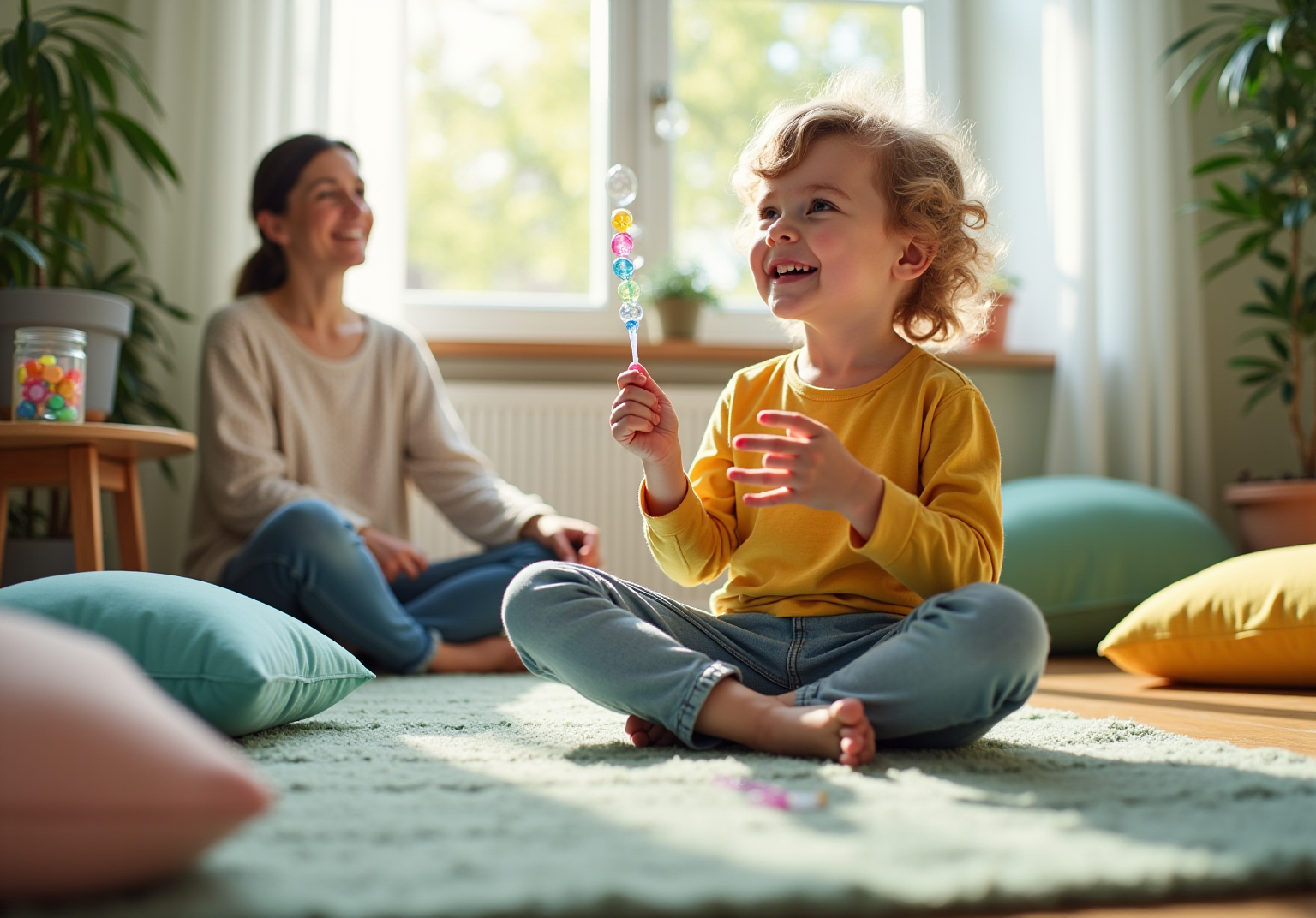
not only aids in symptom management but also and interactions more effectively. As parents start to weave these practices into their child’s therapy, it’s important to understand specific techniques, like the glitter jar exercise or mindful walks. These can really promote a .
Let’s explore this together! We’re here to help you every step of the way!

Explore the Benefits of Mindfulness for Children with Autism
Mindfulness offers so many benefits for kids with autism, really helping them grow emotionally and socially. Here at Rori Care, we truly believe in by weaving it into our mental health support services, such as Group Therapy, Individual Therapy, and Caregiver Education, to create a well-rounded approach to autism care.
- Enhanced : Mindfulness practices help kids recognize and manage their emotions better, which can lead to less anxiety and frustration. Research shows that can really boost . In fact, studies have found that these practices can reduce both internalizing and externalizing problems in participants. A systematic review even highlights how MBIs can ease psychological distress and behavioral issues in youth with ASD.
- Enhanced Focus and Attention: Engaging in regular mindfulness exercises can significantly improve concentration, allowing kids to be more present during therapy sessions and daily activities. This boost in focus is essential for their overall learning and development, something we emphasize in our Individual Therapy sessions.
- Better : , which are key for improving social interactions and communication. Kids who practice mindfulness often show better social responsiveness, making it easier for them to navigate social situations. For instance, a study with 45 kids found significant improvements in social communication right after participating in the MYmind program, showcasing its effectiveness in enhancing . Our Group Therapy sessions also provide a supportive space for kids to develop these skills together.
- Reduced Stress and Anxiety: can really help lower stress levels. These methods empower kids to handle overwhelming situations, leading to a calmer demeanor and better emotional health. Research suggests that mindfulness practices can be just as , proving its worth as a mental health intervention. Plus, our Caregiver Education programs equip families with strategies to support their children’s mindfulness practices at home.
- Increased Self-Compassion: Mindfulness encourages a kinder, more accepting attitude towards oneself, which is crucial for building self-esteem. This self-compassion helps kids tackle challenges with a positive outlook, fostering resilience and personal growth.
All these benefits come together to create a more positive therapeutic experience, emphasizing the role of . By incorporating mindfulness techniques into daily routines and utilizing Rori Care’s wide range of services, families can support their children’s and , ultimately enhancing their overall quality of life. Let’s explore this together!

Implement Mindfulness Techniques in Therapy Sessions
To effectively implement mindfulness techniques in therapy sessions, let’s explore some friendly strategies that can make a difference:
- Mindful Breathing: Teach your little one to focus on their breath. You might use fun visual aids like bubbles or feathers to show how . Integrating , can really help reduce anxiety levels and improve , especially for kids with autism.
- : Guide your child through a . Encourage them to notice sensations in different parts of their body. This practice not only promotes relaxation but also helps them connect with their physical sensations.
- : Incorporate gentle movements like yoga or tai chi. These activities can help kids connect with their bodies and release tension. Plus, has shown to improve focus and , boosting overall well-being.
- : Engage your child with sensory activities, like listening to calming sounds or feeling different textures. These activities can really anchor them in the present moment, fostering a sense of calm and reducing anxiety.
- : Create a calming story that allows your child to visualize a peaceful place. This technique can help them relax and concentrate, leading to better mental functioning and .
By integrating into therapy sessions, you can enhance your child’s engagement and improve therapeutic outcomes. It’s all about creating those meaningful connections that lead to improvements in and social interactions. Let’s take this journey together!

Engage Parents in Supporting Mindfulness at Home
Fostering mindfulness at home can be a rewarding journey for parents and kids alike! Here are some friendly strategies to help you get started:
- Establish a : Think about creating a daily routine that includes some simple awareness exercises, like mindful breathing or meditation. This can really help your little ones develop a sense of awareness, boosting their . Research shows that regular .
- Model Awareness: Show your kids what mindfulness looks like in your daily life. Share your own experiences with stress and emotions, and how you use awareness techniques to handle them. Experts say that when parents engage in mindfulness, it can have a huge positive impact on their children, inspiring them to adopt similar habits.
- Utilize : Why not use some fun visual aids like charts or reminders to throughout the day? These little visual cues can be great triggers for your kids to join in on awareness activities, making learning even more effective.
- Incorporate Awareness into : Try to weave mindfulness into everyday tasks, like eating or walking. Encourage your kids to focus on their senses and surroundings, helping them stay present in the moment. This approach aligns with findings that integrating can enhance social responsiveness, especially in children with autism spectrum disorder (ASD).
- Encourage Reflection: After mindfulness activities, take some time to chat with your kids about their feelings and experiences. This not only reinforces the importance of but also helps them express their thoughts and emotions. Research indicates that .
By actively engaging in mindfulness exercises at home, you can significantly enhance your children’s ability to apply these techniques in various situations. This leads to improved emotional well-being and social responsiveness. Let’s explore this together!

Troubleshoot Challenges in Mindfulness Implementation
Implementing can be a bit tricky for parents, right? Here are some challenges you might face:
- Distraction: If your little one struggles to concentrate, try shorter awareness sessions or add some movement-based activities to keep their interest alive. Techniques like mindful movement or yoga can really grab their attention! Plus, when you educate yourself as a caregiver, you’ll be better equipped to , complementing any professional help they might be getting.
- Resistance: If your child seems reluctant to join in, no worries! Introduce these practices gradually. Make it fun and relatable – think games or storytelling to illustrate awareness concepts. This can really help ease their reluctance. With a solid , you’ll be able to make choices that positively impact your child’s journey.
- Difficulty Understanding Concepts: can work wonders. Use relatable examples and visual aids to help your child grasp the concepts more easily. When caregivers are actively involved and aligned with therapeutic strategies, it often leads to more in behavior.
- Inconsistent Practice: To , weave awareness into your child’s daily routine. Consistency is key! Try setting aside specific times each day for these activities, highlighting their importance in your child’s life. The skills you gain through can empower you to support your child effectively, reducing stress and improving family dynamics.
- Overwhelm: If the exercises feel overwhelming, break them down into simpler parts. Focus on one technique at a time, allowing your child to get comfortable before moving on to the next. By addressing these challenges head-on, you can create a nurturing environment that encourages , ultimately boosting your child’s .
Let’s explore this together! Remember, you’re not alone in this journey.

Conclusion
Integrating mindfulness into therapy for autism offers a wonderful opportunity for both children and parents. By nurturing a sense of presence and awareness, mindfulness gives autistic youth essential tools for emotional regulation, social interaction, and overall mental well-being. This approach not only helps manage symptoms but also empowers families to create loving environments that support their children’s growth.
Throughout this article, we’ve explored how mindfulness can enhance emotional regulation, focus, social skills, and self-compassion in children with autism. Techniques like mindful breathing, body scans, and sensory awareness activities are effective strategies for both therapy sessions and home practice. Plus, parental involvement is key in reinforcing these practices, leading to improved family dynamics and emotional understanding.
Embracing mindfulness is more than just a therapeutic technique; it’s a holistic approach that can truly enhance the quality of life for children with autism and their families. By weaving mindfulness practices into daily routines and supporting each other through challenges, parents can create a lasting legacy of emotional resilience and connection. The journey toward mindfulness isn’t just about personal growth; it’s about building a supportive community that thrives together.
Let’s explore this together! Remember, you’re not alone on this journey, and we’re here to help you every step of the way!
Frequently Asked Questions
What is mindfulness and why is it important in autism therapy?
Mindfulness is the practice of being fully present and engaged in the moment without judgment. In autism therapy, it helps children develop self-awareness and regulation skills, which can manage anxiety, improve focus, and enhance social interactions. Research indicates that mindfulness techniques can significantly reduce anxiety and boost emotional control for autistic youth.
How does mindfulness benefit children with autism?
Mindfulness offers numerous benefits for children with autism, including enhanced emotional regulation, improved focus and attention, better social skills, reduced stress and anxiety, and increased self-compassion. These benefits contribute to a more positive therapeutic experience and overall quality of life.
What specific mindfulness techniques can be used in therapy for autism?
Specific mindfulness techniques include exercises like the glitter jar exercise and mindful walks. These practices promote a positive therapeutic experience and help children navigate their emotions and interactions more effectively.
How does Rori Care integrate mindfulness into its therapy services?
Rori Care integrates mindfulness into its autism therapy by incorporating it into Group Therapy, Individual Therapy, and Caregiver Education. This approach creates a well-rounded support system for children and their families.
What role do parents play in mindfulness practices for children with autism?
Parents can benefit from mindfulness practices by enhancing their parenting skills, improving mental well-being, and creating healthier family dynamics. Involvement in awareness activities can lead to better behavior management and emotional understanding in the family.
Can mindfulness practices help reduce anxiety in children with autism?
Yes, mindfulness techniques, such as deep breathing and meditation, can significantly lower stress levels and help children handle overwhelming situations. Research suggests that these practices can be as effective as medication for treating anxiety disorders.
How does mindfulness improve social skills in children with autism?
Mindfulness nurtures self-awareness and empathy, which are essential for improving social interactions and communication. Children who practice mindfulness often show better social responsiveness and can navigate social situations more easily.
What evidence supports the effectiveness of mindfulness in autism therapy?
Studies have shown that mindfulness-based interventions can enhance emotional regulation, reduce psychological distress and behavioral issues, and improve social communication in children with autism. For instance, research on the MYmind program demonstrated significant improvements in social skills.
List of Sources
- Define Mindfulness and Its Importance in Autism Therapy
- Frontiers | The effectiveness of mindfulness-based interventions for children with autism and their parents: a systematic review and meta-analysis (https://frontiersin.org/journals/psychology/articles/10.3389/fpsyg.2025.1526001/full)
- docwirenews.com (https://docwirenews.com/post/mindfulness-helps-some-autistic-symptoms-lowers-parental-stress)
- Autism and Mindfulness Practices Demystified (https://mastermindbehavior.com/post/autism-and-mindfulness-practices)
- 107 Favorite Quotes About Autism and Aspergers (https://the-art-of-autism.com/favorite-quotes-about-autism-and-aspergers)
- The effectiveness of mindfulness-based interventions for children with autism and their parents: a systematic review and meta-analysis – PMC (https://pmc.ncbi.nlm.nih.gov/articles/PMC12245922)
- Explore the Benefits of Mindfulness for Children with Autism
- The effectiveness of mindfulness-based interventions for children with autism and their parents: a systematic review and meta-analysis – PMC (https://pmc.ncbi.nlm.nih.gov/articles/PMC12245922)
- advancedautism.com (https://advancedautism.com/post/the-benefits-of-mindfulness-practices-for-autism-therapy-programs)
- docwirenews.com (https://docwirenews.com/post/mindfulness-helps-some-autistic-symptoms-lowers-parental-stress)
- yellowbusaba.com (https://yellowbusaba.com/post/autism-and-mindfulness-practices)
- Can Mindfulness Help Children on the Spectrum? Research-Backed Benefits and Practical Applications | Links (https://linksaba.com/can-mindfulness-help-children-on-the-spectrum)
- Implement Mindfulness Techniques in Therapy Sessions
- Mindfulness-Based Interventions for People with Autism Spectrum Disorder: A Systematic Literature Review (https://mdpi.com/2076-3425/14/10/1001)
- mastermindbehavior.com (https://mastermindbehavior.com/post/the-benefits-of-mindfulness-techniques-for-children-with-autism)
- primalhealthcoach.com (https://primalhealthcoach.com/blog/mindfulness-quotes)
- 19+ Mindfulness Quotes to Inspire Your Practice (https://positivepsychology.com/mindfulness-quotes)
- How to Incorporate Mindfulness Techniques into ABA Therapy – SoaringHigh ABA (https://soaringhighaba.com/post/how-to-incorporate-mindfulness-techniques-into-aba-therapy)
- Engage Parents in Supporting Mindfulness at Home
- Group Virtual Mindfulness-Based Intervention for Parents of Autistic Adolescents and Adults – PMC (https://pmc.ncbi.nlm.nih.gov/articles/PMC7796683)
- docwirenews.com (https://docwirenews.com/post/mindfulness-helps-some-autistic-symptoms-lowers-parental-stress)
- Frontiers | The effectiveness of mindfulness-based interventions for children with autism and their parents: a systematic review and meta-analysis (https://frontiersin.org/journals/psychology/articles/10.3389/fpsyg.2025.1526001/full)
- Virtual Mindfulness Workshops for Parents of Children on the Autism Spectrum – Emily L. Curl, Lauren H. Hampton, 2024 (https://journals.sagepub.com/doi/10.1177/10538151231169950)
- 30 Mindfulness Quotes for Kids – Mrs. Moe’s Modifications (https://mrsmoesmodifications.com/mindfulness-quotes-for-kids)
- Troubleshoot Challenges in Mindfulness Implementation
- researchgate.net (https://researchgate.net/publication/360902115_Challenges_encountered_with_a_mindfulness_app_Lessons_learnt_from_a_pilot_randomized_trial_involving_caregivers_and_individuals_with_autism)
- 30 Mindfulness Quotes for Kids – Mrs. Moe’s Modifications (https://mrsmoesmodifications.com/mindfulness-quotes-for-kids)
- allaboutaba.com (https://allaboutaba.com/blog/how-mindfulness-practices-can-support-autism-well-being)
- alumacare.com (https://alumacare.com/blog/mindfulness-practices-for-autism)
- asatonline.org (https://asatonline.org/for-parents/becoming-a-savvy-consumer/is-there-science-behind-that-autism-and-treatment-with-mindfulness)