

Introduction
Understanding emotions is such an important part of child development, especially for kids on the autism spectrum. Recognizing and expressing feelings can truly shape how they interact with others and build relationships. This article is here to help parents with a step-by-step guide on how to teach their children to tact emotions effectively. By doing so, we can enhance their emotional intelligence and communication skills.
But what if your child has a hard time expressing or even recognizing their emotions? 🤔 Exploring the challenges and opportunities in tacting emotions can empower you as a parent to support your child’s emotional growth in meaningful ways. Let’s explore this together!
Understand Tacting Emotions and Its Importance
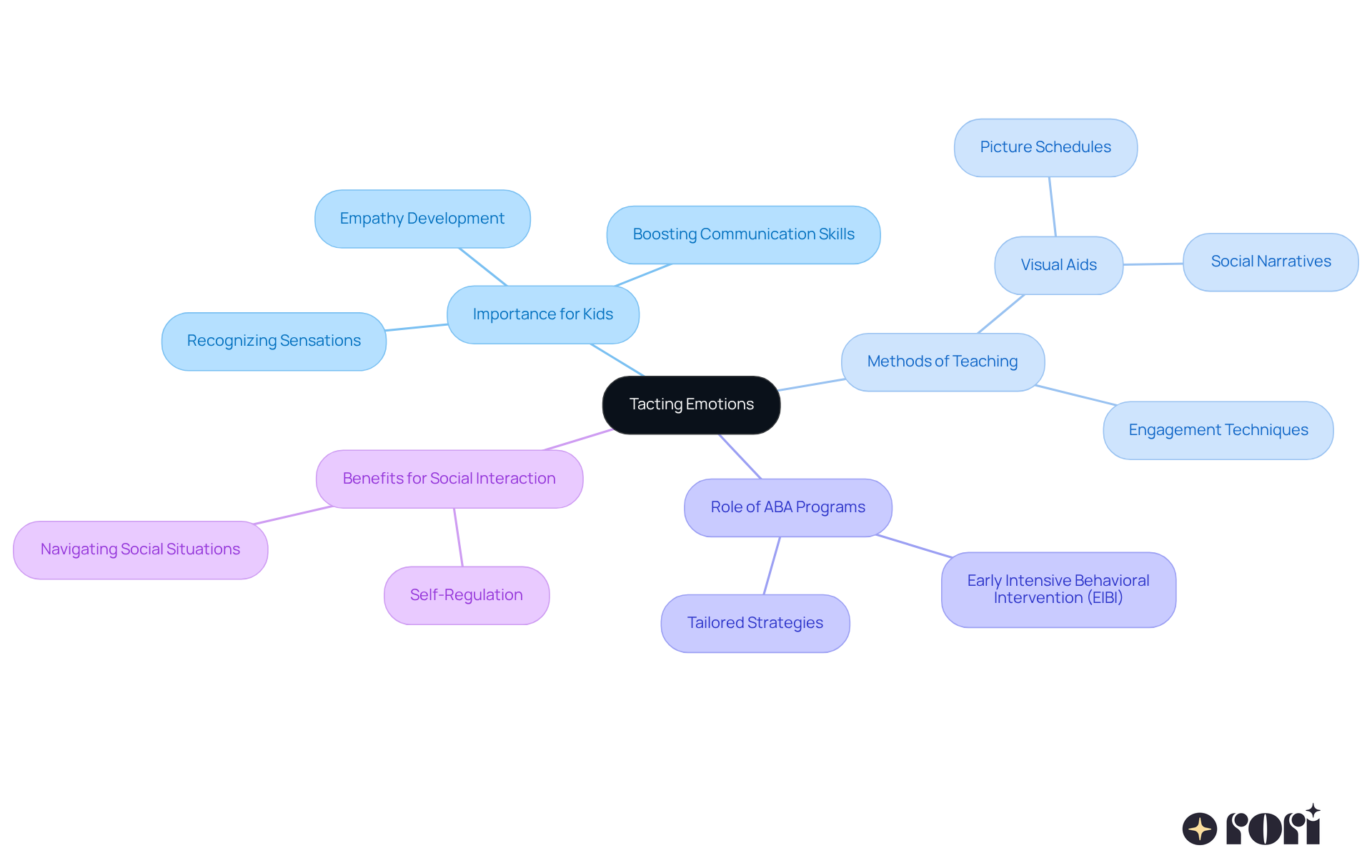
is all about , which is super important for kids, especially those on the autism spectrum. This skill helps them navigate and build . By teaching little ones to engage in tacting emotions, parents can help them identify feelings in themselves and others, , and .
Understanding emotions and tacting emotions is also key for self-regulation, helping kids manage their reactions in different situations. Programs based on principles really highlight the importance of for enhancing learning, verbal, and social skills in children with autism. Plus, did you know that ABA therapy is the only scientifically proven treatment for autism that insurance covers?
Effective programs often use visual aids, like picture schedules and social narratives, to assist kids in tacting emotions and learning to recognize feelings. By equipping caregivers with the knowledge and skills to , these programs create a consistent and supportive environment that maximizes the impact of interventions.
With 1 in 36 children in the U.S. diagnosed with autism, tacting emotions is essential for empowering parents to . This paves the way for better social interactions and overall well-being. Let’s explore this together and see how we can make a difference!
Implement Step-by-Step Techniques for Teaching
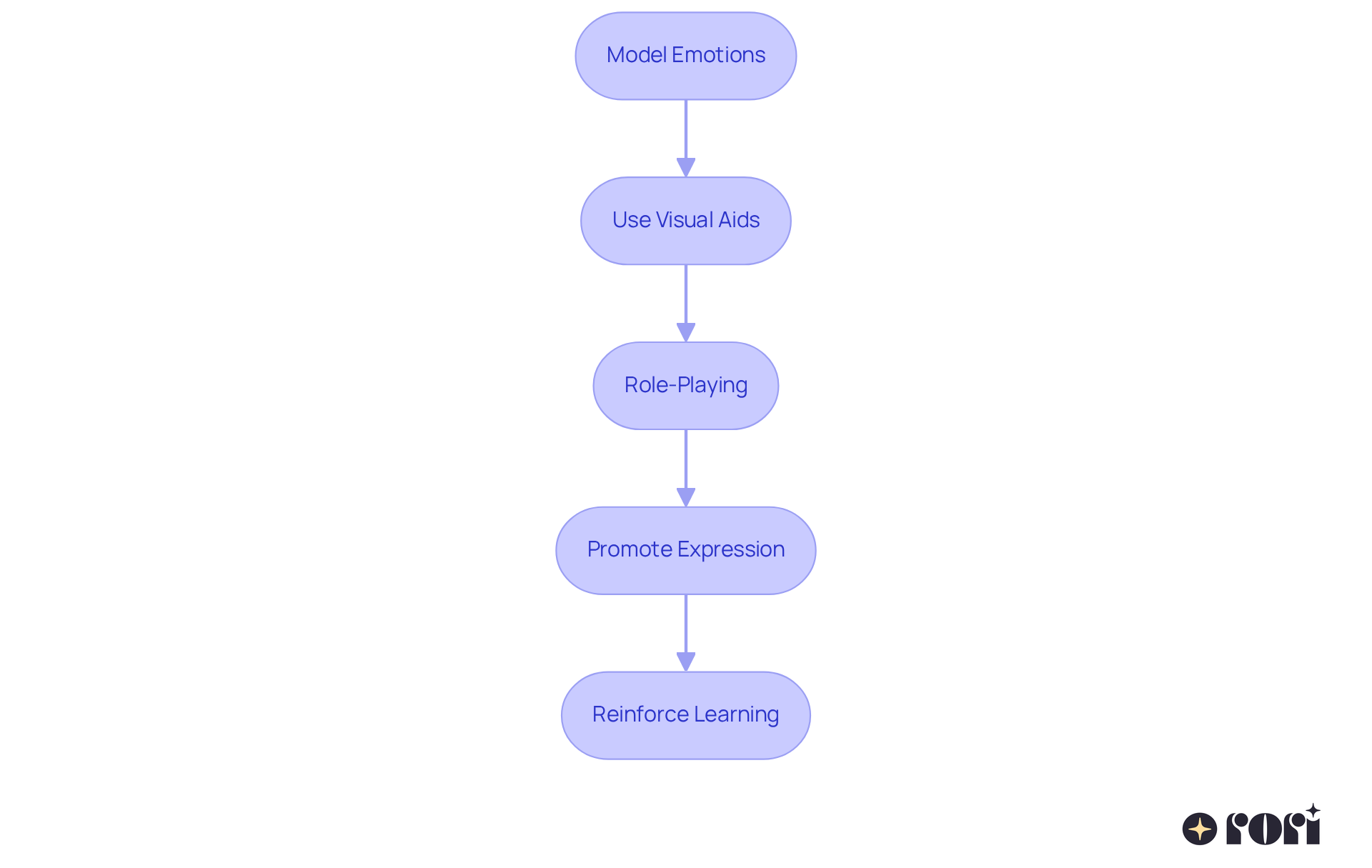
- Model Emotions: Start by openly sharing your feelings! Use your facial expressions, tone of voice, and body language to show emotions. For example, you might say, ‘I feel happy when we play together!’ This simple practice helps your little one with by connecting words with feelings, boosting their and enhancing the support caregivers can provide through education.
- Use Visual Aids: How about creating or using feeling cards that show different emotions like happy, sad, and angry? Present these cards to your child and chat about each feeling. Encourage them to share when they feel that way. Research shows that visual aids can really help kids with better, which leads to smarter decision-making based on a deeper grasp of ABA principles.
- Role-Playing: Let’s dive into some role-playing! You and your child can act out various emotional scenarios. For instance, pretend you’re at a birthday party and express joy. Ask your child how they would feel in that situation. This helps them in and can lead to better behavioral outcomes.
- Promote Expression: in different situations. Ask questions like, ‘How did that make you feel?’ or ‘What do you think they are feeling?’ This not only motivates them to express their emotions but also enhances their vocabulary related to feelings, which is essential for tacting emotions and provides caregivers with valuable .
- Reinforce Learning: Remember to use when your child recognizes or expresses a feeling! Praise their efforts to keep the practice going. This strengthens their emotional growth and boosts their confidence in tacting emotions, which ultimately reduces stress and improves family dynamics.
Troubleshoot Common Challenges in Teaching Emotions
- Lack of Interest: Engaging a young one who seems disinterested in emotions can be a fun challenge! Try incorporating their favorite activities. For example, use characters from beloved shows to talk about feelings. This makes learning enjoyable and relatable. With Rori Care’s , caregivers can create that resonate with their child’s interests, enhancing .
- When a child finds it hard to understand feelings, keeping things simple is key. Use clear, relatable examples and introduce one emotion at a time to avoid overwhelming them. This approach lays a solid foundation for , crucial for their . on helps you make informed decisions that positively impact your child’s growth.
- Inconsistent Responses: If your child struggles to recognize feelings consistently, practice makes perfect! Consistency is essential for reinforcing learning. Use daily scenarios to spark conversations about feelings, helping them connect their emotions to real-life experiences. Research shows that children who develop regulation skills in preschool are better equipped to handle social challenges later on. Engaging in these discussions, guided by ABA techniques from Rori Care, can lead to .
- Frustration: If your child gets frustrated during lessons, it’s perfectly okay to take a break. Understanding feelings can be tough, so approach it at a comfortable pace. Return to the activity when they feel more relaxed, ensuring a positive learning environment. As educators emphasize, responding positively to children’s feelings builds trust and supports their . Empowering caregivers with knowledge and strategies through can significantly ease stress and enhance family dynamics.

Explore Resources and Tools for Effective Learning
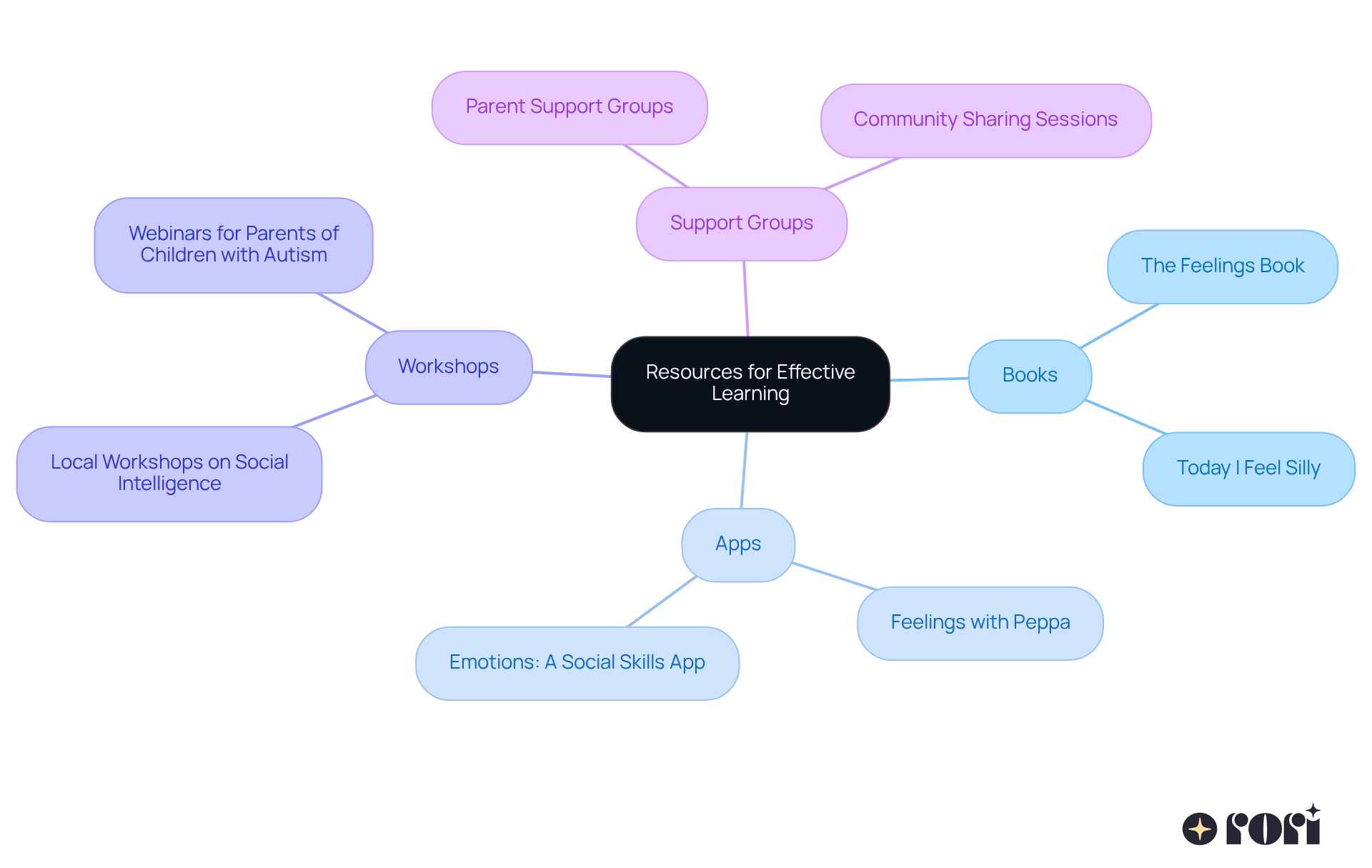
- Books: Let’s dive into some wonderful ! Books like ‘The Feelings Book’ by Todd Parr and ‘Today I Feel Silly’ by Jamie Lee Curtis are fantastic choices. When you read together, it sparks meaningful conversations about feelings, helping expand vocabulary related to and enhancing comprehension.
- Apps: Have you tried using ? Apps like ‘Feelings with Peppa’ and ‘Emotions: A Social Skills App’ make learning fun! These interactive platforms equip young ones with for tacting emotions effectively.
- Workshops: Consider joining local workshops or webinars that focus on , particularly for those with autism. These sessions often feature insights from specialists, offering parents valuable to support their children’s emotional development.
- Support Groups: It can be so beneficial to connect with ! Sharing experiences and resources with other families creates a community that provides encouragement, practical advice, and fresh ideas for tacting emotions. Together, we can navigate the challenges of emotional education!
Conclusion
Mastering the art of tacting emotions is such an important journey for parents, especially when nurturing emotional intelligence in our little ones. This skill not only helps us recognize and categorize feelings but also fosters empathy and enhances communication. By engaging in tacting emotions, we can truly influence our child’s ability to navigate social situations and build meaningful relationships, laying a solid foundation for their overall well-being.
In this guide, we’ve highlighted several key strategies to effectively teach children about emotions. From:
- Modeling emotions
- Using visual aids
- Role-playing
- Encouraging expression
These techniques are crafted to make learning about feelings both engaging and relatable. Plus, by addressing common challenges—like lack of interest or frustration—we can ensure that the learning process remains positive and constructive, ultimately empowering our children to manage their emotions more effectively.
The significance of tacting emotions goes beyond just immediate interactions; it shapes our children’s future social capabilities and emotional resilience. As parents and caregivers, embracing these strategies not only supports our child’s emotional growth but also fosters stronger family dynamics. By investing our time and effort into teaching emotional recognition, we can help equip our children with essential skills that will benefit them throughout their lives. Let’s explore this together!
Frequently Asked Questions
What is tacting emotions?
Tacting emotions involves recognizing and categorizing sensations, which is crucial for children, particularly those on the autism spectrum, as it helps them navigate social situations and build meaningful relationships.
Why is teaching tacting emotions important for children?
Teaching tacting emotions helps children identify feelings in themselves and others, nurtures empathy, and boosts communication skills, which are essential for social interactions and emotional growth.
How does tacting emotions contribute to self-regulation in children?
Tacting emotions aids in self-regulation by helping children manage their reactions in different situations, allowing them to respond more appropriately to various emotional contexts.
What role does Applied Behavior Analysis (ABA) play in teaching tacting emotions?
ABA emphasizes the importance of early intensive behavioral intervention (EIBI) for enhancing learning, verbal, and social skills in children with autism, including the development of tacting emotions.
Is ABA therapy covered by insurance?
Yes, ABA therapy is the only scientifically proven treatment for autism that is typically covered by insurance.
What tools are used in effective programs to teach tacting emotions?
Effective programs often utilize visual aids such as picture schedules and social narratives to assist children in recognizing and understanding emotions.
How can parents support their child’s emotional growth through tacting emotions?
By understanding and teaching tacting emotions, parents can empower their children to enhance their emotional growth, which leads to better social interactions and overall well-being.
What is the prevalence of autism in children in the U.S.?
Currently, 1 in 36 children in the U.S. is diagnosed with autism, highlighting the importance of teaching skills like tacting emotions.