
Introduction
Creating an effective reward system in Applied Behavior Analysis (ABA) therapy can truly change how children connect with their learning and behavioral goals. By setting up a structured framework that rewards positive behaviors, parents not only encourage growth but also cultivate a nurturing environment that reduces stress and conflict. But how can caregivers keep these systems effective and relevant as their child’s needs change?
Let’s explore some personalized strategies for maximizing reward systems! These approaches can really unlock the potential for meaningful behavioral change and help create a harmonious family dynamic. After all, every child is unique, and what works for one might not work for another. So, let’s dive in together and find what resonates best for your family!
Define Reward Systems in ABA Therapy
In , an incentive framework is a friendly way to help kids shine by rewarding them for showing preferred behaviors. Think of it like a fun game where children earn tokens, stickers, or even special privileges that they can trade later for something they really want, like a favorite toy or extra playtime. The goal here is simple: to and make them happen more often! For example, if a child completes a task or follows instructions, they might earn a token. How cool is that?
Studies show that can significantly help . This makes it a key player in changing behaviors for the better! By understanding this concept, parents can enhance their approach to , creating a that fits their child’s unique needs and preferences. It’s all about nurturing a supportive environment where growth and development can flourish.
And here’s a little tip: incorporating is essential for maximizing the effectiveness of . It gives clear markers for progress, which is super helpful! Plus, regularly checking in on how the framework is working ensures it stays aligned with your child’s evolving needs. By empowering caregivers with ABA principles and strategies, we can enhance their ability to . This leads to and a more harmonious family dynamic. Let’s explore this together!

Create a Personalized Reward System
Creating a personalized reward system can be a game-changer for your family! Here’s how to get started:
- Identify : First things first, think about the . Whether it’s completing homework, sharing toys, or following directions, having a clear focus helps make your more effective.
- Choose : Next, pick incentives that really resonate with your child. This could be anything from toys and extra screen time to special outings. The more , the more motivated your child will be to engage in those desired actions!
- Establish : It’s important to lay out exactly what your child needs to do to earn a reward. Be specific about the actions you’re reinforcing, so your little one knows what’s expected. This clarity fosters accountability and understanding.
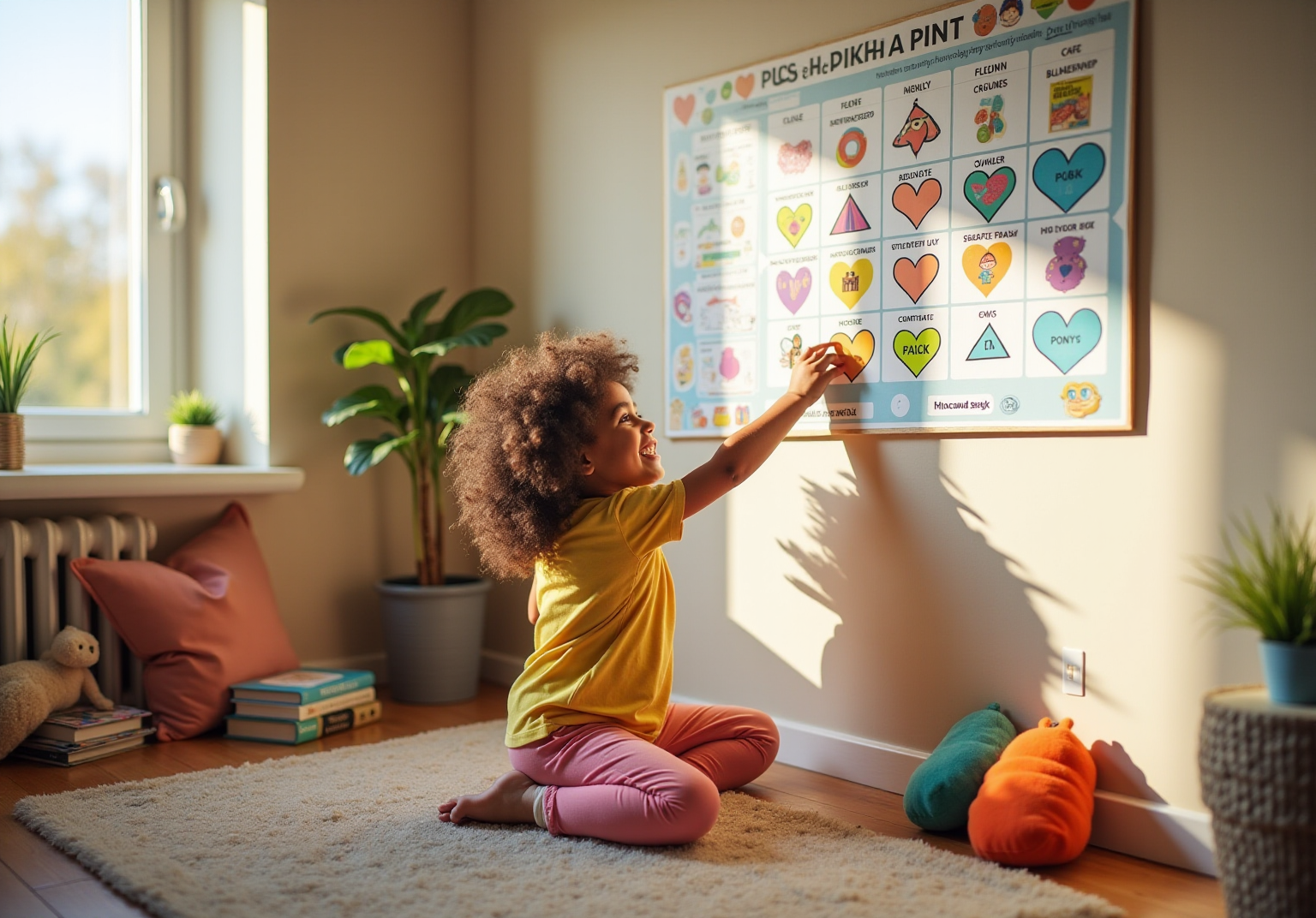
- Create a : Consider setting up a chart or token board to visually track progress. This not only helps your child see how close they are to earning their reward but also boosts motivation and engagement. Plus, keeping track of how often they display those can really enhance the process, which is essential for maximizing the effectiveness of .
- : Finally, get your child involved! Let them help choose incentives and set goals. This participation builds a sense of ownership and commitment to the reward system, making it even more effective. By actively engaging in this process, you’re supporting your child’s behavioral goals and creating a consistent, nurturing environment.
Let’s explore this together! Remember, you’re not alone in this journey, and we’re here to help you every step of the way!

Implement and Monitor the Reward System
Once you’ve set up your personalized reward system, it’s time to put it into action, which is essential for !
- Introduce the System: Start by explaining the to your child in simple terms and relatable examples. This way, they’ll really get how it works and what actions will earn them rewards.
- Be Consistent: Consistency is key in ABA therapy. To maximize the effectiveness of , make sure to give rewards right after the . This helps strengthen the connection between the action and the reward, thereby . Quick feedback reinforces behavior patterns, making it easier for your child to understand what’s expected.
- : Keep an eye on your child’s progress with a . Jot down which actions are being reinforced successfully and spot areas that might need a little extra attention. You can use simple charts or even notes on your phone to and .
- Modify as Required: If certain incentives aren’t motivating your child or if some actions aren’t progressing, don’t hesitate to make changes. This could mean tweaking the incentives, adjusting the criteria for earning them, or introducing new target behaviors to keep your child engaged.
- Celebrate Successes: Remember to acknowledge and , no matter how small! plays a crucial role in , as it boosts motivation and encourages them to keep striving for success. Celebrating even the little wins builds self-esteem and persistence, reinforcing the idea that their efforts lead to positive outcomes.
Let’s explore this together and make the most of your reward system!

Adapt and Evolve the Reward System
To keep your reward system , here are some friendly strategies to consider:
- Regularly Review Goals: Take a moment to check in on the target behaviors and incentives. As your child grows, their interests and motivations can shift, so it’s important to adjust your approach accordingly.
- Introduce New Incentives: To keep things fresh and exciting, think about from time to time. This helps maintain a lively atmosphere for your little one, making the experience more enjoyable.
- Request Input: Encourage your child to share their thoughts on the incentive system. Their perspective can offer valuable insights into what truly motivates them and what changes might be beneficial.
- : When your child hits , consider rewarding them with larger incentives or special celebrations. Acknowledging their hard work can really boost their motivation and sense of achievement.
- Stay Flexible: Be ready to adapt your strategies as needed. If something isn’t working, don’t hesitate to explore new options. to maintaining an effective incentive structure.
Research shows that can significantly enhance engagement and motivation in children with autism. By and refreshing them regularly, parents can create a more supportive and effective learning environment. ABA therapists emphasize the importance of by adapting them to align with a child’s evolving interests, reinforcing that a .
Let’s explore this together! Your journey as a parent is unique, and we’re here to help you every step of the way!

Conclusion
Maximizing reward systems in ABA therapy is such a vital strategy for encouraging positive behaviors in our kids! By crafting a personalized incentive framework, you can really boost your child’s engagement and growth. This approach not only motivates desired actions but also turns the therapeutic journey into a fun and rewarding experience for both you and your child.
Throughout this article, we’ve touched on some key points like:
- Identifying target behaviors
- Picking meaningful incentives
- Setting clear criteria for rewards
We also highlighted the importance of:
- Consistency
- Keeping an eye on progress
- Adjusting the system as your child grows
These steps help ensure that the reward system stays effective and continues to nurture your child’s development in a loving environment.
Ultimately, the success of a reward system depends on its ability to adapt and evolve. Engaging your child in the process, celebrating their wins, and staying flexible with your strategies are all crucial for keeping motivation high. By embracing these principles, you can create a supportive framework that not only encourages behavioral change but also strengthens family bonds and fosters a positive atmosphere for learning and growth. Let’s explore this together!
Frequently Asked Questions
What is the purpose of reward systems in ABA therapy?
The purpose of reward systems in ABA therapy is to encourage children to exhibit preferred behaviors by rewarding them, thereby increasing the frequency of those positive actions.
How do children earn rewards in ABA therapy?
Children can earn rewards by completing tasks or following instructions, which may include tokens, stickers, or special privileges that can be exchanged for desired items or activities.
What benefits do reward systems provide in ABA therapy?
Reward systems help reduce stress and minimize power struggles, making them effective tools for promoting positive behavior changes in children.
How can parents enhance the effectiveness of reward systems in ABA therapy?
Parents can enhance the effectiveness of reward systems by creating a personalized incentive framework that aligns with their child’s unique needs and preferences, as well as incorporating measurable goals to track progress.
Why are measurable goals important in the incentive framework?
Measurable goals provide clear markers for progress, which helps ensure that the reward system remains effective and aligned with the child’s evolving needs.
How can caregivers support their child’s behavioral goals using ABA principles?
By empowering caregivers with ABA principles and strategies, they can better support their child’s behavioral goals, leading to improved outcomes and a more harmonious family dynamic.
List of Sources
- Define Reward Systems in ABA Therapy
- Success Rates of ABA Therapy | Advanced Autism Services (https://advancedautism.com/post/success-rates-of-aba-therapy)
- How Reward Systems Help Children with Autism Learn and Grow (https://abajourney.com/reward-systems-for-children-with-autism)
- The Numbers Don’t Lie: Revealing Autism Therapy Statistics | Above and Beyond Therapy (https://abtaba.com/blog/autism-therapy-statistics)
- Autism Therapy: Key Statistics (https://ambitionsaba.com/resources/autism-therapy-statistics)
- Create a Personalized Reward System
- Quotes About Autism – Arms Wide Open ABA Therapy (https://armswideopenaba.com/blog/quotes-about-autism)
- Success Rates of ABA Therapy (https://alumacare.com/blog/success-rates-of-aba-therapy)
- Success Rates of ABA Therapy | Advanced Autism Services (https://advancedautism.com/post/success-rates-of-aba-therapy)
- The Numbers Don’t Lie: Revealing Autism Therapy Statistics | Above and Beyond Therapy (https://abtaba.com/blog/autism-therapy-statistics)
- Success Rates of ABA Therapy – Up & Up ABA (https://upandupaba.com/faqs-resources/success-rates-of-aba-therapy)
- Implement and Monitor the Reward System
- How Reward Systems Help Children with Autism Learn and Grow (https://abajourney.com/reward-systems-for-children-with-autism)
- Positive Reinforcement Strategies in ABA Therapy That Actually Work – Empower ABA (https://empoweraba.com/positive-reinforcement-strategies-in-aba-therapy-that-actually-work)
- Autism Reward System Ideas That Actually Motivate Your Child – Lighthouse (https://thelighthousech.com/autism-reward-system-ideas-that-actually-motivate-your-child)
- Inspirational ABA and Autism Quotes – Mrs. Moe’s Modifications (https://mrsmoesmodifications.com/inspirational-aba-and-autism-quotes)
- Adapt and Evolve the Reward System
- Inspiring and Insightful Autism Quotes | Advanced Autism Services (https://advancedautism.com/post/autism-quotes)
- Inspiring Autism Quotes for Understanding and Acceptance – Kids First (https://kidsfirstservices.com/first-insights/autism-quotes)
- How Reward Systems Help Children with Autism Learn and Grow (https://abajourney.com/reward-systems-for-children-with-autism)
- Quotes About Autism – Arms Wide Open ABA Therapy (https://armswideopenaba.com/blog/quotes-about-autism)
- 10 inspiring quotes from people with autism | Autism Speaks (https://autismspeaks.org/life-spectrum/autism-quotes)