

Introduction
Applied Behavior Analysis (ABA) therapy is a fantastic resource for children with autism, providing a structured way to boost communication and social skills. As parents embark on this journey, they’ll find that foundational principles of ABA – like reinforcement and prompting – can spark meaningful changes in behavior and help their children gain greater independence.
But let’s be real: with all this promise, it’s natural to have questions. How can parents effectively use these strategies at home? And what role does technology play in making this therapeutic experience even better?
Let’s explore this together! We’re here to help you every step of the way!
Explore the Principles of ABA Therapy and Its Impact on Autism
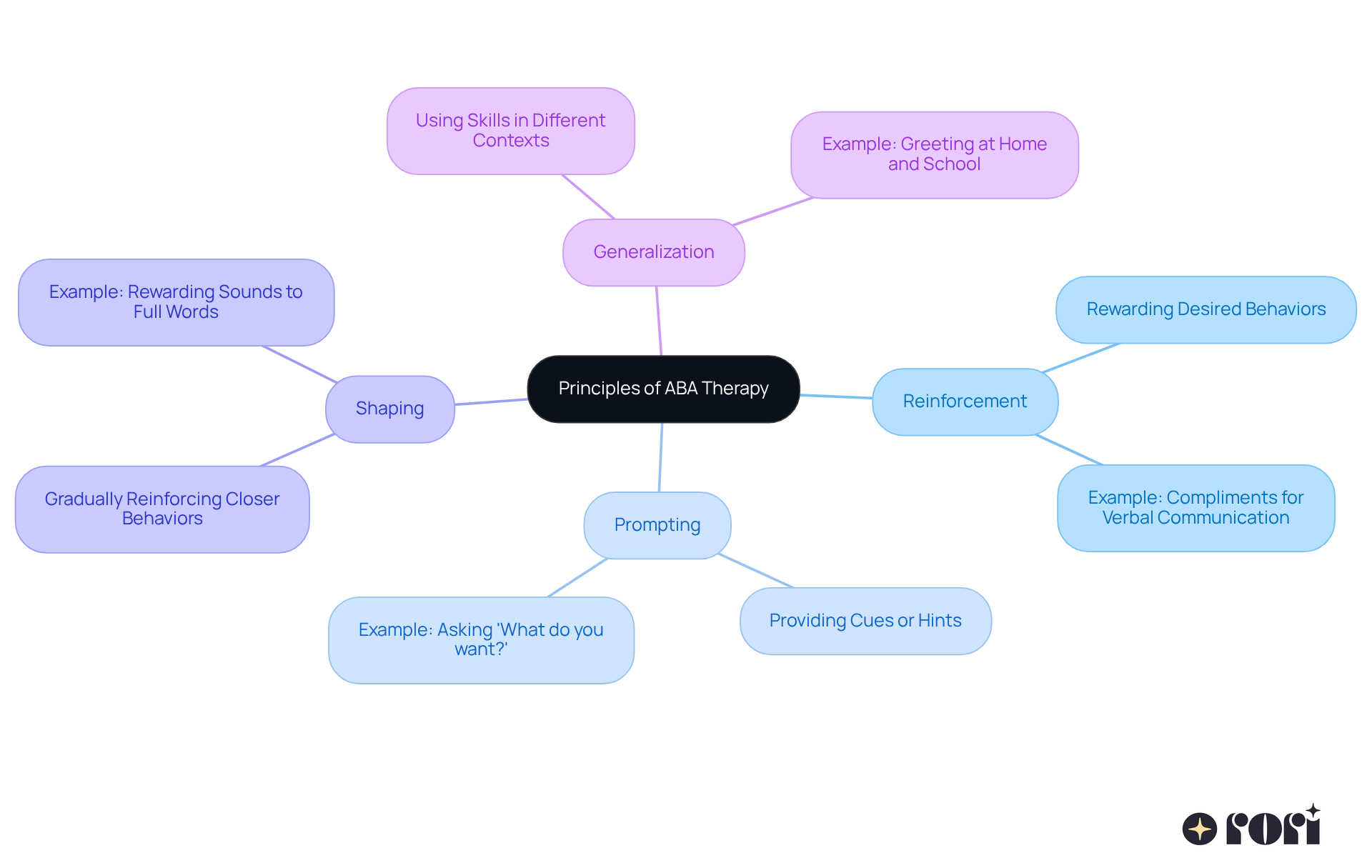
Applied Behavior Analysis (ABA) is a scientifically backed approach that focuses on understanding and improving specific behaviors in children with autism. Let’s dive into some key principles that make ABA so effective:
- Reinforcement: This is all about rewarding desired behaviors to encourage them. For example, when a child uses words instead of crying to express their needs, they might get a compliment or a small treat. This helps them see the value in communicating verbally!
- Prompting: Here, we provide cues or hints to help kids take action. Imagine a parent asking, ‘What do you want?’ This encourages their child to speak up instead of just pointing or gesturing.
- Shaping: This principle is about gradually reinforcing behaviors that get closer to what we want. For instance, if we want a child to say ‘hello,’ we might first reward them for making any sound, then for saying ‘he,’ and finally for saying ‘hello’ in full.
- Generalization: This ensures that the skills learned are used in different places and situations. For example, if a child learns to greet people at home, we want them to do the same at school!
For parents, understanding these principles is super important as they navigate transformative journeys with ABA therapy for autism. They illustrate how transformative journeys with ABA therapy for autism can lead to meaningful changes in a child’s behavior and skills. Research shows that reinforcement techniques can significantly boost communication and social skills, leading to better interactions and an improved quality of life for kids with autism. Many studies back this up, highlighting how transformative journeys with ABA therapy for autism can foster independence and social engagement.
At Rori Care, we emphasize the importance of regularly assessing and adjusting behavioral plans. This ensures they remain effective and tailored to each child’s unique needs. Our commitment to personalized planning and measurable goals empowers caregivers to support their child’s growth and make informed choices.
So, let’s explore this journey together! We’re here to help you every step of the way!
Understand the Process of Creating Personalized ABA Treatment Plans
Creating a personalized ABA treatment plan is a structured process that involves several essential steps. Let’s break it down together!
- Initial Assessment: First up, we conduct a thorough evaluation to understand the individual’s strengths, challenges, and specific needs. This often includes chatting with parents, observing directly, and using standardized assessments. It’s all about getting a complete picture of the unique profile.
- Goal Setting: After the assessment, we set specific and measurable goals. These goals are realistic and tailored to the individual’s developmental level, making sure they align with family priorities. This way, we can foster meaningful progress together.
- Intervention Strategies: Next, the treatment plan outlines the specific ABA strategies we’ll use to reach those goals. Techniques might include discrete trial training, natural environment training, or social skills training, each chosen based on what the individual needs most.
- Data Collection: Continuous data collection is key for tracking progress. We systematically monitor how the individual responds to interventions, allowing us to adjust strategies as needed. Rori Care’s behavior care engine is super helpful here, updating behavior intervention and skill acquisition plans after each session based on progress. This ensures that treatment stays adaptive and effective.
- Regular Review: It’s important to regularly review the treatment plan to keep it relevant and effective. We make adjustments based on the youth’s progress and evolving needs, ensuring that the treatment aligns with their development.
Research shows that kids receiving at least 25 hours of ABA support each week see significant advancements in various skills. In fact, over 89% of youngsters demonstrate notable progress after intensive interventions! Early intervention is crucial, as starting treatment at a young age can lead to better outcomes in communication and adaptive behavior.
By understanding this process, parents can effectively collaborate with clinicians, enhancing their child’s transformative journeys with ABA therapy for autism and supporting their journey toward greater independence and success. Plus, it’s essential for families to consider the financial aspects of ABA treatment, as costs can vary widely based on location and therapist expertise. Many states require insurance coverage for ABA therapy, which can help ease some financial burdens. Exploring available payment options can guide families in covering up to 100% of ABA treatment.
Let’s explore this together! If you have any questions or thoughts, feel free to share!

Implement Effective ABA Strategies at Home to Support Your Child’s Growth
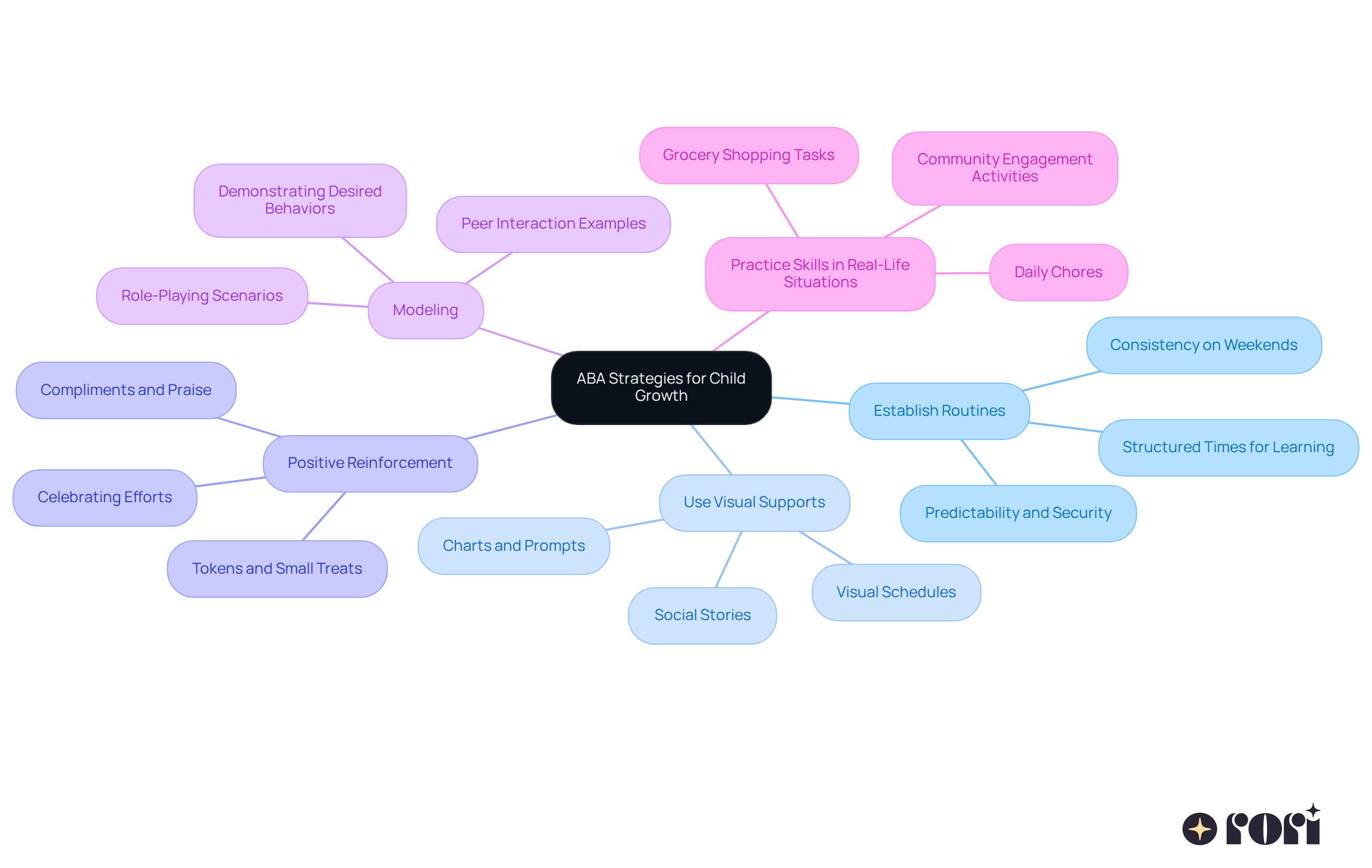
To effectively support your child’s growth at home, let’s explore some ABA strategies that can make a real difference:
- Establish Routines: Kids thrive on consistency! Having daily routines gives them a sense of security and predictability, helping them know what to expect throughout the day. Try setting aside structured times for learning, play, and relaxation to create a stable environment.
- Use Visual Supports: Visual schedules, charts, and prompts can really boost understanding of tasks and transitions. For instance, a visual schedule that outlines the steps for getting ready for school can help your little one navigate their morning routine more smoothly.
- Positive Reinforcement: Who doesn’t love a little praise? Consistently rewarding desired actions with compliments, tokens, or small treats encourages kids to repeat those actions. If your child finishes a homework task, giving them a thumbs up or a sticker can really strengthen their efforts.
- Modeling: Kids learn by watching! Show them the actions you want them to replicate. If you want them to learn to share, model sharing during playtime with siblings or friends, giving them a clear example of the behavior you wish to encourage.
- Practice Skills in Real-Life Situations: Everyday moments are perfect for practicing skills! During grocery shopping, encourage your child to ask for items or help with the shopping list. This reinforces their communication and social skills in a fun way.
By weaving these strategies into your daily life, you can create a nurturing atmosphere that promotes your child’s growth and strengthens the skills they’re learning in transformative journeys with aba therapy for autism. Remember, you’re not alone in this journey – we’re here to help you every step of the way!
Leverage Technology to Enhance Your Child’s ABA Therapy Experience
Technology can really boost your child’s ABA therapy experience in so many ways!
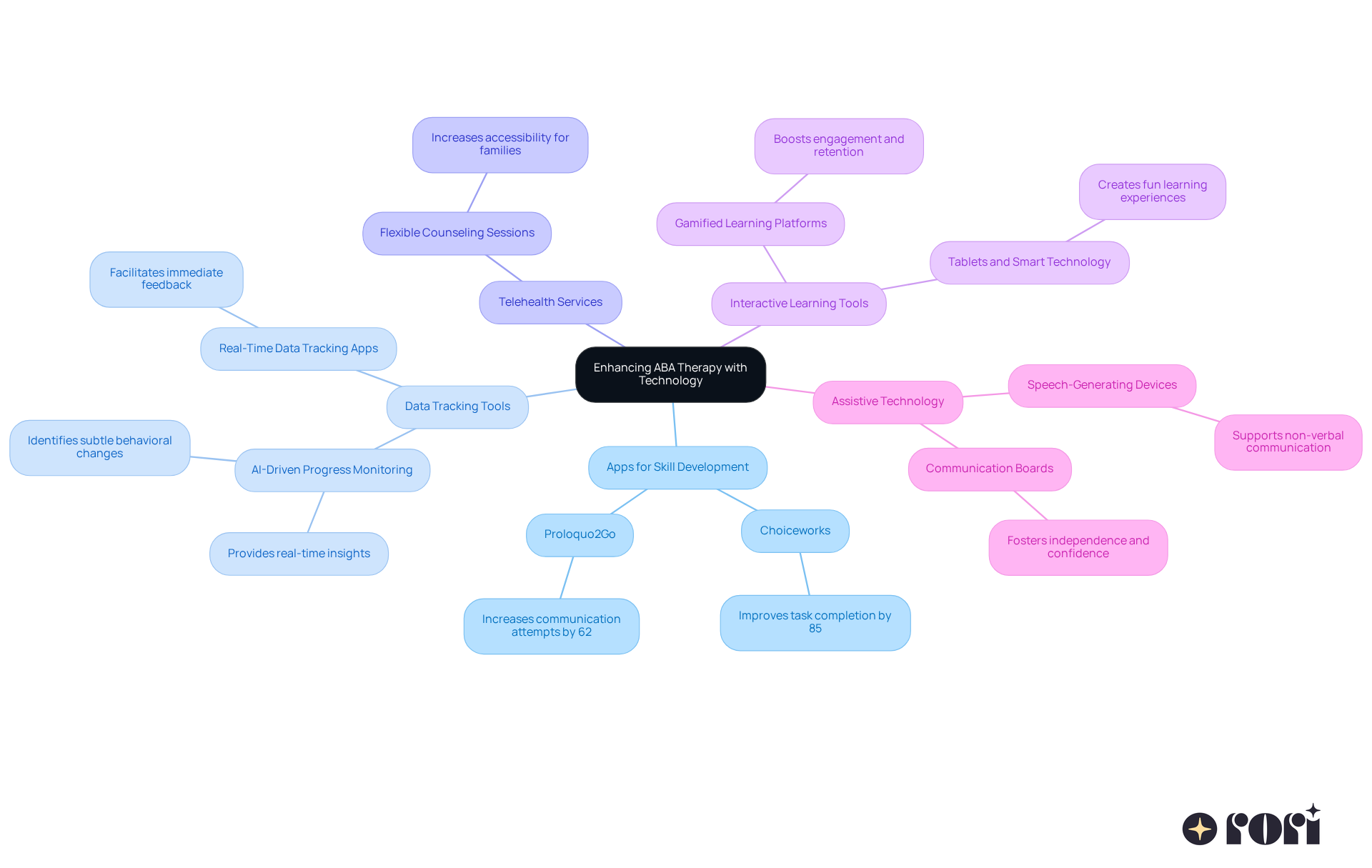
- Apps for Skill Development: Think about using educational apps designed for kids with autism. These apps focus on important skills like communication, social interactions, and daily living. For instance, Proloquo2Go helps with communication and has been shown to increase communication attempts by 62% among previously non-verbal kids in just six months, according to research from the University of California. And then there’s Choiceworks, which helps manage visual schedules. About 85% of children with autism show improved task completion and smoother transitions with it.
- Data Tracking Tools: Have you considered apps that let you track progress in real-time? These tools help both parents and therapists monitor behaviors and skills, making it easier to adjust strategies when needed. AI-driven data tracking can provide immediate insights, helping to spot trends and subtle behavioral changes. This proactive approach aligns perfectly with Rori Care’s commitment to continuously evaluating and modifying behavioral plans for the best outcomes.
- Telehealth Services: Telehealth options for counseling sessions can be a game-changer! They offer flexibility and convenience, ensuring that support continues even when in-person visits aren’t possible. This makes therapy more accessible for families and empowers caregivers to stay involved in their loved one’s journey.
- Interactive Learning Tools: Why not use interactive devices like tablets or smart technology to create fun learning experiences? Gamified learning platforms can motivate kids to practice skills in an enjoyable way, boosting their engagement and retention-key ingredients for building independence!
- Assistive Technology: Don’t forget to explore assistive technologies that support communication and learning. Tools like speech-generating devices or communication boards can help non-verbal youth express their needs and thoughts, fostering independence and confidence. Just remember, it’s essential to prioritize data privacy and informed consent when using these technologies.
By embracing these tech advancements, you can truly enhance your child’s transformative journeys with ABA therapy for autism, making the experience more effective and enjoyable. Plus, it aligns beautifully with Rori Care’s evidence-based strategies and personalized planning. Let’s explore this together!
Conclusion
Transformative journeys with ABA therapy for autism can truly change the course of a child’s development, helping them build essential skills and improve their quality of life. By using evidence-based techniques like reinforcement, prompting, and shaping, parents can effectively guide their children through the complexities of communication and social interactions. It’s so important for parents to grasp these principles as they embark on this meaningful journey with their kids.
Throughout this article, we’ve shared key insights about the importance of personalized ABA treatment plans, how to create these plans step by step, and practical strategies that can be easily implemented at home. We’ve highlighted the role of technology in enhancing the ABA experience, from skill development apps to telehealth services, all contributing to a more engaging and effective approach to therapy. By actively participating in their child’s ABA journey, parents can ensure that the interventions are tailored to their child’s unique needs, leading to greater success.
As families explore the transformative potential of ABA therapy, it’s essential to stay proactive and engaged in the process. By leveraging ABA principles, using effective strategies at home, and embracing technological advancements, caregivers can create a nurturing environment that supports their child’s growth and independence. This journey isn’t just about tackling challenges; it’s about celebrating progress and fostering a brighter future for children with autism. Let’s explore this together!
Frequently Asked Questions
What is Applied Behavior Analysis (ABA) therapy?
ABA therapy is a scientifically backed approach that focuses on understanding and improving specific behaviors in children with autism.
What are the key principles of ABA therapy?
The key principles of ABA therapy include reinforcement, prompting, shaping, and generalization.
How does reinforcement work in ABA therapy?
Reinforcement involves rewarding desired behaviors to encourage them, such as giving a compliment or a small treat when a child uses words instead of crying to express their needs.
What is prompting in the context of ABA therapy?
Prompting provides cues or hints to help children take action, like a parent asking, “What do you want?” to encourage their child to speak up.
Can you explain the shaping principle in ABA therapy?
Shaping is about gradually reinforcing behaviors that get closer to the desired outcome. For example, rewarding a child first for making any sound, then for saying “he,” and finally for saying “hello.”
What does generalization mean in ABA therapy?
Generalization ensures that the skills learned are used in different places and situations, such as greeting people at home and then doing the same at school.
Why is it important for parents to understand these principles?
Understanding these principles helps parents navigate the transformative journeys with ABA therapy for autism and illustrates how it can lead to meaningful changes in a child’s behavior and skills.
What impact does ABA therapy have on communication and social skills?
Research shows that reinforcement techniques in ABA therapy can significantly boost communication and social skills, leading to better interactions and an improved quality of life for kids with autism.
How does Rori Care approach ABA therapy?
Rori Care emphasizes the importance of regularly assessing and adjusting behavioral plans to ensure they remain effective and tailored to each child’s unique needs.
What is the goal of personalized planning in ABA therapy?
The goal of personalized planning is to empower caregivers to support their child’s growth and make informed choices through measurable goals.
List of Sources
- Explore the Principles of ABA Therapy and Its Impact on Autism
- The Impact of ABA Therapy on Children With Autism | PMT (https://pmtherapy.org/the-impact-of-aba-therapy-on-children-with-autism)
- ABA Therapist Statistics & Demographics In The US (https://crossrivertherapy.com/aba-therapy-success-rates)
- Impact of Applied Behavior Analysis on Autistic Children Target Behaviors: A Replication Using Repeated Measures – PMC (https://pmc.ncbi.nlm.nih.gov/articles/PMC10907966)
- ABA Therapy Evidence | Brighter Strides ABA (https://brighterstridesaba.com/blog/aba-therapy-evidence)
- The Numbers Don’t Lie: Revealing Autism Therapy Statistics | Above and Beyond Therapy (https://abtaba.com/blog/autism-therapy-statistics)
- Understand the Process of Creating Personalized ABA Treatment Plans
- Success Rates of ABA Therapy | Advanced Autism Services (https://advancedautism.com/post/success-rates-of-aba-therapy)
- Success Rates of ABA Therapy (https://alumacare.com/blog/success-rates-of-aba-therapy)
- Impact of Applied Behavior Analysis on Autistic Children Target Behaviors: A Replication Using Repeated Measures – PMC (https://pmc.ncbi.nlm.nih.gov/articles/PMC10907966)
- The Numbers Don’t Lie: Revealing Autism Therapy Statistics | Above and Beyond Therapy (https://abtaba.com/blog/autism-therapy-statistics)
- ABA Therapy Success Rate: Real Outcomes for Children (https://championsaba.com/aba-therapy-success-rate)
- Implement Effective ABA Strategies at Home to Support Your Child’s Growth
- The Numbers Don’t Lie: Revealing Autism Therapy Statistics | Above and Beyond Therapy (https://abtaba.com/blog/autism-therapy-statistics)
- Why Is Routine Important for Autism (https://riseupforautism.com/blog/autism-and-routine)
- The Effectiveness of Visual Supports for Students with Autism Spectrum Disorder – (https://naset.com/publications/autism-spectrum-disorders-series/the-effectiveness-of-visual-supports-for-students-with-autism-spectrum-disorder)
- The Importance of Routines for Autistic Individuals | Advanced Autism Services (https://advancedautism.com/post/autism-routines)
- The Role of Visual Supports in Enhancing Learning for Autism | Advanced Autism Services (https://advancedautism.com/post/the-role-of-visual-supports-in-enhancing-learning-for-autism)
- Leverage Technology to Enhance Your Child’s ABA Therapy Experience
- The Impact of AI in ABA Therapy Data Collection & Outcomes – Step It Up ABA (https://stepitupaba.com/ai-in-aba-therapy-data-collection)
- Autism Apps For Children (https://kidsclubaba.com/autism-apps-for-children)
- ABA Therapy Guide: 15 Most Common ABA Data Collection Methods (https://passagehealth.com/blog/aba-data-collection)
- Applied Behavior Analysis (ABA) Statistics: Data, Effectiveness, and Evidence-Based Practices (https://nexoaba.com/applied-behavior-analysis-statistics)