
Introduction
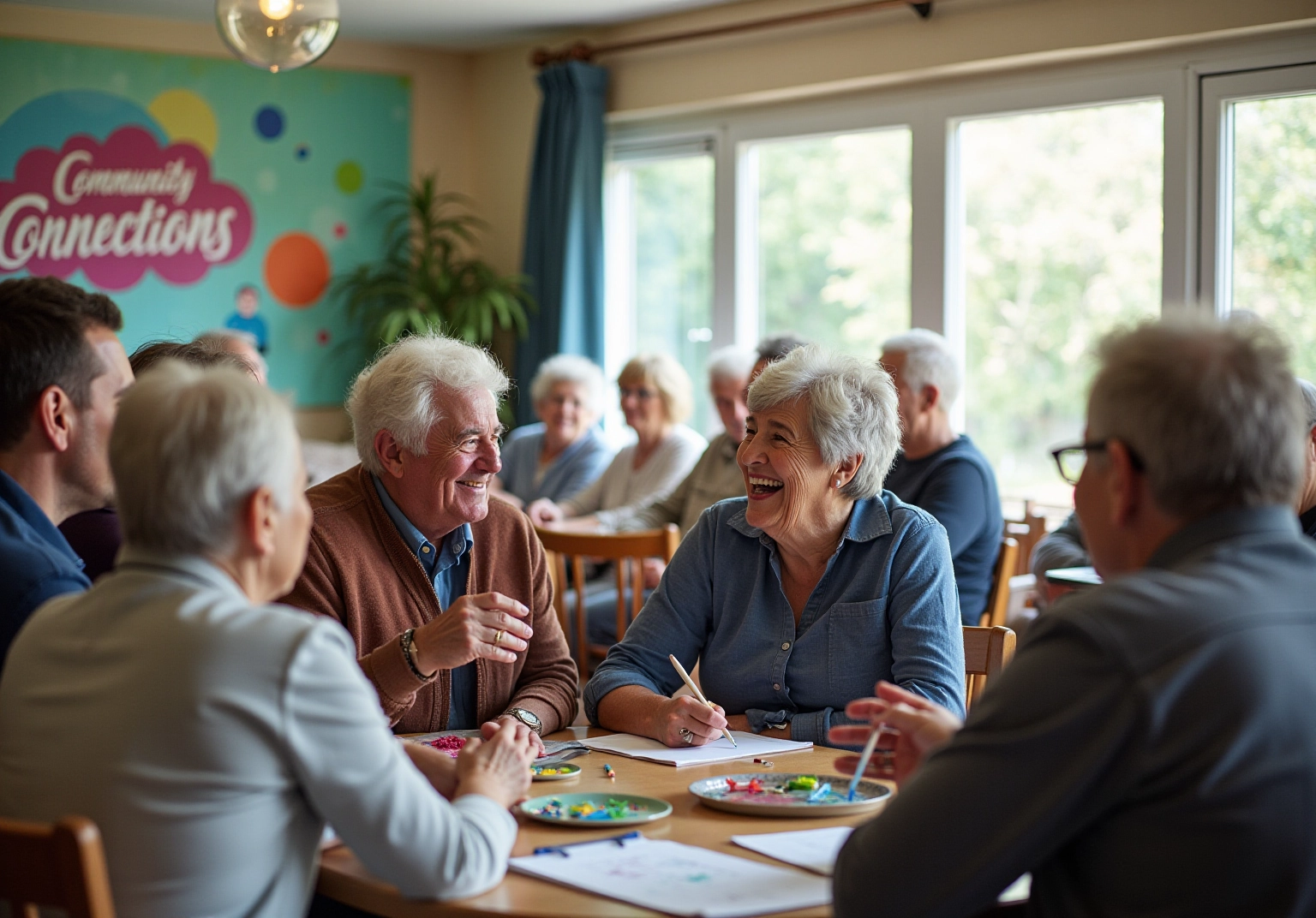
Autism social groups for adults are truly changing the game in community support! 🌟 They create vital spaces where individuals on the autism spectrum can connect, share their experiences, and grow their interpersonal skills. These gatherings not only foster a sense of belonging but also provide a wonderful platform for emotional growth and the development of social competencies.
However, despite all these benefits, many people still face barriers to accessing these essential networks. What challenges remain in ensuring that all autistic adults can thrive in these supportive environments? And how can we, as a society, come together to bridge these gaps? Let’s explore this together!
Defining Autism Social Groups for Adults
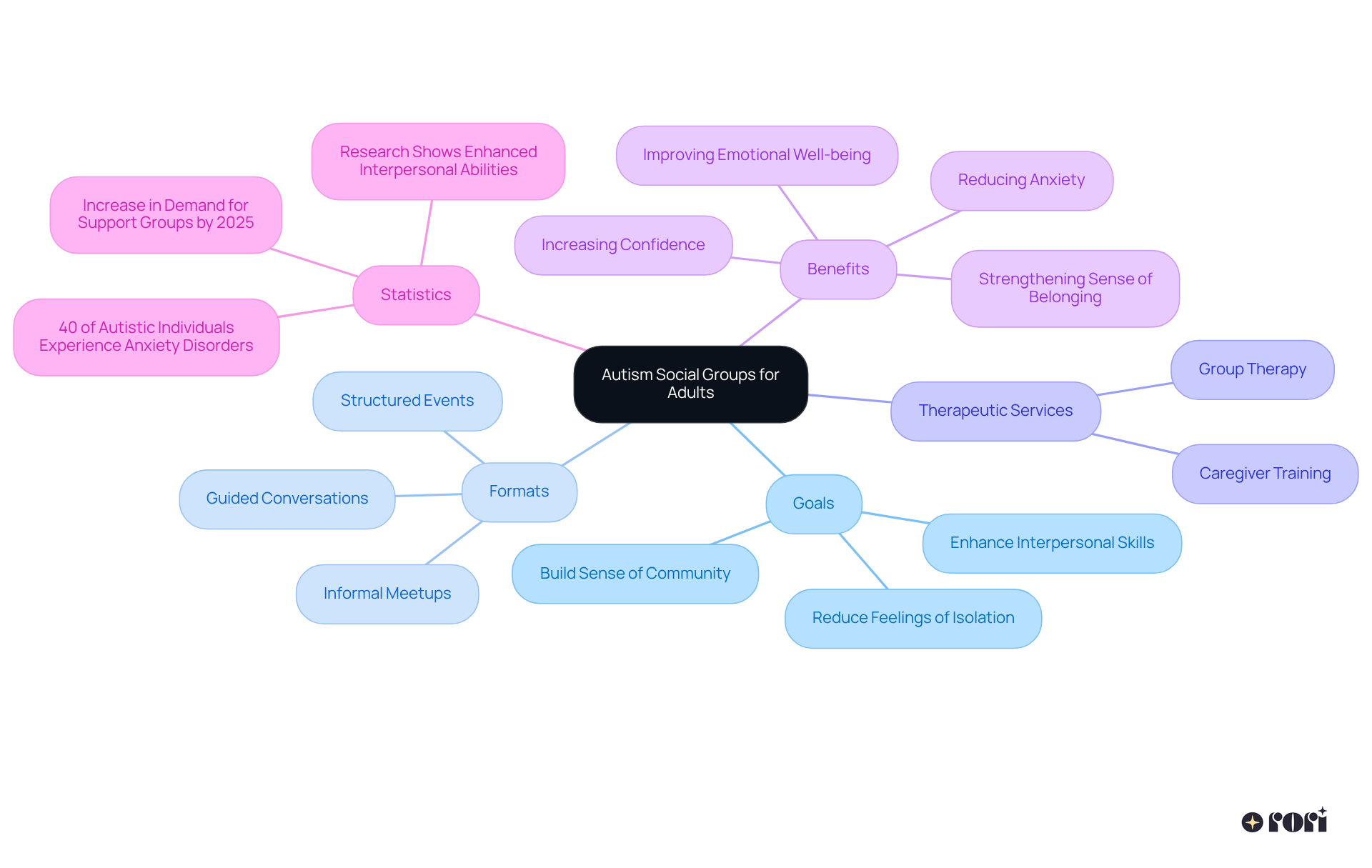
are organized meetings that foster interaction, communication, and support among individuals on the autism spectrum, as well as those with ADHD and learning disabilities. These gatherings create a safe and welcoming space where participants can connect with others who share similar experiences and challenges. The main goal? To , reduce feelings of isolation, and build a sense of community.
The formats for these gatherings can vary widely, from informal meetups to structured events or guided conversations, often centered around specific interests or themes to encourage active participation.
At Rori Care, we offer like , led by qualified therapists who use evidence-based methods to boost interpersonal skills and communication. Plus, we provide to help families navigate the challenges associated with and similar conditions. Research shows that joining can significantly enhance interpersonal abilities and emotional well-being for individuals on the spectrum. For instance, studies reveal that adults who engage in organized interactions often report increased confidence and a stronger sense of belonging.
The importance of through with is immense; it plays a critical role in alleviating anxiety and depression, which are prevalent in this community. Did you know that ? This highlights the need for supportive environments.
Psychologists emphasize the benefits of , noting that they provide essential opportunities for autistic individuals to cultivate interpersonal skills in a nurturing setting. As awareness of grows, the demand for such organizations is expected to rise. In fact, forecasts suggest that by 2025, more adults will seek out these resources to enhance their social lives and overall quality of life. Ultimately, are invaluable for fostering relationships and encouraging personal growth among adults on the spectrum. So, let’s explore this together and see how we can build a brighter future!
The Evolution of Autism Social Groups
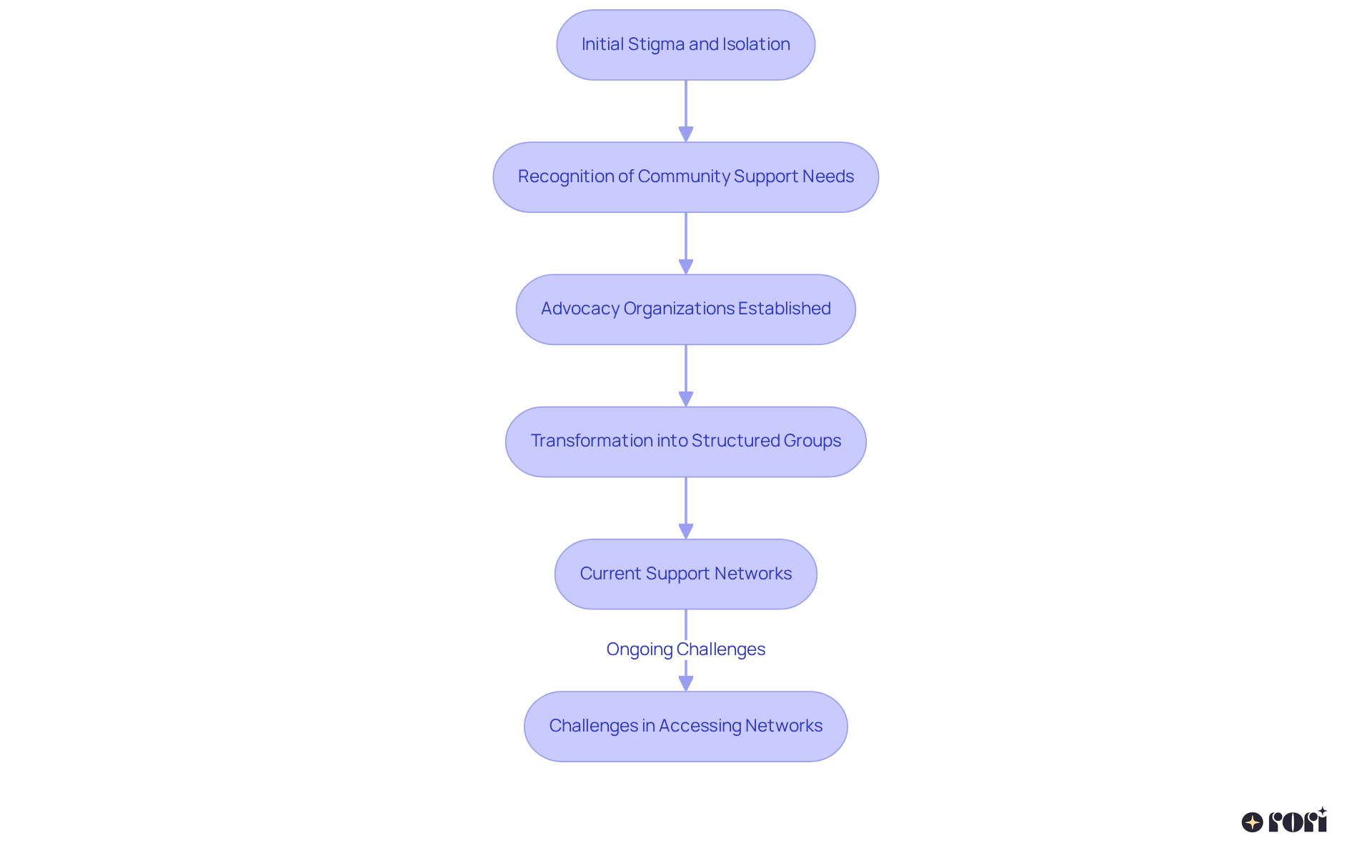
The development of who are on the spectrum has been truly remarkable over the past few decades. Initially, many faced stigma and isolation, which left a gap in community support. But as our understanding of autism spectrum disorder (ASD) has evolved, so too has the recognition of how vital are. have played a key role in nurturing , transforming these networks from informal gatherings into well-structured groups that meet the social needs of autistic adults.
This shift reflects a broader societal awareness of ASD, emphasizing the . As of 2023, . This statistic highlights the growing number of individuals that these support networks aim to assist. The impact of advocacy has not only led to the creation of communities but has also shifted societal views on developmental conditions, promoting inclusivity and acceptance.
Today, these organizations provide essential resources through , assisting , , and developing a . For instance, organizations like Rori Care – ABA Therapy enhance this support by offering , group therapy, caregiver education, and program development. This empowers families to navigate their care journey with confidence. Yet, challenges persist, as many autistic individuals still encounter and resources. This underscores the ongoing need for advocacy and support. Let’s explore this together and see how we can make a difference!
Benefits of Participation in Autism Social Groups
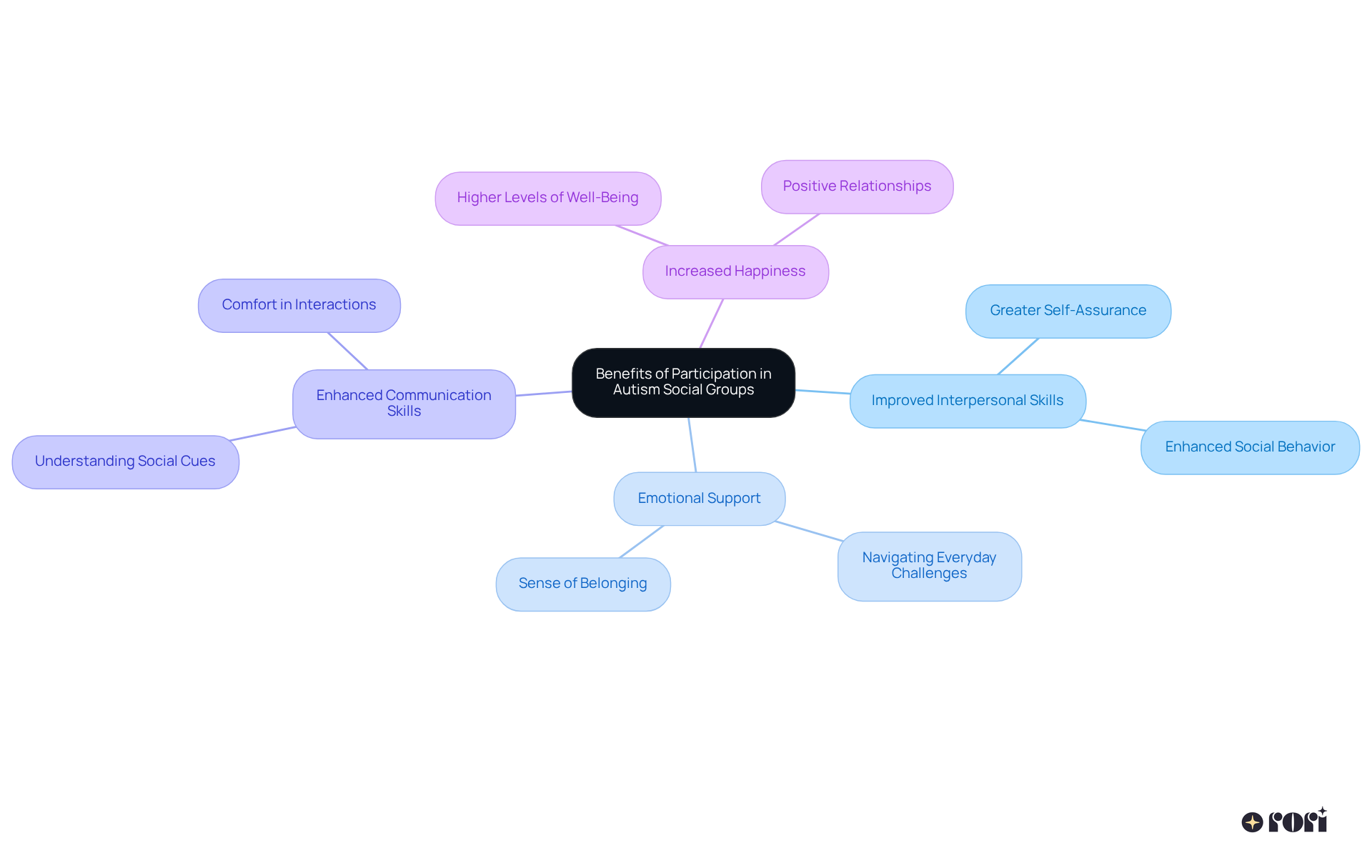
Engaging in can be incredibly beneficial for those on the spectrum! These provide a warm, nurturing environment where individuals can connect, which leads to and . Creating a space in where people feel comfortable interacting can really enhance communication skills and understanding of social cues.
Plus, offer , helping participants and fostering a . Studies show that adults involved in community networks report higher levels of happiness and overall well-being. Isn’t that amazing? It really highlights how these connections can significantly improve quality of life.
Research also indicates that within leads to , often lasting over time. One expert noted that the are profound—they not only strengthen relationships but also boost self-image and life satisfaction among autistic adults. Let’s explore this together and see how these connections can make a difference!
Types and Formats of Autism Social Groups
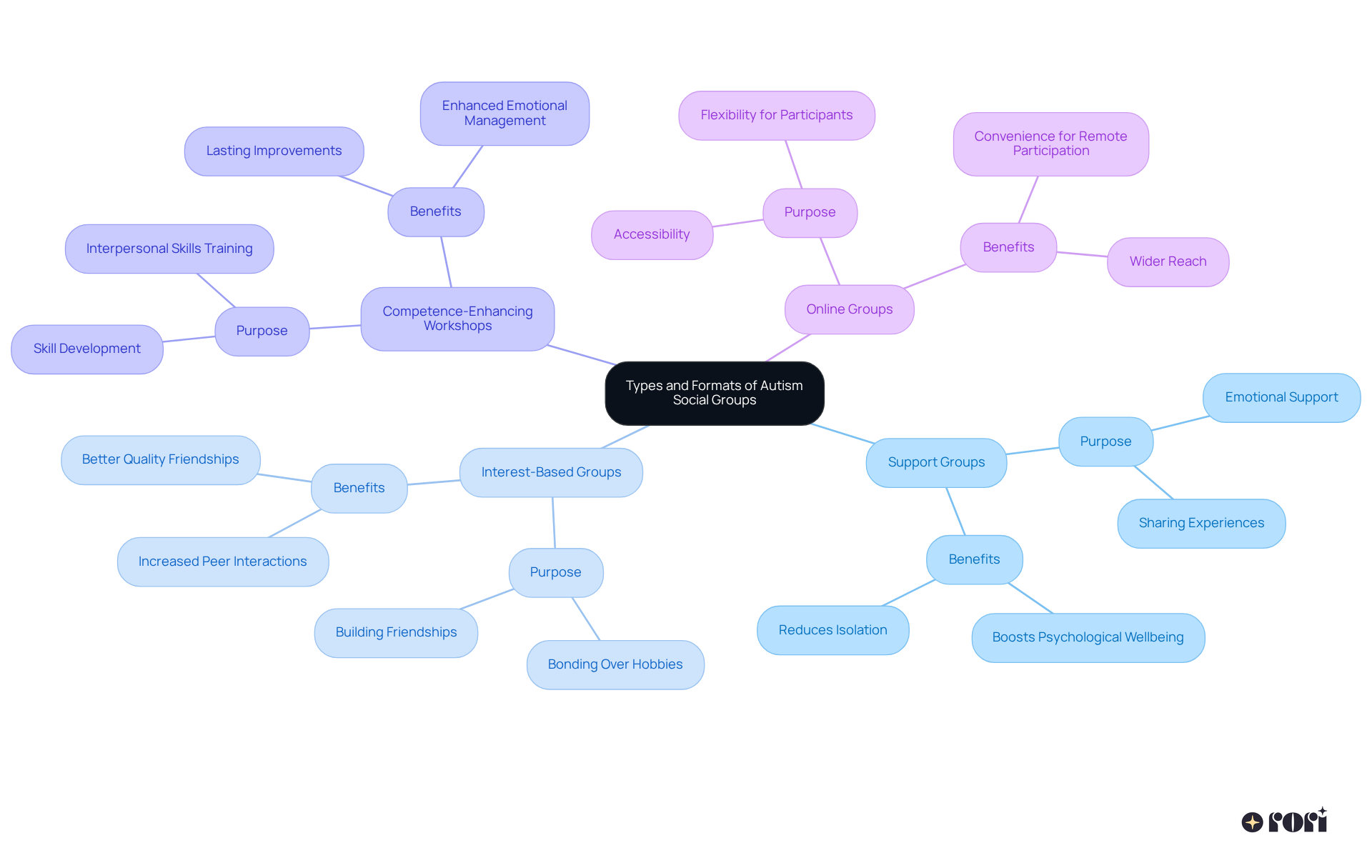
Various forms of exist, including , each tailored to meet the unique needs of participants. Let’s take a look at some common types:
- : These groups are all about sharing experiences and providing emotional support. They create a space in to discuss the challenges that autistic adults face. Research shows that participating in can really boost psychological wellbeing, with many participants feeling less isolated.
- : These groups focus on specific hobbies or interests—think gaming, art, or sports. They allow participants to bond over shared passions, helping to build friendships and community ties. Studies indicate that when people connect over common interests, it can lead to more peer interactions and better quality friendships.
- : These sessions aim to develop specific , like conversation techniques or conflict resolution. Evidence suggests that . For instance, .
- Online Groups: Virtual platforms offer a flexible and accessible option for those who prefer or need to participate remotely. These online formats have gained popularity, especially among individuals who might find it challenging to attend in-person meetings.
Each format presents unique opportunities for personal growth and connection, particularly within , catering to the diverse preferences of autistic adults. Facilitators emphasize the importance of creating nurturing environments in , where participants can practice and enhance their , ultimately improving their quality of life. Programs like group therapy, led by qualified therapists, can be particularly beneficial for individuals with Autism Spectrum Disorders, ADHD, Communication Disorders, and Anxiety Disorders. They help improve communication skills, relationship management, and self-esteem.
Moreover, , equipping families with strategies to effectively support their loved ones in navigating interpersonal situations. As Elizabeth Laugeson, founder of the PEERS Clinic, puts it, “We’re not teaching what we think young people should do in social situations, but what we know actually works through research.”
Let’s explore this together! Remember, you’re not alone on this journey, and there are resources available to help every step of the way!
Conclusion
Autism social groups for adults are truly wonderful spaces that create connection, communication, and community among individuals on the autism spectrum. These gatherings not only offer a safe haven for participants to share their experiences and challenges but also work to enhance interpersonal skills, reduce feelings of isolation, and promote emotional well-being. It’s heartening to see how these groups have evolved, reflecting a growing societal understanding of autism and the vital role of supportive networks. They’ve transformed from informal meetups into structured communities that cater to the unique needs of autistic adults.
As we look at the benefits of joining autism social groups, it’s clear how impactful they can be. Participants often experience improved social skills, increased self-confidence, and enhanced emotional support, all of which contribute to a greater sense of belonging. With various formats available—like support groups, interest-based gatherings, and workshops designed to build competence—there’s something for everyone. Research shows that engaging in these environments can lead to lasting improvements in social behavior and overall quality of life for individuals on the spectrum.
But the importance of autism social groups goes beyond personal growth; they play a key role in building community and connection. As awareness of developmental disorders continues to rise, the demand for these resources will only increase. It’s crucial for us to advocate for and support the establishment of these networks, ensuring that every individual on the autism spectrum can access the benefits they provide. By participating in or promoting autism social groups, we can help create a more inclusive society where everyone has the chance to thrive. Let’s explore this together!
Frequently Asked Questions
What are autism social groups for adults?
Autism social groups for adults are organized meetings that promote interaction, communication, and support among individuals on the autism spectrum, as well as those with ADHD and learning disabilities.
What is the main goal of these social groups?
The main goal is to enhance interpersonal skills, reduce feelings of isolation, and build a sense of community among participants.
What types of formats do these gatherings have?
The formats can vary widely, ranging from informal meetups to structured events or guided conversations, often centered around specific interests or themes.
What services does Rori Care offer related to autism social groups?
Rori Care offers therapeutic services like group therapy led by qualified therapists, as well as caregiver training to help families navigate challenges associated with developmental disorders.
How do support groups impact individuals on the autism spectrum?
Research shows that joining support groups can significantly enhance interpersonal abilities and emotional well-being, with many individuals reporting increased confidence and a stronger sense of belonging.
Why is social engagement important for adults with developmental disorders?
Social engagement is crucial as it helps alleviate anxiety and depression, which are common in this community; nearly 40% of autistic individuals experience anxiety disorders.
What do psychologists say about the benefits of autism social groups?
Psychologists emphasize that these groups provide essential opportunities for autistic individuals to develop interpersonal skills in a nurturing environment.
What is the expected future demand for autism social groups?
As awareness of developmental disorders grows, the demand for autism social groups is expected to rise, with forecasts suggesting more adults will seek out these resources by 2025 to improve their social lives and quality of life.
List of Sources
- Defining Autism Social Groups for Adults
- Autism Statistics and Facts in 2025 (https://motivity.net/autism-facts)
- prosperhealth.io (https://prosperhealth.io/blog/adult-autism-facts-and-statistics)
- crossrivertherapy.com (https://crossrivertherapy.com/autism-statistics)
- Autism statistics and facts | Autism Speaks (https://autismspeaks.org/autism-statistics-asd)
- The Evolution of Autism Social Groups
- Autism by the Numbers: 2023 Annual Report | Autism Speaks (https://autismspeaks.org/autism-numbers-2023-annual-report)
- Data and Statistics on Autism Spectrum Disorder (https://cdc.gov/autism/data-research)
- Autism statistics and facts | Autism Speaks (https://autismspeaks.org/autism-statistics-asd)
- Autism Statistics & Facts: How Many People Have Autism? (https://thetreetop.com/statistics/autism-prevalence)
- Benefits of Participation in Autism Social Groups
- Beyond Friendship: The Spectrum of Social Participation of Autistic Adults – PMC (https://pmc.ncbi.nlm.nih.gov/articles/PMC8788910)
- reframingautism.org.au (https://reframingautism.org.au/a-group-of-fellow-travellers-who-understand-interviews-with-autistic-people-about-post-diagnostic-peer-support-in-adulthood-a-summary-for-non-academics)
- pmc.ncbi.nlm.nih.gov (https://pmc.ncbi.nlm.nih.gov/articles/PMC9397886)
- An evaluation of a behaviorally based social skills group (https://asatonline.org/research-treatment/research-synopses/behaviorally-based-social-skills-group)
- link.springer.com (https://link.springer.com/article/10.1007/s40489-015-0066-5)
- Types and Formats of Autism Social Groups
- link.springer.com (https://link.springer.com/article/10.1007/s40489-015-0066-5)
- Social skills classes produce lasting benefits for adults with autism | Autism Speaks (https://autismspeaks.org/news/social-skills-training-adults-with-autism)
- discoveryaba.com (https://discoveryaba.com/aba-therapy/autism-therapy-statistics?c73247f3_page=9)