

Introduction
Understanding the complexities of challenging behaviors in autism is so important for creating supportive environments that help kids grow and communicate. Did you know that nearly 59% of individuals on the spectrum show these behaviors at some point? Recognizing what drives these actions – whether it’s sensory overload or unmet needs – is key.
So, how can caregivers navigate these challenges and turn them into chances for positive reinforcement and growth? Let’s explore this together! This article dives into practical strategies and innovative tools designed to empower families in managing these behaviors. Our goal is to enhance the quality of life for both children and their caregivers, making every step a little easier.
Define Challenging Behaviors in Autism: Nature and Prevalence
Challenging actions in autism, like aggression, self-injury, tantrums, and non-compliance, can be tough for parents to navigate. Often, these behaviors stem from communication challenges, sensory overload, or unmet needs. Did you know that around 59% of individuals with autism display such actions at some point in their lives? Understanding these behaviors is key to creating and nurturing a supportive environment for our kids.
It’s important to recognize that these actions can be a way of communicating. When we understand this, we can respond more effectively and compassionately. At Rori Care, we’ve developed a that conducts thorough to pinpoint target behaviors and skills. This process generates automatic progress reports that clinicians can review, ensuring that receive timely and relevant insights.
This data-driven approach not only equips guardians with but also enhances their ability to actively support their children’s behavioral goals through informed decision-making. Let’s explore this together! We’re here to !

Explore Motivational Factors Behind Challenging Behaviors
When it comes to , it’s often about what’s going on beneath the surface. Many times, these behaviors stem from a need for attention, a way to escape overwhelming demands, or simply a craving for . For example, a child might act out to avoid a tough task or to get a reaction from their caregivers. Recognizing these motivations is key to creating that include incentives for .
As caregivers, it’s important to pay close attention to the context in which these behaviors occur. By identifying patterns, you can better understand what your child truly needs. This insight can help you implement that not only address the behaviors but also focus on the and their root causes. Nurturing a is essential.
Equipping yourself with principles and strategies from can make a world of difference. With the right tools, you can make informed choices that enhance your support and lead to better behavioral outcomes. This not only alleviates stress but also improves overall family dynamics. Let’s explore this together! We’re here to !

Implement Strategies for Managing Challenging Behaviors
can feel overwhelming at times, but utilizing can be some effective strategies that really make a difference. Let’s explore this together!
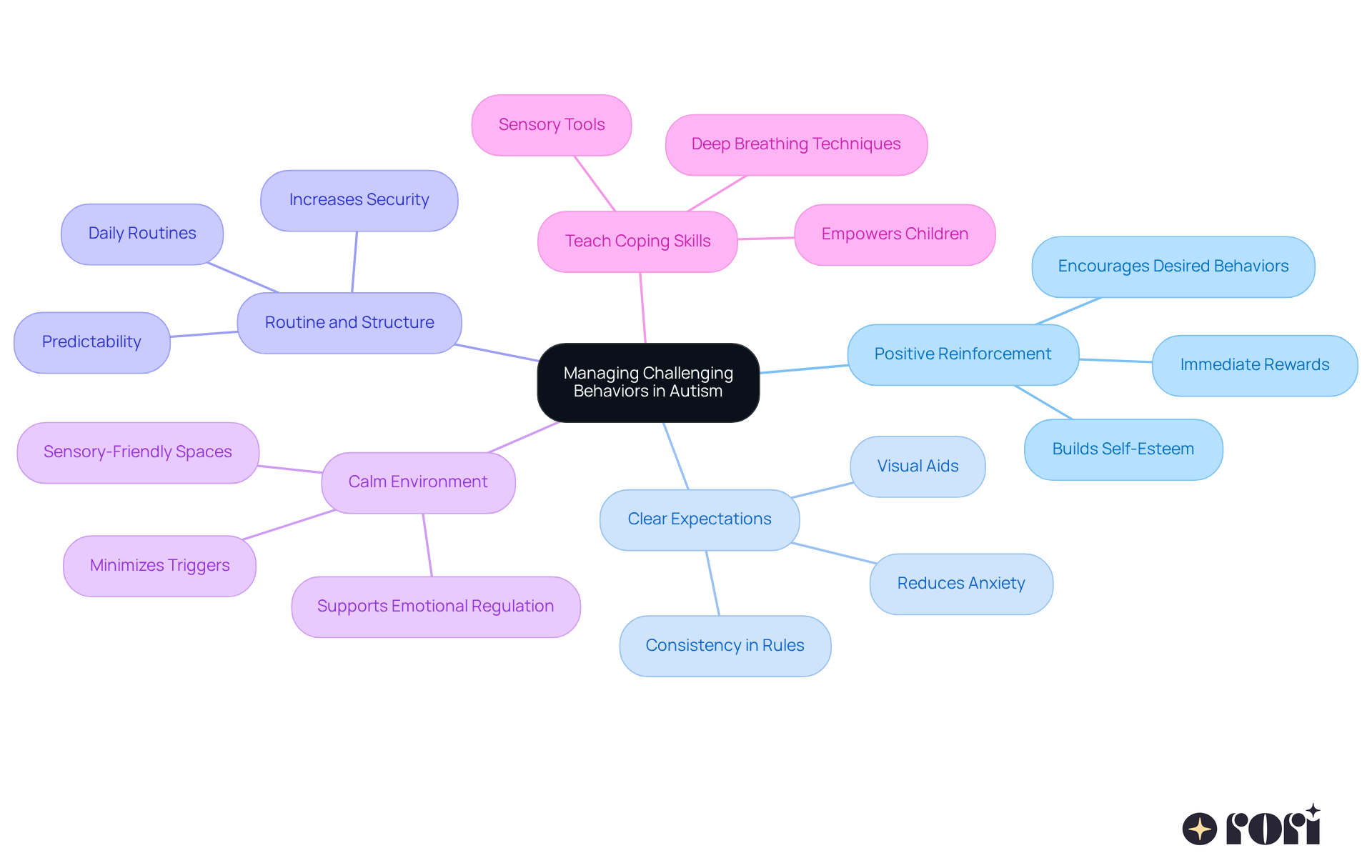
- : Rewarding those great behaviors with praise, tokens, or even fun activities can really encourage kids to repeat them. Research shows that when actions are positively reinforced, they’re more likely to stick around, helping to build a positive self-image and boost motivation.
- : Setting clear and consistent standards for behavior is so important. can be a big help for young learners to understand what’s expected of them. Studies have shown that kids who know the rules are more likely to behave appropriately, which can ease their anxiety too.
- : Kids thrive on predictability! Having a steady daily routine can really help reduce anxiety and the chances of challenging behaviors. When children know what to expect, they feel more secure and comfortable.
- : Creating a calm and sensory-friendly space can minimize triggers that lead to difficult behaviors. This approach supports emotional regulation and helps kids feel safe and secure.
- : It’s empowering to equip kids with coping strategies, like deep breathing techniques or sensory tools. These skills can help them manage frustration or anxiety effectively.
By using these strategies, you can while addressing the . Remember, you’re not alone in this journey, and we’re here to help you every step of the way!
Utilize Technology for Enhanced Behavior Modification
Technology can really make a difference by offering . Let’s explore some ways to leverage technology that might just make your life a bit easier:
- : Think about using apps to keep track of behaviors. They can help caregivers spot patterns and triggers. For instance, Autism Tracker Pro makes it super easy to log incidents and track progress.
- : Digital platforms can be a game-changer! Visual schedules and reminders can help young learners and what’s expected of them.
- Interactive Tools: Who said learning can’t be fun? Interactive games and apps designed to teach social skills and coping strategies can engage kids in a way that feels enjoyable.
- : Have you considered ? It offers flexibility and accessibility, making it easier for families to get the support they need.
- : Check out AI-driven tools like those from Rori Care. They tailor interventions based on individual behavior patterns, making therapy more effective and even automating progress reports. Imagine freeing up to 50% more time for direct treatment!
By weaving technology into behavior management strategies, caregivers can enhance their approach and provide more personalized support for children with autism, specifically by utilizing . It’s all about empowering them with the knowledge and strategies they need to reach their behavioral goals. Let’s take this journey together!

Conclusion
Navigating the world of challenging behaviors in children with autism can feel like quite the journey, can’t it? It’s a path filled with ups and downs, but with a little insight and compassion, you can make a real difference. Remember, these behaviors often signal underlying needs, and by tuning into them, you can create a nurturing environment that supports your child’s growth.
Throughout this article, we’ve explored some key strategies that can help. Think of:
- Positive reinforcement
- Setting clear expectations
- Establishing structured routines
And let’s not forget about technology! Tools like monitoring apps can really empower you to track progress and tailor interventions to fit your child’s unique needs.
As you embark on this journey, patience and proactivity are your best friends. Embracing these strategies and tapping into available resources can truly enhance the quality of life for both your child and your family. By understanding those challenging behaviors and the motivations behind them, you’re setting the stage for a positive atmosphere that encourages growth.
Sure, the road may have its bumps, but the joy of watching your child thrive is absolutely priceless. So, let’s explore this together! Remember, you’re not alone in this – we’re here to help you every step of the way!
Frequently Asked Questions
What are challenging behaviors in autism?
Challenging behaviors in autism include aggression, self-injury, tantrums, and non-compliance. These behaviors can be difficult for parents to manage.
What causes challenging behaviors in individuals with autism?
These behaviors often stem from communication challenges, sensory overload, or unmet needs.
How common are challenging behaviors in individuals with autism?
Around 59% of individuals with autism display challenging behaviors at some point in their lives.
How can understanding challenging behaviors help in managing them?
Recognizing that these behaviors can be a form of communication allows for more effective and compassionate responses, aiding in management strategies.
What is the behavior care engine developed by Rori Care?
The behavior care engine conducts thorough functional behavior analysis to identify target behaviors and skills, generating automatic progress reports for clinicians.
How does the data-driven approach benefit guardians of children with autism?
It equips guardians with ABA principles and strategies, enhancing their ability to support their children’s behavioral goals through informed decision-making.
List of Sources
- Explore Motivational Factors Behind Challenging Behaviors
- magnetaba.com (https://magnetaba.com/blog/managing-challenging-behaviors-in-autism)
- Challenging Behaviors and Autism (https://autism.org/challenging-behaviors-and-autism)
- littleraysaba.com (https://littleraysaba.com/blog/challenging-behaviors-in-autism)
- Autism with Behavior Problems | Grateful Care ABA (https://gratefulcareaba.com/blog/autism-with-behavior-problems)
- Checking your browser – reCAPTCHA (https://pmc.ncbi.nlm.nih.gov/articles/PMC4160737)
- Implement Strategies for Managing Challenging Behaviors
- Positive Reinforcement: Effective Behavior Management (https://blossomchildrenscenter.com/positive-reinforcement-effective-behavior-management)
- The Numbers Don’t Lie: Revealing Autism Therapy Statistics | Above and Beyond Therapy (https://abtaba.com/blog/autism-therapy-statistics)
- The impact of positive reinforcement on long-term behavior change (https://mastermindbehavior.com/post/the-impact-of-positive-reinforcement-on-long-term-behavior-change)
- Planning Positive Reinforcement Cycles in Behavior Intervention Plans – PMC (https://pmc.ncbi.nlm.nih.gov/articles/PMC9582084)
- The Importance of Setting Clear Expectations in ABA Therapy – SoaringHigh ABA (https://soaringhighaba.com/post/the-importance-of-setting-clear-expectations-in-aba-therapy)