

Introduction
Navigating the financial landscape of Applied Behavior Analysis (ABA) therapy can feel overwhelming for parents dealing with autism treatment. With costs varying widely due to factors like therapist qualifications, location, and how often sessions occur, families often face tough financial choices. So, what can parents do to manage these expenses while ensuring their child gets the best care possible?
Let’s dive into the average costs of ABA therapy, explore the factors that influence pricing, and uncover financial resources available to support families on this journey. Together, we’ll find ways to make this process a little easier!
Define ABA Therapy and Its Role in Autism Treatment
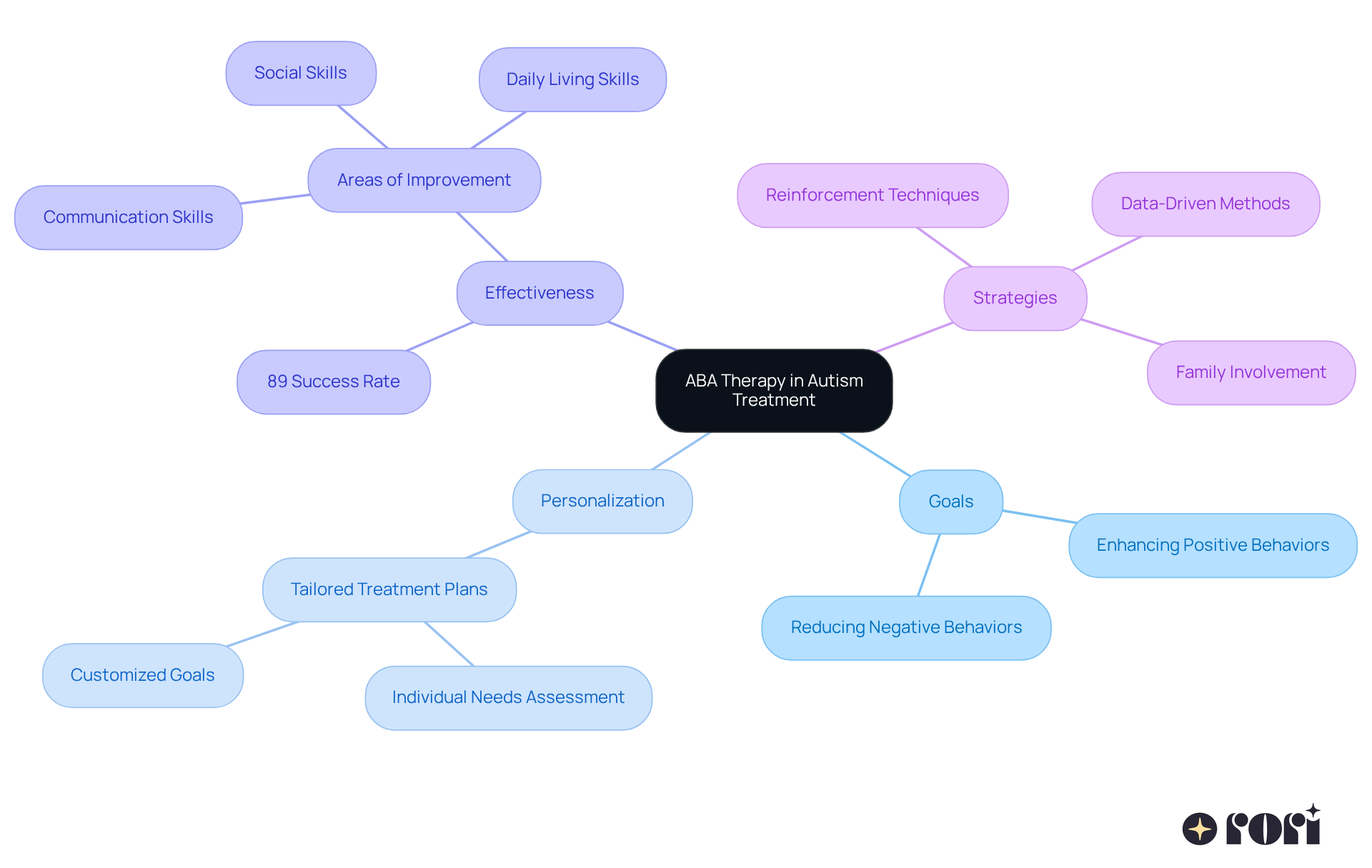
intervention is a scientifically validated method designed to enhance specific behaviors and skills in individuals with autism. By taking a closer look at how behavior functions, ABA uses reinforcement strategies to effectively modify actions. The main goal here is to nurture , while also reducing negative behaviors that might hold a child back from thriving.
What’s great about this approach is that it’s personalized! Treatment plans are tailored to meet the unique needs of each child, establishing ABA as a . —can lead to , including academic performance, social interactions, and daily living skills.
And here’s a heartening statistic: studies indicate that , with many reaching levels comparable to their peers. Real-world examples really highlight how , ultimately .
Let’s explore this together! If you’re considering ABA for your child, know that you’re not alone. We’re here to !
Explore Factors Influencing the Cost of ABA Therapy
When it comes to the , several important factors come into play:
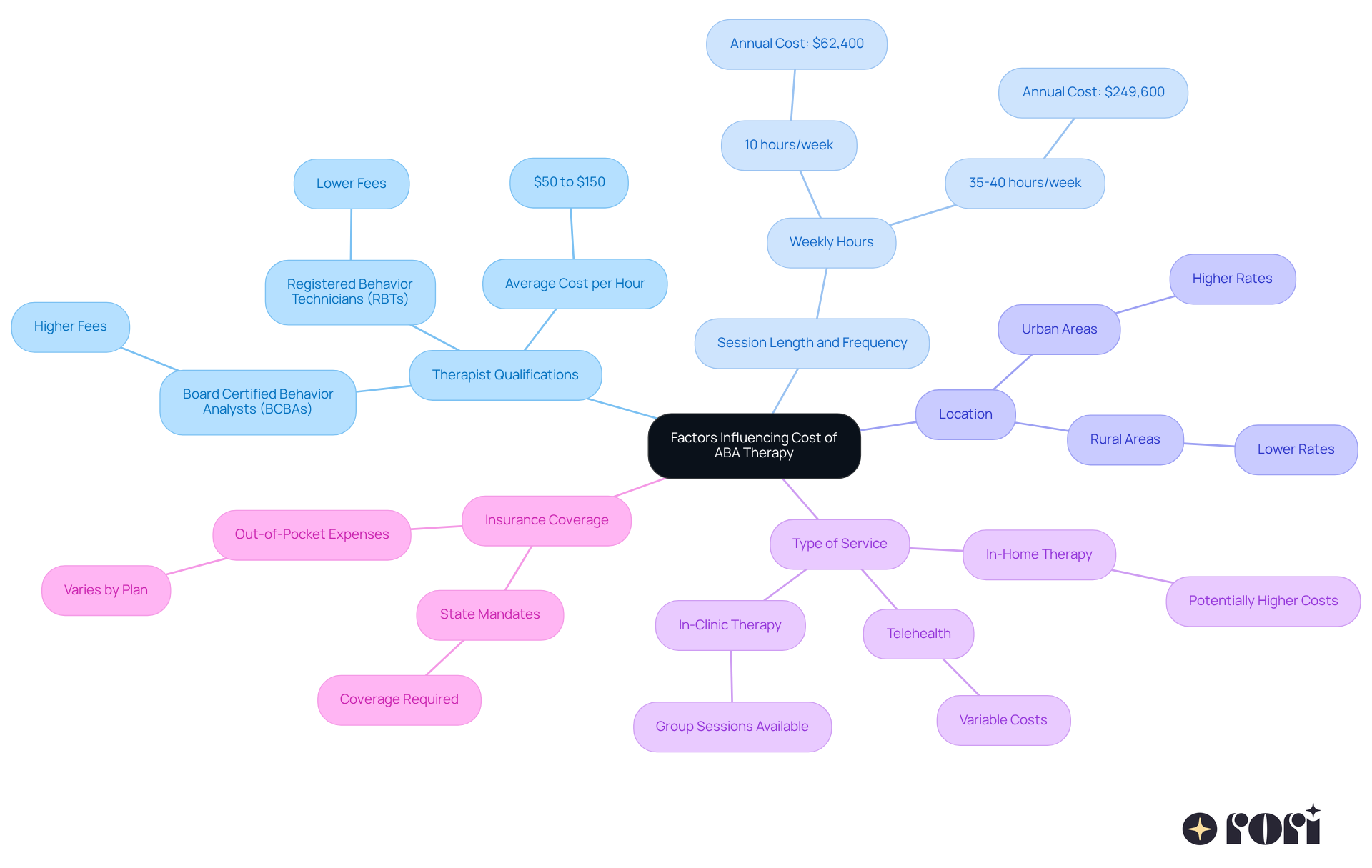
- : The experience and credentials of the therapist can significantly influence pricing. For instance, tend to charge higher fees due to their advanced training and expertise. The typically ranges from $50 to $150 per hour, depending on the therapist’s qualifications.
- : The number of hours your child receives therapy each week directly impacts overall expenses. Many families find that more intensive treatment, which can range from 20 to 40 hours weekly, leads to better outcomes, though it does result in a higher average . For example, if you consider 10 hours of treatment each week at a rate of $120 per hour, the can accumulate to around $62,400 annually. In contrast, the average for full-time treatment could escalate to approximately $249,600 each year.
- Location: Where you live plays a big role in treatment costs. Urban areas often have , which means families might pay significantly different amounts for the same services based solely on their location.
- : The setting of the treatment—whether in-home, in a clinic, or through telehealth—also affects pricing. In-home services might come with added travel fees, while in-clinic services could offer group sessions that are more budget-friendly.
- : is crucial for managing out-of-pocket expenses. Many states require insurance providers to cover ABA treatment, which can alleviate some financial stress. However, coverage details can vary widely, so it’s essential for families to fully grasp their insurance plans to navigate expenses effectively.
Let’s explore this together! We’re here to help you every step of the way!
Analyze Average Costs and Financial Coverage Options for ABA Therapy
Navigating the costs of can feel overwhelming for families, but can really help. The typical expense varies quite a bit, depending on things like the therapist’s credentials and location. Here’s a quick look at what families can generally expect:
- : These usually range from $75 to $250, with an average falling between $120 and $200 per hour.
- : If you’re considering intensive treatment, weekly charges can vary from $1,200 to $4,800, leading to monthly costs that can stretch from $4,800 to over $20,000.
- : Without insurance, the average cost of ABA therapy can reach between $62,400 and $249,600 per year, depending on how often and how intensely the sessions are scheduled.
:
- Insurance: Many private , but the level of coverage can differ significantly. It’s a great idea for families to take a close look at their specific plans to see what benefits are available.
- Medicaid: In many states, for for eligible children, which can be a vital resource for families needing support.
- Grants and Assistance Programs: There are various organizations out there offering grants and support to help families manage therapy costs. Exploring these options can provide extra assistance and ease some financial burdens.
Understanding these financial implications is crucial for families. With the right planning, you can help while ensuring access to quality care. Plus, and strategies can significantly enhance your ability to support your child’s behavioral goals. This knowledge can lead to more informed financial choices regarding treatment.
By actively participating in your child’s therapy and gathering insights, you can make decisions that improve behavioral outcomes and make the most of available resources. Consider strategies like checking your insurance coverage, exploring grants, and utilizing technology to enhance support services. Together, we can navigate the financial landscape of ABA support more effectively. Let’s explore this journey together!

Assess Long-Term Financial Considerations and Assistance Resources
When considering the , it’s important to think about the long-term . Let’s dive into some key areas:
-
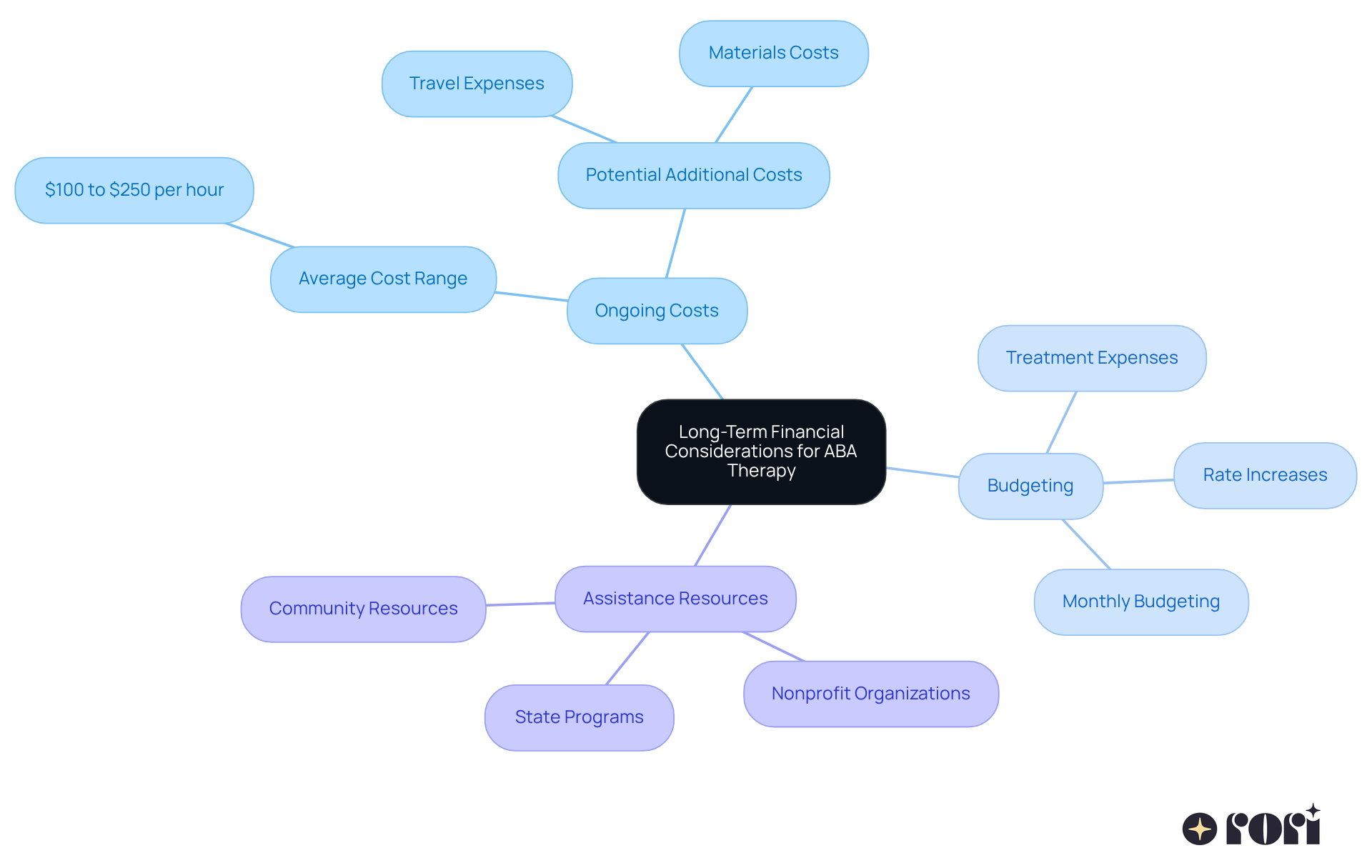
: Many children need years of therapy, which can lead to significant expenses over time. Did you know that the can be between $100 and $250 per hour? It’s wise for families to prepare for the possibility of , including the , that can add up quickly.
-
Budgeting: , , and extra costs like travel or materials is essential for maintaining financial stability. Establishing a monthly budget can really help families manage these expenses and get ready for future education, medical care, and support costs.
-
Assistance Resources: There are several for financial help, such as:
- : Many nonprofits offer grants or funding specifically for families needing ABA therapy.
- State Programs: Some states have programs that provide assistance for autism-related services, including Medicaid coverage for ABA treatment.
- : Local support groups and organizations often have valuable information on funding opportunities and budgeting resources.
By understanding these and utilizing the resources available, families can more effectively navigate the financial landscape, including the . Remember, you’re not alone in this journey—let’s explore these options together to ensure your child receives the support they need!
Conclusion
Navigating the financial aspects of ABA therapy can feel overwhelming for parents dealing with the complexities of autism treatment. This article shines a light on how Applied Behavior Analysis offers a personalized approach that can truly enhance the lives of children with autism. By understanding the different factors that affect the cost of ABA therapy, families can make informed choices that fit their financial situations and their child’s unique needs.
We discussed some key points, like how the qualifications of therapists, the frequency of sessions, location, and insurance coverage can all influence overall costs. It’s important for families to realize that expenses can vary widely—from hourly rates to annual totals. Luckily, there are financial assistance options out there, such as:
- Insurance
- Medicaid
- Grants
that can help ease the financial burden associated with therapy. Plus, proactive budgeting and long-term planning are essential for managing ongoing therapy costs effectively.
Ultimately, securing ABA therapy isn’t just about crunching numbers; it’s about ensuring that children receive the support they need to thrive. By exploring available resources and actively participating in the therapeutic process, families can empower themselves to make the best choices for their child’s future. Together, with the right knowledge and support, navigating the financial landscape of ABA therapy can become a more manageable and hopeful journey. Let’s explore this together!
Frequently Asked Questions
What is ABA therapy?
Applied Behavior Analysis (ABA) therapy is a scientifically validated method designed to enhance specific behaviors and skills in individuals with autism through reinforcement strategies.
What is the main goal of ABA therapy?
The main goal of ABA therapy is to nurture positive behaviors, such as communication and social skills, while reducing negative behaviors that may hinder a child’s development.
How are ABA therapy treatment plans developed?
Treatment plans in ABA therapy are personalized and tailored to meet the unique needs of each child.
How intensive is ABA therapy typically?
Intensive ABA intervention usually involves 25 to 40 hours of therapy per week over a duration of one to three years.
What improvements can be expected from ABA therapy?
Research shows that ABA therapy can lead to significant improvements in academic performance, social interactions, and daily living skills.
What percentage of children show progress with ABA therapy?
Studies indicate that 89% of children undergoing ABA treatment show considerable developmental progress.
Can children reach levels comparable to their peers through ABA therapy?
Yes, many children who undergo ABA therapy reach developmental levels comparable to their peers.
How does personalized ABA intervention impact children with autism?
Personalized ABA intervention plans effectively tackle individual challenges, ultimately improving the quality of life for children with autism.
List of Sources
- Define ABA Therapy and Its Role in Autism Treatment
- Resources | Golden Steps ABA (https://goldenstepsaba.com/resources/success-rates-of-aba-therapy)
- ABA Therapist Statistics & Demographics In The US (https://crossrivertherapy.com/aba-therapy-success-rates)
- The Numbers Don’t Lie: Revealing Autism Therapy Statistics | Above and Beyond Therapy (https://abtaba.com/blog/autism-therapy-statistics)
- ABA Therapy Effectiveness for Autism | Connect n Care (https://connectncareaba.com/blog/aba-therapy-effectiveness-for-autism)
- Autism acceptance: 15 stats on Autism Spectrum Disorder (https://newsroom.cigna.com/autism-spectrum-disorder-stats)
- Explore Factors Influencing the Cost of ABA Therapy
- crossrivertherapy.com (https://crossrivertherapy.com/research/aba-therapy-cost-by-state)
- What Are ABA Therapy Quotes? Understanding Their Role and Importance – Rori Blog (https://rori.care/post/what-are-aba-therapy-quotes-understanding-their-role-and-importance)
- discoveryaba.com (https://discoveryaba.com/aba-therapy/how-much-does-aba-therapy-cost)
- goldenstepsaba.com (https://goldenstepsaba.com/resources/how-much-is-aba-therapy-out-of-pocket)
- levelaheadaba.com (https://levelaheadaba.com/how-much-does-aba-therapy-cost)
- Analyze Average Costs and Financial Coverage Options for ABA Therapy
- mastermindbehavior.com (https://mastermindbehavior.com/post/how-much-is-aba-therapy-out-of-pocket)
- moveupaba.com (https://moveupaba.com/blog/aba-therapy-cost-in-the-us)
- prospectkidsei.com (https://prospectkidsei.com/blog/how-much-does-aba-therapy-cost-and-what-are-your-options)
- Assess Long-Term Financial Considerations and Assistance Resources
- ladderofsuccessaba.com (https://ladderofsuccessaba.com/financial-planning-tips-for-long-term-aba-therapy)
- scottsdalepbs.com (https://scottsdalepbs.com/20-financial-tips-for-families-on-the-autism-spectrum)
- magnetaba.com (https://magnetaba.com/blog/cost-of-aba-therapy)
- gratefulcareaba.com (https://gratefulcareaba.com/blog/cost-of-aba-therapy)