

Introduction
Early intervention for autism is more than just a strategy; it’s a vital part of helping young children with autism spectrum disorder thrive. By starting targeted therapies and support systems before the age of three, families can unlock a world of benefits—enhancing communication, social skills, and overall independence. But how can caregivers navigate the complexities of early intervention to ensure their child gets the best support possible?
Let’s explore the profound advantages of early intervention together! We’ll look at its significance, the role of technology, and the essential timing that can truly make a difference in your child’s developmental journey. Remember, you’re not alone in this—many parents share similar experiences, and we’re here to help you every step of the way!
Define Early Intervention for Autism
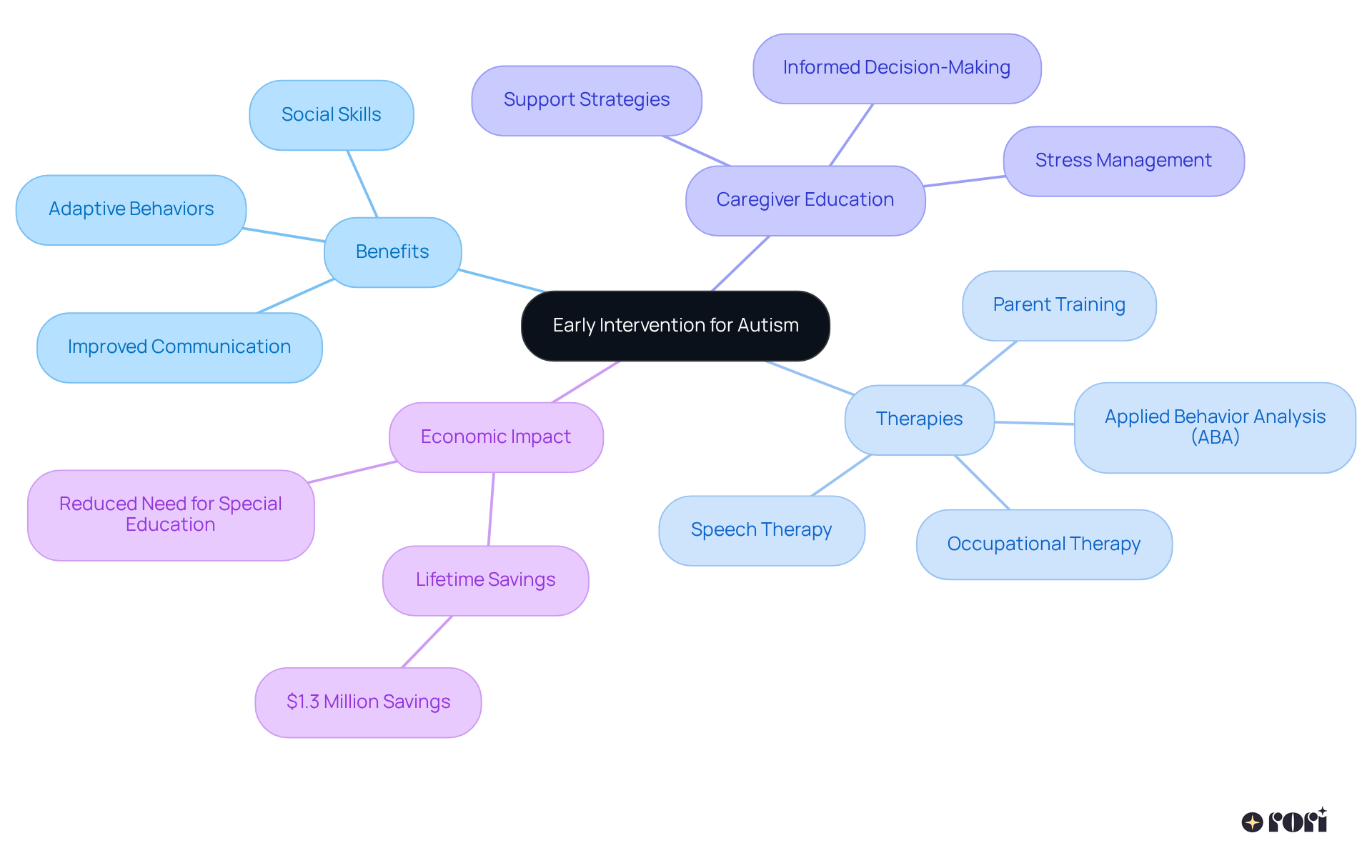
The include a variety of services and therapies designed for young children diagnosed with autism spectrum disorder (ASD), typically before they turn three. This proactive approach highlights the benefits of early intervention for autism by addressing using evidence-based practices like . It’s essential because it highlights the benefits of early intervention for autism by focusing on enhancing communication, social skills, and adaptive behaviors, ultimately for individuals with autism.
Studies show that children who receive of early intervention for autism, which helps them thrive in inclusive learning environments and shows remarkable improvements in their developmental journeys. By starting these measures early, families can , which underscores the benefits of early intervention for autism and maximizes the chances for positive outcomes. In fact, research suggests that the benefits of early intervention for autism can lead to savings of about $1.3 million per individual over their lifetime by reducing the need for extended special education and intensive care. This really highlights the of the benefits of early intervention for autism—it’s a crucial part of autism care!
Moreover, caregiver education plays a vital role in this process. It enhances support, encourages informed decision-making, and empowers caregivers to manage stress while effectively nurturing their child’s development. We’re here to help you every step of the way! Let’s explore this together!
Explore Key Benefits of Early Intervention
The benefits of in children are truly profound and multifaceted. At Rori Care, our clinical leadership team is wholeheartedly dedicated to maximizing the benefits of early intervention for autism through a strong commitment to neurodiversity and ensuring the success of every child.
- Enhanced : Timely support can significantly boost young ones’ communication abilities. This helps them express their needs and connect effectively with others. Studies show that children who receive early support can develop practical communication skills, with as many as 90% reaching this milestone. Plus, those undergoing are 70% more likely to gain verbal communication skills within just two years.
- : Focused approaches help children learn essential social skills like sharing, taking turns, and interacting with peers. These skills are vital for forming meaningful connections and encouraging social interactions. Our team empowers caregivers with techniques to support these developments.
- : Early support lays the groundwork for academic success by nurturing the foundational skills necessary for learning. Children who begin therapy before age two are three times more likely to thrive in inclusive educational settings. Moreover, those who start therapy before age three see an average IQ boost of 17 points, which significantly aids in their school readiness.
- : Targeted strategies can lead to a noticeable decrease in challenging behaviors that often disrupt daily life. For instance, children in early support programs have shown a remarkable 60% reduction in such behaviors within just six months of starting therapy, thanks to the active involvement of guardians in data gathering and behavioral techniques.
- Enhanced Autonomy: By fostering self-care and adaptive skills, young individuals become more self-sufficient as they grow. Early support not only nurtures these abilities but also prepares them for a more independent future, guided by the knowledge and empathy of our clinical leadership team.
Studies suggest that the benefits of early intervention for autism often lead to , social skills, and behavior, resulting in . For example, children in the Early Start Denver Model program experienced an average IQ increase of 18 points, compared to just over 4 points in the comparison group. This highlights the in shaping positive developmental pathways. Additionally, the benefits of early intervention for autism can lead to an estimated savings of $1.3 million per individual over their lifetime by reducing the need for prolonged special education and intensive care. As Fayge Orzel beautifully states, ‘Numerous studies highlight the transformative influence of initial support.’
Let’s explore this together! We’re here to help you every step of the way!

Understand the Importance of Timeliness in Intervention
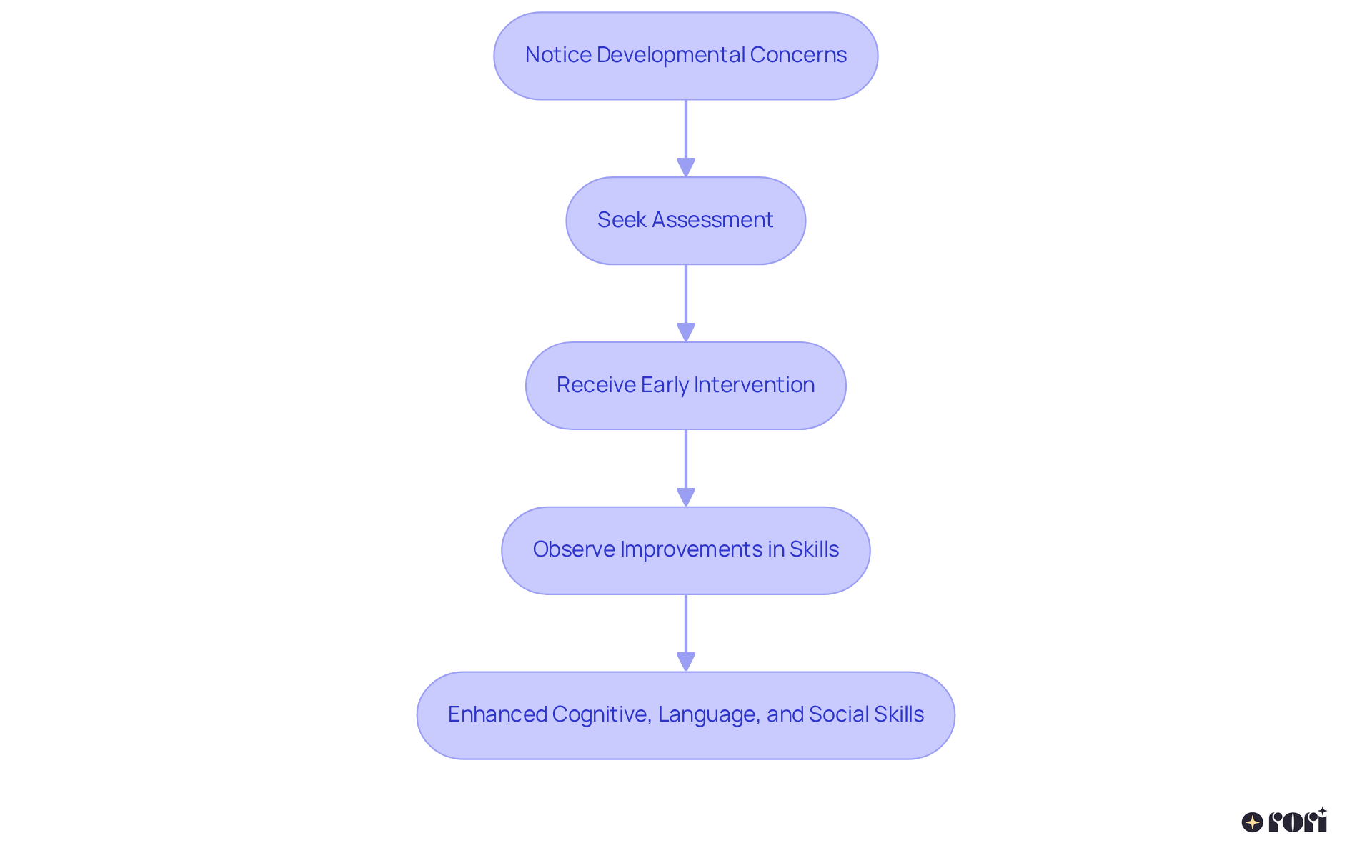
Punctuality in getting help for your little one is so important! Studies show that the benefits of indicate that the sooner a child receives assistance, the better their tend to be. During those early years, the brain is incredibly flexible, which emphasizes the for autism, making it the perfect time for support. For instance, children who start therapy before the age of three often experience the benefits of early intervention for autism, which results in compared to those who begin later.
Imagine this: a child identified at 18 months who receives highlights the benefits of early intervention for autism, showing much better results than those diagnosed at a later age. This really highlights the benefits of early intervention for autism, underscoring why it’s to seek as soon as they notice developmental issues. By learning , caregivers can provide better , make informed choices, and actively contribute to their loved one’s progress. This not only leads to improved but also reduces stress for the whole family. Let’s explore this together!
Examine Technology’s Role in Early Intervention
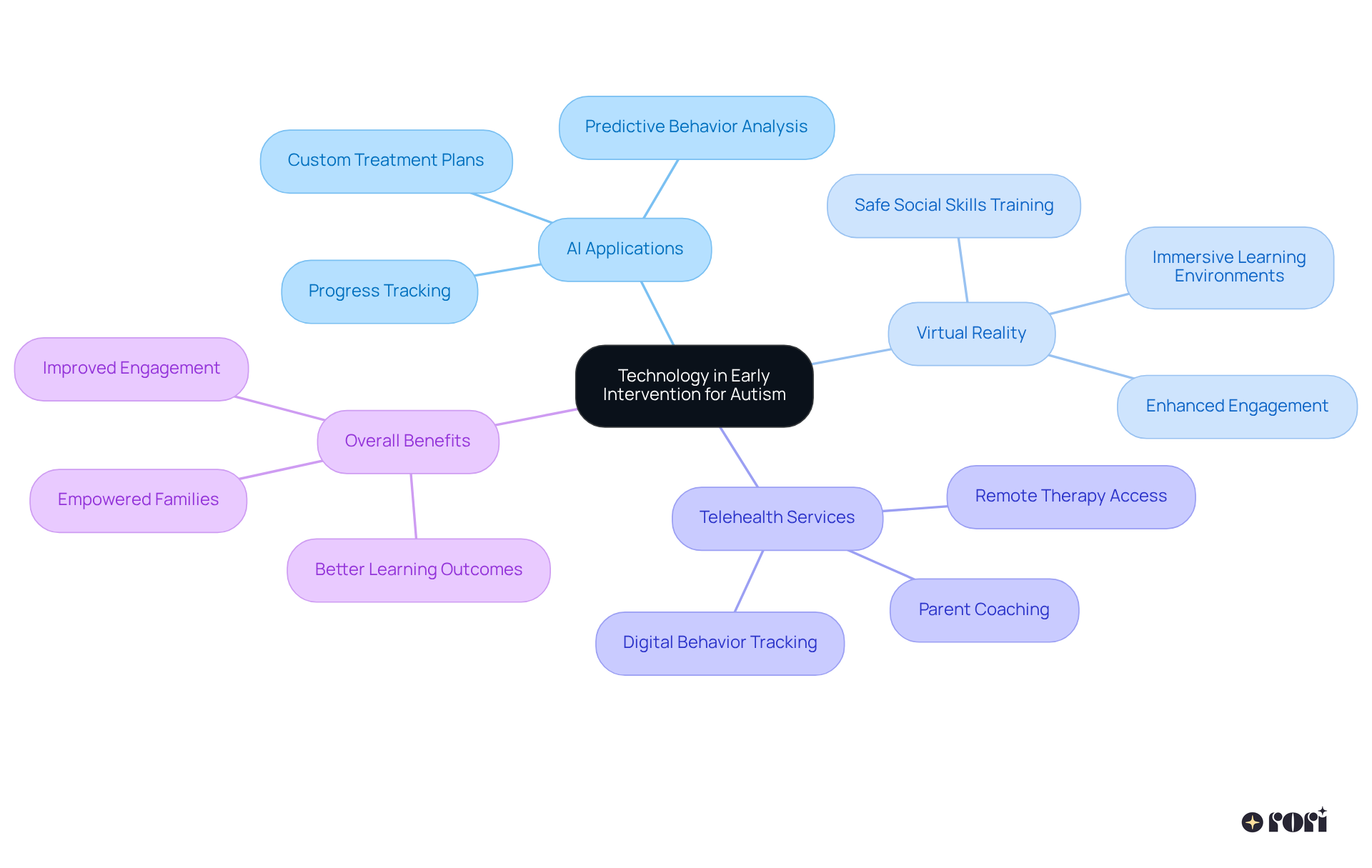
Technology is truly transforming early support for autism, highlighting the benefits of through . AI-driven applications are leading the charge, helping to based on each individual’s unique progress and needs. For instance, smart algorithms can look at behavioral information to predict triggers and , ensuring that actions are not just effective but also responsive. Plus, virtual reality (VR) environments create safe, immersive spaces where young individuals can practice social interactions, nurturing essential skills in a controlled setting.
of early intervention for autism. Families can connect with specialists remotely through live virtual therapy sessions and remote parent coaching, which is especially helpful for those in rural or underserved areas. This flexibility not only increases the availability of expert guidance but also allows parents to play an , offering clear progress tracking and adaptive strategies.
Rori Care is here to provide extensive autism support, blending tailored with advanced AI, leading to an impressive 50% additional treatment time for your loved one! We also offer a to help families get started on this journey. Research shows that the benefits of early intervention for autism can lead to for youth with autism through . For example, kids receiving initial assistance through tech-integrated methods are more likely to develop coping skills and achieve better socialization, ultimately enriching their educational experiences. By integrating advanced technologies into early intervention strategies, practitioners can leverage the benefits of early intervention for autism to create more effective, personalized approaches that cater to each child’s unique needs, paving the way for long-term success. Let’s explore this together!
Conclusion
Early intervention for autism is such a vital strategy that can truly enhance the developmental journey of children diagnosed with autism spectrum disorder (ASD). By addressing developmental challenges early on, this proactive approach not only helps kids build essential skills in communication, social interaction, and behavior but also encourages independence and a better quality of life. The importance of timely support is hard to overstate; the earlier a child receives intervention, the more profound the benefits can be.
Let’s take a moment to highlight some key advantages of early intervention. These include:
- Improved communication skills
- Enhanced social abilities
- Better academic readiness
- Reduced challenging behaviors
- Increased autonomy
Research shows that children who start intervention before the age of three experience substantial gains in cognitive and social skills compared to those who begin later. Plus, the economic implications are significant, with potential savings of about $1.3 million per individual over their lifetime. This really underscores its value, not just therapeutically but also financially.
In closing, the impact of early intervention for autism goes well beyond immediate developmental improvements; it lays the groundwork for lifelong success and independence. Families are encouraged to seek timely assessments and support, as nurturing a child with autism can be greatly enhanced through early action. Embracing the latest technologies and therapeutic practices can further optimize outcomes, making it essential for caregivers to stay informed and engaged in their child’s development. While the journey may present challenges, the rewards of early intervention are truly immeasurable, paving the way for a brighter future for children with autism. Let’s explore this together!
Frequently Asked Questions
What is early intervention for autism?
Early intervention for autism refers to a range of services and therapies designed for young children diagnosed with autism spectrum disorder (ASD), typically before they turn three. It aims to address developmental delays and foster overall growth using evidence-based practices.
Why is early intervention important for children with autism?
Early intervention is important because it enhances communication, social skills, and adaptive behaviors, ultimately promoting independence and improving the quality of life for individuals with autism.
What are some benefits of early intervention for autism?
Benefits of early intervention for autism include improvements in developmental journeys, the ability to thrive in inclusive learning environments, and the potential for significant long-term savings by reducing the need for extensive special education and intensive care.
How does early intervention impact the economic aspects of autism care?
Research suggests that early intervention can lead to savings of about $1.3 million per individual over their lifetime by minimizing the need for prolonged special education and intensive care.
What role does caregiver education play in early intervention?
Caregiver education is vital as it enhances support, encourages informed decision-making, and empowers caregivers to manage stress while effectively nurturing their child’s development.