

Introduction
Understanding the intricacies of escape behaviors in children can truly be a game-changer for parents navigating the complexities of ABA therapy. These behaviors often serve as a form of communication, signaling discomfort or anxiety in response to challenging tasks. By exploring effective strategies and insights, caregivers can address the underlying causes of these actions while creating a more supportive environment that promotes positive behavior changes.
So, what happens when parents begin to recognize and respond to these escape behaviors? The journey toward understanding and managing these challenges can lead to transformative outcomes for both children and their families. Let’s explore this together!
Define Escape Behaviors in ABA Therapy
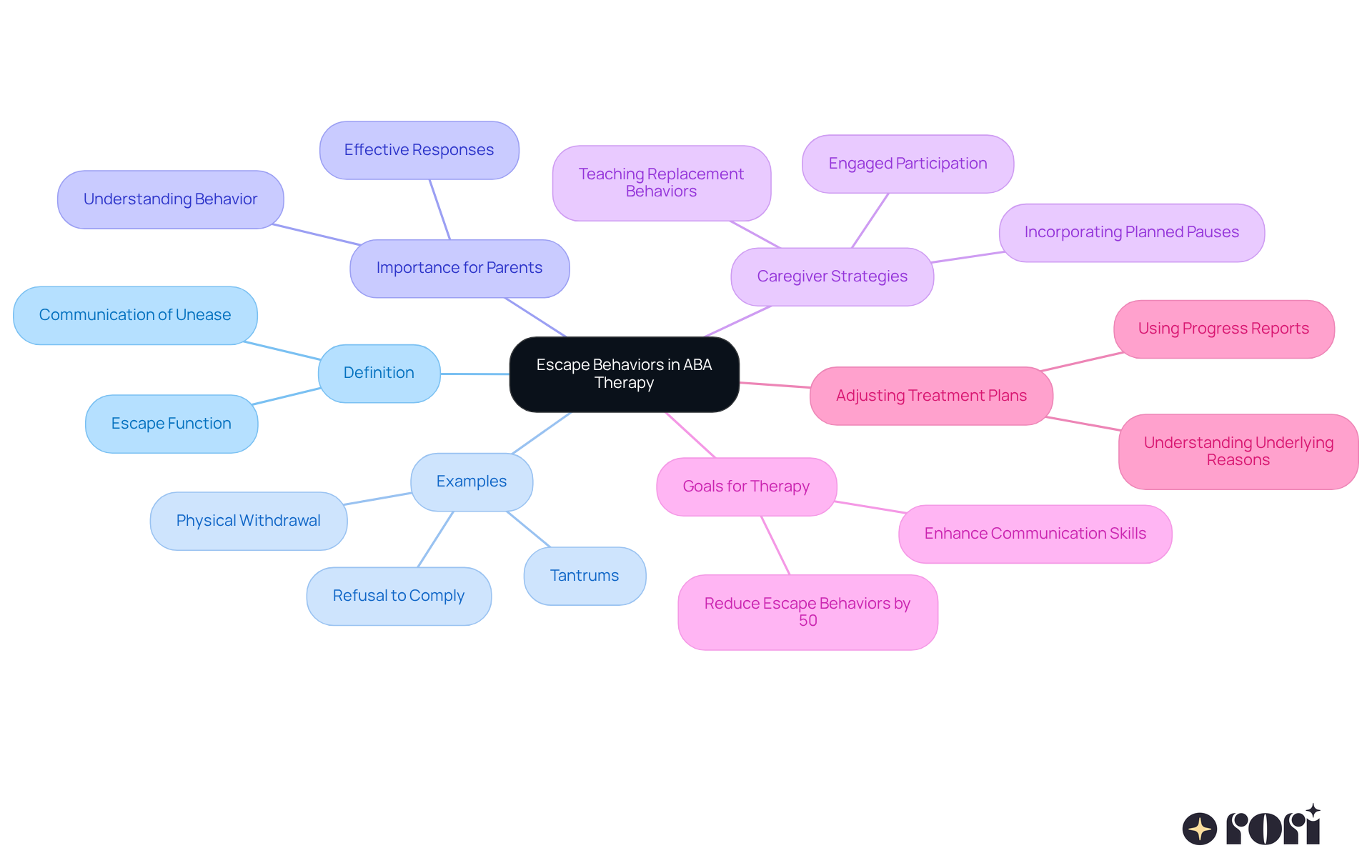
In ABA therapy, the escape function aba describes activities that kids participate in to avoid or flee from uncomfortable situations, responsibilities, or requests. These actions can show up in various ways, like tantrums, refusal to comply, or even physically withdrawing from a situation. Understanding these actions is really important for parents, as they often serve as a way for children to or anxiety about certain activities. For example, a child might throw a tantrum to dodge doing homework, signaling that the task feels overwhelming or unpleasant. Recognizing these actions as a form of communication helps parents respond more effectively and kindly.
By equipping caregivers with ABA principles and strategies, they can provide better support at home, complementing professional interventions and fostering consistency in addressing avoidance behaviors. Plus, incorporating planned pauses can help reduce a young person’s urge to avoid challenging tasks. Research shows that cutting down on escape function ABA actions by 50% within three months is a realistic goal that can guide therapy outcomes. It’s also crucial to teach alternative actions, allowing children to express their needs in a more appropriate way.
Engaged caregiver participation and informed decision-making based on progress reports are key to understanding the roles of behaviors. This offers insight into the underlying reasons for escape actions and helps in adjusting treatment plans accordingly. Let’s explore this together! We’re here to help you every step of the way!
Explore the Functions of Behavior: Focus on Escape
Escape actions are all about dodging or putting an end to those not-so-fun experiences. In the world of ABA therapy, we often see these actions reinforced through the escape function aba and negative reinforcement. This means that when an unpleasant stimulus is removed, it makes it more likely that the action will happen again. For instance, if a child screams to get out of a tough math problem, that scream is reinforced because it successfully takes away the demand.
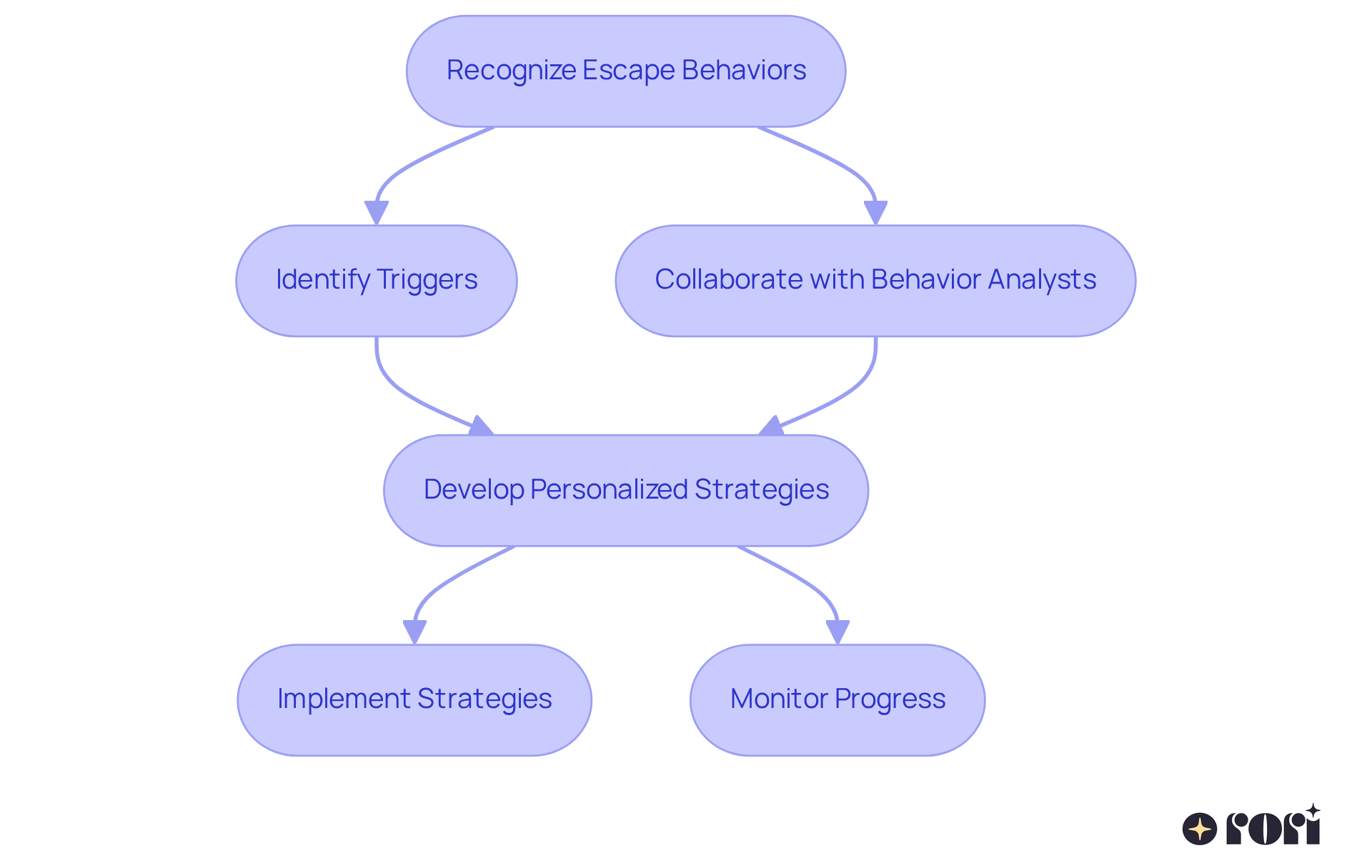
Recognizing the escape function aba is super important for parents. It shows the need to address the root causes rather than just reacting to the actions themselves. By pinpointing triggers and adjusting the environment or task demands, parents can really help cut down on those avoidance actions. Recent studies have shown that understanding the roles of these actions, including avoidance, is key to crafting personalized strategies that lead to positive outcomes for kids with autism.
Imagine a parent noticing their child often elopes during transitions between activities. By teaming up with a certified behavior analyst, they can create a tailored plan that includes measurable goals and evidence-based strategies to address these avoidance behaviors. As Dr. Temple Grandin wisely said, ‘Different, not less,’ reminding us of the unique perspectives that autistic individuals bring.
Additionally, incorporating strategies like instructional control can be a game-changer for parents managing actions related to the escape function aba. When caregivers are equipped with , they enhance their ability to support their child’s behavioral goals through active involvement and informed choices. By collaborating closely with skilled analysts who design personalized strategies with measurable objectives and ongoing assessments, parents can foster positive behavior changes and skill development, ultimately improving behavioral outcomes and family dynamics.
Let’s explore this together! We’re here to help you every step of the way!
Implement Strategies to Manage Escape Behaviors
To effectively manage escape behaviors, parents can implement several key strategies:
- Teach Functional Communication: Help your child express their need for a break or assistance instead of resorting to avoidance behaviors. For example, teaching them to say, “I need a break” allows them to communicate their needs effectively, promoting independence and reducing reliance on avoidance.
- Modify Requirements: Adjust the difficulty or duration of activities to make them more manageable. Breaking tasks into smaller, achievable steps can significantly lessen feelings of being overwhelmed, making it easier for your little one to engage without avoiding.
- Utilize Visual Aids: Visual schedules are fantastic tools that help kids anticipate what’s coming up during the day. By clarifying when activities and breaks will happen, these aids can ease anxiety about transitions and boost engagement.
- Reinforce Positive Actions: Regularly praise or reward your child when they participate in appropriate actions instead of avoiding. This positive reinforcement encourages them to adopt more adaptive responses, enhancing their ability to handle challenging situations.
- Offer Frequent Pauses: Schedule regular breaks during activities to prevent frustration or fatigue, which can lead to avoidance. Allowing your child to take short breaks helps them recharge, enabling them to return to tasks with a refreshed mindset and better focus.
- Ongoing Data Collection: Keep an eye on your child’s escape behaviors to spot patterns and inform adjustments to your strategies. This systematic approach is essential in ABA therapy, as it incorporates the escape function aba to allow for timely changes based on individual responses. Continuous data gathering provides real-time insights, ensuring that treatment plans remain effective and tailored to your child’s needs.
- Utilize the Care Engine: Use the care engine to update intervention plans based on the data collected from your child’s progress. This tool ensures that strategies stay adaptable and responsive to your child’s evolving needs, enhancing the effectiveness of the treatment.
Let’s explore this together! Your journey as a parent can be challenging, but with these , you’re not alone. We’re here to help you every step of the way!

Utilize Functional Behavior Assessments for Insight
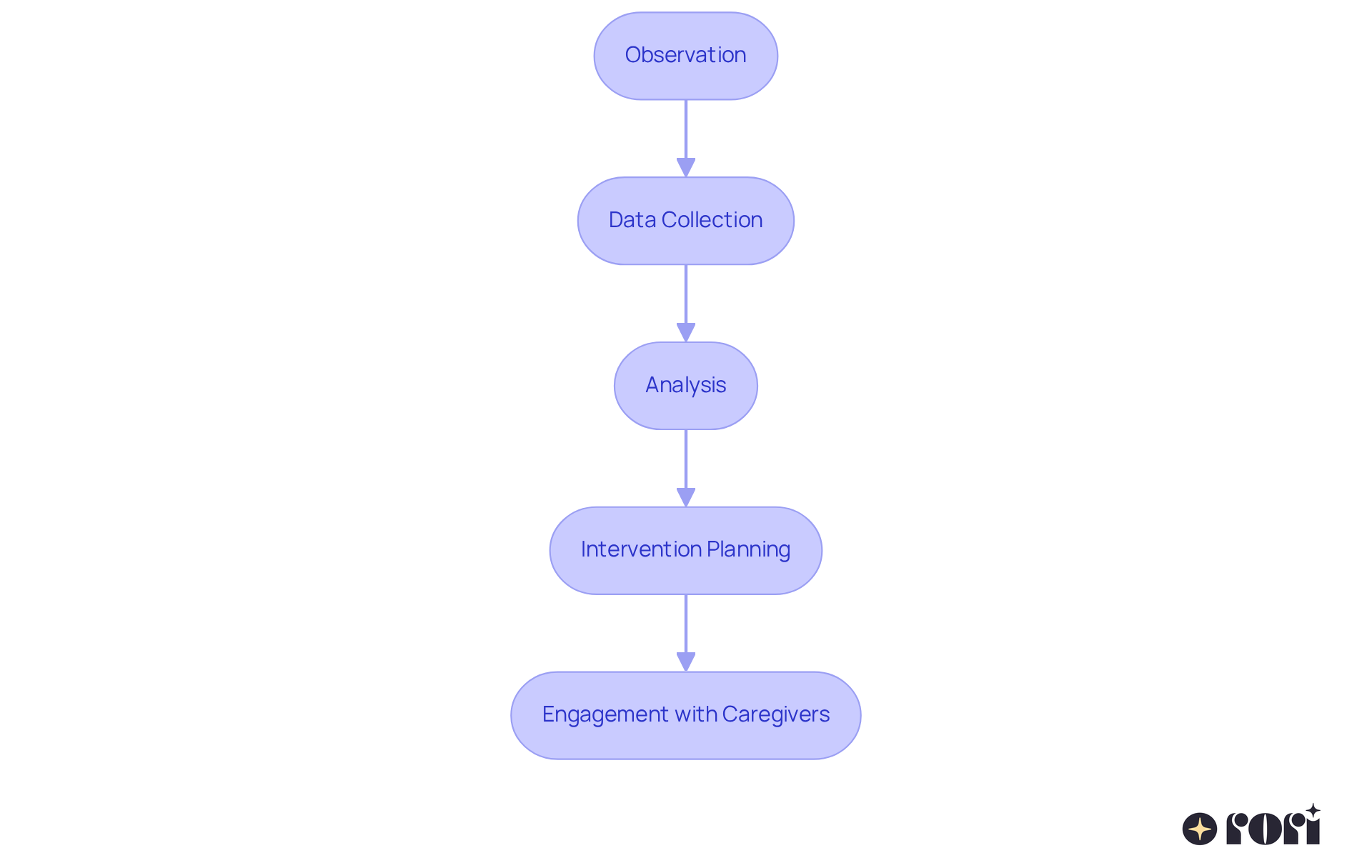
Functional Behavior Assessments (FBAs) are essential tools for understanding why a young person might be avoiding certain actions. By gathering information about the situations surrounding these behaviors, parents and clinicians can identify specific triggers and contexts using the escape function aba. Let’s break down the FBA process together:
- Observation: This involves watching the youth in various settings to spot consistent patterns in their avoidance behaviors.
- Data Collection: Here, we document instances of escape actions, including what happens before (triggers) and after (responses) these actions. This can include direct observation, chatting with caregivers, and using behavioral checklists to get the full picture. At Rori Care, we focus on automatic data collection during clinical sessions, so our clinical team can be fully present for your child without interrupting the process. Plus, all data is securely stored, anonymized, and deleted after analysis to keep everything confidential.
- Analysis: Next, we evaluate the data to understand the purpose behind these actions, such as whether they’re meant to utilize an escape function aba or avoid social interactions. Research shows that when FBAs are done right, they can lead to a whopping 99.6% decrease in challenging behaviors, especially those related to avoidance.
- Intervention Planning: Finally, we use insights from the FBA to create tailored interventions that tackle the root causes of escape function aba actions, rather than just the symptoms. A qualified analyst at Rori Care will design personalized plans featuring measurable goals and evidence-based strategies to encourage positive changes and skill development. These plans are continuously assessed and adjusted to meet your child’s evolving needs.
Clinicians emphasize that effective data gathering is crucial for understanding avoidance actions, noting that “by identifying the underlying function of an action, professionals can develop targeted interventions.” By engaging in the FBA process, parents can gain valuable insights into their child’s behaviors, leading to more effective and personalized strategies for managing the escape function aba tendencies.
Also, it’s important to remember that under the Individuals with Disabilities Education Act (IDEA), a full FBA is legally required when a Behavior Intervention Plan (BIP) is needed. Parents and caregivers are vital in this process, providing insights and observations that enrich our understanding of the young one’s behavior. Through , Rori Care empowers families to actively participate in their child’s development, enhancing support and informed decision-making.
Let’s explore this together! We’re here to help you every step of the way!
Conclusion
Understanding the escape function in ABA therapy is so important for parents navigating the complexities of their children’s behaviors. When caregivers recognize that escape actions are a way of communicating discomfort or anxiety, they can respond with empathy and effective strategies. This foundational insight empowers parents to not just address the symptoms, but also to explore the underlying causes of these behaviors, creating a supportive environment for their children’s growth.
In this article, we’ve highlighted key strategies for managing escape behaviors. These include:
- Teaching functional communication
- Modifying task requirements
- Utilizing visual aids
- Reinforcing positive actions
Combining these approaches with ongoing data collection and functional behavior assessments gives parents a comprehensive framework for understanding and addressing the escape function in their child’s behavior. By collaborating with behavior analysts and implementing tailored interventions, parents can significantly enhance their child’s ability to tackle challenging tasks without resorting to avoidance.
Ultimately, managing escape behaviors is about more than just reducing specific actions; it’s about nurturing resilience, independence, and effective communication in children. We encourage parents to embrace these strategies and engage actively in their child’s therapeutic process, ensuring they are not alone in this journey. By prioritizing understanding and proactive support, families can create a nurturing environment that fosters growth and positive behavioral changes. Let’s explore this together!
Frequently Asked Questions
What are escape behaviors in ABA therapy?
Escape behaviors in ABA therapy refer to actions that children engage in to avoid or flee from uncomfortable situations, responsibilities, or requests. These can manifest as tantrums, refusal to comply, or physically withdrawing from a situation.
Why is it important for parents to understand escape behaviors?
Understanding escape behaviors is crucial for parents as these actions often serve as a way for children to communicate their unease or anxiety about certain activities. Recognizing these behaviors helps parents respond more effectively and kindly.
Can you provide an example of an escape behavior?
An example of an escape behavior is a child throwing a tantrum to avoid doing homework, indicating that the task feels overwhelming or unpleasant.
How can caregivers support children exhibiting escape behaviors?
Caregivers can support children by equipping themselves with ABA principles and strategies, providing better support at home, and fostering consistency in addressing avoidance behaviors.
What role do planned pauses play in managing escape behaviors?
Incorporating planned pauses can help reduce a young person’s urge to avoid challenging tasks, making it easier for them to engage with those tasks.
What is a realistic goal for reducing escape behaviors in therapy?
Research suggests that cutting down on escape function ABA actions by 50% within three months is a realistic goal that can guide therapy outcomes.
Why is it important to teach alternative actions to children?
Teaching alternative actions is important as it allows children to express their needs in a more appropriate way, rather than resorting to escape behaviors.
How does caregiver participation impact the understanding of escape behaviors?
Engaged caregiver participation and informed decision-making based on progress reports are key to understanding the roles of escape behaviors, offering insight into their underlying reasons and helping to adjust treatment plans accordingly.