

Introduction
Understanding the relationship between nutrition and autism care is crucial, yet it’s often overlooked. Many individuals face unique dietary challenges, making a balanced diet essential. It can really influence behavior and overall well-being. But how can caregivers navigate the complexities of food preferences and nutritional needs to help their loved ones thrive?
Let’s explore this together! This article dives into the essential nutrients, effective dietary strategies, and the role of professionals in crafting personalized nutrition plans. These plans can truly make a difference in autism care. We’re here to help you every step of the way!
Explore the Connection Between Nutrition and Autism
Research shows that many individuals with autism spectrum disorder (ASD) encounter , which underscores the importance of , including issues like . These hurdles can lead to gaps in essential nutrients, emphasizing the , which might worsen behavioral symptoms. 🌱
But here’s the good news! Studies indicate that a can really boost mood and cognitive function. Plus, let’s not forget about the – healthy gut health can directly impact behavior and emotional regulation.
As parents, it’s important to recognize the , as and overall wellness. emphasizes the importance of nutrition for autism care and can pave the way for . Let’s explore this together! If you have any thoughts or experiences to share, we’d love to hear from you!

Identify Key Nutrients and Their Impact on Autism Symptoms
When it comes to supporting children with autism, understanding the importance of can really make a difference. For instance, , which you can find in fish and flaxseeds, are fantastic for brain health and might even help reduce hyperactivity. Plus, are crucial for mood regulation and cognitive function.
And let’s not forget about minerals! are essential for neurological health. The [importance of nutrition for autism care](https://rori.care/post/10-essential-autism-statistics-every-parent-should-know) is evident, as a child’s can lead to increased irritability and . So, it’s worth considering the importance of nutrition for autism care by into your child’s meals.
Think about it: adding these items highlights the importance of nutrition for autism care, which can really . Let’s explore this together! Your little one deserves the best, and making these dietary changes could be a great step forward.

Implement Effective Dietary Strategies for Autism Management
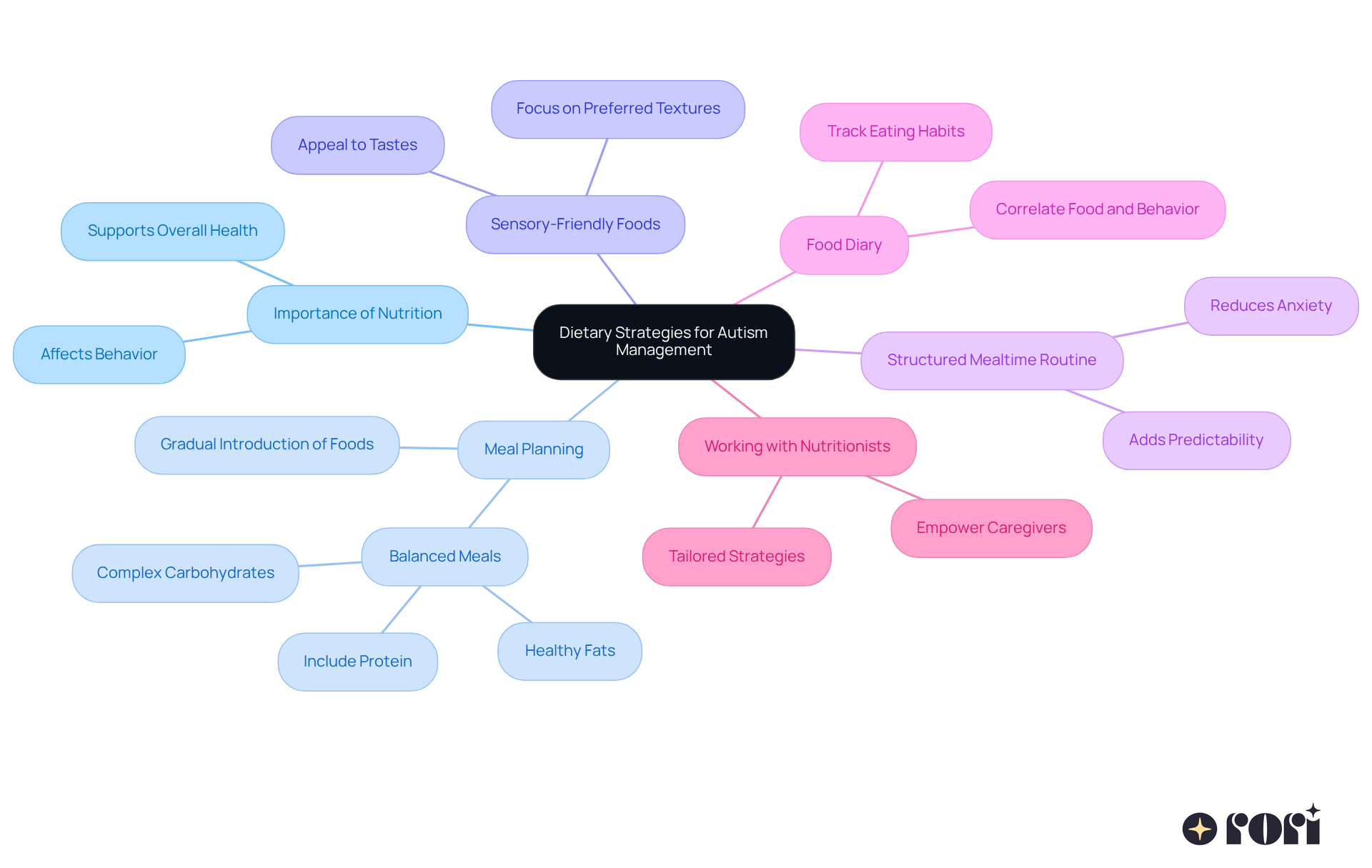
Managing autism symptoms through diet can feel overwhelming, but it underscores the importance of , and you’re not alone! Start by gradually introducing a variety of foods that your child enjoys. Think about sensory-friendly options that appeal to their tastes. is key here, as it emphasizes the importance of nutrition for autism care by aiming for balanced meals that include protein, healthy fats, and complex carbohydrates. This aligns nicely with , which promote positive behaviors through .
Creating a structured mealtime routine can really help too. It adds predictability, which can reduce anxiety around eating. Keeping a is a great idea! It helps you track what your child eats and can reveal interesting correlations between food and behavior-something that’s super important in ABA data collection.
Your active involvement underscores the , making a huge difference. It creates a consistent and supportive environment, maximizing the impact of your efforts. For example, if your little one loves certain textures, focus on incorporating those into meals. And don’t hesitate to work with a nutritionist! They can provide that meet your child’s unique needs, empowering you even more in your role.
Let’s explore this together! We’re here to help you every step of the way!
Collaborate with Professionals for Tailored Nutritional Guidance
Collaborating with healthcare experts, including registered dietitians and nutritionists, can emphasize the in managing your child’s dietary needs. These professionals can really dive deep, assessing nutritional gaps and crafting that fit your little one perfectly. Plus, they have great strategies for and sensory sensitivities that many kids face.
Regular check-ins with these experts can help tweak dietary plans as needed, emphasizing the [importance of nutrition for autism care](https://rori.care/post/understanding-the-importance-of-peer-relationships-in-autism-development) to ensure your child gets the nutrition they need to thrive. And don’t forget, having a dietitian on your care team can really bridge the gap between you and other healthcare providers. Creating a well-rounded approach to autism care includes recognizing the importance of nutrition for autism care, and you don’t have to do it alone! Let’s explore this together!

Conclusion
Understanding the vital role of nutrition in autism care shows just how much our dietary choices can impact the well-being of individuals with autism spectrum disorder (ASD). When caregivers recognize the connection between nutrition and autism, they can tackle the unique dietary challenges their children face. This can lead to better health outcomes and a happier quality of life.
Throughout this article, we’ve touched on some key points, like the importance of nutrients such as omega-3 fatty acids, vitamins, and minerals. These play a crucial role in supporting cognitive function and emotional regulation. Plus, effective dietary strategies – like meal planning and working with healthcare professionals – highlight how personalized nutritional guidance can fill in those nutrient gaps and promote overall wellness.
Ultimately, prioritizing nutrition in autism care isn’t just helpful; it’s essential! By taking proactive steps to improve dietary habits and seeking professional support, caregivers can empower their children to truly thrive. Embracing the significance of nutrition in autism care can spark meaningful changes, making a lasting impact on their lives and paving the way for a healthier future. Let’s explore this together!
Frequently Asked Questions
What nutritional challenges do individuals with autism spectrum disorder (ASD) face?
Individuals with ASD often encounter issues like food selectivity and gastrointestinal problems, which can lead to gaps in essential nutrients.
How does nutrition impact behavior in individuals with autism?
Poor nutrition can worsen behavioral symptoms in individuals with autism, highlighting the importance of proper nutrition for autism care.
What dietary components are beneficial for individuals with autism?
A balanced diet rich in fruits, vegetables, and omega-3 fatty acids can boost mood and cognitive function in individuals with autism.
What is the gut-brain connection in relation to autism?
Healthy gut health can directly impact behavior and emotional regulation, emphasizing the link between nutrition and autism.
Why is it important for parents to focus on nutrition in autism care?
Parents should recognize that eating habits can shape their child’s symptoms and overall wellness, making informed nutritional choices crucial for healthier outcomes.
List of Sources
- Explore the Connection Between Nutrition and Autism
- autismspeaks.org (https://autismspeaks.org/autism-nutrition)
- Child Autistic Traits, Food Selectivity, and Diet Quality: A Population-Based Study (https://sciencedirect.com/science/article/pii/S002231662200565X)
- The Impact of Diet and Nutrition Among Children with Autism Spectrum Disorder (https://verbalbeginnings.com/aba-blog/diet-and-nutrition-children-with-autism)
- Nutritional deficiencies and overweight prevalence among children with autism spectrum disorder (https://sciencedirect.com/science/article/abs/pii/S0891422214005034)
- Dietary intake in children on the autism spectrum is altered and linked to differences in autistic traits and sensory processing styles (https://onlinelibrary.wiley.com/doi/full/10.1002/aur.2798)
- Identify Key Nutrients and Their Impact on Autism Symptoms
- Micronutrient deficiencies in children with autism spectrum disorders compared to typically developing children – A scoping review (https://sciencedirect.com/science/article/pii/S1750946724000710)
- Frontiers | Omega-3 polyunsaturated fatty acids and/or vitamin D in autism spectrum disorders: a systematic review (https://frontiersin.org/journals/psychiatry/articles/10.3389/fpsyt.2023.1238973/full)
- Omega-3 Fatty Acids for Autistic Spectrum Disorder: A Systematic Review – PMC (https://pmc.ncbi.nlm.nih.gov/articles/PMC2710498)
- Vitamin Interventions in ASD and ADHD: Systematic Review and Meta-Analysis – PMC (https://pmc.ncbi.nlm.nih.gov/articles/PMC12407005)
- Supplements and Vitamins for Autism | Grateful Care ABA (https://gratefulcareaba.com/blog/supplements-and-vitamins-for-autism)