
Introduction
Childhood is a journey filled with connections, especially with peers. But for children with autism, these interactions can be both challenging and a vital key to their potential. 🌟 When we understand the impact of peer engagement, we uncover a path to better communication, emotional regulation, and social skills – essential tools for their growth.
So, how can caregivers and educators nurture these interactions in a way that truly benefits children on the spectrum? 🤔 Let’s explore some strategies and insights together! By shining a light on the importance of peer interaction, we can empower everyone involved to create supportive environments that foster understanding and acceptance.
We’re here to help you every step of the way! Let’s dive into this journey together!
Explore the Importance of Peer Interaction in Autism Development
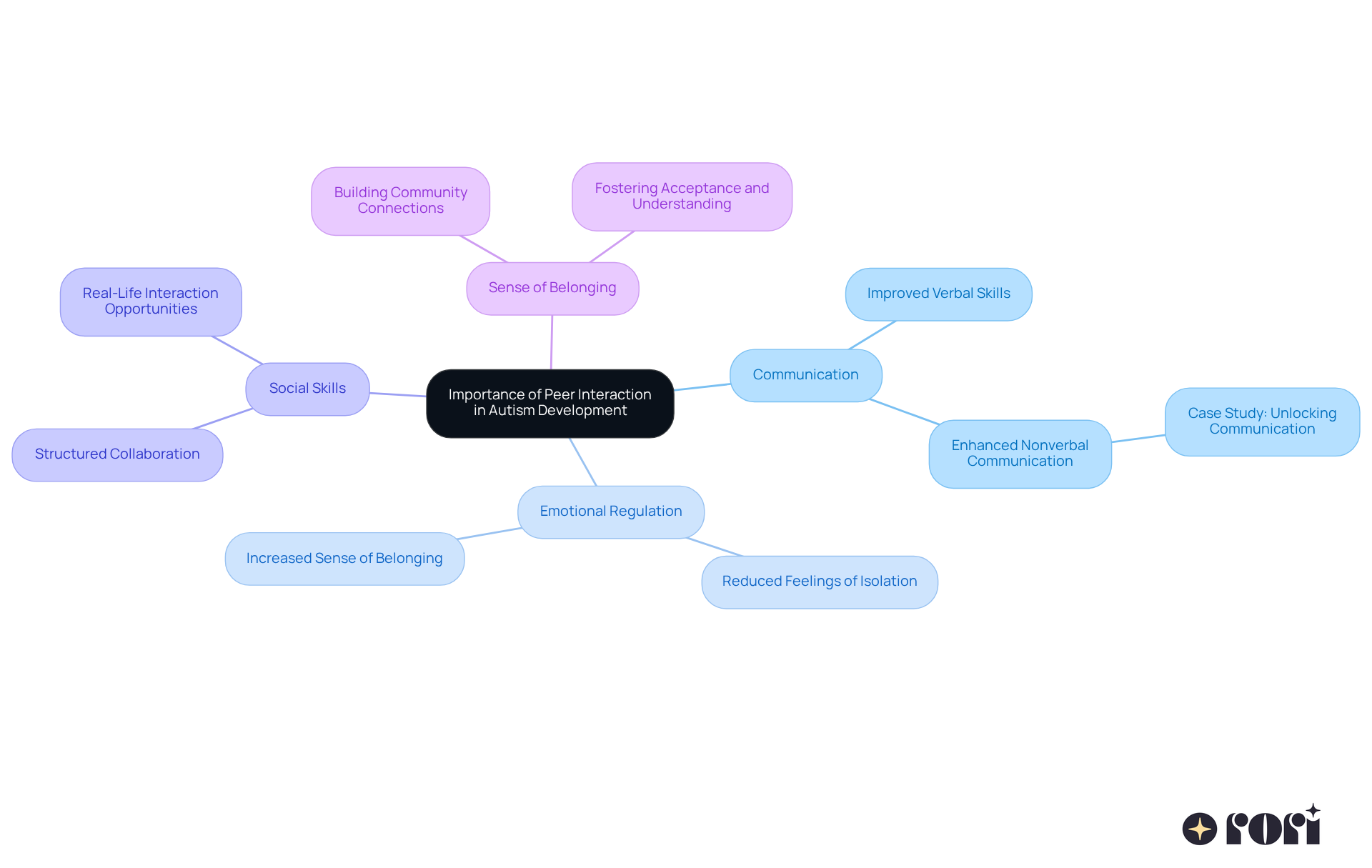
The are essential for their . At Rori Care, our clinical leadership team truly values neurodiversity. We’re dedicated to equipping caregivers with ABA principles and strategies that help young individuals reach their . The benefits of peer interaction for children with autism are evident when these kids interact with others, as they gain valuable opportunities to develop essential interpersonal skills in real-life situations, which is crucial for their growth.
You know, recent studies show that the benefits of peer interaction for children with autism include making , emotional regulation, and overall social skills when they actively engage in conversations with others. For instance, case studies reveal that structured collaboration can enhance nonverbal , leading to better social interactions. Plus, these engagements illustrate the benefits of peer interaction for children with autism by helping and creating a sense of belonging that’s vital for .
By recognizing the importance of , caregivers and educators can create that emphasize the benefits of peer interaction for children with autism. This ultimately supports the overall development of individuals with autism. As advocates often highlight, nurturing these connections not only enriches the lives of those on the spectrum but also helps build a in our communities. Let’s explore this together!
Identify Key Benefits of Peer Interaction for Children with Autism
For children with autism, the benefits of peer interaction can be a game changer, particularly in led by trained therapists. Let’s take a look at some of the key benefits:
- Regularly chatting with others in a structured group setting helps kids pick up , showcasing the benefits of . Think about how they learn to take turns, share, and even start conversations – all while having fun!
- Enhanced Emotional Control: Engaging with peers can really boost . Within a supportive group environment that feels safe and nurturing, kids learn to and respond appropriately, highlighting the benefits of peer interaction for children with autism.
- Enhanced Drive: Let’s face it, friendships can motivate kids to jump into social situations more eagerly. They naturally seek acceptance and companionship, especially in a group therapy setting that encourages teamwork and collaboration.
- The development of friendships illustrates the benefits of peer interaction for children with autism, as building connections with peers fosters a . This is so important for , particularly when it’s nurtured through group therapy, as it showcases the benefits of peer interaction for children with autism.
- Improved Self-Esteem: When kids have , it can really boost their confidence. They feel more motivated to connect with their friends and the world around them.
- Academic Benefits: Learning together in skills groups can lead to . Kids not only learn from each other but also develop , enhancing their communication and interpersonal abilities.
And let’s not forget about the role of caregivers! Your involvement is crucial. By being educated and supportive, you can significantly enhance the effectiveness of therapy, helping your child not just to develop social skills but also to gain confidence in their interactions.
So, let’s explore this journey together! We’re here to help you every step of the way!

Implement Strategies to Foster Peer Interaction in Therapeutic Settings
To enhance in therapeutic settings for children with autism, let’s explore some friendly strategies that can make a real difference:
- : Think about organizing fun group activities, like team games or art projects, where kids can connect with each other. Research shows that when play is organized, it helps children practice interaction cues and boosts their joint attention skills, which illustrates the benefits of peer interaction for children with autism, ultimately leading to better friendships.
- : Pairing kids with buddies who can model positive social behaviors is a great idea! This approach has shown significant improvements in , illustrating the benefits of peer interaction for children with autism as they learn by observing their peers in real-time situations. It’s like having a little mentor right there with them!
- : How about conducting some targeted training sessions? Focus on essential skills like starting conversations, recognizing social cues, and responding to peers. Studies indicate that this kind of training can enhance the benefits of peer interaction for children with autism, helping to expand their social skills and making them feel more comfortable engaging with others.
- : Role-playing can be a fun way to practice social skills! By simulating different social situations, children can rehearse their skills in a safe space. This not only reinforces their learning but also builds confidence for real-life interactions, which illustrates the benefits of peer interaction for children with autism.
- : Let’s not forget the power of encouragement! Rewarding positive interactions can really reinforce good behaviors. Research suggests that when kids receive praise or tangible rewards for their efforts, they’re more likely to practice new skills during social play.
- : Creating welcoming spaces is key! When children feel safe and encouraged to engage with their peers, it , which underscores the benefits of peer interaction for children with autism. This is essential for building meaningful connections, as it helps every child’s potential shine through.
We’re here to help you every step of the way! If you have any thoughts or experiences to share, feel free to comment below. Let’s create a supportive community together!

Utilize Technology to Enhance Peer Interaction and Support
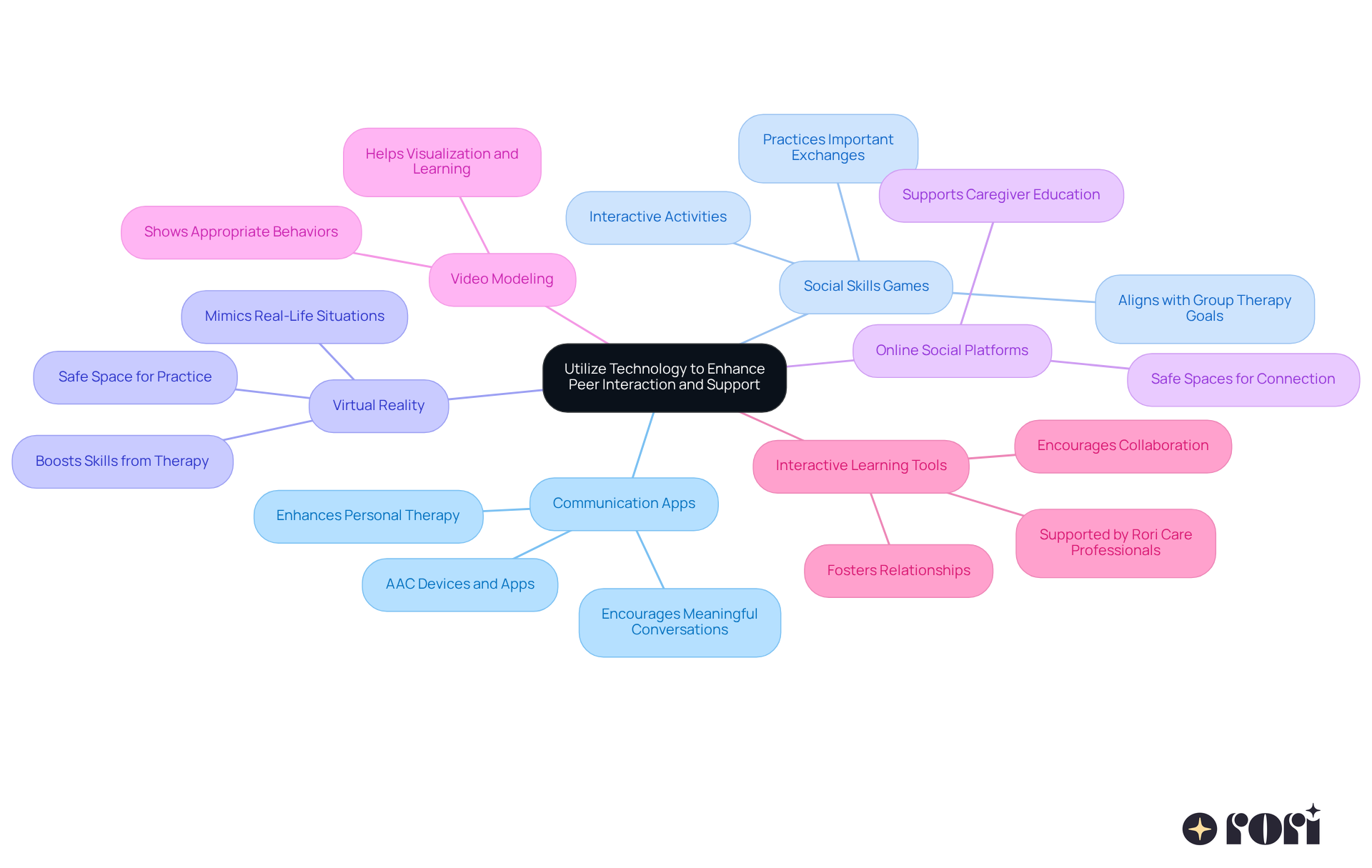
Technology can really boost social engagement for kids with autism, especially when paired with . Let’s explore some effective strategies to make the most of technology:
- Communication Apps: help kids express their thoughts and connect with others. This not only enhances their personal therapy at Rori Care but also encourages meaningful conversations.
- Social Skills Games: allow kids to practice important exchanges in a fun way. These games align perfectly with the goals of .
- Virtual Reality (VR): VR experiences mimic real-life situations, providing a . This can really boost the skills they learn in both group and individual therapy at Rori Care.
- Online Social Platforms: Safe online spaces let kids connect with friends and build relationships under supervision. This supports , making it a win-win!
- Video Modeling: , helping them visualize and learn from examples. This can be further enhanced through Rori Care’s program development strategies.
- Interactive Learning Tools: Educational software that encourages collaboration fosters relationships among kids through shared learning experiences, all while being supported by Rori Care professionals.
By weaving these tech strategies into daily life, parents and educators can create enriching environments that showcase the benefits of peer interaction for children with autism and nurture their social development. This ultimately leads to better communication and peer interactions. So, let’s take this journey together and explore how we can support our kids!
Conclusion
Exploring peer interaction is so important for children with autism! Engaging with friends helps them pick up essential social skills and boosts their emotional well-being. When caregivers and educators prioritize these connections, they can truly enhance the developmental journey of autistic children, helping them thrive in social settings.
Throughout this article, we’ve seen how peer interaction can transform lives. It improves communication, emotional regulation, and self-esteem. Think about structured group activities, buddy systems, or even tech integration – these are fantastic ways to nurture those interactions! Each approach highlights the need for supportive environments where kids can learn from each other and build meaningful friendships.
But remember, fostering peer interaction isn’t just about social skills; it’s about creating a culture of understanding and acceptance in our communities. By embracing these strategies, we can make a real difference in the lives of children with autism, opening doors to richer social experiences and brighter futures. Let’s embark on this journey together, committed to supporting and educating one another. Your involvement can truly change the lives of these children and their families! 💖
Frequently Asked Questions
Why is peer interaction important for children with autism?
Peer interaction is essential for children with autism as it helps them develop interpersonal skills, improve communication, regulate emotions, and enhance overall social skills through real-life engagement.
What specific benefits do children with autism gain from peer interactions?
Children with autism can make significant strides in communication, emotional regulation, and social skills. Engaging in conversations and structured collaborations can enhance their nonverbal communication skills and reduce feelings of isolation.
How can caregivers and educators promote peer interaction for children with autism?
Caregivers and educators can create nurturing environments that emphasize social engagement, which supports the overall development of individuals with autism and fosters a sense of belonging.
What role does peer interaction play in emotional well-being for children with autism?
Peer interaction helps reduce feelings of isolation and creates a sense of belonging, which is vital for the emotional well-being of children with autism.
How does fostering peer interactions contribute to community culture?
Nurturing peer connections enriches the lives of individuals on the autism spectrum and helps build a culture of understanding and acceptance within communities.