

Introduction
Navigating autism care can feel like a daunting journey, can’t it? But here’s the good news: individualized treatment plans (ITPs) shine a light on a path that’s tailored just for your child’s unique needs. These personalized roadmaps not only boost communication and social skills but also nurture independence, creating a supportive environment for growth.
So, how can families ensure these plans are developed effectively and continuously refined to meet their child’s evolving needs? Let’s explore the intricacies of ITPs together! They offer not just benefits, but also highlight the collaborative efforts needed to maximize their impact.
We’re here to help you every step of the way! Let’s dive into this journey together!
Define Individualized Treatment Plans in Autism Care
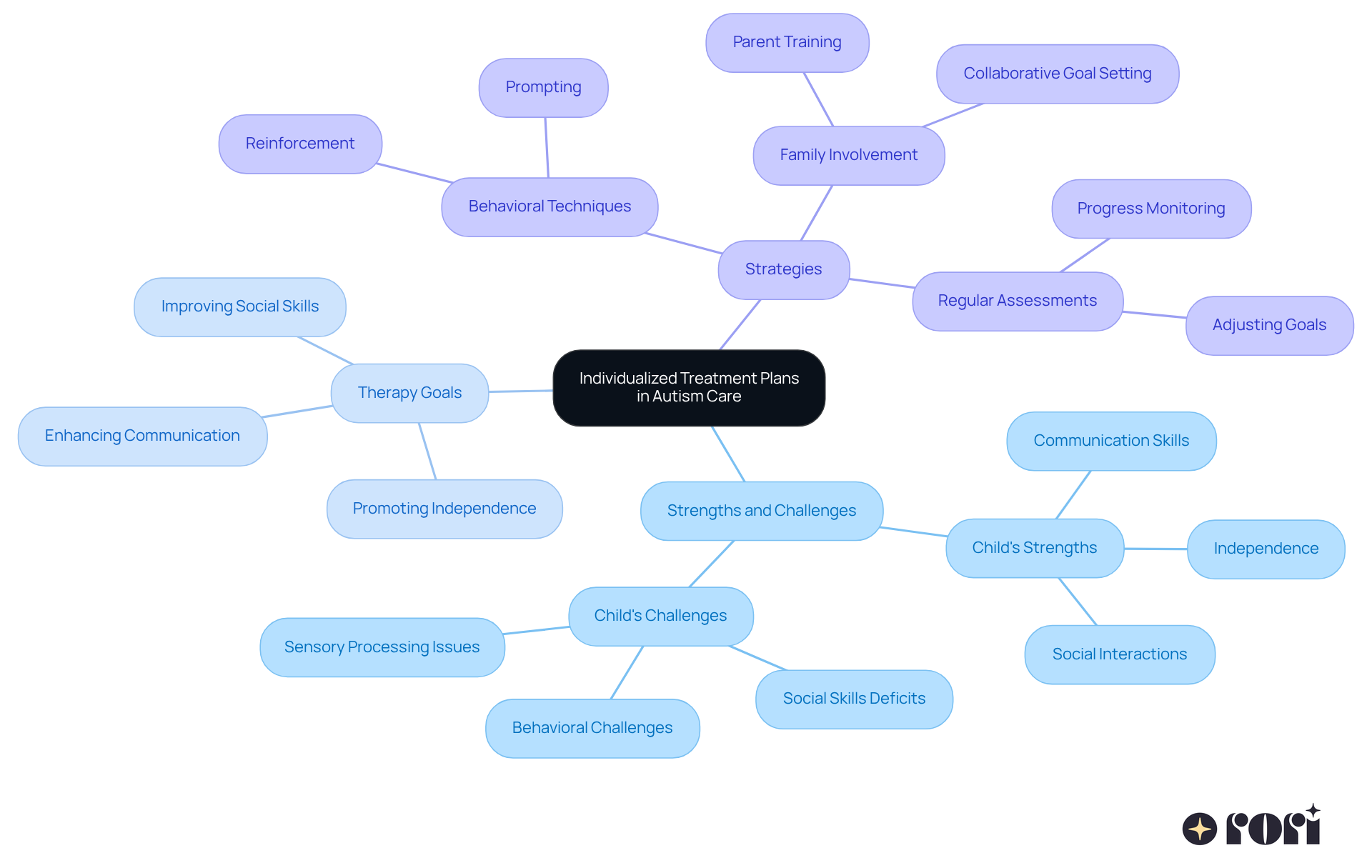
The benefits of are evident as they serve as . They’re created through a team effort involving healthcare professionals, parents, and the child, ensuring that every part of their growth is thoughtfully considered.
An ITP usually includes:
- A thorough look at the child’s strengths and challenges
By focusing on the individual, ITPs demonstrate the in . This tailored approach is increasingly recognized for its [benefits of [individualized treatment plans for autism](https://supportivecareaba.com/statistics/autism-therapy-statistics)](https://advancedautism.com/post/success-rates-of-aba-therapy) care.
Let’s explore this together! Understanding can really make a difference in your child’s journey.
Highlight the Importance of Personalization in Treatment Plans
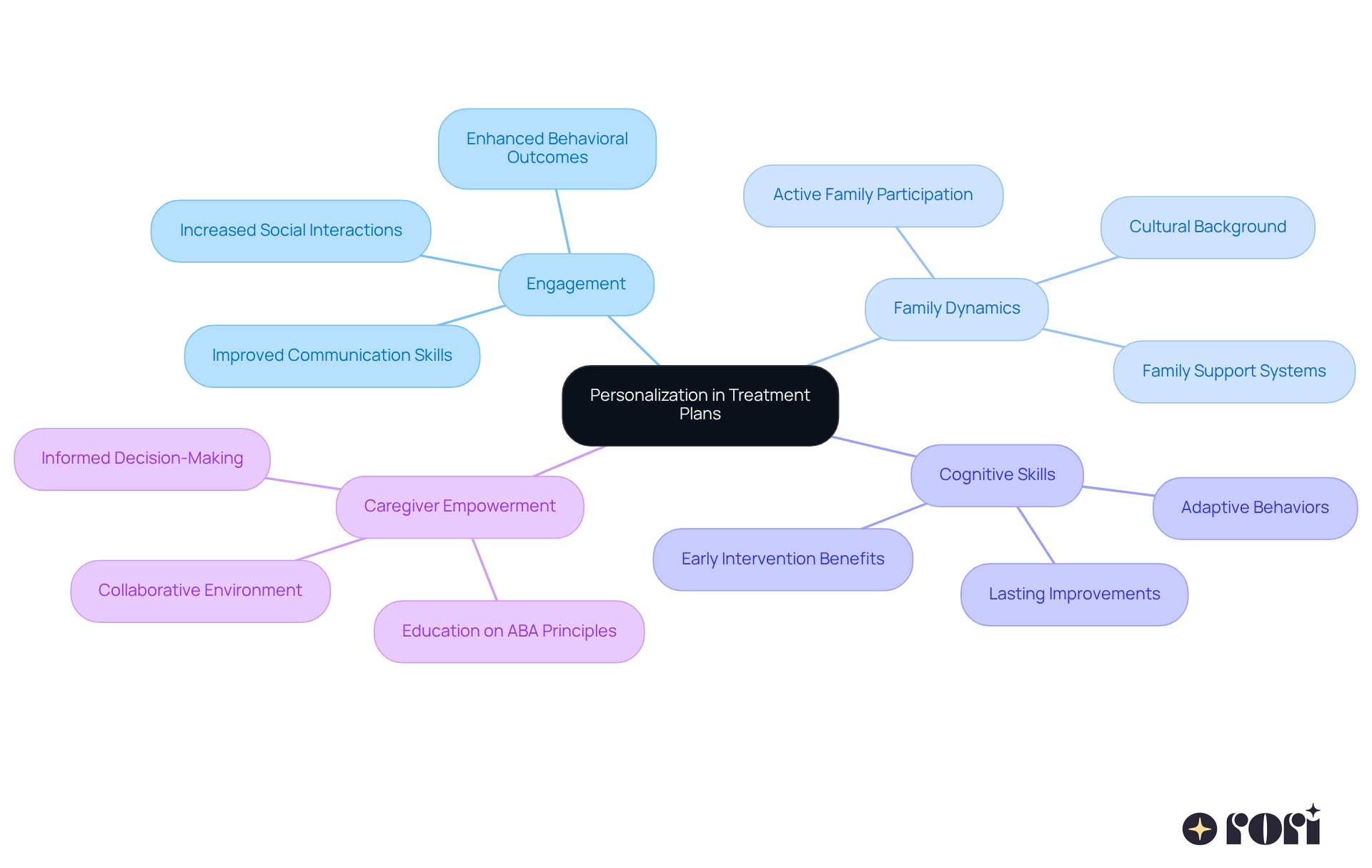
is so important! It allows us to tailor interventions to fit the unique needs, preferences, and strengths of each individual. You know, studies show that young people who receive tend to be more engaged. This engagement often leads to real improvements in communication skills, social interactions, and overall behavior. For instance, there was a , with a standardized mean difference of d=-3.52 and p=0.01.
But it doesn’t stop there! This approach also takes into account the young person’s environment, family dynamics, and cultural background, all of which can play a huge role in their learning and growth. When , it really boosts progress and makes . By customizing care plans, clinicians can create a that resonates with the young individual, fostering a sense of ownership and motivation in their journey.
Research highlights that early and comprehensive support, especially when tailored, leads to lasting improvements in cognitive skills and adaptive behaviors. This really underscores the benefits of in care. Plus, studies show that intensive and long-term applications of for individuals with autism, with over 89% of studies reporting positive results for those undergoing ABA therapy.
And let’s not forget about ! Educating them on ABA principles boosts their ability to provide the right support at home, leading to informed decision-making and better behavioral outcomes. This active involvement not only complements professional interventions but also creates a collaborative environment that’s crucial for the young person’s development.
So, let’s explore this together! We’re here to help you every step of the way!
Explore Collaborative Approaches in Developing Treatment Plans
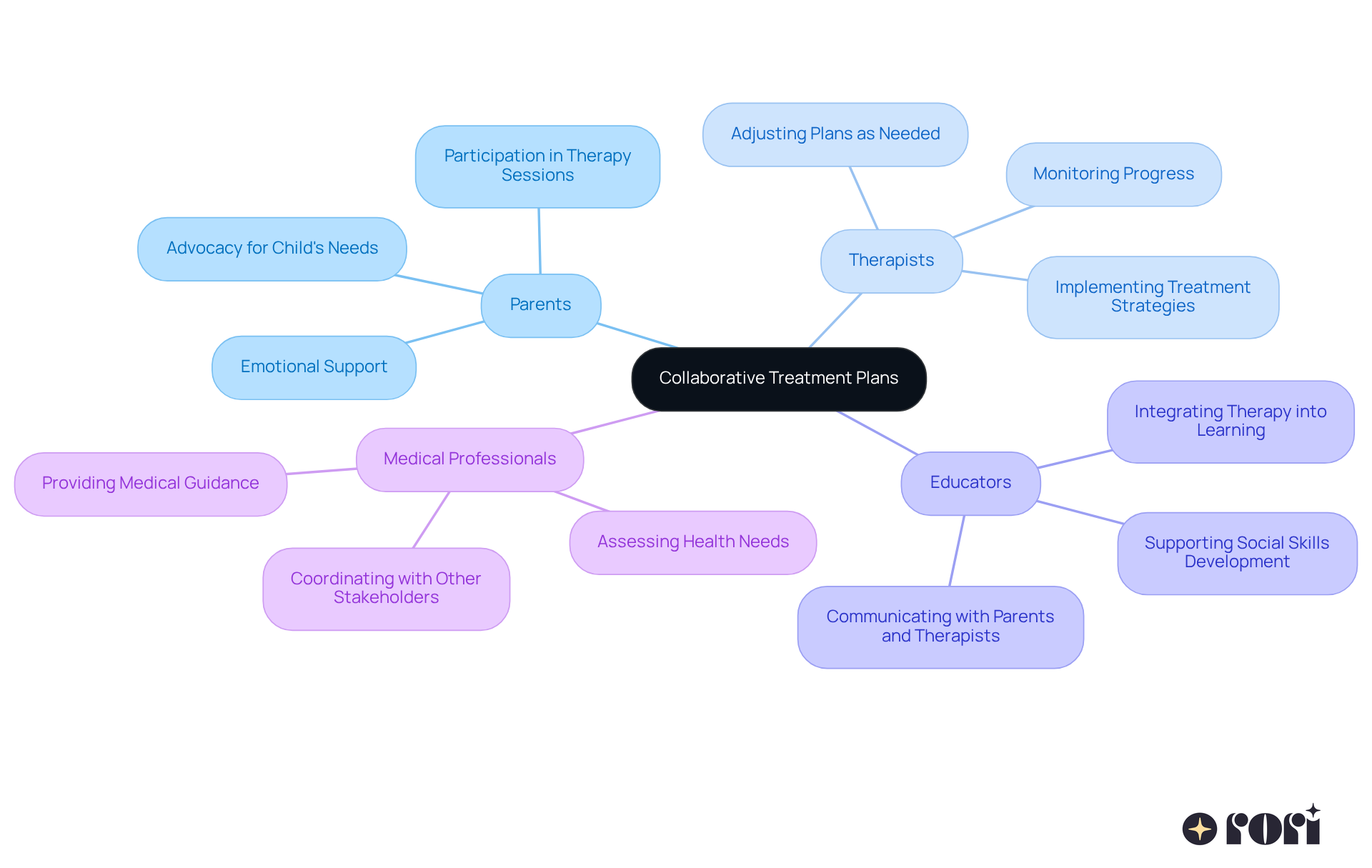
When it comes to developing treatment plans, ! It’s all about bringing together parents, therapists, educators, and medical professionals to create a plan that demonstrates the benefits of and truly fits the individual’s needs. By including different perspectives, we can better understand what works best for each child.
not only boosts communication among everyone involved but also helps . It’s like having a united front, all working together to . Regular meetings and open conversations are super important for as needed, ensuring they remain relevant and effective over time.
By fostering a , families can better appreciate the , feeling empowered and supported throughout their child’s . It reinforces the idea that teamwork is essential in autism care. So, let’s explore this together! We’re here to !
Examine Key Therapies and Interventions in Individualized Plans
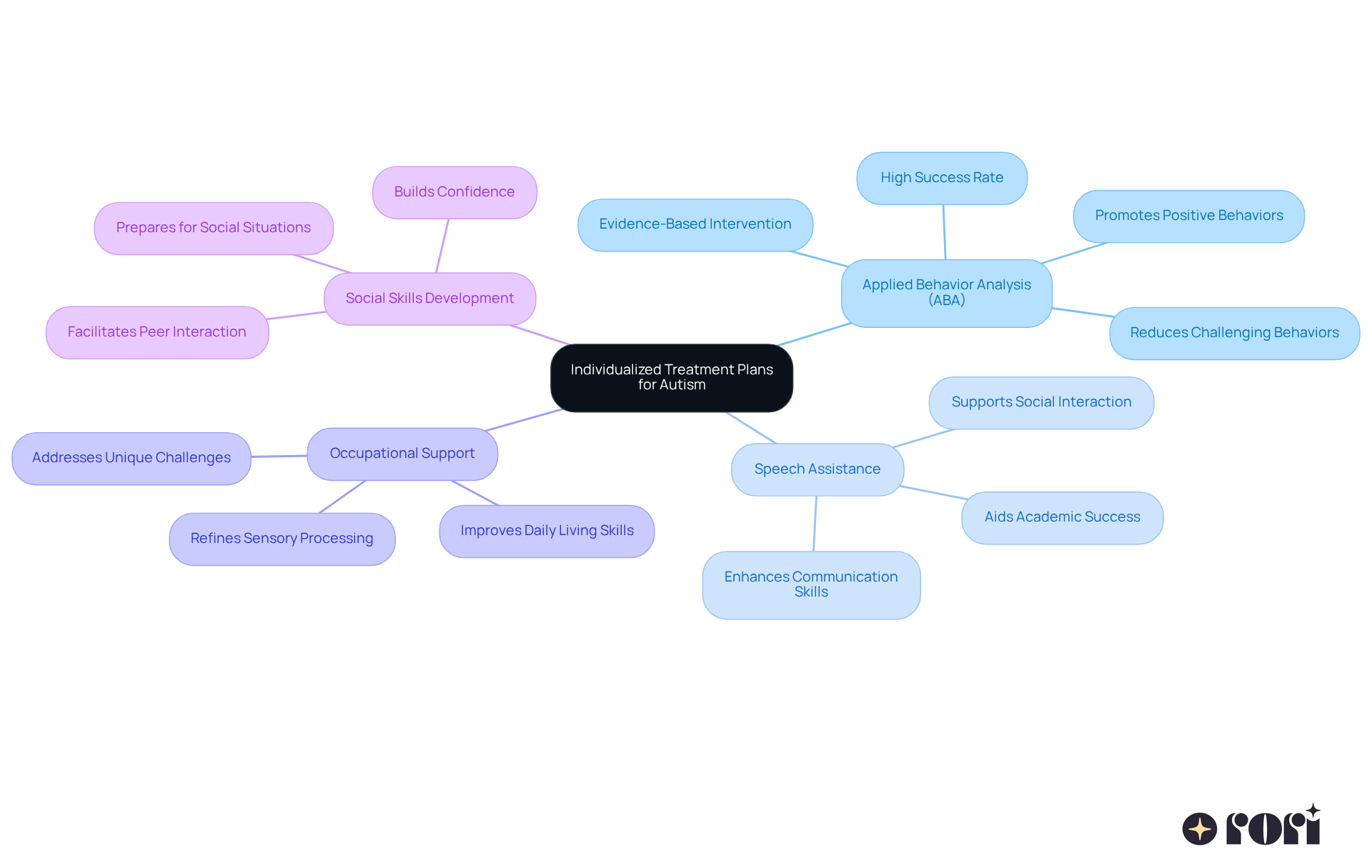
There are some key treatments and approaches that highlight the benefits of and can really make a difference in personalized care strategies. Think of:
ABA stands out as one of the most effective . It helps promote positive behaviors while reducing challenging ones through reinforcement strategies.
You might be surprised to learn that kids who undergo intensive ABA treatment-often more than 25 hours a week-show remarkable , social skills, and daily living abilities. Isn’t that encouraging?
Speech assistance is another vital piece of the puzzle, enhancing communication skills that are so essential for social interaction and academic success.
Then there’s occupational support, which focuses on improving and refining sensory processing. This is crucial for addressing the unique challenges many kids with autism face.
And let’s not forget about ! It’s key for helping children interact effectively with peers and adults, giving them the confidence to navigate social situations.
What’s great is that the benefits of individualized treatment plans for autism enable each of these treatments to be . This ensures a comprehensive approach to their growth.
By combining different therapies, care strategies can harness the benefits of individualized treatment plans for autism to address various aspects of a child’s life, promoting overall development and independence.
Let’s explore this together! Every step you take can lead to a brighter future for your child.
Discuss Ongoing Assessment and Monitoring of Treatment Plans
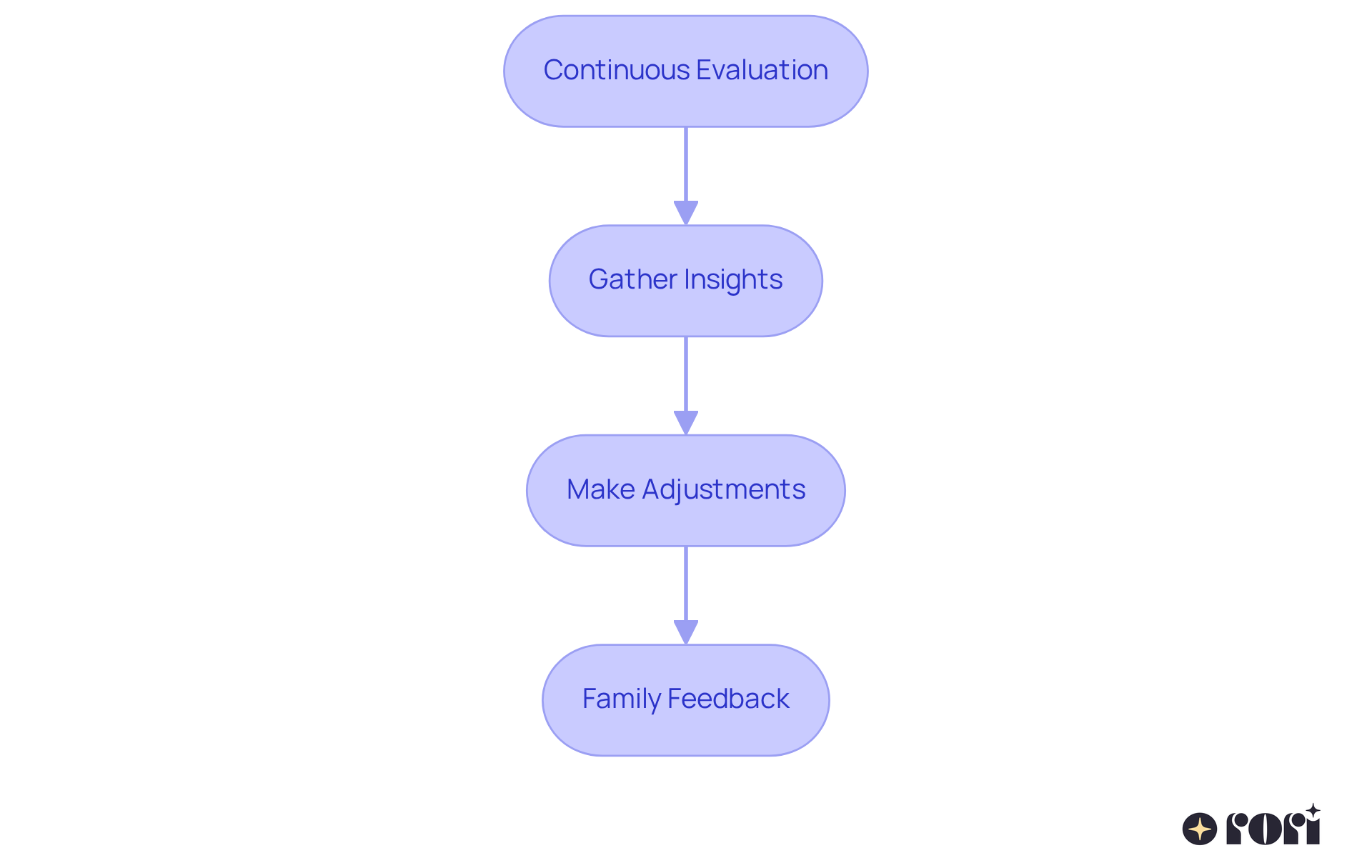
When it comes to supporting our kids with autism, continuous evaluation and oversight of care strategies are key. help clinicians keep track of how the young person is doing, spot areas that might need a little extra love, and tweak interventions as needed. This process often involves gathering insights on specific goals laid out in the , looking for patterns, and making informed choices based on how the individual responds to the support.
At Rori Care, we’re all about making this process smoother. With our advanced AI technology, we automate progress report creation, freeing up 50% more time for direct care. Isn’t that amazing? Research shows that 66% of kids who start stick with it for at least 12 months, which really highlights how important those are.
Families, you play such a vital role in this journey! Your and progress at home is invaluable. As the American Psychological Association points out, “Assessments play a crucial role in identifying the function behind challenging behaviors.” By maintaining a , clinicians can of , ensuring that interventions remain aligned with your child’s evolving needs, which leads to better outcomes and a happier life.
Plus, with Rori Care’s , session recording becomes a breeze. This means clinical teams can focus on being present for your child without interrupting therapy for data entry. It’s a win-win! This innovative approach not only streamlines the assessment process but also makes regular evaluations less of a burden for families.
Let’s explore this together! We’re here to help you every step of the way!
Conclusion
Individualized treatment plans (ITPs) for autism are a real game-changer in personalized care! They offer tailored strategies that cater specifically to the unique needs of each child on the spectrum. By bringing together a collaborative team of healthcare professionals, parents, and the child, ITPs act like dynamic roadmaps. They not only enhance communication and social skills but also help foster independence. This personalized approach is key to maximizing the potential for positive outcomes in autism care.
Throughout this article, we’ve seen how important personalization is. Customized treatment plans lead to greater engagement and improved skills in children. For instance, therapies like Applied Behavior Analysis (ABA), speech assistance, and social skills training can be adapted to meet individual goals. Plus, ongoing assessment and collaboration among caregivers and professionals are crucial for keeping treatment relevant and effective over time.
Ultimately, embracing individualized treatment plans for autism isn’t just about addressing immediate needs; it’s about empowering children and their families for a brighter future. By prioritizing personalized care, fostering collaborative environments, and committing to continuous evaluation, we can significantly enhance the overall quality of life for individuals with autism. Remember, the journey toward effective treatment is a shared one, and every step we take can lead to lasting positive change. Let’s explore this together!
Frequently Asked Questions
What are individualized treatment plans (ITPs) in autism care?
Individualized treatment plans (ITPs) are personalized roadmaps designed specifically for each child on the autism spectrum, created through collaboration among healthcare professionals, parents, and the child.
What does an ITP typically include?
An ITP usually includes a thorough assessment of the child’s strengths and challenges, clear therapy goals, and specific strategies to help achieve those goals.
How do ITPs benefit children with autism?
ITPs benefit children by boosting communication skills, encouraging social interactions, and promoting independence through a tailored approach.
Why is personalization important in treatment plans for autism?
Personalization is important because it allows interventions to be tailored to fit the unique needs, preferences, and strengths of each individual, leading to greater engagement and improvements in communication, social interactions, and overall behavior.
What role do families play in the effectiveness of personalized treatment plans?
Families play a crucial role by actively participating in therapy, which boosts progress and makes personalized approaches more effective.
What does research say about the impact of early and comprehensive support in autism care?
Research indicates that early and comprehensive support, especially when tailored, leads to lasting improvements in cognitive skills and adaptive behaviors.
How does ABA therapy relate to individualized treatment plans?
Intensive and long-term applications of ABA (Applied Behavior Analysis) principles can significantly enhance outcomes for individuals with autism, with over 89% of studies reporting positive results for those undergoing ABA therapy.
How can empowering caregivers improve autism care?
Educating caregivers on ABA principles enhances their ability to provide support at home, leading to informed decision-making and better behavioral outcomes, which complements professional interventions and fosters a collaborative environment for the child’s development.
List of Sources
- Define Individualized Treatment Plans in Autism Care
- supportivecareaba.com (https://supportivecareaba.com/statistics/autism-therapy-statistics)
- Success Rates of ABA Therapy | Advanced Autism Services (https://advancedautism.com/post/success-rates-of-aba-therapy)
- Understanding Autism Therapy Success Rates (https://ambitionsaba.com/resources/understanding-autism-therapy-success-rates)
- The Numbers Don’t Lie: Revealing Autism Therapy Statistics | Above and Beyond Therapy (https://abtaba.com/blog/autism-therapy-statistics)
- Highlight the Importance of Personalization in Treatment Plans
- The Numbers Don’t Lie: Revealing Autism Therapy Statistics | Above and Beyond Therapy (https://abtaba.com/blog/autism-therapy-statistics)
- Success Rates of ABA Therapy | Advanced Autism Services (https://advancedautism.com/post/success-rates-of-aba-therapy)
- Resources | Golden Steps ABA (https://goldenstepsaba.com/resources/success-rates-of-aba-therapy)
- The benefits of individualized therapy plans for children with autism – Kutest Kids (https://kutestkids.com/blog/the-benefits-of-individualized-therapy-plans-for-children-with-autism)
- Explore Collaborative Approaches in Developing Treatment Plans
- Autism Therapy: Key Statistics (https://ambitionsaba.com/resources/autism-therapy-statistics)
- The Numbers Don’t Lie: Revealing Autism Therapy Statistics | Above and Beyond Therapy (https://abtaba.com/blog/autism-therapy-statistics)
- allstaraba.org (https://allstaraba.org/blog/inspiring-mother-of-autistic-child-quotes)
- Autism Therapy Statistics (https://goldenstepsaba.com/resources/autism-therapy-statistics)
- Examine Key Therapies and Interventions in Individualized Plans
- 2026 Autism Statistics – Insights for Families and Advocates (https://prosperahealthcare.com/autism-statistics)
- Success Rates of ABA Therapy | Advanced Autism Services (https://advancedautism.com/post/success-rates-of-aba-therapy)
- Autism Quotes | Intellistars – ABA Therapy (https://intellistarsaba.com/blog/autism-quotes)
- The Numbers Don’t Lie: Revealing Autism Therapy Statistics | Above and Beyond Therapy (https://abtaba.com/blog/autism-therapy-statistics)
- Discuss Ongoing Assessment and Monitoring of Treatment Plans
- The Numbers Don’t Lie: Revealing Autism Therapy Statistics | Above and Beyond Therapy (https://abtaba.com/blog/autism-therapy-statistics)
- advancedautism.com (https://advancedautism.com/post/the-importance-of-regular-assessments-in-aba-therapy-for-autism-treatment)
- The Role of Data Collection in Monitoring ABA Therapy Progress | Discovery ABA (https://discoveryaba.com/aba-therapy/the-role-of-data-collection-in-monitoring-aba-therapy-progress?8936781b_page=6)
- Resources | Golden Steps ABA (https://goldenstepsaba.com/resources/success-rates-of-aba-therapy)