Introduction
The Assessment of Basic Language and Learning Skills (ABLLS) has truly become a cornerstone in the world of autism care. Yet, many parents still find themselves wondering, “What does ABLLS stand for?” This comprehensive evaluation tool measures essential skills in language, academics, and self-help, serving as a vital guide for tailoring interventions to meet the unique needs of children with autism and developmental disabilities.
As we navigate the evolving landscape of autism therapy, it’s important to consider how ABLLS can enhance communication and learning outcomes for every child. Let’s explore this together! How can we leverage this assessment to make a real difference? We’re here to help you every step of the way!
Define ABLLS: An Overview of the Assessment Tool
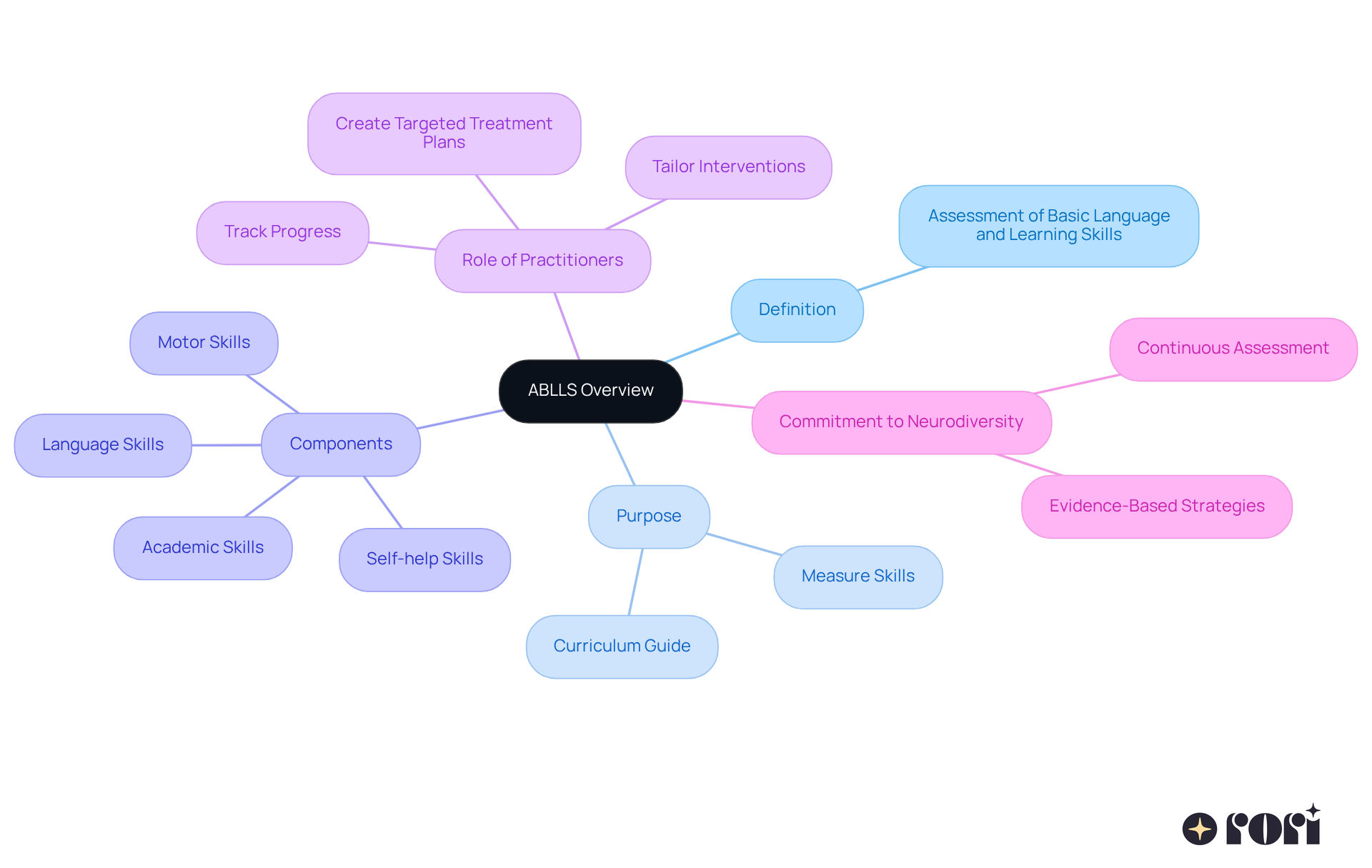
The acronym is often questioned, leading many to ask what does ABLLS stand for, which is the . This thorough evaluation tool is designed to measure the language, academic, self-help, and motor skills of children, particularly those with autism and other developmental disabilities. At Rori Care, our clinical leadership team, which includes certified behavior analysts, uses this assessment not just for evaluation but also as a . This approach helps educators and clinicians and to meet each child’s .
The ABLLS empowers practitioners to create that enhance communication and learning, leading to the inquiry of what does ABLLS stand for? We emphasize and continuous assessment, ensuring that every participant’s program is crafted with measurable objectives. Our commitment to equips caregivers with ABA principles and strategies, enabling them to actively support their children’s through involvement and data collection. Let’s explore this together! We’re here to !
Explore the Origins of ABLLS: Historical Context and Development
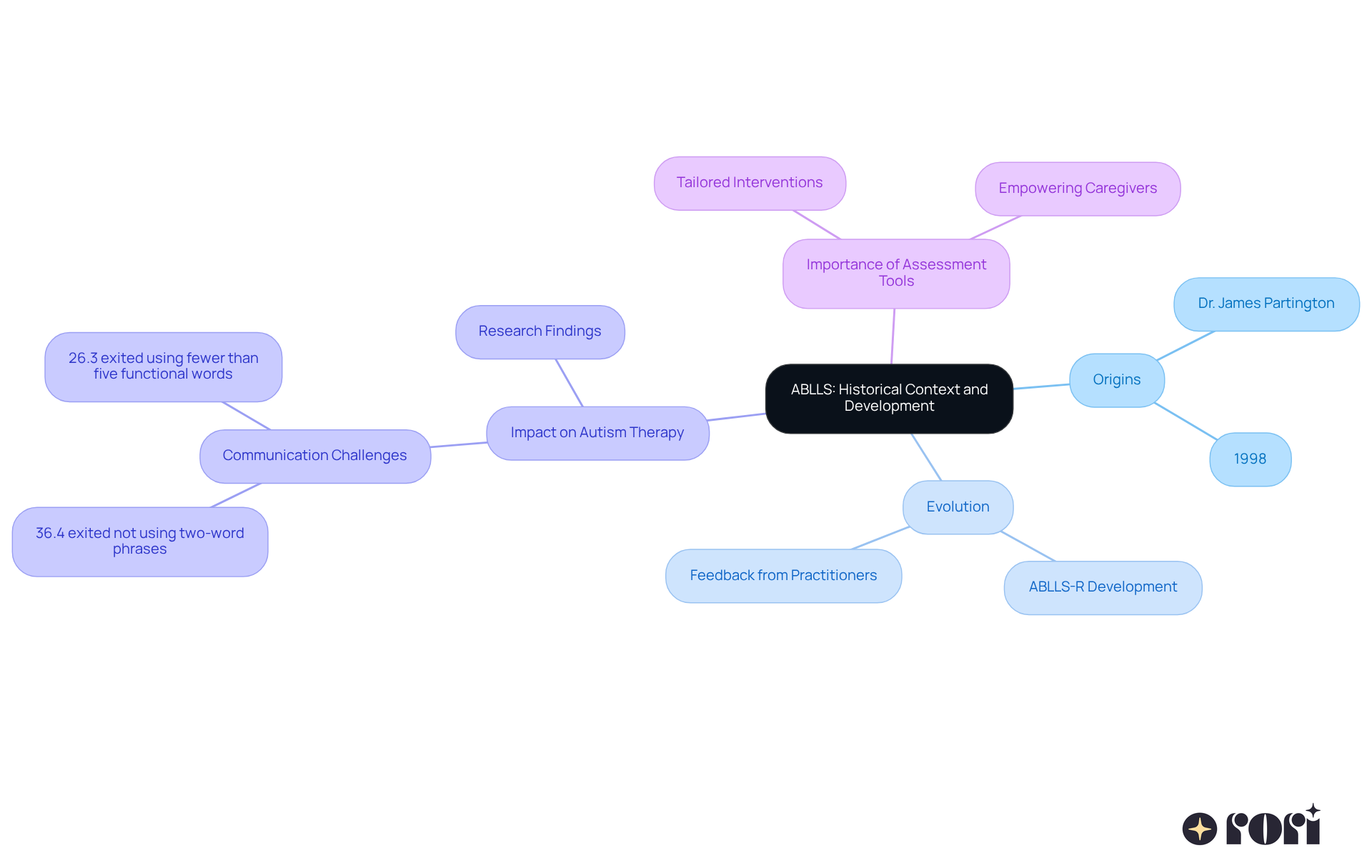
The tool created by Dr. James Partington in 1998 emerged from the ideas of and the pressing need for effective . Recognizing the limitations of existing assessments, Dr. Partington designed a structured framework to evaluate essential skills vital for communication and learning. This innovative approach has made a significant impact on , giving clinicians a dependable way to identify and address specific developmental needs.
Over the years, the assessment has evolved, leading to the creation of the . This updated version incorporates valuable feedback from practitioners and the latest research findings, making it more effective and user-friendly across various educational settings. Interestingly, research reveals that 36.4% of individuals with ASD left programs without using two-word phrases, while 26.3% left using fewer than five spontaneous and functional words. These figures underscore the critical role evaluation tools play in addressing .
The development of ABLLS prompts the question of what does ABLLS stand for in autism care, enabling practitioners to offer tailored interventions that foster communication and learning for individuals with autism spectrum disorder (ASD). As Veronica Rose noted, despite advancements in early intervention, many individuals with ASD still face significant communication needs. This emphasizes the necessity of in early intervention strategies. At Rori Care, our clinical leadership team is dedicated to . We want to ensure you feel equipped to through active involvement and informed decision-making. Let’s explore this together!
Identify Key Features of ABLLS: Components and Applications
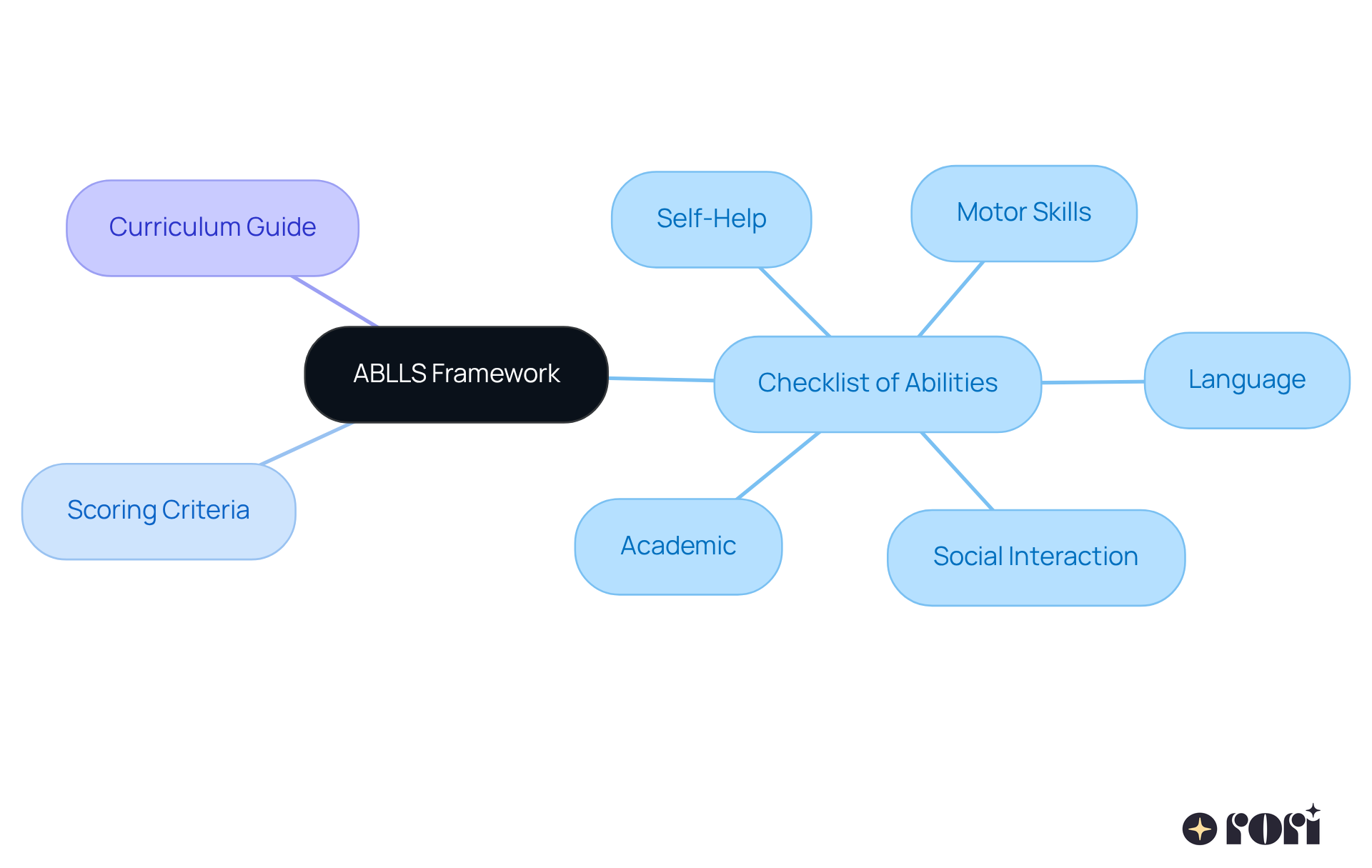
ABLLS includes several crucial elements, like a checklist of abilities, , and a . This assessment evaluates 544 abilities across 25 distinct areas, including language, social interaction, self-help, academic, and motor capabilities. Each skill is carefully broken down into smaller, , allowing practitioners to accurately assess a student’s current abilities and identify areas that need intervention.
This framework is not just a tool; it’s a robust system for developing and tracking progress over time. It’s truly invaluable for educators and therapists dedicated to . 🌟 Studies show that using specific components in educational settings can significantly , creating a more effective learning atmosphere for .
Let’s explore this together! By understanding these elements, we can better and . We’re here to !
Understand the Importance of ABLLS in Autism Therapy: Impact on Treatment and Outcomes
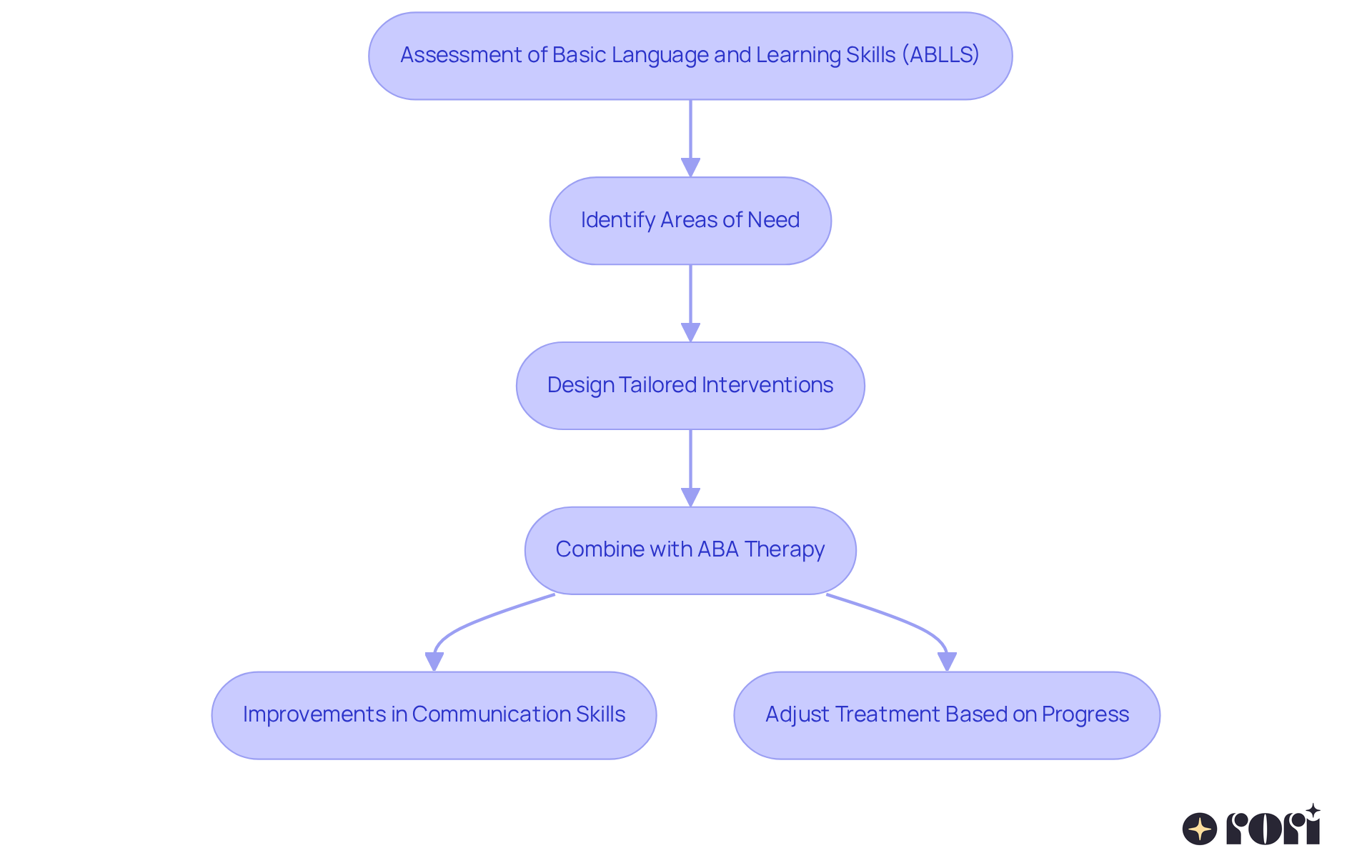
In autism therapy, it is important to understand , as the (ABLLS) plays a crucial role. It offers a structured way to evaluate and monitor a youth’s abilities. By pinpointing , practitioners can design that foster , social skills, and independence.
Studies show that when ABLLS is combined with , it helps to clarify what does ABLLS stand for, as children see remarkable improvements in communication and behavior. For instance, research indicates that kids undergoing ABA therapy alongside ABLLS demonstrate . The standardized mean differences reflect this effectiveness, with a d=0.30 for communication skills and d=-3.52 for expressive language improvements.
Additionally, the automation of progress report creation through AI enhances the efficiency of ABA therapy. This innovation can free up to 50% more time for direct treatment, allowing practitioners to focus more on . The ongoing evaluation features of ABLLS, which leads us to ask what does ABLLS stand for, also mean that treatment strategies can be promptly adjusted based on a young person’s progress. This ensures that interventions remain effective and tailored to personal needs.
This dynamic approach not only supports immediate skill acquisition but also nurtures . Let’s explore this together! We’re here to !
Conclusion
The Assessment of Basic Language and Learning Skills (ABLLS) is a vital resource in autism care, offering a comprehensive framework to evaluate and enhance the skills of children with autism and developmental disabilities. By honing in on specific abilities across various areas, ABLLS empowers practitioners to craft tailored interventions that promote meaningful progress in communication, social skills, and independence.
Throughout this discussion, we’ve shared key insights about the origins and evolution of ABLLS, spotlighting its development by Dr. James Partington and the revisions that reflect the latest research. With a robust structure encompassing 544 abilities across 25 areas, this assessment allows for precise tracking of a child’s growth and the identification of targeted support needs. Plus, the integration of ABLLS with evidence-based practices like Applied Behavior Analysis (ABA) has shown significant improvements in communication and behavioral outcomes.
Understanding what ABLLS represents and its importance in autism therapy is essential for caregivers, educators, and clinicians alike. By utilizing this assessment tool, we can ensure that interventions remain dynamic and responsive to individual needs, fostering not just immediate skill acquisition but also long-term independence and quality of life for children on the autism spectrum. Embracing the principles behind ABLLS can lead to transformative changes in the lives of these children, making it crucial to advocate for its continued use and development in autism care practices. Let’s explore this together and make a difference!
Frequently Asked Questions
What does ABLLS stand for?
ABLLS stands for the Assessment of Basic Language and Learning Skills.
What is the purpose of the ABLLS assessment tool?
The ABLLS is designed to measure the language, academic, self-help, and motor skills of children, particularly those with autism and other developmental disabilities.
How is the ABLLS used at Rori Care?
At Rori Care, the ABLLS is used not only for evaluation but also as a curriculum guide to help educators and clinicians track progress and tailor interventions to meet each child’s unique needs.
What benefits does the ABLLS provide to practitioners?
The ABLLS empowers practitioners to create targeted treatment plans that enhance communication and learning, with a focus on evidence-based strategies and continuous assessment.
How does the ABLLS support caregivers?
The ABLLS equips caregivers with ABA principles and strategies, enabling them to actively support their children’s behavioral goals through involvement and data collection.