

Introduction
Understanding the intricacies of child development through Applied Behavior Analysis (ABA) can be a transformative journey for both parents and children. 🌟 Prompting procedures are at the heart of this approach, offering essential strategies that not only facilitate learning but also promote independence. As families seek effective ways to support their children’s growth, a challenge arises: how can caregivers best implement these techniques to ensure meaningful progress?
This article delves into ten essential prompting procedures in ABA, providing insights and practical applications that empower families to enhance their child’s developmental journey. Let’s explore this together!
Rori Care – ABA Therapy: Comprehensive Prompting Strategies for Child Development
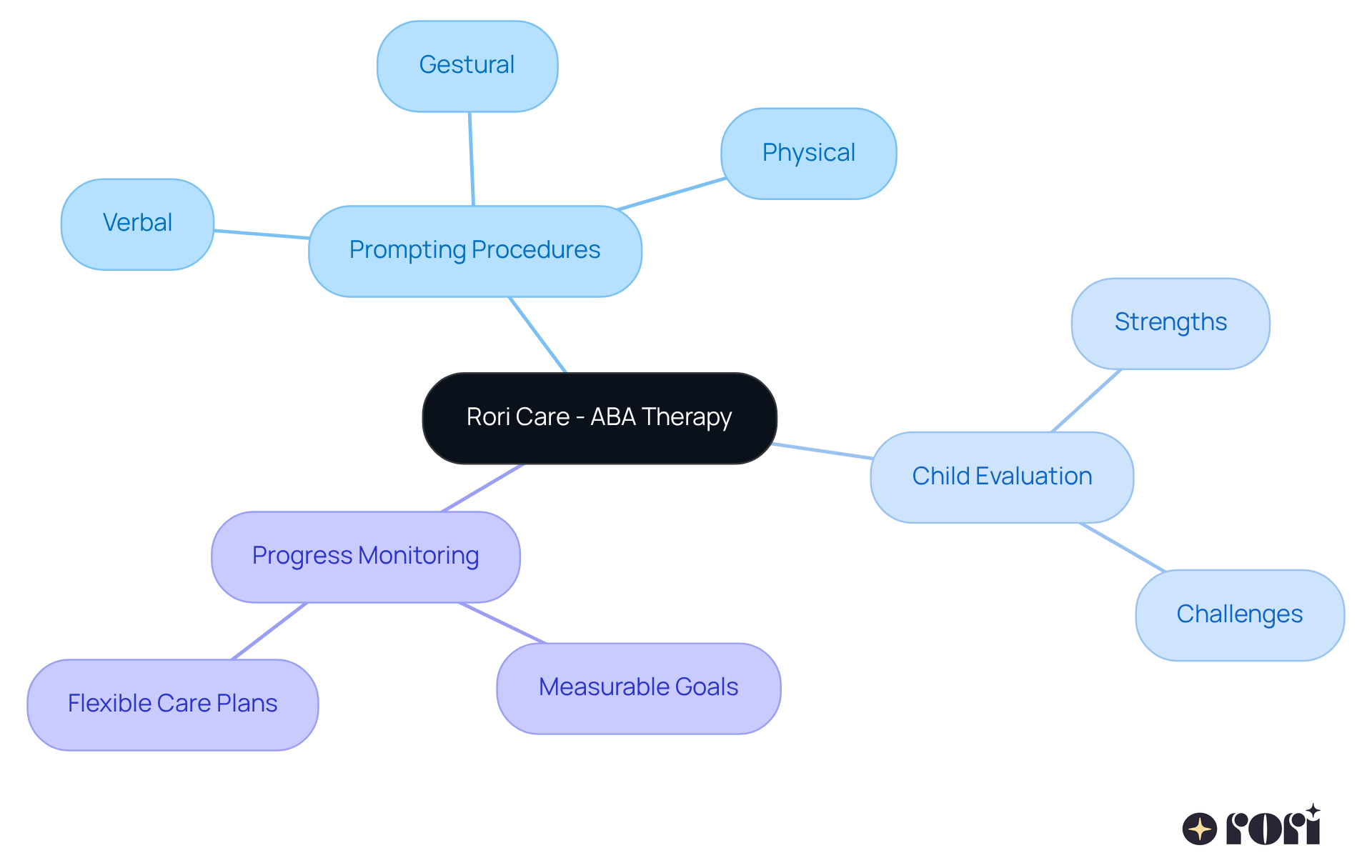
At Rori Care, we understand the challenges parents face when it comes to supporting their children’s development. That’s why we utilize as part of our therapy framework, designed to help young people gain new skills while fostering their independence. By taking a , we ensure that each child’s unique needs are met with that promote effective learning and .
Our take the time to evaluate each child’s strengths and challenges. This allows us to apply the most suitable prompting procedures ABA, whether they are verbal, gestural, or physical. We believe in a comprehensive approach that includes , giving you a clear benchmark for progress. This way, you can easily monitor your child’s development. Plus, we continuously assess and adjust care plans to ensure they remain flexible to your child’s evolving needs. This not only aids in skill development but also helps build confidence as they learn to navigate their world more independently.
Let’s explore this journey together! We’re here to as your child grows and thrives.
Applied Behavior Analysis: Core Principles of Prompting in Child Development
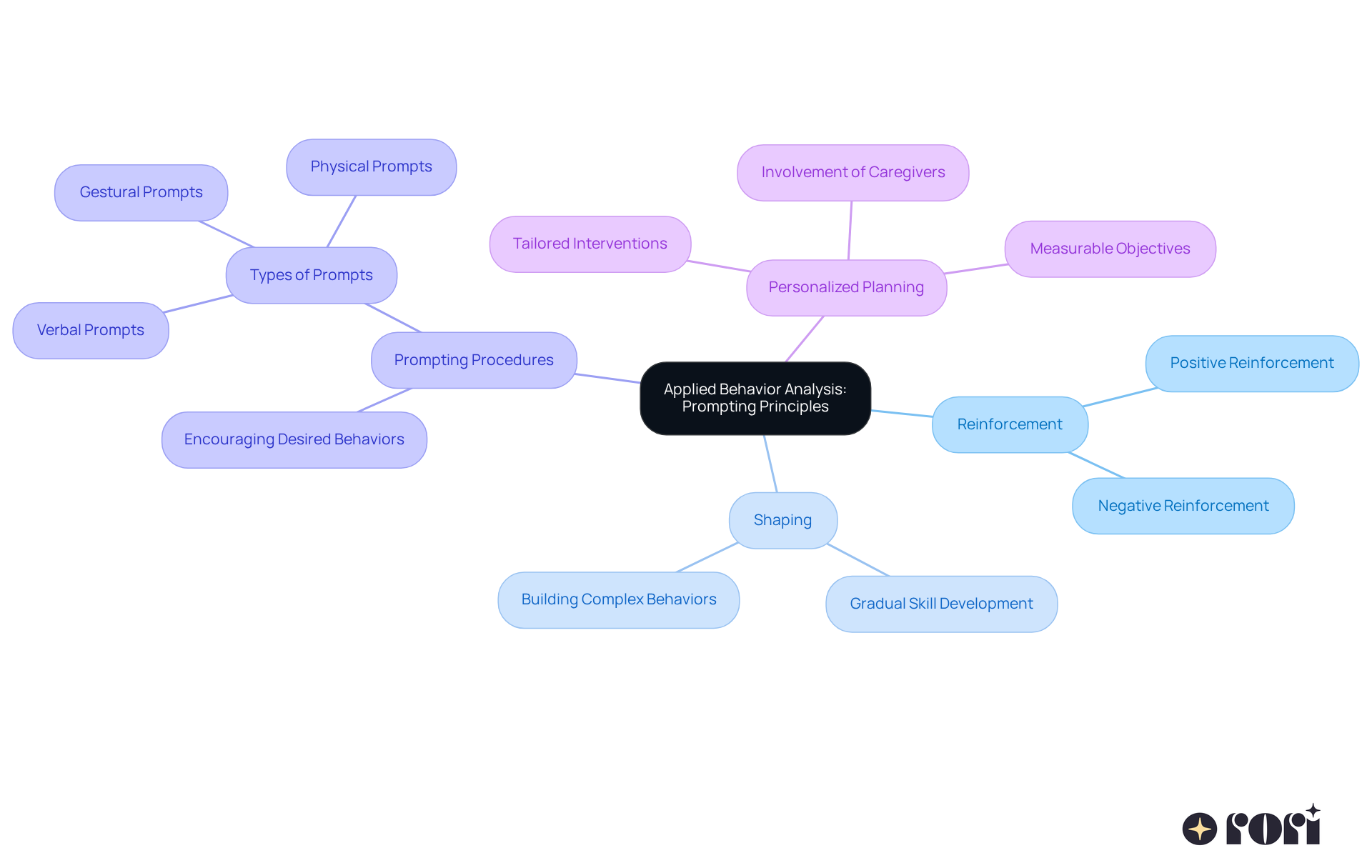
Applied Behavior Analysis (ABA) is built on some key principles that guide how we implement in youth development. Consider reinforcement, shaping, and the thoughtful use of prompting procedures to encourage those desired behaviors. 🌟
Prompting is like a helpful guide in ABA, offering the necessary cues to support individuals in tasks they might not yet be able to tackle on their own. When clinicians understand how to use prompting procedures effectively, they can create interventions that not only encourage skill development but also promote behavioral changes. This journey ultimately leads to .
A successful behavioral program really hinges on . Each plan should be tailored to meet the unique needs and goals of the individual, while also setting measurable objectives that help track progress. By using , we ensure that the most effective techniques are put into practice. Plus, continuously assessing and adjusting these plans is crucial to improving outcomes based on how the young person responds.
And let’s not forget about the caregivers! Equipping them with is so important. When , they can make informed decisions that positively impact their child’s progress. Their active involvement and alignment with therapeutic strategies really boost the effectiveness of interventions, creating a nurturing environment for the individual’s growth.
Let’s explore this together! We’re here to help you every step of the way!
Prompt Fading Techniques: Enhancing Independence in ABA Therapy
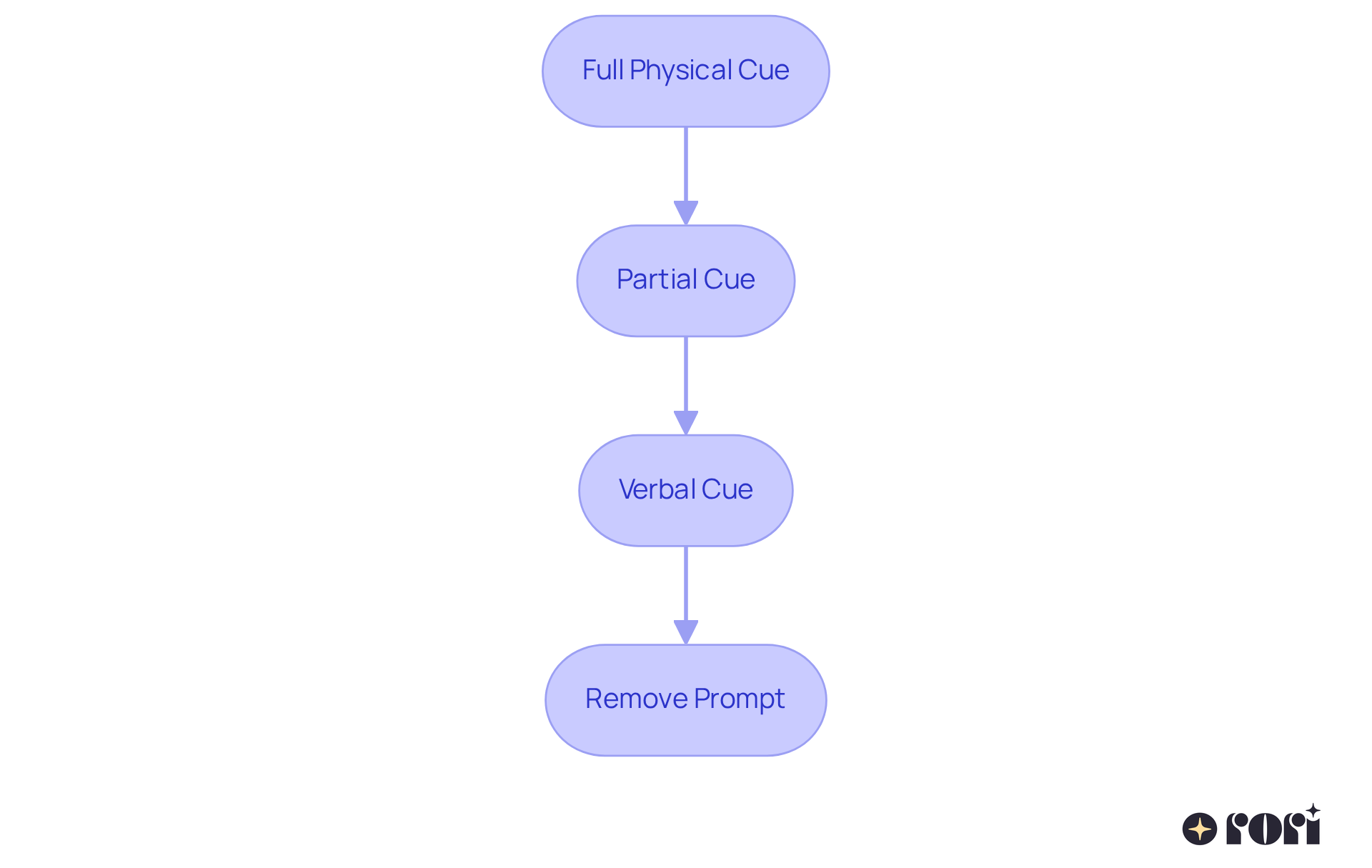
Prompt fading is a key method in ABA therapy that helps young individuals gradually rely less on assistance. This approach encourages them to use their own skills, boosting their independence. By involving caregivers in this journey, we can ensure that the are consistently applied at home, creating a supportive learning environment.
For example, a therapist might start with a full physical cue to guide a young person through a task. Then, they would transition to a partial cue and finally to a verbal cue before slowly removing the prompt altogether. This systematic approach not only helps young learners but also builds their confidence as they become more capable of completing tasks independently. Plus, the and skill acquisition plans after each session based on progress, allowing caregivers to make informed decisions that positively impact their child’s development and lead to better behavioral outcomes.
Let’s explore this together! By understanding how prompt fading works, you can actively support your child’s growth and celebrate their successes along the way. We’re here to help you every step of the way!
Types of Prompts in ABA: Tailoring Approaches for Individual Needs
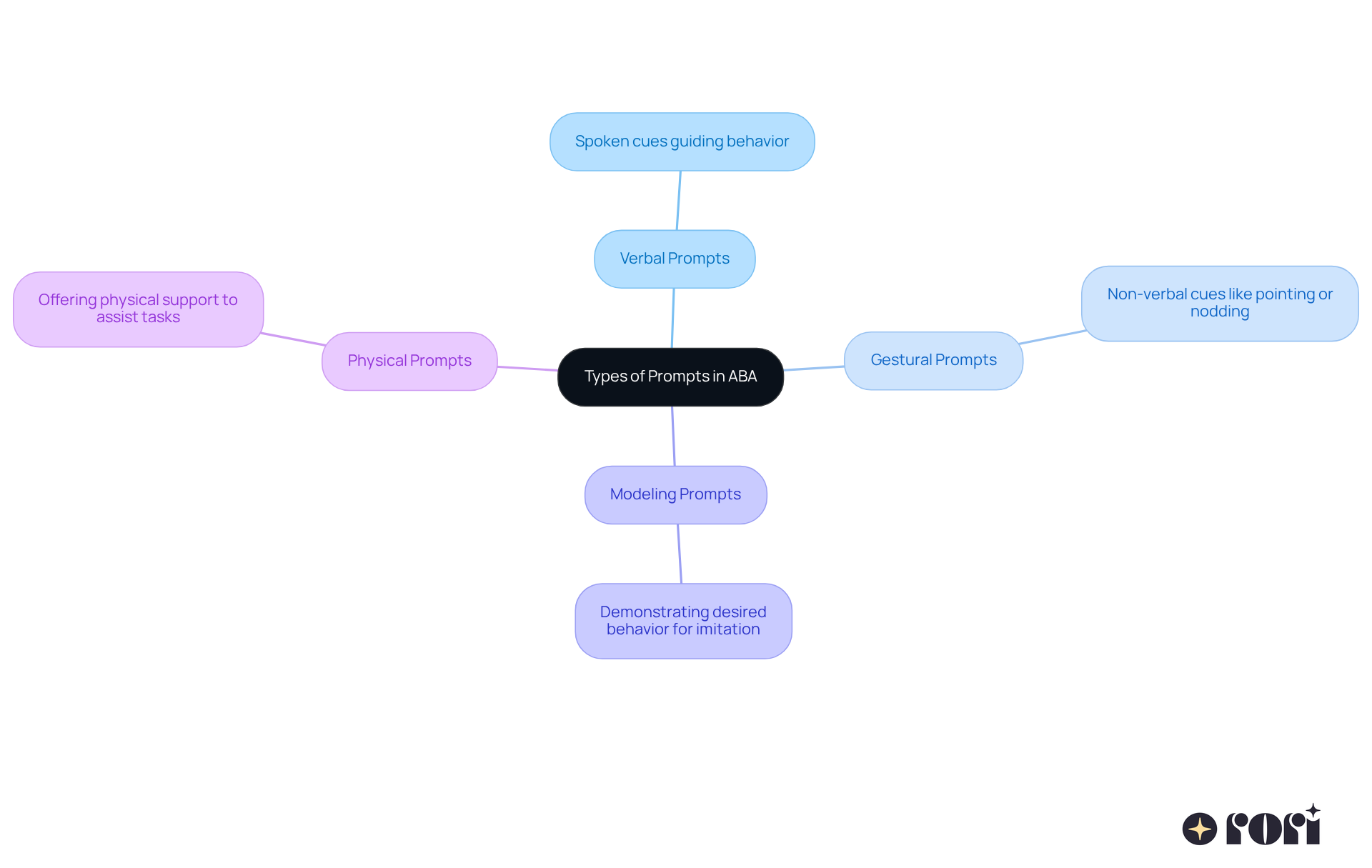
In , various can be utilized to support , each tailored to meet the unique needs of the individual. Let’s explore these together:
- Verbal Prompts: These are spoken cues that guide a child toward the desired behavior, ensuring clarity and direction.
- Gestural Prompts: Think of non-verbal cues, like pointing or nodding, to indicate the correct action. This helps foster understanding without overwhelming verbal instructions.
- Modeling Prompts: Demonstrating the desired behavior for the young learner to imitate is crucial, especially for visual learners. It provides a clear example of what’s expected.
- Physical Prompts: Offering to assist the young one in completing a task can be gradually reduced as they gain independence.
By customizing the type of prompt to fit the specific needs of each child, therapists can utilize prompting procedures to create a more effective learning environment that nurtures and independence. This method reflects Rori Care’s commitment to and continuous assessment. We ensure that each child’s progress is tracked, and techniques are adjusted according to their unique strengths and challenges. Plus, we set quantifiable objectives to monitor progress, using data-driven approaches to guarantee the effectiveness of our interventions.
We’re here to ! 😊
Prompt Hierarchy: Structuring Effective Prompting Procedures in ABA
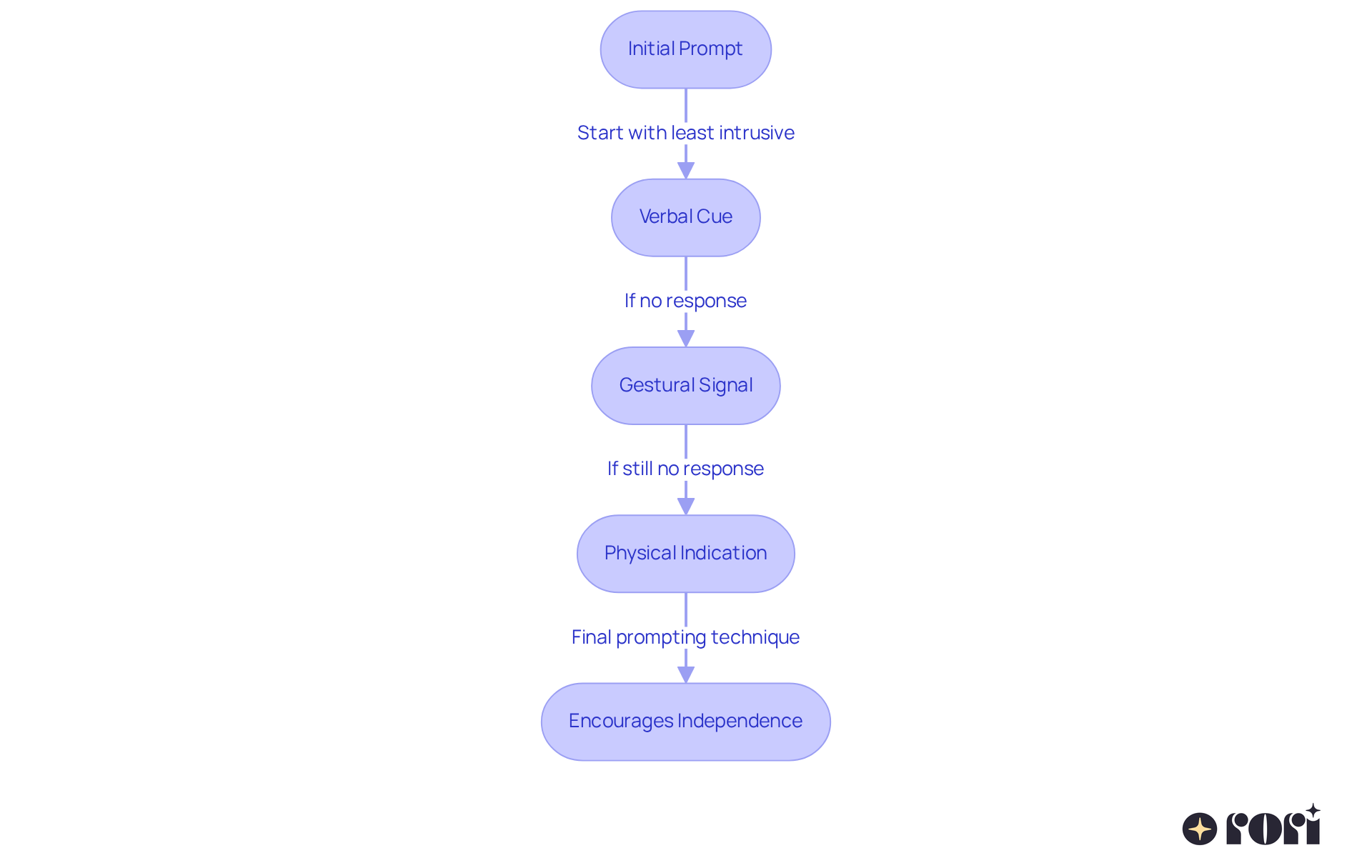
The systematic hierarchy is a structured method in ABA therapy that utilizes to determine how much help each child needs with different tasks. In prompting procedures ABA, it typically follows a , starting with the least intrusive cues and gradually increasing in intensity if the child doesn’t respond. This method is part of a tailored therapy that adapts to each child’s unique needs, drawing on the science of learning and behavior.
For example, a therapist might kick things off with a verbal cue, then move to a gestural signal, and finally use a physical indication if necessary. This organized approach not only helps young learners pick up new skills but also , encouraging over time.
These prompting procedures ABA are designed by skilled behavior analysts who create and , ensuring that each child’s progress is regularly evaluated and adjusted as needed. Plus, parents can take advantage of a to learn more about how these strategies can support their children. Let’s explore this together!
Data Tracking in ABA: Monitoring Prompting Effectiveness for Better Outcomes
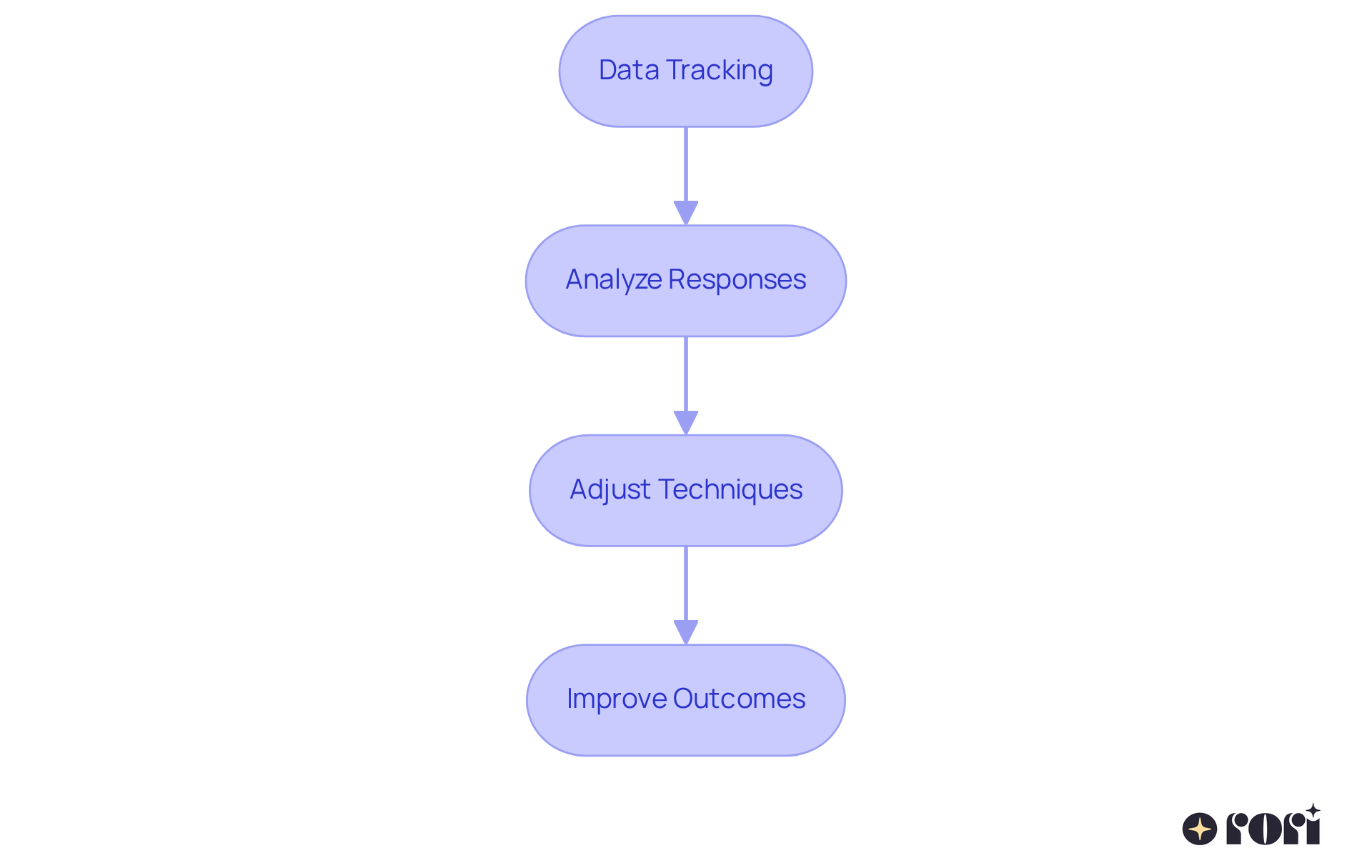
Data tracking is a vital part of ABA therapy that helps clinicians see how well are working. A certified behavior analyst crafts with measurable goals and , making sure that each child’s unique needs are met. By gathering information on how a young individual reacts to different cues, therapists can figure out which strategies work best.
For example, if a child responds well to but has a hard time with , the therapist can adjust the approach to focus more on verbal cues. This , paired with innovative AI that streamlines progress report generation, boosts the efficiency of ABA therapy, giving therapists 50% more time for child treatment. Ultimately, this approach leads to .
Let’s explore this together!
Parent-Led Prompting Strategies: Empowering Families in ABA Therapy
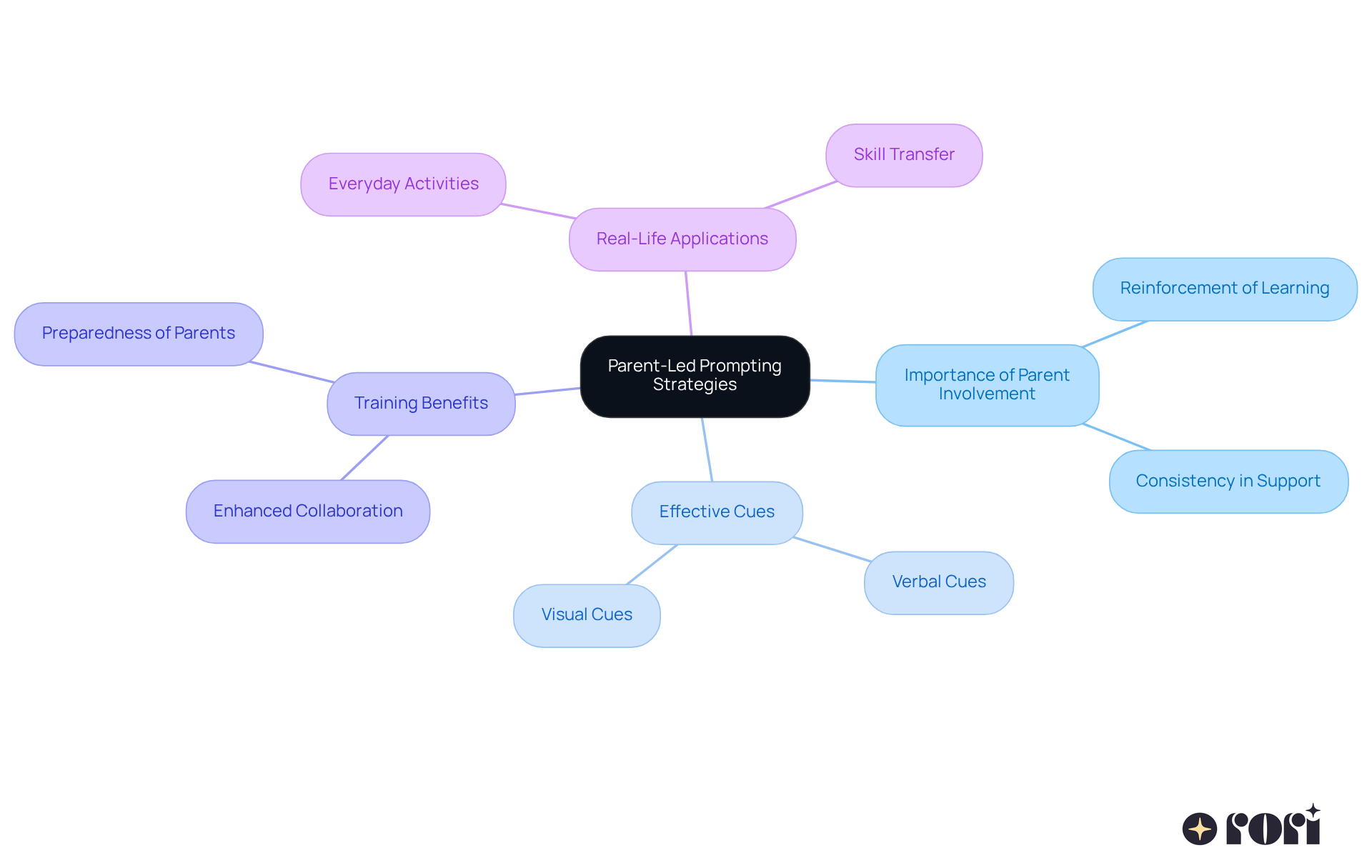
is so important in ABA therapy, especially when it comes to using at home. By equipping parents with the right knowledge and skills to use , they can really reinforce learning and behavioral objectives outside of therapy sessions. When caregivers receive , it ensures that they feel prepared to provide the , which complements professional interventions and helps maintain consistency in their child’s learning journey.
For example, parents can use . This helps their child apply the skills learned in therapy to real-life situations. This not only boosts the child’s education but also allows parents to become engaged contributors to their growth. Let’s explore this together!
Timing of Prompts: Best Practices for Effective Implementation in ABA
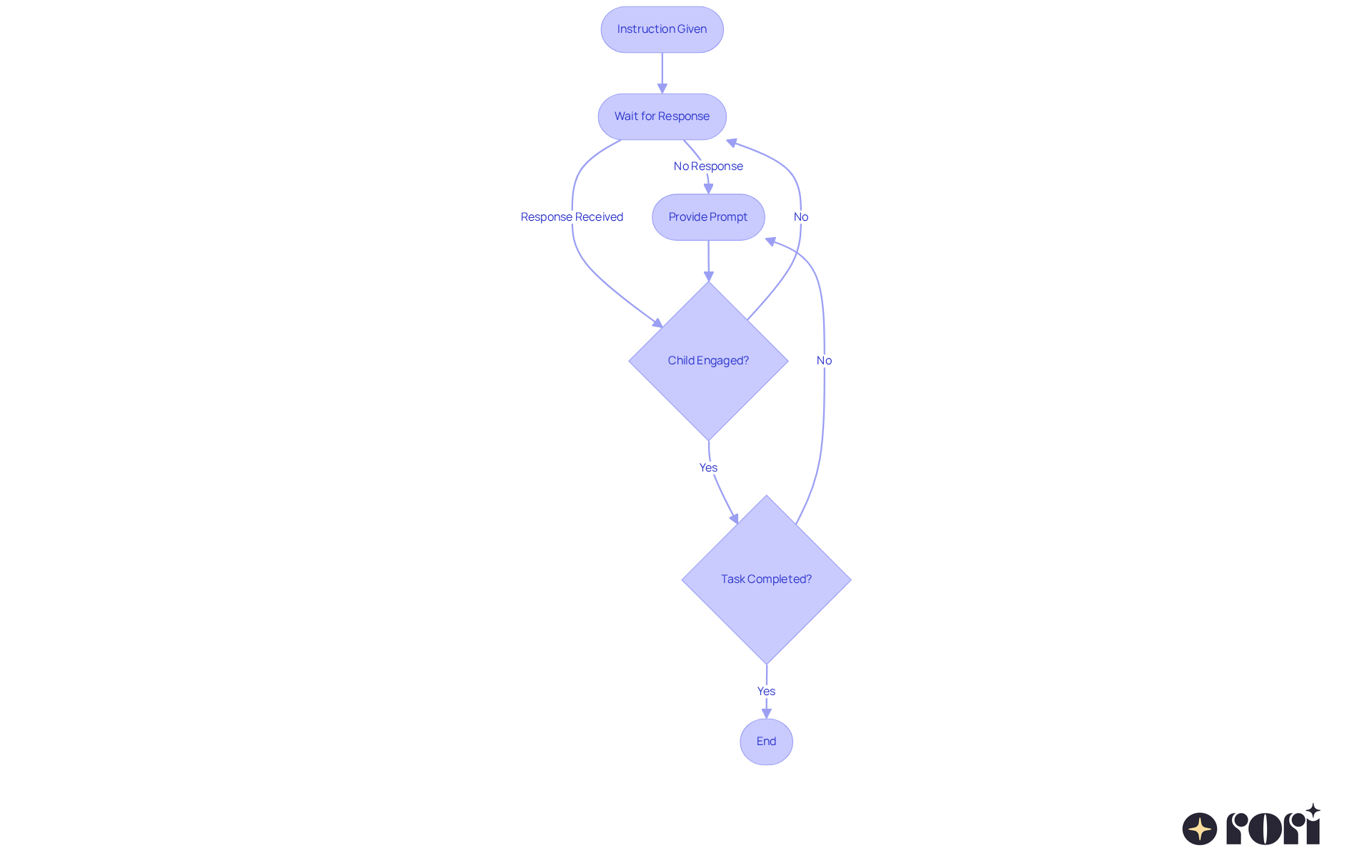
The plays a crucial role in how effective they are in , a that can really make a difference for kids with autism. It’s all about providing those cues right after the instruction to boost the chances of a correct response. For instance, if a child is asked to do something and doesn’t respond right away, the therapist should offer a prompt within a few seconds. This little nudge not only keeps the child engaged but also helps them complete tasks successfully, along the way.
By using , setting clear goals, and continuously checking in on progress, behavior analysts ensure that each child’s are met. This tailored approach truly enhances the . Let’s explore this together and see how we can support our little ones in their journey!
Troubleshooting Prompting Issues: Strategies for Effective ABA Implementation
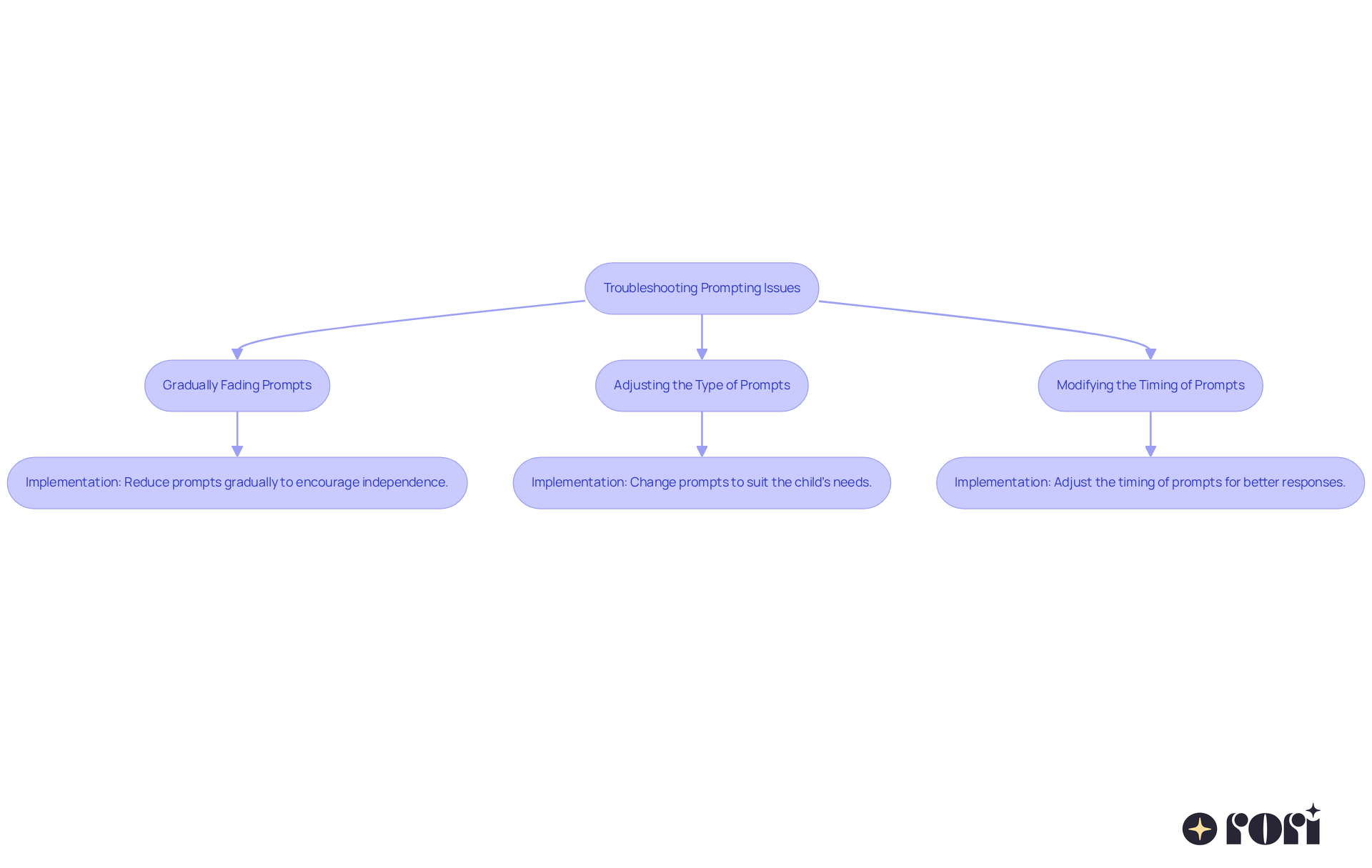
Troubleshooting issues is an essential skill for both and caregivers. It can be tough when a young person becomes overly reliant on cues or when the signals provided just don’t lead to the desired reactions. But don’t worry! Therapists can help by:
- Gradually fading prompts
- Adjusting the type of prompts used
- Modifying the timing of those prompts
As caregivers, having a deeper allows you to play an active role in this process. You can make informed decisions that . Plus, keeping an eye on the helps identify areas that might need a little tweak. This not only empowers you but also boosts your confidence and eases stress.
By collaborating, we can ensure that the [prompting procedures ABA](https://rori.care/post/10-essential-sleep-aids-and-tools-for-children-with-autism) remain effective and truly beneficial for your child’s development. Ultimately, this teamwork leads to better ! Let’s explore this journey together and see how we can support each other every step of the way!
Technology in ABA: Enhancing Prompting Procedures for Child Development
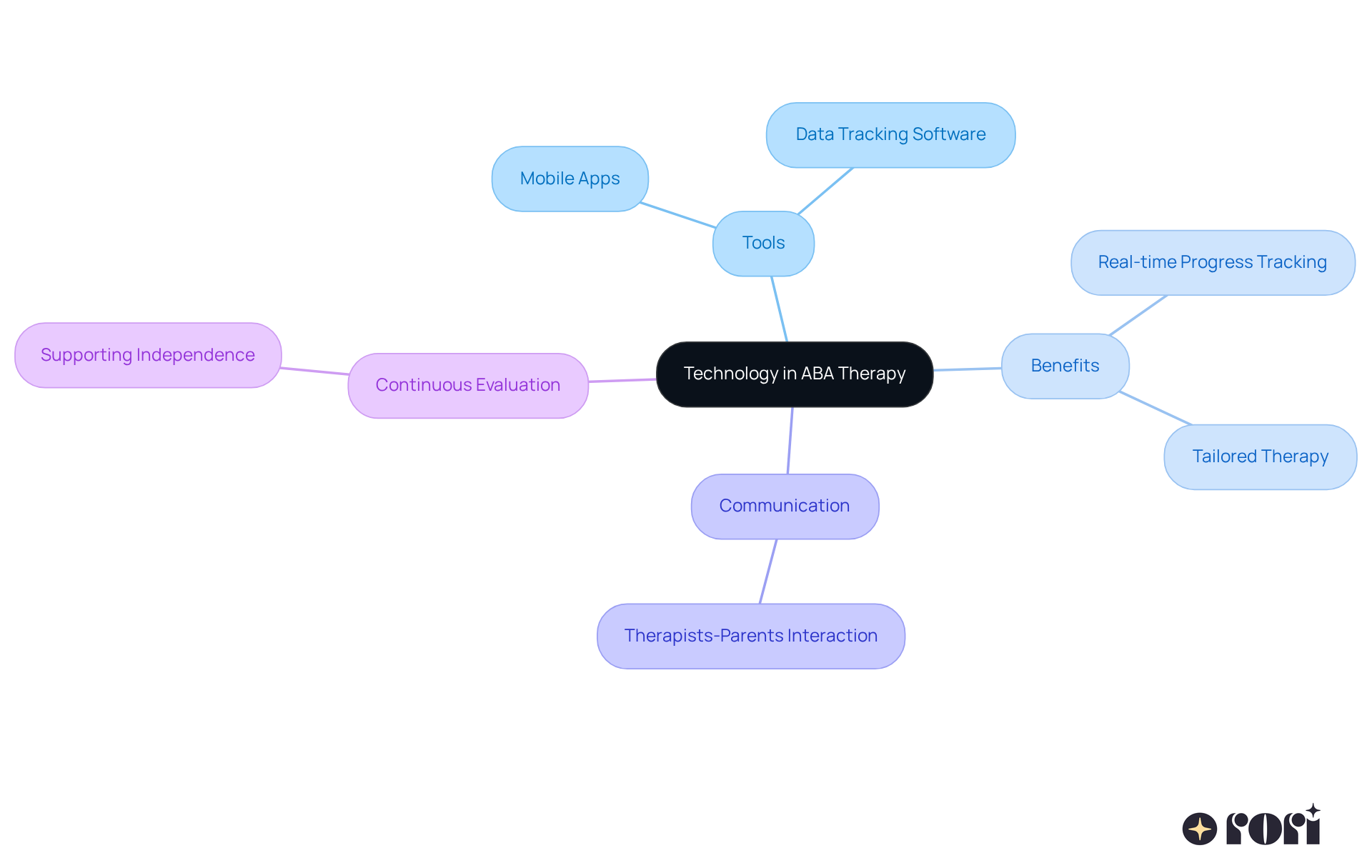
Technology is becoming a key player in enhancing even better! With tools like mobile apps and , therapists can keep an eye on progress in real-time and as needed. Plus, our use of not only speeds up treatment but also tailors the therapy experience for each child, making it feel more personal.
Imagine digital platforms providing or reminders—this makes learning so much more engaging and interactive! And let’s not forget how technology helps bridge communication between therapists and parents. This ensures that prompting procedures in ABA are consistently applied in different settings, which is very important.
By continuously evaluating and adjusting strategies, we can support a child’s development more effectively. This empowers them to . So, let’s explore this together and see how we can make a difference for our kids!
Conclusion
Implementing effective prompting procedures in Applied Behavior Analysis (ABA) is so important for helping children grow and become more independent. By using tailored strategies that meet each child’s unique needs, caregivers and therapists can create a supportive environment that boosts learning and behavioral development. With a structured approach to various prompting techniques—like verbal and physical cues—children can gradually learn new skills while becoming less reliant on assistance.
This article highlights key aspects of prompting in ABA therapy. It emphasizes the importance of prompt fading to encourage independence, the role of tracking data to monitor progress, and how vital parents are in reinforcing strategies at home. By understanding and applying these essential prompting procedures, caregivers can make a significant difference in their child’s developmental journey, ensuring that interventions are effective and aligned with their evolving needs.
In conclusion, integrating technology and continuous assessment can further enhance the effectiveness of prompting procedures in ABA therapy. As families and practitioners collaborate, they can create a nurturing and engaging learning environment that empowers children to thrive. Embracing these comprehensive strategies not only supports skill acquisition but also builds confidence, paving the way for greater independence in the future. Let’s explore this together! Remember, we’re here to help you every step of the way!
Frequently Asked Questions
What is Rori Care’s approach to ABA therapy for child development?
Rori Care utilizes prompting procedures within Applied Behavior Analysis (ABA) to support children’s development. This approach is tailored to meet each child’s unique needs, promoting skill acquisition and independence through data-driven techniques.
How does Rori Care evaluate children’s needs?
Qualified behavior analysts at Rori Care assess each child’s strengths and challenges to determine the most suitable prompting procedures, which may include verbal, gestural, or physical prompts.
What are the core principles of Applied Behavior Analysis (ABA)?
The core principles of ABA include reinforcement, shaping, and the thoughtful use of prompting procedures to encourage desired behaviors, ultimately leading to greater independence, especially for individuals with autism.
What is the significance of personalized planning in ABA?
Personalized planning is crucial in ABA as each intervention plan should be tailored to meet the unique needs and goals of the individual, with measurable objectives to track progress effectively.
How does prompt fading work in ABA therapy?
Prompt fading is a method that helps individuals gradually rely less on assistance by systematically reducing the level of prompts from full physical cues to verbal cues, ultimately leading to independent task completion.
Why is caregiver involvement important in ABA therapy?
Caregiver involvement is vital as it ensures that therapeutic strategies are consistently applied at home, creating a supportive learning environment that enhances the effectiveness of interventions and positively impacts the child’s progress.
How does Rori Care adjust care plans?
Rori Care continuously assesses and adjusts care plans based on each child’s progress and evolving needs, ensuring that interventions remain effective and aligned with the child’s development.
What tools does Rori Care use to monitor progress?
Rori Care employs measurable goals and a behavior care engine to update intervention and skill acquisition plans after each session, allowing caregivers to make informed decisions regarding their child’s development.