
Introduction
Nurturing positive behavior in children is a journey that’s both crucial and complex, especially for those on the autism spectrum. With innovative strategies emerging in Applied Behavior Analysis (ABA) therapy, parents and practitioners are finding fresh ways to tailor interventions that truly resonate with each child’s unique needs.
In this article, we’ll explore ten effective ABA therapy strategies designed not just to promote positive behavior but also to empower families along the way. How can these personalized approaches transform a child’s developmental path? And what role does technology play in enhancing these interventions? Let’s dive into these questions together and uncover insights that could significantly impact the lives of children and their caregivers. We’re here to help you every step of the way!
Rori Care – ABA Therapy: Personalized Treatment Plans for Positive Behavior
At Rori Care – ABA Therapy, we know how important are for your child. Our qualified analysts conduct thorough assessments to understand each young person’s unique strengths and challenges. This way, we can ensure that the interventions we provide are not just relevant but truly effective.
By tailoring strategies to fit your child’s specific needs, our clinicians can help promote positive behavior through and skill development. Plus, with the support of advanced AI technology that automates progress report creation, we’ve seen a remarkable increase in daily functioning-giving us 50% more time for youth treatment!
Research shows that young individuals who receive early, intensive intervention often experience . As Ralph Moller points out, the importance of is huge; are key to addressing the unique needs and challenges faced by individuals with autism.
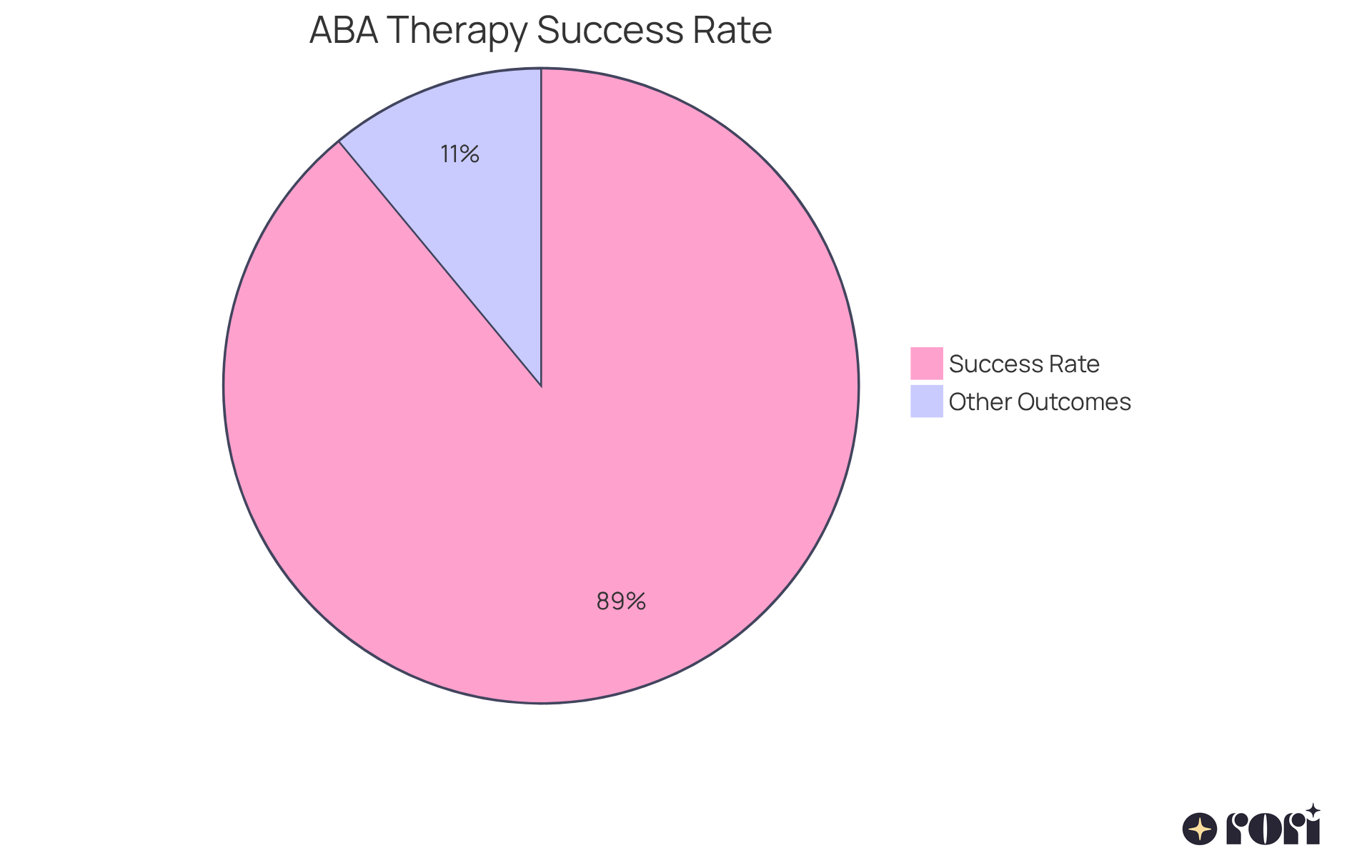
And here’s something encouraging: ABA treatment boasts an impressive success rate of over 89% in helping youth with autism spectrum disorder. This highlights just how can be!
Ultimately, our commitment to for promoting positive behavior not only enhances behavioral outcomes but also empowers children and their caregivers to thrive in everyday life. Let’s explore this journey together! We’re here to !
AI-Enhanced ABA Therapy: Revolutionizing Behavior Modification Techniques
is here to make a real difference! By using , we can analyze behavioral data and track progress like never before. Imagine how much easier it is for clinicians to spot and make informed decisions that fine-tune treatment plans. This innovative approach, which incorporates , not only streamlines the treatment process but also helps families and practitioners achieve amazing results in changing behavior.
For example, AI systems can automatically keep an eye on how often and how long certain actions happen during therapy sessions. This means we get real-time insights that allow for quick adjustments to interventions. Plus, our personalized planning ensures that every action plan is tailored to meet the unique needs of each child, with clear and measurable goals set for growth and skill development.
Our behavior analysts use , such as , backed by the latest research to ensure we apply the most effective methods for . With , we can even spot individuals at risk of developing behavioral challenges early on, allowing us to create proactive and strategies.
And let’s not forget about the ! As highlighted by the Behavior Analysts Certification Board, these advancements are all about improving care quality while keeping empathy and personalized attention at the forefront of effective ABA practices. Did you know that only 46% of kids stick to their treatment for a full 24 months? That’s why AI’s role in boosting retention rates is becoming increasingly important.
By combining with AI-powered progress report automation, we can free up 50% more time for youth care. This really strengthens our commitment to providing quality service. Let’s explore this together and see how we can support your child’s journey!

Parent-Led ABA Solutions: Empowering Families to Drive Change
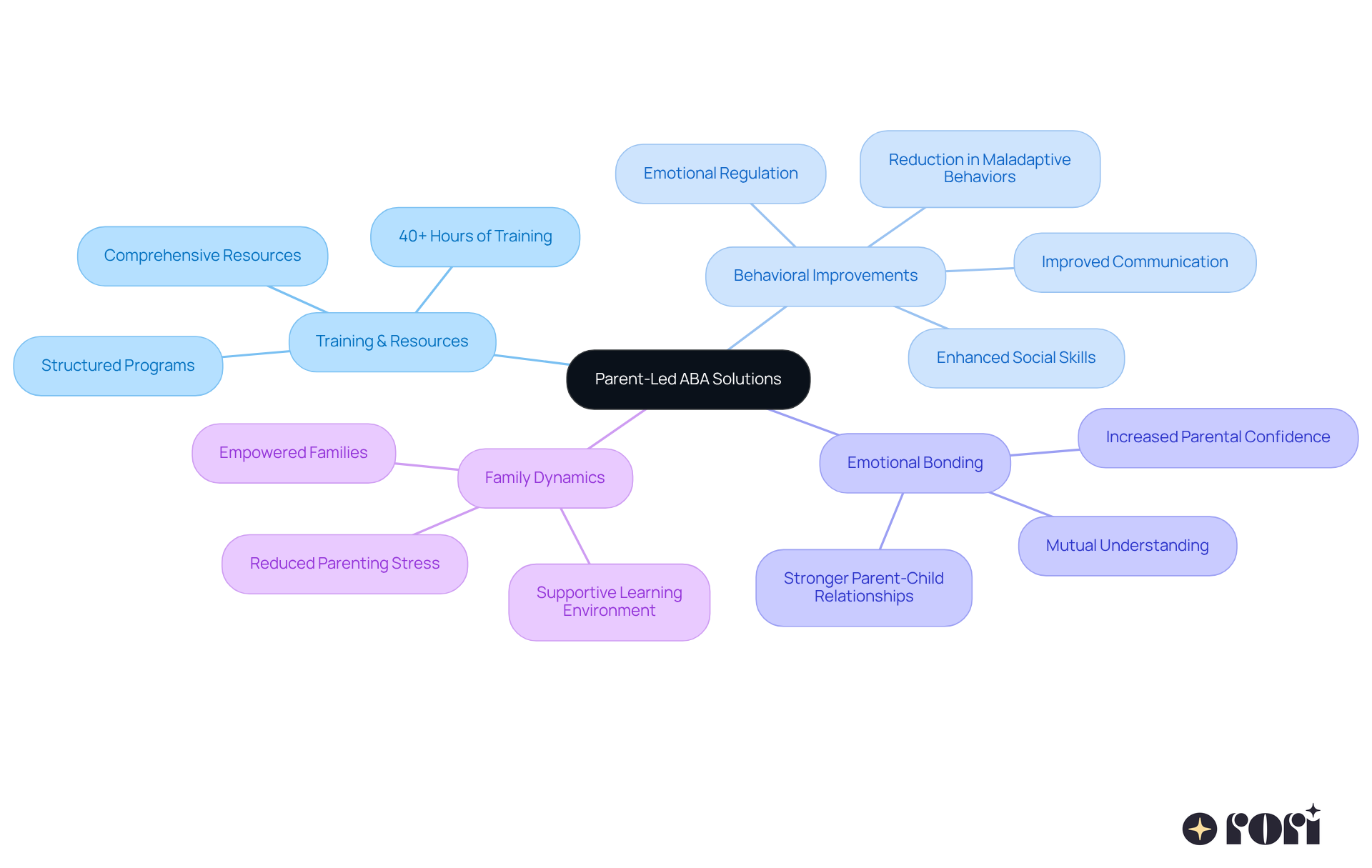
for promoting positive behavior are a fantastic way for families to get involved in their children’s treatment, creating a that really boosts learning and development. With comprehensive training and resources, Rori Care – ABA Therapy empowers parents to implement . This approach not only reinforces the skills learned during counseling sessions but also ensures that across different settings.
Research shows that when parents take an active role in their children’s , they see . For instance, a retrospective chart review at Montera, Inc. found that kids whose parents stuck to the recommended treatment hours made remarkable progress in these areas. Plus, parents who received over 40 hours of and experienced a 21% drop in perceived stress, highlighting the mutual benefits of parental involvement.
But the impact of parent-led interventions goes beyond just skill-building; they also . When parents are involved in the treatment process, they become more attuned to their children’s needs, creating a . As one therapist noted, focuses on skill retention and communication, laying a solid foundation for parents to support their children successfully. This collaborative model not only enhances outcomes for kids but also empowers families to tackle the challenges of autism through , fostering greater confidence and resilience. By grasping ABA principles and strategies, caregivers can make informed decisions that positively influence their child’s progress, leading to better behavioral outcomes and a more harmonious family dynamic.
Let’s explore this together! We’re here to help you every step of the way!
Positive Reinforcement Strategies: Building Lasting Behavioral Change
Positive reinforcement is such an important part of ! It’s all about . Think about it: techniques like verbal praise, token economies, and letting kids enjoy their favorite activities can really boost the chances of those s happening again. By consistently using these strategies, to help kids develop that support their growth and independence.
And here’s the thing-when caregivers are actively involved and understand ABA principles, they can tweak based on progress reports. This means interventions can be tailored to fit each child’s unique needs. Isn’t that empowering? This not only makes the treatment more effective but also gives caregivers the confidence to make informed choices that positively impact their child’s development.
Let’s explore this together! Your journey in can be filled with small victories, and we’re here to help you every step of the way!
Comprehensive Evaluations: Tailoring ABA Therapy to Individual Needs
Thorough assessments are key when it comes to for promoting positive behavior! They give us a , challenges, and behavioral patterns. Think of it like a . Clinicians use various tools, like frequency recording and ABC charts, to gather the data needed to create treatment plans that truly fit each person’s needs.
Research shows that young individuals who receive tailored often experience . Isn’t that encouraging? By ensuring these assessments are detailed and relevant, clinicians can really such as , leading to better outcomes for everyone involved.
And here’s something important: integrating into these evaluations not only supports ethical decision-making but also aligns treatment goals with the values and preferences of families. This approach fosters a more effective , making it feel more like a partnership.
So, if you’re navigating this journey, remember that you’re not alone. Let’s explore this together! We’re here to help you every step of the way!

Skill Development Focus: Essential Life Skills for Independence
focuses on helping young individuals build essential life skills that foster their independence. Through structured interventions, therapists teach important skills like communication, self-care, and social interactions. This targeted approach, utilizing , not only equips them with the tools they need to navigate daily life but also boosts their confidence and self-efficacy.
Research shows that starting ABA intervention early and intensively can really enhance socialization, language skills, and emotional regulation – . For instance, young individuals who engage in regular [ABA therapy for promoting positive behavior](https://rori.care/post/10-inter-response-time-examples-in-aba-therapy-for-parents), typically between 25 to 40 hours a week, often see , leading to better adaptive behaviors.
Successful interventions often incorporate ABA therapy for promoting positive behavior along with . Therapists might use to help young individuals understand and practice appropriate reactions in various situations. These methods not only make learning more effective but also create a safe space for kids to explore social dynamics.
Family involvement is crucial in this journey. When parents and caregivers actively participate, the for promoting positive behavior can be , making it easier for kids to generalize and master these vital skills. , as it provides them with the knowledge and strategies to support their child’s development effectively. This education leads to informed decision-making and better behavioral outcomes, which can be enhanced through ABA therapy for promoting positive behavior, reinforcing learned behaviors and aiding skill generalization.
Recent findings highlight how , can really promote skill development for youth with autism. By tailoring treatment plans to meet individual needs, therapists can enhance engagement and outcomes, ensuring that each young person progresses at their own pace. This personalized approach, combined with empowered caregivers who understand the importance of ABA therapy for promoting positive behavior, is essential for fostering independence and improving overall quality of life.
Let’s explore this together! We’re here to help you every step of the way!

Ongoing Assessment: Ensuring Effective and Adaptive ABA Therapy
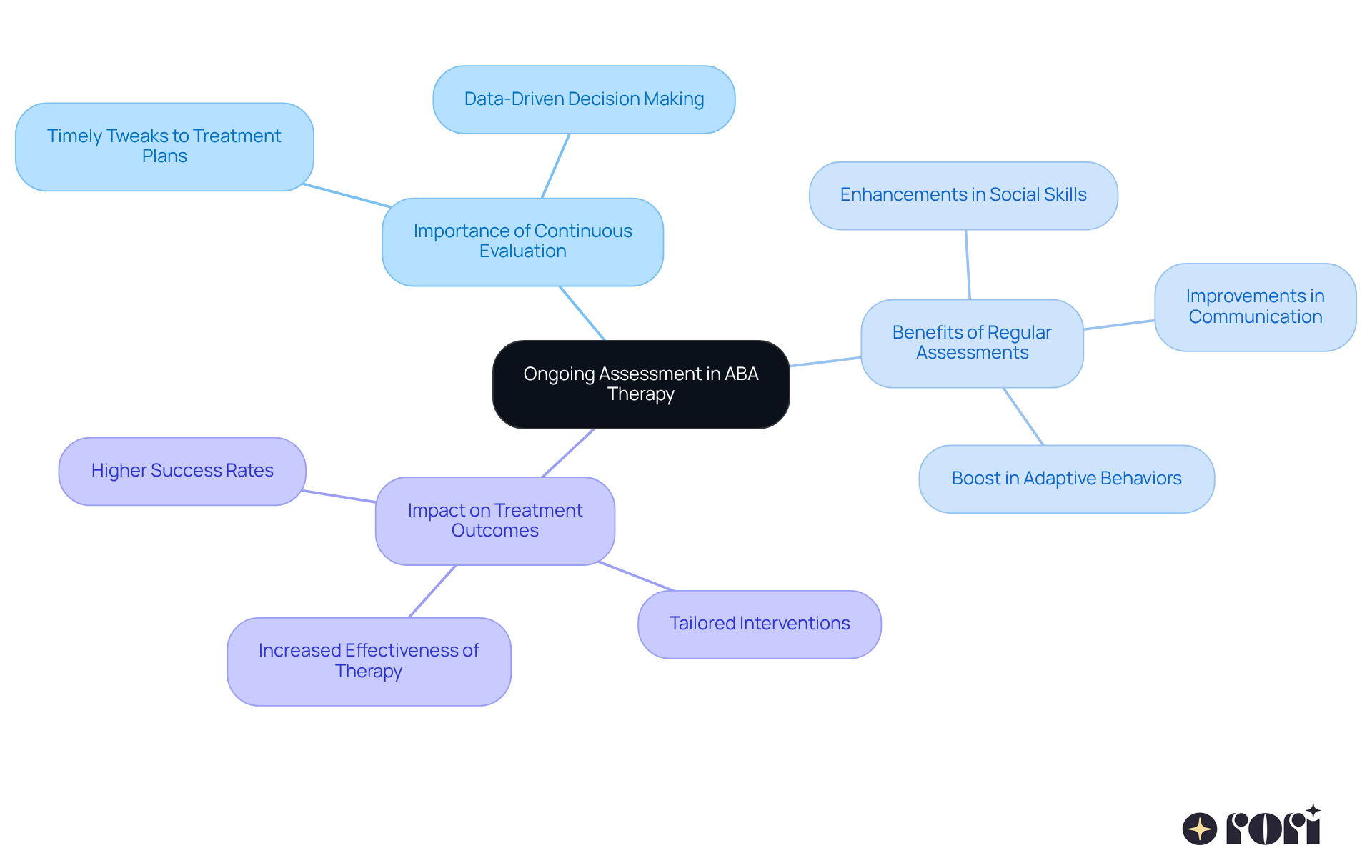
Continuous evaluation is so important for making ABA treatment more effective! Regular assessments help clinicians keep a close eye on a young patient’s progress, allowing for . This .
You know, research shows that kids who get consistent evaluations often see , social skills, and adaptive behaviors. Plus, is a key part of ABA treatment, helping clinicians make informed decisions and tailor interventions just right for each child. One clinician shared, ” ensures that interventions are tailored to meet the specific needs of each individual, .”
By prioritizing , we can ensure that for promoting positive behavior achieves even better outcomes. This really reinforces its status as the . Let’s explore this together and see how we can support your child’s journey!
Evidence-Based Practices: Validating the Effectiveness of ABA Therapy
When it comes to ABA treatment, are absolutely essential. They ensure that the interventions we use are backed by solid research. Did you know that current studies show boasts an impressive in treating autism? That’s right! Many children experience significant improvements in communication, social skills, and daily living abilities. For instance, kids who undergo intensive – typically around 25 to 40 hours a week – often show remarkable progress in their over time. Many even reach those important developmental milestones that make such a difference in their lives.
Experts really stress the importance of using . Why? Because helps therapists keep track of progress and tailor treatment plans to fit each child’s unique needs. This commitment to evidence-based methods not only enhances the quality of care but also builds trust with families who are looking for the best outcomes for their children. Plus, as highlighted in various studies, the has made data collection even more accurate, leading to that yield better results.
And it doesn’t stop there! Ongoing research continues to confirm the effectiveness of ABA therapy for and skill development in children with autism. By staying updated on the latest findings, clinicians can refine their practices, ensuring they provide the most effective and personalized care possible. So, let’s explore this together! If you’re a parent navigating this journey, know that you’re not alone, and there are resources available to help you every step of the way!
A-B-Cs of Behavior Analysis: Understanding and Modifying Behavior
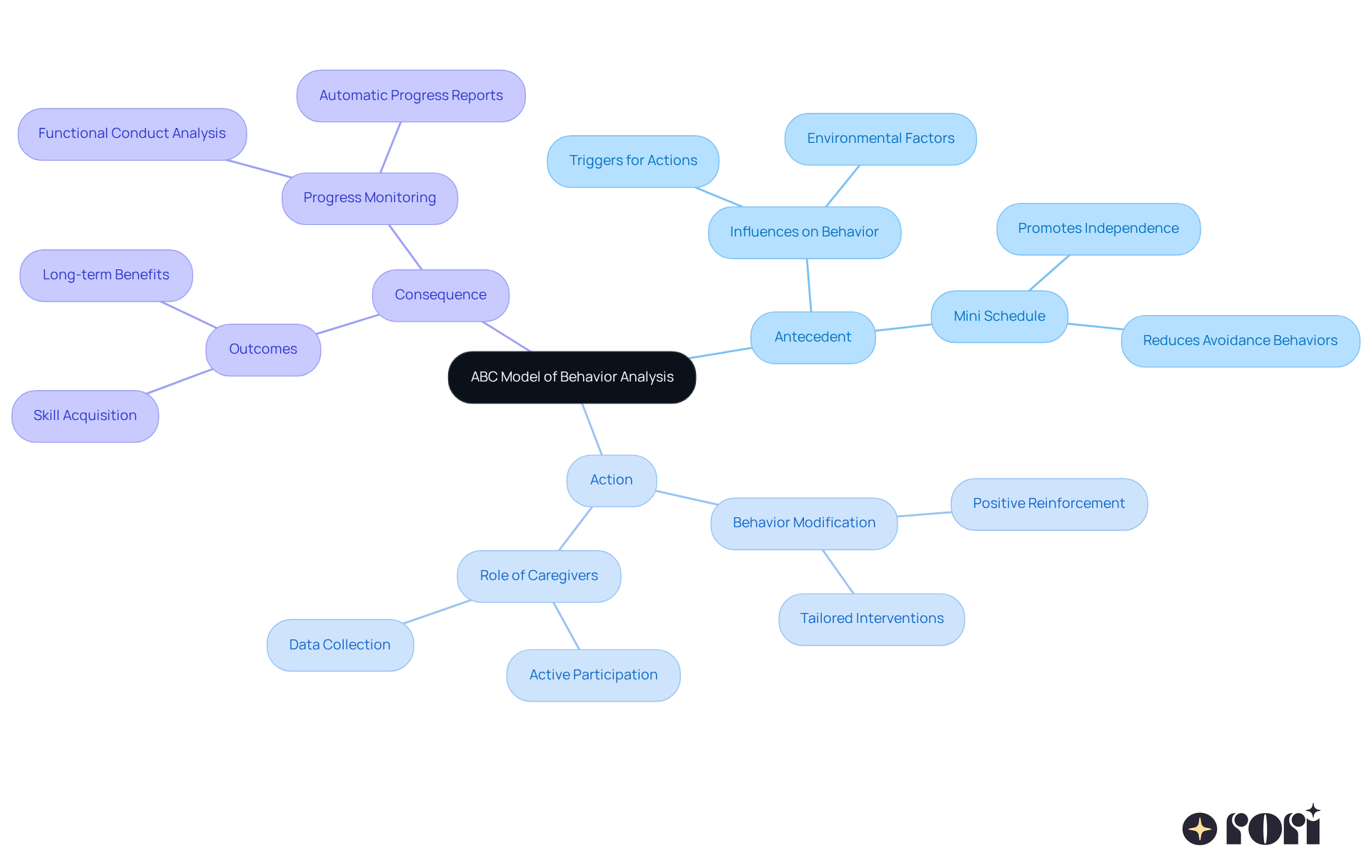
The is all about understanding behavior through three key components: Antecedent, Action, and Consequence. This framework helps clinicians and caregivers grasp what influences actions. By recognizing what happens before an action (the antecedent), the action itself, and the consequences that follow, we can utilize and develop .
For instance, think of a mini schedule as a helpful tool that empowers young people to be more independent while reducing avoidance behaviors. This organized approach not only boosts adaptive behaviors but also nurtures greater autonomy in youth. Research shows that kids who receive , particularly before they turn five, tend to have better outcomes in social skills and daily living compared to those who start later. It’s pretty impressive that (EIBI) when the recommended hours are fully implemented with active caregiver involvement.
Additionally, than punitive methods. This highlights the importance of . As one analyst wisely pointed out, “Actions are communication,” which underscores the need to to implement effective interventions.
When it comes to , effective strategies often involve pinpointing specific antecedents that trigger challenging actions and applying tailored interventions. Our conduct care engine performs functional conduct analysis for target actions and skills, generating automatic progress reports for clinicians to review. By systematically analyzing the ABCs of behavior, therapists can make informed adjustments to treatment plans, ensuring they meet the evolving needs of each individual.
This understanding not only enhances the effectiveness of but also fosters a collaborative environment where families and therapists work together to achieve meaningful progress. We empower caregivers with ABA principles and strategies to support their children’s behavioral goals through active participation and data collection. Let’s explore this journey together!
Finding ABA Services: Accessing Support for Positive Behavior Transformation
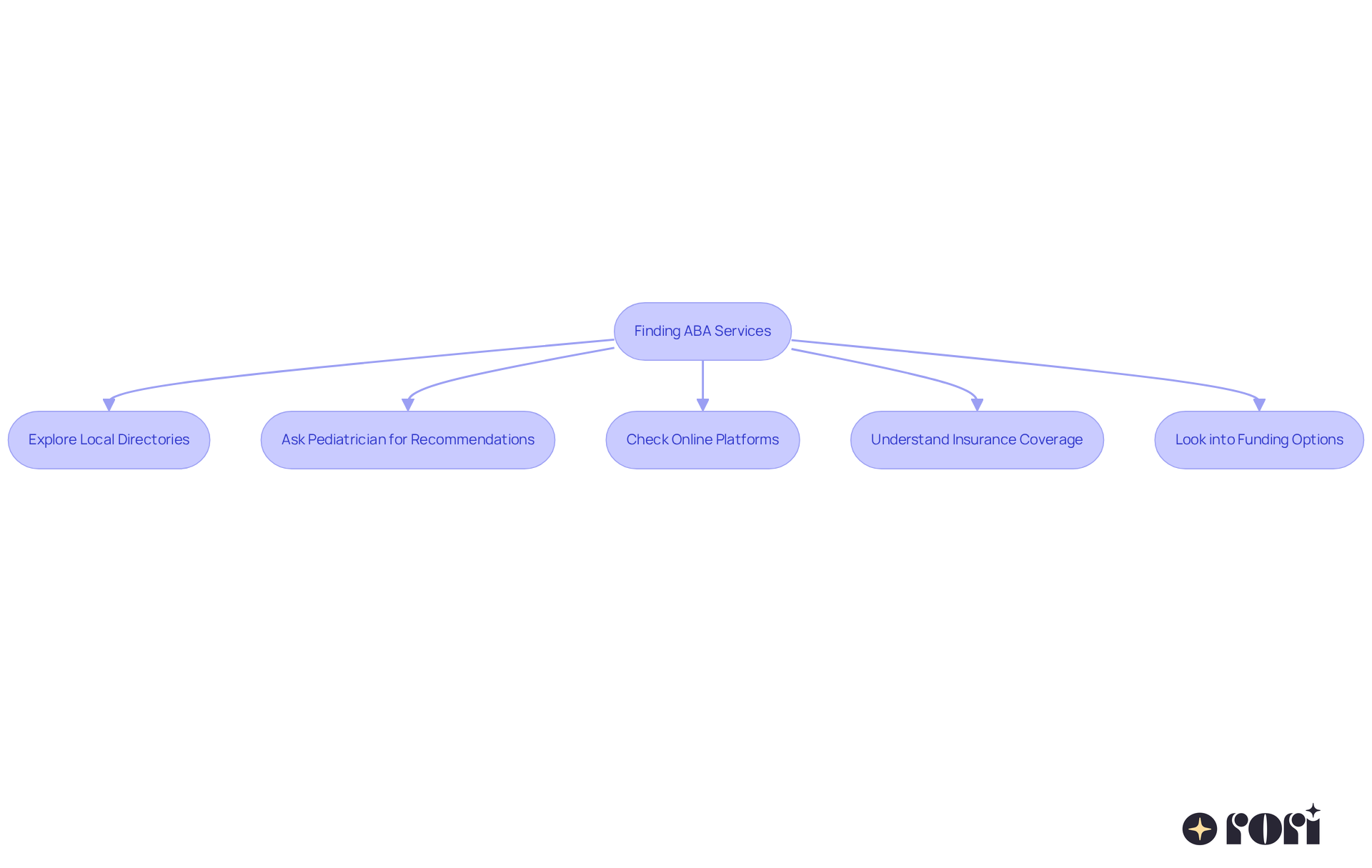
It is essential for families seeking to support their children’s to access the appropriate for promoting . You might find it helpful to explore local directories, ask your pediatrician for recommendations, or check out specialized online platforms to identify . And don’t forget to understand your insurance coverage and look into available – these steps are crucial in securing the services your child needs.
Did you know that the has skyrocketed? From 2010 to 2021, there was a staggering 5,852% increase in the need for ! This really highlights how vital it is to access care in a timely manner. Plus, studies show that kids who receive at least for promoting each week make more significant progress than those who get fewer than 10 hours. This just goes to show how important it is for families to advocate for .
Engaging with and support networks can really empower families to navigate the complexities of accessing . Together, we can ensure that our children receive the essential support they need through ABA therapy for promoting positive behavior transformation. Let’s explore this journey together!
Conclusion
Fostering positive behavior in children through ABA therapy is truly a journey worth taking! 🌟 By focusing on personalized treatment plans, using advanced technology, and involving families, we can create effective strategies that meet each child’s unique needs. This tailored approach not only boosts the effectiveness of interventions but also empowers caregivers to play a vital role in their child’s growth.
Throughout this article, we’ve highlighted key strategies like:
- Positive reinforcement
- Thorough evaluations
- Ongoing assessments
as essential parts of successful ABA therapy. Plus, the benefits of AI-enhanced techniques and parent-led initiatives really show how important it is for clinicians and families to work together. When we combine these elements, we create a supportive environment that nurtures skill development and encourages lasting behavioral change.
Ultimately, accessing the right ABA services is crucial. Families, we encourage you to explore available resources and advocate for your children’s needs. It’s all about ensuring they get the comprehensive support necessary for positive behavior transformation. By embracing these strategies and building a partnership between caregivers and professionals, children can truly thrive, gaining the skills and confidence they need for a successful and independent future. Let’s explore this together! We’re here to help you every step of the way!
Frequently Asked Questions
What is Rori Care – ABA Therapy?
Rori Care – ABA Therapy provides personalized treatment plans for children through Applied Behavior Analysis (ABA) therapy, focusing on promoting positive behavior and skill development.
How does Rori Care create personalized treatment plans?
Qualified analysts conduct thorough assessments to understand each child’s unique strengths and challenges, ensuring that interventions are relevant and effective.
What role does AI play in Rori Care’s ABA therapy?
AI technology automates progress report creation and analyzes behavioral data, allowing clinicians to track progress and make informed adjustments to treatment plans, ultimately increasing daily functioning and freeing up time for youth treatment.
What is the success rate of ABA treatment for youth with autism spectrum disorder?
ABA treatment has an impressive success rate of over 89% in helping youth with autism spectrum disorder.
How does parent involvement impact ABA therapy outcomes?
Active parental involvement in ABA therapy significantly improves communication, social skills, and emotional regulation in children, creating a supportive learning environment.
What training does Rori Care provide for parents?
Rori Care offers comprehensive training and resources to empower parents to implement ABA strategies at home, reinforcing skills learned during therapy sessions.
What are the benefits of parent-led ABA solutions?
Parent-led ABA solutions enhance skill retention, strengthen the parent-child bond, and empower families to tackle autism challenges, leading to better behavioral outcomes.
How does Rori Care ensure ethical use of AI in therapy?
Rori Care adheres to guidelines from the Behavior Analysts Certification Board, focusing on improving care quality while maintaining empathy and personalized attention in ABA practices.
What are the measurable goals set for children in Rori Care’s ABA therapy?
Personalized planning includes clear and measurable goals for growth and skill development tailored to meet each child’s unique needs.
List of Sources
- Rori Care – ABA Therapy: Personalized Treatment Plans for Positive Behavior
- Success Rates of ABA Therapy | Advanced Autism Services (https://advancedautism.com/post/success-rates-of-aba-therapy)
- Applied Behavior Analysis (ABA) Statistics: Data, Effectiveness, and Evidence-Based Practices (https://nexoaba.com/applied-behavior-analysis-statistics)
- The Numbers Don’t Lie: Revealing Autism Therapy Statistics | Above and Beyond Therapy (https://abtaba.com/blog/autism-therapy-statistics)
- The Impact of ABA Therapy on Long-Term Outcomes for Children with Autism (https://supportivecareaba.com/statistics/the-impact-of-aba-therapy-on-long-term-outcomes-for-children-with-autism)
- Quotes About Autism – Arms Wide Open ABA Therapy (https://armswideopenaba.com/blog/quotes-about-autism)
- AI-Enhanced ABA Therapy: Revolutionizing Behavior Modification Techniques
- Using AI in ABA Progress Monitoring | Links (https://linksaba.com/using-ai-in-aba-progress-monitoring)
- Best ABA Quotes (https://testpreptech.com/post/best-aba-quotes)
- The impact of technology on ABA therapy delivery (https://mastermindbehavior.com/post/the-impact-of-technology-on-aba-therapy-delivery)
- Parent-Led ABA Solutions: Empowering Families to Drive Change
- Inspirational ABA and Autism Quotes – Mrs. Moe’s Modifications (https://mrsmoesmodifications.com/inspirational-aba-and-autism-quotes)
- intellistarsaba.com (https://intellistarsaba.com/blog/the-role-of-parent-led-practice-in-strengthening-aba-therapy-outcomes)
- Effects of Parent-Implemented Interventions on Outcomes of Children with Autism: A Meta-Analysis – PMC (https://pmc.ncbi.nlm.nih.gov/articles/PMC10539413)
- stepaheadaba.com (https://stepaheadaba.com/blog/why-parent-led-aba-strategies-are-effective-for-skill-retention)
- Autism Parenting Quotes (https://rainbowtherapy.org/autism-parenting-quotes)
- Positive Reinforcement Strategies: Building Lasting Behavioral Change
- Inspirational ABA and Autism Quotes – Mrs. Moe’s Modifications (https://mrsmoesmodifications.com/inspirational-aba-and-autism-quotes)
- supportivecareaba.com (https://supportivecareaba.com/statistics/autism-therapy-statistics)
- Best ABA Quotes (https://testpreptech.com/post/best-aba-quotes)
- The impact of positive reinforcement on long-term behavior change (https://mastermindbehavior.com/post/the-impact-of-positive-reinforcement-on-long-term-behavior-change)
- Comprehensive Evaluations: Tailoring ABA Therapy to Individual Needs
- The Significance of Statistics in ABA Therapy | All Star ABA (https://allstaraba.org/statistics-in-aba-therapy)
- The Numbers Don’t Lie: Revealing Autism Therapy Statistics | Above and Beyond Therapy (https://abtaba.com/blog/autism-therapy-statistics)
- Tracking and Measuring Outcomes in ABA Therapy Programs (https://mastermindbehavior.com/post/tracking-and-measuring-outcomes-in-aba-therapy-programs)
- Applied Behavior Analysis (ABA) Statistics: Data, Effectiveness, and Evidence-Based Practices (https://nexoaba.com/applied-behavior-analysis-statistics)
- supportivecareaba.com (https://supportivecareaba.com/statistics/autism-therapy-statistics)
- Skill Development Focus: Essential Life Skills for Independence
- Success Rates of ABA Therapy | Advanced Autism Services (https://advancedautism.com/post/success-rates-of-aba-therapy)
- The Numbers Don’t Lie: Revealing Autism Therapy Statistics | Above and Beyond Therapy (https://abtaba.com/blog/autism-therapy-statistics)
- Autism Quotes | Intellistars – ABA Therapy (https://intellistarsaba.com/blog/autism-quotes)
- 81 ABA Therapy Statistics You Need to Know – apricott ABA (https://apricott.com/resources/aba-therapy-statistics)
- Ongoing Assessment: Ensuring Effective and Adaptive ABA Therapy
- Success Rates of ABA Therapy | Advanced Autism Services (https://advancedautism.com/post/success-rates-of-aba-therapy)
- Applied Behavior Analysis (ABA) Statistics: Data, Effectiveness, and Evidence-Based Practices (https://nexoaba.com/applied-behavior-analysis-statistics)
- 200+ quotes for therapists: inspiration, healing, and growth (https://nataliamaganda.com/200-quotes-for-therapists-inspiration-healing-and-growth)
- Tracking and Measuring Outcomes in ABA Therapy Programs (https://mastermindbehavior.com/post/tracking-and-measuring-outcomes-in-aba-therapy-programs)
- The Numbers Don’t Lie: Revealing Autism Therapy Statistics | Above and Beyond Therapy (https://abtaba.com/blog/autism-therapy-statistics)
- Evidence-Based Practices: Validating the Effectiveness of ABA Therapy
- Resources | Golden Steps ABA (https://goldenstepsaba.com/resources/success-rates-of-aba-therapy)
- Patient Outcomes After Applied Behavior Analysis for Autism Spectrum Disorder – PMC (https://pmc.ncbi.nlm.nih.gov/articles/PMC8702444)
- Tracking and Measuring Outcomes in ABA Therapy Programs (https://mastermindbehavior.com/post/tracking-and-measuring-outcomes-in-aba-therapy-programs)
- ABA Therapy Evidence | Grateful Care ABA (https://gratefulcareaba.com/blog/aba-therapy-evidence)
- The Significance of Statistics in ABA Therapy | All Star ABA (https://allstaraba.org/statistics-in-aba-therapy)
- A-B-Cs of Behavior Analysis: Understanding and Modifying Behavior
- Inspirational ABA and Autism Quotes – Mrs. Moe’s Modifications (https://mrsmoesmodifications.com/inspirational-aba-and-autism-quotes)
- The Significance of Statistics in ABA Therapy | All Star ABA (https://allstaraba.org/statistics-in-aba-therapy)
- Best ABA Quotes (https://testpreptech.com/post/best-aba-quotes)
- Applied Behavior Analysis (ABA) Statistics: Data, Effectiveness, and Evidence-Based Practices (https://nexoaba.com/applied-behavior-analysis-statistics)
- Finding ABA Services: Accessing Support for Positive Behavior Transformation
- The Numbers Don’t Lie: Revealing Autism Therapy Statistics | Above and Beyond Therapy (https://abtaba.com/blog/autism-therapy-statistics)
- goldenstepsaba.com (https://goldenstepsaba.com/resources/aba-therapist-statistics)
- Patient Outcomes After Applied Behavior Analysis for Autism Spectrum Disorder – PMC (https://pmc.ncbi.nlm.nih.gov/articles/PMC8702444)
- Autism acceptance: 15 stats on Autism Spectrum Disorder (https://newsroom.cigna.com/autism-spectrum-disorder-stats)