

Introduction
Understanding and managing off-task behavior in children can feel like a daunting challenge for many parents. As families navigate the complexities of behavior management, it becomes increasingly clear that effective strategies are essential. This article dives into ten practical examples of off-task behavior management that can empower you to foster focus and engagement in your children.
But what happens when traditional methods don’t quite do the trick? Are there innovative approaches that can truly transform a child’s ability to stay on task? Let’s explore these insights together and discover how tailored interventions can make a significant difference in your child’s development!
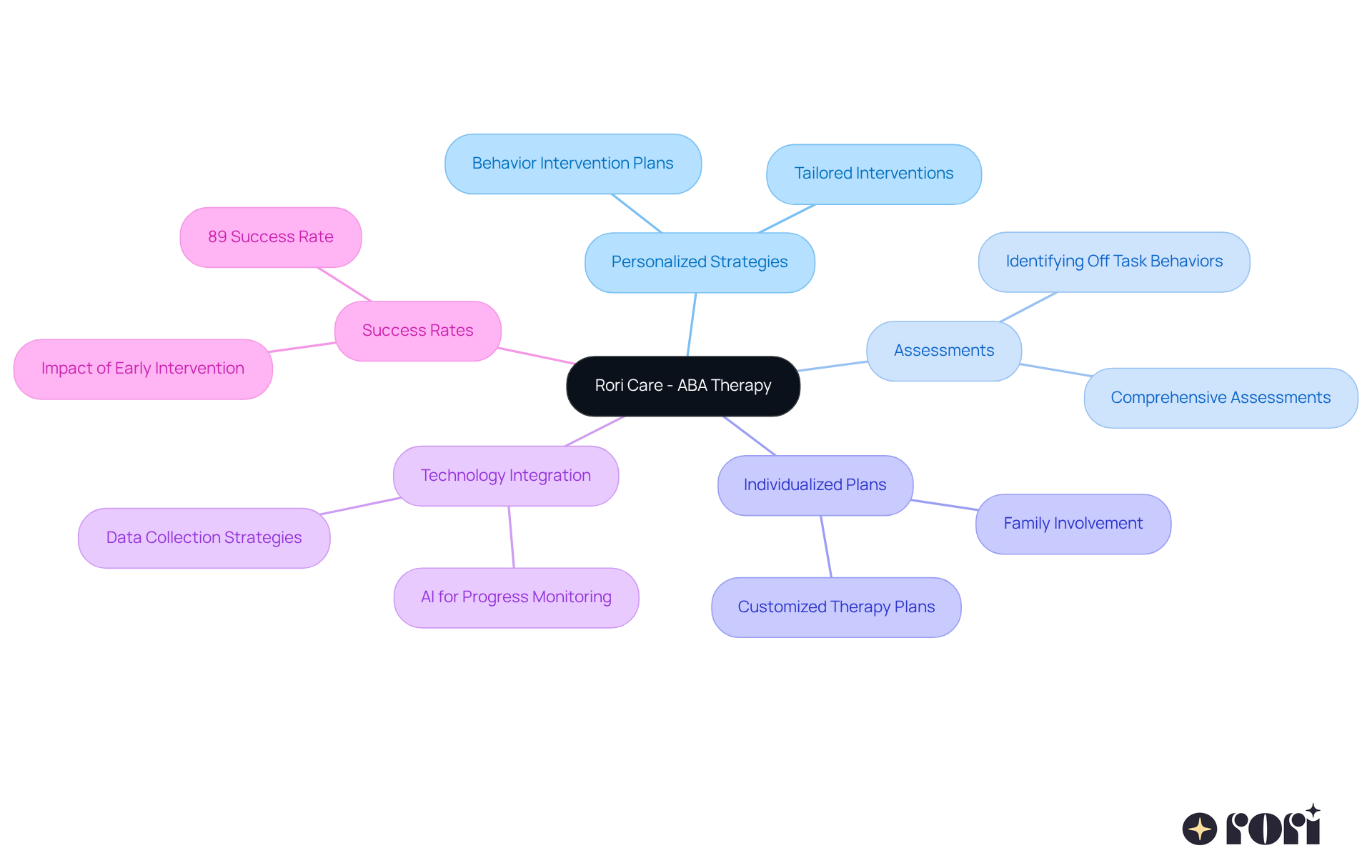
Rori Care – ABA Therapy: Personalized Strategies for Off-Task Behavior Management
At Rori Care, we embrace a , focusing on . Our dedicated healthcare professionals are here to guide your family through comprehensive assessments that uncover and their root causes, paving the way for .
We offer crafted by our qualified analysts, all aimed at fostering positive behavior change and skill acquisition. You might be surprised to learn that studies show children receiving grounded in ABA principles experience —especially when therapy begins before age 2! Plus, for those little ones aged 2 to 6, ABA therapy can enhance readiness for mainstream preschool, highlighting the value of personalized support in autism treatment.
At Rori Care, we blend customized therapy with cutting-edge AI technology to monitor progress and generate reports, freeing up 50% more time for your loved one’s treatment. This innovative approach not only addresses specific behaviors, including , effectively but also encourages parents to actively engage in their child’s therapeutic journey. Our conduct care engine performs functional analysis on target behaviors and skills, automatically generating progress reports for clinician review.
This collaborative method creates a nurturing environment for behavior management, boosting the overall effectiveness of therapy. Did you know that ABA therapy boasts an impressive ? This statistic underscores the importance of and caregiver education in supporting development. Let’s explore this together—we’re here to help you every step of the way!
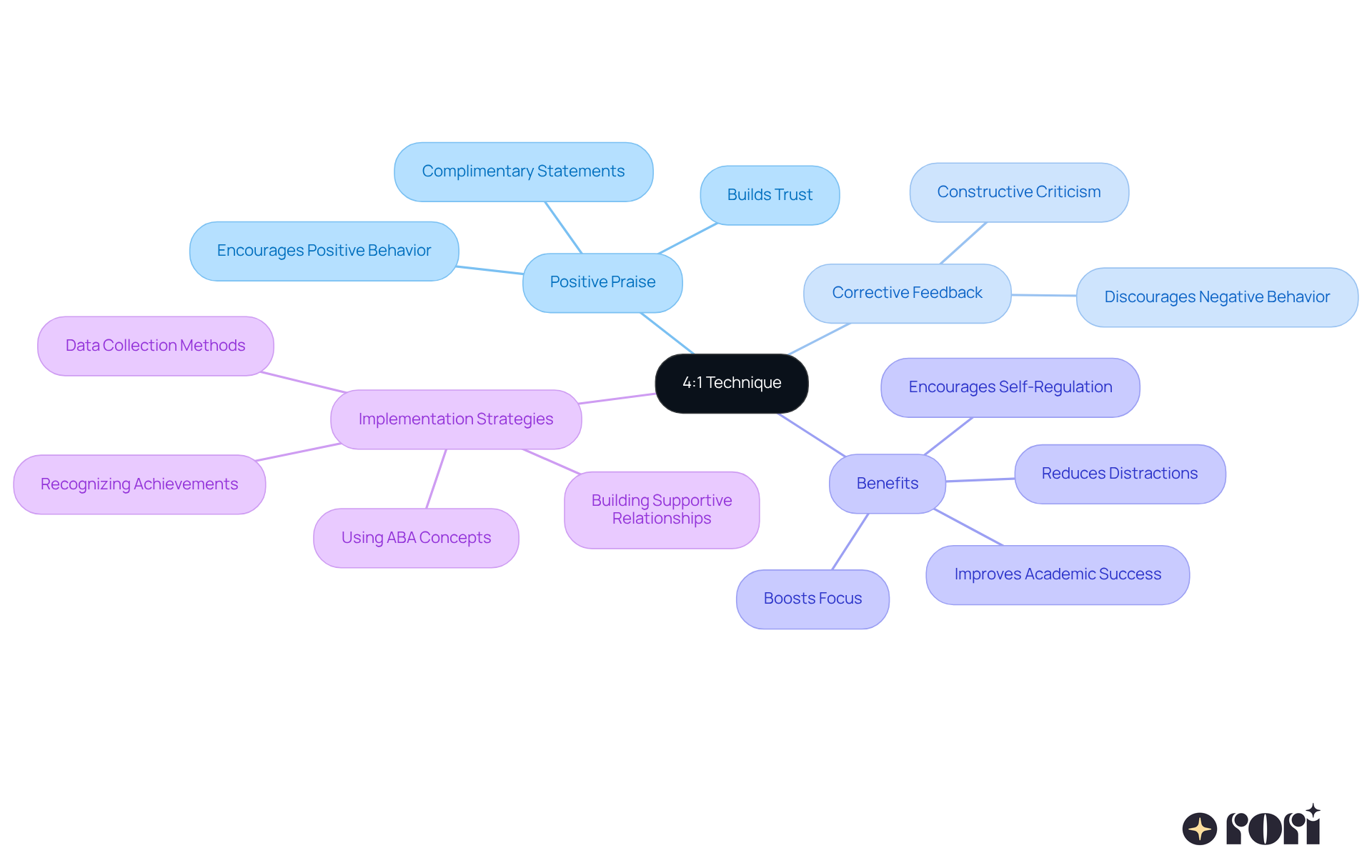
4:1 Technique: Balancing Positive Praise to Minimize Off-Task Behavior
The is a fantastic strategy that encourages parents to deliver four instances of . This approach helps young individuals feel valued and appreciated for their efforts, while also reducing distractions. Research shows that most learners thrive in environments filled with , making this technique especially effective.
Parents can easily adopt this method by consistently recognizing their children’s achievements, no matter how small. This practice fosters a that boosts focus and engagement. By reinforcing constructive actions, parents empower their children to develop , which are crucial for academic success and social interactions.
Plus, caregivers gain valuable insights and skills through the program, enhancing their ability to apply the effectively. Building is key to managing , as it nurtures open communication and trust. By equipping themselves with , including , caregivers can further improve their effectiveness in using the . This ensures their involvement aligns with therapeutic goals and promotes better behavioral outcomes.
Let’s explore this together! We’re here to !
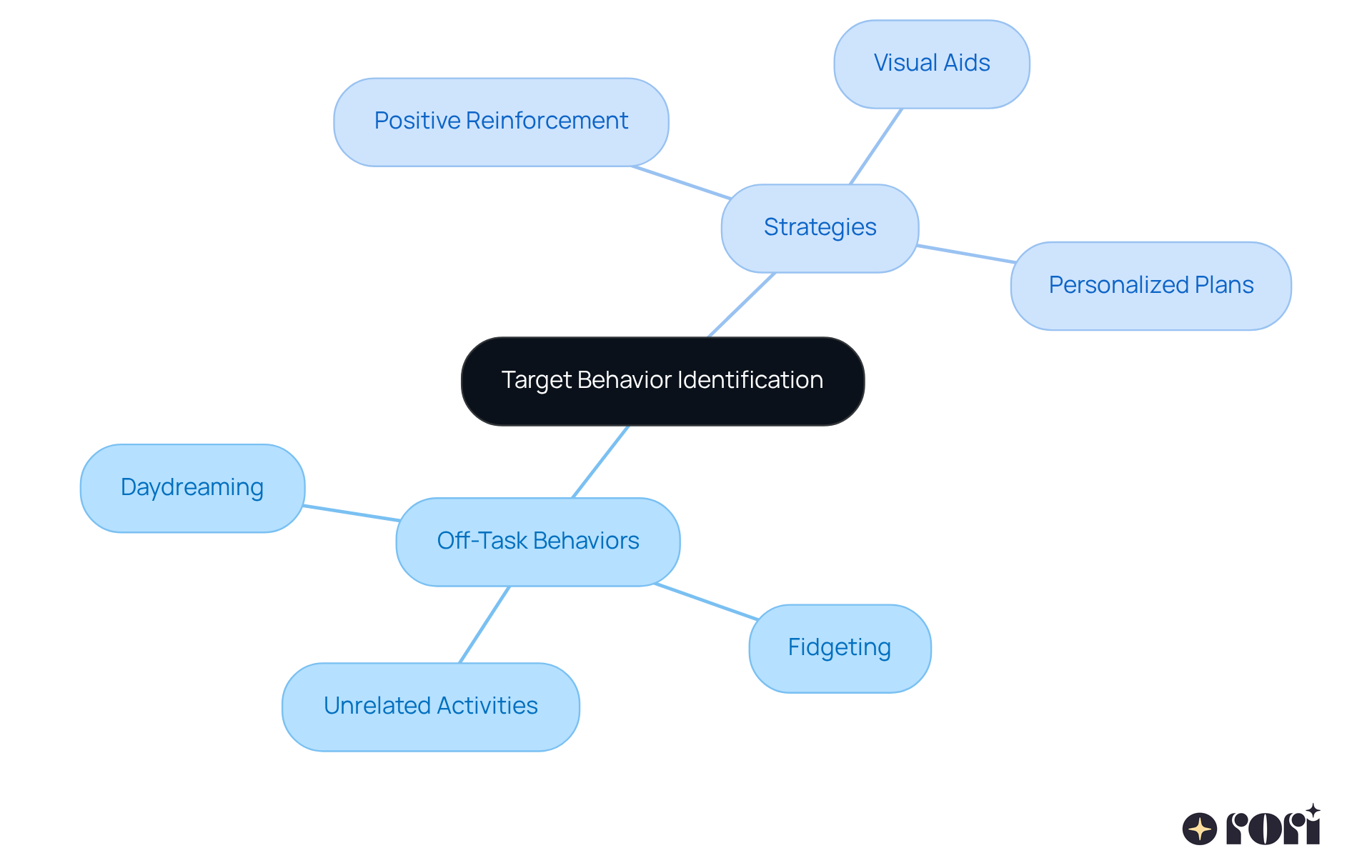
Target Behavior Identification: Defining and Addressing Off-Task Actions
To effectively tackle , caregivers first need to recognize and outline what exactly qualifies as off-task. Common may include:
- Daydreaming
- Fidgeting
- Becoming during tasks
By clearly identifying these actions, parents can develop to address them, ensuring that their interventions are focused and effective. Understanding the role of these actions is crucial for implementing successful interventions, as experts emphasize.
Personalized methods, like and visual aids, can significantly enhance a young person’s engagement and focus. For instance, integrating has proven beneficial in helping individuals with autism gain more independence and reduce avoidance behaviors. By using these approaches, caregivers can create an organized environment that promotes focused behavior while meeting their child’s unique needs.
Moreover, empowering caregivers with boosts their ability to support their child’s behavioral goals. When parents receive education on these principles, they develop , leading to better behavioral outcomes and an overall improvement in family dynamics. For example, caregivers who understand reinforcement principles can more effectively encourage desired behaviors, contributing to a more .
The involvement of skilled specialists in crafting ensures that these strategies are evidence-based and tailored to each young person’s specific needs, ultimately fostering positive changes and skill development. So, let’s explore this together and find the best ways to support our children!
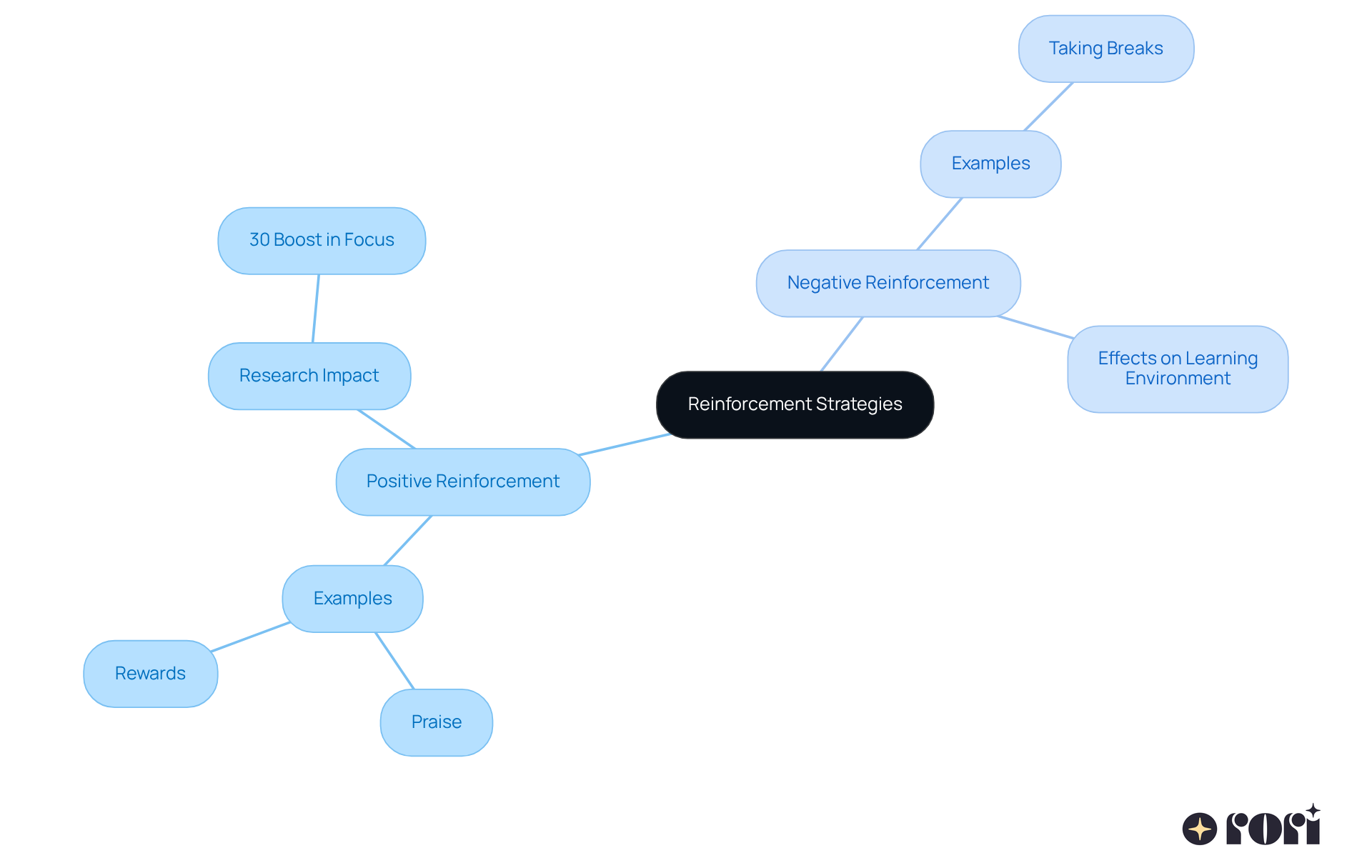
Reinforcement Strategies: Utilizing Positive and Negative Reinforcement to Address Off-Task Behavior
are essential tools for in young people, which can be categorized into two main types: positive and .
- is all about rewarding the behaviors we want to see more of. For instance, a child might receive praise or a small reward for completing a task without distractions, which helps them stay focused and engaged. Did you know that research shows when teachers use , students can boost their focus on tasks by up to 30%? This aligns perfectly with the principles of , which emphasizes personalized planning and measurable goals tailored to each child’s unique needs.
- On the flip side, involves removing an unpleasant stimulus when the desired behavior occurs. For example, if a young person gets to take a break from a less enjoyable task after showing sustained focus, this can effectively strengthen their on-task behavior. This approach not only helps reduce off task behavior examples but also fosters a more , which is particularly important for kids with Autism Spectrum Disorders, ADHD, and other behavioral challenges.
Parents are encouraged to experiment with both types of reinforcement to discover what resonates best with their children. Experts in behavior emphasize that can significantly enhance a young person’s ability to manage their focus and actions. Plus, regularly reviewing is vital for adjusting strategies to meet each child’s evolving needs. Certified in crafting these personalized plans, ensuring that caregivers have the tools and knowledge needed for effective support. By blending both positive and , parents can create a balanced approach that nurtures their child’s learning and development. Let’s explore this together!
Task Analysis: Structuring Activities to Reduce Off-Task Behavior
is a fantastic strategy that helps break down complex activities into smaller, manageable steps. It’s a core principle of , a therapy that adapts to individual needs by using the science of learning and behavior. This approach makes it easier for caregivers to in an organized way, boosting concentration and .
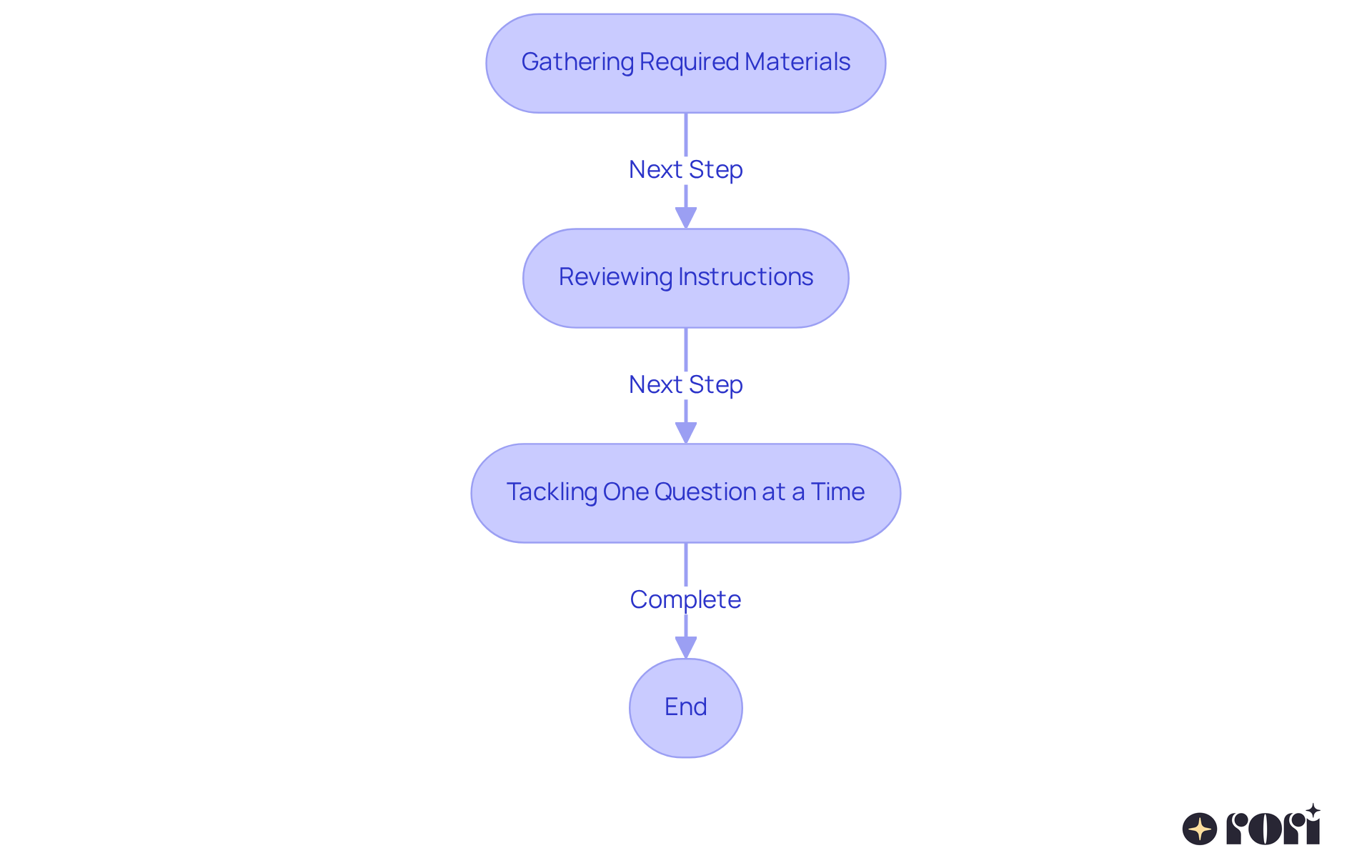
For example, when a young student has a homework assignment, guardians can lend a hand by outlining each step:
- Gathering required materials
- Reviewing the instructions
- Tackling one question at a time
Research shows that this organized method not only helps kids stay on track but also gives them a sense of accomplishment as they complete each stage. By using , parents can that encourages sustained attention and minimizes distractions, leading to .
Did you know that ? One study found that student activity jumped from 42.83% to 85.17% during intervention cycles! With about 1 in 31 kids recognized with (ASD), techniques like are essential for effectively supporting this group.
Moreover, action research projects have demonstrated how can reduce examples, showcasing its practical application in educational settings. By equipping caregivers with ABA concepts and techniques, Rori Care aims to enhance support and informed decision-making, ultimately improving behavioral outcomes for youth. Our clinical leadership group is dedicated to neurodiversity and youth success, ensuring these strategies are effectively implemented in our services. Let’s explore this together and make a difference for our kids!
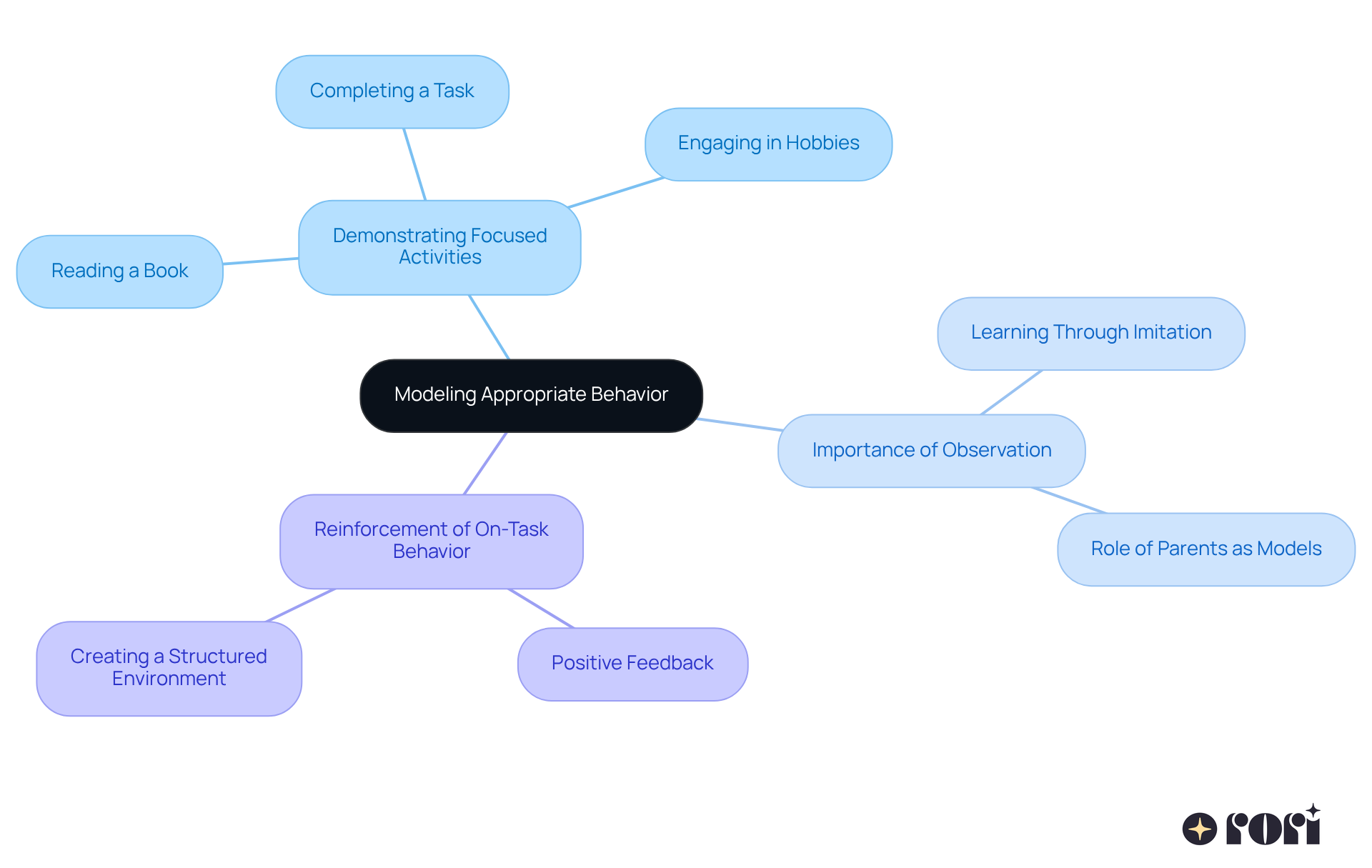
Modeling Appropriate Behavior: Demonstrating Expected Actions to Combat Off-Task Behavior
Demonstrating suitable conduct is so important for helping our little ones understand how to act in different situations. One great way parents can show is by —like reading a book or completing a task without distractions. This not only shows kids what look like but also provides them with a clear example to follow.
Research suggests that , making what parents do a key part of their ability to concentrate and engage in activities. By consistently , parents reinforce the importance of staying on task, helping their kids internalize these practices and apply them in their own lives. This approach not only aids in but also fosters a where children can truly thrive.
Let’s explore this together! Remember, every little action counts, and by being a , you’re paving the way for your child’s success!
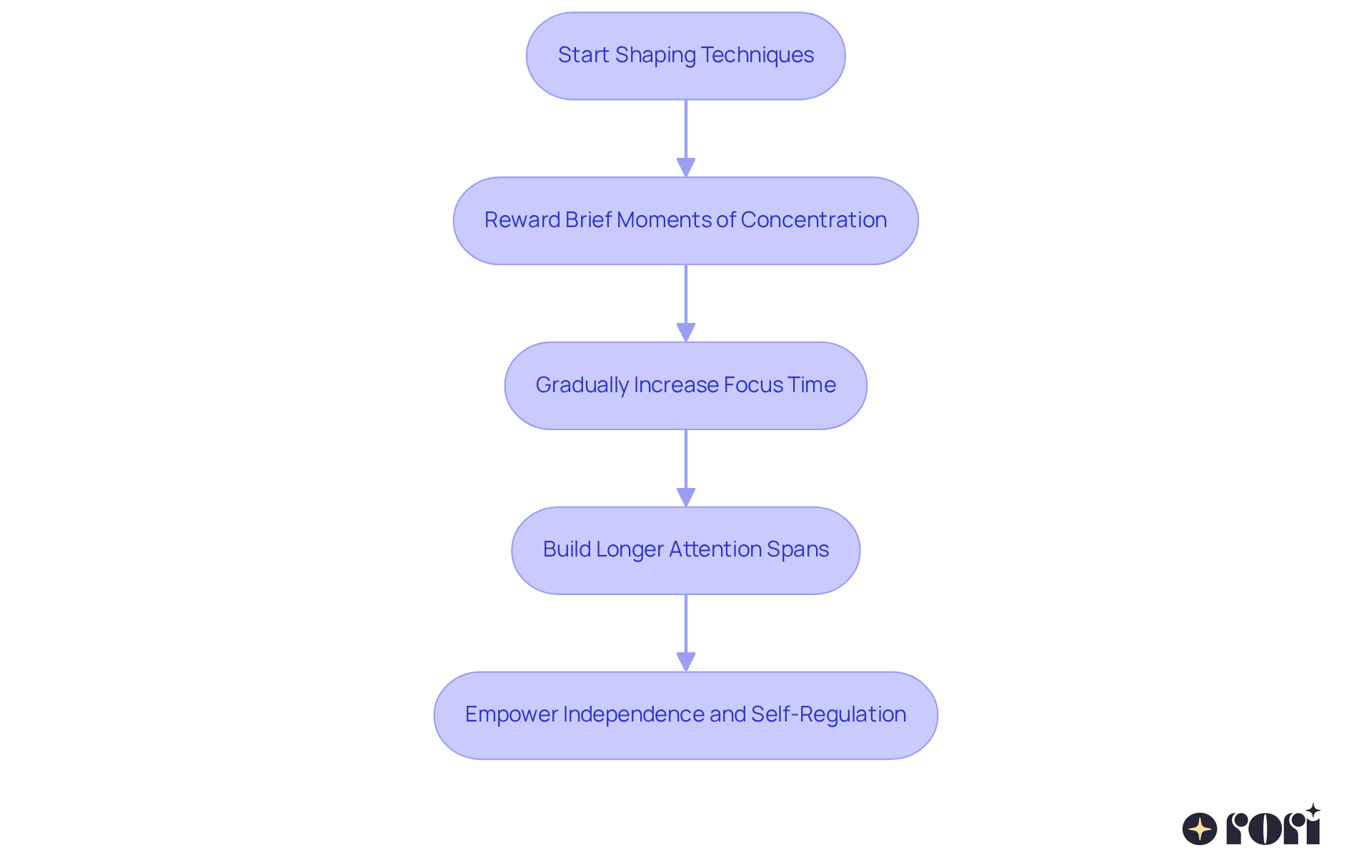
Shaping Techniques: Gradually Encouraging On-Task Behavior Through Reinforcement
Shaping techniques play a crucial role in helping kids develop the behaviors we want to see, especially regarding . For example, if your little one struggles to focus during homework, you might start by rewarding those brief moments of concentration. As they get better at it, you can gradually increase the time they focus, which helps them build longer over time.
This step-by-step approach not only boosts their confidence but also , making it easier for them to stay focused for longer periods. Research shows that consistently applying this can really improve in young people with autism, providing that lead to better academic results.
Behavior analysts highlight that this method creates a . It empowers kids to take charge of their learning journey, fostering independence and self-regulation. By embracing and applying , you can make informed choices that positively influence your child’s progress, enhancing support at home and aligning with therapeutic approaches for better .
At Rori Care, our are here to help families navigate these techniques effectively. Let’s explore this together! We invite you to to learn more about how we can support your child’s development.
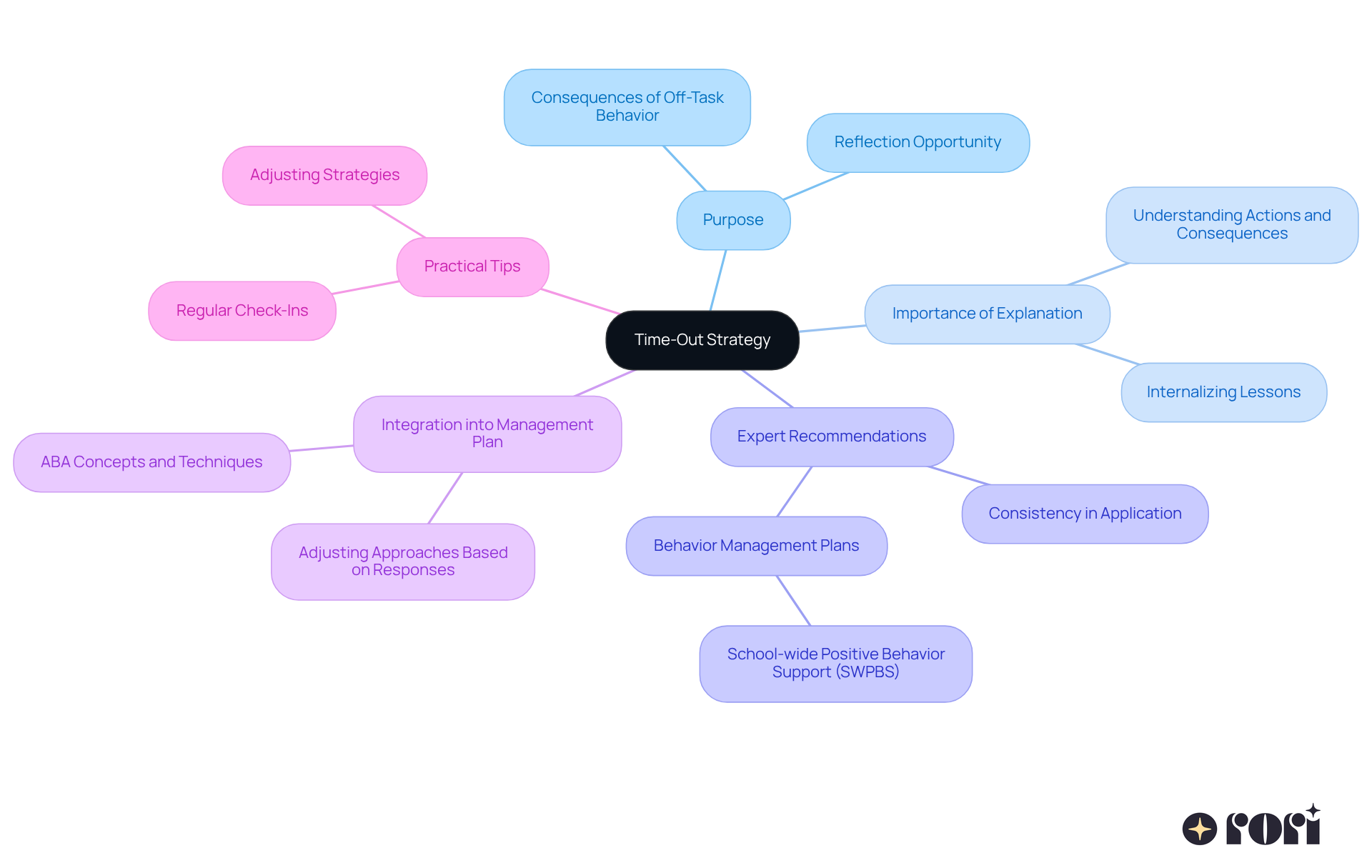
Time-Out Strategy: Implementing Consequences for Off-Task Behavior
The is a helpful tool for addressing . By temporarily stepping away from the situation, young people get a moment to think about their actions. This approach not only helps them realize that there are but also gives them a chance to reflect. Research shows that using time-outs regularly can really boost a young person’s ability to stay on track.
For the best results, it’s important for guardians to explain why a time-out is happening. When kids understand the , it helps them learn and grow. This clarity is key in helping children internalize the lessons learned during time-outs, which can lead to better .
Child development experts highlight that when caregivers consistently use this method, it can significantly reduce over time. This ultimately creates a more . Plus, studies suggest that using like time-outs can improve management practices by 62%!
To make time-outs even more effective, caregivers are encouraged to weave them into a broader , like the (SWPBS) approach. This method emphasizes the importance of consistency and support in different settings. By equipping themselves with , caregivers can make informed choices that positively impact their child’s development, leading to better behavioral outcomes and a nurturing home environment.
As a practical tip, parents should regularly check in and adjust their approach based on how their child responds. This ensures that the time-out method remains effective and continues to support their child’s growth. Let’s explore this together! We’re here to help you every step of the way!
Response Cost: Consequences for Off-Task Behavior in Classroom Settings
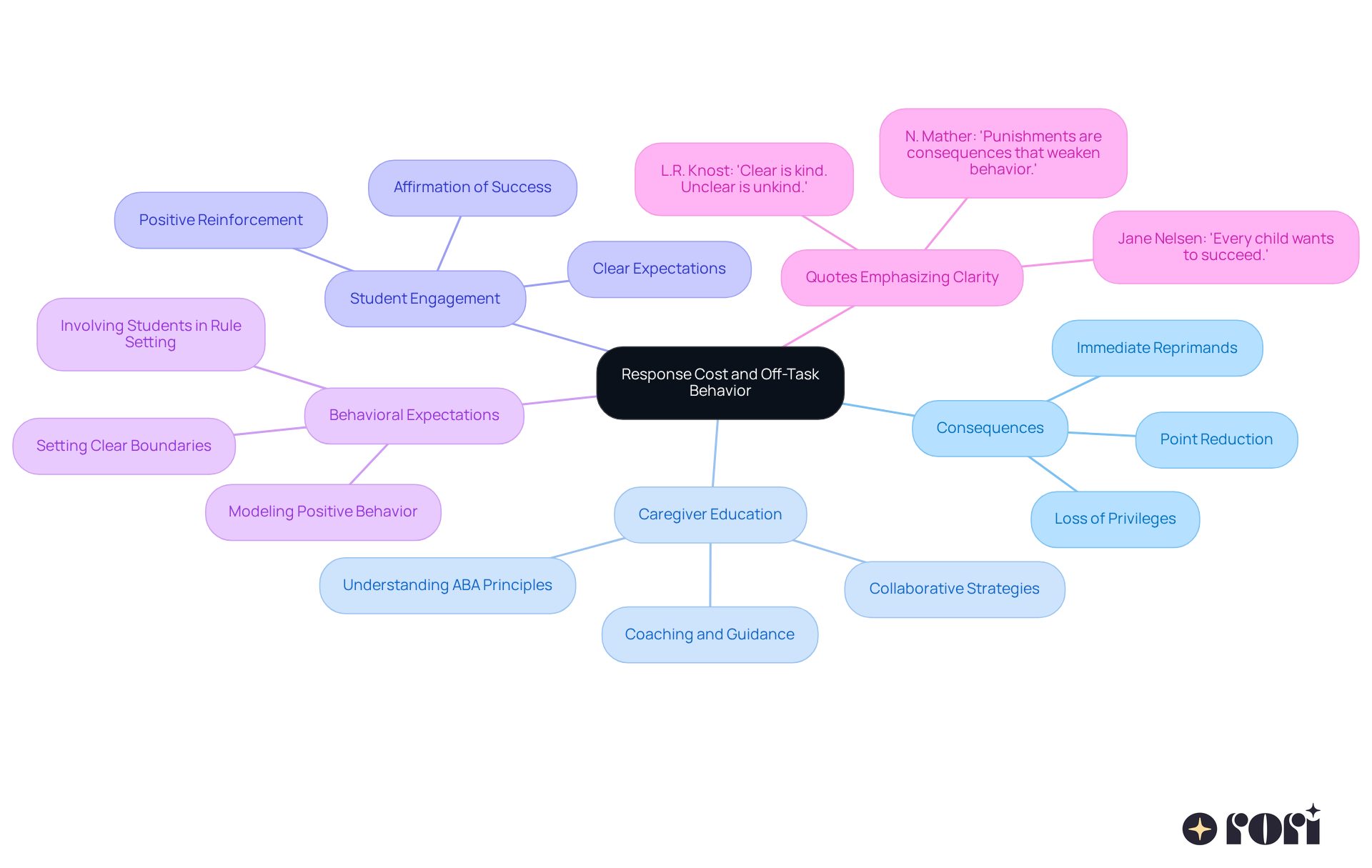
is a management strategy that involves removing a privilege or reward when occur. In educational settings, this might look like losing points or privileges for not following instructions. Research shows that having clear consequences for can really boost student engagement and compliance. For instance, a helps young individuals understand the direct link between their actions and the consequences, reinforcing the importance of staying focused.
is key here, as it gives parents the knowledge and skills they need to implement effective strategies at home. By grasping , caregivers can make informed choices that positively impact their children’s progress. Kids often want to meet expectations but may find it tough due to underdeveloped executive function, especially when they’re stressed. By collaborating with educators, parents can establish a clear system that is communicated effectively to the student. This way, young ones know what’s and the potential consequences of their actions, which helps foster a sense of accountability.
Moreover, educators emphasize that having is essential for helping young individuals succeed. As L.R. Knost wisely said, “Clear is kind. Unclear is unkind,” reminding us how important clarity is in behavioral expectations. It’s also worth noting that “Every young person wants to succeed. Every youth desires to maintain a ,” which highlights the motivations behind their actions. By combining with positive reinforcement and involving families in , parents can effectively tackle , ultimately supporting their children’s development and learning.
Setting early on is much more effective than applying consequences after issues arise. By actively engaging and aligning with therapeutic approaches, caregivers can boost their confidence, reduce stress, and improve family dynamics, leading to better behavioral outcomes for their children. Let’s explore this together!
Parent-Led ABA Solutions: Engaging Families in Addressing Off-Task Behavior
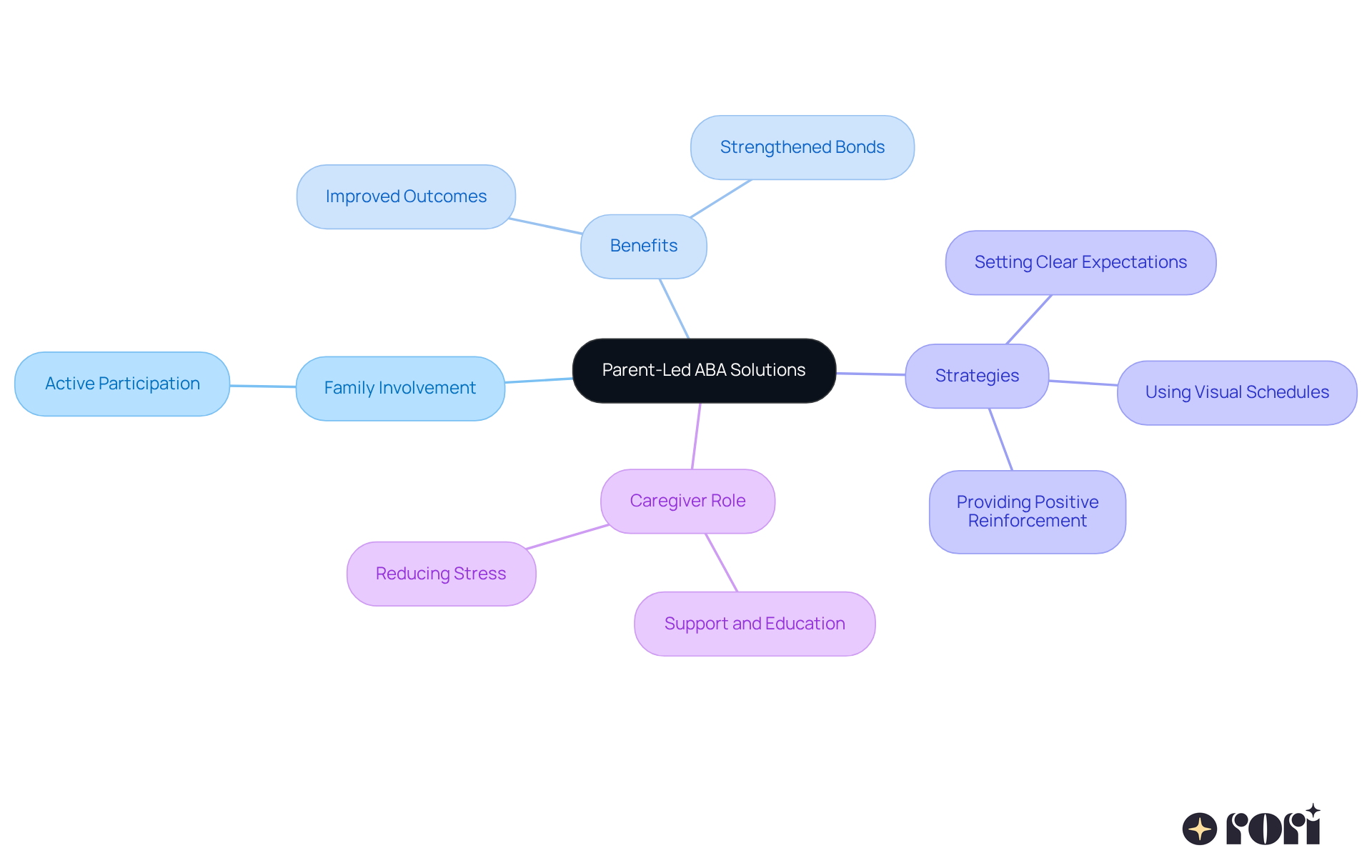
empower families to actively engage in managing . By equipping caregivers with essential resources and methods to apply ABA techniques at home, Rori Care fosters a . This partnership allows parents to work closely with clinicians, reinforcing strategies learned during therapy sessions and ensuring consistency in addressing .
Research shows that significantly enhances , leading to improved emotional and behavioral strengths in children. In fact, studies reveal that 90% of individuals make notable progress when the recommended hours of Applied Behavior Analysis therapy are fully implemented with active caregiver participation. Plus, this involvement not only benefits the child but also strengthens the parent-child bond, creating a nurturing environment where both can flourish.
The is crucial; their engagement plays a vital part in achieving lasting behavioral improvements. To support this journey, caregivers can adopt , like:
- Using visual schedules
- Providing
The boost parents’ confidence in their ability to support their child, ultimately reducing stress and enhancing overall family dynamics. Let’s explore this together!
Conclusion
Understanding and managing off-task behavior in children is so important for their development and success! This article shares some great strategies that parents can try, like the 4:1 technique, reinforcement methods, task analysis, and modeling appropriate behavior. Each of these approaches highlights the need for personalized interventions tailored to each child’s unique needs, leading to better focus and engagement.
Key insights include:
- How positive reinforcement can encourage desired behaviors
- The effectiveness of structured activities in reducing distractions
- The vital role caregivers play in reinforcing therapeutic strategies at home
By recognizing and addressing off-task behaviors with clear identification and targeted interventions, parents can create a nurturing environment that promotes learning and growth.
Managing off-task behavior is truly a collaborative effort that requires dedication and understanding. By embracing these strategies and actively participating in their child’s therapeutic journey, parents can significantly boost their child’s ability to stay on task. Not only do these methods support individual development, but they also strengthen family dynamics, paving the way for a more positive and engaged learning experience. So, let’s explore these techniques together and invest in our children’s future success!
Frequently Asked Questions
What is Rori Care’s approach to ABA therapy?
Rori Care employs a data-driven approach to Applied Behavior Analysis (ABA) therapy, focusing on personalized strategies tailored to each child’s unique needs, guided by dedicated healthcare professionals.
How does Rori Care identify off-task behaviors?
Rori Care conducts comprehensive assessments to uncover examples of off-task behavior and their root causes, which helps pave the way for tailored interventions.
What benefits does early intensive behavioral intervention provide?
Studies show that children receiving early intensive behavioral intervention grounded in ABA principles experience significant improvements in cognitive, language, and daily living skills, especially when therapy begins before age 2.
How does ABA therapy help children aged 2 to 6?
For children aged 2 to 6, ABA therapy can enhance readiness for mainstream preschool, highlighting the value of personalized support in autism treatment.
What technology does Rori Care use to enhance therapy?
Rori Care blends customized therapy with cutting-edge AI technology to monitor progress and generate reports, allowing for more time dedicated to treatment.
What is the success rate of ABA therapy for autism spectrum disorder?
ABA therapy boasts an impressive 89% success rate in treating autism spectrum disorder in children, underscoring the importance of tailored interventions and caregiver education.
What is the 4:1 technique in behavior management?
The 4:1 technique encourages parents to deliver four instances of positive praise for every one instance of corrective feedback, fostering a positive atmosphere and reducing distractions.
How can parents implement the 4:1 technique effectively?
Parents can adopt the 4:1 technique by consistently recognizing their children’s achievements, no matter how small, which helps develop self-regulation skills crucial for academic success.
What common off-task behaviors should caregivers identify?
Common off-task behaviors include daydreaming, fidgeting, and becoming engaged in unrelated activities during tasks.
How can caregivers enhance their child’s engagement and focus?
Caregivers can use personalized methods like positive reinforcement and visual aids, such as visual schedules, to create an organized environment that promotes focused behavior.
What role do skilled specialists play in behavior management?
Skilled specialists help craft personalized plans that ensure strategies are evidence-based and tailored to each child’s specific needs, fostering positive changes and skill development.
List of Sources
- Rori Care – ABA Therapy: Personalized Strategies for Off-Task Behavior Management
- Resources | Golden Steps ABA (https://goldenstepsaba.com/resources/success-rates-of-aba-therapy)
- The Numbers Don’t Lie: Revealing Autism Therapy Statistics | Above and Beyond Therapy (https://abtaba.com/blog/autism-therapy-statistics)
- The Significance of Statistics in ABA Therapy | All Star ABA (https://allstaraba.org/statistics-in-aba-therapy)
- What Are ABA Therapy Quotes? Understanding Their Role and Importance – Rori Blog (https://rori.care/post/what-are-aba-therapy-quotes-understanding-their-role-and-importance)
- The Impact of ABA Therapy on Long-Term Outcomes for Children with Autism (https://supportivecareaba.com/statistics/the-impact-of-aba-therapy-on-long-term-outcomes-for-children-with-autism)
- 4:1 Technique: Balancing Positive Praise to Minimize Off-Task Behavior
- 10 Great Quotes on Promoting Positive Behavior – Brookes Blog (https://blog.brookespublishing.com/10-great-quotes-on-promoting-positive-behavior)
- microcredentials.digitalpromise.org (https://microcredentials.digitalpromise.org/explore/using-the-41-technique-to-decrease-off-task-behavi)
- Target Behavior Identification: Defining and Addressing Off-Task Actions
- Data and Statistics on Autism Spectrum Disorder (https://cdc.gov/autism/data-research)
- Prevalence and Early Identification of Autism Spectrum … (https://cdc.gov/mmwr/volumes/74/ss/ss7402a1.htm)
- Inspirational ABA and Autism Quotes – Mrs. Moe’s Modifications (https://mrsmoesmodifications.com/inspirational-aba-and-autism-quotes)
- Reinforcement Strategies: Utilizing Positive and Negative Reinforcement to Address Off-Task Behavior
- Inspirational ABA and Autism Quotes – Mrs. Moe’s Modifications (https://mrsmoesmodifications.com/inspirational-aba-and-autism-quotes)
- dogbehaviorist.com (https://dogbehaviorist.com/2023/08/26/why-positive-reinforcement-is-best-for-dog-training)
- Effective Positive Reinforcement in Schools – Veracross (https://veracross.com/resources/positive-reinforcement-classroom)
- 10 Great Quotes on Promoting Positive Behavior – Brookes Blog (https://blog.brookespublishing.com/10-great-quotes-on-promoting-positive-behavior)
- azquotes.com (https://azquotes.com/quotes/topics/behaviorism.html)
- Task Analysis: Structuring Activities to Reduce Off-Task Behavior
- researchgate.net (https://researchgate.net/publication/336875141_Reducing_off_-Task_Behaviors_Using_an_Action_Research_Method_with_One-Case_Study)
- The use of visual schedules to increase academic-related on-task behaviors of individuals with autism: a literature review (https://tandfonline.com/doi/full/10.1080/20473869.2024.2402124)
- Data and Statistics on Autism Spectrum Disorder (https://cdc.gov/autism/data-research)
- Inspiring Quotes on Child Learning and Development (https://vincegowmon.com/inspiring-quotes-on-child-learning-and-development)
- Modeling Appropriate Behavior: Demonstrating Expected Actions to Combat Off-Task Behavior
- study.com (https://study.com/academy/lesson/modeling-appropriate-social-interactions-for-children.html)
- researchgate.net (https://researchgate.net/publication/305497694_The_effects_of_video_modeling_in_teaching_functional_living_skills_to_persons_with_ASD_A_meta-analysis_of_single-case_studies)
- Shaping Techniques: Gradually Encouraging On-Task Behavior Through Reinforcement
- Inspirational ABA and Autism Quotes – Mrs. Moe’s Modifications (https://mrsmoesmodifications.com/inspirational-aba-and-autism-quotes)
- kidsfirstservices.com (https://kidsfirstservices.com/first-insights/the-role-of-reinforcement-in-aba-therapy)
- inclusiveaba.com (https://inclusiveaba.com/blog/positive-reinforcement-in-aba-therapy)
- rori.care (https://rori.care/post/7-shaping-in-aba-examples-for-effective-behavior-change)
- link.springer.com (https://link.springer.com/rwe/10.1007/978-3-319-91280-6_136)
- Time-Out Strategy: Implementing Consequences for Off-Task Behavior
- researchgate.net (https://researchgate.net/publication/258174594_The_Effects_of_Prompting_Appropriate_Behavior_on_the_Off-Task_Behavior_of_Two_Middle_School_Students)
- Response Cost: Consequences for Off-Task Behavior in Classroom Settings
- 5 Meaningful Teacher Quotes to Live By – Miss Behavior (https://missbehaviorblog.com/behavior-quotes-to-live-by)
- ybgr.org (https://ybgr.org/17-quotes-on-coaching-kids-through-behaviors)
- 10 Great Quotes on Promoting Positive Behavior – Brookes Blog (https://blog.brookespublishing.com/10-great-quotes-on-promoting-positive-behavior)
- nyu.edu (https://nyu.edu/about/news-publications/news/2015/january/disruptive-children-benefit-from-tailored-classroom-intervention.html)
- ldonline.org (https://ldonline.org/ld-topics/classroom-management/behavior-modification-classroom)
- Parent-Led ABA Solutions: Engaging Families in Addressing Off-Task Behavior
- 8 Meaningful Autism Quotes for Parents’ Support (https://graciousgrowthaba.com/8-meaningful-autism-quotes-for-parents-support)
- youth.gov (https://youth.gov/youth-topics/family-engagement/impact)
- 20 Inspiring Quotes About Autism Every Parent Must Read Today (https://circlecareservices.com/20-quotes-about-autism-and-parenting)
- rori.care (https://rori.care/post/10-positive-proud-autism-quotes-to-inspire-and-empower-parents)