

Introduction
Nurturing social growth in children with Autism Spectrum Disorder (ASD) is both vital and challenging. As parents and caregivers, you might often feel overwhelmed by the task at hand. But with effective strategies, you can significantly enhance your child’s social skills and emotional well-being.
In this article, we’ll explore ten impactful methods that not only support social development but also foster a sense of community and belonging among peers. 🌟 But what happens when traditional approaches just don’t seem to work? Are there innovative techniques that can bridge the gap and help every child thrive socially?
Let’s dive in together and discover how we can make a difference!
Rori Care – ABA Therapy: Personalized Group Therapy for Social Growth
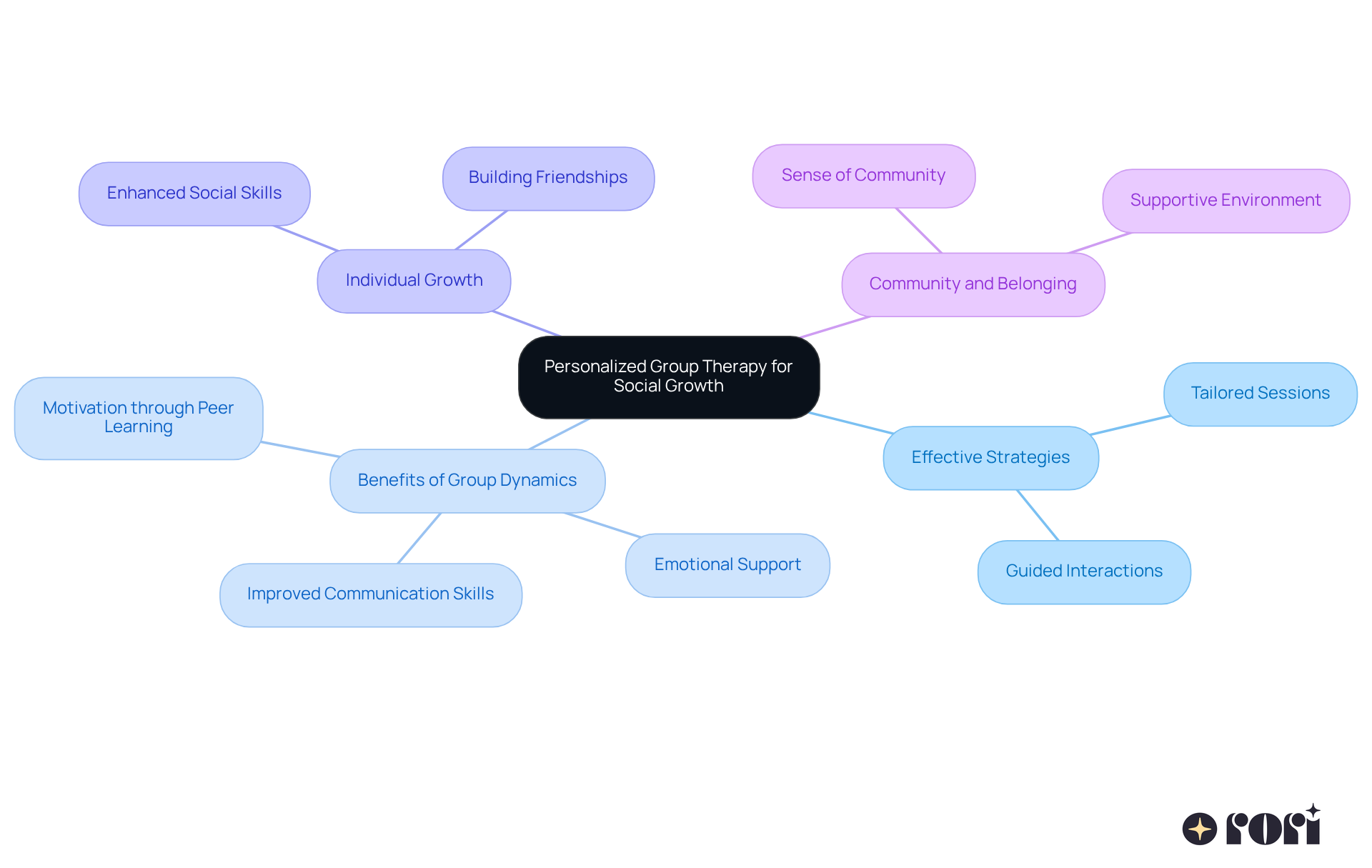
At Rori Care, we take a , focusing on for in children with ASD through to enhance interactions among children with autism. By tailoring each session to meet the unique needs of every child, our practitioners create a warm and supportive environment where can flourish through guided interactions. This not only promotes individual growth but also among peers, which is so important for their overall development.
You might be surprised to learn that kids who participate in group sessions often experience . It really highlights how valuable can be! Plus, experts agree that these group dynamics can provide , as children learn from one another and build meaningful friendships.
Overall, integrating personalized into ABA practices represents one of the for in children with ASD through group therapy. Let’s explore this together and see how it can make a difference for your child!
PEERS Program at UCLA: Evidence-Based Social Skills Training
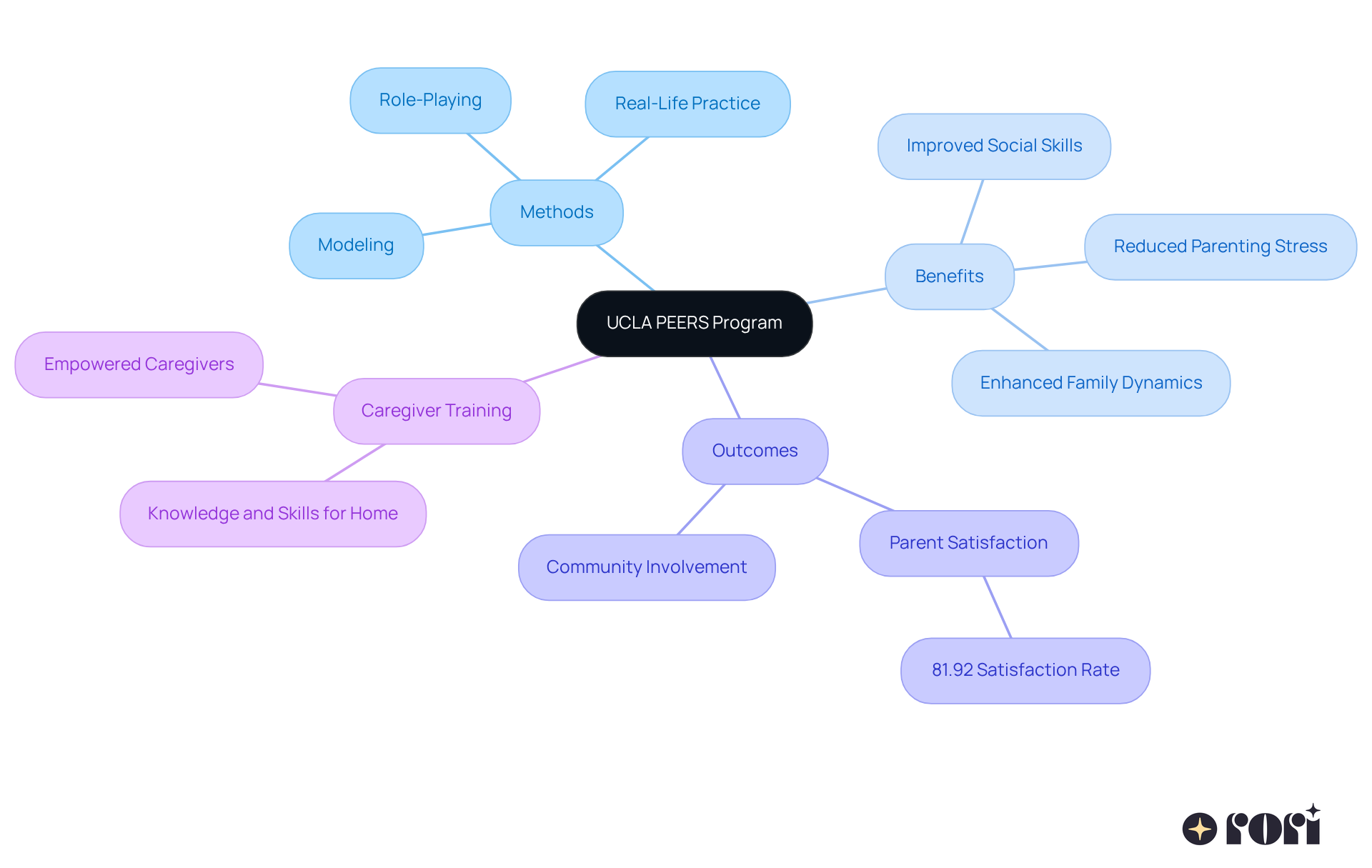
The UCLA PEERS program is a fantastic, that utilizes , specifically designed for teenagers and young adults with autism. It takes a structured approach, using role-playing, modeling, and real-life practice as to teach those all-important interpersonal skills. Participants learn [effective strategies for supporting social growth in children with ASD through group therapy](https://rori.care/services), such as , , and .
Research shows that this comprehensive method is among the effective strategies for supporting social growth in children with ASD through group therapy, leading to . In fact, a identified effective strategies for supporting social growth in children with ASD through group therapy, showing moderate to large effects in interpersonal knowledge improvement. Over 50% of parents reported noticeable advancements in their children’s interaction abilities after participating in the program that utilizes effective strategies for supporting social growth in children with ASD through group therapy. Isn’t that encouraging?
But that’s not all! The PEERS program has also been linked to effective strategies for supporting social growth in children with ASD through group therapy, as it contributes to reduced parenting stress and improved family dynamics, highlighting its holistic benefits. With a parent satisfaction rate of 81.92%, it truly stands out as a top choice for implementing in children with ASD through group therapy.
is one of the effective strategies for supporting social growth in children with ASD through group therapy. It equips caregivers with the knowledge and skills they need to utilize effective strategies for supporting social growth in children with ASD through group therapy at home. This informed decision-making boosts the overall effectiveness of the PEERS program, which focuses on effective strategies for supporting social growth in children with ASD through group therapy, leading to better behavioral outcomes and empowered caregivers.
As Yichao Cheng beautifully put it, “The primary aim of PEERS is to apply effective strategies for supporting social growth in children with ASD through group therapy, which include enhancing the understanding of interpersonal abilities of adolescents with autism, increasing their involvement in community activities, improving the quality of their friendships, enhancing their psychological well-being, and better adjusting to communal life.” Let’s explore this together!
The ATG Approach: Compassionate Techniques for Social Skill Development
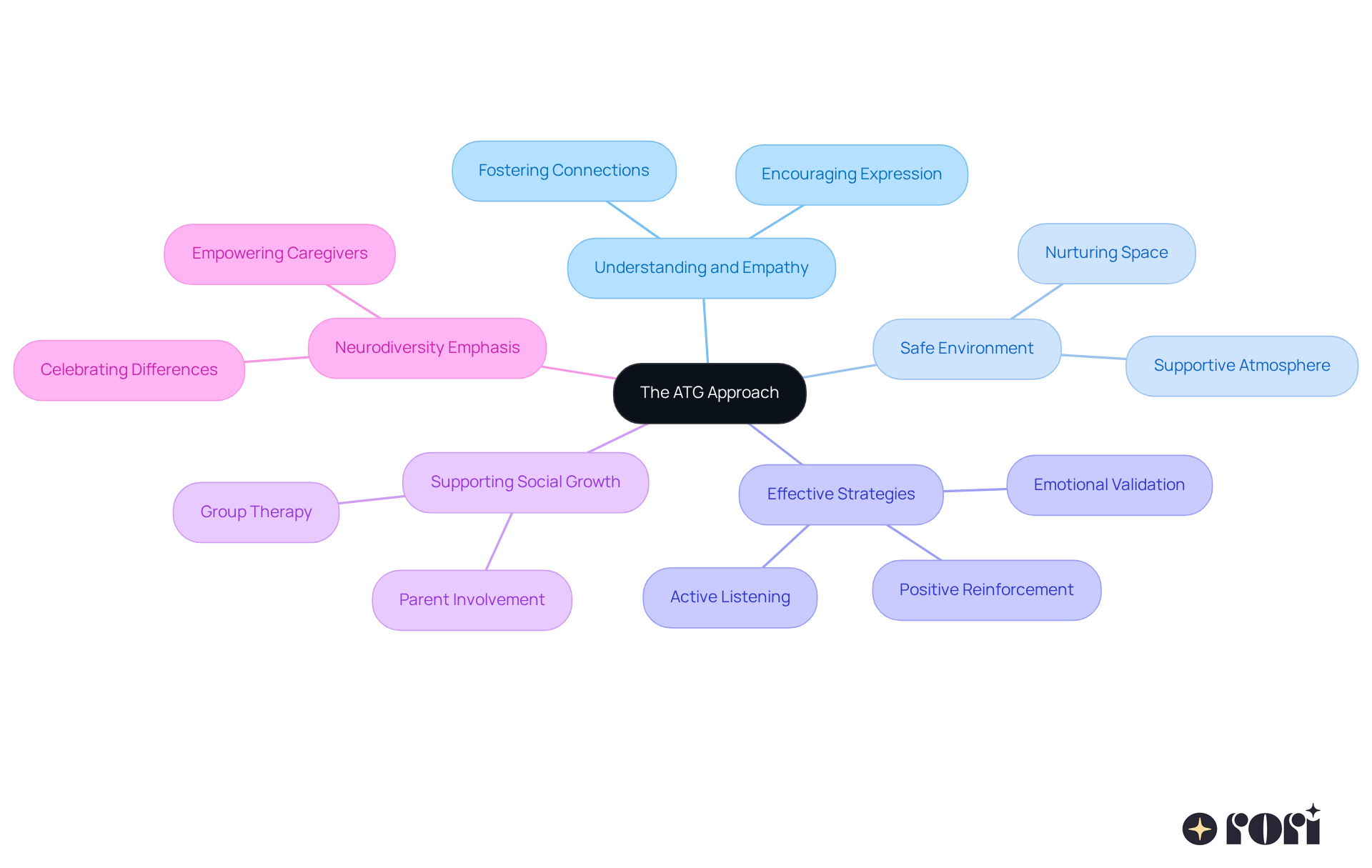
The ATG approach really shines when it comes to . By creating a safe and nurturing environment, young people feel encouraged to share their thoughts and connect with others. This program incorporates , making it a fantastic fit for those with Autism Spectrum Disorders, ADHD, Communication Disorders, and Anxiety Disorders, as well as anyone looking to boost their interpersonal skills and confidence.
Imagine a space where , including:
help kids navigate their interactions more smoothly. involves effective strategies for ! Rori Care’s clinical leadership team is dedicated to embracing neurodiversity and supporting youth success. They empower caregivers with , ensuring that parents can actively participate in their children’s behavioral goals through involvement and data collection.
Let’s explore this together! If you’re looking for ways to support your child, remember that you’re not alone on this journey.
Art Therapy: Fostering Emotional and Social Skills in Group Settings
Art therapy is one of the effective strategies for supporting through group therapy, helping them . When children dive into , they get to collaborate and communicate, which builds those all-important connections with others. Through art, they can express feelings that might be tough to put into words, helping them manage their emotions and interact better with their peers.
This approach not only sparks creativity but also fosters a sense of belonging among friends, . Research shows that can lead to real improvements in social skills, like , which enhances overall communication abilities. Isn’t that amazing? Kids who participate in art therapy often show significant growth in understanding nonverbal cues and engaging with others, highlighting just how impactful this can be for their social development.
Plus, when art therapy is combined with other services from Rori Care, like and , it creates a supportive network that implements effective strategies for supporting through group therapy, encouraging their emotional well-being. Let’s explore this together and see how we can make a difference!

ABA Therapy: Structured Interventions for Social Skill Enhancement
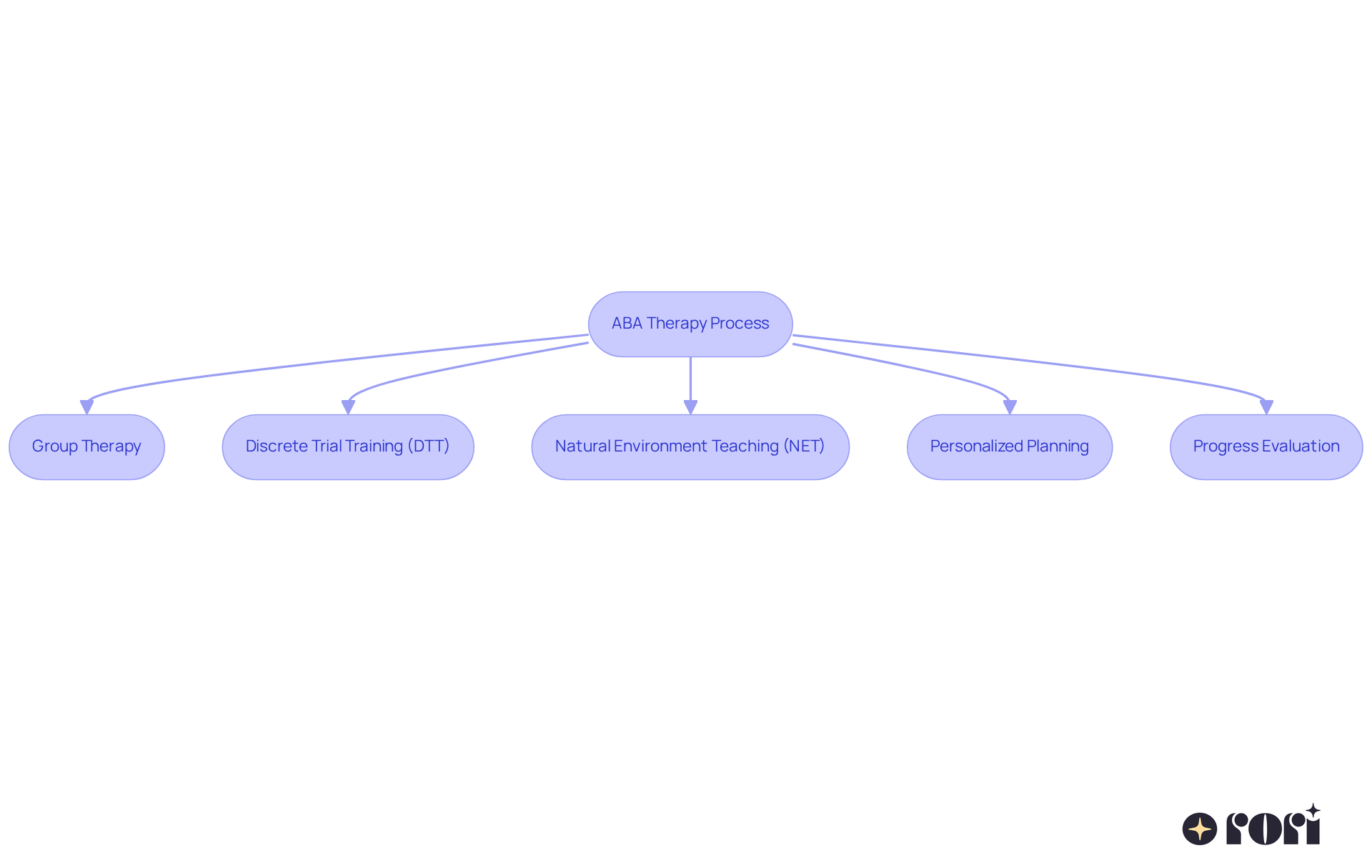
ABA therapy utilizes to significantly improve their social skills. Techniques like (DTT) and are considered by teaching specific social behaviors in a structured way. By breaking down these skills into bite-sized pieces and providing consistent encouragement, kids can learn effective strategies for supporting social growth in children with asd through group therapy, which leads to more positive interactions with their peers.
At Rori Care, we focus on . Each behavioral plan is and goals of your child. Research shows that about 90% of kids who go through intensive ABA therapy see , which really highlights how effective DTT can be. Our that give you a transparent way to track progress. Plus, we use to ensure we’re applying the best methods for behavior change.
We’re always evaluating and adjusting treatment plans based on progress reports to make sure we’re optimizing outcomes. Specialists agree that effective strategies for supporting social growth in children with asd through group therapy often lead to , which are essential for building meaningful relationships.
Let’s explore this together! If you have any questions or want to share your experiences, we’re here to help you every step of the way!
Peer-Mediated Interventions: Enhancing Social Interaction in Groups
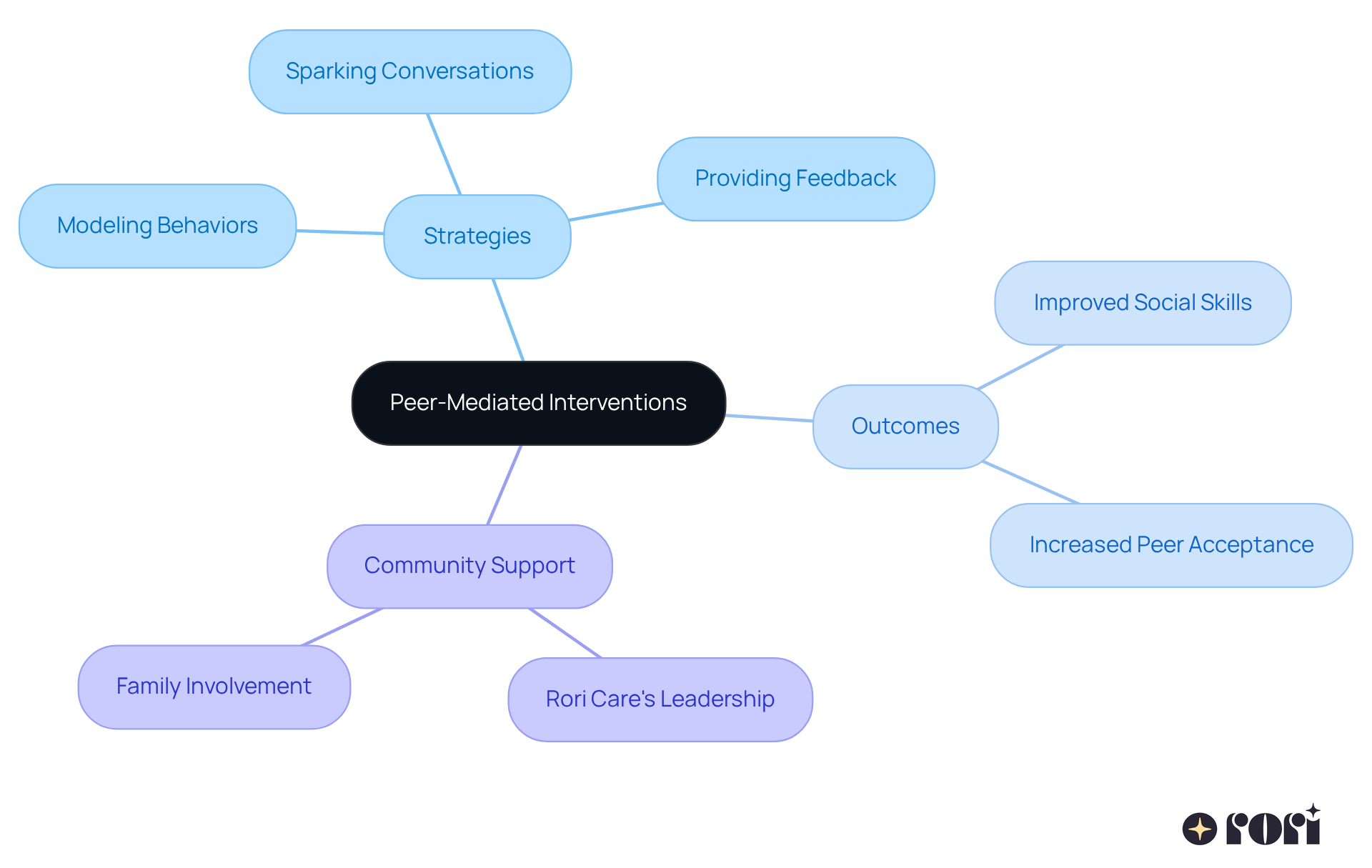
Peer-mediated interventions focus on teaching typically developing peers during their interactions with individuals with autism. This creates a friendly atmosphere that encourages engagement and connection. Imagine kids learning , where their peers model appropriate behaviors, spark conversations, and provide constructive feedback.
Research shows that can significantly . For instance, studies have found an impressive effect size of 0.78 in improving interpersonal competence. That’s a big deal! It highlights how effective these approaches can be in helping kids form .
By empowering peers to engage with youth on the spectrum, these interventions promote [effective strategies for supporting social growth in children with asd through group therapy](https://rori.care/post/10-essential-aba-therapy-resources-for-parents-of-children-with-autism) and nurture a sense of belonging within the community. The , with their extensive experience in ABA support and , actively supports these initiatives. They ensure families are equipped to foster their children’s growth.
As Brian Reichow puts it, “Thus, the use of under the age of five is strongly supported by empirical research.” Let’s explore this together! We’re here to !
Creating Autism-Friendly Environments: Essential for Group Therapy Success
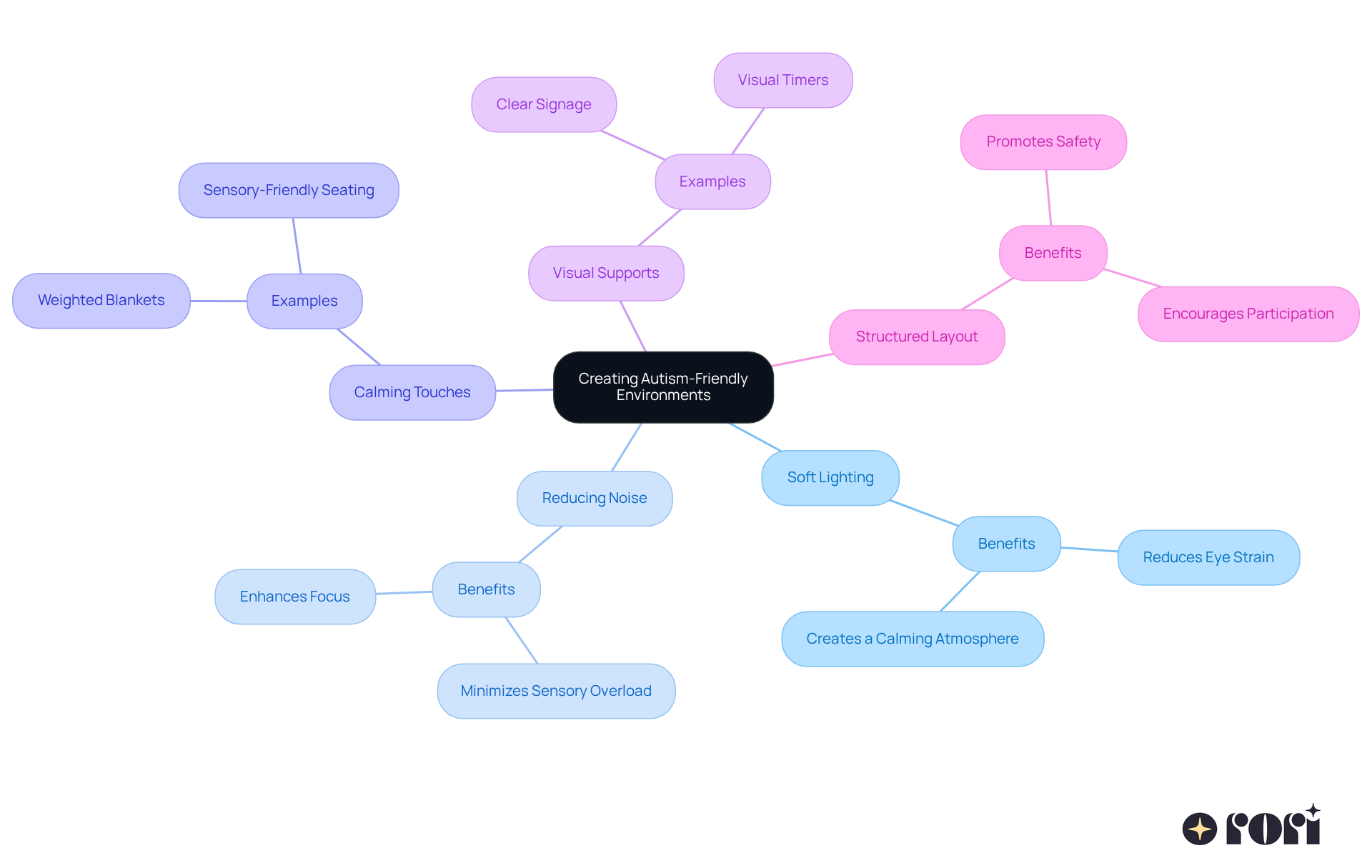
Creating autism-friendly spaces is so important for making successful! It’s all about , which can really make it tough for kids to participate and engage. Research shows that when we design with the unique needs of individuals with autism in mind, it can really boost their comfort and focus during therapy.
Think about it: using soft lighting, cutting down on background noise, and adding like weighted blankets or sensory-friendly seating can make a world of difference. Plus, having and a helps kids feel safe and know what to expect, which encourages them to join in. By tailoring the physical space to meet , therapists can implement in children with ASD through group therapy, thereby enhancing engagement and interpersonal growth.
Let’s explore this together! By making these adjustments, we’re not just creating a comfortable environment; we’re opening doors for and development.
Technology-Enhanced Strategies: Innovating Social Skills Development
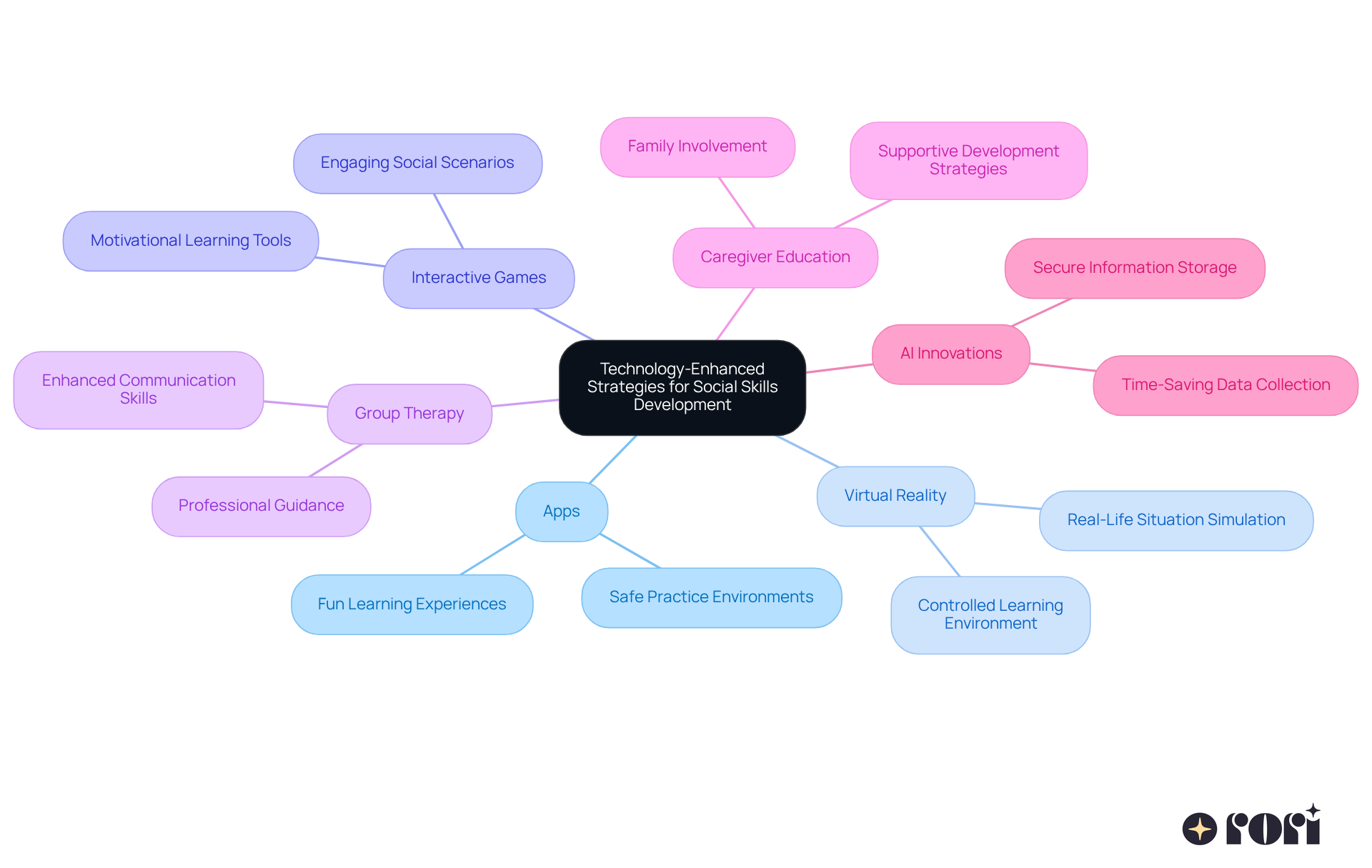
Technology-enhanced approaches are really changing the game for kids with autism when it comes to developing . Think about it: apps, virtual reality, and interactive games offer fun ways for kids to practice their social interactions. These tools can mimic real-life situations, giving youngsters a safe space to learn and grow their interpersonal abilities.
And it doesn’t stop there! The , led by trained professionals, exemplify through , significantly enhancing how individuals interact and communicate in a group. This not only helps them become more competent but also by implementing through . Plus, when families get involved through , they can support their kids’ development in meaningful ways.
Now, let’s talk about some exciting innovations! The integration of in ABA practice means that data collection during clinical sessions is a breeze. This ensures that information is stored securely and anonymously. The best part? It frees up 50% more time for youth treatment, making care even more effective.
So, if you’re a parent looking for ways to support your child, these resources are definitely worth exploring. Let’s navigate this journey together!
Family Involvement: Strengthening Social Growth Through Support
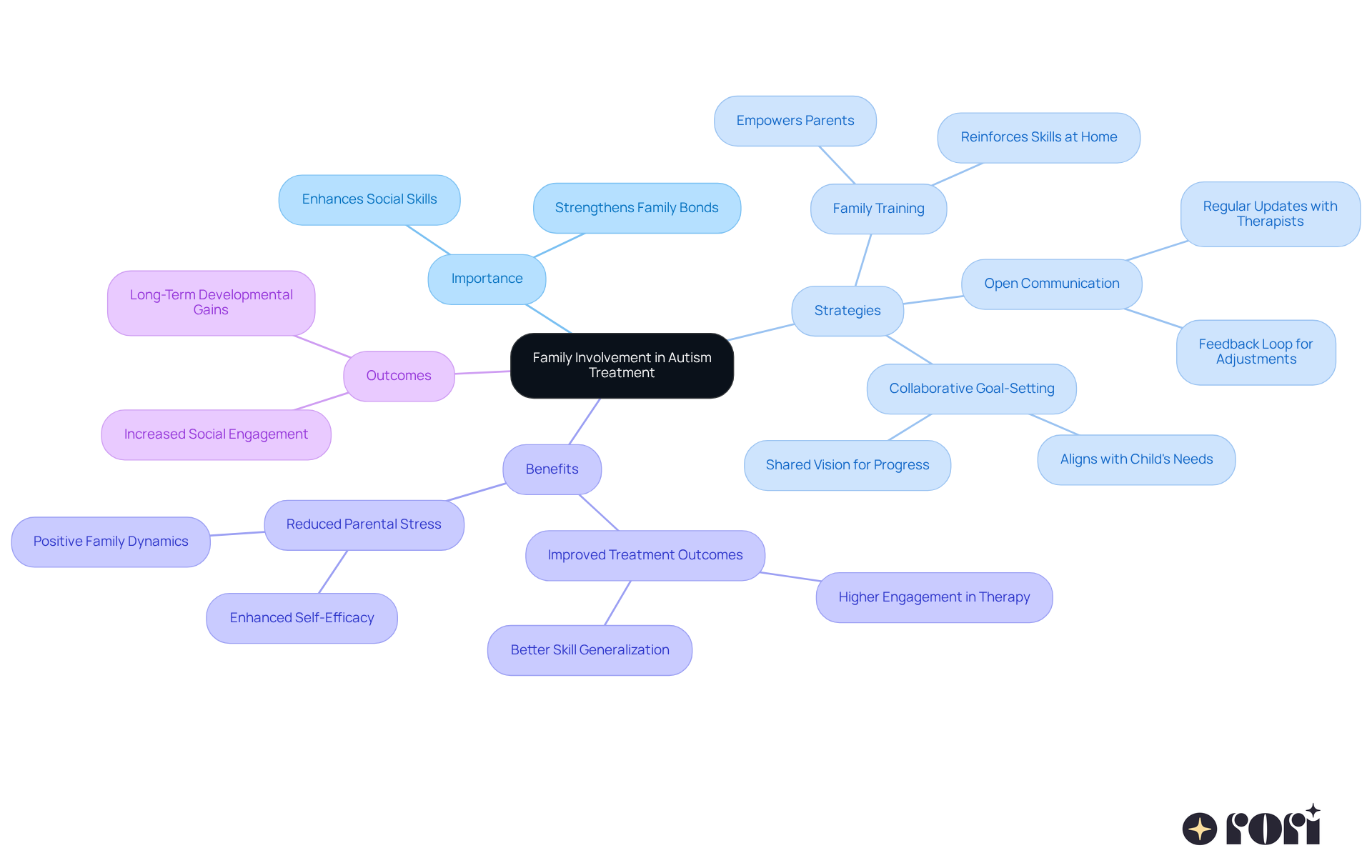
is so important for effective autism treatment, especially when it comes to helping kids develop their . When families get involved in therapy sessions and practice what they learn at home, children are more likely to use their social abilities in different settings. Research shows that when parents take part, not only do treatment outcomes improve, but it also helps . This creates a positive cycle that benefits the whole family!
Strategies like can really empower parents to support their child’s growth effectively. Plus, with therapists ensures that the interventions are tailored to each child’s unique needs. also helps everyone share a vision for progress. By implementing for supporting social growth in children with asd through group therapy, families can create a that significantly boosts their child’s and overall development.
Let’s explore this together! can make a world of difference!
Structured Social Activities: Facilitating Emotional Regulation and Social Competence
Organized interactions are crucial for implementing effective strategies for , as they help kids with autism, ADHD, and Social Communication Disorders and improve their . This program is designed for individuals of all ages who find it tough to navigate social situations, giving them the tools they need to and confidence.
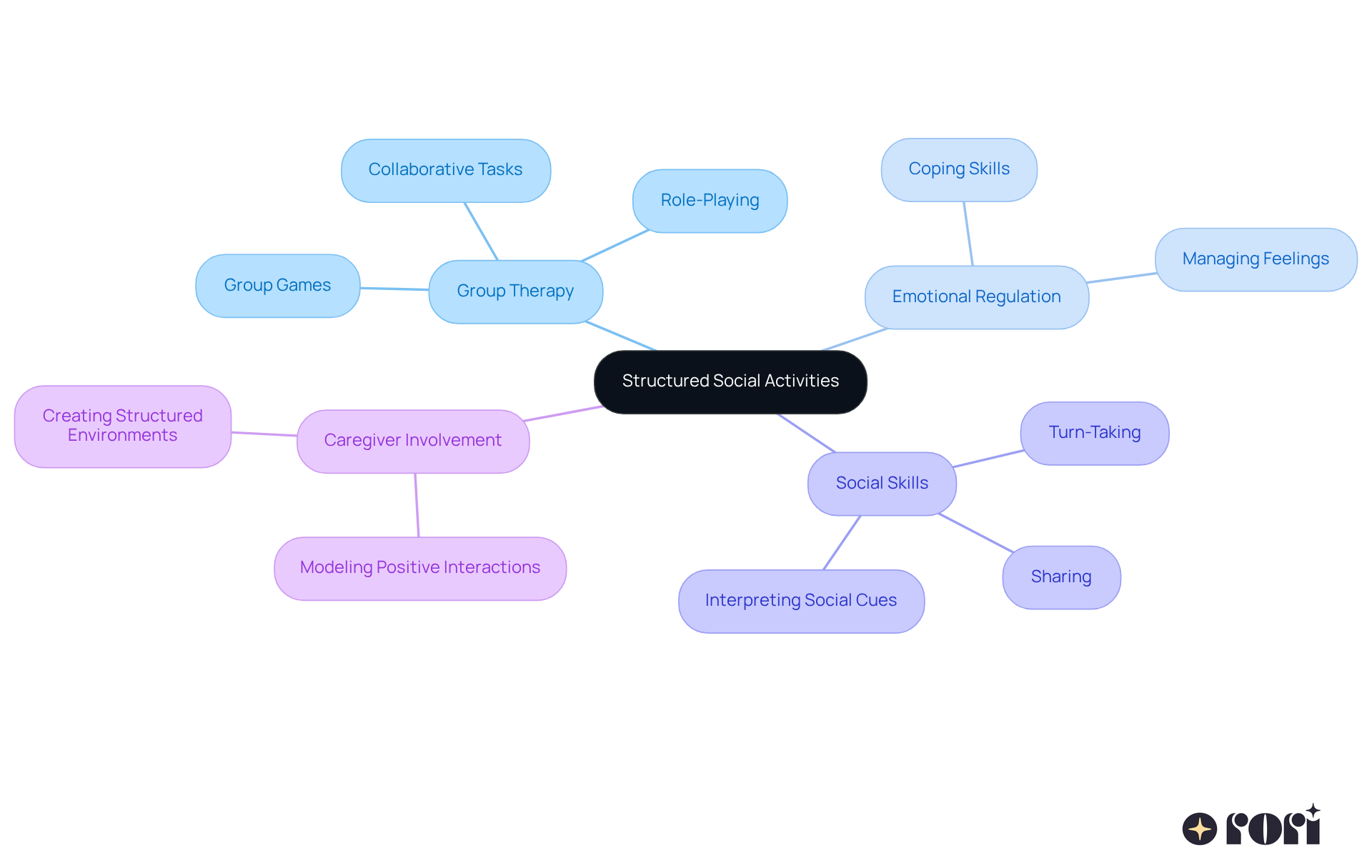
Think about it: activities like group games, role-playing, and collaborative tasks serve as in children with ASD through group therapy by creating a safe space for kids to practice their . In these structured environments, young ones learn to regulate their emotions, pick up on social cues, and build , utilizing effective strategies for . This not only leads to better social interactions but also supports their emotional well-being.
At Rori Care, our clinical leadership team is made up of passionate professionals who are dedicated to neurodiversity. They play a key role in guiding these activities and empowering caregivers with . This way, caregivers can actively support their loved ones’ behavioral goals through involvement and data collection.
And here’s a thought for parents: you can encourage your children to practice these skills at home! Setting up similar can reinforce what they learn during therapy. Let’s explore this together! We’re here to !
Conclusion
Supporting social growth in children with Autism Spectrum Disorder (ASD) is quite the journey, isn’t it? It’s a blend of personalized interventions, community involvement, and some innovative strategies. By focusing on tailored group therapy approaches, like those offered by Rori Care, families can nurture essential social skills in a warm environment. This not only helps individual development but also strengthens peer connections.
Throughout this article, we’ve highlighted some effective strategies, including:
- The UCLA PEERS program
- The ATG approach
- Art therapy
- The integration of technology
Each of these methods shows real promise in improving social interactions, emotional regulation, and overall well-being for children with ASD. And let’s not forget the vital role of family involvement! When caregivers actively participate in therapy, they create a supportive atmosphere that really amplifies positive outcomes.
Ultimately, it’s clear that implementing structured, compassionate, and innovative strategies for social growth in children with ASD is essential. By embracing these approaches, parents, caregivers, and practitioners can come together to cultivate a brighter future for children on the spectrum. This collective effort not only empowers the children but also enriches our community, fostering inclusivity and understanding.
So, let’s take action today! Together, we can explore and implement these strategies for a more connected world. We’re here to help you every step of the way!
Frequently Asked Questions
What is Rori Care’s approach to ABA therapy?
Rori Care takes a personalized approach to ABA therapy, focusing on effective strategies for supporting social growth in children with Autism Spectrum Disorder (ASD) through group therapy. Each session is tailored to meet the unique needs of every child, promoting social skill development in a warm and supportive environment.
How does group therapy benefit children with ASD at Rori Care?
Group therapy at Rori Care enhances interactions among children with ASD, leading to significant improvements in their communication and social skills. It fosters a sense of community and belonging, providing emotional support and motivation as children learn from each other and build friendships.
What is the PEERS program at UCLA?
The PEERS program at UCLA is an evidence-based social skills training intervention designed for teenagers and young adults with autism. It employs structured techniques such as role-playing, modeling, and real-life practice to teach essential interpersonal skills.
What improvements have been observed from the PEERS program?
Research indicates that the PEERS program leads to significant improvements in community involvement and peer relationships. Over 50% of parents reported noticeable advancements in their children’s interaction abilities after participation, along with reduced parenting stress and improved family dynamics.
How does caregiver training enhance the effectiveness of the PEERS program?
Caregiver training equips parents with the knowledge and skills to implement effective strategies for supporting their children’s social growth at home. This informed approach boosts the overall effectiveness of the PEERS program, leading to better behavioral outcomes.
What is the ATG approach, and how does it support social skill development?
The ATG approach focuses on fostering understanding and empathy in developing interpersonal skills. It creates a safe and nurturing environment where children can share their thoughts and connect with others. It incorporates strategies such as active listening, positive reinforcement, and emotional validation to help children navigate social interactions.
Who can benefit from the ATG approach?
The ATG approach is beneficial for children with Autism Spectrum Disorders, ADHD, Communication Disorders, and Anxiety Disorders, as well as anyone looking to enhance their interpersonal skills and confidence.
How does Rori Care support caregivers in the ABA therapy process?
Rori Care empowers caregivers by providing them with ABA principles and strategies, enabling them to actively participate in their children’s behavioral goals through involvement and data collection.
List of Sources
- Rori Care – ABA Therapy: Personalized Group Therapy for Social Growth
- Understanding Autism Therapy Success Rates (https://ambitionsaba.com/resources/understanding-autism-therapy-success-rates)
- Success Rates of ABA Therapy | Advanced Autism Services (https://advancedautism.com/post/success-rates-of-aba-therapy)
- The Numbers Don’t Lie: Revealing Autism Therapy Statistics | Above and Beyond Therapy (https://abtaba.com/blog/autism-therapy-statistics)
- Resources | Golden Steps ABA (https://goldenstepsaba.com/resources/success-rates-of-aba-therapy)
- 10 inspiring quotes from people with autism | Autism Speaks (https://autismspeaks.org/life-spectrum/autism-quotes)
- PEERS Program at UCLA: Evidence-Based Social Skills Training
- (PDF) Efficacy of Community-Delivered PEERS® for Adolescents: Increases in Social Skills and Decreases in Social Anxiety and Loneliness (https://researchgate.net/publication/381486686_Efficacy_of_Community-Delivered_PEERSR_for_Adolescents_Increases_in_Social_Skills_and_Decreases_in_Social_Anxiety_and_Loneliness)
- Young adults with autism show improved social function following UCLA skills program (https://newsroom.ucla.edu/releases/young-adults-with-autism-show-improved-social-function-following-ucla-skills-program)
- Impact of social knowledge and skills training based on UCLA PEERS® on social communication and interaction skills of adolescents or young adults with autism: A systematic review and meta-analysis (https://sciencedirect.com/science/article/abs/pii/S1876201825000656)
- The ATG Approach: Compassionate Techniques for Social Skill Development
- Best Autism Quotes to Raise Awareness and Understanding (https://yellowbusaba.com/post/autism-quotes)
- Supporting Social Engagement in Children with Autism Through Structured Programs | Advanced Autism Services (https://advancedautism.com/post/supporting-social-engagement-in-children-with-autism-through-structured-programs)
- Inspiring and Insightful Autism Quotes | Advanced Autism Services (https://advancedautism.com/post/autism-quotes)
- Effectiveness of social skills training interventions for children with autism spectrum disorder: A systematic review and meta-analysis – PMC (https://pmc.ncbi.nlm.nih.gov/articles/PMC11918677)
- Social Skills Training for Autism Spectrum Disorder: a Meta-analysis of In-person and Technological Interventions – PMC (https://pmc.ncbi.nlm.nih.gov/articles/PMC7670840)
- Art Therapy: Fostering Emotional and Social Skills in Group Settings
- crowncounseling.com (https://crowncounseling.com/statistics/art-therapy-statistics)
- Art Therapy as Social skills and Emotional Regulation Intervention for Children with Autism by Aashni Jain | Published by Critical Debates in Humanities, Science and Global Justice (https://criticaldebateshsgj.scholasticahq.com/post/3136)
- Art Therapy Quotes (23 quotes) (https://goodreads.com/quotes/tag/art-therapy)
- ABA Therapy: Structured Interventions for Social Skill Enhancement
- The Effectiveness of DTT (Discrete Trial Training) in ABA Therapy (https://mastermindbehavior.com/post/the-effectiveness-of-dtt-discrete-trial-training-in-aba-therapy)
- Success Rates of ABA Therapy – Up & Up ABA (https://upandupaba.com/faqs-resources/success-rates-of-aba-therapy)
- gratefulcareaba.com (https://gratefulcareaba.com/blog/inspirational-quotes-about-autism)
- The Impact of ABA Therapy on Long-Term Outcomes for Children with Autism (https://supportivecareaba.com/statistics/the-impact-of-aba-therapy-on-long-term-outcomes-for-children-with-autism)
- Peer-Mediated Interventions: Enhancing Social Interaction in Groups
- journals.sagepub.com (https://journals.sagepub.com/doi/10.1177/02711214241281383)
- Best Autism Quotes to Raise Awareness and Understanding (https://yellowbusaba.com/post/autism-quotes)
- tp.amegroups.org (https://tp.amegroups.org/article/view/95512/html)
- pmc.ncbi.nlm.nih.gov (https://pmc.ncbi.nlm.nih.gov/articles/PMC5087797)
- 30 Quotes from 30 People with Autism (https://elsforautism.org/30-quotes-from-30-people-with-autism)
- Creating Autism-Friendly Environments: Essential for Group Therapy Success
- 107 Favorite Quotes About Autism and Aspergers (https://the-art-of-autism.com/favorite-quotes-about-autism-and-aspergers)
- gratefulcareaba.com (https://gratefulcareaba.com/blog/inspirational-quotes-about-autism)
- Autism Therapy Statistics | Discovery ABA (https://discoveryaba.com/aba-therapy/autism-therapy-statistics)
- 30 Quotes from 30 People with Autism (https://elsforautism.org/30-quotes-from-30-people-with-autism)
- Family Involvement: Strengthening Social Growth Through Support
- 20 Inspiring Quotes About Autism Every Parent Must Read Today (https://circlecareservices.com/20-quotes-about-autism-and-parenting)
- The Role of Parent Involvement in Autism Therapy Success | Advanced Autism Services (https://advancedautism.com/post/the-role-of-parent-involvement-in-autism-therapy-success)
- The Power of Parent Involvement in ABA Therapy Outcomes: Maximizing Success Through Family Engagement – RightWay ABA (https://rightwayaba.com/parent-involvement-in-aba-therapy-outcomes)
- allstaraba.org (https://allstaraba.org/blog/inspiring-mother-of-autistic-child-quotes)
- Parent-Assisted Social Skills Training for Children With Autism Spectrum Disorder: PEERS for Preschoolers – Mi N. Park, Emily E. Moulton, Elizabeth A. Laugeson, 2023 (https://journals.sagepub.com/doi/10.1177/10883576221110158)
- Structured Social Activities: Facilitating Emotional Regulation and Social Competence
- The Importance of Social Play for Children with Autism – Kids First (https://kidsfirstservices.com/first-insights/the-importance-of-social-play-for-children-with-autism)
- 6 Benefits of Structured Play for Children with Autism | Shelton, Fairfield County (CT) | Solstice Behavioral Health & Consulting (https://solsticebhc.org/blog/6-benefits-of-structured-play-for-autism)
- The Role of Role-Playing in Developing Social Skills in ABA Therapy for Autism (https://buildingblockstherapy.org/blog/the-role-of-role-playing-in-developing-social-skills-in-aba-therapy-for-autism)
- 30 Quotes from 30 People with Autism (https://elsforautism.org/30-quotes-from-30-people-with-autism)
- Celebrating Neurodiversity: Inspiring Words on Autism | Step Ahead ABA (https://stepaheadaba.com/blog/autism-quotes)