

Introduction
Understanding the nuances of Applied Behavior Analysis (ABA) can truly be a transformative journey for parents navigating the complexities of autism support. 🌟 This article dives into ten essential training topics designed to empower caregivers with the knowledge and skills they need to foster their child’s development effectively. Yet, amidst all this valuable information, a pressing question arises: how can parents best implement these strategies to ensure meaningful progress and lasting behavioral change?
Exploring this challenge not only highlights the importance of tailored training programs but also uncovers the vital role of collaboration and continuous learning in the therapeutic process. Let’s explore this together! We’re here to help you every step of the way!
Rori Care – ABA Therapy: Empowering Parents Through Tailored Training Programs
At Rori Care, we understand the unique challenges parents face, which is why our focuses on specialized training programs that cover essential tailored for caregivers. These programs focus on equipping you with on ABA parent training topics to effectively support your child’s individual needs. Our dedicated clinicians are here to provide that truly supports your family.
We utilize technology and , empowering you to apply strategies that align with your child’s therapy goals. As Kerry Magro wisely said, “Autism is not a tragedy; ignorance is.” This highlights the importance of understanding and empowerment in caregiver training. By working together, we not only enhance your child’s progress in therapy but also create a nurturing atmosphere at home.
Involving you in the therapeutic process allows families to actively participate in their child’s development. This collaboration leads to between caregivers and therapists. Plus, our addresses ABA parent training topics, covering foundational principles, strategy alignment, and data collection skills, ensuring you’re well-prepared to assist your child’s behavioral goals.
Customized ABA programs are essential for addressing the . Every child’s therapy is tailored to their specific requirements, helping them thrive. Let’s explore this together! We’re here to !

Understanding ABA Principles: Core Concepts Every Parent Should Master
Getting to know the core principles of is essential for every parent! Concepts like reinforcement, prompting, and shaping are . For instance, means rewarding the behaviors we want to see more of, which can really boost their occurrence. Did you know that research shows 90% of individuals make ? This highlights just how crucial is in this journey.
On the flip side, that guide them toward the right responses, helping them grasp concepts better. When caregivers master these principles, they can their children’s growth. Real-life stories show that parents who use these strategies often notice . For example, organized support from parents has been shown to in everyday situations, leading to better behavioral outcomes.
Understanding these ABA parent training topics not only empowers parents but also fosters a collaborative relationship with therapists, making the therapeutic journey even more enriching. Let’s explore this together and see how we can support our little ones every step of the way!
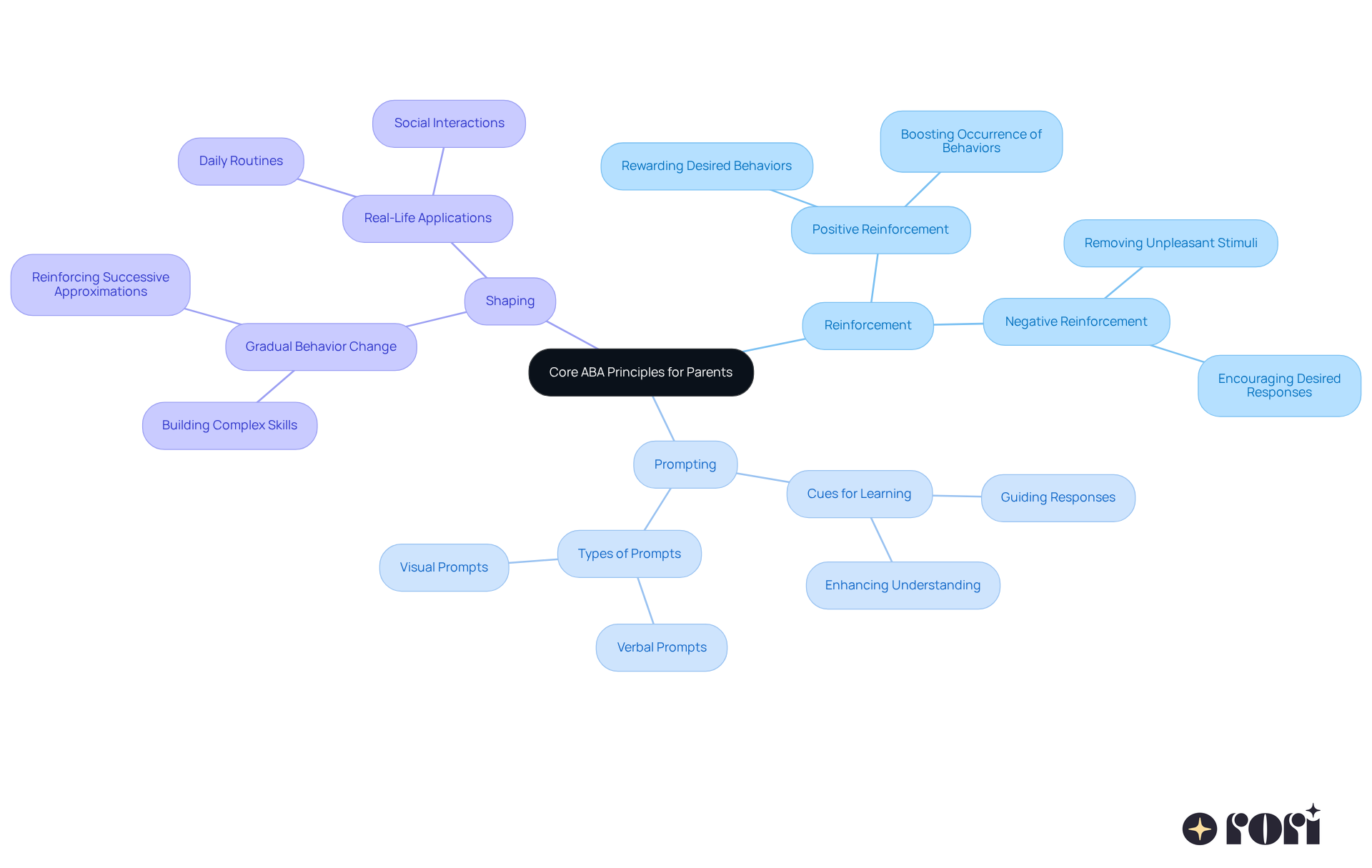
Positive Reinforcement Techniques: Strategies for Encouraging Desired Behaviors
are so important for encouraging the actions we want to see in our young ones! Parents can use a variety of strategies—think , tangible rewards, or even special privileges—to reinforce those . For instance, when a young person completes a task independently, offering immediate encouragement or a small incentive can really motivate them to do it again. Research shows that positive reinforcement often works better than punishment, as it creates a nurturing environment where kids learn that leads to great outcomes.
To really make these techniques work, ! Children flourish when they see a clear link between their actions and the positive results that follow, which boosts their sense of achievement and motivation. For example, giving specific praise for completing tasks or showing kindness reinforces those behaviors, to repeat them. Plus, using and can enhance the learning experience, helping to spread these positive practices across different settings, like home and school.
Regular communication about with therapists and family members also plays a vital role in supporting a young person’s growth, ensuring that reinforcement strategies are consistently applied. By focusing on the behaviors parents want to encourage, rather than the negative ones, they can create a pattern of positive reinforcement that fosters ongoing good behavior. Ultimately, these strategies not only lead to but also strengthen family dynamics, making for a happier home. Let’s explore this together!

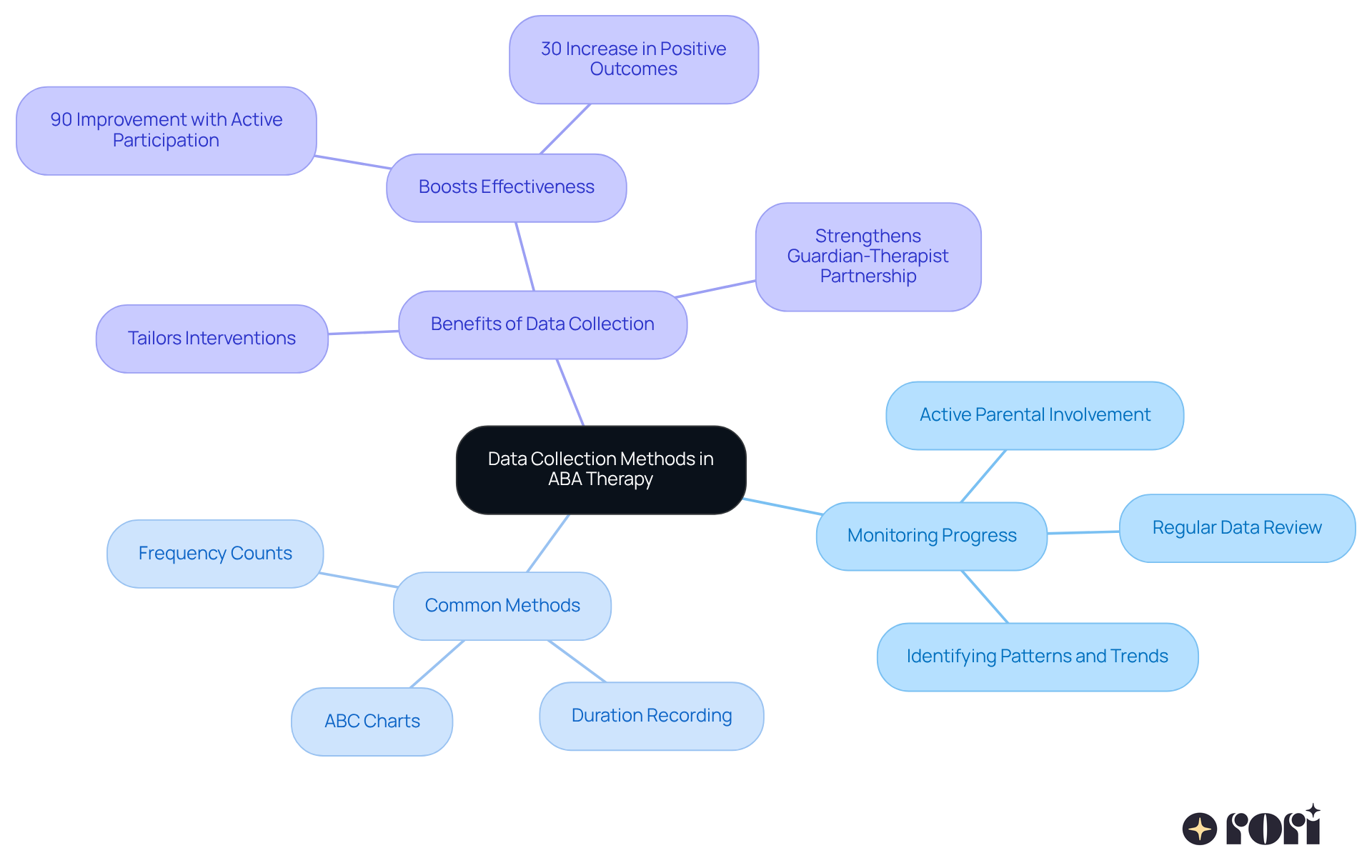
Data Collection Methods: Monitoring Progress in ABA Therapy
Gathering data is super important in ABA therapy! It helps both guardians and therapists keep track of a young one’s progress over time. Common methods like make this process easier.
At Rori Care, we take it a step further by using automatic . We record sessions so our clinical team can —no interruptions for data collection or report notes! Rest assured, all information is securely stored, anonymized, and removed after analysis, giving you peace of mind.
When parents methodically record actions concerning , they can spot trends, monitor progress, and engage in meaningful conversations with therapists about their child’s development. This not only tailors interventions to meet individual needs but also boosts the effectiveness of . In fact, leads to remarkable progress—90% of individuals see significant improvements when recommended hours are fully implemented!
As analyst Nicole puts it, “Regular data collection is essential for in the context of [[ABA parent training topics](https://rori.care/post/10-essential-aba-trials-for-parents-master-discrete-training-techniques)](https://rori.care/post/10-effective-aba-soap-notes-examples-you-can-use-today).” Plus, consistent observation through these methods helps everyone understand a child’s behavior better, allowing for quick adjustments to treatment strategies and strengthening the partnership between guardians and therapists.
To really make the most of data collection, parents should share their observations with therapists regularly. This way, therapy stays aligned with their child’s unique needs. Let’s explore this together and make the journey smoother for everyone involved!
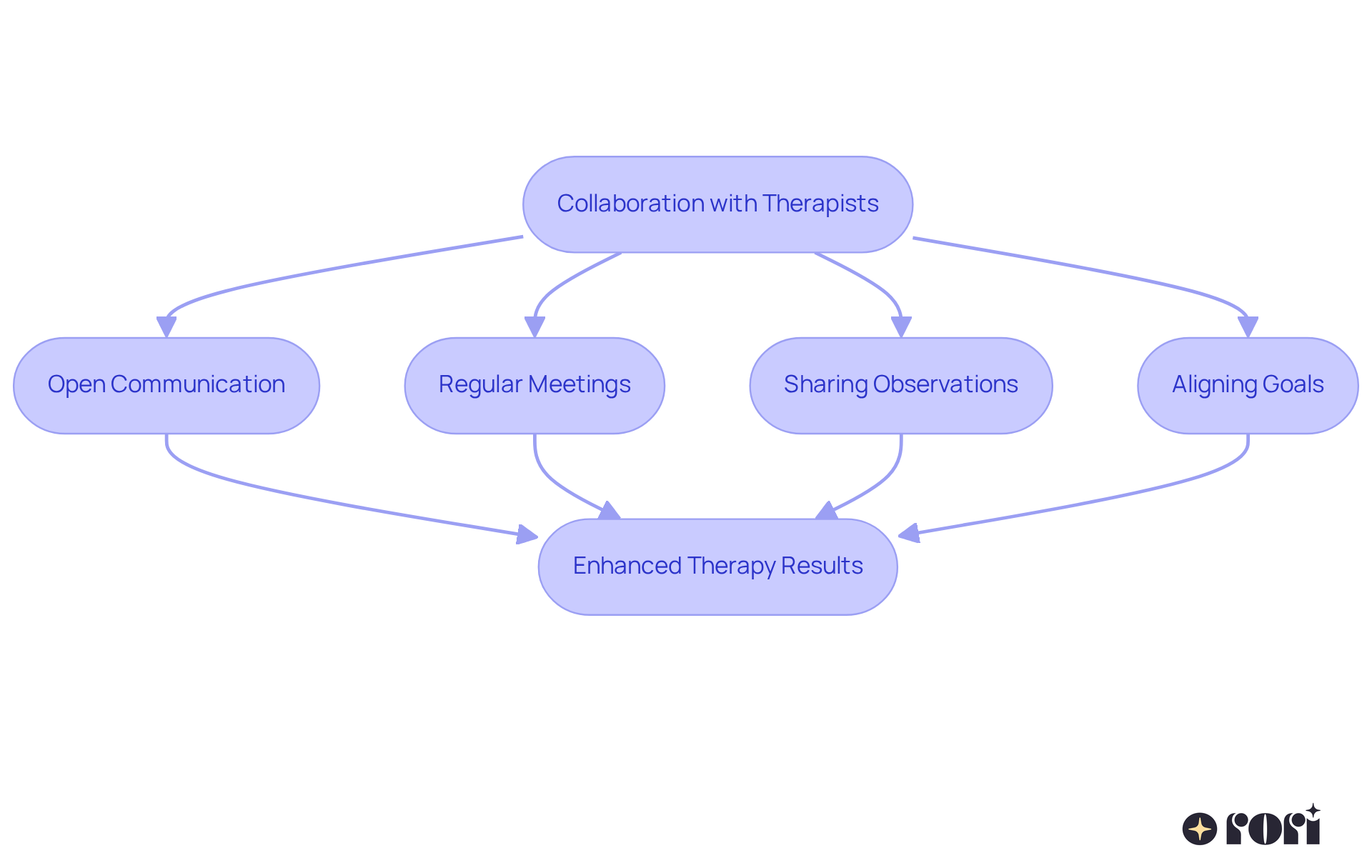
Collaboration with Therapists: Building a Supportive Team for Your Child
is so important for creating a supportive atmosphere for youth undergoing . Parents, it’s essential to with your child’s therapists! By sharing your valuable observations and concerns, you can really enhance the .
Regular meetings are a great way to , ensuring everyone is focused on the same objectives. This cooperative partnership not only empowers you as guardians to advocate effectively for your child’s needs but also significantly boosts therapy results. Engaging in ongoing conversations cultivates trust and understanding, allowing therapists to tailor interventions that fit your child’s unique strengths and challenges.
By actively participating in this partnership, you help that enhances the effectiveness of . Let’s explore this together! We’re here to !
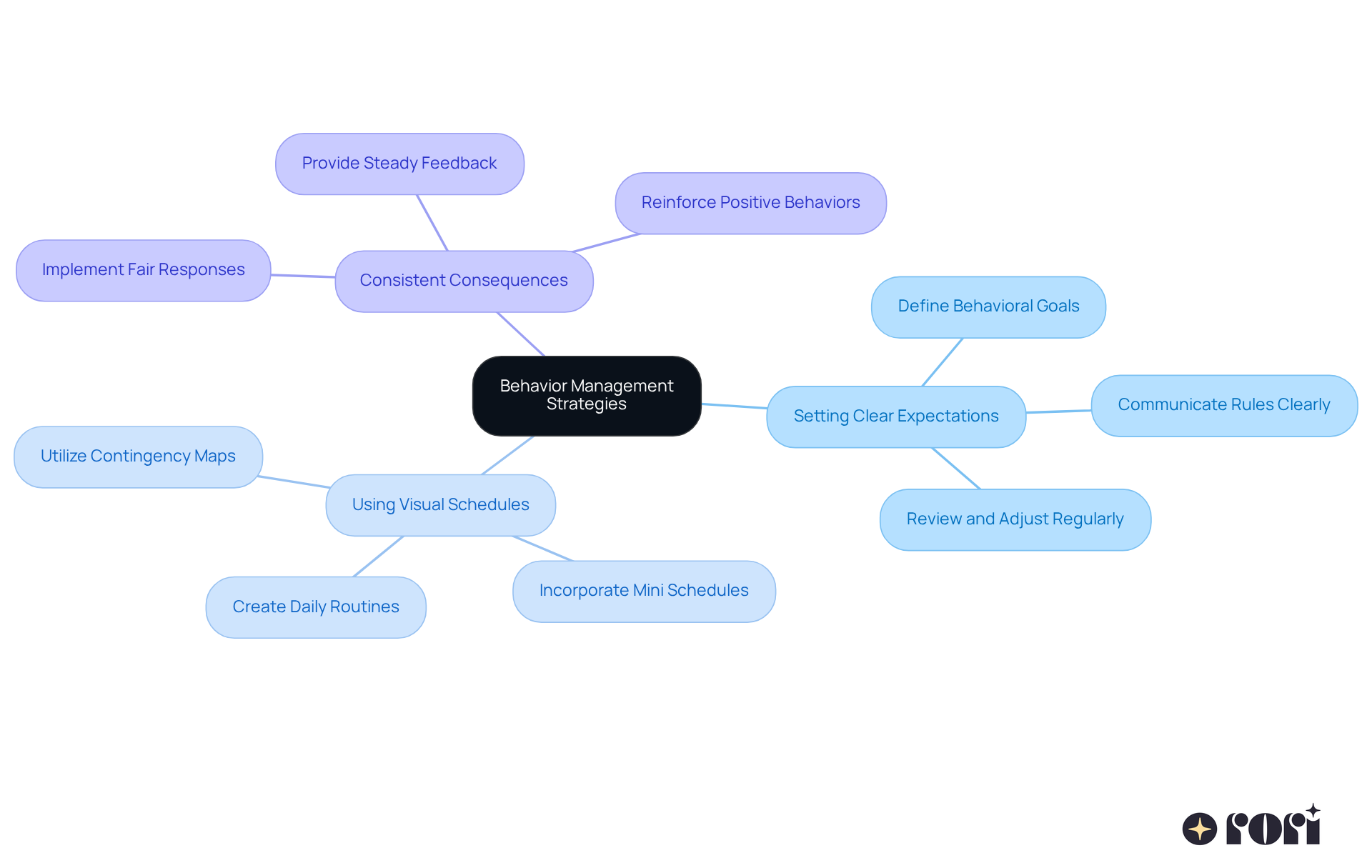
Behavior Management Strategies: Tools for Addressing Challenging Behaviors
are essential for tackling challenging behaviors in children with autism. Parents can use strategies like:
- Using visual schedules
- Providing
For example, when a child exhibits a difficult behavior, responding with a steady and fair consequence reinforces boundaries and expectations. This organized approach not only helps kids understand appropriate behavior but also .
Studies show that significantly enhance children’s independence and reduce avoidance behaviors, making these strategies vital for effective support. Engaging families in can also boost positive behaviors at home, creating a collaborative effort that benefits the child’s development. By focusing on , caregivers can navigate the complexities of behavior management, ultimately nurturing a supportive and loving atmosphere for their children.
Empowering caregivers through education on enhances their ability to . With a deeper understanding of these principles, parents can make that positively impact their child’s progress. Active involvement in the therapeutic process often leads to better behavioral outcomes as caregivers engage with ABA parent training topics to align their efforts with professional interventions.
To implement these strategies, consider:
- Setting aside time each week to review and adjust expectations and routines
- Ensuring they align with your child’s needs and progress
Let’s explore this together, and remember, we’re here to help you every step of the way!
Skill Generalization: Ensuring Learning Transfers to Daily Life
is so important for our youngsters! It helps them apply what they’ve learned in different places and situations. To really boost this transfer of skills, parents can create a variety of , school, and during outings in the community. For instance, if a young person learns to greet others during therapy, caregivers can encourage them to practice this skill with family and friends. By reinforcing these behaviors in different contexts, we not only help them remember but also .
Did you know that studies show youths whose parents participate in organized see a 58% improvement in compared to those whose caregivers aren’t involved? This highlights just how crucial parents are in their children’s learning journey! Plus, using methods like can really enhance skill generalization. It allows kids to integrate learning opportunities into their daily routines, making it easier for them to apply what they’ve learned in real-life situations.
When it comes to in ABA therapy, using common stimuli during training can be super effective. This helps kids recognize and apply their skills in familiar settings. For example, incorporating elements from a child’s natural environment into teaching sessions can really help them transition to practical applications. And let’s not forget, ! By consistently reinforcing skills across various situations, we can ensure that the lessons learned during therapy truly translate into daily life. By empowering caregivers with , including ABA parent training topics, they can make informed choices that lead to and happier family dynamics. Let’s explore this together!

Parent Self-Care: Prioritizing Your Well-Being for Effective Support
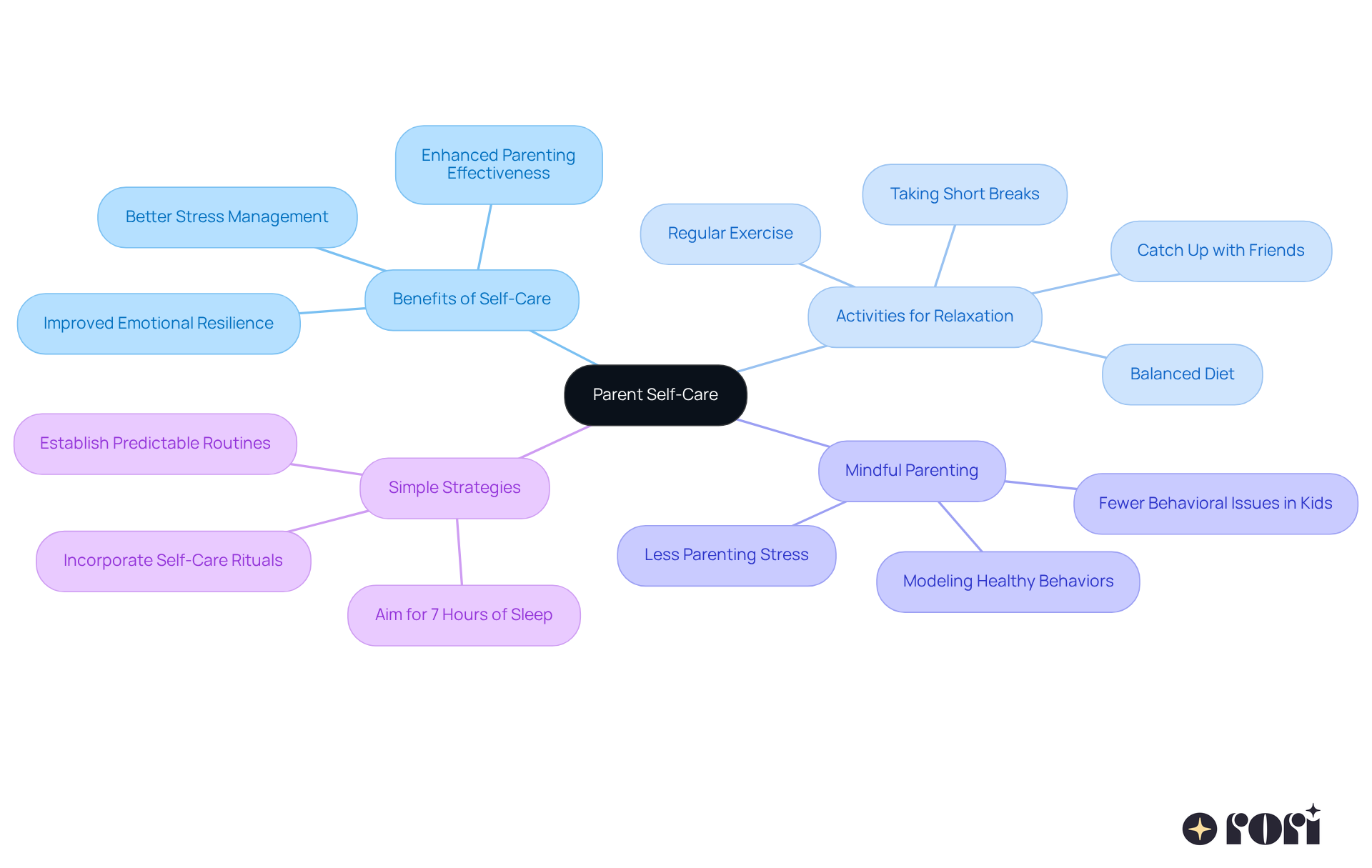
Taking care of yourself is so important for caregivers of individuals with autism, as it really affects your ability to provide the best support. At Rori Care, we truly believe that when families feel empowered and supported, they can navigate the autism care journey with confidence. Engaging in activities that bring you relaxation and joy—like regular exercise, a balanced diet, or catching up with friends—can really boost your .
Studies show that caregivers who prioritize their well-being handle stress better, which in turn benefits their children’s development in the context of . For instance, caregivers who lean into often experience less parenting stress, which is linked to fewer behavioral issues in kids. By setting aside dedicated time for , caregivers not only take care of their own mental health but also show their children , .
Simple strategies, like taking short breaks or ensuring you get at least 7 hours of sleep each night, can lift your mood and enhance your , ultimately benefiting the whole family dynamic. As the saying goes, ‘You can’t pour from an empty cup,’ reminding us all of the vital role self-care plays for caregivers. Let’s explore this together and find ways to support one another on this journey!
Emotional Regulation: Techniques for Parents and Children
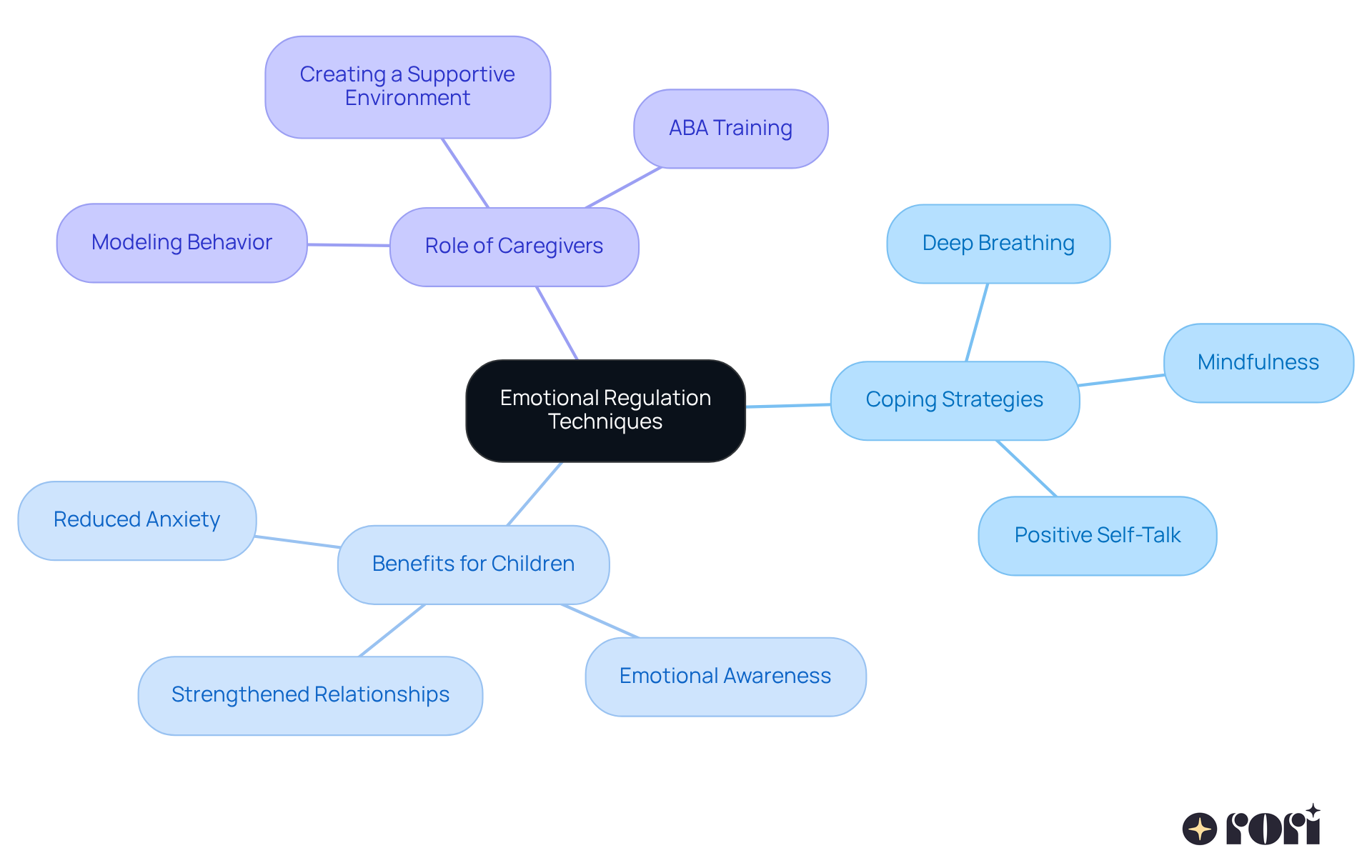
is such an important skill for both caregivers and kids, especially when it comes to autism therapy. Parents can really set an example by showing like deep breathing, mindfulness, and positive self-talk. These practices not only help parents manage their own feelings but also teach kids valuable lessons. Teaching young ones to recognize and label their emotions is key; it boosts their and understanding of what they’re feeling.
Research shows that kids who learn emotional regulation techniques are less likely to face anxiety and depression, highlighting just how vital these skills are for their overall well-being. By practicing these techniques together, families can create a supportive atmosphere that builds . For example, making family mealtimes a chance for emotional sharing can open the door for discussions about feelings, reinforcing emotional literacy.
Moreover, experts point out that when caregivers model emotional regulation, it helps kids learn . When parents with calmness and interest, it fosters a sense of security and encourages kids to express their feelings without fear of judgment. This approach not only nurtures but also strengthens family bonds, laying the groundwork for healthier relationships and better behavior in children with autism.
Additionally, educating caregivers on equips parents with the knowledge and skills necessary to effectively support their children’s emotional regulation. By grasping and applying therapeutic strategies, caregivers can make informed choices that positively influence their child’s development. Predictable transitions can also ease emotional challenges for kids, providing them with a sense of stability and security. This well-rounded approach not only boosts emotional regulation but also enhances and overall behavioral outcomes. Let’s explore this together!
Continuous Learning: Resources for Staying Updated on ABA Practices
is so important for guardians participating in ! It really helps you assist in your child’s development effectively. There are tons of resources available, including online courses, webinars, and informative articles that discuss the latest research and . Joining support groups or forums can also be a great way to gain invaluable insights and share experiences with other caregivers, creating a wonderful sense of community.
Did you know that studies show guardians who actively seek out report a 67% boost in their ability to help their children? This really enhances both understanding and application of ABA techniques. Plus, when caregivers are educated, they’re equipped with to provide better , which complements professional interventions and promotes consistency.
This can lead to ! When caregivers are actively involved, it aligns beautifully with , resulting in more effective and lasting improvements. With the anticipated growth rate for Registered Behavior Technicians (RBTs) at 16%, the is on the rise. That makes continuous education even more essential! By prioritizing ongoing learning through ABA parent training topics, parents can truly make a significant difference in their child’s progress and overall well-being. Let’s explore this together!

Conclusion
Empowering parents through tailored ABA training programs is so important for providing effective support for children with autism. By understanding the core principles of Applied Behavior Analysis (ABA), caregivers gain essential tools to encourage positive behaviors and navigate the complexities of their child’s development. When parents actively engage in their child’s therapy, they not only enhance learning outcomes but also strengthen their collaborative relationship with therapists, creating a supportive team.
Throughout this article, we’ve explored key topics like:
- Positive reinforcement techniques
- Data collection methods
- Behavior management strategies
- The significance of emotional regulation
Each of these elements plays a vital role in creating a nurturing environment where children can truly thrive. Plus, we can’t forget the importance of continuous learning and self-care for parents, as these factors significantly impact the overall effectiveness of ABA therapy.
Ultimately, supporting a child with autism is a shared journey that flourishes with informed, engaged, and empowered caregivers. By prioritizing education, collaboration, and personal well-being, parents can make a profound difference in their child’s progress and emotional health. Embracing these essential ABA parent training topics not only leads to better behavioral outcomes but also fosters a loving and supportive family atmosphere where every child can flourish. Let’s explore this together! Remember, we’re here to help you every step of the way!
Frequently Asked Questions
What is the focus of Rori Care’s ABA Therapy programs?
Rori Care’s ABA Therapy focuses on specialized training programs tailored for caregivers, equipping them with essential skills and knowledge to effectively support their child’s individual needs.
How does Rori Care involve parents in the therapeutic process?
Rori Care involves parents by providing them with training on ABA principles and strategies, allowing families to actively participate in their child’s development, which leads to better outcomes and strengthens the bond between caregivers and therapists.
What are some core principles of ABA that parents should understand?
Core principles of ABA that parents should understand include reinforcement, prompting, and shaping. These concepts help parents learn how behaviors are learned and changed, ultimately supporting their child’s growth.
How does positive reinforcement work in encouraging desired behaviors?
Positive reinforcement involves rewarding desired behaviors through methods like verbal praise, tangible rewards, or special privileges, which motivates children to repeat those behaviors. It creates a nurturing environment that encourages good behavior.
Why is consistency important in applying positive reinforcement techniques?
Consistency is crucial because children thrive when they see a clear link between their actions and the positive outcomes that follow, which enhances their sense of achievement and motivation.
What role does communication play in supporting a child’s growth through ABA?
Regular communication about ABA parent training topics with therapists and family members is vital for ensuring that reinforcement strategies are consistently applied, supporting the child’s development effectively.
How can parents create a positive reinforcement pattern at home?
Parents can create a positive reinforcement pattern by focusing on encouraging desired behaviors rather than negative ones, leading to a nurturing environment that fosters ongoing good behavior and strengthens family dynamics.