
Introduction
Manding is such an important part of effective communication, especially for those navigating the complexities of autism. This vital skill not only helps express needs and desires but also promotes independence and social interaction. As we learn more about the incredible benefits of mand training, a question comes to mind: how can caregivers and therapists effectively implement these strategies to boost communication skills in children?
Exploring the ins and outs of manding shows us just how significant it is in behavioral therapy. Plus, it reveals practical techniques that empower young individuals to connect meaningfully with the world around them. Let’s dive into this together and discover how we can support our children in their communication journey!
Rori Care – ABA Therapy: Personalized Mand Training for Effective Communication
At , we truly excel in providing personalized , with being a strong focus for effective communication. Our clinical leadership team is made up of skilled and empathetic professionals who are dedicated to appreciating neurodiversity and supporting young individuals on their journey to success. By conducting , we create tailored strategies that empower young people to express their wants and needs clearly.
This customized approach not only enhances interaction abilities but also and . It really highlights the essential role of mand aba example instruction in . Recent advancements in mand aba example training techniques have shown some exciting results! Studies indicate that individuals who engage in targeted mand training experience .
Moreover, successful strategies like and peer-mediated interventions have proven effective in nurturing communication skills in real-world settings. By equipping caregivers with ABA principles and strategies, we enhance support, informed decision-making, and for young individuals. As the field of autism therapy continues to evolve, the significance of mand aba example training remains vital. It ensures that individuals are equipped with the tools they need for meaningful interactions and personal growth. Let’s explore this together!
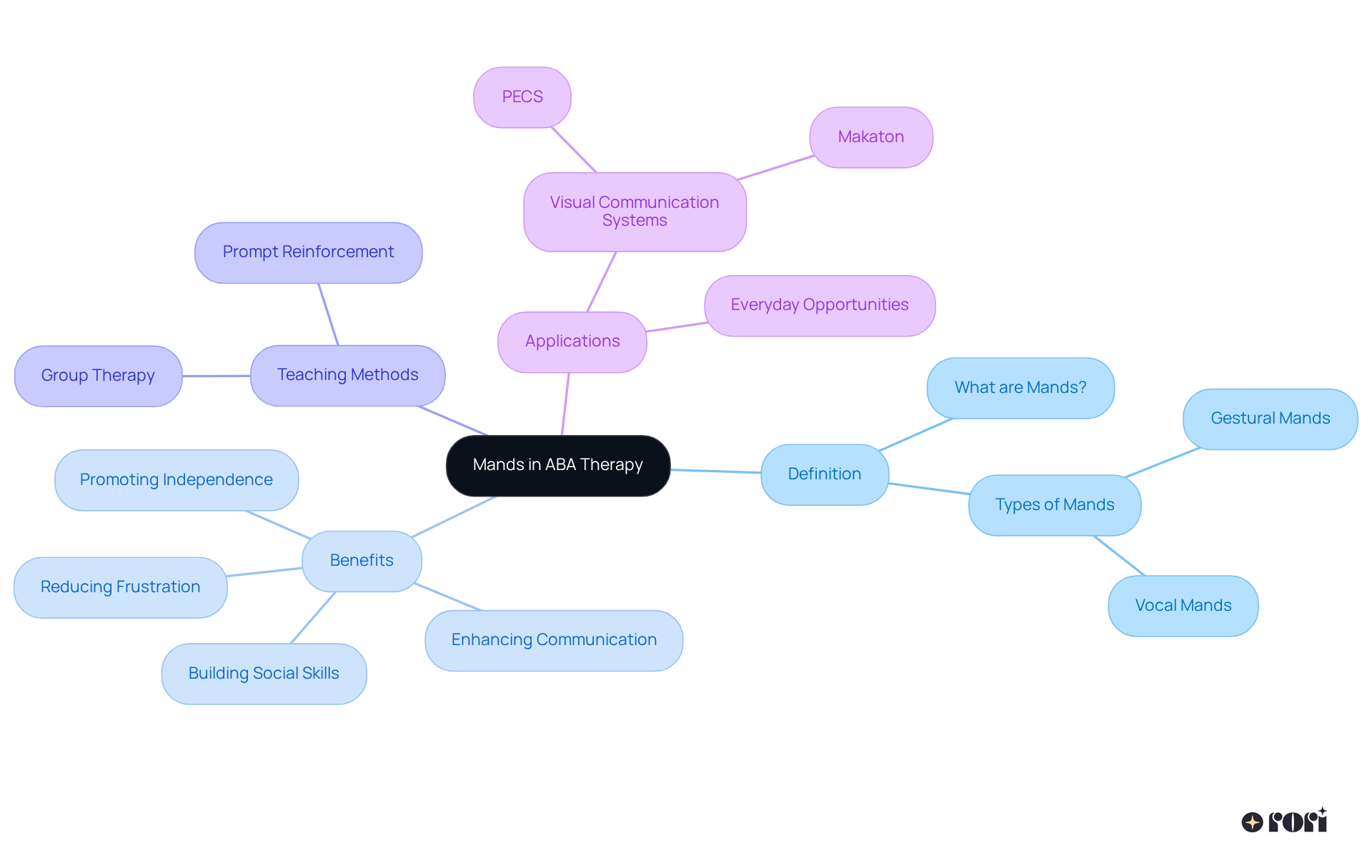
Amaze ABA: Understanding Mands in ABA Therapy for Enhanced Communication Skills
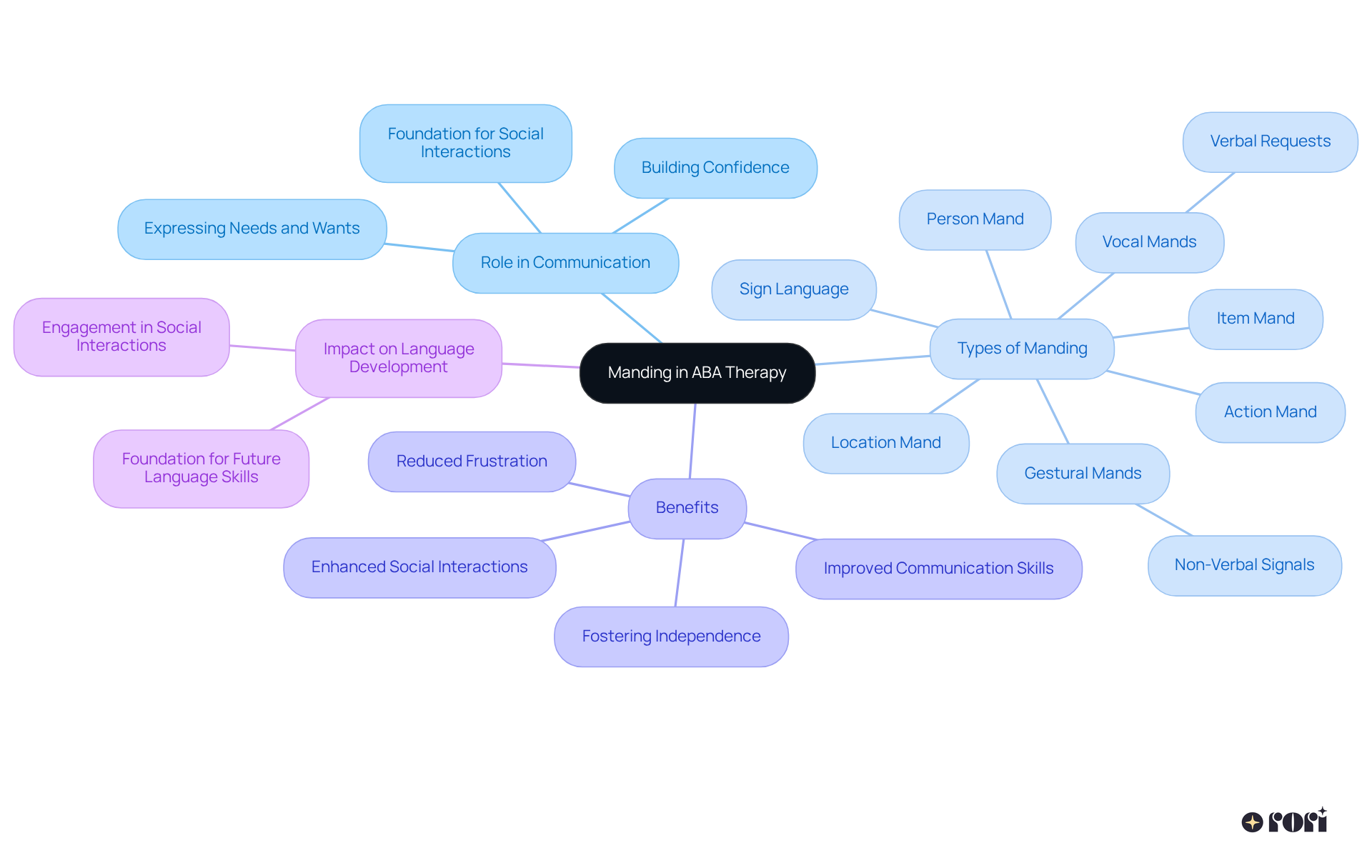
Mands are essential requests that individuals make to meet their needs or desires, and they play a key role in . For a , when a little one says ‘juice’ to express their thirst, they are practicing the concept of manding! This way of interacting is vital for boosting and reducing frustration, as it helps kids clearly communicate what they want. Teaching mands not only helps children express their needs without guessing or gesturing but also fosters and confidence in their ability to connect with others. By , parents and caregivers can create that encourage their children to communicate more effectively.
Mands also lay the groundwork for various social interactions and often serve as the first step in navigating complex social situations. Recent research shows that , including the mand ABA example, can significantly enhance interaction skills, and real-life examples demonstrate how request instruction can reduce frustration in children, leading to more with peers and adults. It’s so important to encourage kids to use mands in different settings and with various people, as generalizing these skills is crucial for their development.
When a child uses a mand, providing strengthens the link between their behavior and reward, which enhances the learning process. Plus, therapists play a vital role in introducing cues related to desired objects or activities during mand training. This is particularly beneficial in social skills group therapy, where kids can practice mands in a supportive group environment, further enhancing their interaction abilities. The benefits of teaching mands go beyond immediate communication; they build the foundation for advanced social and language skills, ultimately promoting independence and self-confidence in individuals with autism. This aligns beautifully with the principles of ABA, highlighting the importance of (EIBI) and empowering caregivers through education and strategy alignment for effective behavioral support. Let’s explore this together!
Golden Steps ABA: Importance of Manding in Communication Development
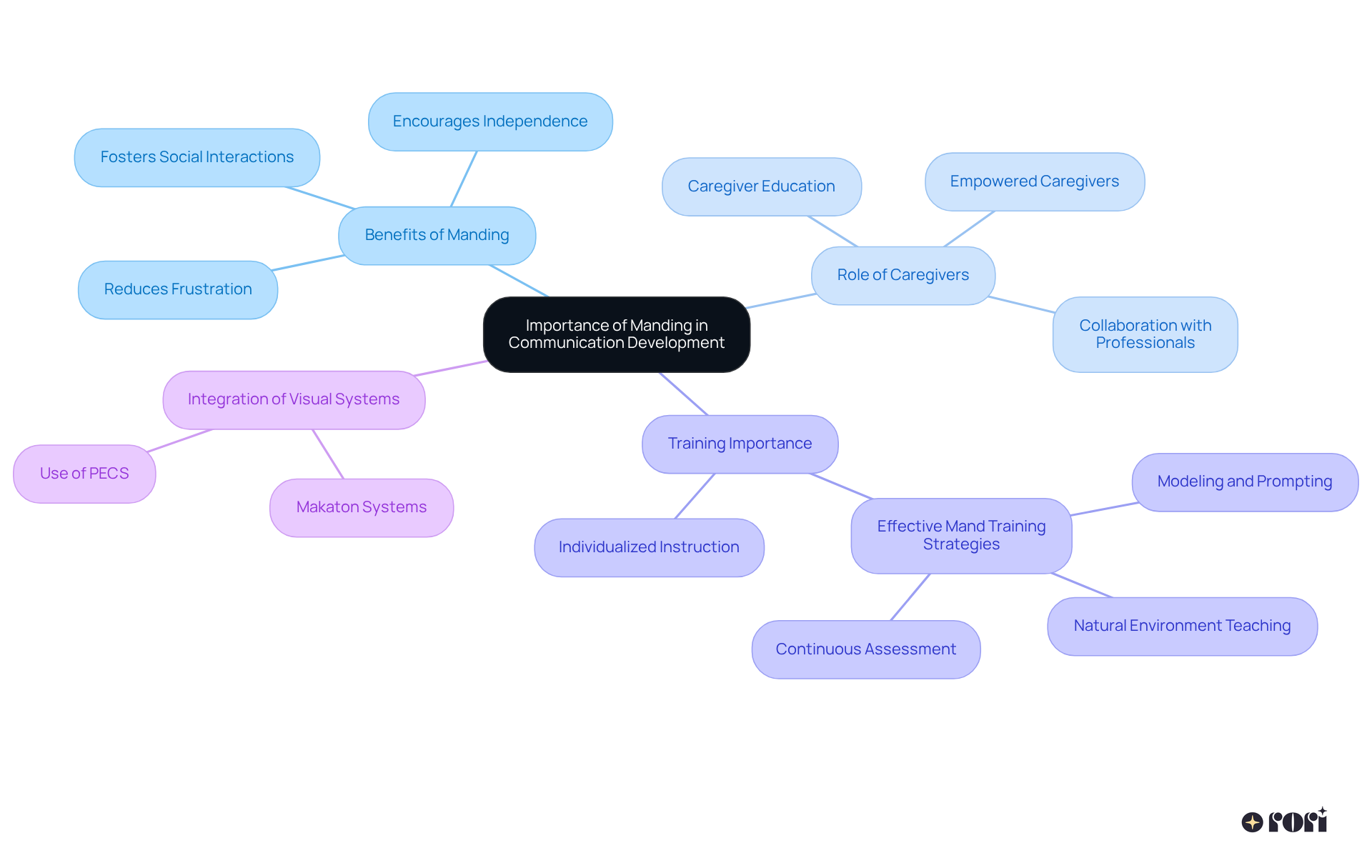
Manding is more than just simple requests; it’s a vital skill for effective communication growth. When young individuals learn to express their needs, it not only reduces frustration but also fosters positive interactions with both peers and adults. Research shows that can lead to better social interactions, as children who master this skill are often more prepared to navigate complex social situations. As they learn to voice their desires, they also build confidence and independence—both essential for their social and emotional development.
It’s crucial to prioritize training within . Studies indicate that about 90% of youths see when therapy is fully implemented with active caregiver involvement. This really highlights how important it is for parents and professionals to work together to enhance communication skills and emotional well-being. is key in this process, providing support providers with the tools they need to encourage meaningful interactions.
When caregivers understand ABA principles and strategies, they can make informed decisions that positively affect their child’s progress, leading to better behavioral outcomes. For instance, one participant required as many as 173 mand aba example opportunities over 34 days before they began spontaneously manding for a target item. This shows just how much effort goes into !
Integrating visual systems like PECS can also help teach manding, further enhancing interaction development. As Alice Shillingsburg notes, ‘the growing empirical evidence indicates that behavioral interventions can significantly improve the ability of individuals with autism to use multiple-word mands, as seen in mand aba example.’ This really underscores the importance of mand training.
Additionally, understanding how is essential, as both are fundamental for effective interaction. Empowered caregivers, equipped with the right knowledge and skills, can provide the right support at home, complementing professional interventions and ensuring consistency. Let’s explore this together and see how we can support our children every step of the way!
Behavioral Intervention for Autism: Key Differences Between Mands and Tacts
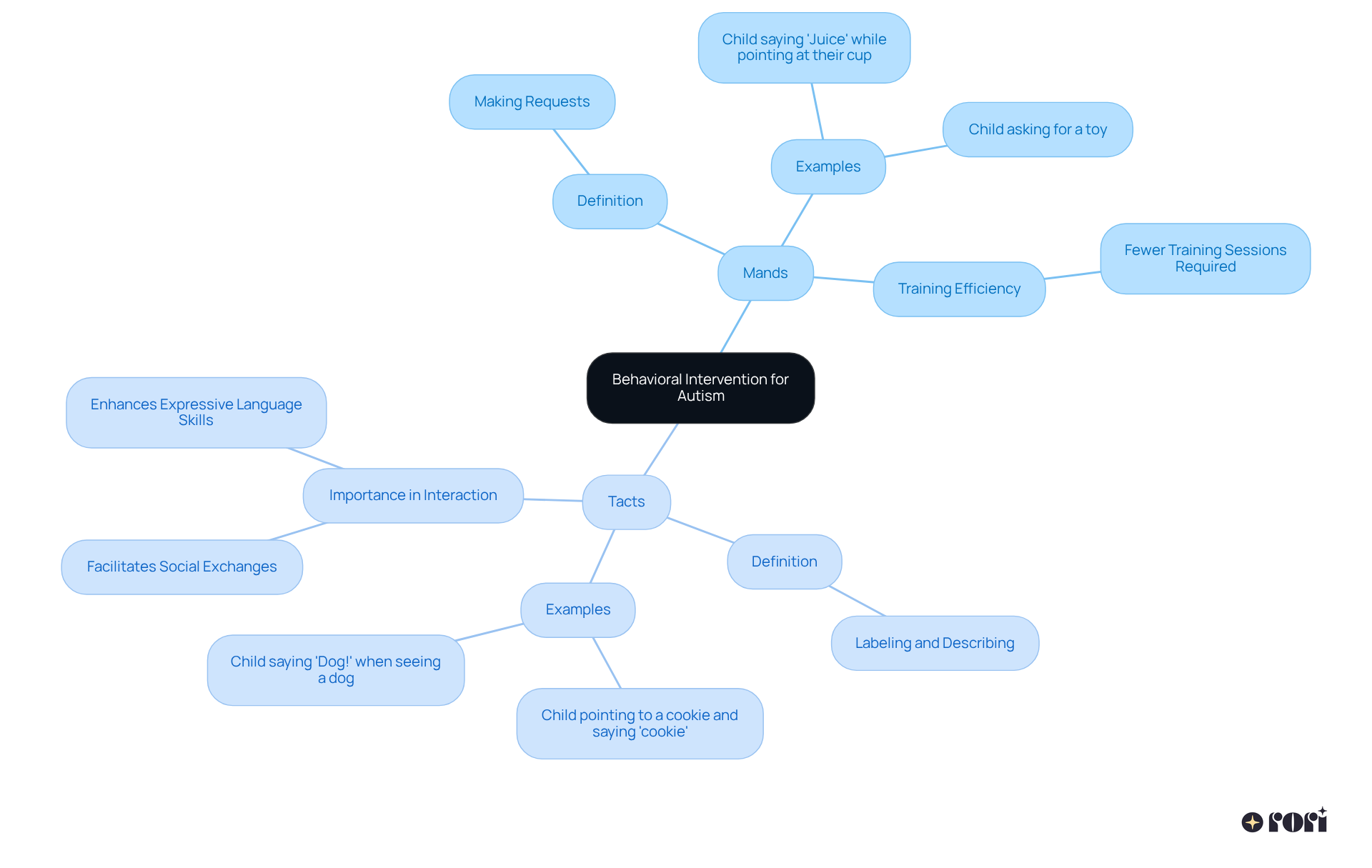
In ABA therapy, the and in developing interaction. In the [mand ABA example](https://rori.care/post/what-does-mand-mean-in-aba-a-comprehensive-explanation-of-its-role-in-communication), mands are requests made to get something you want, while tacts involve labeling or describing objects and events. For instance, when a child points to a cookie and says ‘cookie,’ they are demonstrating a . This distinction is super important for therapists and caregivers because it shapes how we teach .
Did you know that studies suggest teaching a mand ABA example usually requires fewer training sessions than tacts? This highlights how focusing on mand ABA example can really boost interaction! By blending both mands and tacts into their approach, caregivers can create a more rounded strategy for . This holistic view not only but also helps young individuals engage more effectively in social exchanges, leading to .
As caregivers grow their understanding of ABA through education, they become better equipped to make informed choices that positively impact their children’s progress. The benefits of are significant; it includes better support in applying strategies at home and improved through consistent practice. As B.F. Skinner wisely noted, ‘Mands, which can be seen as a mand ABA example, are all about making requests,’ emphasizing their vital role in interaction. Let’s explore this together and see how we can support each other on this journey!
Motivity.net: Efficient Mand Training Strategies for Parents
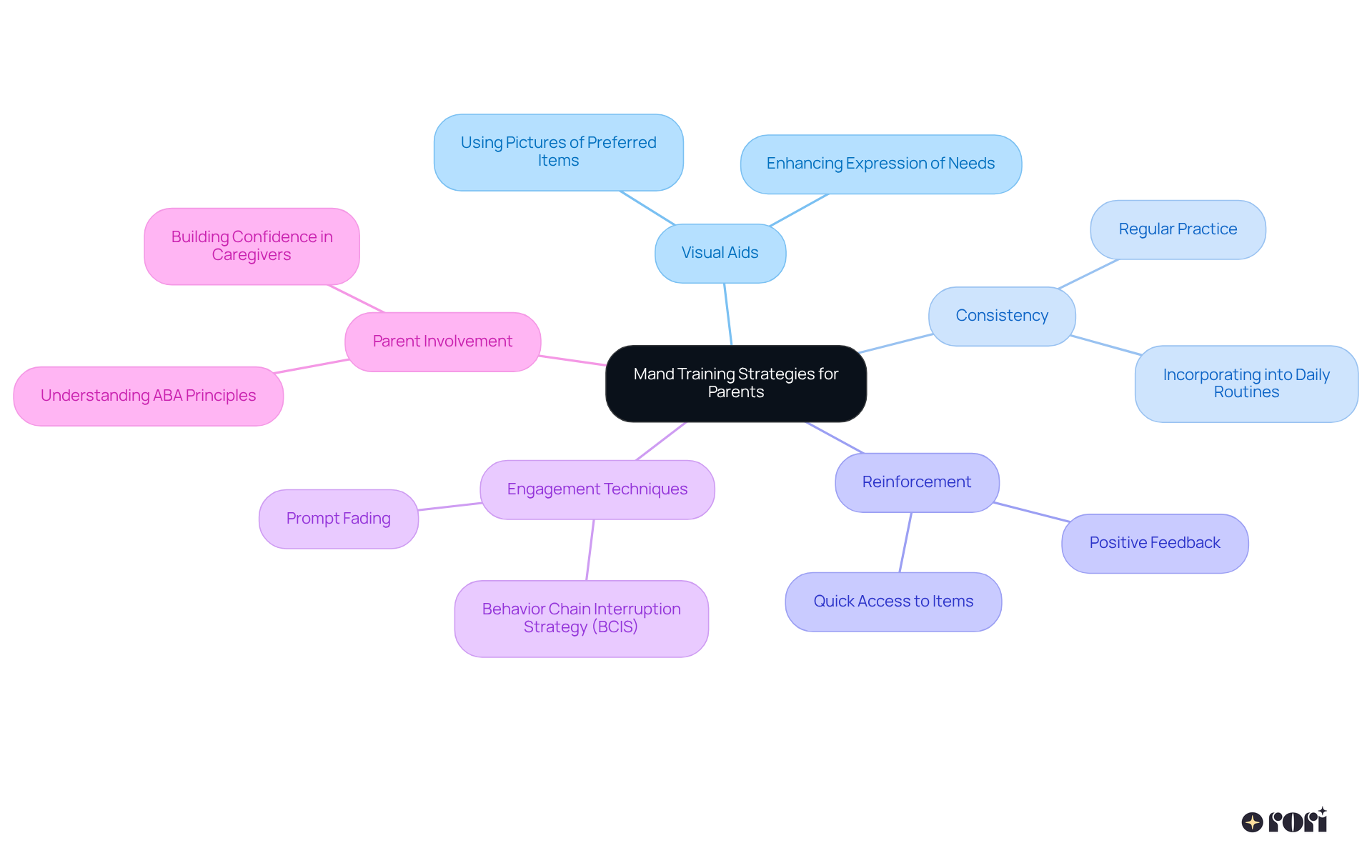
Parents can easily use strategies at home to assist their little ones in . For instance, during snack time, placing a favorite treat just out of reach encourages kids to ask for it, . , can make this process even smoother, helping young ones express their needs more effectively.
Consistency and reinforcement play vital roles here. When a child successfully requests something, giving them quick access to that item not only strengthens their efforts but also . Research shows that regularly at home can significantly enhance children’s , leading to better social interactions and emotional understanding.
By weaving these strategies into daily routines, parents can create a . Plus, when caregivers learn about , they gain valuable insights that help them make informed choices, positively impacting their child’s development. This active involvement not only results in better behavioral outcomes but also boosts caregivers’ confidence, reduces stress, and promotes healthier family dynamics. Let’s explore this together!
Iloveaba.com: Practical Techniques for Effective Mand Training
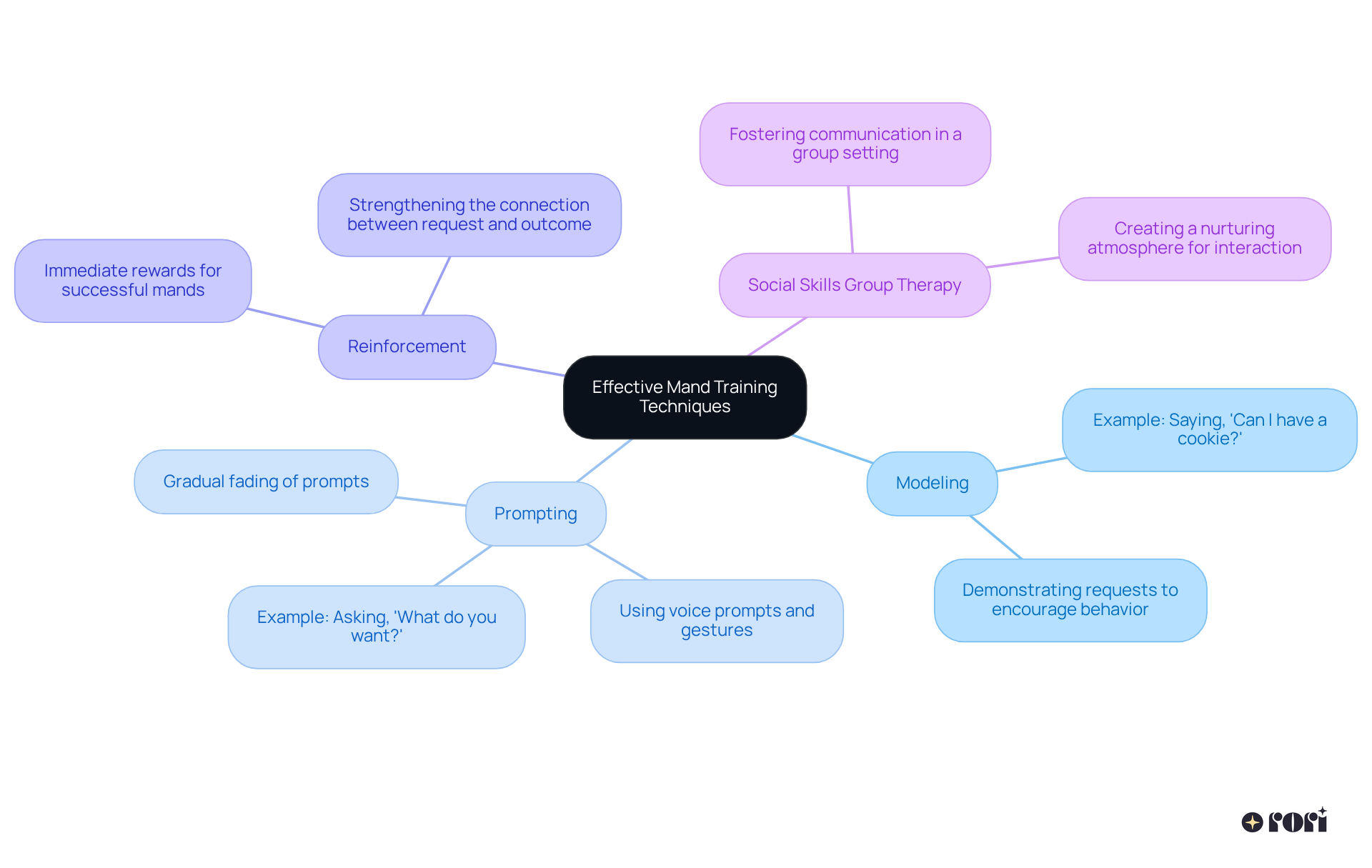
Effective training techniques for are all about modeling, prompting, and reinforcement—key elements of Applied Behavior Analysis (ABA). This therapy adapts to individual needs by tapping into the science of learning and behavior. For instance, caregivers can model the desired request by saying, ‘Can I have a cookie?’ while pointing to the cookie jar. This simple act encourages the .
Prompting is just as important! Asking a little one, ‘What do you want?’ can spark their motivation to express their needs, helping them improve their . And let’s not forget about reinforcement! When a child successfully mands, right away reinforces their efforts, strengthening the connection between their request and the outcome. Studies show that these reinforcement the effectiveness of , leading to better expressive abilities and fewer challenging behaviors.
Plus, can be a wonderful addition to these techniques. It helps in a group setting, creating a nurturing atmosphere. By incorporating these methods, caregivers can promote language growth and empower young individuals to communicate their needs more effectively. Let’s explore this together and see how these strategies can make a difference!
Wikipedia: Understanding Mands in Psychology for Parents
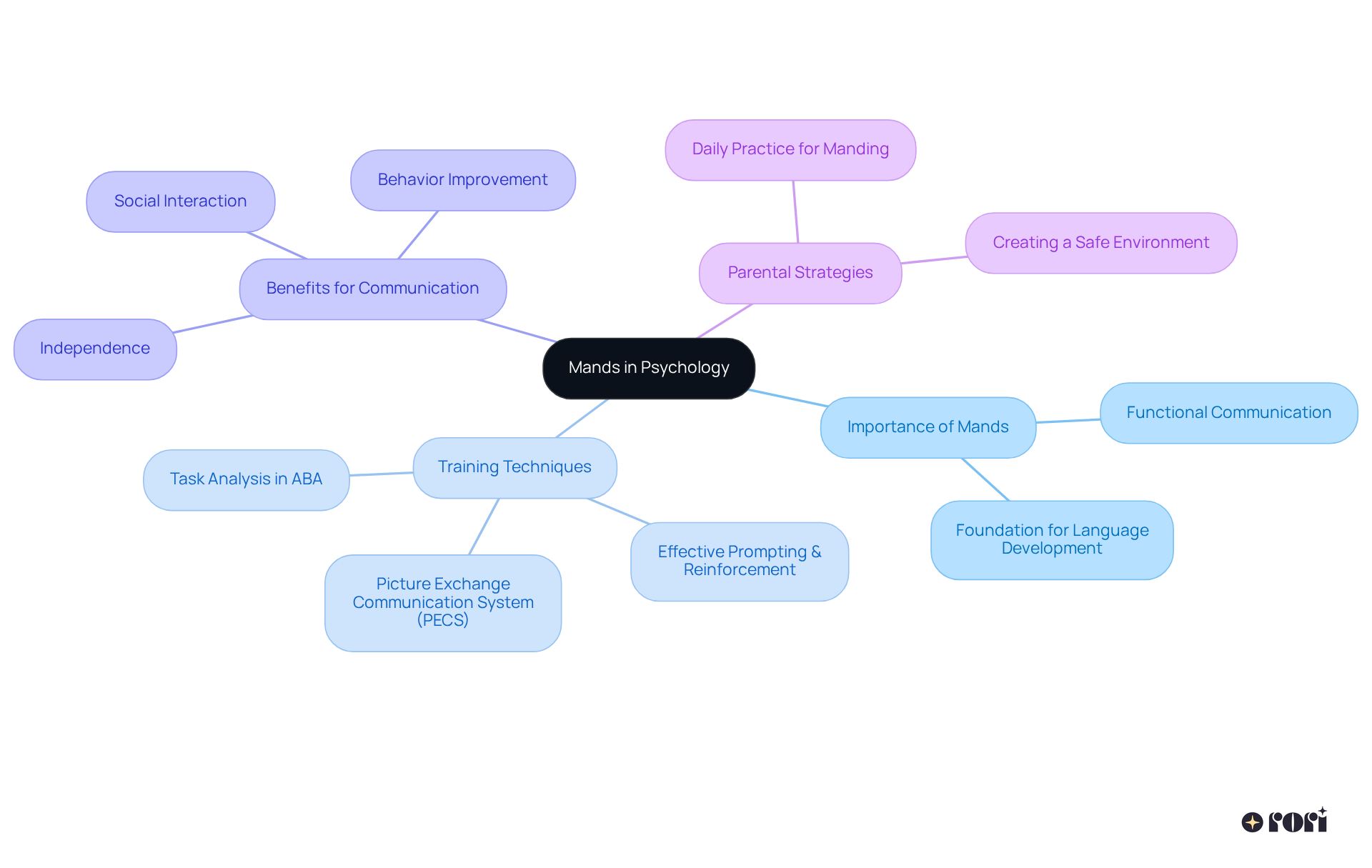
Mands are such an important part of how our little ones communicate! They represent requests driven by specific needs, like hunger or wanting attention. Understanding this is key for parents—it helps highlight the importance of recognizing our kids’ needs and providing opportunities for them to express themselves through a . By creating a safe and encouraging environment, we can really boost our their thoughts and feelings.
Research shows that effective training not only enhances but also promotes independence and social interaction. For instance, using techniques like the allows young ones to express their desires by swapping pictures for items or activities. This approach helps clarify what our kids need and strengthens their ability to articulate those needs, leading to improved behavior and .
As we learn more about , we become better equipped to make informed decisions that positively impact our children’s growth, reduce stress, and improve family dynamics. To support your child even further, consider setting aside some time each day for . This regular reinforcement can make a world of difference in their communication journey. Let’s explore this together and see how we can help our kids thrive!
Behavior Analyst Study: Verbal Behavior and Its Relevance to Mands
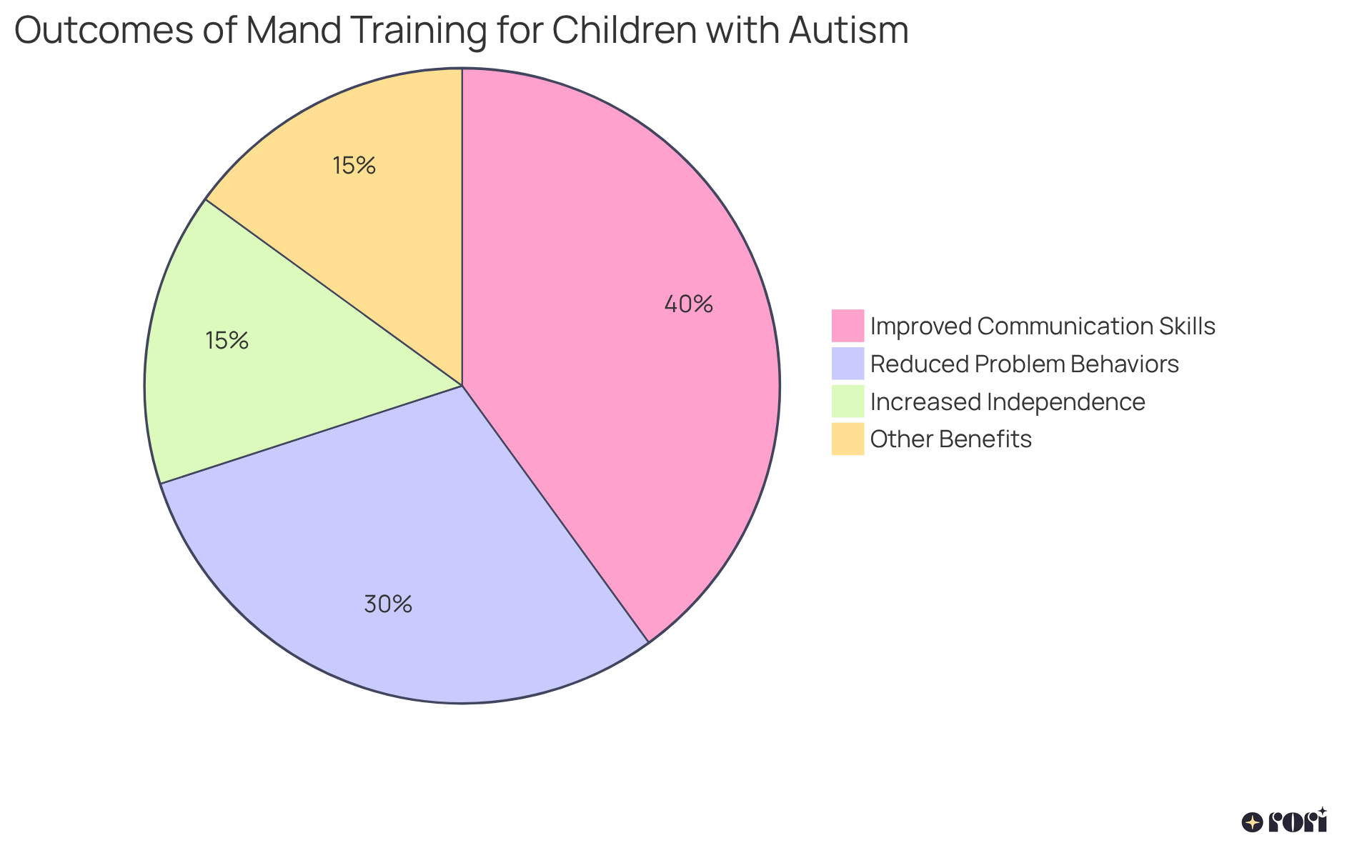
Research in verbal behavior highlights how crucial mands are for improving in individuals with autism. Recent studies show that not only helps young people express their needs but also significantly reduces . For instance, kids who engage in often enjoy better and greater independence. In fact, research indicates that 85% of participants demonstrated independent responding after the instruction!
This evidence-based approach really underscores the importance of including the in . It empowers children to communicate more effectively, creating a more positive and functional environment. Plus, when caregivers are equipped with knowledge of ABA principles and strategies, they can better support their children’s development of mand aba examples. By giving caregivers the right tools and information, they can make informed choices that positively impact their child’s growth.
However, challenges like low motivation and difficulty applying skills can sometimes hinder the effectiveness of mand training. This is where , such as , come into play to support each child’s unique journey. Let’s explore this together! We’re here to help you every step of the way!
Adinaaba.com: Expert Insights on Manding in ABA Therapy
Expert insights into the reveal its vital role as a foundational element in . Manding is not just about communication; it’s a bridge to more . By guiding youth to make requests, therapists help them .
Integrating different —like gestures or sign language—can really enhance interactions, especially for non-verbal individuals. This flexibility makes the mand aba example a . Research shows that through the mand aba example can significantly improve interactions, when needs go unmet.
This multifaceted approach not only supports immediate communication but also lays the groundwork for . It allows young learners to engage more fully in social interactions. So, let’s explore this together and see how we can support our children on this journey!
Behavioral Intervention for Autism: Advanced Verbal Operants and Mands
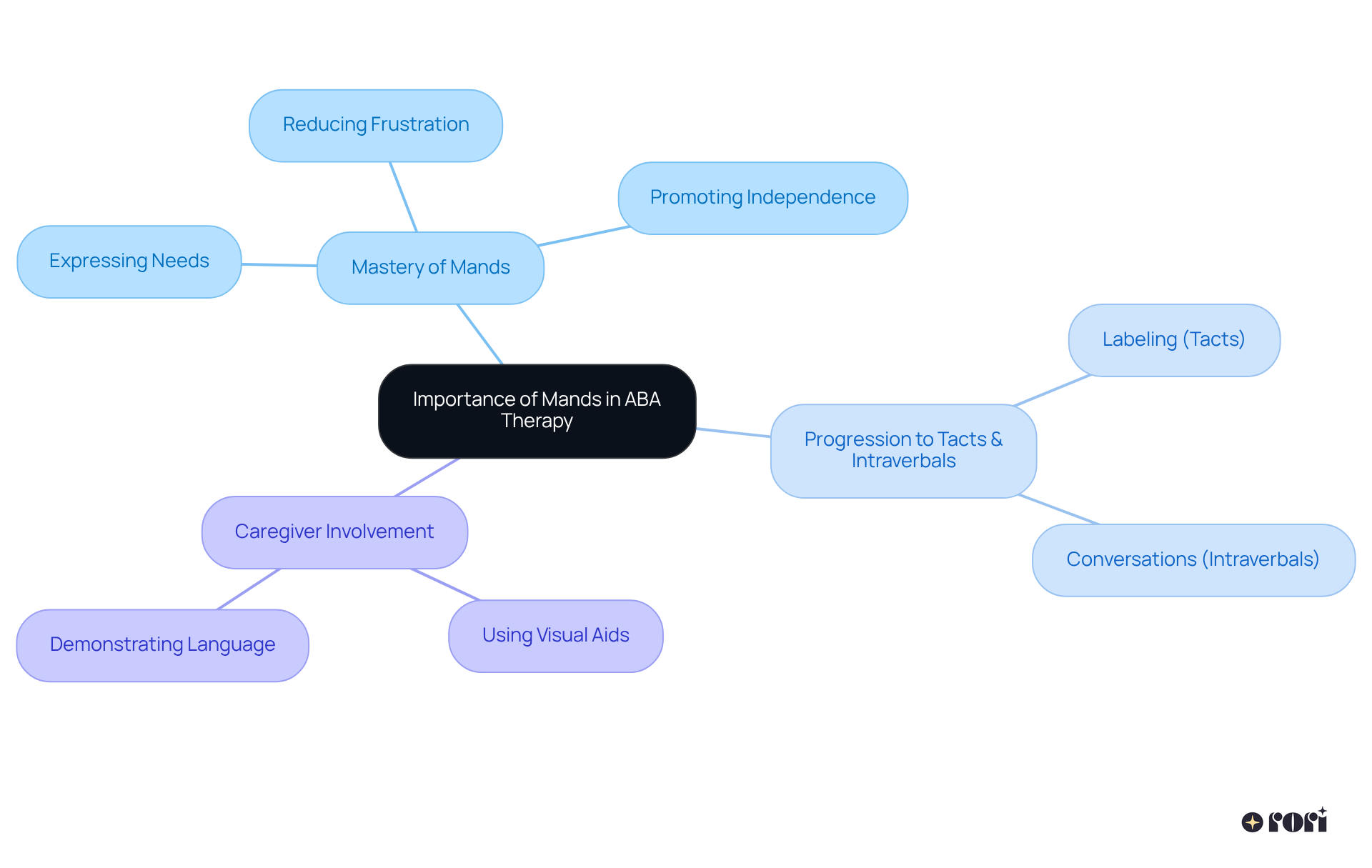
Mands are such an important part of —they’re like the building blocks for developing advanced ! When kids master manding, they can , which really helps reduce frustration and promotes independence. As they become more skilled in mands, they naturally move on to other verbal operants like tacts and intraverbals, which only enhances their communication abilities. This journey is crucial for that boosts social interactions and overall language growth.
For example, think about a child who learns to use the for requesting a drink. Once they’ve got that down, they can start and eventually dive into intraverbal conversations about their favorite flavors! By focusing on mands, therapists create a strong foundation that not only supports children’s language development but also empowers them to connect meaningfully with others.
And it doesn’t stop there! When caregivers learn —like using visual aids or demonstrating language—they’re better equipped to reinforce these skills at home. This makes professional interventions even more effective and encourages consistency. Research shows that targeting these foundational skills can lead to . In fact, over 80% of families report a better quality of life after participating in such programs!
So, emphasizing mands in therapy isn’t just about teaching kids to ask for things; it’s about unlocking their potential for effective interaction and social involvement. Plus, it helps caregivers make informed choices that positively impact their children’s development. To support your child’s growth, consider creating daily —like encouraging them to ask for their favorite snack or toy. This not only fosters communication but also nurtures their independence. Let’s explore this together!
Conclusion
Manding is such a key part of effective communication, especially in the world of ABA therapy! It empowers individuals to express their needs and desires clearly, which not only cuts down on frustration but also boosts independence and confidence. With a focus on personalized mand training, each child gets the tailored support they need, making it easier for them to engage meaningfully with others.
The article shares some great insights about how mands help develop social skills, improve expressive language, and make interactions smoother. Techniques like modeling, prompting, and reinforcement, along with caregiver education, are crucial in maximizing the effectiveness of mand training. Plus, understanding the differences between mands and tacts helps caregivers take a more comprehensive approach to language development.
Given the amazing benefits of mand training, it’s so important for parents and caregivers to get involved in their child’s communication journey. By creating opportunities for practice and reinforcing successful requests, caregivers can truly help unlock their child’s potential for effective interaction and social involvement. Embracing these strategies not only supports individual growth but also enriches family dynamics, paving the way for a brighter future in communication and relationships. Let’s explore this together and make a positive impact on our kids’ lives!
Frequently Asked Questions
What is mand training in ABA therapy?
Mand training in ABA therapy focuses on teaching individuals to make requests (mands) to express their needs and desires, which is essential for effective communication and social interaction.
Why is mand training important for individuals with autism?
Mand training is important because it helps individuals with autism to clearly communicate their wants and needs, reducing frustration and fostering independence, confidence, and positive social interactions.
What are some benefits of effective mand instruction?
Effective mand instruction can lead to improved expressive language, better social interactions, increased independence, and enhanced emotional well-being for individuals with autism.
How do caregivers play a role in mand training?
Caregivers are crucial in mand training as they can create supportive environments, reinforce requests, and understand ABA principles, which helps them encourage meaningful communication and support their child’s development.
What strategies are effective in teaching mands?
Effective strategies include naturalistic teaching methods, peer-mediated interventions, and the use of visual systems like PECS, which help facilitate the learning of mands in real-world settings.
How can mand training impact social skills?
Mand training lays the groundwork for various social interactions, enabling children to navigate complex social situations and communicate effectively with peers and adults.
What does research say about the effectiveness of mand training?
Research indicates that individuals who engage in targeted mand training experience significant improvements in their communication skills and social engagement, with many youths showing progress when therapy is actively implemented with caregiver involvement.
How does prompt reinforcement relate to mand training?
Providing prompt reinforcement when a child uses a mand strengthens the connection between their behavior and the reward, enhancing the learning process and encouraging further communication.
What is the connection between manding and tacting?
Manding and tacting are interconnected skills in effective communication; both are essential for individuals to express their needs and describe their environment, contributing to overall interaction abilities.
How can parents and professionals work together in mand training?
Collaboration between parents and professionals is vital for enhancing communication skills, as informed caregivers can implement strategies that complement professional interventions, ensuring consistency and support for the child’s progress.