

Introduction
Navigating the complexities of behavior modification can feel overwhelming for parents. Understanding effective strategies like response cost in ABA therapy is key! This approach not only helps children learn from their actions but also nurtures essential skills such as patience and accountability. As families explore these techniques, a common question arises: how can they implement these methods ethically and effectively without causing unintended emotional distress?
Let’s delve into practical examples of response cost together! This article will uncover valuable insights and best practices that can truly transform the therapeutic journey for children with autism. We’re here to help you every step of the way!
Rori Care – ABA Therapy: Pioneering Response Cost Strategies for Effective Behavior Modification
At Rori Care, we understand that navigating can be challenging for parents. That’s why we’re pioneering with advanced response strategies that truly make a difference! By harnessing cutting-edge technology and data-informed approaches, we equip clinicians and families with the tools they need to apply effective tailored to each child’s unique needs.
Our innovative approach blends personalized therapy with creation. This means clinicians can spend 50% more time on direct treatment, focusing on what really matters—your child’s growth. 🌟 Not only does this forward-thinking method lead to , but it also in children with autism.
For everything to work smoothly, it’s crucial to have clear definitions of target actions and to apply these techniques consistently. The integration of technology into our strategies allows for . This ensures that interventions remain responsive and effective, all while securely storing and anonymizing data.
We’re here to help you every step of the way! Let’s explore this together and make a positive impact on your child’s journey.

Token Economy System: Implementing Response Cost Through Reward Reduction
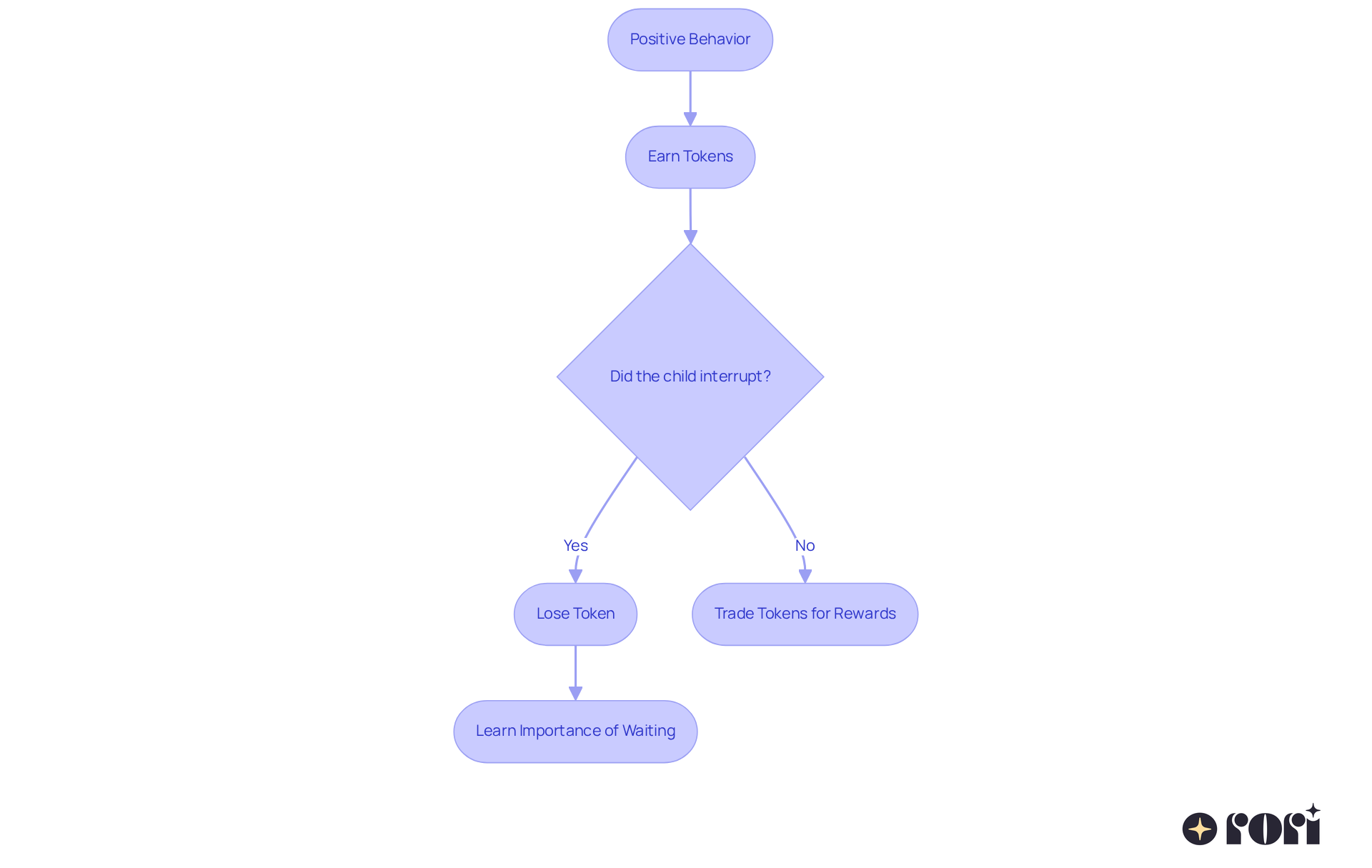
A is a structured way for young people to earn tokens by showing , which they can later trade for rewards. This approach not only reinforces good actions but also teaches kids about the consequences of their choices. A is when a child loses a token for interrupting, which teaches them the importance of waiting their turn in conversations, ultimately helping them and patience.
Research suggests that . Studies have shown that children with autism who engage in these systems often feel more motivated and show fewer disruptive behaviors. In real-life settings, educators and therapists have found success with for completing tasks. This leads to increased engagement and compliance.
Starting with just 1-3 target behaviors and gradually raising expectations allows children to see their progress. This helps them develop a sense of , boosting their intrinsic motivation. This has proven beneficial in various environments, like classrooms and therapy sessions, making it a valuable tool for helping youth with autism. Let’s explore this together and see how it can make a difference in your child’s life!
Loss of Privileges: A Practical Example of Response Cost in Action
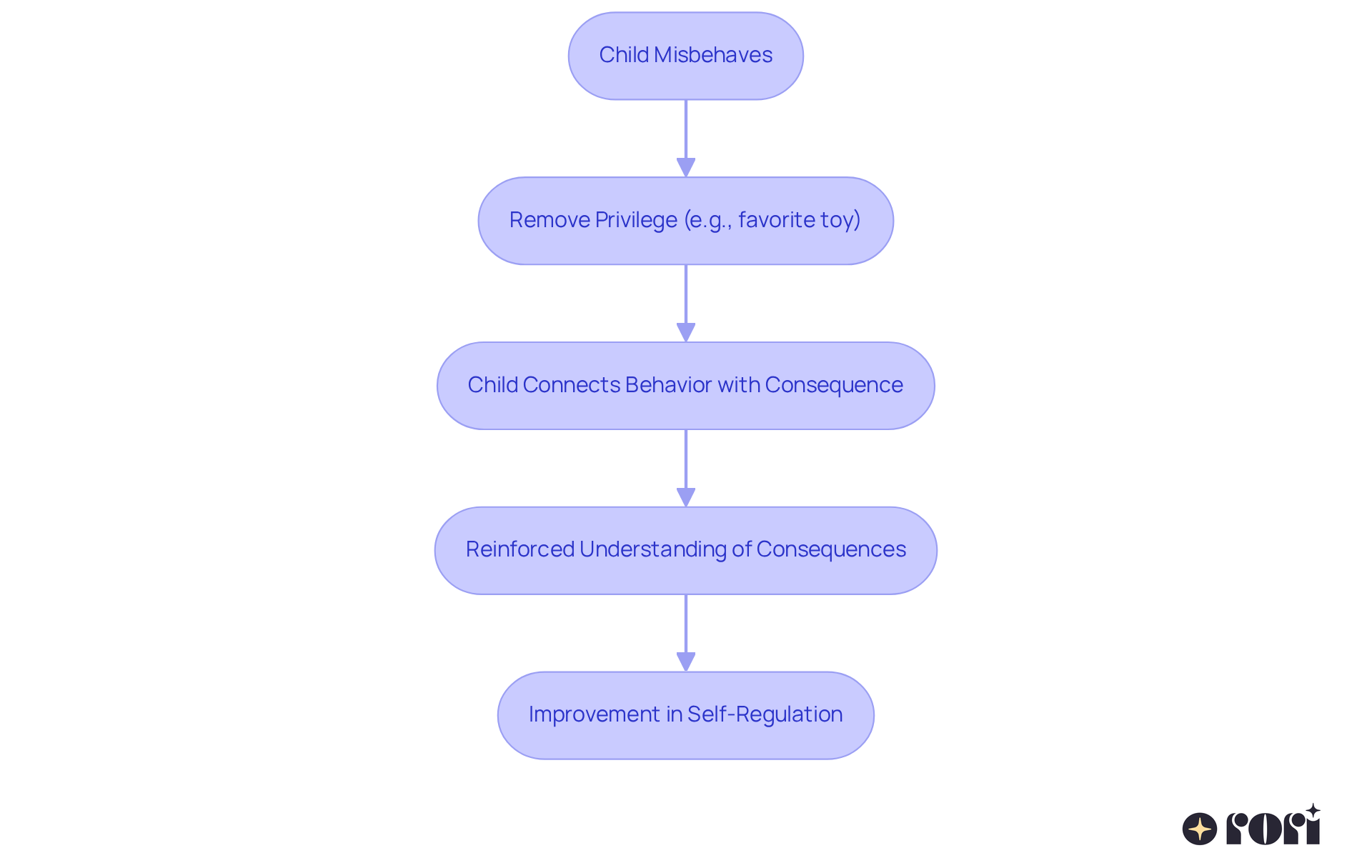
Removing privileges can be a straightforward and effective way to , especially in the realm of Applied Behavior Analysis (ABA). Imagine a therapy that adapts to your child’s unique needs, using the principles of learning and behavior. For instance, if a little one misbehaves during playtime, a could be losing access to a favorite toy or activity for a short time. This immediate consequence helps them connect their actions with the loss of something they love, reinforcing the idea that certain behaviors lead to less desirable outcomes.
Research shows that this approach can . Kids learn to associate their choices with what happens next. Regularly applying this strategy not only reduces negative behaviors but also . For example, if a child skips helping with dinner, they might miss out on watching a movie that night. This illustrates a of how losing a privilege can effectively .
It’s important to note that it may take several instances of enforcing this consequence before you see meaningful changes in behavior. This highlights the need for persistence and consistency in your approach. Overall, the serves as a in , particularly for school-age children who can grasp the concept of consequences. Ultimately, this can lead to and . Let’s explore this together and see how it can work for your family!
Ethical Considerations: Navigating the Use of Response Cost in ABA Therapy
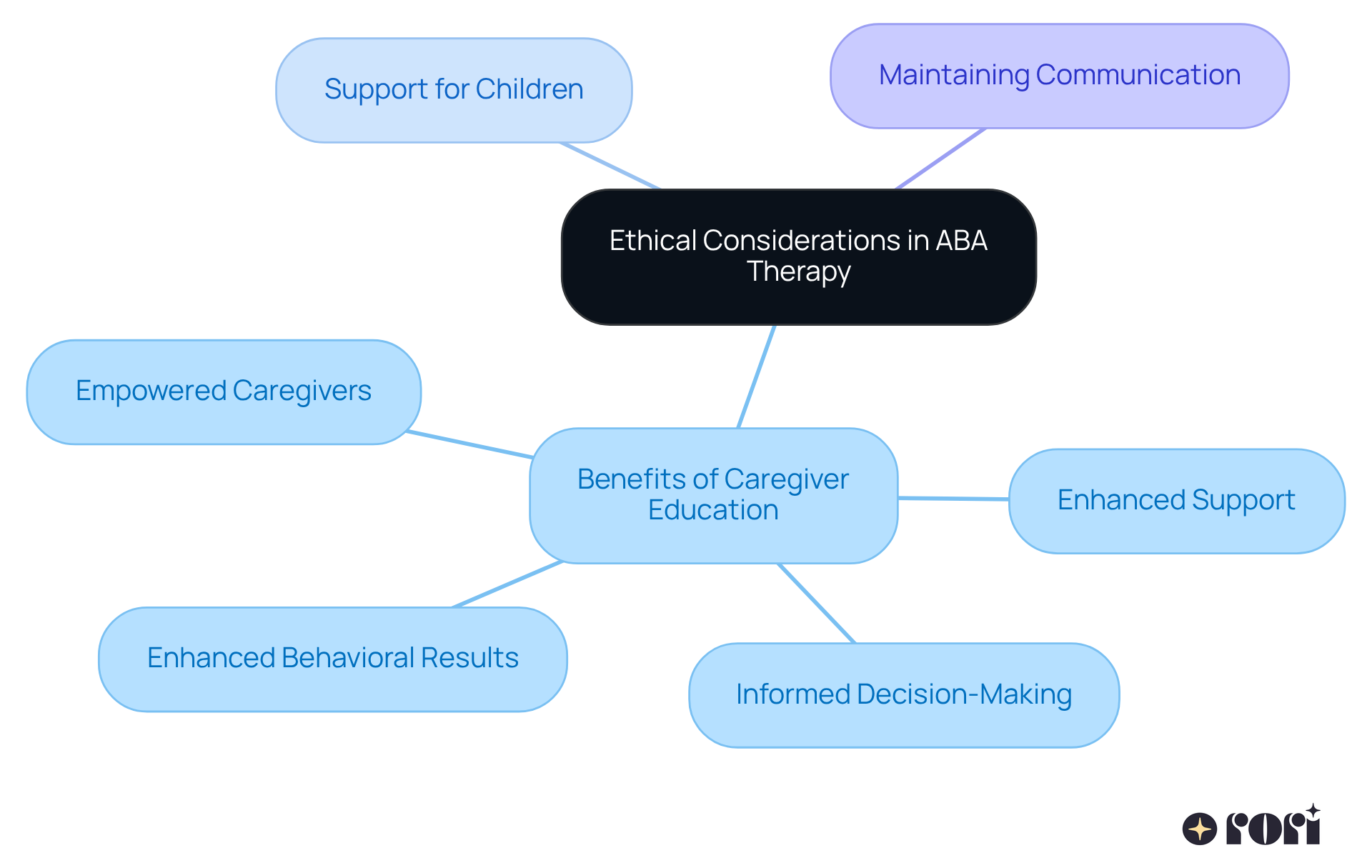
when we consider the response cost example methods in ABA therapy. It’s so important for practitioners to make sure that parents and caregivers are fully informed about how these approaches might affect their child’s behavior. Research shows that when caregivers are educated, it can really —90% of individuals see improvement when caregivers are actively engaged!
Here are some key benefits of :
- : Caregivers become better equipped to provide the right support at home, which complements professional interventions and promotes consistency.
- : With a deeper understanding of ABA principles, caregivers can make informed decisions that positively influence their child’s progress.
- : When caregivers participate actively and align with therapeutic approaches, it often leads to more effective and lasting behavioral improvements.
- : The knowledge and skills gained through these programs can really boost caregivers’ confidence, helping them assist their children while easing stress and improving family dynamics.
It’s crucial to maintain to prevent emotional turmoil, as overuse can lead to irritation or worry in young ones. Keeping the lines of communication open fosters a collaborative environment, allowing therapists to address any concerns and adjust strategies as needed. Plus, should always prioritize the well-being of the child, ensuring that interventions are humane and respectful. Case studies have shown that a thoughtful approach to the response cost example can lead to positive behavioral changes while protecting emotional well-being. By blending professional insights with structured observation, therapists can navigate the ethical landscape of ABA therapy effectively, promoting responsibility and positive outcomes for young individuals. Let’s explore this together!
Potential Risks: Understanding the Downsides of Response Cost Strategies
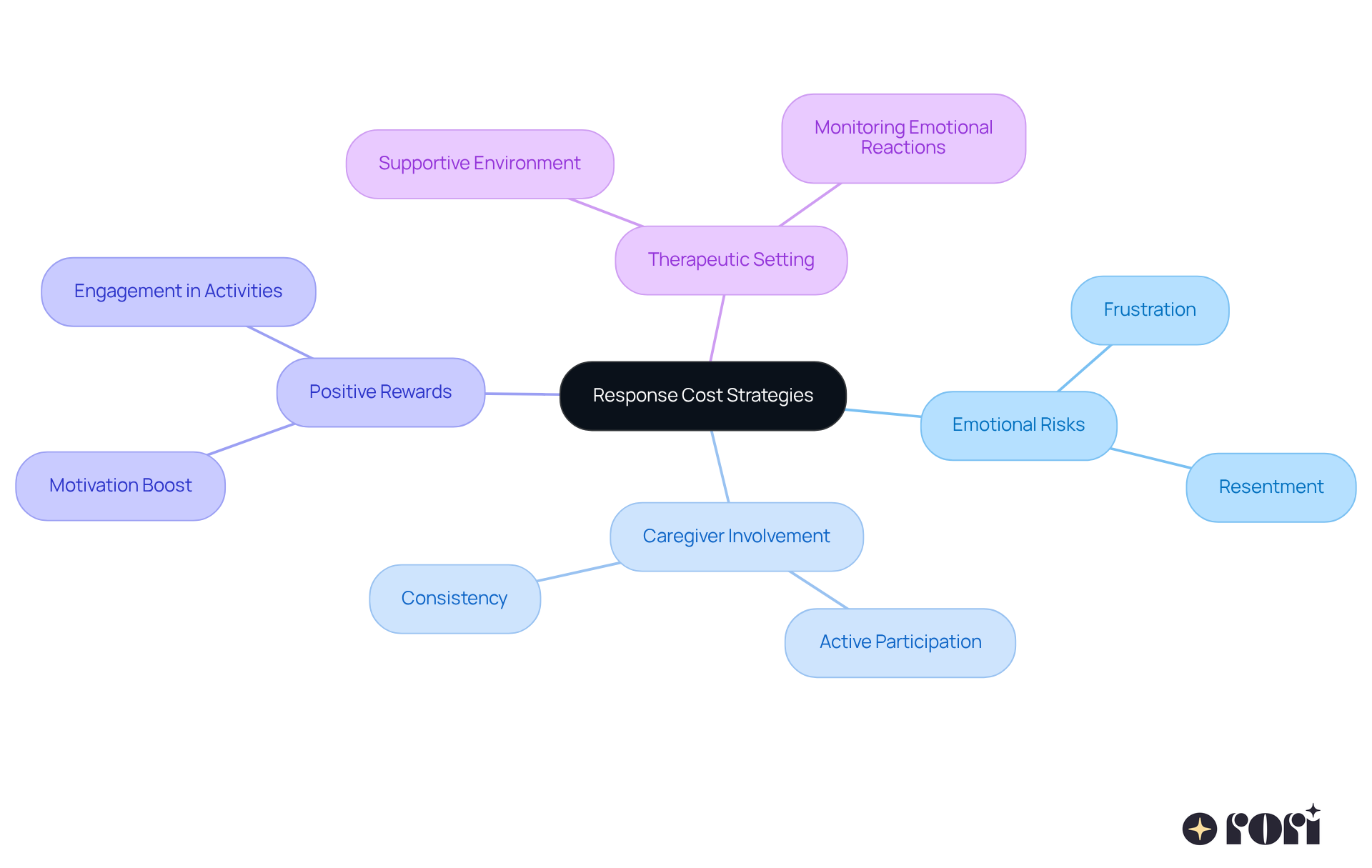
While a can be an effective , it does come with some for our young ones. If we’re not careful, a of removing privileges or tokens might lead to feelings of frustration or resentment. Statistics show that a , which involves losing a token for misbehavior, can help kids understand cause and effect. However, if we overdo it, this could serve as a that dampens their .
For example, studies reveal that 90% of youths make progress when are fully executed with active . This highlights how important a balanced method is! When caregivers are educated, they can provide the right support at home, which complements professional interventions and promotes consistency.
This education not only improves but also eases caregiver stress, fostering a more positive family dynamic. Plus, knowing they’ll receive can really boost motivation, making kids more eager to participate in activities they enjoy. So, it’s crucial for practitioners to keep a close eye on and adjust their approaches as needed.
This way, we ensure that the therapeutic setting remains encouraging and supportive, allowing young individuals to thrive while learning appropriate behaviors. Let’s explore this together and see how we can make a difference for our kids!
Collaboration with Caregivers: Enhancing Response Cost Implementation in ABA Therapy
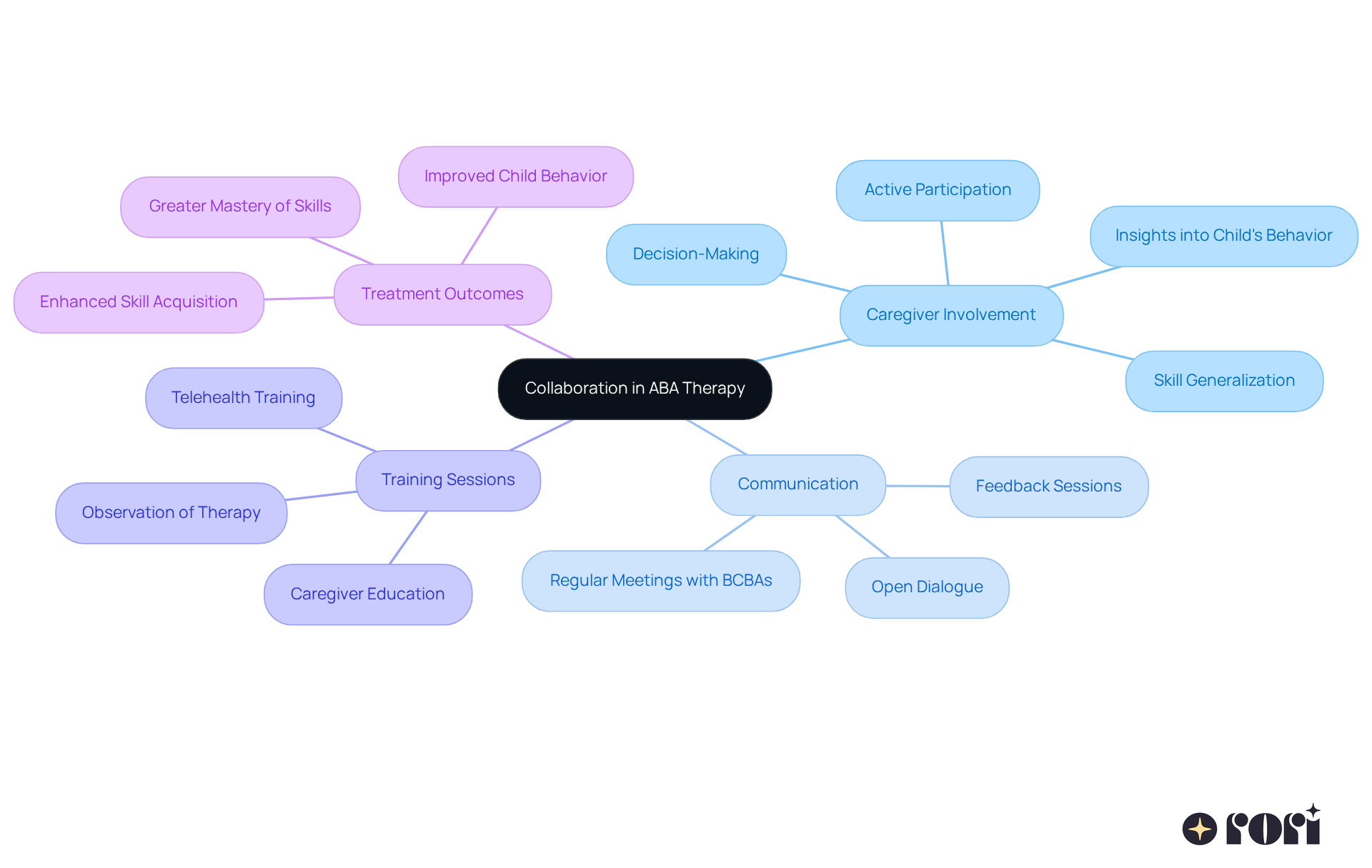
Collaboration with caregivers is crucial for effectively implementing in . When parents and guardians are involved in the decision-making process, therapists can gather . This involvement can really enhance ! 🌟 Research shows that over 90% of children experience significant improvements when caregivers actively participate, highlighting just how crucial is in .
help of ABA concepts and methods. This knowledge allows them to consistently implement techniques related to a response cost example at home and reinforce what’s learned during therapy sessions. This partnership not only but also fosters a sense of teamwork between families and therapists.
By equipping caregivers with the right tools and knowledge, therapists can ensure that strategies are smoothly integrated into daily routines. This leads to greater mastery of skills and overall development. Empowered caregivers truly play a vital role in maximizing the effectiveness of interventions, reminding us of the . Let’s explore this together! We’re here to help you every step of the way!
Response Cost in Group Settings: Managing Behavior During Social Interactions
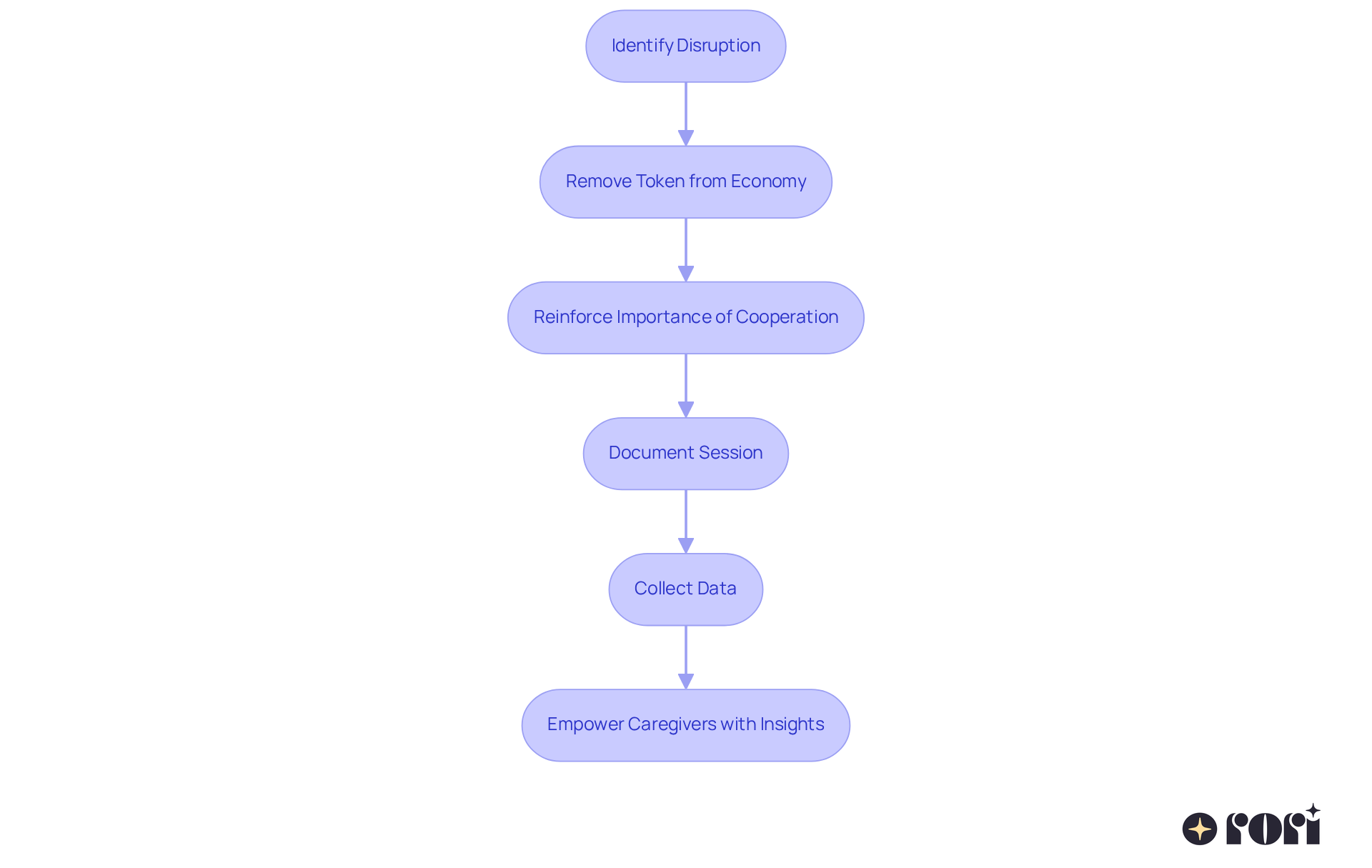
Implementing a in is something that requires a thoughtful look at social dynamics. For example, if a young person disrupts a group activity, we might remove a token from their individual . This not only addresses the behavior but also gently reminds them about the and respect in .
At Rori Care, we make it a point to , ensuring our clinical team is always available for your little one. This way, we can collect without interrupting the therapeutic process. By consistently using a in group environments, therapists can help youngsters learn to . Plus, we securely store and anonymize data to empower caregivers with insights into their children’s .
Let’s explore this together! We’re here to !
Combining Response Cost with Positive Reinforcement: A Holistic Approach
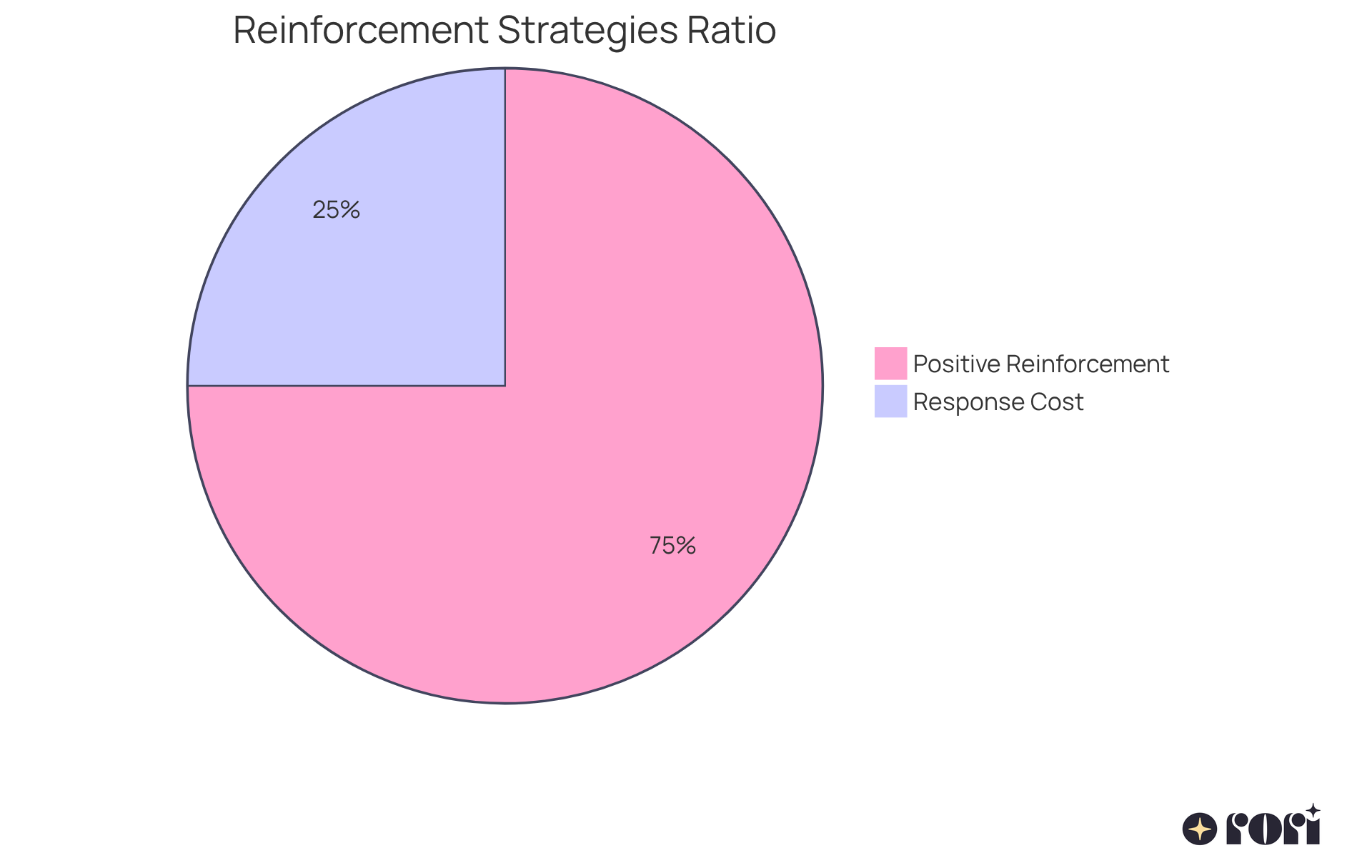
Integrating the with is a great way to create a comprehensive strategy for . For instance, when a young one loses a token due to misconduct, it’s important to also provide for good actions. This could be as simple as giving a compliment or offering rewards for preferred activities. for to a , which helps keep motivation high and encourages young individuals to engage in constructive actions.
This balanced approach really fosters a , making even more effective. At Rori Care, our skilled analysts create that include and research-backed methods tailored to each child’s needs. We focus on continuous assessment and adjustments to ensure adaptability.
For parents, applying this method means setting clear expectations for behavior and consistently . This way, you can reinforce desired behaviors right at home. Let’s explore this together! We’re here to !
Monitoring Progress: Assessing the Effectiveness of Response Cost in ABA Therapy
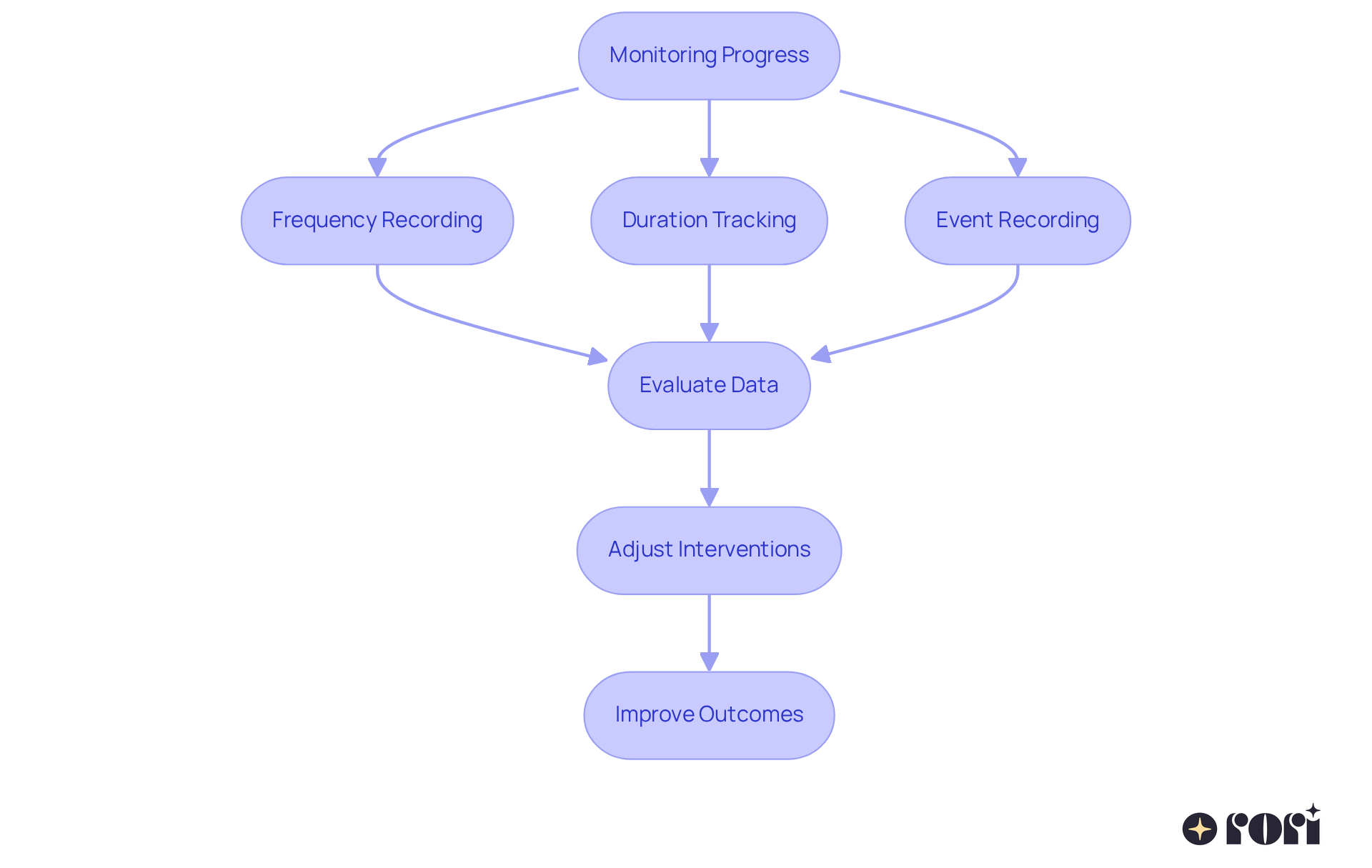
is essential for understanding how effective are in ABA therapy. Practitioners can use different , like frequency recording, duration tracking, and event recording, to evaluate how often and how intensely targeted actions occur before and during a response cost example intervention. For instance, frequency recording tells us how often a specific action happens, while duration tracking reveals how long these activities last.
Regular are vital for successful ABA treatment. They help therapists spot trends and make informed adjustments to interventions, ensuring strategies remain effective in promoting positive change. A great example is Rori Care’s , which updates after each session based on progress made. This shows how important it is to have adaptable treatment plans that involve caregivers.
Ongoing assessment is crucial for achieving . It allows for quick adjustments based on measurable results. By taking a , practitioners can , ultimately supporting each child’s unique developmental journey. As we often say, “Collecting conduct data is only valuable if we use it,” which highlights the importance of applying data in our decision-making.
And remember, informed consent is a must before any data collection to ensure ethical practices in ABA therapy. We’re here to !
Best Practices for Implementing Response Cost: Ensuring Success in ABA Therapy
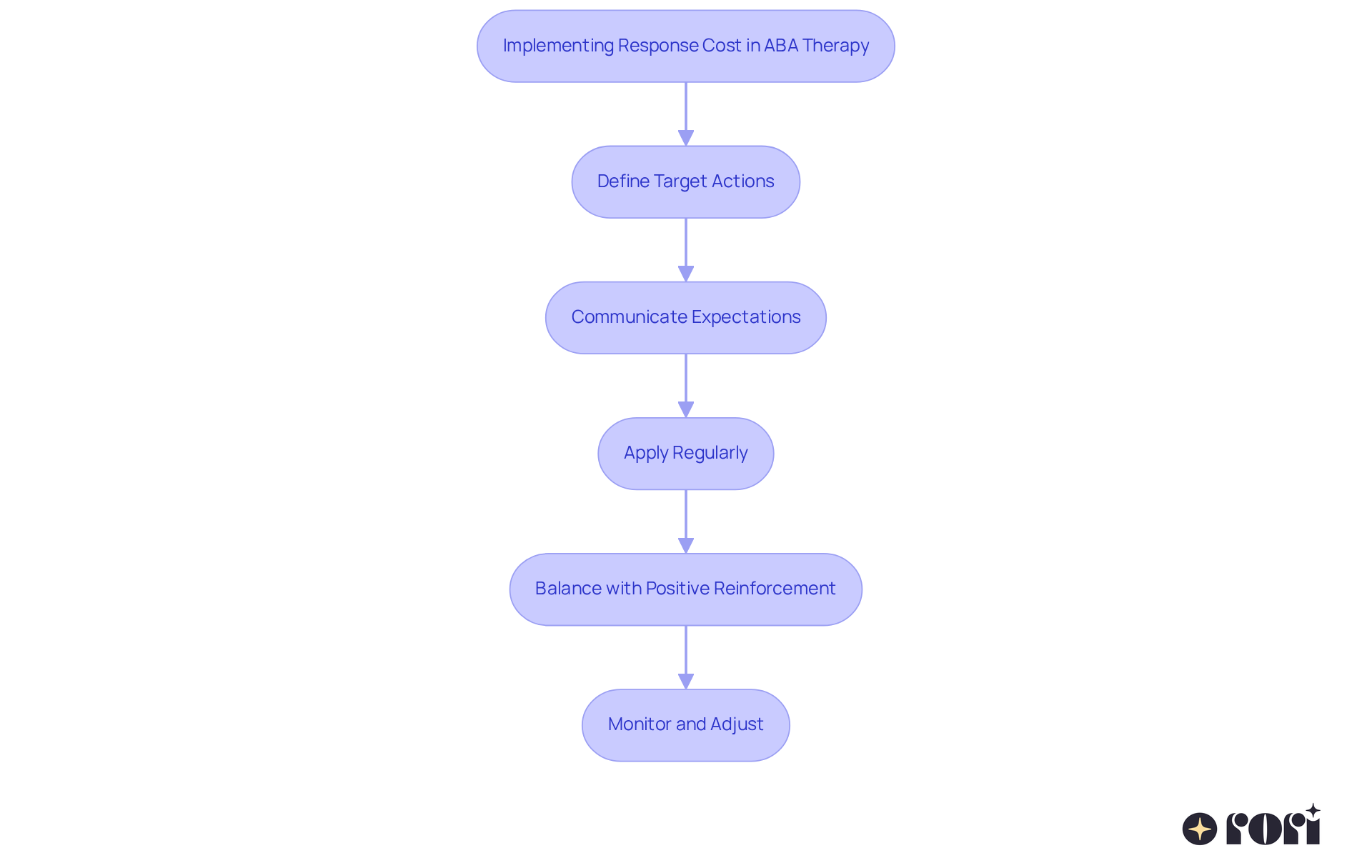
To effectively implement in ABA therapy, practitioners should stick to a few best practices that really make a difference:
- Define : Clearly specify the actions that will trigger a response penalty. This clarity helps in setting measurable goals and expectations, making it easier for everyone involved.
- : It’s crucial that children fully understand the rules and the consequences tied to their actions. When they grasp this, it and encourages compliance, which is so important!
- : Consistency is key! Implement a immediately after the unwanted action occurs. This regularity strengthens learning and helps change behaviors more effectively.
- Balance with : Aim for a friendly balance of to response expense—ideally, three instances of for every instance of response expense. This not only inspires kids but also promotes positive behavior.
- : Regularly check how well these response cost approaches are working by gathering data and observing outcomes. If adjustments are needed, make them based on this information. Qualified analysts are essential in this process, ensuring that personalized intervention plans are tailored to foster positive changes and skill acquisition.
By following these best practices, practitioners can significantly enhance the effectiveness of response cost example strategies in ABA therapy. This leads to improved for children with autism, making a real difference in their lives. Let’s explore this together!
Conclusion
Implementing response cost strategies in ABA therapy offers a structured and effective way to modify behavior, especially for children with autism. By using techniques like token economies and loss of privileges, caregivers and therapists can team up to reinforce positive behaviors while addressing negative actions. Plus, integrating technology and data-driven approaches enhances these strategies, allowing for personalized interventions tailored to each child’s unique needs.
Throughout this article, we’ve highlighted the importance of clear definitions and consistent application, along with finding the right balance between response costs and positive reinforcement. Caregiver involvement stands out as a crucial factor in the success of these strategies. Research shows that when caregivers actively participate, the outcomes improve significantly! And let’s not forget about the ethical considerations—it’s essential to ensure that our interventions are both humane and effective.
In conclusion, the journey of behavior modification through response cost strategies thrives on collaboration, education, and adaptability. By engaging caregivers, monitoring progress, and maintaining a balanced approach, we can create substantial positive change in children’s lives. Embracing these practices not only fosters independence and social skills but also empowers families to navigate the challenges of behavior modification with confidence and support. Let’s explore this together!
Frequently Asked Questions
What is Rori Care’s approach to ABA therapy?
Rori Care pioneers ABA therapy through advanced response strategies that utilize cutting-edge technology and data-informed approaches, allowing clinicians and families to apply effective techniques tailored to each child’s unique needs.
How does Rori Care enhance the therapy experience for clinicians and families?
Rori Care combines personalized therapy with AI-driven automatic progress report creation, enabling clinicians to spend 50% more time on direct treatment, which focuses on the child’s growth and improves behavioral outcomes.
What is a token economy system and how does it work?
A token economy system is a structured method where children earn tokens for displaying positive behaviors, which they can later exchange for rewards. This reinforces good actions and teaches them about the consequences of their choices.
How does a response cost example function within a token economy?
In a token economy, a response cost example occurs when a child loses a token for negative behavior, such as interrupting, which helps them learn the importance of waiting their turn and enhances their social skills.
What are the benefits of implementing a token economy for children with autism?
Research indicates that token economies can significantly improve behavioral outcomes, increase motivation, and reduce disruptive behaviors in children with autism, particularly when using token boards to reward task completion.
What is the concept of loss of privileges as a response cost strategy?
Loss of privileges involves removing access to a favorite toy or activity as a consequence for misbehavior, helping children associate their actions with the loss of something they enjoy, thereby reinforcing positive behavior.
How can loss of privileges promote self-regulation in children?
By regularly applying the loss of privileges strategy, children learn to connect their choices with consequences, fostering accountability and responsibility, which can lead to improved behavior over time.
What is important to remember when using loss of privileges as a behavior modification technique?
Consistency and persistence are crucial, as it may take several instances of enforcing the consequence before meaningful changes in behavior are observed.
List of Sources
- Rori Care – ABA Therapy: Pioneering Response Cost Strategies for Effective Behavior Modification
- Resources | Golden Steps ABA (https://goldenstepsaba.com/resources/success-rates-of-aba-therapy)
- The Numbers Don’t Lie: Revealing Autism Therapy Statistics | Above and Beyond Therapy (https://abtaba.com/blog/autism-therapy-statistics)
- Inspirational ABA and Autism Quotes – Mrs. Moe’s Modifications (https://mrsmoesmodifications.com/inspirational-aba-and-autism-quotes)
- Response Cost In ABA Therapy (https://besteveraba.com/blog/response-cost-in-aba-therapy)
- Token Economy System: Implementing Response Cost Through Reward Reduction
- Uh oh! Looks like you’re lost! (https://masteraba.com/token-economy-2)
- (PDF) THE EFFECTIVENESS OF TOKEN ECONOMY IN IMPROVING CONCENTRATION AND REDUCING DISRUPTIVE BEHAVIOUR AMONG AUTISTIC STUDENTS (https://researchgate.net/publication/378842965_THE_EFFECTIVENESS_OF_TOKEN_ECONOMY_IN_IMPROVING_CONCENTRATION_AND_REDUCING_DISRUPTIVE_BEHAVIOUR_AMONG_AUTISTIC_STUDENTS)
- Understanding the Role of Token Economies in ABA Therapy | Advanced Autism Services (https://advancedautism.com/post/understanding-the-role-of-token-economies-in-aba-therapy)
- Token Economy ABA – Systems & Uses in Therapy (https://centralreach.com/blog/token-economy-aba)
- mdpi.com (https://mdpi.com/2071-1050/14/2/716)
- Loss of Privileges: A Practical Example of Response Cost in Action
- raisingchildren.net.au (https://raisingchildren.net.au/school-age/behaviour/rules-consequences/loss-of-privilege)
- abtaba.com (https://abtaba.com/blog/response-cost-in-aba)
- rori.care (https://rori.care/post/the-effectiveness-of-positive-punishment-in-aba-therapy)
- adinaaba.com (https://adinaaba.com/post/response-cost-for-effective-aba-therapy)
- teachwire.net (https://teachwire.net/news/focus-on-the-types-of-punishments-where-rewards-or-privileges-are-withdrawn)
- Ethical Considerations: Navigating the Use of Response Cost in ABA Therapy
- rori.care (https://rori.care/post/what-is-response-cost-in-aba-therapy-a-comprehensive-overview)
- rori.care (https://rori.care/post/is-response-cost-negative-punishment-a-parents-guide)
- abtaba.com (https://abtaba.com/blog/response-cost-in-aba)
- 81 ABA Therapy Statistics You Need to Know – apricott ABA (https://apricott.com/resources/aba-therapy-statistics)
- Response Cost In ABA Therapy | Grateful Care ABA (https://gratefulcareaba.com/blog/response-cost-in-aba-therapy)
- Potential Risks: Understanding the Downsides of Response Cost Strategies
- convoyofhope.org (https://convoyofhope.org/articles/quotes-about-children)
- researchgate.net (https://researchgate.net/publication/226979084_Effects_of_Reward_and_Response_Cost_on_the_Performance_and_Motivation_of_Children_with_ADHD)
- rori.care (https://rori.care/post/what-is-response-cost-in-aba-therapy-a-comprehensive-overview)
- Response Cost In ABA Therapy | Grateful Care ABA (https://gratefulcareaba.com/blog/response-cost-in-aba-therapy)
- mastermindbehavior.com (https://mastermindbehavior.com/post/response-cost-aba-therapy)
- Collaboration with Caregivers: Enhancing Response Cost Implementation in ABA Therapy
- Empowering Families to Drive Progress in ABA Therapy | Step Ahead ABA (https://stepaheadaba.com/blog/how-parent-and-caregiver-guidance-strengthens-aba-therapy-effectiveness)
- The Vital Role Caregivers Play in ABA Therapy Success | Step Ahead ABA (https://stepaheadaba.com/blog/how-caregiver-support-enhances-the-effectiveness-of-aba-therapy-interventions)
- 18 Inspiring Quotes for Purposeful Parenting (https://ybgr.org/18-inspiring-quotes-for-purposeful-parenting)
- Aba Therapy Training For Parents (https://discoveryaba.com/aba-therapy/the-importance-of-caregiver-involvement-in-aba-therapy-programs)
- Family & Caregiver Involvement in ABA Therapy | Autism Treatment & Parent Training Support — Behavior Frontiers (https://behaviorfrontiers.com/blog/importance-of-family-and-caregiver-involvement-in-autism-care)
- Response Cost in Group Settings: Managing Behavior During Social Interactions
- Autism Therapy: Key Statistics (https://ambitionsaba.com/resources/autism-therapy-statistics)
- researchgate.net (https://researchgate.net/publication/12432651_The_effects_of_response_cost_in_the_treatment_of_aberrant_behavior_maintained_by_negative_reinforcement)
- 81 ABA Therapy Statistics You Need to Know – apricott ABA (https://apricott.com/resources/aba-therapy-statistics)
- Autism Therapy Statistics | Discovery ABA (https://discoveryaba.com/aba-therapy/autism-therapy-statistics)
- supportivecareaba.com (https://supportivecareaba.com/statistics)
- Combining Response Cost with Positive Reinforcement: A Holistic Approach
- Inspirational ABA and Autism Quotes – Mrs. Moe’s Modifications (https://mrsmoesmodifications.com/inspirational-aba-and-autism-quotes)
- Response Cost In ABA Therapy (https://besteveraba.com/blog/response-cost-in-aba-therapy)
- researchgate.net (https://researchgate.net/publication/222324013_Direct_and_collateral_effects_of_positive_reinforcement_response_cost_and_mixed_contingencies_for_academic_performance)
- TOP 23 POSITIVE REINFORCEMENT QUOTES | A-Z Quotes (https://azquotes.com/quotes/topics/positive-reinforcement.html)
- Monitoring Progress: Assessing the Effectiveness of Response Cost in ABA Therapy
- Measuring Progress In ABA Therapy: A Guide To Tracking Success (https://kidsclubaba.com/how-to-measure-progress-in-aba-therapy-tracking-success-guide)
- behavioralconsultingnc.com (https://behavioralconsultingnc.com/blog/understanding-monitoring-behavior-through-data-in-aba-why-data-matters)
- The Role of Data Collection in Monitoring ABA Therapy Progress | Discovery ABA (https://discoveryaba.com/aba-therapy/the-role-of-data-collection-in-monitoring-aba-therapy-progress)
- Behavior Progress Monitoring: Data That Makes a Difference (https://branchingminds.com/blog/behavior-progress-monitoring)
- The Role of Data in Measuring Progress in ABA Therapy (https://ambitionsaba.com/resources/the-role-of-data-in-measuring-progress-in-aba-therapy)
- Best Practices for Implementing Response Cost: Ensuring Success in ABA Therapy
- Impact of Applied Behavior Analysis on Autistic Children Target Behaviors: A Replication Using Repeated Measures – PMC (https://pmc.ncbi.nlm.nih.gov/articles/PMC10907966)
- The Significance of Statistics in ABA Therapy | All Star ABA (https://allstaraba.org/statistics-in-aba-therapy)
- Response Cost In ABA Therapy | Grateful Care ABA (https://gratefulcareaba.com/blog/response-cost-in-aba-therapy)
- Tracking and Measuring Outcomes in ABA Therapy Programs (https://mastermindbehavior.com/post/tracking-and-measuring-outcomes-in-aba-therapy-programs)
- Response Cost In Aba Therapy | Discovery ABA (https://discoveryaba.com/aba-therapy/response-cost-in-aba-therapy?8936781b_page=9)