

Introduction
Helping autistic children develop independence isn’t just a goal; it’s a vital step toward a fulfilling life. These skills empower kids to tackle daily tasks, make informed choices, and truly engage with the world around them. But let’s be real – the journey to fostering self-reliance can be tough for both kids and their caregivers.
So, how can families nurture these essential skills while creating a supportive and loving environment? 🤔 In this article, we’ll dive into some best practices and innovative strategies that can change the way we approach independence, paving the way for brighter futures. Let’s explore this together!
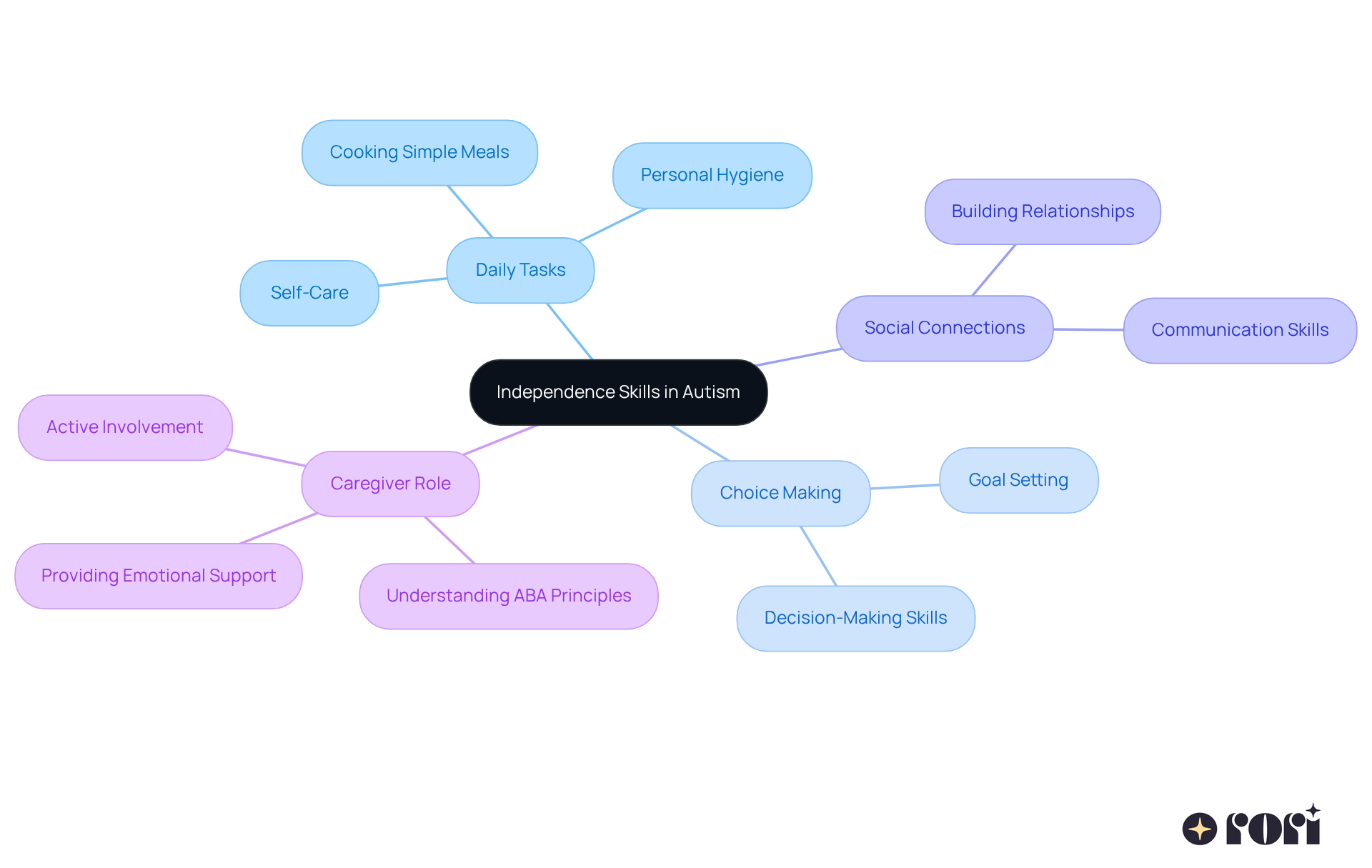
Recognize the Importance of Independence Skills in Autism
is extremely important for their skills! They help them tackle daily tasks, make choices, and connect with the world around them. These skills include everything from to social interactions and decision-making. By encouraging self-reliance, caregivers can assist in , helping them feel more autonomous and boosting their self-esteem, which is vital for their emotional and social development.
You know, studies show that kids who develop these early on tend to . This can lead to better outcomes in education, jobs, and community involvement. For example, teaching kids how to manage personal hygiene or whip up simple meals can really boost their confidence and ability to function independently in different settings. It’s all about laying that groundwork for a fulfilling and engaged life!
And let’s not forget about the [role of caregivers in this journey](https://rori.care/post/4-best-practices-for-parental-involvement-in-social-skills-training). When caregivers understand , they can provide better support and make choices that positively impact their child’s growth. Active involvement and alignment with therapeutic approaches often lead to , which ultimately contributes to developing independence in autistic children.
As highlighted by the A.J. Drexel Autism Institute, “Longitudinal studies have provided valuable insights into the factors influencing adult outcomes.” This really underscores the importance of . So, let’s explore this together! We’re here to help you every step of the way!
Implement Effective Strategies to Promote Independence
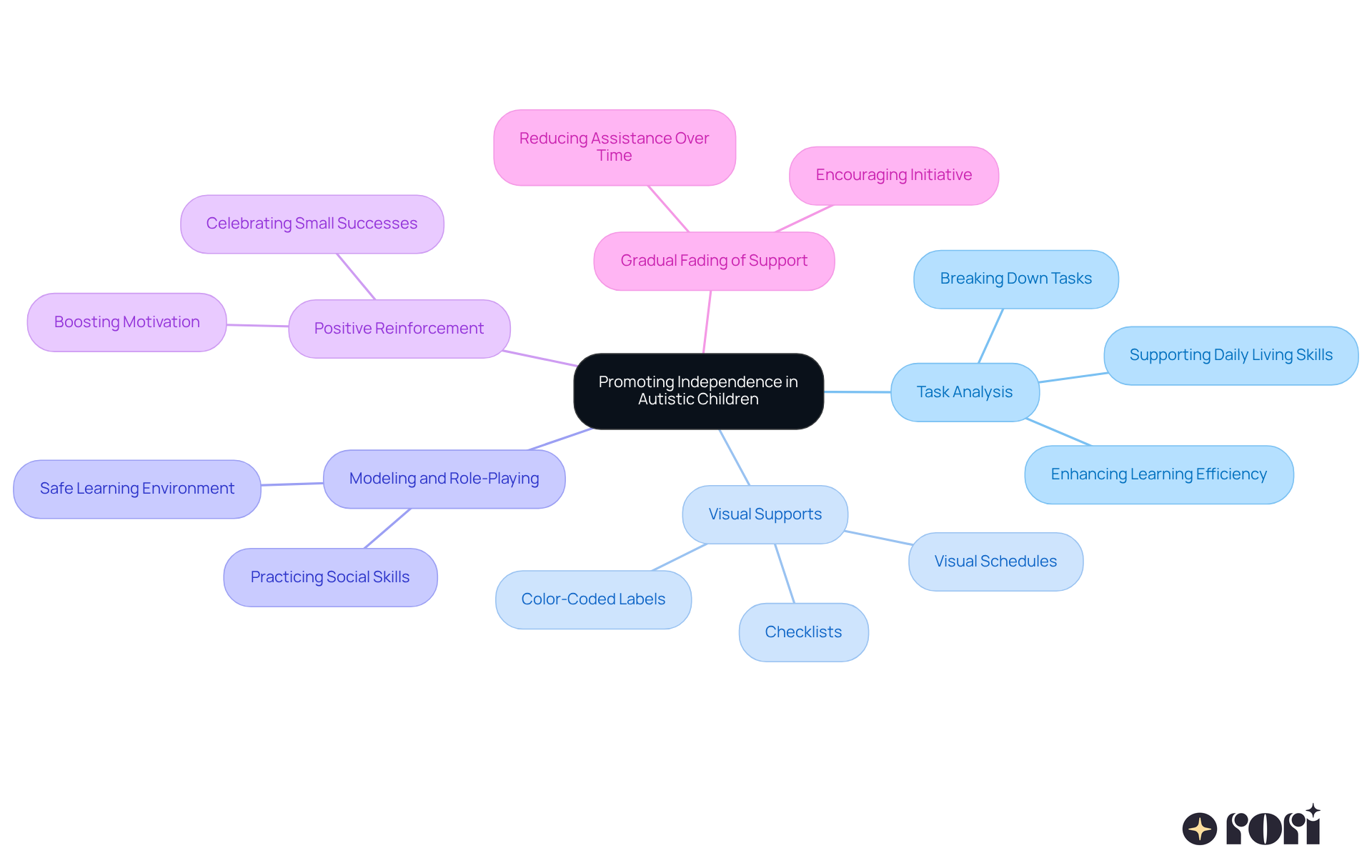
To promote independence in autistic children, caregivers can try out a few helpful strategies:
- : Think of breaking down complex tasks into smaller, manageable steps. For example, when teaching a little one to dress independently, start with picking out clothes, then move on to putting each item on in order. This organized approach can really cut down on frustration and support as they gradually master tasks.
- : can be great tools for helping young learners understand and follow daily routines. These visual aids not only boost comprehension but also support , as tasks get checked off, which can really encourage their sense of accomplishment.
- : Showcasing tasks and engaging in role-playing can be a fun way to practice social skills and daily living activities. This hands-on approach allows kids to learn in a safe space, which is crucial for developing independence in autistic children, while also building their confidence and understanding of how to use these skills in real life.
- : , no matter how small! This kind of encouragement can really boost motivation and reinforce , ultimately aiding in developing independence in autistic children.
- : As kids get better at a skill, slowly reduce the help you give them. This technique is effective in developing independence in autistic children by encouraging them to take initiative and building their confidence, which leads to greater self-reliance.
Let’s explore these strategies together and see how they can make a difference in developing independence in autistic children on your child’s journey!
Create Supportive Environments and Routines for Skill Development
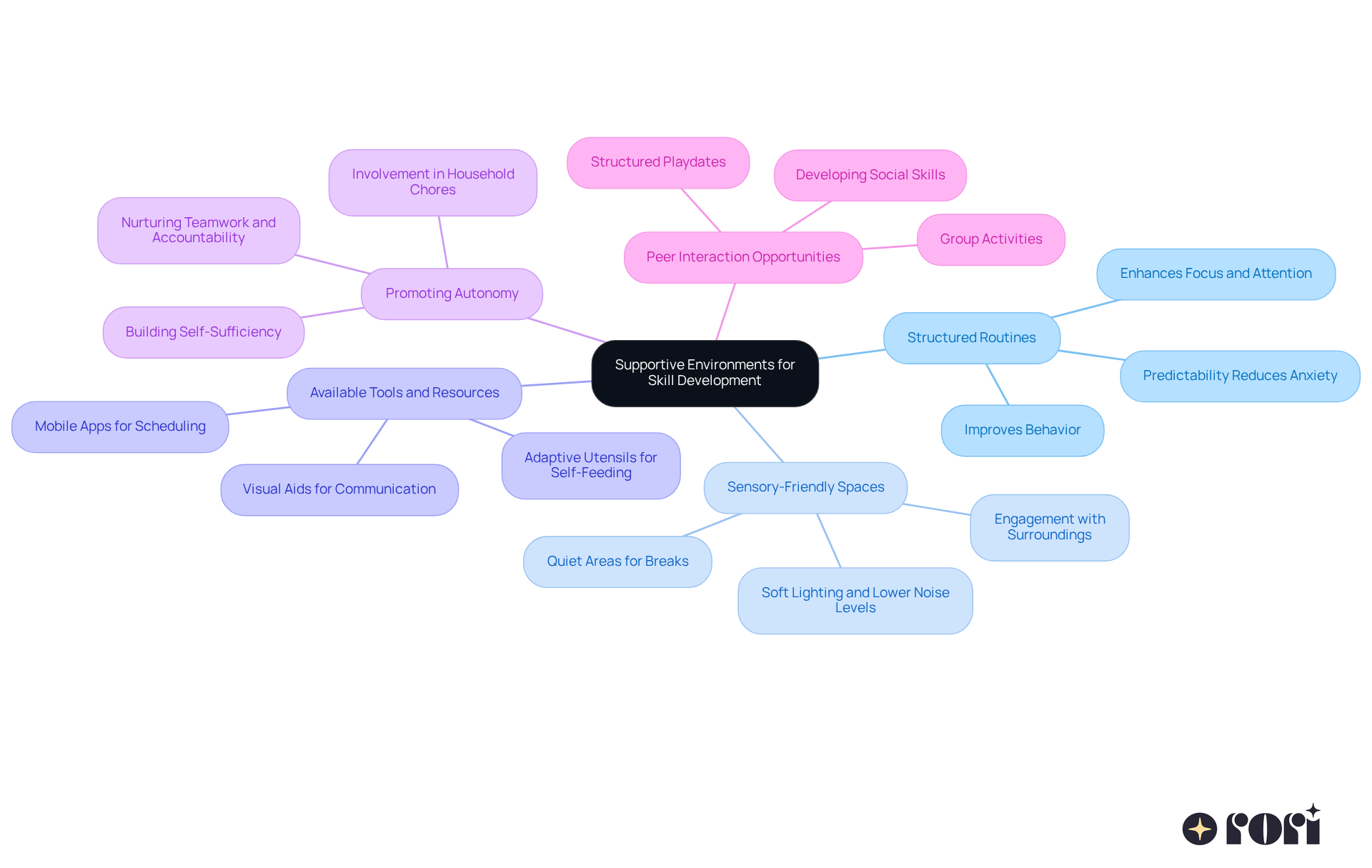
is crucial for . Let’s dive into some key elements that can make a real difference:
- : Establishing consistent daily routines is key! They provide predictability, helping young ones thrive in settings where they know what to expect. This predictability can really help and boost focus, allowing kids to concentrate on tasks without feeling overwhelmed. Research shows that predictable routines can enhance behavior by setting clear expectations, which is super important for individuals with autism.
- : It’s essential to create environments that cater to sensory sensitivities. Think soft lighting, lower noise levels, and quiet areas for breaks. These spaces help young individuals feel secure and more engaged with their surroundings, making it easier for them to participate in daily activities.
- : Ensuring that kids have access to tools that promote independence is crucial. Adaptive utensils for self-feeding or visual aids for communication can empower them to take charge of their daily activities, building self-sufficiency and confidence.
- : Getting kids involved in household chores, like setting the table or organizing laundry, is a great way to develop important skills. Plus, it and belonging within the family. These activities not only promote self-sufficiency, which is essential for , but also highlight the importance of teamwork and accountability.
- : Facilitating social interactions with peers through structured playdates or group activities can be so beneficial. These opportunities help kids develop social skills in a supportive environment, boosting their confidence and self-reliance. Interacting with peers leads to meaningful exchanges, which are vital for enhancing communication skills and emotional regulation.
By weaving these elements into everyday life, families can create a nurturing atmosphere that encourages developing independence in autistic children. Plus, equipping caregivers with knowledge and skills to support their children’s behavioral goals through active engagement can really enhance these approaches, fostering a stable and nurturing environment for growth. Let’s explore this together!
Leverage Technology and Data-Driven Approaches for Skill Acquisition
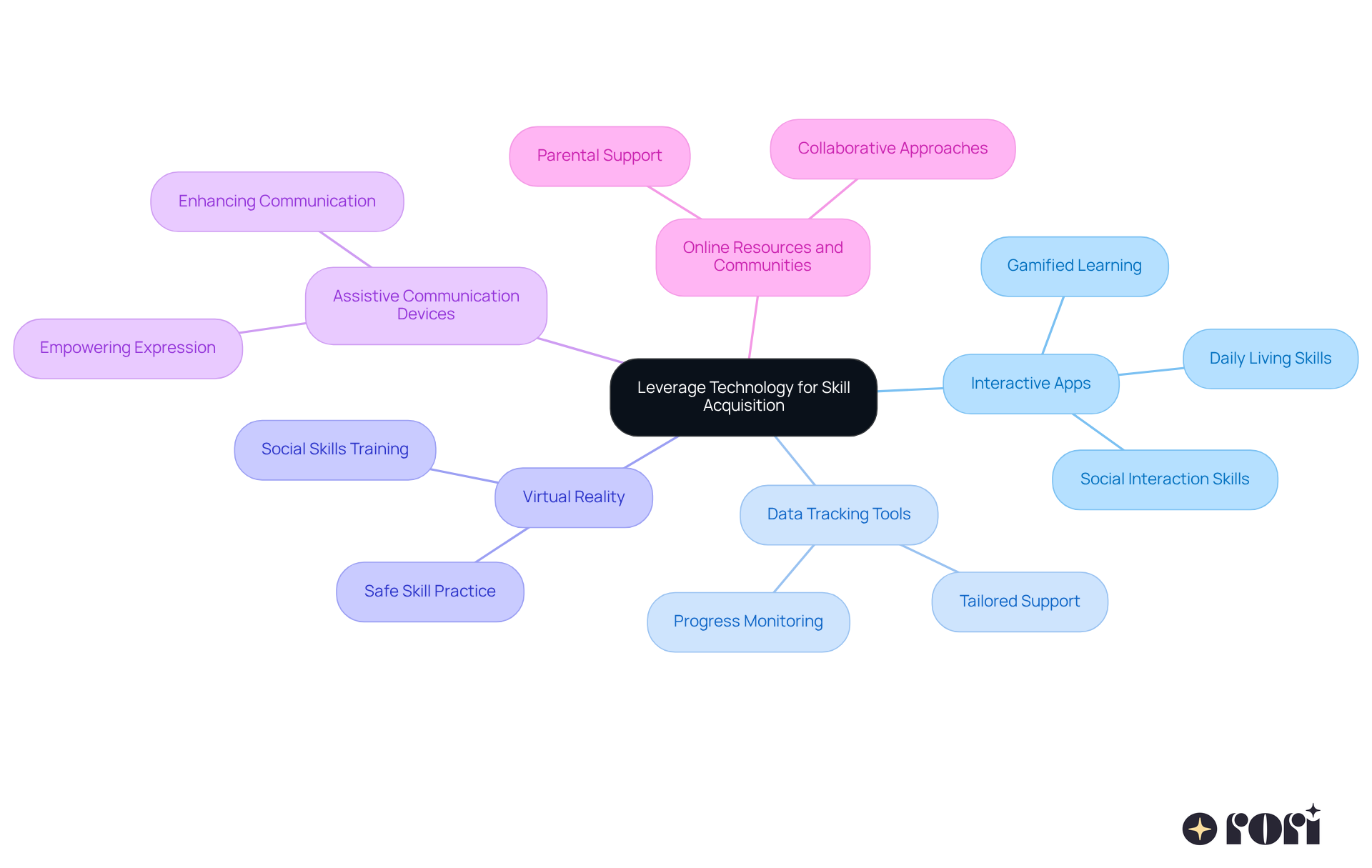
Technology can really aid in in autistic children in some exciting ways! Let’s dive into a few effective strategies that can make a difference:
- Interactive Apps: Think about using . These apps can teach or social interactions through fun, gamified experiences. Kids love engaging with these tools, making learning both enjoyable and effective, while reinforcing what they’ve learned from their educators.
- : How about using to keep track of progress? By collecting information on how a child is doing, parents can tailor their support to meet specific needs. This way, they can see how things are improving over time, which helps in making informed decisions.
- Virtual Reality (VR): Have you considered VR applications? They can simulate real-life situations, giving kids a chance to in a safe environment. This is especially helpful for teaching or navigating public spaces, aligning perfectly with what support providers aim to achieve.
- : AAC devices can be a game-changer for kids with limited verbal skills. These tools not only enhance communication but also contribute to in autistic children by empowering them to express their needs and preferences.
- Online Resources and Communities: Lastly, encourage families to connect with and support. Engaging with a parents and guardians, creating a collaborative approach to developing independence in autistic children. By using what they’ve learned from caregiver education, families can improve their support strategies, leading to better outcomes for everyone involved.
Let’s explore this together! We’re here to help you every step of the way!
Conclusion
Helping autistic children develop independence isn’t just a nice-to-have; it’s truly essential for their growth and well-being. When caregivers nurture self-sufficiency, they play a crucial role in guiding children through daily tasks, helping them make informed choices, and encouraging meaningful interactions with their world. This foundational skill set not only boosts their confidence but also significantly enhances their chances of a successful transition into adulthood.
Throughout this article, we’ve explored various strategies to promote independence effectively. From breaking tasks into manageable steps and using visual supports to creating supportive environments and tapping into technology, these practices empower both children and caregivers. Each approach builds essential skills and fosters a sense of accomplishment, paving the way for greater autonomy and emotional resilience.
The journey toward independence for autistic children is a team effort that calls for patience, understanding, and a sprinkle of creativity. By putting these strategies into action and nurturing supportive environments, caregivers can make a real difference in their child’s ability to thrive. Embracing this approach not only enriches the lives of autistic children but also strengthens family bonds and community connections. Together, we can pave the way for a more inclusive and supportive future! Let’s explore this journey together!
Frequently Asked Questions
Why are independence skills important for autistic children?
Independence skills are crucial for autistic children as they help them tackle daily tasks, make choices, and connect with the world around them. These skills encompass self-care, communication, social interactions, and decision-making.
How do independence skills affect the transition to adulthood for autistic children?
Studies indicate that children who develop independence skills early tend to transition into adulthood more successfully, leading to better outcomes in education, employment, and community involvement.
What are some examples of independence skills that can be taught to autistic children?
Examples of independence skills include managing personal hygiene and preparing simple meals, which can enhance their confidence and ability to function independently in various settings.
What role do caregivers play in developing independence skills in autistic children?
Caregivers play a vital role by understanding ABA principles and strategies, providing better support, and making choices that positively impact their child’s growth and independence.
How does active involvement from caregivers influence the development of independence skills?
Active involvement and alignment with therapeutic approaches often lead to improved behavioral outcomes, which contribute to the development of independence in autistic children.
What insights do longitudinal studies provide regarding independence skills?
Longitudinal studies highlight the importance of building a strong foundation in self-sufficiency skills, as they influence adult outcomes for autistic individuals.