
Introduction
Creating a soothing atmosphere is so important for children with autism. Their unique sensory needs often require a little extra thought and care. In this article, we’ll explore four effective strategies that not only promote relaxation but also empower parents and caregivers to nurture emotional well-being in their children.
But with so many techniques out there, how do you figure out which ones will truly resonate and make a difference in your child’s life? Let’s dive in together and find out!
Create a Calming Environment for Children with Autism
Creating a tranquil space for your little one involves utilizing strategies for teaching relaxation techniques to children with autism that cater to their sensory needs. Here are some friendly tips to help you out:
- Reduce Noise: Think about adding soundproofing materials or even a white noise machine to cut down on distracting sounds. This can really help kids with autism focus and relax. As Temple Grandin wisely said, ‘Kids have to be exposed to different things in order to develop.’ By reducing noise, you’re paving the way for exploration and growth.
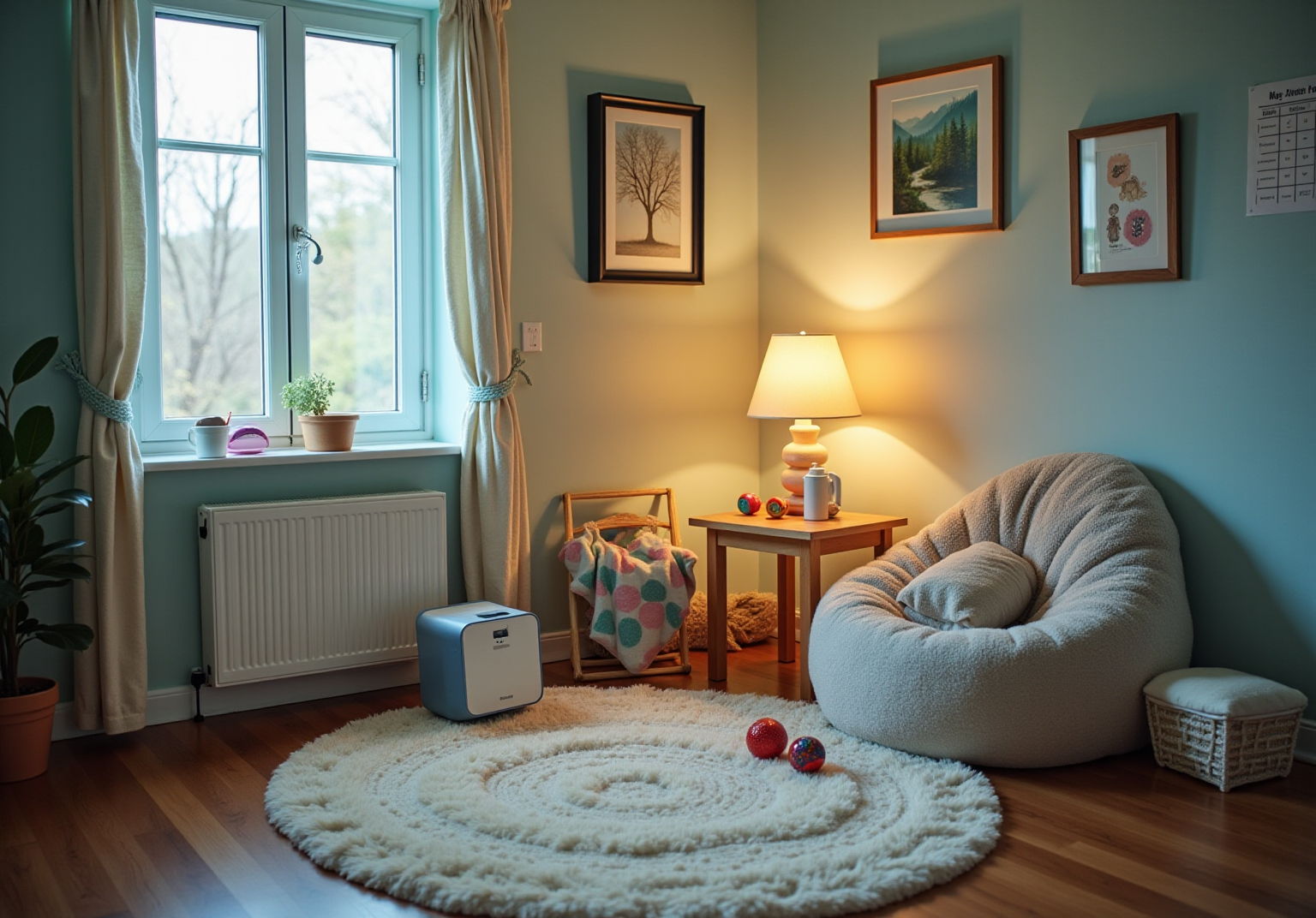
- Adjust Lighting: Soft, adjustable lighting can work wonders in creating a calming vibe. Try using lamps with dimmers or colored bulbs to match your child’s preferences. Did you know that around 90-95% of autistic youth experience sensory processing issues? Tailoring the lighting can make a big difference!
- Comfortable Textures: Adding soft furnishings like bean bags, weighted blankets, and plush rugs can really enhance comfort and security. These cozy elements help kids feel more at home and encourage a sense of calm, which is important when using strategies for teaching relaxation techniques to children with autism.
- Designated Calm Spaces: It’s a great idea to set up a special area in your home where your child can retreat when things get a bit overwhelming. This space should be free from distractions and filled with soothing items like books or sensory toys. Think of it as a personal sanctuary that promotes tranquility. Encourage parents to create this space as a first step toward using strategies for teaching relaxation techniques to children with autism.
Let’s explore this together! Your journey to creating a peaceful home can start with these simple changes.

Utilize Sensory Tools to Promote Relaxation
Sensory tools can really make a difference in helping kids with autism relax, especially when we think about how they fit into Applied Behavior Analysis (ABA). Let’s take a look at some effective options that might just work wonders for your little one:
- Weighted Blankets: These cozy blankets provide deep pressure input, which can soothe the nervous system and create a sense of security. Did you know that research shows using a weighted blanket can reduce anxiety by up to 60% for some kids? A good rule of thumb is to choose a blanket that’s about 15-20% of your child’s body weight-just enough to feel comforting without being too heavy. In ABA sessions, these blankets can help kids feel more secure and focused.
- Fidget Toys: Think of stress balls, fidget spinners, and textured toys as little helpers for your child. They can channel energy and ease anxiety. Studies have shown that fidget spinners can boost on-task behavior in kids with ADHD, which suggests they might also help children with autism manage anxiety and stay focused. Incorporating these toys into ABA sessions can give kids a way to self-soothe and stay engaged.
- Sensory Bottles: These fun, visually engaging bottles can capture a child’s attention and provide a calming effect when they’re shaken and watched. They’re a simple yet effective way to help kids self-regulate their emotions. In ABA, sensory bottles can be used as rewards or calming strategies during transitions or challenging tasks.
- Calming Music: Soft melodies or nature sounds can create a peaceful atmosphere, helping kids unwind after a busy day. This kind of auditory input can be especially helpful for children who are sensitive to sensory overload. Playing calming music during ABA sessions can really set the stage for a positive learning environment.
Integrating these sensory tools into your daily routine can significantly enhance strategies for teaching relaxation techniques to children with autism, fostering calmness and emotional control. Why not try a weighted blanket or a fidget toy during your child’s bedtime routine to promote relaxation? And don’t hesitate to chat with your ABA therapist about how to effectively weave these tools into your child’s therapy. We’re here to help you every step of the way!

Implement Structured Routines to Enhance Relaxation
Creating organized routines can really help bring a sense of calm to kids with autism. Here are some friendly strategies to think about:
- Consistent Daily Schedule: Setting up a daily routine that’s predictable can make a big difference. Think about including specific times for activities, meals, and relaxation. This kind of predictability can ease anxiety and behavioral challenges, giving your child a comforting sense of security.
- Visual Schedules: Have you tried using visual aids to show daily routines? They can really help kids understand what’s coming next. Research shows that visual schedules can lower anxiety by providing clear expectations, allowing little ones to focus better on learning and engaging.
- Scheduled Breaks: Don’t forget to include regular breaks throughout the day! These can be for quiet time or sensory play. Breaks are super important for helping kids recharge and manage their energy levels.
- Transition Cues: Using timers or visual signals can be a great way to prepare kids for moving from one activity to another. This method helps them get ready for changes, making transitions smoother and less stressful.
By incorporating strategies for teaching relaxation techniques to children with autism into your daily life, you can create a nurturing environment that promotes calmness and emotional well-being for your child. Let’s explore this together!

Incorporate Mindfulness Practices for Emotional Regulation
Incorporate Mindfulness Practices for Emotional Regulation
Mindfulness practices can be incredibly beneficial for children with autism in managing their emotions and promoting relaxation. When integrated into a comprehensive treatment plan like Applied Behavior Analysis (ABA) therapy, these techniques can really shine! Let’s explore some effective methods together:
- Mindful Breathing: Teaching children to focus on their breath by inhaling deeply and exhaling slowly can work wonders. Imagine incorporating this practice into ABA sessions! It helps calm their minds and bodies, reinforcing that patient-centered approach we all value in ABA therapy.
- Body Scans: How about guiding youngsters through a body scan exercise? Encourage them to notice and relax each part of their body. Caregivers can join in by modeling the exercise, making it even more effective within the ABA framework.
- Nature Walks: Encourage mindful walks in nature, where kids can soak in the sights, sounds, and smells around them. This activity not only promotes a sense of calm but also supports overall development, aligning beautifully with the goals of ABA therapy.
- Mindfulness Apps: Have you thought about using apps designed for children? They offer guided mindfulness exercises and relaxation techniques. These tools can be a fantastic complement to ABA therapy, providing extra resources for emotional regulation and incorporating strategies for teaching relaxation techniques to children with autism.
Let’s take these steps together! By incorporating mindfulness practices, we can help our children navigate their emotions with greater ease.

Conclusion
Helping children with autism learn to relax is so important for their emotional well-being and overall happiness. By using tailored strategies – like creating calming spaces, using sensory tools, setting up structured routines, and practicing mindfulness – caregivers can really help kids manage anxiety and stress.
Each of these strategies plays a vital role in promoting relaxation. A calming environment can help reduce sensory overload, while sensory tools offer comfort and focus. Structured routines bring predictability and security, and mindfulness practices empower kids to better regulate their emotions. Together, these methods create a nurturing atmosphere that truly supports each child’s unique needs.
But remember, the journey to helping children with autism relax isn’t just about the strategies themselves; it’s about understanding their individual experiences. By embracing these techniques and being patient, caregivers can make a huge difference in guiding their children toward emotional regulation and peace. Taking action today can lead to meaningful improvements in their daily lives, making relaxation a more achievable goal for children with autism. Let’s explore this together!
Frequently Asked Questions
What are some strategies for creating a calming environment for children with autism?
Strategies include reducing noise, adjusting lighting, incorporating comfortable textures, and designing designated calm spaces.
How can reducing noise help children with autism?
Reducing noise through soundproofing materials or white noise machines can help children focus and relax, paving the way for exploration and growth.
What type of lighting is recommended for creating a calming environment?
Soft, adjustable lighting, such as lamps with dimmers or colored bulbs, is recommended to match the child’s preferences and create a calming vibe.
Why are comfortable textures important for children with autism?
Comfortable textures, like soft furnishings, bean bags, weighted blankets, and plush rugs, enhance comfort and security, promoting a sense of calm.
What is a designated calm space and why is it beneficial?
A designated calm space is a special area in the home where a child can retreat when feeling overwhelmed. It should be free from distractions and filled with soothing items, promoting tranquility.
How can parents start creating a peaceful home for their children with autism?
Parents can start by implementing simple changes such as reducing noise, adjusting lighting, adding comfortable textures, and setting up designated calm spaces.
List of Sources
- Create a Calming Environment for Children with Autism
- 10 inspiring quotes from people with autism | Autism Speaks (https://autismspeaks.org/life-spectrum/autism-quotes)
- 10 Autism Quotes For Special Needs Parents – Achieve Beyond (https://achievebeyondusa.com/10-autism-quotes-for-special-needs-parents)
- Effectiveness of Sensory Integration Interventions in Children With Autism Spectrum Disorders: A Pilot Study – PMC (https://pmc.ncbi.nlm.nih.gov/articles/PMC3708964)
- Understanding the Sensory Needs of Autistic Children | Carry on Therapy (https://carryontherapy.com/blog/understanding-the-sensory-needs-of-autistic-children)
- Sensory Issues and Their Impact Among Autistic Children: A Cross-Sectional Study in Northern Sri Lanka – PMC (https://pmc.ncbi.nlm.nih.gov/articles/PMC11580710)
- Utilize Sensory Tools to Promote Relaxation
- Toy or therapy device? UC Davis Health researchers study effectiveness of fidget tools (https://health.ucdavis.edu/news/headlines/toy-or-therapy-device-uc-davis-health-researchers-study-effectiveness-of-fidget-tools/2020/07)
- Are Weighted Blankets Beneficial for Autistic Children? | NAPA (https://napacenter.org/weighted-blanket-autism)
- Weighted Blankets and Sleep Quality in Children with Autism Spectrum Disorders: A Single-Subject Design – PMC (https://pmc.ncbi.nlm.nih.gov/articles/PMC7823442)
- Fidget Toys: What Are They and How Can They Help Children and Adults? | Brown University Health (https://brownhealth.org/be-well/fidget-toys-what-are-they-and-how-can-they-help-children-and-adults)
- Using Fidget Spinners to Improve On-Task Classroom Behavior for Students With ADHD – PMC (https://pmc.ncbi.nlm.nih.gov/articles/PMC9120292)
- Implement Structured Routines to Enhance Relaxation
- The Numbers Don’t Lie: Revealing Autism Therapy Statistics | Above and Beyond Therapy (https://abtaba.com/blog/autism-therapy-statistics)
- Helping Children with Autism Thrive in School and at Home Through Routine & Visual Supports (https://trudeaucenter.org/helping-children-with-autism-thrive-through-routine)
- Why Is Routine Important for Autism (https://riseupforautism.com/blog/autism-and-routine)
- Visual Schedules for Children with Autism | Links (https://linksaba.com/visual-schedules-for-children-with-autism)
- The Importance of Routine and Structure for Children with Autism (https://corridorpd.com/blog/1278408-the-importance-of-routine-and-structure-for-children-with-autism)