
Introduction
Role-playing games have become fantastic tools for helping children with Autism Spectrum Disorder (ASD) develop social skills. These fun activities create a safe space for exploration and nurture vital skills like communication, empathy, and teamwork. But how can caregivers and educators tap into the power of these games to truly make a difference?
Let’s dive into the amazing potential of role-playing games! We’ll share practical strategies and insights that can help parents and professionals enhance the social abilities of children with ASD. Together, we can explore this journey and discover how these games can transform lives!
Utilize Role-Playing Games as Effective Teaching Tools
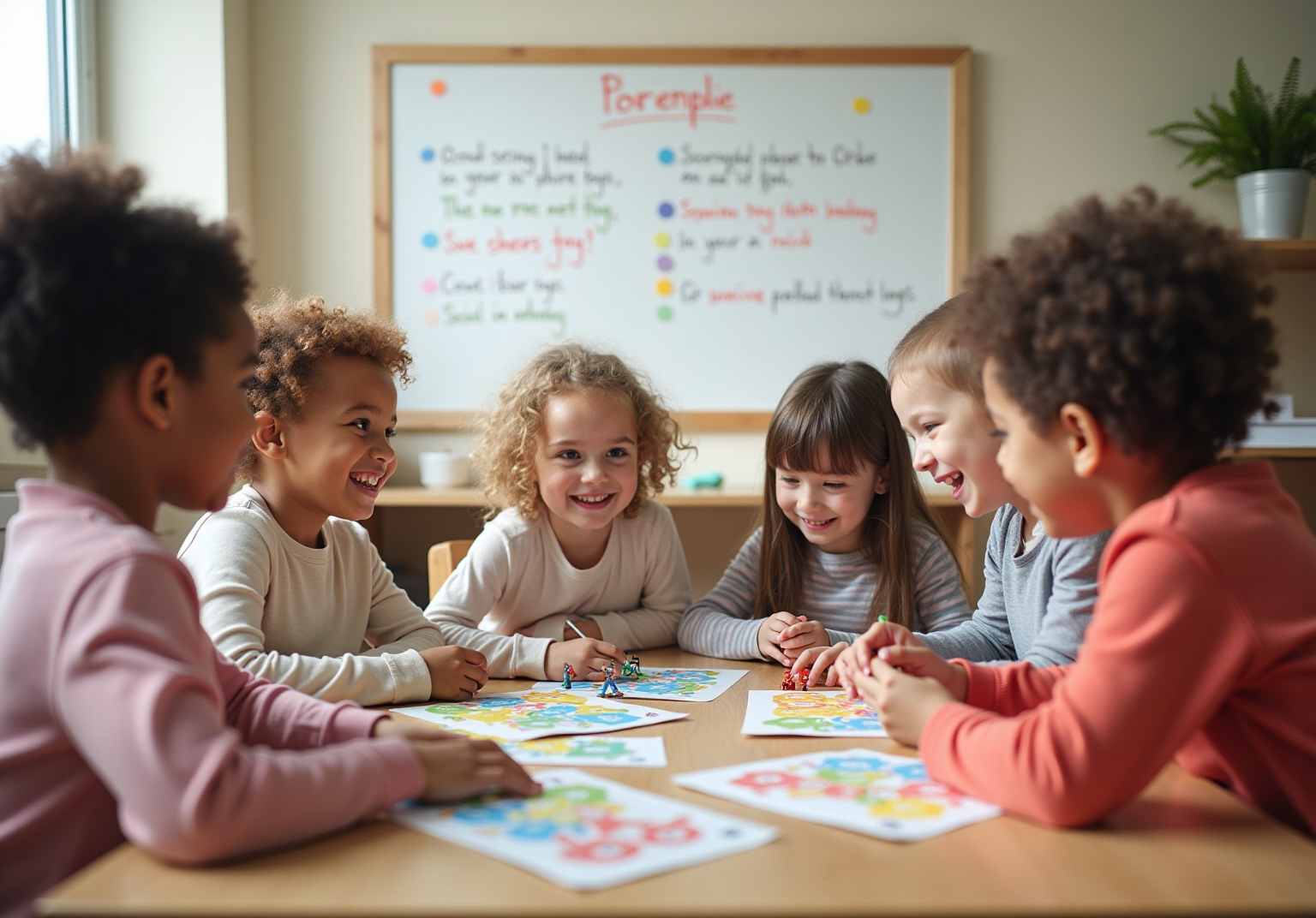
Role-playing games for teaching are fantastic tools. They offer a where young ones can explore different social situations. Just think about games like Dungeons & Dragons! Players get to step into various characters, which sparks creativity and empathy as they navigate social interactions.
Research shows that [role-playing games for teaching social skills to children with ASD](https://rori.care/post/10-essential-aba-therapy-resources-for-parents-of-children-with-autism) can significantly enhance social skills. They give kids the chance to practice communication, teamwork, and problem-solving – all while having fun! By incorporating role-playing games for teaching social skills to children with ASD into , clinicians at Rori Care help kids develop .
At Rori Care, the clinical leadership team is all about and ensuring that every child thrives. They create a game environment that’s not just supportive but also inclusive. Plus, by focusing on , families are empowered with ABA principles and strategies, which maximizes the impact of the intervention.
Overall, the use of role-playing games for teaching social skills to children with ASD in therapy not only enhances social skills but also nurtures a . So, let’s explore this together! If you’re curious about how RPGs can help your child, we’re here to help you every step of the way!
Leverage Benefits of Role-Playing for Enhanced Social Skills
The fantastic benefits of for teaching to children with ASD are especially significant for youth. At Rori Care, our clinical leadership team – made up of experienced behavioral therapy experts – is dedicated to . Our caring professionals create a relaxed environment where young individuals can interact, .
You might be surprised to learn that kids who engage in pretend play often show remarkable , emotional regulation, and understanding social cues. Plus, these games , which are essential for building friendships. By participating in , young people gain valuable experience in , helping to ease .
And the best part? They’re supported by a community that values neurodiversity and is committed to their success. So, let’s explore this together! If you’re looking for ways to help your child thrive, you might want to consider role-playing games for teaching social skills to children with ASD as a wonderful avenue.

Implement Practical Strategies for Role-Playing Activities
To effectively implement for children with ASD, let’s explore some friendly strategies together:
- Define : Start by pinpointing specific to focus on, like sharing, turn-taking, or expressing emotions. This clarity helps everyone know what to aim for!
- Create : Think about daily situations your child might encounter, such as greeting a peer or asking for help. Making it relatable can really .
- Use : , like storyboards or character cards, can be super helpful! They assist kids in grasping the roles and context of the scenarios. Research shows that these tools can significantly enhance understanding and engagement.
- Encourage Reflection: After each role-play, have a chat about what went well and what could be improved. This not only fosters self-awareness but also . Reflecting on experiences is key to reinforcing learning!
- : Start with simple scenarios and slowly introduce more complex ones as your child becomes comfortable. This gradual approach builds confidence and adaptability.
By applying these friendly approaches, you can really enhance the impact of role-playing games in for your kids. We’re here to help you every step of the way!

Encourage Parental Involvement in Role-Playing Sessions
. Here are some friendly strategies for parents to get involved:
- Join in on role-playing games for teaching : When parents participate in these role-playing games, they can model the right behaviors and responses. This not only gives kids a familiar face but also shows them how to navigate social situations effectively. It’s a great way to reinforce what they learn in Rori Care’s .
- : It’s essential to set up a relaxed environment where kids feel safe to express themselves and make mistakes. This kind of atmosphere encourages exploration and creativity, which are key for learning and align perfectly with the strategies taught in caregiver education programs.
- To reinforce learning at home, parents can use to children with ASD by that strengthen the skills their kids learn during therapy. Keeping this continuity helps solidify concepts and behaviors in a familiar setting, making the intervention even more effective.
- : After role-playing sessions, it’s helpful for parents to chat about their child’s performance, pointing out strengths and areas for improvement. This kind of feedback nurtures a growth mindset and promotes ongoing development, allowing caregivers to make informed choices that positively impact their child’s progress.
- : Don’t forget to acknowledge and celebrate those little victories in social interactions! Recognizing these accomplishments can motivate kids to keep honing their skills and boost their confidence, leading to better behavioral outcomes.
While trying out these strategies, parents might feel overwhelmed or unsure about how to give . Tackling these challenges with patience and a willingness to learn alongside their kids is key.
Research shows that kids with autism thrive when their parents are actively involved in their treatment. This leads to improved interpersonal skills and reduced anxiety for both the child and the parent. By participating, parents not only help their child develop social skills but also strengthen their bond, creating a collaborative environment that supports learning and growth.
Let’s explore this together! We’re here to help you every step of the way!

Conclusion
Role-playing games are such a fantastic way to help children with ASD develop social skills! They create a safe and fun space for kids to explore and learn. When children step into different characters and scenarios, they not only build essential social skills but also get to enjoy the creativity and connection that comes with it.
Throughout this article, we’ve seen just how beneficial role-playing games can be. They can improve communication, emotional regulation, and social understanding. Plus, we’ve shared some practical tips for making these activities work, like setting clear goals and getting parents involved. By creating an inclusive and supportive environment, parents and caregivers can really boost their children’s learning and social skill development.
Ultimately, embracing role-playing games as a teaching tool opens up a wonderful opportunity for children with ASD. When families actively participate in this learning journey, they create a nurturing atmosphere that fosters growth, confidence, and a sense of belonging. Exploring these strategies not only strengthens social skills but also enhances the overall well-being of children, paving the way for lifelong success in their relationships. Let’s explore this together!
Frequently Asked Questions
How do role-playing games help children with ASD develop social skills?
Role-playing games provide a safe space for children with ASD to explore different social situations, enhancing their social skills through practice in communication, teamwork, and problem-solving while having fun.
What specific benefits do role-playing games offer in a therapeutic setting?
In therapeutic settings, role-playing games help children develop essential competencies in a way that feels enjoyable and effective, making them a valuable tool in group therapy sessions.
How does Rori Care incorporate role-playing games into their therapy?
Clinicians at Rori Care incorporate role-playing games into group therapy sessions to support children with ASD in developing social skills while creating a supportive and inclusive game environment.
What is the approach of Rori Care towards neurodiversity?
Rori Care’s clinical leadership team focuses on supporting neurodiversity and ensuring that every child thrives, emphasizing an inclusive approach in their therapeutic practices.
How do caregivers benefit from the role-playing games used in therapy?
Caregivers are educated on ABA principles and strategies, which empowers them to maximize the impact of the interventions used in therapy, enhancing the overall support for their children.
What overall impact do role-playing games have on children with ASD in therapy?
Role-playing games not only enhance social skills but also nurture a sense of belonging and joy in learning for children with ASD, making the therapeutic process more engaging and effective.