

Introduction
Natural Environment Teaching (NET) is truly leading the way in innovative approaches within Applied Behavior Analysis (ABA) therapy! 🌟 It highlights the significance of learning in real-world contexts, which is so important for our kids. By tapping into each child’s unique interests and environments, NET not only boosts engagement but also makes therapeutic interventions more effective.
As families embark on this exciting journey, it’s natural to have questions about how to customize these strategies to help your child thrive. What key considerations can turn everyday activities into meaningful learning experiences? Let’s explore this together! We’re here to help you every step of the way!
Rori Care – ABA Therapy: Personalized NET Strategies for Your Child
At Rori Behavioral Innovations Inc., we believe in a . When setting up , our focus on allows us to cater to each individual’s unique needs. By conducting thorough evaluations, our clinicians can pinpoint specific growth areas and create tailored interventions that resonate with the individual’s interests and surroundings. This customized method not only boosts engagement but also leads to that truly connect with daily life.
Research highlights that to significantly enhance participation in therapy for young individuals. This, in turn, leads to , social skills, and adaptive behaviors. In fact, studies show that in helping youth with ASD. This reinforces the effectiveness of our strategies!
Young individuals are more likely to to real-world situations when setting up in familiar settings. This underscores the importance of personalized approaches in autism care. We encourage parents to actively collaborate with therapists, discussing their child’s interests and natural environments. Together, we can create a . Let’s explore this journey together!
Understand Natural Environment Teaching: Core Principles and Benefits
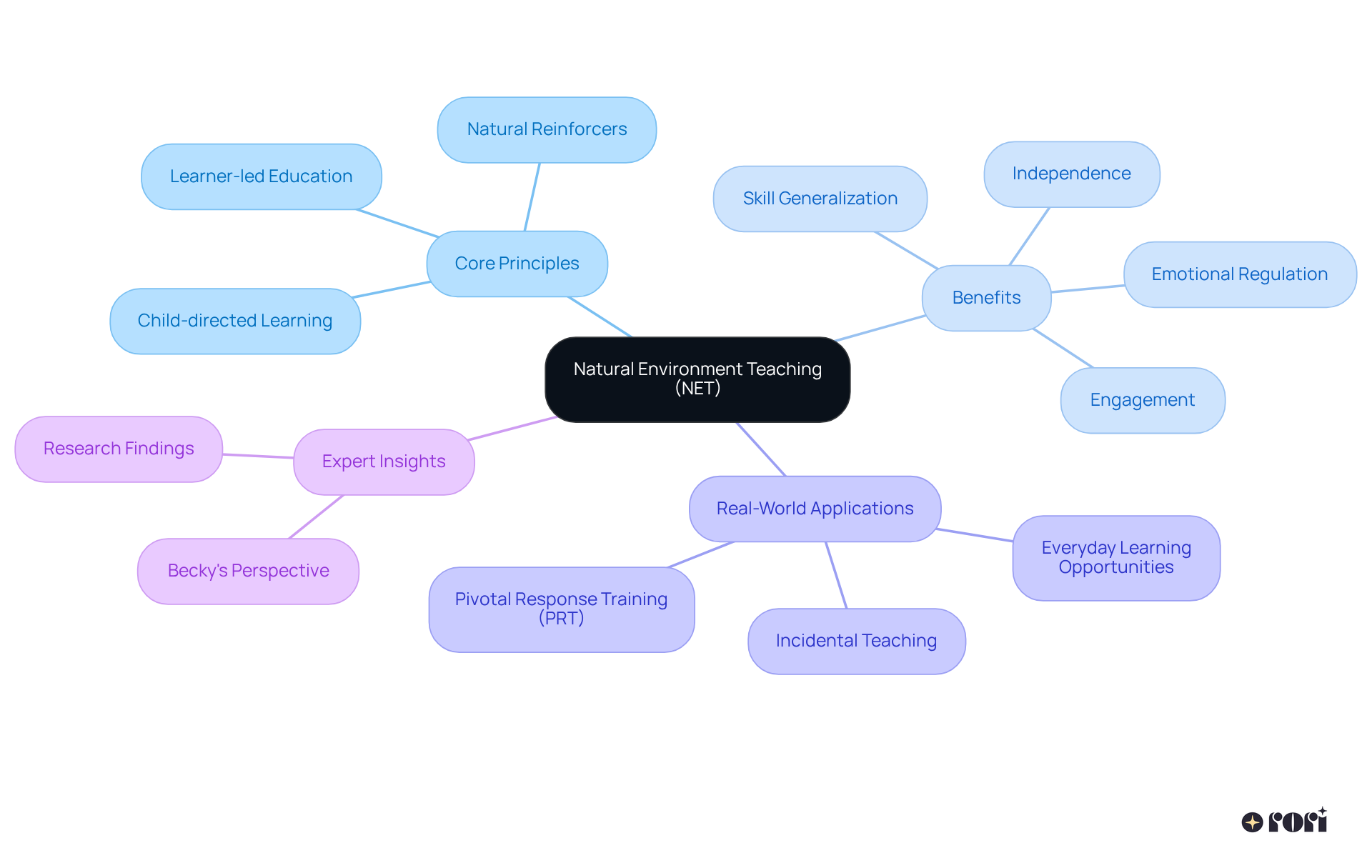
(NET) is a vital, within that is particularly important when setting up , focusing on learning in real-world settings. When setting up natural environment teaching, the heart of NET is all about . Here, the individual’s interests steer the therapy, sparking intrinsic motivation and engagement. Kids can learn in ways that truly matter to them by weaving teaching moments into daily activities when setting up natural environment teaching.
The perks of NET are impressive! It enhances , helping young learners apply what they’ve learned in various environments like home, school, and the community. in children with autism is essential when setting up natural environment teaching through this real-world application. Plus, NET makes learning fun and relevant, as kids are more likely to engage actively when setting up natural environment teaching that reflects their interests in the educational journey.
You can see in action during , like grocery shopping or family meals, where kids practice essential skills like budgeting and decision-making. A case study on shows that leveraging naturally occurring opportunities promotes development tailored to the child’s interests, boosting their engagement and skill acquisition.
Experts point out that this method not only improves communication and social skills but also nurtures and understanding, making it a well-rounded approach for supporting youth development when setting up natural environment teaching. As Becky, a Son-Rise Program Teacher, puts it, ‘NET focuses on learning in real-life environments—especially when setting up natural environment teaching, where skills matter most.’
All in all, the youth-led aspect of NET, along with its focus on practical applications, significantly boosts the effectiveness of autism education and therapy. It empowers individuals to thrive in their daily lives. Parents can play a key role by seeking ways to weave education into everyday routines, turning regular activities into valuable teaching moments. Let’s explore this together!
Implement Practical NET Techniques: Everyday Activities for Learning
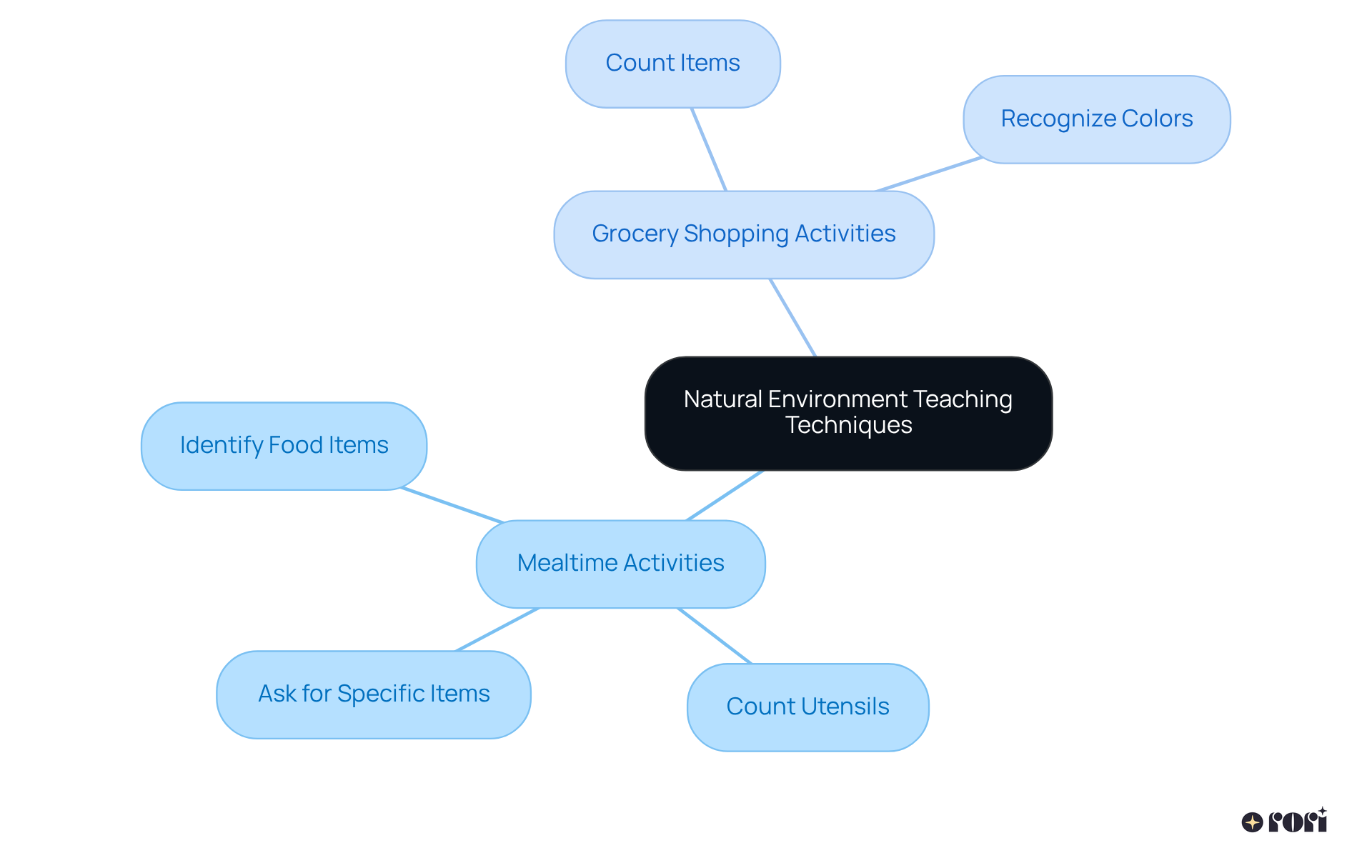
Incorporating (NET) methods into daily practices can truly enhance education for youngsters with autism when setting up . For example, during mealtime, parents might encourage their kids to:
- Identify different food items
- Practice asking for specific items
Grocery shopping is another fantastic opportunity; parents can engage their little ones in:
This turns everyday tasks into .
Research shows that individuals with autism often retain information better when setting up natural environment teaching in familiar settings. In fact, studies indicate that can boost retention rates by up to 30%! By , parents can create a more that fosters their child’s growth.
To take this approach even further, why not set specific for each activity? For instance, aim to teach a new word or concept during mealtime or while out shopping. Let’s explore this together! Your involvement can make a world of .
Track Progress: Data Collection Methods for Natural Environment Teaching
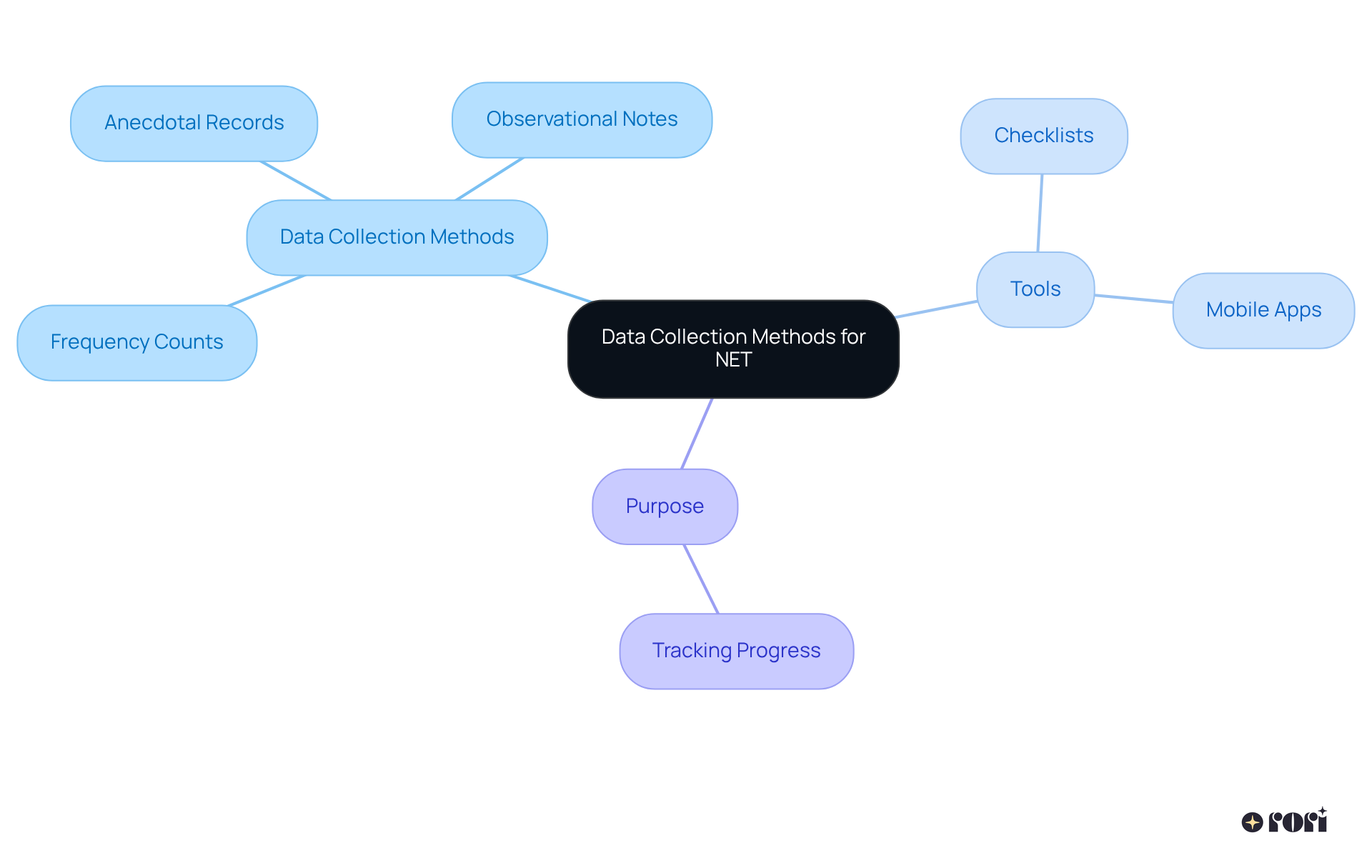
Tracking progress in NET can feel overwhelming, but it doesn’t have to be! By using simple like frequency counts, anecdotal records, and observational notes, parents and clinicians can really make a difference. Think about using handy tools like checklists or mobile apps to capture those important and .
When we consistently look at this data, we can make about your child’s . This ensures that the strategies we use are effective and adapt to your child’s changing needs. Let’s explore this together and find the best path forward for your little one!
Collaborate with Professionals: Enhancing NET Through Teamwork
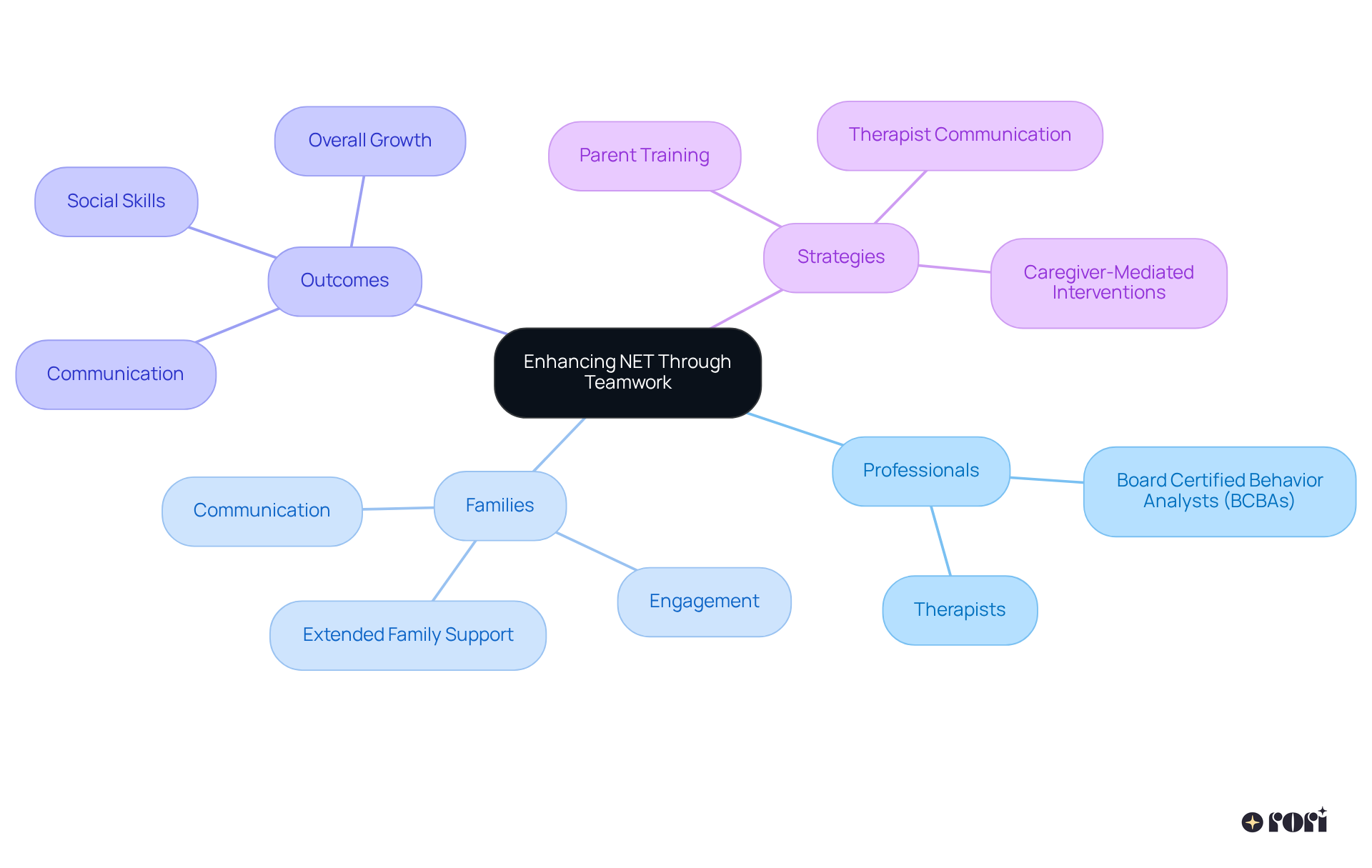
Collaboration among professionals, like and therapists, is essential when setting up to make it truly effective. When families communicate regularly with these professionals, it opens up a wonderful , strategies, and progress updates. This teamwork helps everyone stay on the same page, creating a that nurtures a young person’s growth both at home and during therapy sessions.
Research shows that see amazing improvements in their children’s . When families actively engage with therapists, they can reinforce the , making it easier for those skills to shine in everyday situations. Plus, bringing in extended family members can boost treatment success by providing companionship and social opportunities for individuals with autism.
Successful collaboration not only enhances communication and interpersonal skills but also leads to better outcomes for individuals with autism. As Rori Behavioral Innovations Inc. highlights, can be transformative. It helps skills and behaviors transition smoothly from therapy sessions to daily life. By of a , we can significantly enhance the effectiveness of NET strategies when setting up , ensuring that each individual’s unique needs are thoroughly addressed.
Let’s explore this together! We’re here to help you every step of the way!
Create a Supportive Learning Environment: Setting Up for Success
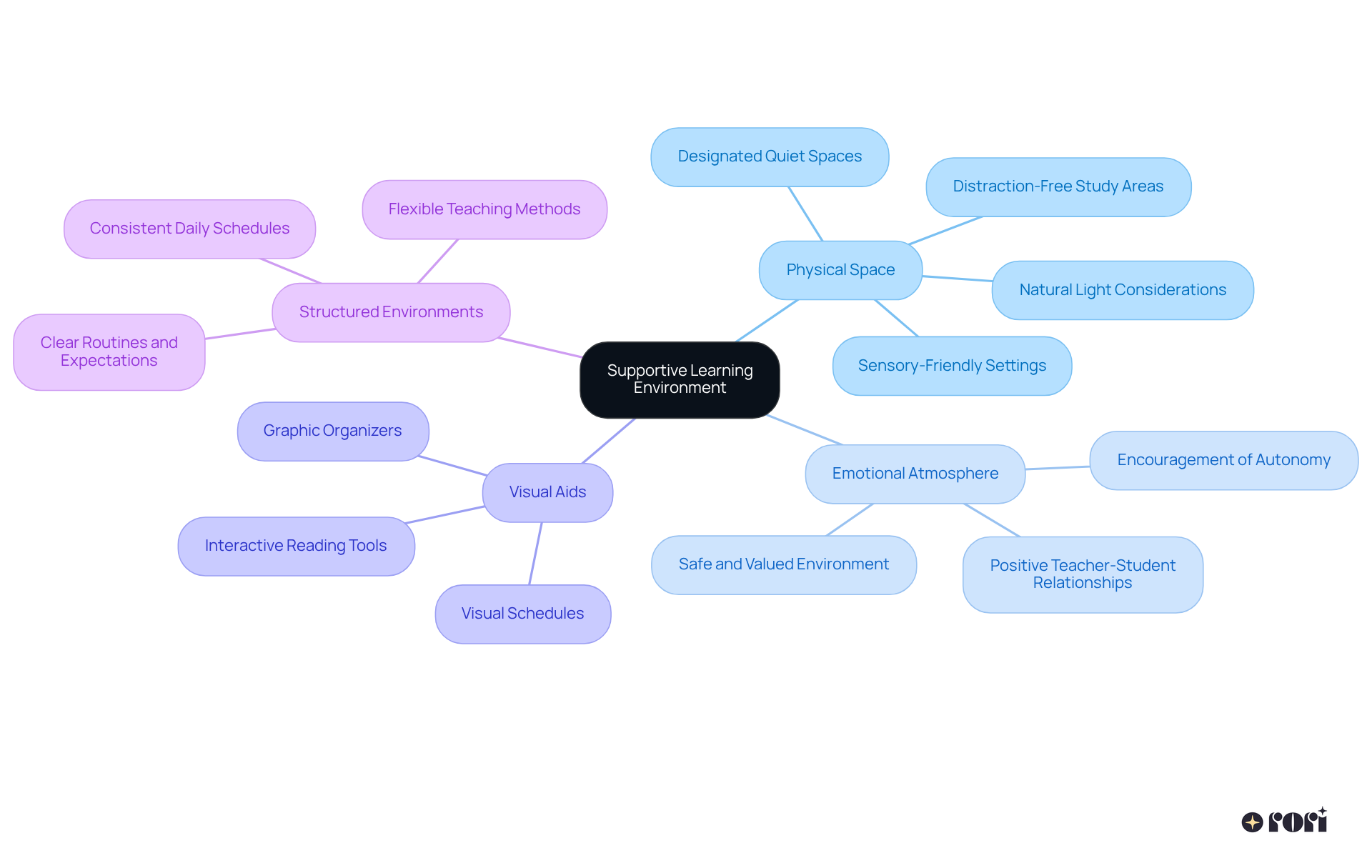
Creating a is all about considering both the physical space and the emotional atmosphere. Parents can set up specific study areas that are free from distractions and filled with that resonate with their child’s interests. Plus, fostering a —where kids feel safe, valued, and understood—can really boost their exploration and growth. Using , like schedules and prompts, is especially helpful for enhancing reading comprehension in autistic individuals, making them feel more comfortable and ready to dive into learning activities.
play a key role, as they help improve and following instructions. For example, having designated quiet areas can provide kids with a cozy retreat for self-soothing, while can clarify , making transitions a breeze. Additionally, are vital for managing sensory overload, allowing young ones to navigate their experiences with confidence. By weaving these elements together, parents can create enriching environments that support their child’s development and success in . Let’s explore this together!
Engage Family Members: Involving Everyone in Natural Environment Teaching
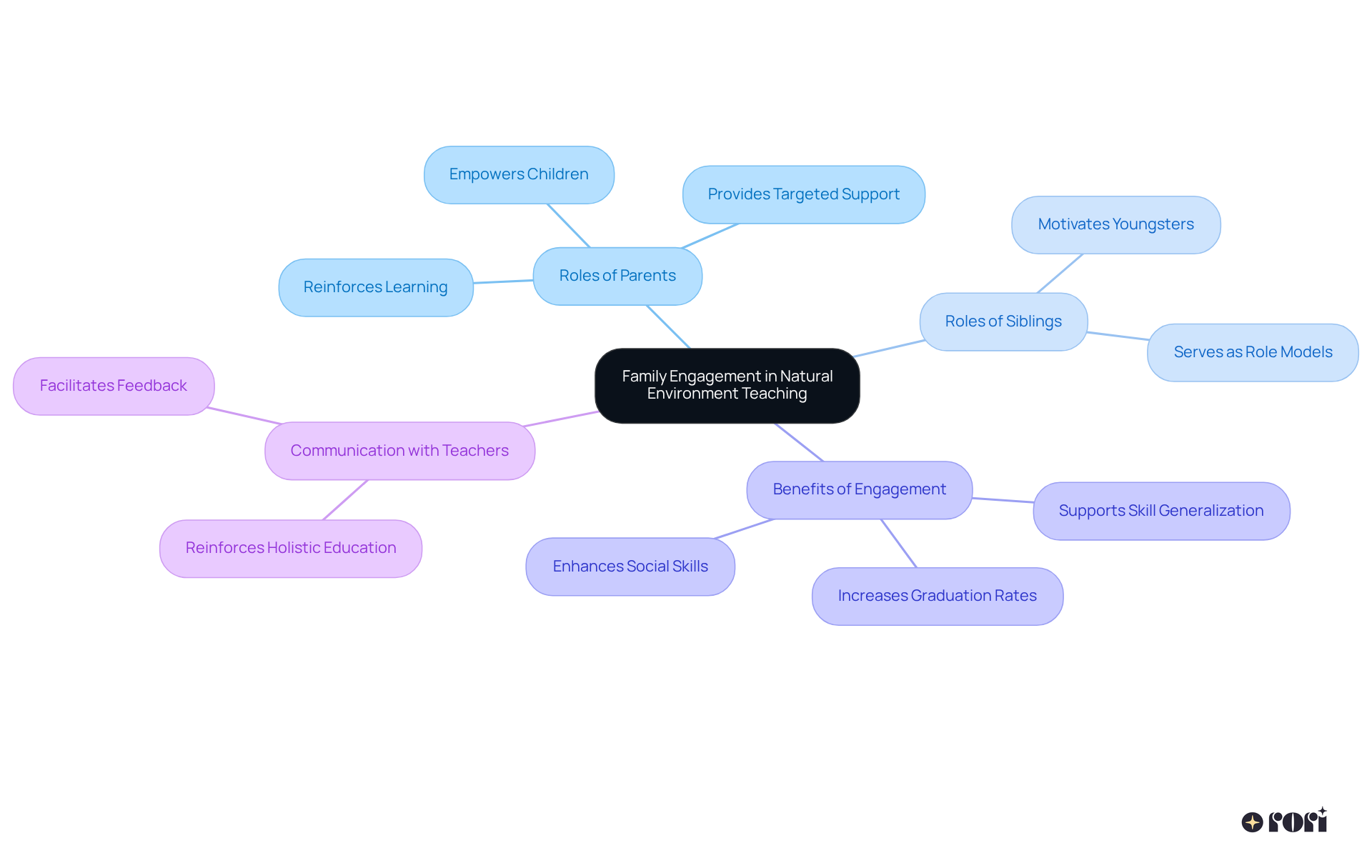
Engaging family members when setting up (NET) is so important for reinforcing learning and ensuring consistency. Parents and siblings can jump in during everyday activities like cooking or playing games, creating those perfect teaching moments. This involvement not only provides young individuals with extra support but also aids in across different environments and interactions when setting up . Did you know that young individuals with supportive are 81% more likely to complete high school? That’s a powerful reminder of the !
Siblings, too, can play a big role in enhancing . They can serve as role models and motivate youngsters to appreciate education. Individuals with autism can build resilience, boost social skills, and foster independence when setting up natural environment teaching by bringing family members into the educational journey. This ultimately leads to more .
Let’s not forget about the importance of . It allows parents to provide , reinforcing that holistic approach to education that active family participation nurtures. So, let’s explore this together! Your involvement can !
Individualize Approaches: Tailoring NET to Your Child’s Needs
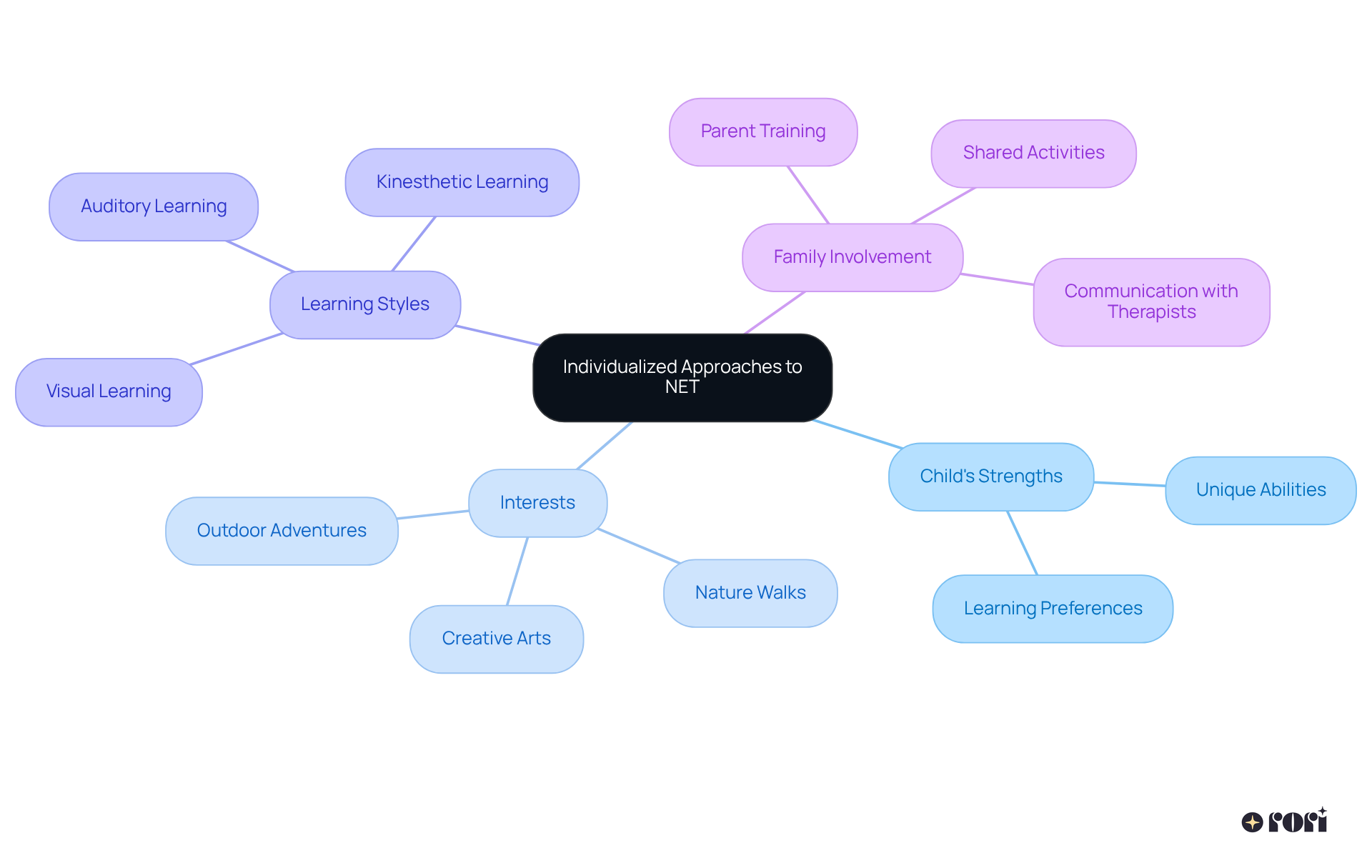
It is crucial to customize strategies when setting up to help every student shine! 🌟 It all begins with a , interests, and learning styles. Just like Rori Behavioral Innovations Inc. emphasizes in their , aligning activities with what excites your child can create truly .
For example, if your little one loves outdoor adventures, into their learning can boost their motivation and help them develop skills in a fun, meaningful way. Research shows that when educational strategies are tailored to a child’s interests, their engagement and retention of skills significantly improve, leading to better outcomes. Did you know that boasts an impressive ? This really highlights how effective can be!
Plus, is crucial in therapy! It strengthens the bond between your child and their learning journey. To start , why not keep a journal of their favorite activities? Share this with their therapist when setting up natural environment teaching strategies that resonate with them. Let’s explore this together and make learning a joyful adventure!
Overcome Challenges: Common Hurdles in Natural Environment Teaching
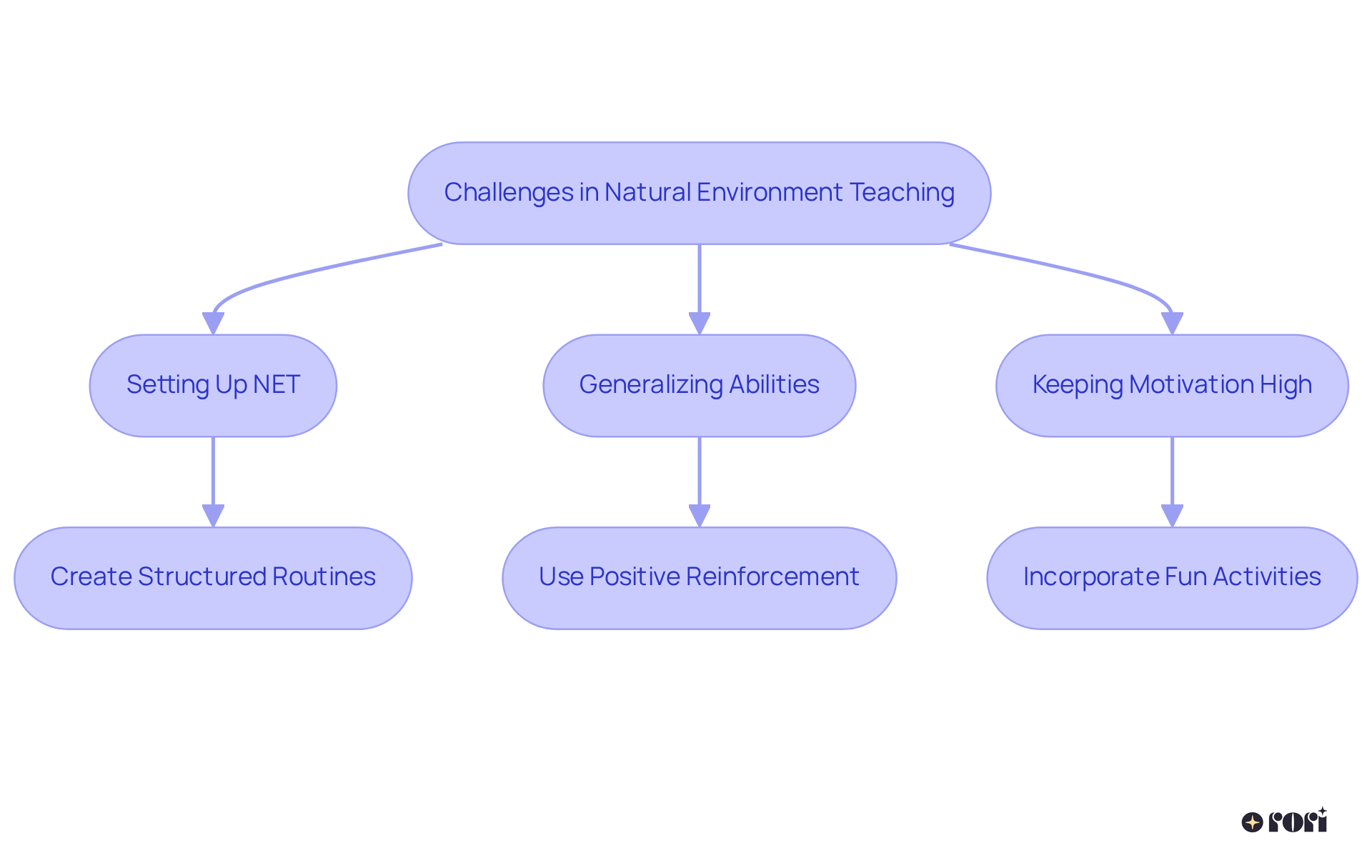
Implementing (NET) can definitely come with its challenges, especially when setting up , generalizing abilities, and keeping motivation high. But don’t worry! Families can create that weave into everyday activities. This approach not only helps but also makes learning a natural part of the young person’s environment.
It’s super important to use to keep that motivation and engagement alive. For instance, rewarding kids for their efforts can really boost their enthusiasm for educational activities. Research shows that young individuals who receive NET, along with NET+DTT, make significant strides in , proving just how effective these strategies can be. Regularly checking in on the student’s progress is key; it allows families to adjust their approaches as needed, ensuring that education stays relevant and effective.
Incorporating a mix of fun and preferred activities can also spark interest and keep motivation high. Think about using toys or games that the young learner enjoys during teaching sessions—this can lead to more enthusiastic participation! As expert Amelia Yanchik points out, “These findings emphasize the critical role ABA plays in language development and social functioning, both essential aspects of .” By fostering an , families can help their youngsters thrive when setting up natural environment teaching, ultimately enhancing their . Let’s explore this together!
Reflect on Impact: The Transformative Benefits of Natural Environment Teaching
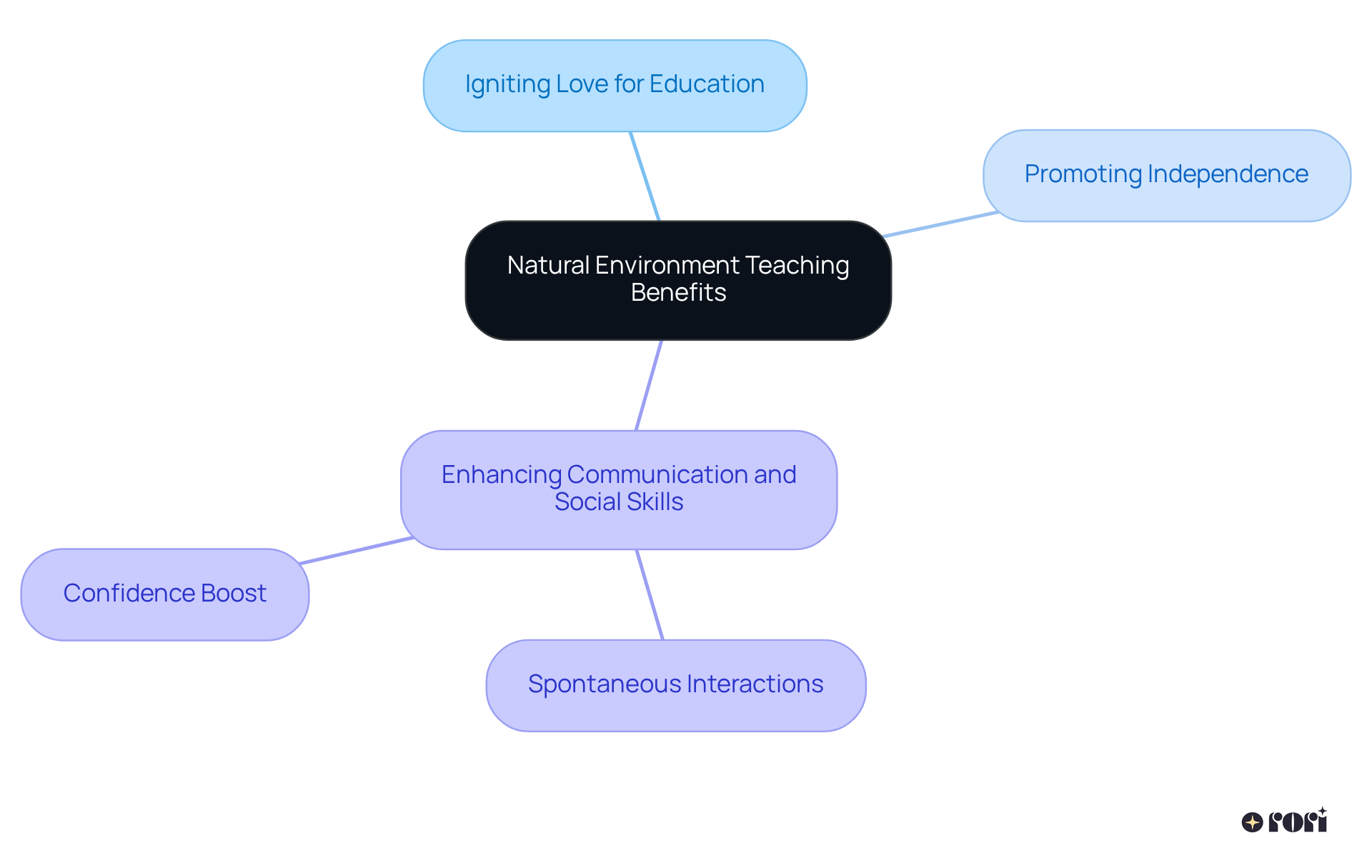
(NET) offers that go beyond just learning new skills. By igniting a love for education and , NET equips children with that are useful in various situations.
Many families notice and , which boosts their confidence. For instance, kids often demonstrate improved through during playtime—these moments are crucial for their development.
Research shows that NET is associated with , highlighting its role in nurturing these important skills. Reflecting on these encouraging outcomes not only emphasizes the value of NET but also inspires families to continue using these strategies, supporting their child’s growth and development.
Let’s explore this together!
Conclusion
Natural Environment Teaching (NET) is a wonderful approach in Applied Behavior Analysis (ABA) therapy that truly values each child’s unique interests and surroundings. By weaving learning into real-life contexts, NET not only boosts engagement but also helps children acquire meaningful skills that they can use in their everyday lives.
As we wrap up this exploration of NET, let’s remember the importance of personalized strategies, family involvement, and collaboration with professionals. Practical techniques, like turning daily activities into educational moments and tracking progress through data collection, highlight just how effective this teaching method can be. Ultimately, the benefits of NET go beyond skill development; they nurture a child’s confidence and independence, which are so vital for their growth.
Engaging in Natural Environment Teaching isn’t just about education; it’s about creating a supportive ecosystem where children can truly thrive. Families, educators, and professionals need to come together to make learning enjoyable and effective. By embracing these strategies, every child can start a fulfilling educational journey that sets them up for success in their daily lives. Let’s explore this together and ensure our children have the best opportunities to shine!
Frequently Asked Questions
What is Rori Care’s approach to ABA therapy?
Rori Care employs a personalized approach to ABA therapy, focusing on Natural Environment Teaching (NET) strategies that cater to each individual’s unique needs through thorough evaluations and tailored interventions.
What are the benefits of Natural Environment Teaching (NET)?
NET enhances skill generalization, allowing young learners to apply what they’ve learned in various real-world settings. It builds independence and confidence, makes learning fun and relevant, and improves communication, social skills, and emotional regulation.
How does personalized ABA therapy impact young individuals with autism?
Personalized ABA therapy significantly enhances participation in therapy, leading to improved outcomes in communication, social skills, and adaptive behaviors. Research indicates an impressive success rate of over 89% in helping youth with ASD.
How can parents collaborate with therapists in the NET approach?
Parents are encouraged to actively discuss their child’s interests and natural environments with therapists to create a supportive and enriching therapeutic experience, tailoring interventions to resonate with the child’s daily life.
Can you provide examples of practical NET techniques for everyday learning?
Yes! During mealtime, parents can encourage children to identify food items, count utensils, and ask for specific items. Grocery shopping can involve counting items and recognizing colors, turning everyday tasks into engaging learning experiences.
What impact does familiar settings have on learning retention for individuals with autism?
Research shows that individuals with autism often retain information better in familiar settings, with structured routines potentially boosting retention rates by up to 30%.
How can parents set educational goals during daily activities?
Parents can set specific educational goals for each activity, such as teaching a new word or concept during mealtime or while out shopping, to enhance their child’s learning experience.
List of Sources
- Rori Care – ABA Therapy: Personalized NET Strategies for Your Child
- 81 ABA Therapy Statistics You Need to Know – apricott ABA (https://apricott.com/resources/aba-therapy-statistics)
- Applied Behavior Analysis (ABA) Statistics: Data, Effectiveness, and Evidence-Based Practices (https://nexoaba.com/applied-behavior-analysis-statistics)
- The Numbers Don’t Lie: Revealing Autism Therapy Statistics | Above and Beyond Therapy (https://abtaba.com/blog/autism-therapy-statistics)
- Applied Behavior Analysis in Children and Youth with Autism Spectrum Disorders: A Scoping Review – PMC (https://pmc.ncbi.nlm.nih.gov/articles/PMC9458805)
- supportivecareaba.com (https://supportivecareaba.com/statistics/autism-therapy-statistics)
- Understand Natural Environment Teaching: Core Principles and Benefits
- newdawnaba.com (https://newdawnaba.com/blog/natural-environment-teaching-in-aba-a-comprehensive-guide)
- ambitionsaba.com (https://ambitionsaba.com/resources/the-benefits-of-natural-environment-teaching-in-aba-therapy)
- sensebloomtherapy.com (https://sensebloomtherapy.com/blog/natural-environment-teaching-in-aba)
- The Benefits of Natural Environment Teaching in ABA Therapy (https://mastermindbehavior.com/post/the-benefits-of-natural-environment-teaching-in-aba-therapy)
- autismtreatmentcenter.org (https://autismtreatmentcenter.org/knowledge-base/natural-environment-teaching)
- Implement Practical NET Techniques: Everyday Activities for Learning
- us.greatassignmenthelp.com (https://us.greatassignmenthelp.com/blog/uses-of-statistics-in-everyday-life)
- mathequalslove.net (https://mathequalslove.net/statistics-activities)
- brainmatterslearning.com (https://brainmatterslearning.com/statistics-in-everyday-life)
- Track Progress: Data Collection Methods for Natural Environment Teaching
- rori.care (https://rori.care/post/what-needs-to-be-included-in-data-collection-for-a-naturalistic-teaching-session-a-complete-overview)
- chicagoabatherapy.com (https://chicagoabatherapy.com/resources/articles/what-is-natural-environment-teaching-net-in-aba-therapy)
- totalcareaba.com (https://totalcareaba.com/autism/aba-data-collection-methods)
- crossrivertherapy.com (https://crossrivertherapy.com/autism/natural-environment-teaching)
- thetreetop.com (https://thetreetop.com/aba-therapy/natural-environment-teaching)
- Collaborate with Professionals: Enhancing NET Through Teamwork
- The Numbers Don’t Lie: Revealing Autism Therapy Statistics | Above and Beyond Therapy (https://abtaba.com/blog/autism-therapy-statistics)
- buildingblockstherapy.org (https://buildingblockstherapy.org/blog/the-importance-of-family-involvement-in-therapy-for-children-with-autism)
- skillpointtherapy.com (https://skillpointtherapy.com/autism-strategies-collaborative-family-focus)
- adinaaba.com (https://adinaaba.com/post/autism-therapy-statistics)
- Autism statistics and facts | Autism Speaks (https://autismspeaks.org/autism-statistics-asd)
- Create a Supportive Learning Environment: Setting Up for Success
- goldencaretherapy.com (https://goldencaretherapy.com/how-does-an-autistic-child-learn-best)
- vcuautismcenter.org (https://vcuautismcenter.org/resources/factsheets/classroomTop5.cfm)
- publications.kon.org (https://publications.kon.org/urc/v9/henriksen.html)
- thegatewayschool.com (https://thegatewayschool.com/the-impact-of-learning-environments-on-children-with-special-needs)
- crossrivertherapy.com (https://crossrivertherapy.com/autism/autism-and-the-importance-of-structure)
- Engage Family Members: Involving Everyone in Natural Environment Teaching
- numberanalytics.com (https://numberanalytics.com/blog/natural-environment-teaching-autism-ultimate-guide)
- positiveaction.net (https://positiveaction.net/blog/impact-of-parental-involvement)
- discoveryaba.com (https://discoveryaba.com/aba-therapy/how-to-use-natural-environment-teaching-in-aba-therapy?8936781b_page=13)
- Inspiring Quotes on Child Learning and Development (https://vincegowmon.com/inspiring-quotes-on-child-learning-and-development)
- Individualize Approaches: Tailoring NET to Your Child’s Needs
- The Numbers Don’t Lie: Revealing Autism Therapy Statistics | Above and Beyond Therapy (https://abtaba.com/blog/autism-therapy-statistics)
- Autism Stats You Should Know – apricott ABA (https://apricott.com/resources/autism-stats)
- 2026 Autism Statistics – Insights for Families and Advocates (https://prosperahealthcare.com/autism-statistics)
- Success Rate of Early Intervention for Autism | Connect n Care (https://connectncareaba.com/blog/early-intervention-autism-success-rate-statistics)
- Autism Data Visualization Tool (https://cdc.gov/autism/data-research/autism-data-visualization-tool.html)
- Overcome Challenges: Common Hurdles in Natural Environment Teaching
- clinmedjournals.org (https://clinmedjournals.org/articles/iacod/international-archives-of-communication-disorder-iacod-1-009.php?jid=iacod)
- How ABA Therapy Supports the Emotional Development of Children with Autism (https://yellowbusaba.com/post/how-aba-therapy-supports-the-emotional-development-of-children-with-autism)
- Autism Therapy Statistics | Discovery ABA (https://discoveryaba.com/aba-therapy/autism-therapy-statistics)
- meridian.allenpress.com (https://meridian.allenpress.com/ajidd/article/129/4/263/501380/The-Effects-of-Discrete-Trial-and-Natural)
- Reflect on Impact: The Transformative Benefits of Natural Environment Teaching
- sciencedirect.com (https://sciencedirect.com/science/article/abs/pii/S0272494425001021)
- Nature-Based Interventions for Autistic Children: A Systematic Review and Meta-Analysis – PMC (https://pmc.ncbi.nlm.nih.gov/articles/PMC10704280)
- ambitionsaba.com (https://ambitionsaba.com/resources/the-benefits-of-natural-environment-teaching-in-aba-therapy)
- How Natural Environment Teaching Enhances ABA Strategies (https://allypediatric.com/blog/how-natural-environment-teaching-enhances-aba-strategies)
- nrpa.org (https://nrpa.org/parks-recreation-magazine/2022/november/the-mental-and-therapeutic-benefits-of-nature-for-children-with-autism-spectrum-disorder)