

Introduction
Understanding behavior modification, especially through extinction techniques, is essential for creating positive changes in children with autism. In this article, we’ll explore seven effective strategies that empower caregivers and practitioners to successfully implement extinction behavior modification.
Together, we’ll look at:
- Personalized approaches
- Ethical considerations
- Practical solutions to common challenges
All aimed at enhancing the effectiveness of Applied Behavior Analysis (ABA) therapy.
But how can caregivers navigate the complexities of extinction while ensuring their child’s emotional well-being and development? Let’s explore this together!
Rori Care – ABA Therapy: Personalized Approaches to Extinction Behavior Modification
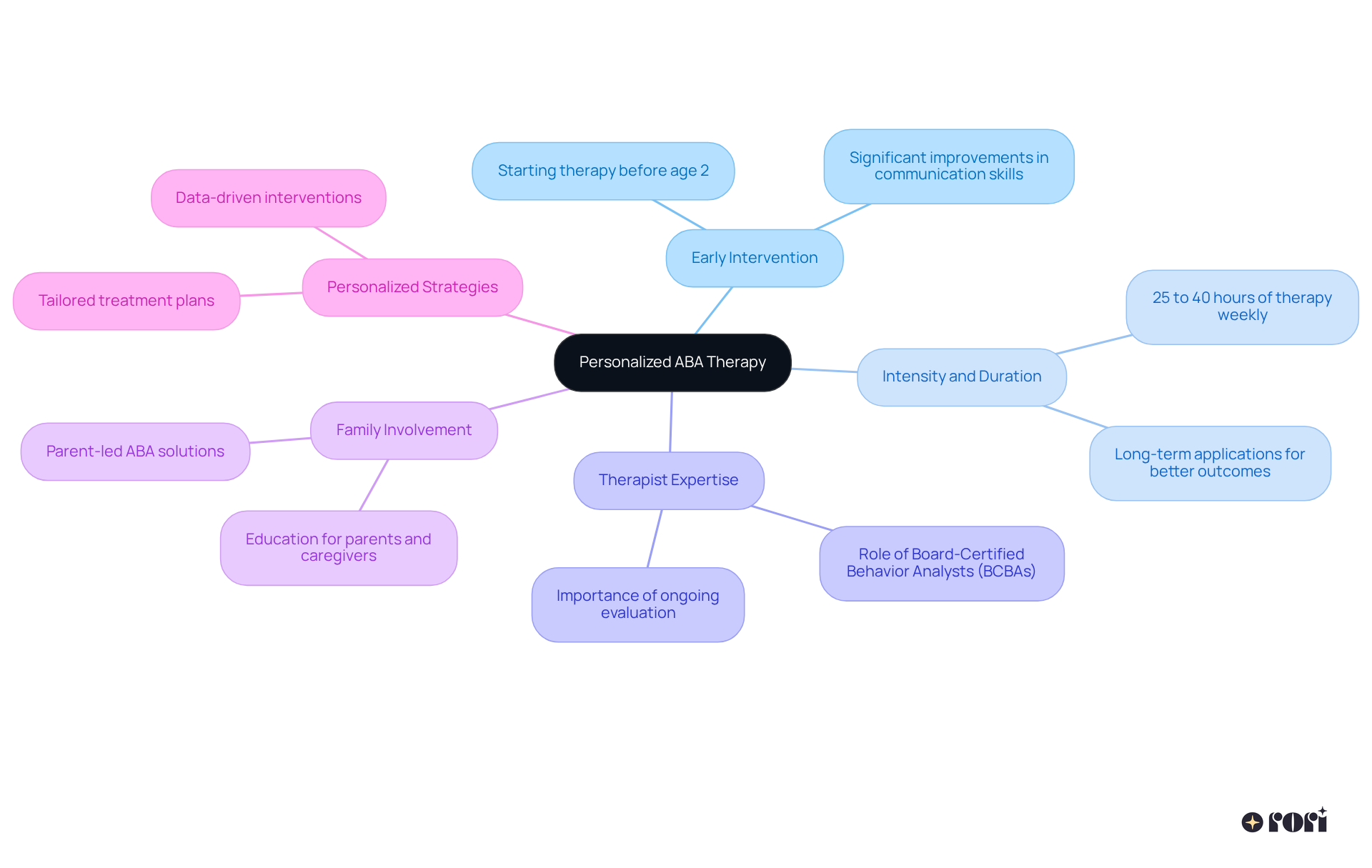
At Rori Behavioral Innovations, we believe in a , focusing on what makes each individual unique. By conducting , our clinicians can pinpoint specific behaviors that might need some tweaking. This customized strategy ensures that are used effectively, always taking into account the individual’s unique circumstances and the factors that reinforce their behaviors.
For example, if a young child throws tantrums to grab attention, a tailored plan might involve gradually reducing the attention given during these moments while also encouraging . This approach not only helps lessen the unwanted behavior but also creates a that supports the child’s growth and development.
Research indicates that children who engage in —typically around 25 to 40 hours per week—often experience . The effectiveness of ABA therapy hinges on several key factors:
- Early intervention
- Intensity and duration
- Therapist expertise
- Personalized strategies
So, we encourage parents to chat with a qualified BCBA about their child’s unique needs to craft a . Let’s explore this together! We’re here to !
Understanding Extinction: Core Principles in ABA Therapy
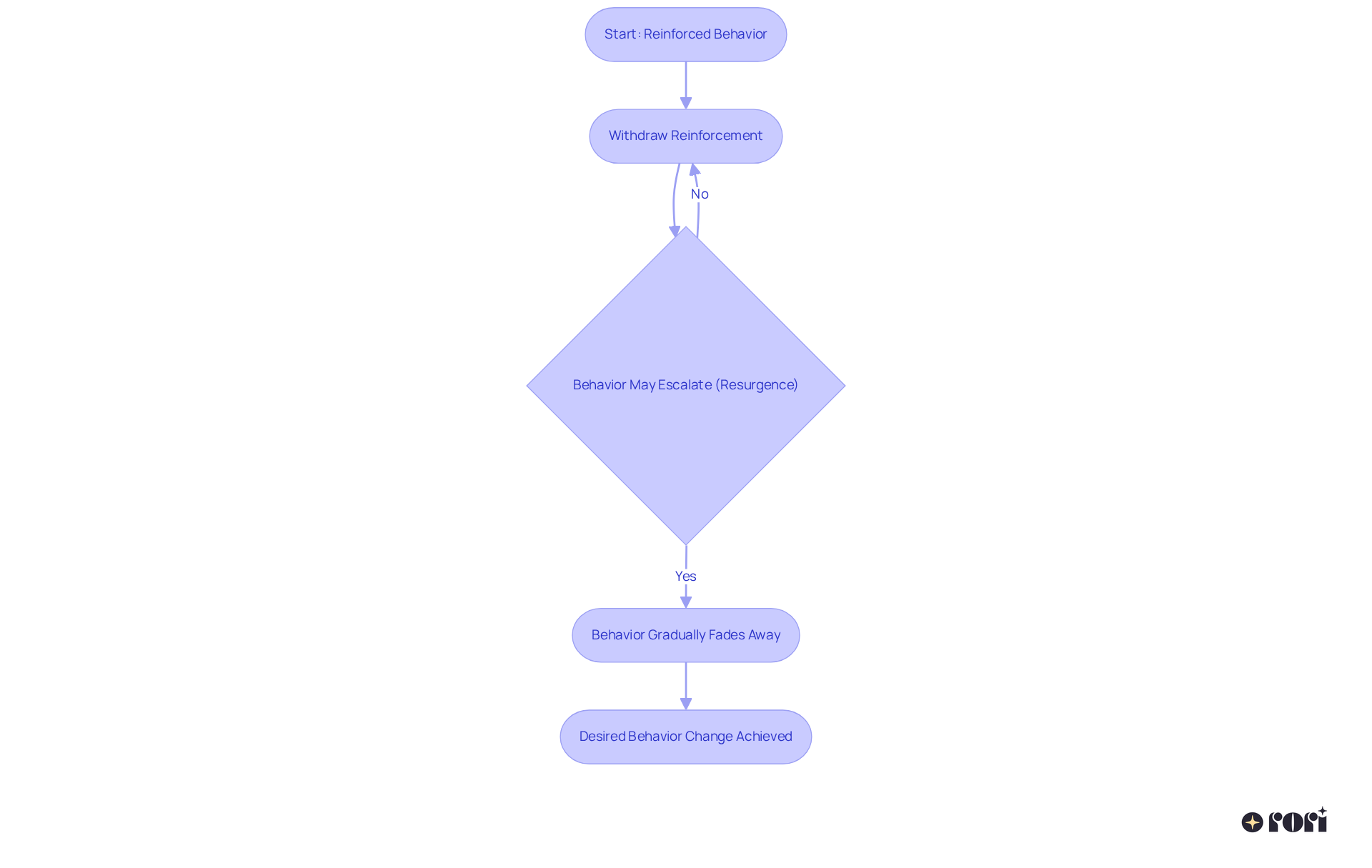
In Applied Behavior Analysis (ABA) therapy, focuses on intentionally stopping the reinforcement for an action that used to gain attention. This can lead to that action gradually fading away over time. For instance, if a child learns that throwing a tantrum brings attention, consistently ignoring the tantrum can help it disappear. It’s important to note that this isn’t about punishment; rather, it focuses on by systematically withdrawing the reinforcement that sustains the action. This idea is rooted in , which tells us that actions are shaped by their outcomes.
Understanding these principles is key for practitioners to apply . Recent studies show how is when . Sometimes, actions might initially escalate—a phenomenon known as resurgence—before they start to decrease. In reality, the loss of behaviors often happens gradually, not suddenly. You can see practical applications of this concept in various situations, like by .
As the saying goes, ‘Every step forward is a step toward success.’ By grasping the nuances of extinction and reinforcement, practitioners can foster , ultimately enhancing their development and independence. Remember, patience is vital here; it might take some time for those desired changes to show up. Let’s explore this together and see how we can support each other in this journey!
Implementing Extinction: Practical Strategies for Behavior Modification
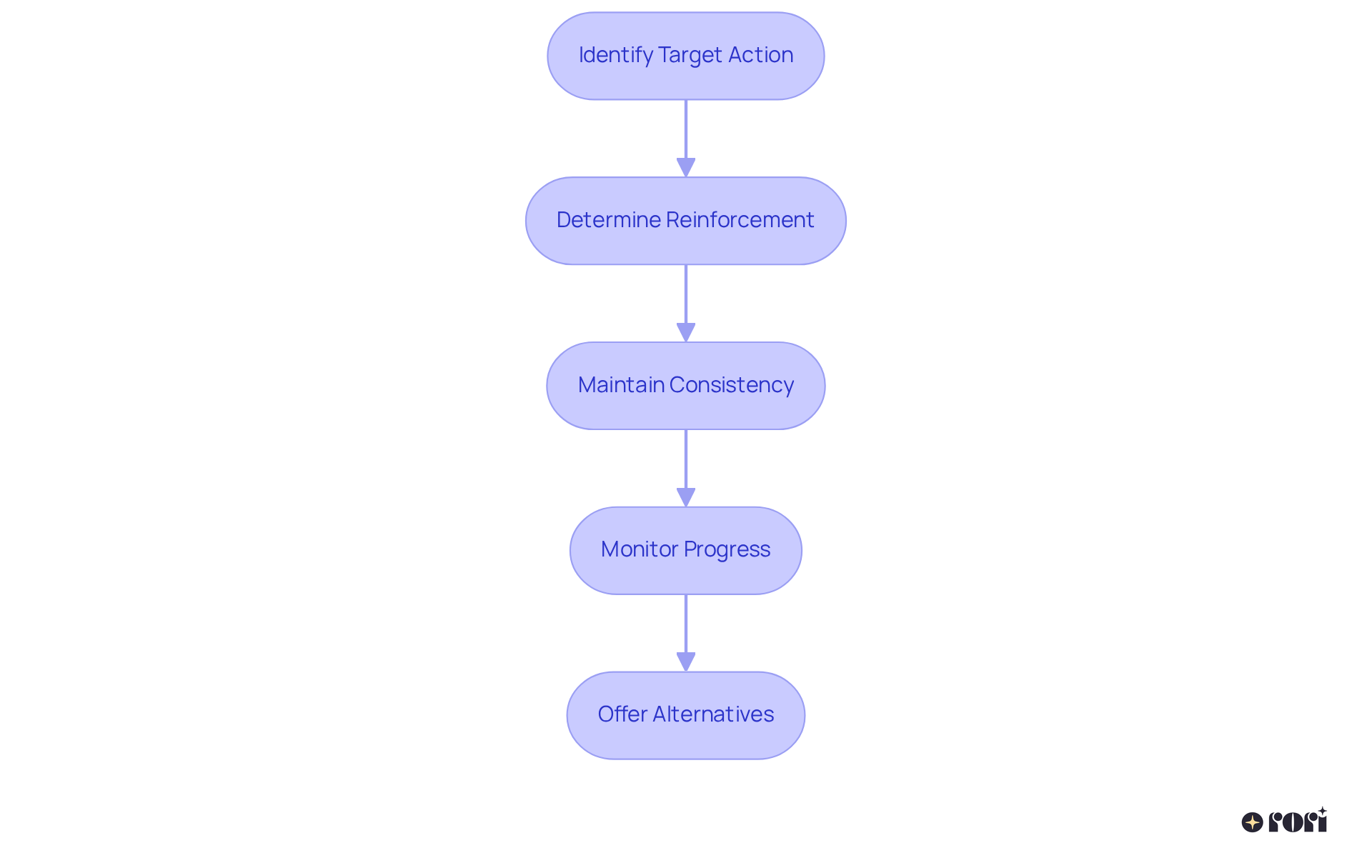
To implement cessation effectively, it’s important for practitioners to follow a few key strategies. First, let’s identify the target action. This means clearly defining the specific behavior that needs to be eliminated. Having this clarity is crucial for . Next, we need to determine the reinforcement. Take a moment to analyze what might be reinforcing that behavior, and plan to consistently withhold that reinforcement. Understanding the is essential for successful eradication.
Now, let’s talk about . It’s vital that all caregivers apply the uniformly across different settings. Inconsistency can lead to confusion and might unintentionally reinforce the undesired behavior. We know can be challenging, especially with multiple caregivers involved, but it’s worth the effort!
Don’t forget to . Keeping detailed records of the is key. This data helps assess how well the is working and allows for necessary adjustments along the way. Also, it’s helpful to offer options. Actively reinforcing alternative, encourages more adaptive responses. This approach not only helps decrease the but also promotes the development of healthier patterns.
And here’s something to keep in mind: parents should be prepared for a sudden surge in the frequency or intensity of the targeted behaviors during the cessation process. This is just a temporary rise, and it’s completely normal! By following these strategies, caregivers can effectively apply extinction , leading to better behavioral outcomes for children with autism. Let’s explore this together!
Challenges in Extinction: Navigating Common Obstacles in ABA Therapy
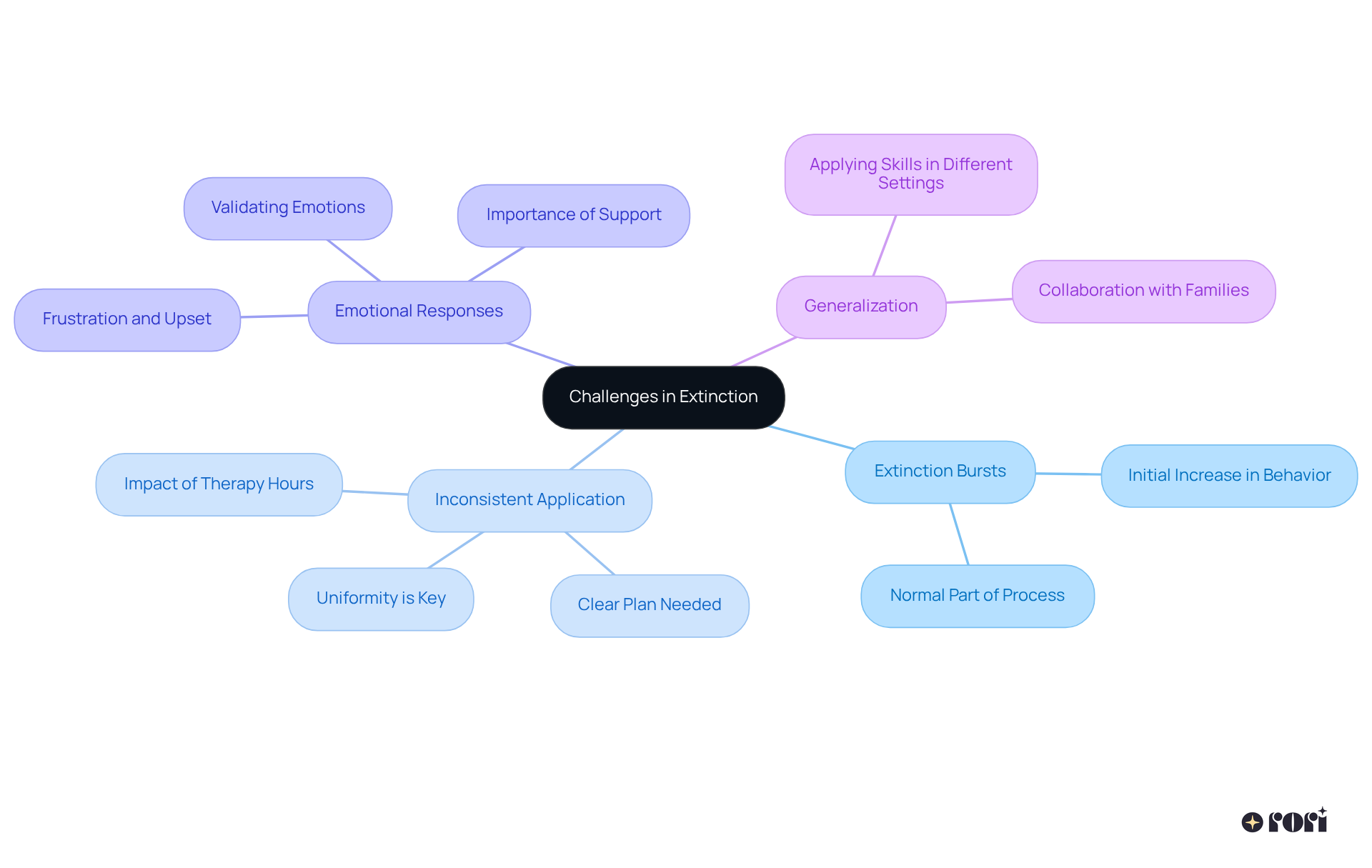
Navigating the challenges of implementing can feel overwhelming for caregivers. Let’s explore this together! Here are some key points to consider:
- : At first, you might notice the unwanted behavior actually increasing in frequency or intensity before it starts to fade away. This initial burst can be discouraging, but remember, it’s a normal part of the process. Understanding this can help you . According to the Journal of Autism and Developmental Disorders, extinction occurs when rewarding consequences no longer follow a previously reinforced action. So, hang in there!
- : Consistency is key when . If these methods aren’t applied uniformly, you might find that the targeted behaviors persist or even worsen. Establishing a clear plan and ensuring that everyone involved is on the same page can make a big difference. Research shows that programs offering 25 to 40 hours of therapy per week can lead to significant improvements in behavior, highlighting the importance of regular strategy application.
- : It’s common for young individuals to feel frustrated or upset during the extinction process as they adjust to not receiving reinforcement. Staying calm and supportive is crucial. Offering comfort and empathy can really help them manage their feelings. Remember to validate their emotions while guiding them through this transition.
- Generalization: Helping your child apply learned behaviors in different environments can be tricky. It’s important to work closely with families to reinforce positive actions across various settings. For instance, practicing skills at home, in school, and during outings can really enhance adaptability.
By addressing these challenges with informed strategies, you can effectively through this process, leading to improved behavior and a better quality of life. Plus, don’t forget to and share your experiences with other parents. Building a supportive community can make all the difference! We’re here to help you every step of the way!
Ethical Considerations: Responsible Use of Extinction in ABA Therapy
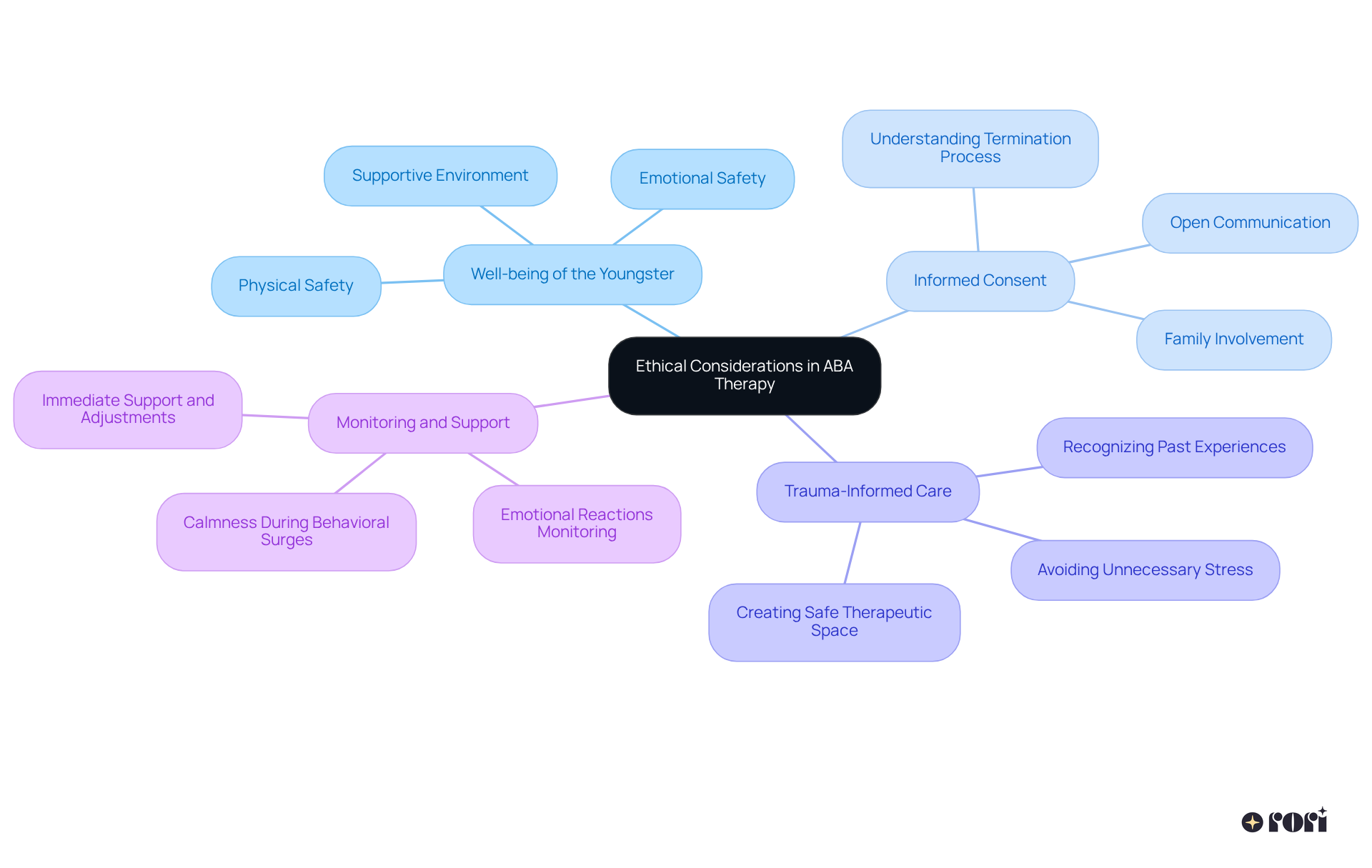
When it comes to implementing extinction, it’s essential for practitioners to follow some key to ensure is both effective and responsible.
- Well-being of the Youngster: First and foremost, the of the young one should always be a top priority. Creating a that fosters trust and security is vital.
- : Caregivers deserve to be fully informed about the termination process. This means understanding its potential effects and the reasons behind its use. Open communication helps build trust and ensures that families feel involved in their loved one’s care.
- : It’s important to align approaches with trauma-informed principles. Recognizing that past experiences can influence how a young person reacts to termination is crucial. Practitioners should aim to avoid unnecessary stress or harm, focusing instead on .
- : Keeping a close eye on the young one’s during this process is key. Practitioners should remain calm during any behavioral surges and be ready to offer immediate support and adjustments as needed, ensuring the individual feels acknowledged and supported throughout the journey.
Let’s explore this together! Your involvement in your loved one’s care.
Understanding Extinction Bursts: Managing Behavioral Responses
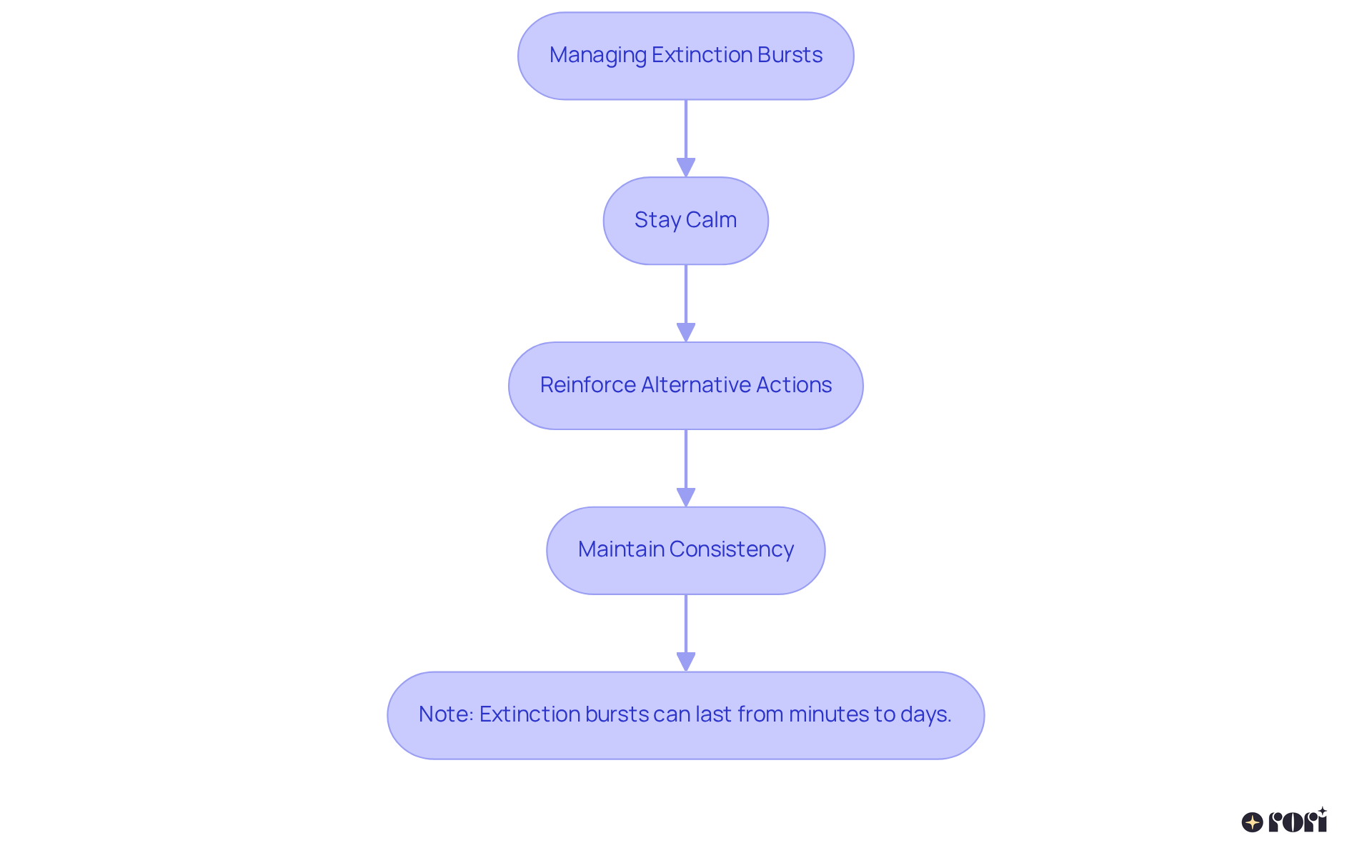
A behavior surge is that moment when a child’s behavior seems to spike, often when reinforcement is taken away. Picture this: a little one might scream louder after realizing their tantrums aren’t getting the attention they used to. Navigating these can be tricky, but with a few strategies, you can make it easier:
- Stay Calm: Keeping your cool is super important. It shows your child how to handle their emotions during this tough time, helping them learn to .
- Reinforce Alternative Actions: Encourage and reward instead of the undesired ones. This gives your child a constructive way to express themselves and helps shift their focus away from the behavior you want to change.
- Maintain Consistency: It’s vital that everyone involved in your child’s care is on the same page. If there’s inconsistency, it can lead to mixed signals that confuse your child and make the process less effective.
It’s also good to remember that can show up in various ways, like tantrums or attention-seeking behaviors. Typically, these bursts can last from a few minutes to several days, with tantrums often after about a week. By preparing for these moments and applying these strategies, you’ll be setting up a smoother path toward .
Real-life stories can really highlight how these strategies work. For instance, caregivers who consistently ignore attention-seeking behaviors while often see a significant drop in disruptive actions over time. This approach not only addresses the immediate behavior but also fosters a more positive interaction dynamic.
Research shows that deeply ingrained habits may take a bit longer to shift, which underscores the importance of patience and persistence. Remember, change takes time, and those temporary spikes in behavior are just part of the journey. By understanding the nature of these behavioral surges and using the strategies we discussed, you can effectively manage these reactions through and promote lasting positive change. Let’s explore this together!
Reinforcement and Extinction: A Combined Approach to Behavior Change
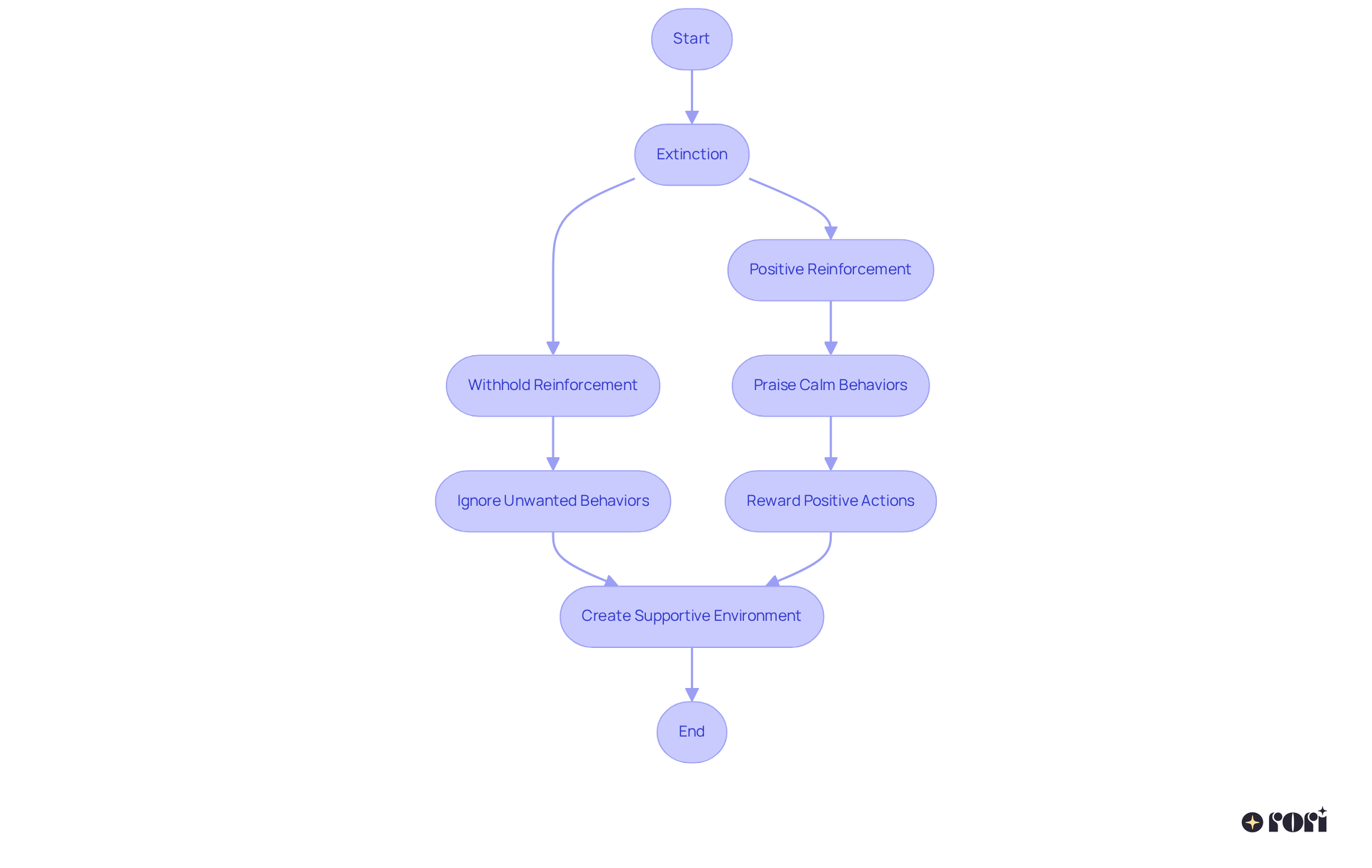
Integrating reinforcement with cessation can create a more effective strategy for . While the goal of is to by withholding reinforcement, encourages alternative, . For instance, if a child is having outbursts to gain attention, practitioners might suggest ignoring those outbursts while also praising or rewarding calm behaviors. This dual approach not only helps through extinction behavior modification but also nurtures positive interactions, creating a .
Let’s explore this together! By focusing on both and promoting positive ones, we can foster a more harmonious atmosphere for our little ones. Remember, you’re not alone in this journey—many parents face similar challenges, and sharing experiences can be incredibly helpful. We’re here to help you every step of the way!
Consistency Across Settings: Ensuring Effective Extinction Implementation
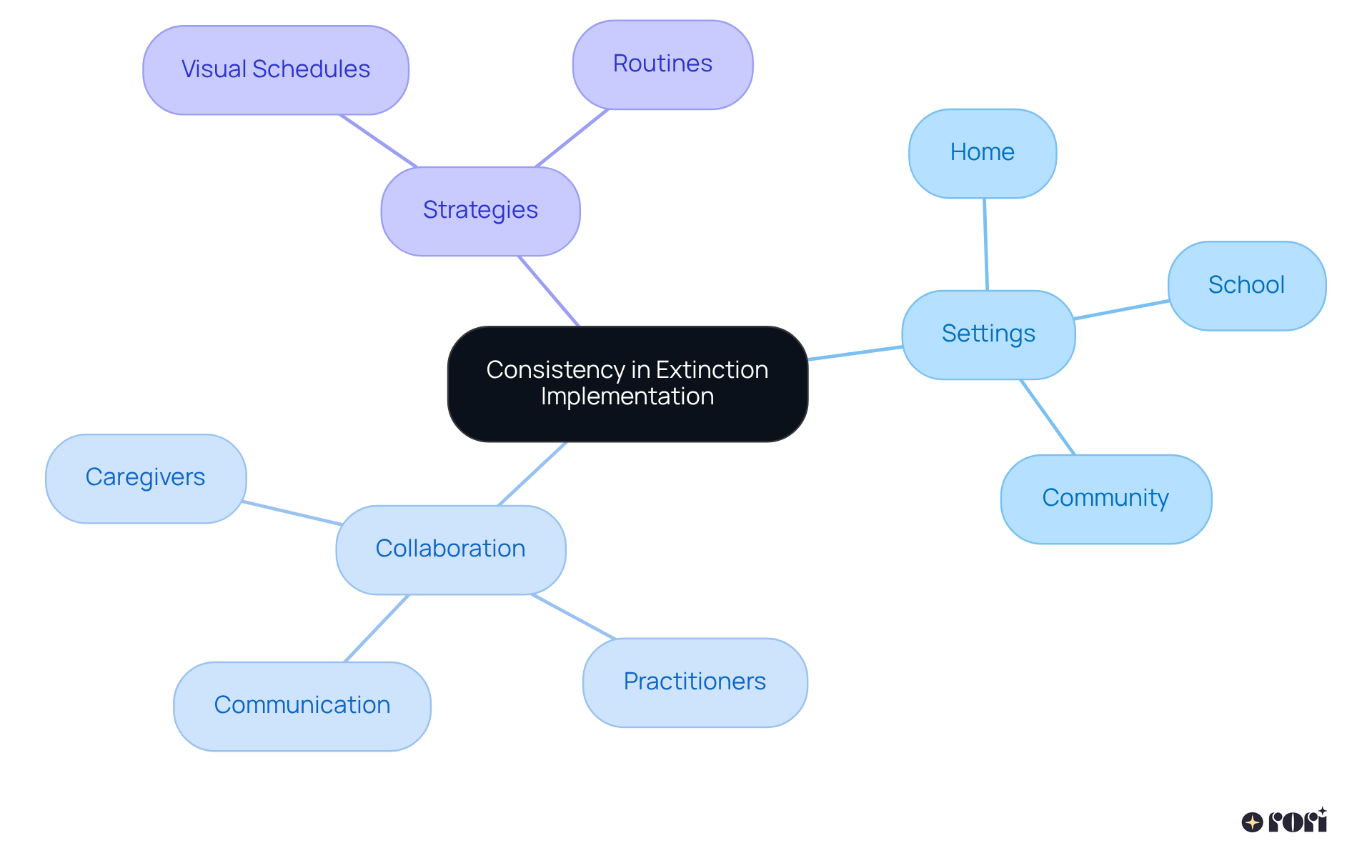
To ensure , it’s crucial to maintain consistency across all settings—home, school, and community. Caregivers and practitioners need to work together to set clear expectations and reactions to actions. This that certain actions won’t be encouraged, no matter where they are.
For instance, imagine a child who learns that tantrums are ignored at home but receive attention at school. This inconsistency can really compromise the extinction process. Research shows that 90% of individuals make remarkable progress when caregivers are actively engaged in . This underscores just how important .
is vital to uphold this consistency. It fosters a predictable environment, which can significantly reduce anxiety and confusion. Consistent routines promote predictability, and that’s fundamental in reducing stress. Families who establish organized routines and consistent reactions across different environments often see improved effectiveness in extinction .
Additionally, using . This not only enhances their emotional stability but also . Ultimately, ensuring with each child is crucial. It reinforces these techniques, as inconsistency can hinder progress and lead to confusion. Let’s explore this together and find the best ways to support our kids!
Data-Driven Insights: Monitoring Extinction Effectiveness in ABA Therapy
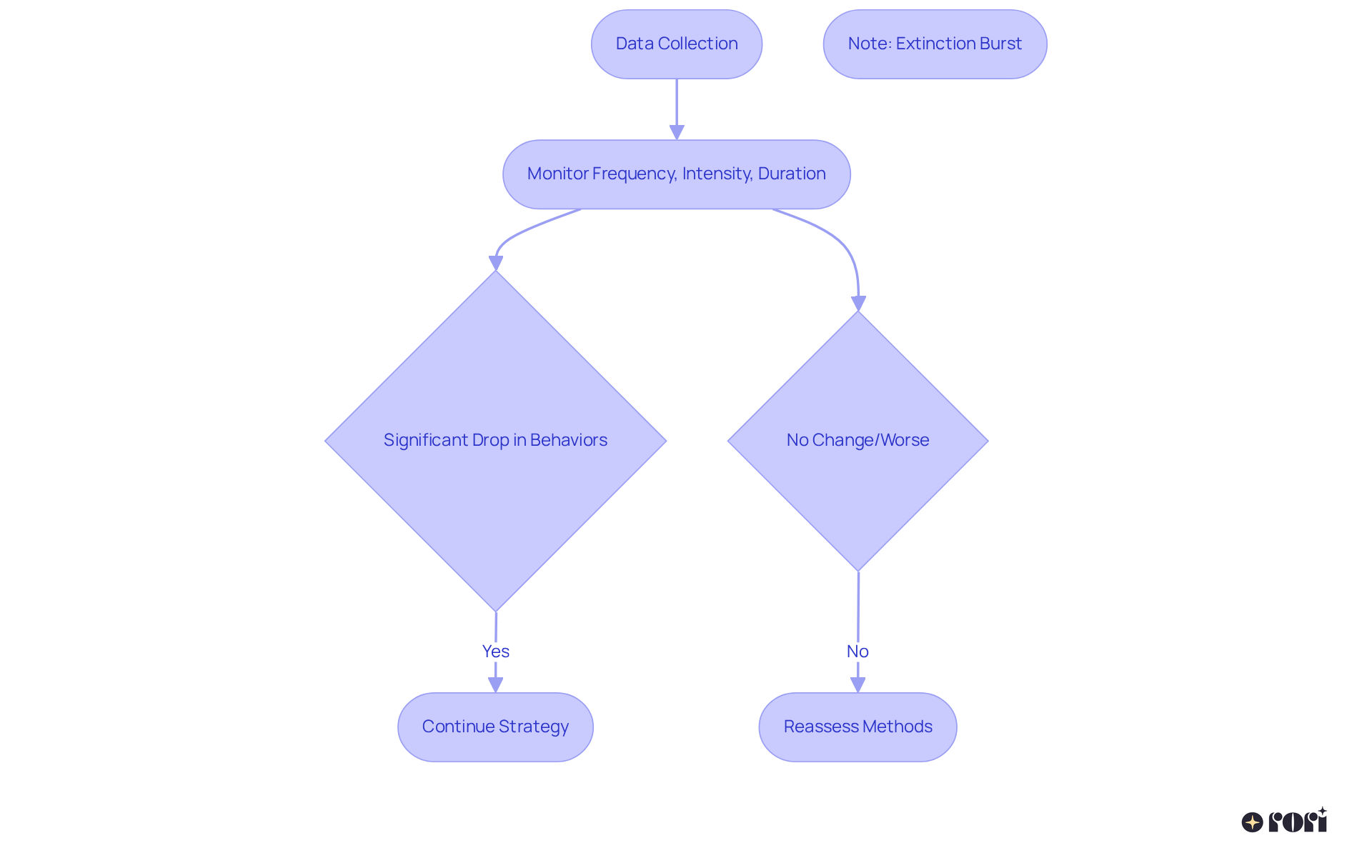
Monitoring the success of elimination strategies in ABA therapy is all about systematic . Practitioners need to keep a close eye on how often, how intensely, and for how long the target —both before and after the procedure is applied. This thorough not only sheds light on the child’s progress but also helps in spotting .
For instance, if you notice a significant drop in tantrums over time, that’s a strong sign that the is working! 🎉 But if things stay the same or even get worse, it’s a cue for practitioners to reassess their methods and make necessary tweaks to the . Regular evaluations and are key—they lead to real improvements in therapy outcomes, ensuring that each child’s unique needs are met effectively.
Using can also make it easier to interpret , giving you a clearer picture of progress. Plus, keep in mind the possibility of an ‘.’ This is where you might see an initial spike in the frequency of the behavior before it eventually decreases.
Let’s explore this together! We’re here to help you every step of the way!
Family Support Resources: Navigating Extinction in ABA Therapy
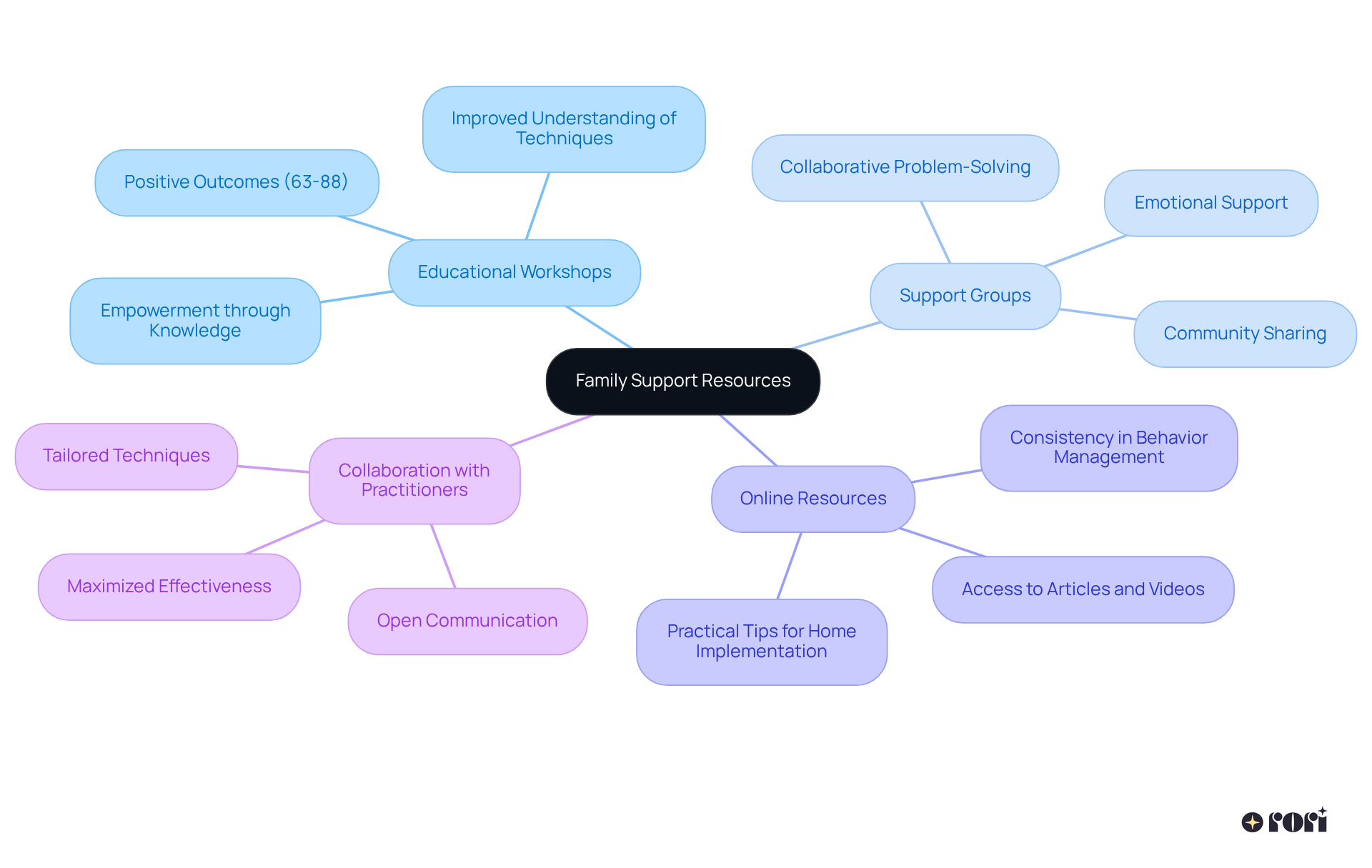
Families play a vital role in the success of . To support their child’s journey effectively, families can tap into a variety of resources:
- : Joining workshops focused on and can really empower families with essential knowledge and practical skills. Research shows that these workshops significantly improve understanding and application of modification techniques, leading to better outcomes. In fact, studies suggest that between 63% and 88% of research highlights , showcasing the value of these workshops.
- : Engaging in allows families to share their experiences and strategies for managing challenging behaviors. This fosters a sense of community and collaborative problem-solving. These interactions can provide emotional support and practical guidance, thereby enhancing the overall effectiveness of their extinction behavior modification efforts.
- : Families can explore a treasure trove of online articles and videos that break down and offer practical tips for home implementation. These resources are invaluable tools for boosting learning and ensuring consistency in behavior management approaches. They form part of a broader strategy to enhance , which is key to achieving successful outcomes in .
- : Maintaining open communication with therapists is crucial for ensuring consistency and alignment in approaches used at home and in other environments. This collaboration enables families to tailor techniques to their unique situations, maximizing the effectiveness of extinction . As Rori Behavioral Innovations Inc. puts it, ” plays a vital role in treatment success,” emphasizing the importance of being actively engaged in the therapy process.
Let’s explore these resources together and see how they can make a difference for your family!
Conclusion
Implementing effective extinction behavior modification strategies is essential for fostering positive behavioral changes in children, especially those with autism. It’s important to personalize approaches in ABA therapy, considering each child’s unique circumstances. By understanding and applying the core principles of extinction, caregivers and practitioners can gradually withdraw reinforcement for undesired behaviors, leading to meaningful change.
Key insights include:
- The significance of early intervention
- Maintaining consistency across different settings
- The vital role of family involvement in the therapeutic process
Challenges like extinction bursts and emotional responses are part of the journey, reminding us that patience and support are crucial. Plus, we must always keep ethical considerations in mind to prioritize the child’s well-being throughout behavior modification.
Ultimately, this article serves as a gentle reminder of the collective effort needed to navigate the complexities of behavior modification. By utilizing resources like educational workshops, support groups, and open communication with practitioners, families can enhance their involvement and contribute to successful outcomes. Embracing these strategies not only improves behavioral responses but also fosters a supportive environment for growth and development.
Let’s explore this together! We’re here to help you every step of the way!
Frequently Asked Questions
What is Rori Care’s approach to ABA therapy?
Rori Care emphasizes a personalized approach to ABA therapy, focusing on the unique needs of each individual. Clinicians conduct thorough assessments to identify specific behaviors that require modification, ensuring that extinction behavior modification methods are applied effectively.
How does extinction behavior modification work in ABA therapy?
Extinction behavior modification involves intentionally stopping the reinforcement of a behavior that previously gained attention. For example, if a child learns that throwing a tantrum brings attention, consistently ignoring the tantrum can help it fade away over time.
What factors contribute to the effectiveness of ABA therapy?
The effectiveness of ABA therapy depends on several key factors, including early intervention, intensity and duration of therapy, therapist expertise, family involvement, and personalized strategies.
What is the recommended duration of therapy for significant progress?
Research suggests that children who engage in early, intensive therapy, typically around 25 to 40 hours per week, often experience significant improvements in communication, social skills, and emotional regulation.
What strategies should practitioners follow to implement extinction effectively?
Practitioners should clearly define the target behavior, determine the reinforcement that needs to be withheld, maintain consistency across caregivers, monitor progress, and reinforce alternative positive behaviors.
Why is consistency important in applying extinction strategies?
Consistency is crucial because it helps avoid confusion and prevents unintentional reinforcement of undesired behaviors. Inconsistent application can hinder the effectiveness of the extinction strategy.
What should parents expect during the extinction process?
Parents should be prepared for a potential initial surge in the frequency or intensity of the targeted behaviors during the extinction process. This rise is normal and temporary as the behavior begins to decrease.
How can parents and caregivers support the extinction process?
Parents and caregivers can support the extinction process by applying the strategies consistently, monitoring the behavior’s frequency and intensity, and actively reinforcing alternative, positive behaviors to encourage healthier responses.
List of Sources
- Rori Care – ABA Therapy: Personalized Approaches to Extinction Behavior Modification
- Success Rates of ABA Therapy | Advanced Autism Services (https://advancedautism.com/post/success-rates-of-aba-therapy)
- Resources | Golden Steps ABA (https://goldenstepsaba.com/resources/success-rates-of-aba-therapy)
- 81 ABA Therapy Statistics You Need to Know – apricott ABA (https://apricott.com/resources/aba-therapy-statistics)
- The Impact of ABA Therapy on Long-Term Outcomes for Children with Autism (https://supportivecareaba.com/statistics/the-impact-of-aba-therapy-on-long-term-outcomes-for-children-with-autism)
- Understanding Extinction: Core Principles in ABA Therapy
- astraaba.com (https://astraaba.com/blog/understanding-extinction-in-behavior-therapy-definition-examples)
- Applied Behavior Analysis in Children and Youth with Autism Spectrum Disorders: A Scoping Review – PMC (https://pmc.ncbi.nlm.nih.gov/articles/PMC9458805)
- Inspirational ABA and Autism Quotes – Mrs. Moe’s Modifications (https://mrsmoesmodifications.com/inspirational-aba-and-autism-quotes)
- What Are ABA Therapy Quotes? Understanding Their Role and Importance – Rori Blog (https://rori.care/post/what-are-aba-therapy-quotes-understanding-their-role-and-importance)
- Best ABA Quotes (https://testpreptech.com/post/best-aba-quotes)
- Implementing Extinction: Practical Strategies for Behavior Modification
- achievebetteraba.com (https://achievebetteraba.com/blog/aba-therapy-and-extinction-procedures)
- yellowbusaba.com (https://yellowbusaba.com/post/aba-therapy-and-extinction-procedures)
- Extinction Eliminate Unwanted Behaviors | Precious Care ABA (https://preciouscareaba.com/blog/extinction-unwanted-behaviors)
- What Are Extinction Procedures in ABA Therapy? (https://magnetaba.com/blog/aba-therapy-and-extinction-procedures)
- Challenges in Extinction: Navigating Common Obstacles in ABA Therapy
- Modifying Behaviors: Extinction in ABA Therapy – ABA Centers of America (https://abacenters.com/modifying-behaviors-extinction-in-aba-therapy)
- Understanding Extinction in ABA Therapy (https://astroaba.com/blog/understanding-extinction-in-aba-therapy)
- What Are Extinction Procedures in ABA Therapy? (https://magnetaba.com/blog/aba-therapy-and-extinction-procedures)
- discoveryaba.com (https://discoveryaba.com/aba-therapy/extinction-bursts-in-aba?8936781b_page=21&c73247f3_page=8)
- silverswingaba.com (https://silverswingaba.com/understanding-extinction-bursts-real-world-examples)
- Ethical Considerations: Responsible Use of Extinction in ABA Therapy
- ABA Therapy and Extinction Procedures (https://aprilaba.com/resources/aba-therapy-and-extinction-procedures)
- Modifying Behaviors: Extinction in ABA Therapy – ABA Centers of America (https://abacenters.com/modifying-behaviors-extinction-in-aba-therapy)
- ybgr.org (https://ybgr.org/17-quotes-on-coaching-kids-through-behaviors)
- Inspiring Quotes on Child Learning and Development (https://vincegowmon.com/inspiring-quotes-on-child-learning-and-development)
- fordhaminstitute.org (https://fordhaminstitute.org/national/commentary/children-learn-best-when-they-feel-safe-and-valued)
- Understanding Extinction Bursts: Managing Behavioral Responses
- Extinction Eliminate Unwanted Behaviors | Precious Care ABA (https://preciouscareaba.com/blog/extinction-unwanted-behaviors)
- goldenstepsaba.com (https://goldenstepsaba.com/resources/extinction-burst-aba)
- mastermindbehavior.com (https://mastermindbehavior.com/post/extinction-bursts-in-aba)
- What is Extinction in ABA: Key Concepts and Applications – Champions ABA (https://championsaba.com/what-is-extinction-in-aba)
- Reinforcement and Extinction: A Combined Approach to Behavior Change
- behavioralinterventionforautism.com (https://behavioralinterventionforautism.com/blog/aba-therapy-success-rate-is-it-worth-it)
- Autism Therapy Statistics (https://goldenstepsaba.com/resources/autism-therapy-statistics)
- The Significance of Statistics in ABA Therapy | All Star ABA (https://allstaraba.org/statistics-in-aba-therapy)
- Autism Therapy: Key Statistics (https://ambitionsaba.com/resources/autism-therapy-statistics)
- The Numbers Don’t Lie: Revealing Autism Therapy Statistics | Above and Beyond Therapy (https://abtaba.com/blog/autism-therapy-statistics)
- Consistency Across Settings: Ensuring Effective Extinction Implementation
- What Are ABA Therapy Quotes? Understanding Their Role and Importance – Rori Blog (https://rori.care/post/what-are-aba-therapy-quotes-understanding-their-role-and-importance)
- striveabaconsultants.com (https://striveabaconsultants.com/consistency-in-autism-therapy)
- buildingblockstherapy.org (https://buildingblockstherapy.org/blog/the-importance-of-consistency-in-implementing-behavioral-therapy-techniques)
- Best Autism Quotes to Raise Awareness and Understanding (https://yellowbusaba.com/post/autism-quotes)
- Data-Driven Insights: Monitoring Extinction Effectiveness in ABA Therapy
- yellowbusaba.com (https://yellowbusaba.com/post/the-importance-of-data-driven-aba-therapy-in-measuring-progress-for-children-with-autism)
- Ongoing Assessment in ABA Therapy: A Data-Driven Approach (https://brightpathwaysaba.com/ongoing-assessment-in-aba-therapy-a-data-driven-approach)
- What Are Extinction Procedures in ABA Therapy? (https://magnetaba.com/blog/aba-therapy-and-extinction-procedures)
- Family Support Resources: Navigating Extinction in ABA Therapy
- 8 Meaningful Autism Quotes for Parents’ Support (https://graciousgrowthaba.com/8-meaningful-autism-quotes-for-parents-support)
- Success Rates of ABA Therapy | Advanced Autism Services (https://advancedautism.com/post/success-rates-of-aba-therapy)
- goldstarrehab.com (https://goldstarrehab.com/parent-resources/autism-therapy-statistics)
- supportivecareaba.com (https://supportivecareaba.com/statistics/autism-therapy-statistics)
- 81 ABA Therapy Statistics You Need to Know – apricott ABA (https://apricott.com/resources/aba-therapy-statistics)