
Introduction
Nonverbal students with autism encounter unique challenges when it comes to expressing their thoughts and needs. This often leads to frustration for both the children and their caregivers. Let’s explore this together! In this article, we’ll delve into personalized communication goals designed specifically to enhance the interaction abilities of these remarkable students. We’ll showcase effective strategies that can foster independence and social connection. What innovative methods can parents and educators leverage to bridge the communication gap? Together, we can empower these children to thrive in their daily lives!
Rori Care – ABA Therapy: Personalized Communication Goals for Nonverbal Students
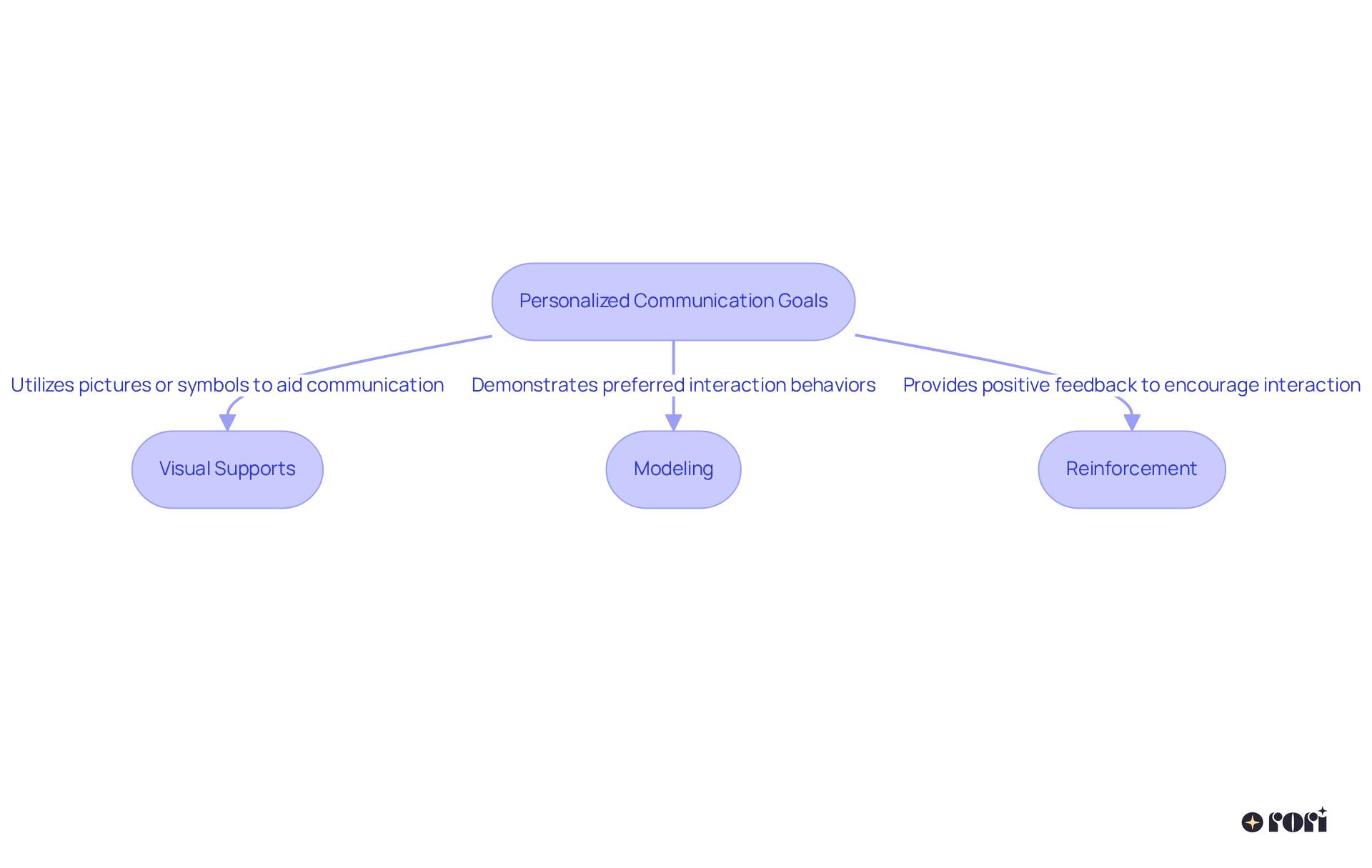
At Rori Behavioral Innovations Inc., we use to create for . These goals for come after thorough evaluations and focus on helping your child express their needs and emotions more effectively. For example, one goal might involve using , like pictures or symbols, to help communicate basic needs—this can with caregivers and peers. Research shows that ABA interventions can be moderately to highly effective in , both expressive and receptive. By customizing these goals, our therapists enable each child to progress at their own pace, fostering a sense of achievement and independence.
Key strategies we use include:
- Visual Supports: Using pictures or symbols to make communication easier.
- Modeling: Showing preferred interaction behaviors for your child to mimic.
- Reinforcement: Providing positive feedback to encourage interaction efforts.
Children who receive at least 80% of their prescribed ABA hours often experience noticeable improvements, especially those who start with lower functioning levels. The success of hinges on how well it meets goals for . These approaches not only enhance but also support overall social interactions and in children with autism who don’t use spoken language, leading to .
Let’s explore this together! We’re here to !
Social Skills Development: Enhancing Interaction for Nonverbal Students
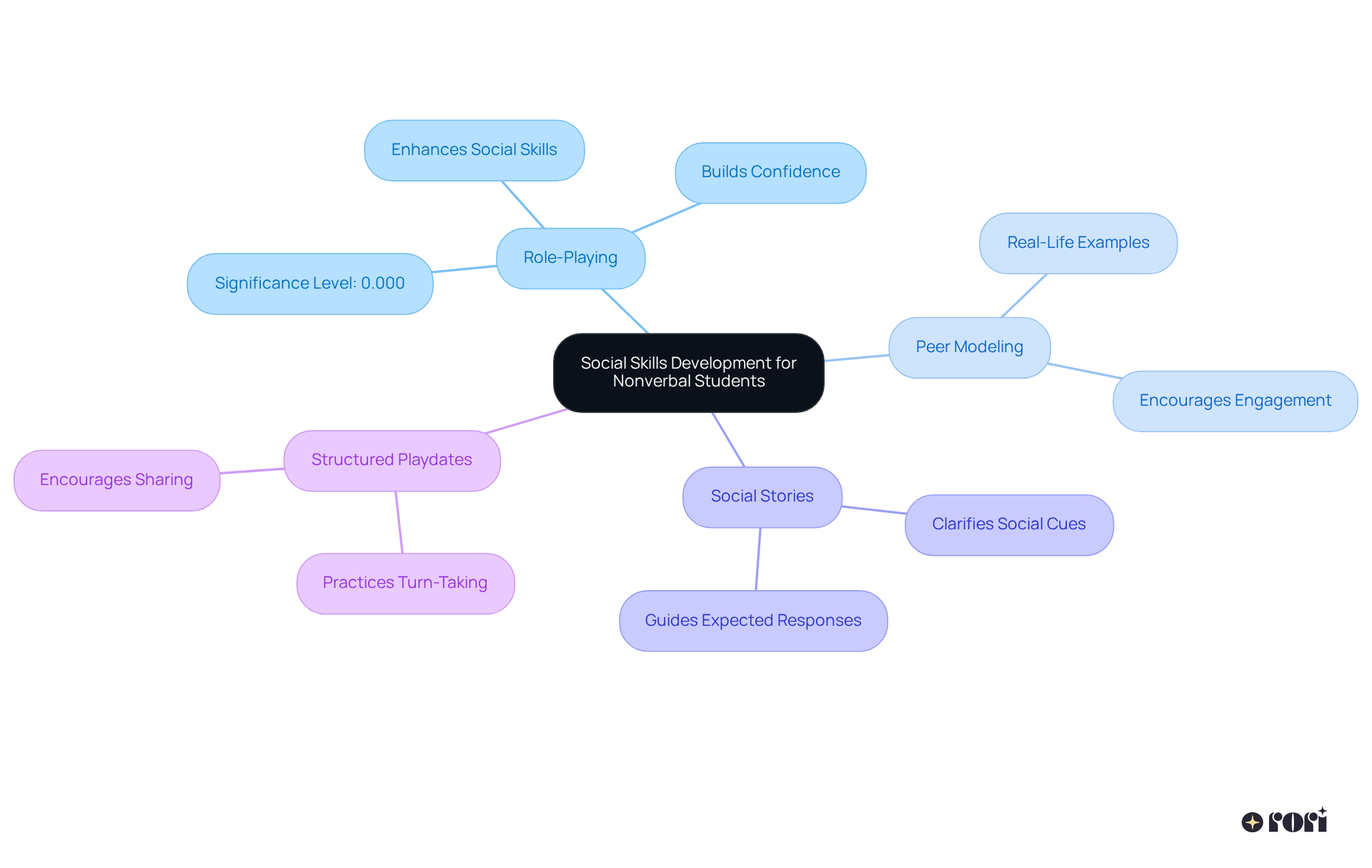
Cultivating is essential for reaching goals for with autism, as it lays the groundwork for . There are some great approaches to consider, such as , , and . Each of these can be tailored to help improve understanding and application of , which is essential for achieving goals for with autism.
- : This fun technique allows students to practice social scenarios in a safe space, building their confidence and skills. Research shows that can significantly enhance social skills and self-confidence, with a remarkable significance level of 0.000 in its effectiveness!
- : Interacting with peers who showcase suitable social behaviors offers individuals with limited verbal communication real-life examples to learn from. This method not only supports learning but also encourages social engagement.
- Social Stories: Using narratives to explain social situations helps students understand . For example, a social story about how to greet a friend can really clarify the nuances of social interactions.
- : These create a supportive environment for practicing skills like turn-taking and sharing, allowing students to apply what they’ve learned in a practical context.
By weaving these strategies into daily life, parents and educators can create a well-rounded approach to achieving goals for with autism while enhancing social skills. Ultimately, this empowers children with limited communication to more effectively. Let’s explore this together!
Expressive Communication Goals: Facilitating Self-Expression in Nonverbal Students
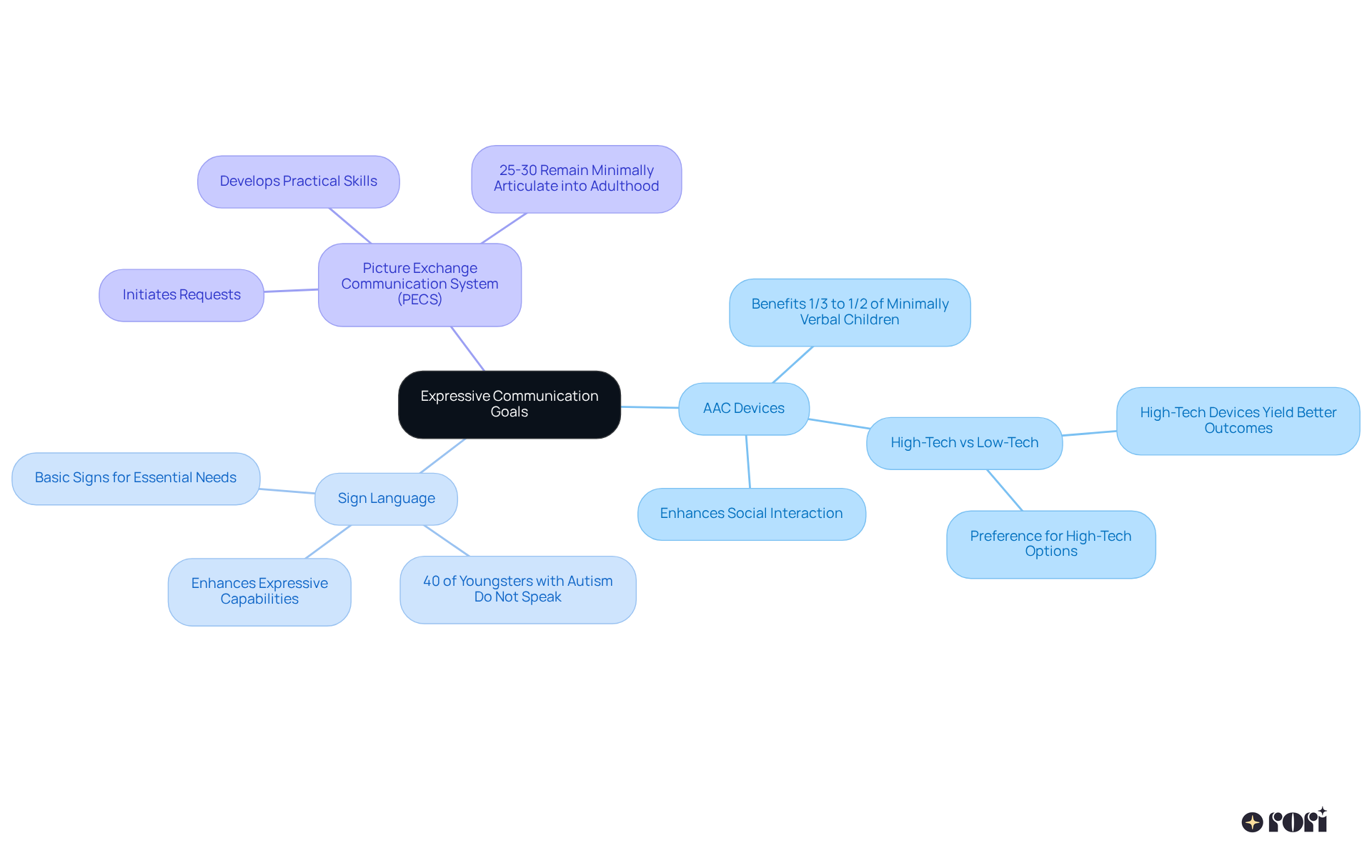
The goals for focus on empowering them to share their thoughts and feelings effectively through expressive interaction. Techniques like , , and picture exchange systems play a crucial role in helping these students express their needs. For example, when a young child learns to use a device to ask for their favorite toy, it significantly boosts their ability to communicate wishes and engage with peers.
Let’s dive into some key strategies that can make a real difference:
- : These handy tools help children express themselves through speech-generating devices or apps. Research shows that AAC interventions can enhance , with studies indicating that about one third to half of may benefit from these interventions. Interestingly, high-tech devices often yield better outcomes than low-tech options.
- : Introducing basic signs can provide a wonderful way for nonverbal individuals to express essential needs and emotions. Did you know that around 40% of youngsters with autism do not speak at all? This highlights the importance of using to achieve with autism. Studies have shown that can enhance expressive capabilities, fostering a sense of connection and understanding.
- : This method encourages students to use pictures to communicate their wants and needs. PECS has proven effective in helping youngsters initiate requests and develop practical skills, ultimately improving their s. It’s worth noting that about 25-30% of youth diagnosed with autism spectrum disorder remain minimally articulate or silent into adulthood, underscoring the ongoing need for .
Combining these approaches not only facilitates interaction but also supports the goals for by encouraging self-expression. It allows children who don’t use words to engage more fully in their surroundings and connections. Let’s explore this together and see how we can support our children in their communication journey!
Receptive Language Skills: Building Understanding for Nonverbal Students
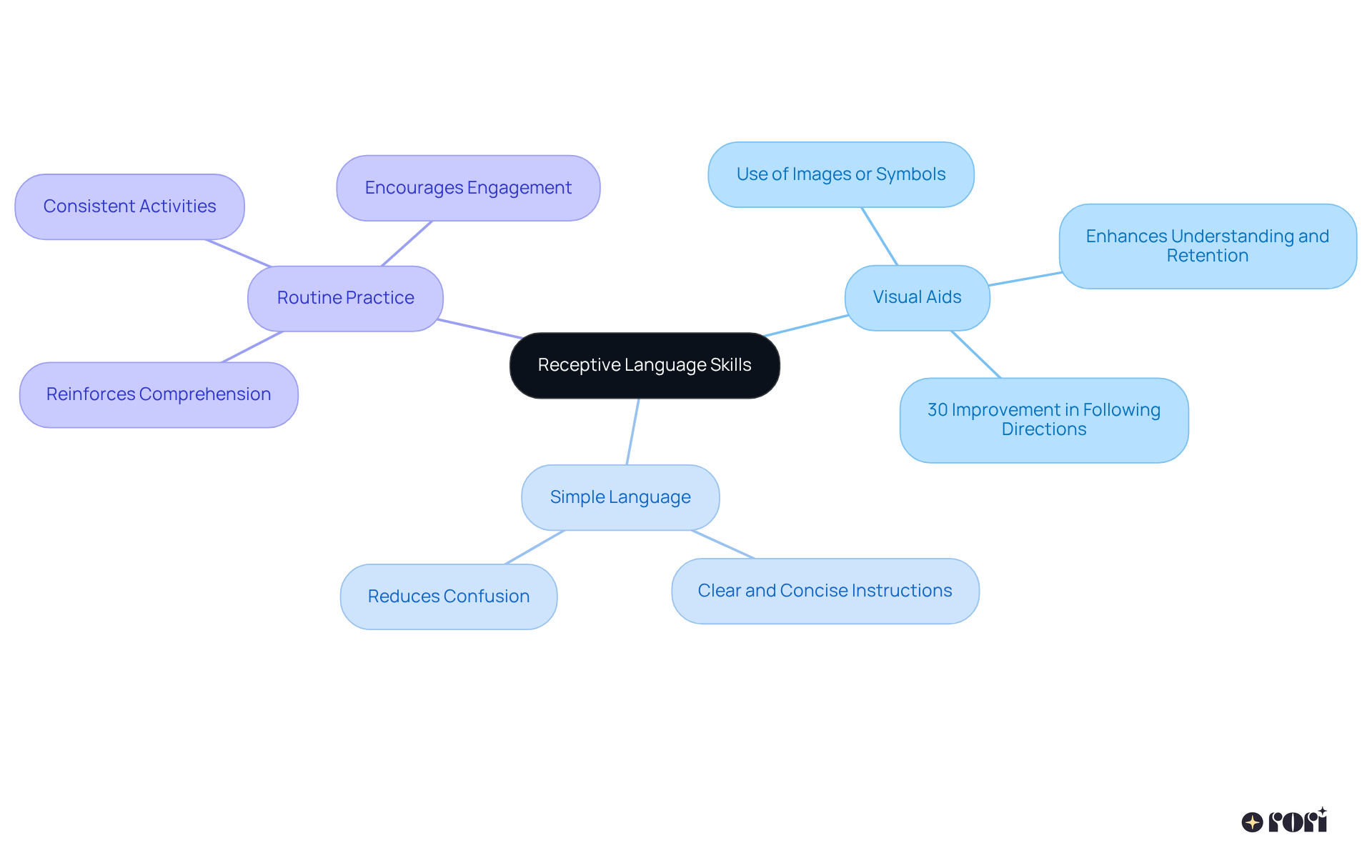
Receptive language abilities are essential for achieving goals for , as they help them understand and respond effectively. By using strategies like , , and consistent routines, we can really boost their understanding. For example, pairing verbal instructions with visual cues—like images or symbols—makes a big difference in comprehension and helps them follow directions. Regular practice in identifying objects and responding to questions reinforces these skills, leading to better .
Here are some key strategies to consider:
- : Use images or symbols to strengthen understanding and retention.
- : Keep instructions clear and concise to reduce confusion.
- : Create that reinforce comprehension and encourage engagement.
Research shows that and the use of can significantly enhance , helping to achieve goals for . Language experts emphasize that these strategies not only improve understanding but also help young learners engage more actively in their educational settings. One expert noted, “Visual aids are essential in closing the gap for nonverbal youngsters, enabling them to associate words with meanings more effectively.” Plus, studies indicate that children who interact with visual aids see a 30% improvement in their ability to follow verbal directions compared to those who don’t.
By weaving these strategies into everyday interactions, parents can create a nurturing learning environment for their kids. Let’s explore this together! We’re here to !
Functional Communication Goals: Promoting Independence in Nonverbal Students
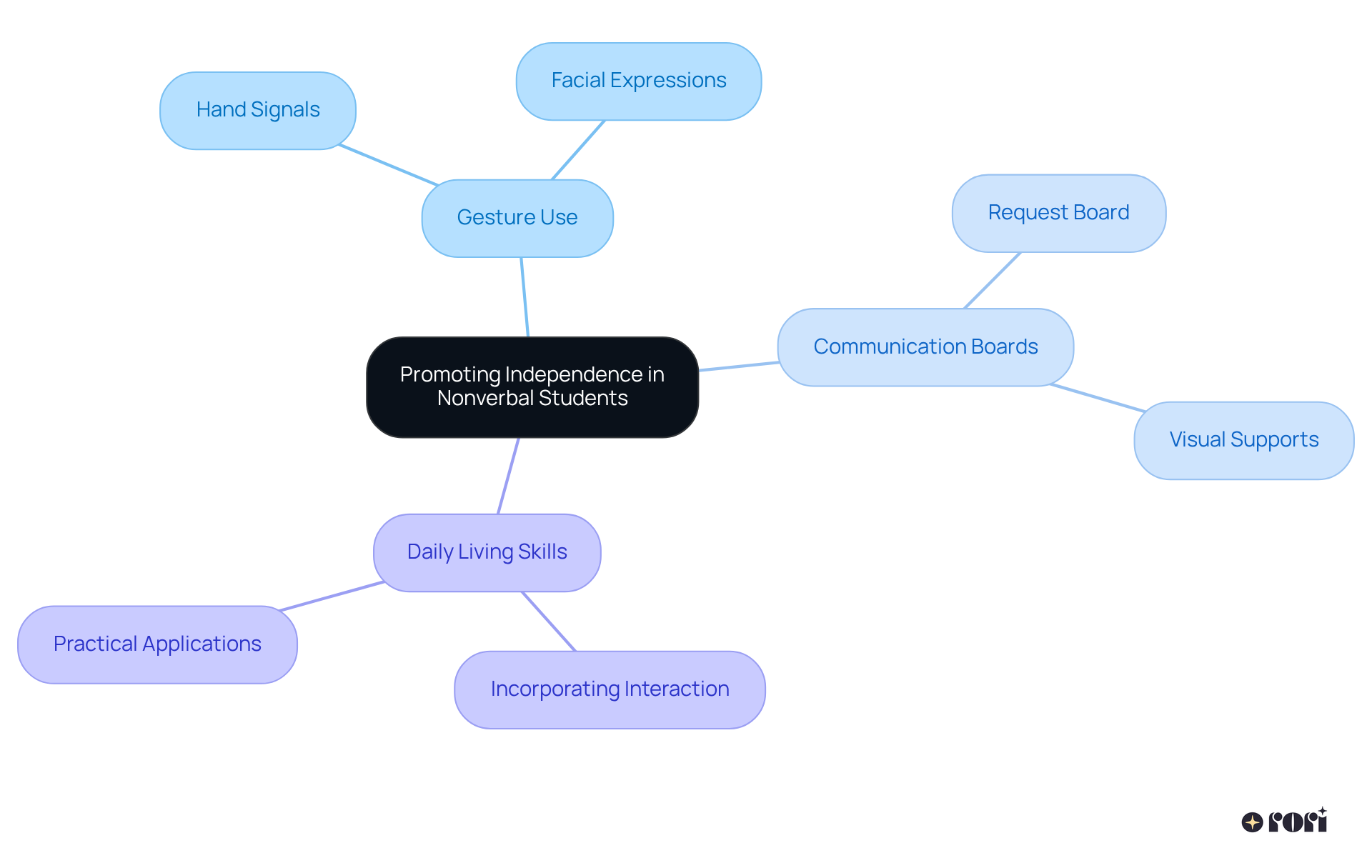
are truly essential for helping them express their needs in everyday situations. These objectives often focus on teaching kids to use gestures, signs, or assistive devices to help meet , enabling them to request help, indicate preferences, or share discomfort. For example, one goal might involve showing a young person how to use a . This not only enhances their ability to express themselves but also fosters a sense of independence in their daily lives.
Did you know that about 25-30% of preschool-aged children with ASD will be nonverbal or only ? This statistic highlights the challenges many young ones face when it comes to communication, reinforcing the importance of .
Here are some key strategies to :
- Gesture Use: Encouraging the use of hand signals can empower children to communicate effectively without relying solely on words.
- : These visual tools help students indicate their preferences and needs, significantly improving their ability to engage in conversations and express themselves.
- Daily Living Skills: Incorporating interaction into everyday tasks allows young individuals to apply their skills in practical situations, which strengthens their understanding and encourages self-sufficiency.
Research shows that using boards for interaction can help in achieving , resulting in greater independence among these youths. Many studies suggest that individuals who utilize these tools are more likely to engage in social exchanges and effectively convey their needs. ABA therapists emphasize that is crucial for and enhancing their overall quality of life. As Rose Griffin beautifully states, “!” By applying effective methods and the latest techniques for teaching gestures and signs, caregivers and educators can create an environment that nurtures meaningful communication development.
Let’s explore this together! We’re here to help you every step of the way!
Behavioral Regulation Goals: Managing Challenges for Nonverbal Students
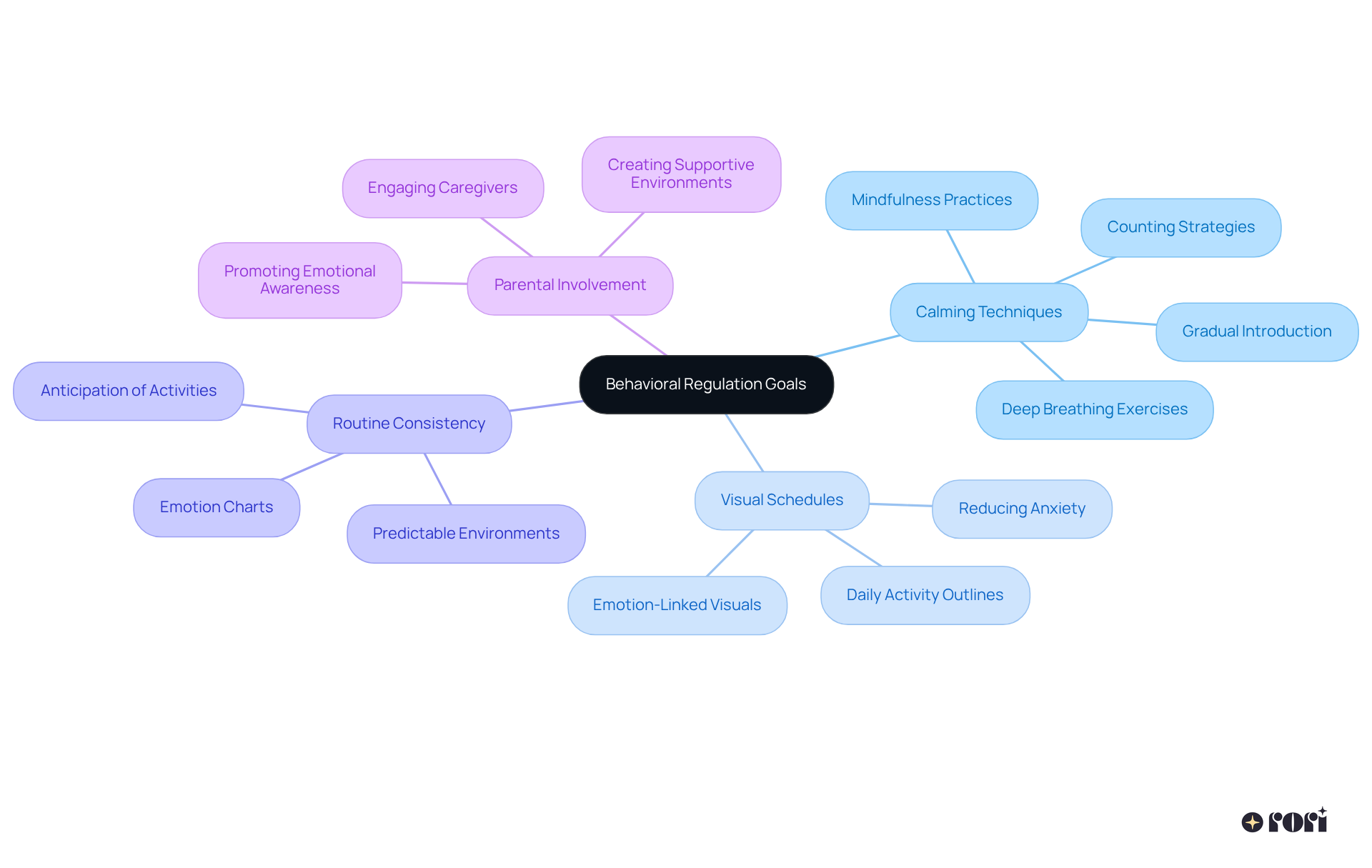
Goals for nonverbal students with autism are crucial for helping them manage their emotions and reactions through behavioral regulation. By implementing techniques like teaching calming strategies, using , and keeping routines consistent, we can really enhance their . For example, deep breathing exercises and mindfulness practices empower students to cope with overwhelming situations, fostering a sense of control and improving their ability to communicate effectively.
Let’s dive into some key strategies!
- : Methods like can really help children manage . It’s best to introduce these techniques gradually, starting when your little one is in a positive emotional state, so they’re more open to learning. Studies show that kids who engage in organized calming methods often demonstrate better . They learn to recognize when they’re feeling overwhelmed and can use strategies like counting or taking breaks to regain their composure.
- : Visual aids that outline daily activities and expectations can provide clarity and reduce anxiety for nonverbal individuals. By linking emotions with visual representations, kids can better understand their feelings and the context of their responses.
- : Establishing is key to reducing anxiety and promoting self-management. Regular routines help children anticipate what’s next, which can lessen feelings of uncertainty and emotional overload. Psychologists emphasize the importance of teaching goals for nonverbal students with autism through visual supports, like emotion charts, which can aid in labeling feelings and understanding emotional responses.
- : Engaging parents in the process is vital! By promoting emotional awareness and self-regulation skills, caregivers and educators can create supportive environments that help nonverbal students thrive.
We’re here to help you every step of the way! Let’s explore these strategies together and see how they can make a difference in your child’s emotional journey.
Technology-Enhanced Communication Strategies: Innovative Approaches for Nonverbal Students
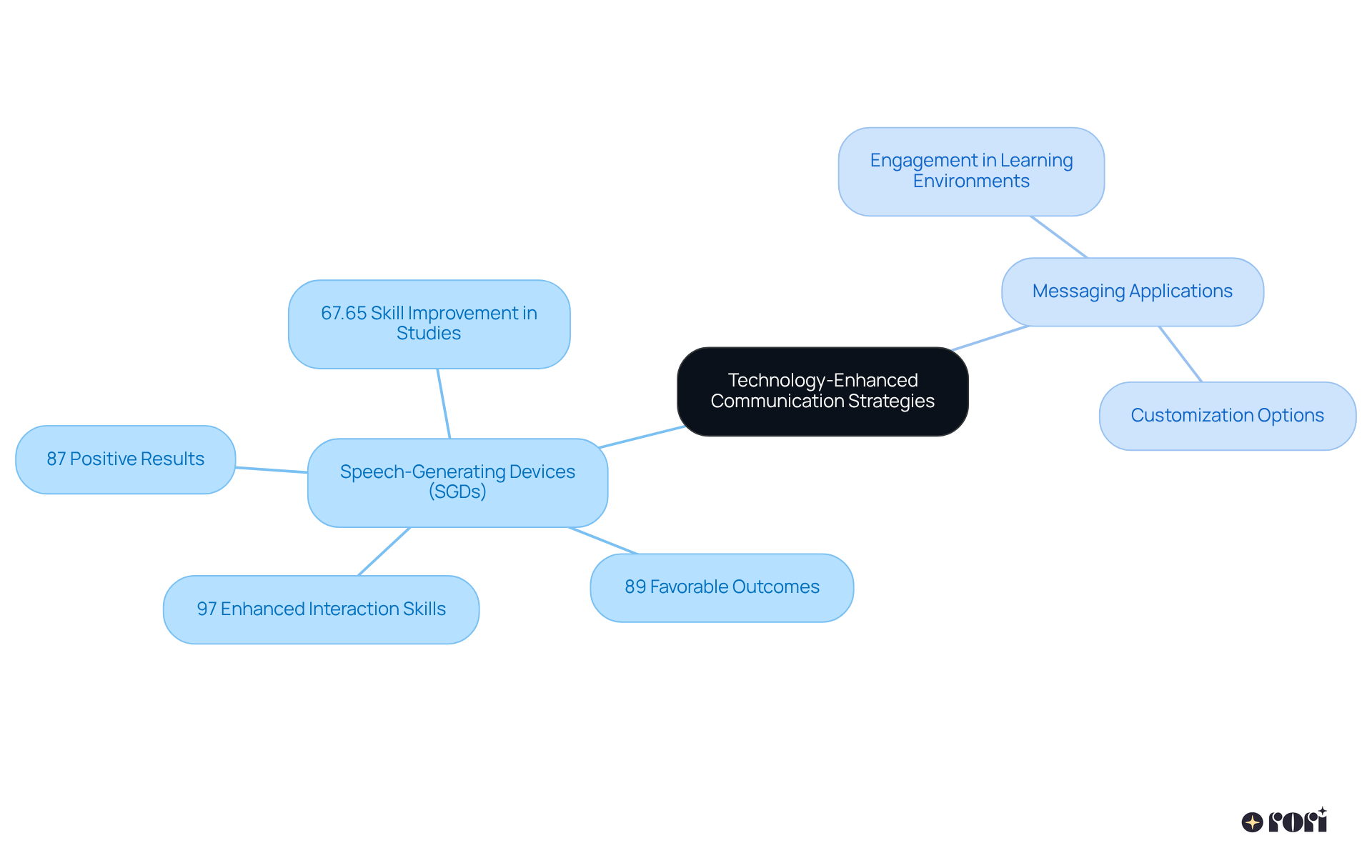
are truly changing the game in helping achieve goals for ! They offer innovative solutions that significantly boost their ability to with others. At the forefront of this transformation are , which allow young individuals to produce spoken language through synthesized or digitized speech. These devices come in many forms, from dedicated gadgets with user-friendly interfaces to that can be customized to meet individual needs.
Research shows that SGDs can lead to remarkable improvements in interaction outcomes. For example, studies indicate that:
- 87% of SGD interventions for children with ASD reported .
- 89% of overall SGD interventions yielded favorable outcomes, especially in requesting and commenting skills.
- An impressive 97% of participants in AAC interventions saw enhanced interaction skills, showcasing how effective these tools can be in promoting engagement.
- 67.65% of studies on showed skill improvement, reinforcing the overall effectiveness of AAC interventions!
The latest SGDs are designed to be user-friendly and flexible, allowing for real-time updates and personalized interaction experiences. This adaptability is crucial! It gives young individuals the freedom to select images or phrases that resonate with their thoughts and feelings, ultimately enhancing their social interactions and reducing feelings of isolation.
In addition to SGDs, messaging applications play a vital role in facilitating expressive interaction. These apps can be tailored to individual preferences, making them a fantastic tool for engaging students in . By weaving technology into interaction strategies, parents and educators can establish with autism, empowering them to participate more fully in educational and social settings.
All in all, the combination of SGDs and messaging apps marks a significant leap forward in . They provide essential tools to help achieve goals for to thrive. As technology continues to evolve, the potential for these devices to enhance interaction abilities and improve the quality of life for youngsters with autism is truly exciting. Let’s explore this together!
Parent-Led Initiatives: Empowering Families to Support Communication Goals
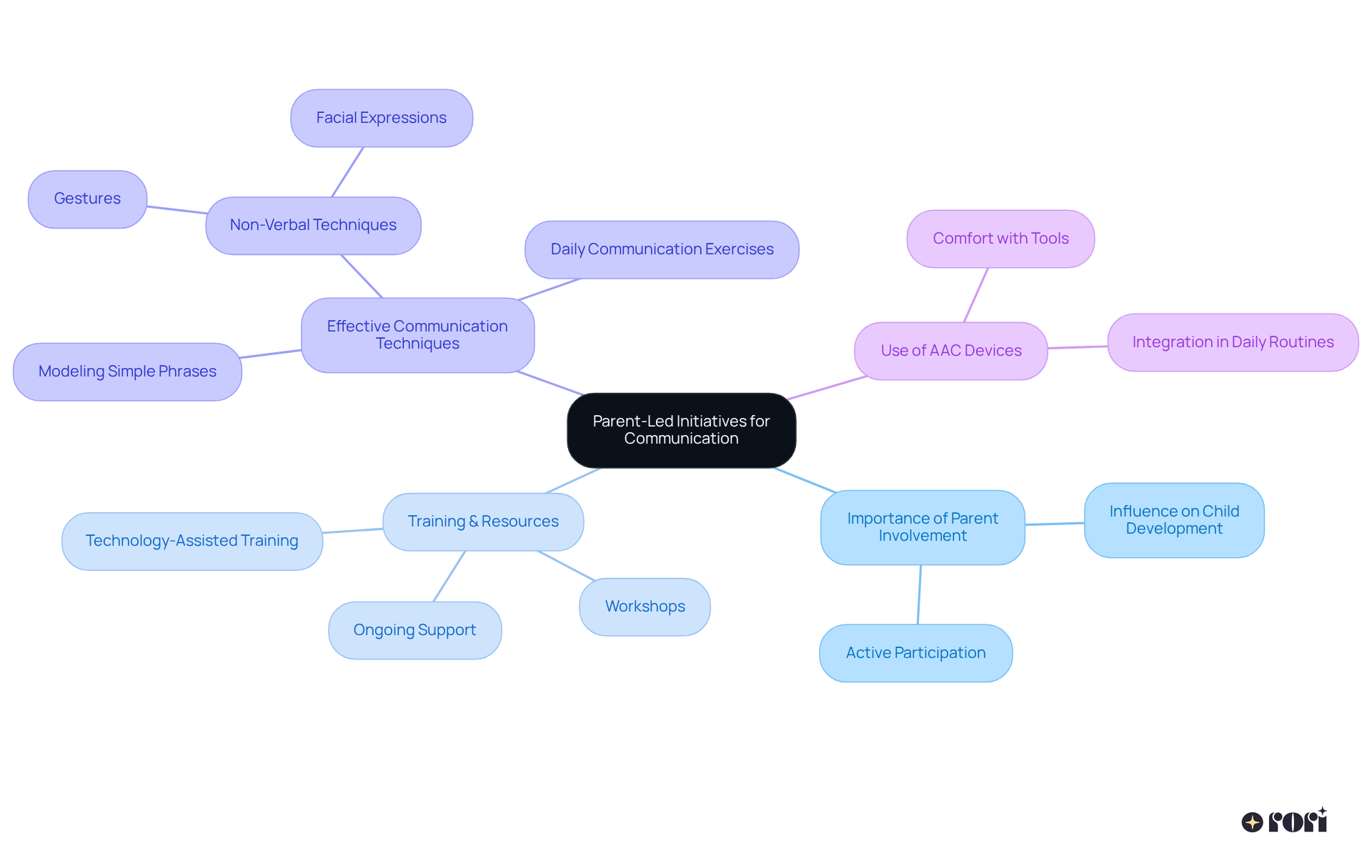
play a vital role in enhancing interaction goals at home. By teaching parents —like using visual aids and demonstrating language—we can significantly boost their child’s development. For instance, parents can practice using during daily routines, helping their little ones feel more comfortable with these tools. Recent workshops have been all about equipping parents with , and the results are impressive: parents’ total implementation scores increased from 45.59% at entry to 69.75% at exit!
Research shows that can lead to remarkable improvements in children’s expressive skills. A , emphasizing just how crucial parent involvement is in language development. Family therapists often remind us that , which makes their active participation essential.
To truly empower families, it’s important to provide that enable parents to take charge of their child’s interaction journey. Sharing materials that outline —like labeling items and using visual supports—along with offering ongoing support, can help parents weave these tools into their daily lives. Plus, , can further enhance their child’s ability to express themselves and connect with their surroundings. Let’s explore this together! 🌟
Collaborative Goals: Uniting Educators and Therapists for Nonverbal Students
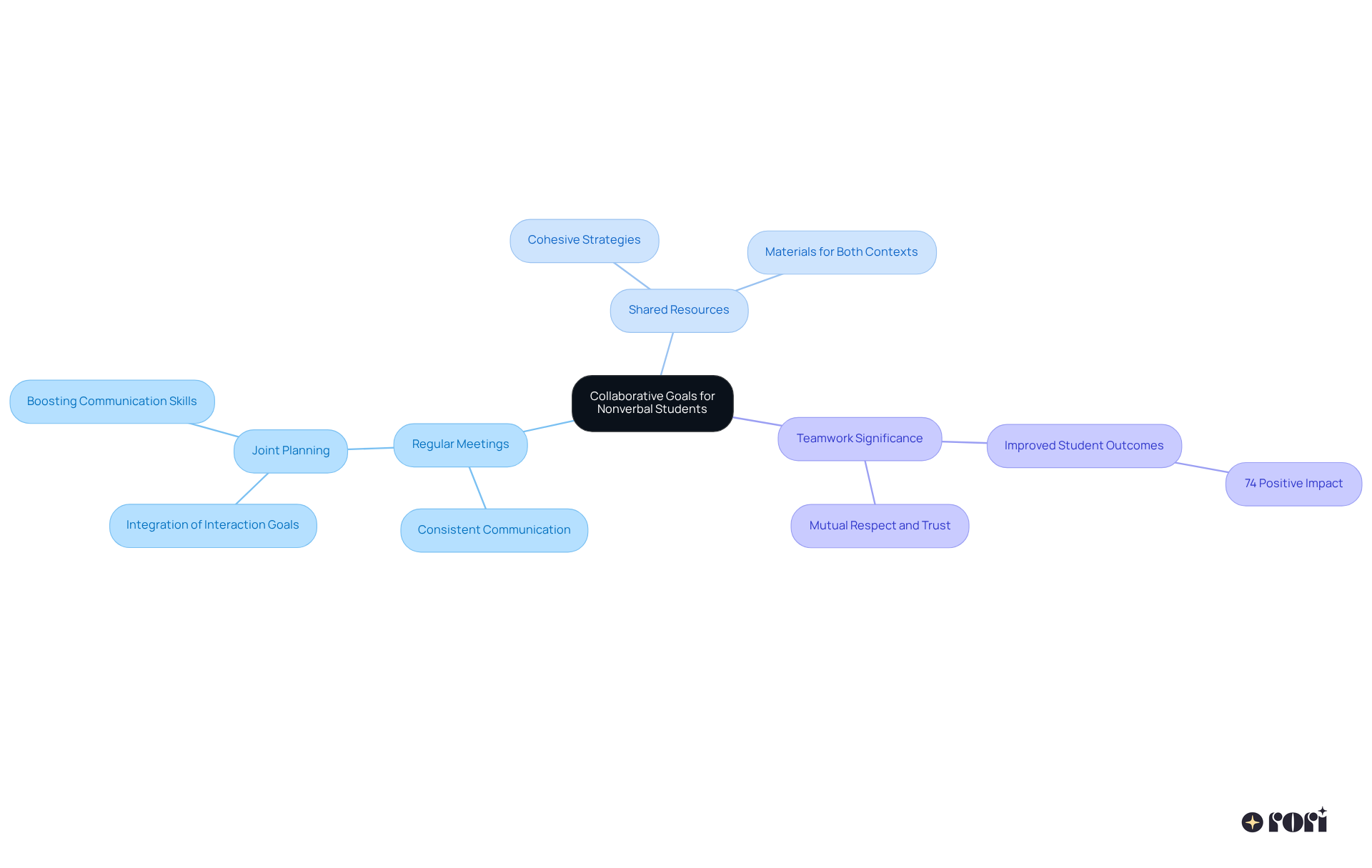
between are essential for creating a unified approach to support them. When these two groups work together, it ensures that the align seamlessly with those applied during therapy sessions. For example, educators can easily weave interaction goals into their lesson plans, while therapists can share valuable insights on effective classroom strategies. This teamwork nurtures a consistent environment that significantly enhances the educational and interaction experiences for young learners.
Here are some :
- Regular Meetings: Establishing helps everyone stay on the same page regarding progress and strategies. is crucial for collaborating on lesson plans that integrate interaction objectives tailored to the goals for nonverbal students with autism. Research shows that can boost , highlighting the importance of a united approach in their educational journey.
- Shared Resources: Using materials and strategies that benefit both educational and therapeutic contexts ensures a cohesive approach.
The significance of teamwork in autism support is echoed by educational leaders who stress that is vital for achieving the best outcomes for students. As Villeneuve & Hutchinson noted, “the goal of collaboration is for students to experience improved outcomes by receiving the most effective educational services to which they are entitled.” Additionally, a study revealed that 74% of participants felt that collaboration positively impacted student success. By prioritizing collaboration, can create a that allows students with communication challenges to truly thrive. Let’s explore this together!
Progress Measurement: Evaluating Communication Goals for Nonverbal Students
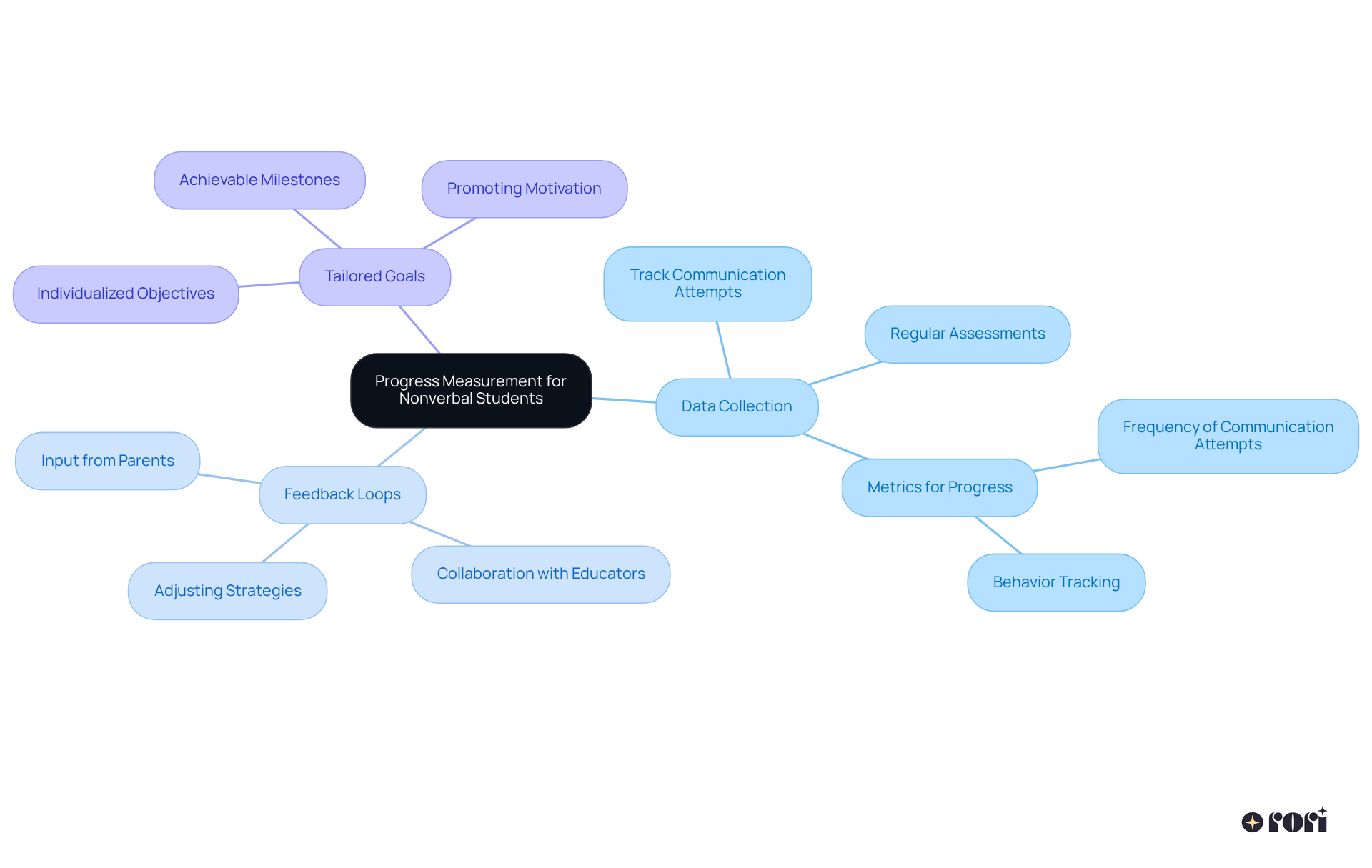
Assessing how we advance interaction is so important for understanding how well strategies are working. By using systematic —like tracking how often successful interactions happen and how Augmentative and Alternative Communication (AAC) devices are used—we can gain valuable insights into a young person’s developmental journey. Regular evaluations give therapists the chance to , ensuring they fit the young one’s evolving needs. For instance, if a child consistently uses a device to express their needs, therapists can introduce more complex vocabulary to help them grow even further.
Here are some key strategies for :
- Data Collection: Keep track of to gather meaningful insights. help measure progress and as needed.
- : Create opportunities for input from parents and educators to guide and enhance approaches. Setting achievable involves tailoring goals to the individual’s needs and abilities, promoting a sense of accomplishment and motivation for growth.
By focusing on these strategies, therapists can create an environment that nurtures the development of communication skills. This ultimately and connect with others. Let’s explore this together and support our children every step of the way!
Conclusion
Nonverbal students with autism often encounter significant hurdles when it comes to expressing their needs and emotions. However, personalized communication goals can truly transform their ability to interact. This article shines a light on the importance of tailored strategies that empower these children to communicate effectively, fostering both independence and social connection. By embracing methods like visual supports, AAC devices, and collaborative efforts between parents and educators, we can make remarkable progress in enhancing their communication skills.
Key insights shared here highlight the effectiveness of ABA therapy in promoting both expressive and receptive language skills. We also see how technology plays a pivotal role in facilitating communication, along with the value of social skills development through structured activities. Furthermore, the focus on behavioral regulation and parent-led initiatives emphasizes the comprehensive approach needed to support our nonverbal students. Each of these elements contributes to a holistic understanding of how we can bridge the communication gap faced by these remarkable individuals.
Ultimately, improving communication for nonverbal students with autism is a journey that requires collaboration among families, educators, and therapists. By embracing innovative strategies and nurturing a supportive environment, we can empower these children to thrive in their daily lives. As the landscape of communication continues to evolve, the potential for these students to engage meaningfully with their peers and caregivers is both exciting and essential. Let’s continue to advocate for and implement these strategies, ensuring every child has the opportunity to express themselves and connect with the world around them. We’re here to help you every step of the way!
Frequently Asked Questions
What is Rori Care’s approach to ABA therapy for nonverbal students with autism?
Rori Care uses ABA therapy to create personalized communication goals for nonverbal students with autism, focusing on helping them express their needs and emotions effectively through thorough evaluations.
What are some examples of communication goals for nonverbal students?
Examples include using visual aids like pictures or symbols to communicate basic needs, which can improve interactions with caregivers and peers.
How effective is ABA therapy for improving language skills in nonverbal students?
Research indicates that ABA interventions can be moderately to highly effective in boosting both expressive and receptive language skills for nonverbal students with autism.
What key strategies are utilized in Rori Care’s ABA therapy?
Key strategies include visual supports, modeling preferred interaction behaviors, and reinforcement through positive feedback to encourage interaction efforts.
What is the impact of receiving adequate ABA therapy hours?
Children who receive at least 80% of their prescribed ABA hours often experience noticeable improvements, especially those starting with lower functioning levels.
How does Rori Care enhance social skills for nonverbal students?
Rori Care enhances social skills through techniques such as role-playing, social narratives, peer modeling, and structured playdates, which help students practice appropriate social behaviors.
What role does role-playing play in social skills development?
Role-playing allows students to practice social scenarios in a safe environment, significantly enhancing their social skills and self-confidence.
How do peer modeling and social stories contribute to social skills?
Peer modeling provides real-life examples of suitable social behaviors, while social stories help students understand social cues and expected responses, improving their social interactions.
What are expressive communication goals for nonverbal students?
Expressive communication goals focus on empowering nonverbal students to share their thoughts and feelings effectively through techniques like augmentative and alternative communication (AAC), sign language, and picture exchange systems.
What are AAC devices, and how do they assist nonverbal students?
AAC devices are tools that help children express themselves through speech-generating devices or apps, enhancing social interaction and communication capabilities.
How does sign language benefit nonverbal students with autism?
Sign language provides a means for nonverbal individuals to express essential needs and emotions, fostering connection and understanding.
What is the Picture Exchange Communication System (PECS)?
PECS encourages students to use pictures to communicate their wants and needs, helping them initiate requests and improve their social interactions.
Why is it important to combine various communication approaches for nonverbal students?
Combining different approaches facilitates interaction and supports expressive goals, allowing nonverbal children to engage more fully with their surroundings and connections.
List of Sources
- Rori Care – ABA Therapy: Personalized Communication Goals for Nonverbal Students
- 81 ABA Therapy Statistics You Need to Know – apricott ABA (https://apricott.com/resources/aba-therapy-statistics)
- Success Rates of ABA Therapy | Advanced Autism Services (https://advancedautism.com/post/success-rates-of-aba-therapy)
- behavioralinterventionforautism.com (https://behavioralinterventionforautism.com/blog/aba-therapy-success-rate-is-it-worth-it)
- ABA Therapy Evidence | Grateful Care ABA (https://gratefulcareaba.com/blog/aba-therapy-evidence)
- crossrivertherapy.com (https://crossrivertherapy.com/aba-therapy-success-rates)
- Social Skills Development: Enhancing Interaction for Nonverbal Students
- The Role of Peer Modeling in Autism Therapy Programs (https://mastermindbehavior.com/post/the-role-of-peer-modeling-in-autism-therapy-programs)
- (PDF) The Influence of Role-Playing Methods on the Social Skills and Self-Confidence of Grade V Elementary School Students (https://researchgate.net/publication/373828584_The_Influence_of_Role-Playing_Methods_on_the_Social_Skills_and_Self-Confidence_of_Grade_V_Elementary_School_Students)
- discoveryaba.com (https://discoveryaba.com/statistics/how-many-people-have-autism)
- Autism Statistics You Need To Know in 2024 (https://autismparentingmagazine.com/autism-statistics)
- Expressive Communication Goals: Facilitating Self-Expression in Nonverbal Students
- The role of augmentative and alternative communication for children with autism: current status and future trends – PMC (https://pmc.ncbi.nlm.nih.gov/articles/PMC5036660)
- asha.org (https://asha.org/practice-portal/professional-issues/augmentative-and-alternative-communication?srsltid=AfmBOoq1EE2ZvpYxxw0s5-AgTngjW9o6_kWI5bdshXKV4VdAZv4iBNU-)
- goldstarrehab.com (https://goldstarrehab.com/parent-resources/autism-therapy-statistics)
- Understanding Nonverbal Autism (https://kidsclubaba.com/understanding-nonverbal-autism)
- Clinical Effectiveness of AAC Intervention in Minimally Verbal Children With ASD: A Systematic Review
| NeuroRegulation (https://neuroregulation.org/article/view/23389)
- Receptive Language Skills: Building Understanding for Nonverbal Students
- pmc.ncbi.nlm.nih.gov (https://pmc.ncbi.nlm.nih.gov/articles/PMC4205715)
- sciencedirect.com (https://sciencedirect.com/science/article/abs/pii/S1750946714002402)
- journals.sagepub.com (https://journals.sagepub.com/doi/10.1177/23969415241258699)
- Quick Statistics About Voice, Speech, Language (https://nidcd.nih.gov/health/statistics/quick-statistics-voice-speech-language)
- Functional Communication Goals: Promoting Independence in Nonverbal Students
- slpnow.com (https://slpnow.com/blog/192-writing-goals-for-life-skills-with-rose-griffin)
- Minimally Verbal School-Aged Children with Autism Spectrum Disorder: The Neglected End of the Spectrum – PMC (https://pmc.ncbi.nlm.nih.gov/articles/PMC3869868)
- speechandlanguagekids.com (https://speechandlanguagekids.com/functional-communication)
- upandupaba.com (https://upandupaba.com/faqs-resources/functional-communication-goals-for-autism)
- adinaaba.com (https://adinaaba.com/post/functional-communication-goals-for-autism)
- Behavioral Regulation Goals: Managing Challenges for Nonverbal Students
- zonesofregulation.com (https://zonesofregulation.com)
- How to Improve Emotional Self-Regulation Among Children with Autism and Attention Disorders (https://onlinegrad.pepperdine.edu/blog/emotional-self-regulation-children-autism)
- 10 Great Quotes on Promoting Positive Behavior – Brookes Blog (https://blog.brookespublishing.com/10-great-quotes-on-promoting-positive-behavior)
- autismparentingmagazine.com (https://autismparentingmagazine.com/help-child-with-emotional-regulation)
- Technology-Enhanced Communication Strategies: Innovative Approaches for Nonverbal Students
- pmc.ncbi.nlm.nih.gov (https://pmc.ncbi.nlm.nih.gov/articles/PMC8009928)
- Using Technology in Autism Therapy (https://supportivecareaba.com/statistics/using-technology-in-autism-therapy)
- numberanalytics.com (https://numberanalytics.com/blog/revolutionizing-communication-speech-generating-devices-aac)
- sciencedirect.com (https://sciencedirect.com/science/article/abs/pii/S0891422225001647)
- pubs.asha.org (https://pubs.asha.org/doi/10.1044/2022_AJSLP-22-00220)
- Parent-Led Initiatives: Empowering Families to Support Communication Goals
- autismcenterforkids.com (https://autismcenterforkids.com/parent-led-communication-strategies)
- pmc.ncbi.nlm.nih.gov (https://pmc.ncbi.nlm.nih.gov/articles/PMC6537769)
- pmc.ncbi.nlm.nih.gov (https://pmc.ncbi.nlm.nih.gov/articles/PMC4442706)
- pmc.ncbi.nlm.nih.gov (https://pmc.ncbi.nlm.nih.gov/articles/PMC11017782)
- The effectiveness of parent training for children with autism spectrum disorder: a systematic review and meta-analyses – BMC Psychiatry (https://bmcpsychiatry.biomedcentral.com/articles/10.1186/s12888-020-02973-7)
- Collaborative Goals: Uniting Educators and Therapists for Nonverbal Students
- onlinelibrary.wiley.com (https://onlinelibrary.wiley.com/doi/full/10.1111/1440-1630.12931)
- tandfonline.com (https://tandfonline.com/doi/full/10.1080/19411243.2024.2375766)
- pmc.ncbi.nlm.nih.gov (https://pmc.ncbi.nlm.nih.gov/articles/PMC12046194)
- Progress Measurement: Evaluating Communication Goals for Nonverbal Students
- Inspirational ABA and Autism Quotes – Mrs. Moe’s Modifications (https://mrsmoesmodifications.com/inspirational-aba-and-autism-quotes)
- What Are ABA Therapy Quotes? Understanding Their Role and Importance – Rori Blog (https://rori.care/post/what-are-aba-therapy-quotes-understanding-their-role-and-importance)
- ablespace.io (https://ablespace.io/blog/track-iep-goals-and-monitor-iep-progress)
- bridgecareaba.com (https://bridgecareaba.com/blog/autism-therapy-goals)