

Introduction
Navigating child behavior can often feel like piecing together a complex puzzle, right? As parents, we’re always on the lookout for effective strategies to motivate our little ones. Enter the Premack Principle, affectionately known as ‘Grandma’s Rule.’ This intriguing concept suggests that by leveraging activities our kids love, we can encourage them to tackle less desirable tasks. Understanding and applying this psychological gem can open up new avenues for fostering independence and positive behavior in our children.
But let’s be real—how do we tackle the potential challenges and ethical considerations that come with this approach while ensuring our kids stay motivated? Let’s explore this together!
Define the Premack Principle: Core Concepts and Origins
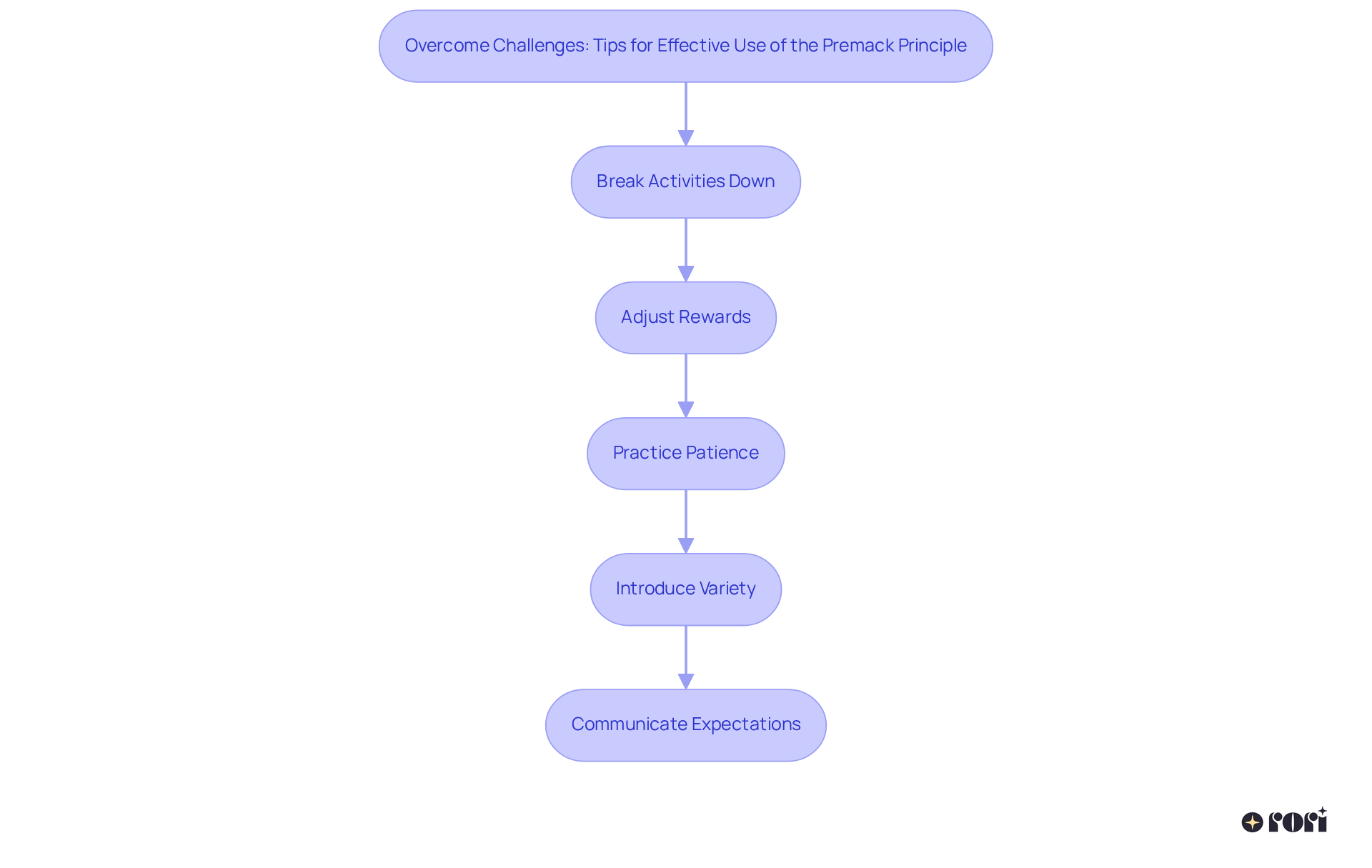
The Premack Principle, which can be defined as ‘Grandma’s Rule,’ was introduced by psychologist David Premack in the 1960s. Simply put, it suggests that behaviors we’re more likely to do can help us define the Premack principle by motivating us to tackle those we’re less keen on. For instance, if your child gets to dive into a fun activity—like playing a video game—after finishing a less exciting task, such as homework, they’re more inclined to get that homework done.
To understand this principle, we must define the Premack principle, which is rooted in and has been widely studied, showing great success in various environments, including autism therapy. In fact, research reveals that thoughtfully incorporating preferred activities can significantly boost completion rates for children with autism. By understanding this principle, you can tap into your child’s natural likes to guide them toward positive behaviors and help them complete tasks, fostering independence and supporting their overall growth.
However, it’s essential to think about the ethical aspects and potential limits of this approach. For instance, keeping rewards unpredictable can help maintain motivation. So, let’s explore this together and see how we can make the most of these insights for your child’s development!
Apply the Premack Principle: Practical Strategies for Everyday Situations
To effectively apply the Premack Principle, parents can try out some practical strategies that really work:
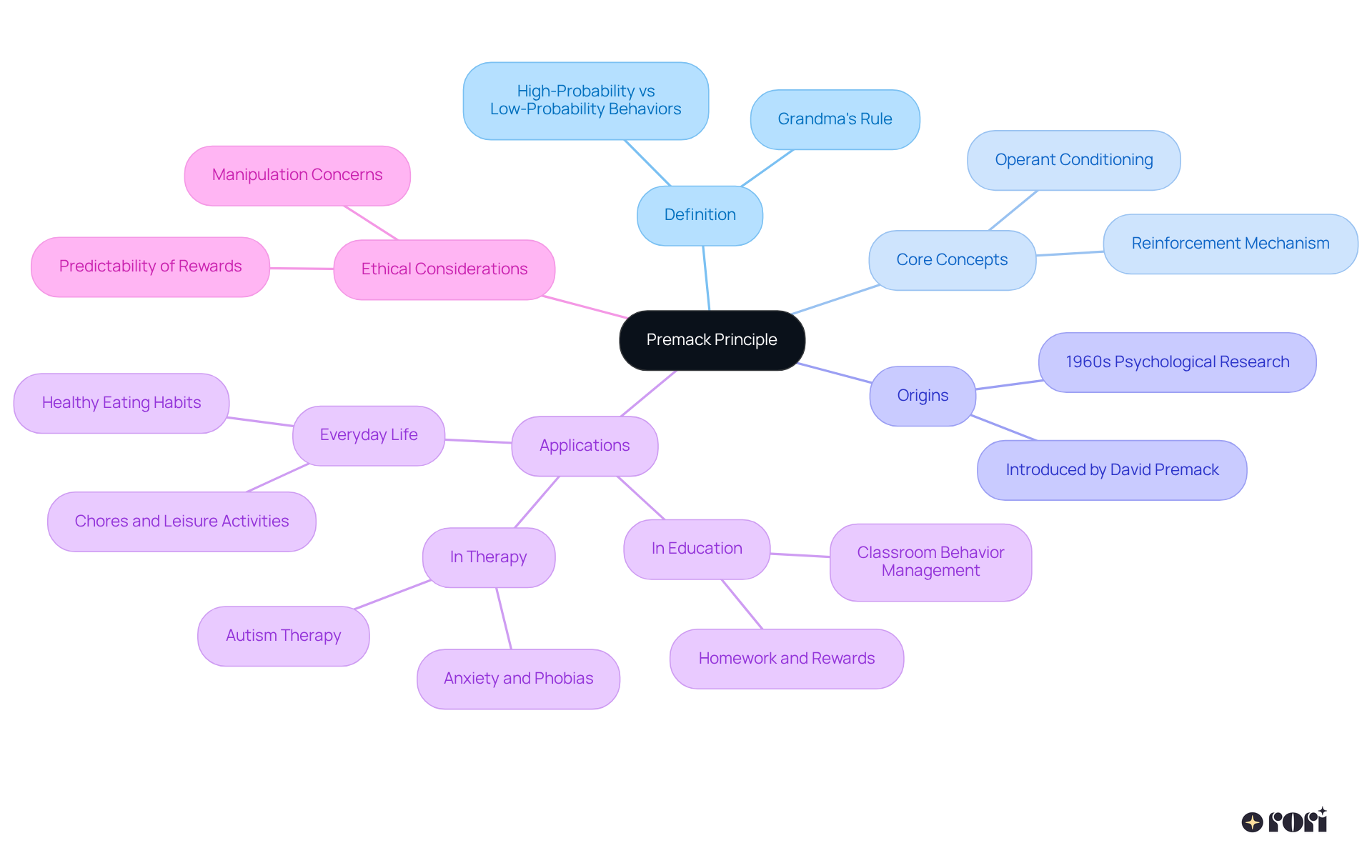
- Identify High- and Low-Probability Behaviors: Take a moment to observe your child. What activities do they absolutely love? Those are your high-probability behaviors. On the flip side, what tasks do they tend to avoid? Those are the low-probability ones.
- Create a First/Then Chart: How about making a simple visual aid? It could say something like, ‘First, clean your room, then you can play video games.’ This way, your child can see the order of activities, which helps them understand what’s expected.
- Be Consistent: Consistency is key! Always follow through with the promised reward after your child completes the less preferred activity. This helps them learn that finishing tasks leads to fun outcomes. As A Gem of Joy puts it, “Consistency is also crucial in successfully applying the principle in ABA therapy.”
- Highlight Programmed Reinforcement: Make sure to give that reward right after they finish the low-probability activity. This timing really boosts the effectiveness of the Premack Principle, as it helps to define the link between the task and the reward.
- Adjust as Necessary: If the high-probability activity isn’t doing the trick, think about switching up the reward to something more enticing. Tailoring rewards to what excites your child can really ramp up their motivation.
- Mention Inter-Instructions Intervals: Consider a 5-second break between requests. This little pause can help your child transition more smoothly between activities and improve their follow-through.
- Celebrate Success: Don’t forget to acknowledge and celebrate when your child completes that less preferred task! Positive reinforcement helps them connect the dots between the activity and the reward, boosting their sense of achievement and encouraging them to keep it up.
Let’s explore this together! Remember, you’re not alone on this journey—every step counts!
Overcome Challenges: Tips for Effective Use of the Premack Principle
Implementing the Premack Principle can be a game-changer for parents, but defining the Premack Principle also comes with its challenges. Let’s explore some strategies to help you navigate these obstacles together:
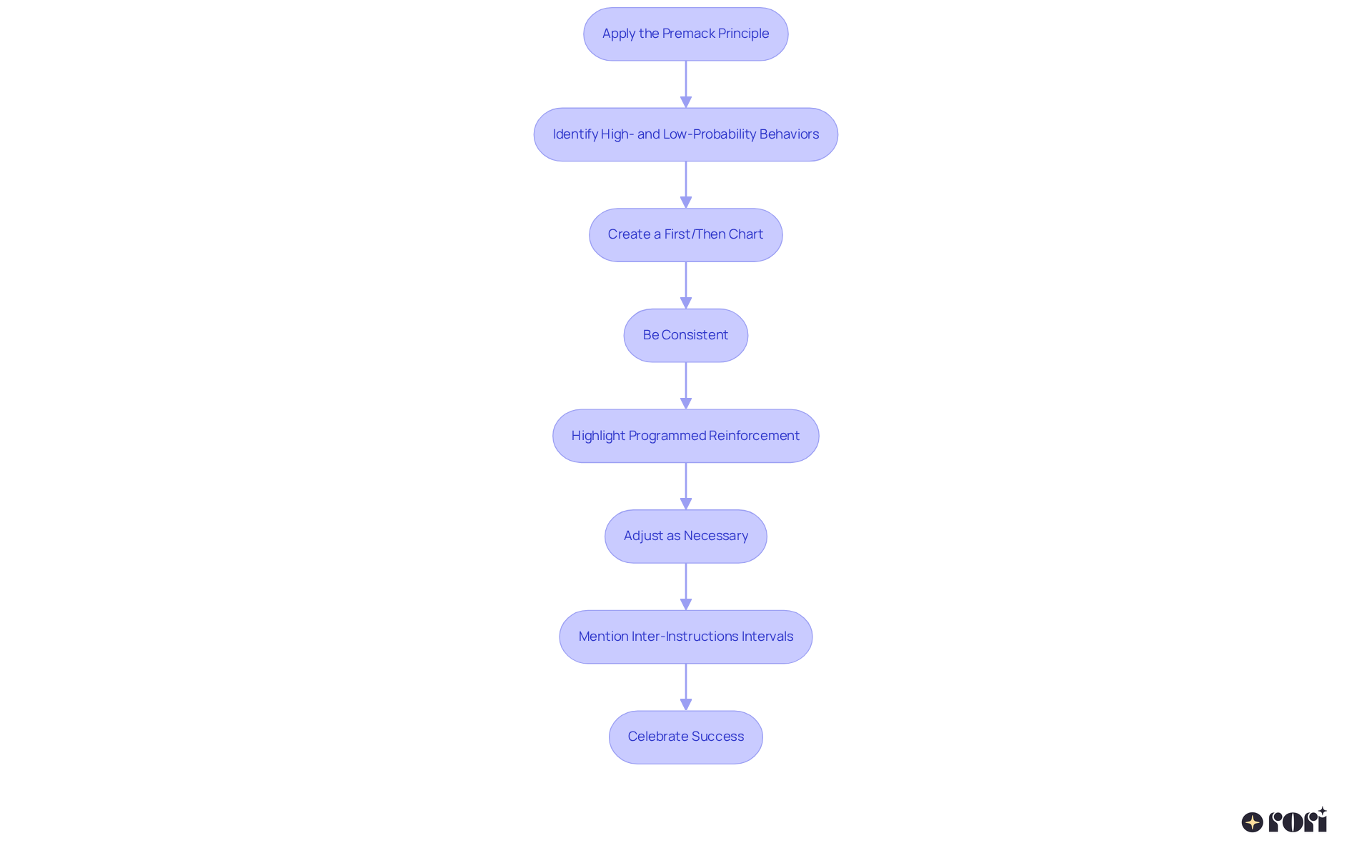
- Break Activities Down: If an assignment feels overwhelming, consider simplifying it into smaller, manageable steps. For example, instead of asking your child to tidy their whole room, start with just picking up toys. This approach can significantly boost task completion rates since young learners are more likely to engage with smaller, achievable goals.
- Adjust Rewards: Keep an eye on your child’s motivation levels. If they seem to lose interest in an incentive, be ready to switch it up! Regularly check in on which activities they enjoy the most and adapt the rewards accordingly to keep them engaged. Research shows that parents and educators who define the Premack Principle often see increased motivation and improved completion rates among students.
- Practice Patience: Remember, behavioral changes take time. If your child doesn’t respond immediately, hang in there and stay consistent in your approach. With time, consistent use of these strategies can lead to better completion rates.
- Introduce Variety: To keep things fresh and engaging, alternate the high-probability activities you offer as incentives. This helps and keeps your child interested in finishing tasks.
- Communicate Expectations: Clearly explaining the activities and their benefits to your child is crucial. Good communication helps eliminate confusion and sets them up for success, reinforcing the connection between effort and reward. As David pointed out, his principle suggests that a high-probability behavior can strengthen a low-probability behavior, meaning that preferred activities can encourage participation in less appealing tasks.
By applying these strategies, you can effectively define the Premack Principle to boost your child’s motivation and task completion. This, in turn, fosters a more positive and productive environment. And let’s not forget, individuals with ASD often have co-occurring medical conditions, which can add complexity to their behavioral challenges. We’re here to help you every step of the way!
Conclusion
The Premack Principle offers a powerful framework for parents looking to motivate their children by linking preferred activities to less desirable tasks. By understanding this psychological concept, parents can tap into their children’s natural inclinations, fostering positive behaviors and enhancing task completion. This ultimately supports their growth and independence.
Throughout this article, we’ve explored key strategies for implementing the Premack Principle. We’ve discussed:
- Identifying high- and low-probability behaviors
- Creating visual aids
- Maintaining consistency in rewards
Plus, we’ve highlighted practical tips for overcoming challenges, such as:
- Breaking tasks into manageable steps
- Adjusting rewards based on interest
These insights really emphasize the importance of thoughtful application to maximize the effectiveness of this principle in everyday parenting.
Ultimately, the Premack Principle serves as a valuable tool for parents striving to create a motivating and supportive environment for their children. By applying these strategies, you can not only improve task completion rates but also reinforce the connection between effort and reward. Embracing this approach can lead to lasting positive changes, making your parenting journey both rewarding and enriching. So, let’s explore this together and see how these ideas can work for you!
Frequently Asked Questions
What is the Premack Principle?
The Premack Principle, also known as ‘Grandma’s Rule,’ is a concept introduced by psychologist David Premack in the 1960s. It suggests that more likely behaviors can motivate individuals to engage in less preferred behaviors.
How does the Premack Principle work in practice?
The principle works by allowing individuals to engage in a preferred activity, such as playing a video game, after completing a less enjoyable task, like homework. This approach increases the likelihood of completing the less exciting task.
What is the origin of the Premack Principle?
The Premack Principle was introduced by psychologist David Premack in the 1960s and is rooted in the theory of operant conditioning.
In what contexts has the Premack Principle been studied?
The Premack Principle has been widely studied and shown great success in various environments, including autism therapy.
How can the Premack Principle benefit children with autism?
Research indicates that incorporating preferred activities can significantly boost task completion rates for children with autism, helping them engage in positive behaviors and fostering independence.
What ethical considerations should be taken into account when using the Premack Principle?
It is important to consider the ethical aspects and potential limits of the approach, such as keeping rewards unpredictable to maintain motivation.
How can parents apply the Premack Principle to support their child’s development?
Parents can use the Premack Principle by tapping into their child’s natural likes and preferences to guide them toward completing tasks and encouraging positive behaviors.