

Introduction
Understanding the ins and outs of communication can feel overwhelming, especially for parents of children with autism. These kids often find it tough to express their needs, which can lead to frustration for everyone involved. That’s where Functional Communication Training (FCT) comes in! 🌟 It’s a structured approach designed to replace challenging behaviors with meaningful communication, offering a real sense of hope.
In this article, we’ll dive into why FCT is so important in Applied Behavior Analysis (ABA). Not only does it help improve communication skills, but it also nurtures emotional well-being and independence. But let’s pause for a moment—what happens when traditional communication methods just don’t cut it? How can FCT step in to bridge that gap? Let’s explore this together!
Define Functional Communication Training (FCT) in ABA
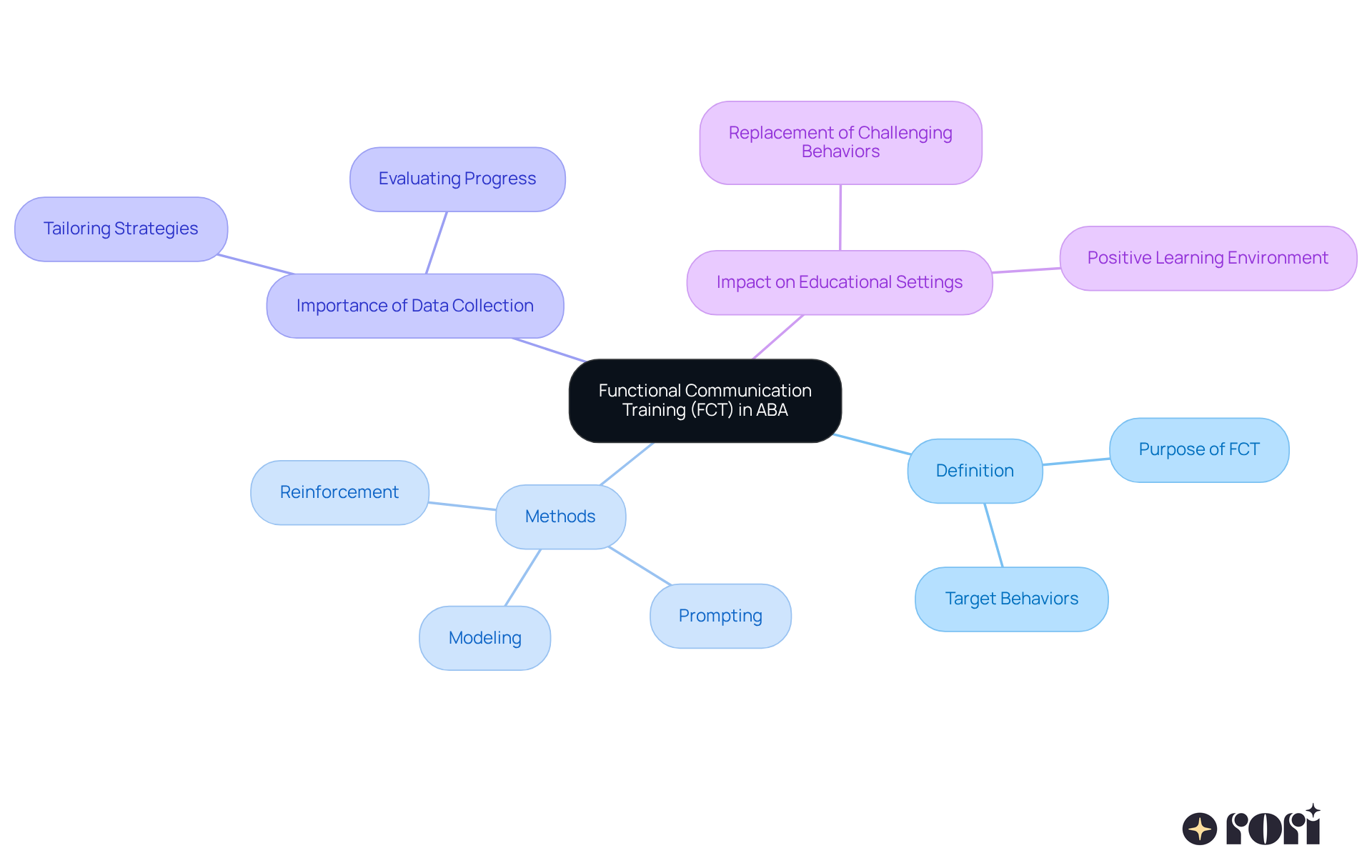
To understand , it refers to , which is a fantastic approach designed to help children with autism learn . It’s all about understanding why these behaviors happen and teaching kids . By focusing on , we can understand what does FCT mean in ABA and how it can help that often come with communication barriers.
Using methods like modeling, prompting, and reinforcement, FCT empowers young individuals to express their needs and desires in ways that are socially acceptable, which raises the question of what does FCT mean in ABA. This not only leads to better interactions but also . Understanding what does FCT mean in ABA is truly a vital part of effective autism therapy!
Gathering data is super important in . It ensures that the strategies are tailored to each child’s unique needs. Our analysts use and keep evaluating progress to adapt treatment plans based on what works best for each child and their caregivers.
You might be surprised to learn that FCT has shown . Kids have effectively replaced difficult behaviors with appropriate ways to express themselves, creating a more positive learning environment. Let’s explore this together! If you’re curious about how FCT can help your child, we’re here to support you every step of the way!
Explain the Importance of FCT in Addressing Communication Challenges
FCT plays a vital role in helping kids with autism express their needs and feelings. Many children struggle to communicate effectively, which can lead to frustration. This frustration sometimes shows up as like tantrums or aggression. By teaching , FCT helps these youngsters share what they need, reducing the chances of those disruptive actions.
Imagine a child finally being able to say, “I need a break!” instead of melting down. That’s the power of ! Plus, when kids can express themselves, it paves the way for better relationships with peers and caregivers. This not only enhances social interactions but also boosts emotional well-being.
Understanding what FCT means in ABA is crucial as its . It also and among children with autism. So, let’s explore this together! If you’re a parent navigating these challenges, know that you’re not alone. We’re here to help you every step of the way!
Outline the Key Steps in Implementing Functional Communication Training
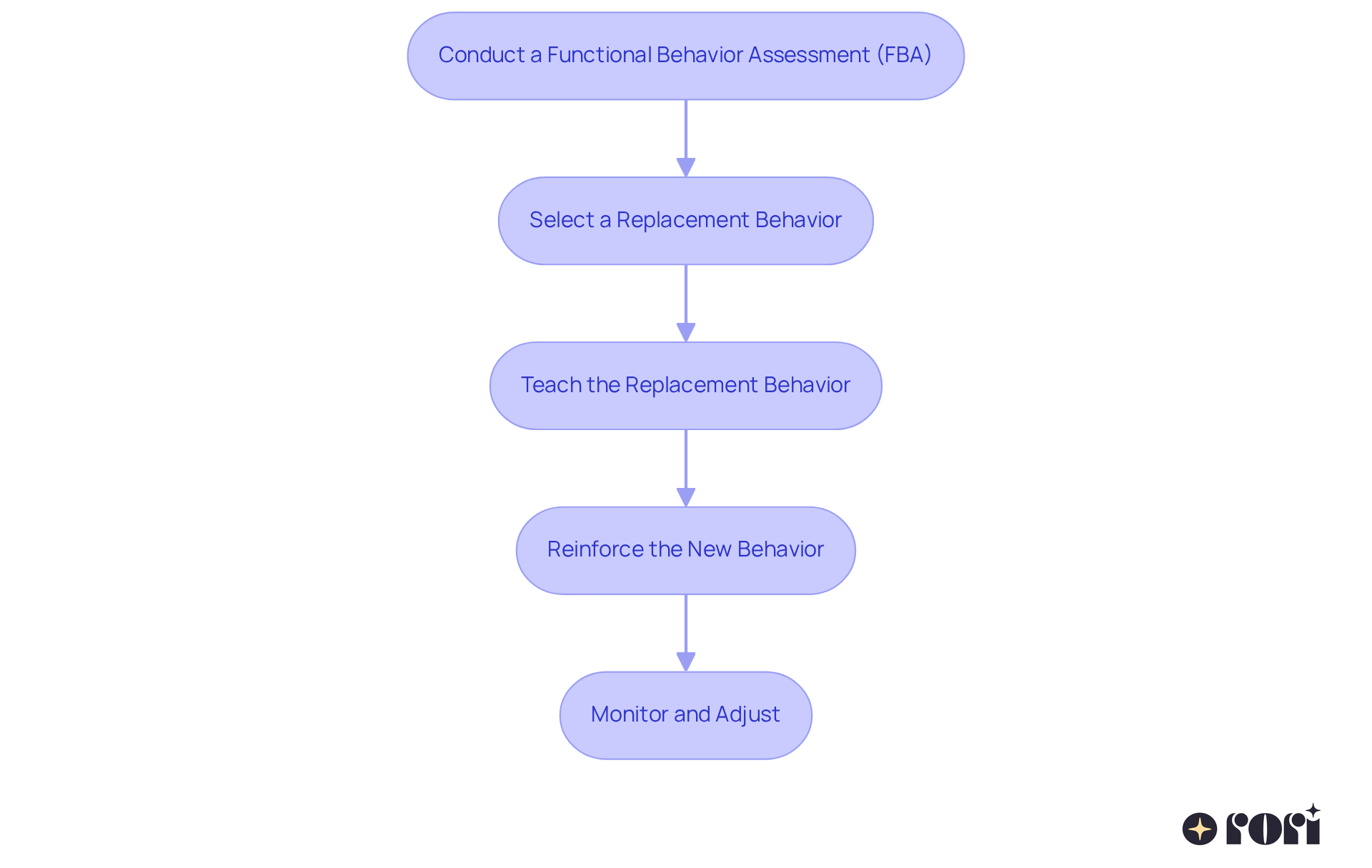
Implementing can feel like a big task, but understanding what FCT means in ABA and breaking it down into a few essential steps makes it manageable and supportive for everyone involved. Let’s dive in!
- Conduct a : This first step is super important! It helps identify those and understand what’s behind them—whether it’s seeking attention, wanting to escape, or just needing some sensory input. A well-done FBA allows practitioners to tailor interventions just right, using our care engine to analyze behaviors and generate automatic progress reports for clinicians.
- Select a : Here’s where the magic happens! Choose a that can take the place of the challenging behavior. For instance, if a little one is screaming for a cookie, teaching them to say ‘cookie, please’ or use a picture card can meet that need in a more socially acceptable way.
- Teach the Replacement Behavior: Now it’s time to roll up our sleeves! Use modeling, prompting, and reinforcement to show the individual how to use this new communication method. Imagine a therapist demonstrating how to ask for a break instead of throwing materials to escape a task. Reinforcing this new skill with immediate rewards makes a world of difference! And don’t forget, is key—your participation can really enhance the learning experience for your little one.
- Reinforce the New Behavior: is crucial! When your child successfully uses the replacement behavior, celebrate it! This could be through praise or giving them what they asked for, which encourages effective communication in various situations, like mealtime or playtime. To understand what FCT means in ABA, it is important to note that FCT shines brightest when it’s personalized, consistent, and woven into daily routines with parent involvement, aligning beautifully with that focus on measurable goals and evidence-based strategies.
- Monitor and Adjust: Keep an eye on your child’s progress and be ready to tweak the training plan as needed. Gathering to track how often both prompted and unprompted replacement actions occur. Remember, FCT isn’t a one-size-fits-all approach. Challenges like low motivation or difficulty generalizing skills can pop up, so having qualified analysts to shape these personalized plans is vital for fostering positive changes and skill acquisition.
And here’s a little nugget of wisdom: , which includes what FCT means in ABA, is the only scientifically proven treatment for autism that’s covered by insurance. This means families can access the support they truly need.
By following these steps, you and your practitioners can create an environment that not only supports your child’s expressive growth but also reduces those challenging behaviors. This journey leads to greater independence and self-confidence for your little one. Let’s explore this together!
Highlight the Benefits of FCT for Children and Families
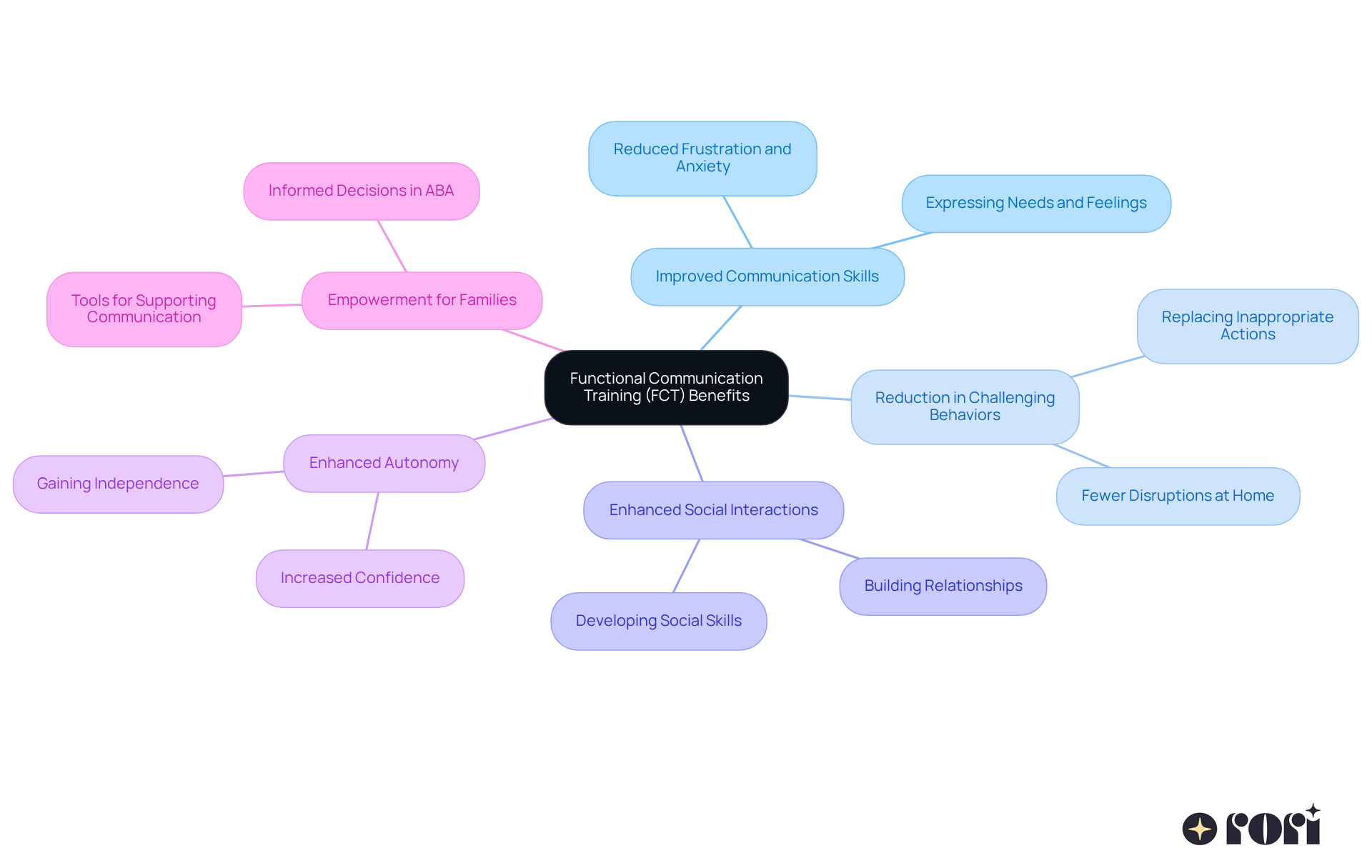
(FCT) brings a world of benefits for children and their families, which raises the question of what does FCT mean in ABA. 🌟 Let’s dive into some of the key advantages:
- : Kids learn to express their needs and feelings more effectively. This means less frustration and anxiety for everyone involved.
- Reduction in Challenging Behaviors: By replacing inappropriate actions with functional expressions, families experience fewer disruptions and conflicts at home.
- : When kids can communicate well, they build better relationships with peers and adults, which helps develop their social skills.
- Enhanced Autonomy: As children become more confident in their communication, they gain independence in various settings, which is so empowering!
- Empowerment for Families: FCT gives parents the tools they need to support their child’s communication journey. Plus, caregiver education deepens , leading to informed decisions that positively impact their child’s progress.
Overall, FCT not only boosts a child’s ability to communicate but also strengthens family dynamics, improving the quality of life for everyone involved. It empowers caregivers to actively participate in their child’s development.
So, let’s explore this together! If you’re curious about what does FCT mean in ABA and how it can positively impact your family’s life, we’re here to help you every step of the way!
Conclusion
Understanding Functional Communication Training (FCT) in Applied Behavior Analysis (ABA) is key to enhancing communication skills for children with autism. It’s all about providing effective strategies to replace challenging behaviors with appropriate communication methods. This not only helps reduce frustration and anxiety but also significantly improves the quality of life for these children and their families.
Let’s take a closer look at how FCT works! The structured approach includes:
- Conducting functional behavior assessments
- Selecting and teaching replacement behaviors
- Reinforcing new communication skills
These steps are tailored to each child’s unique needs, fostering independence and self-advocacy along the way. And guess what? The benefits don’t just stop with the kids; they positively impact family dynamics and social interactions too!
The significance of FCT is huge! It’s a vital tool for parents and caregivers facing communication challenges. By embracing this approach, families can create an environment that supports expressive growth and reduces disruptive behaviors. This leads to more fulfilling interactions and a brighter future for their children. Engaging with FCT isn’t just about tackling immediate communication issues; it’s about empowering children and families for lasting success.
So, let’s explore this together! If you’re navigating these challenges, remember that you’re not alone. We’re here to help you every step of the way!
Frequently Asked Questions
What is Functional Communication Training (FCT) in ABA?
Functional Communication Training (FCT) is an approach in Applied Behavior Analysis (ABA) designed to help children with autism learn essential skills to replace challenging behaviors by understanding the reasons behind these behaviors and teaching alternative communication methods.
How does FCT help children with autism?
FCT helps children with autism by improving their communication skills, allowing them to express their needs and desires in socially acceptable ways, which reduces frustration and anxiety associated with communication barriers.
What methods are used in Functional Communication Training?
FCT utilizes methods such as modeling, prompting, and reinforcement to empower children to communicate effectively and appropriately.
Why is data gathering important in FCT?
Data gathering is crucial in FCT as it assesses the effectiveness of interventions, ensuring that strategies are tailored to each child’s unique needs and allowing for the adaptation of treatment plans based on progress.
Has FCT been successful in educational settings?
Yes, FCT has shown great success in educational settings, where children have effectively replaced difficult behaviors with appropriate ways to express themselves, leading to a more positive learning environment.