

Introduction
The world of Applied Behavior Analysis (ABA) therapy is always changing, and one technique that stands out is Discrete Trial Training (DTT). This method is a key player in helping children with autism and other behavioral challenges develop essential skills. By breaking down complex tasks into small, manageable steps, DTT creates a supportive environment where young learners can truly thrive.
As caregivers and therapists look for fresh ways to boost communication, social skills, and emotional regulation, a question often comes to mind: how can we tailor the latest DTT techniques to fit each child’s unique needs? 🤔 Exploring ten effective examples of DTT in ABA therapy not only highlights the incredible potential of these methods but also underscores the importance of teamwork between caregivers and professionals. Together, we can promote meaningful progress for our children! Let’s explore this journey together!
Rori Care – ABA Therapy: Innovative Discrete Trial Training Techniques
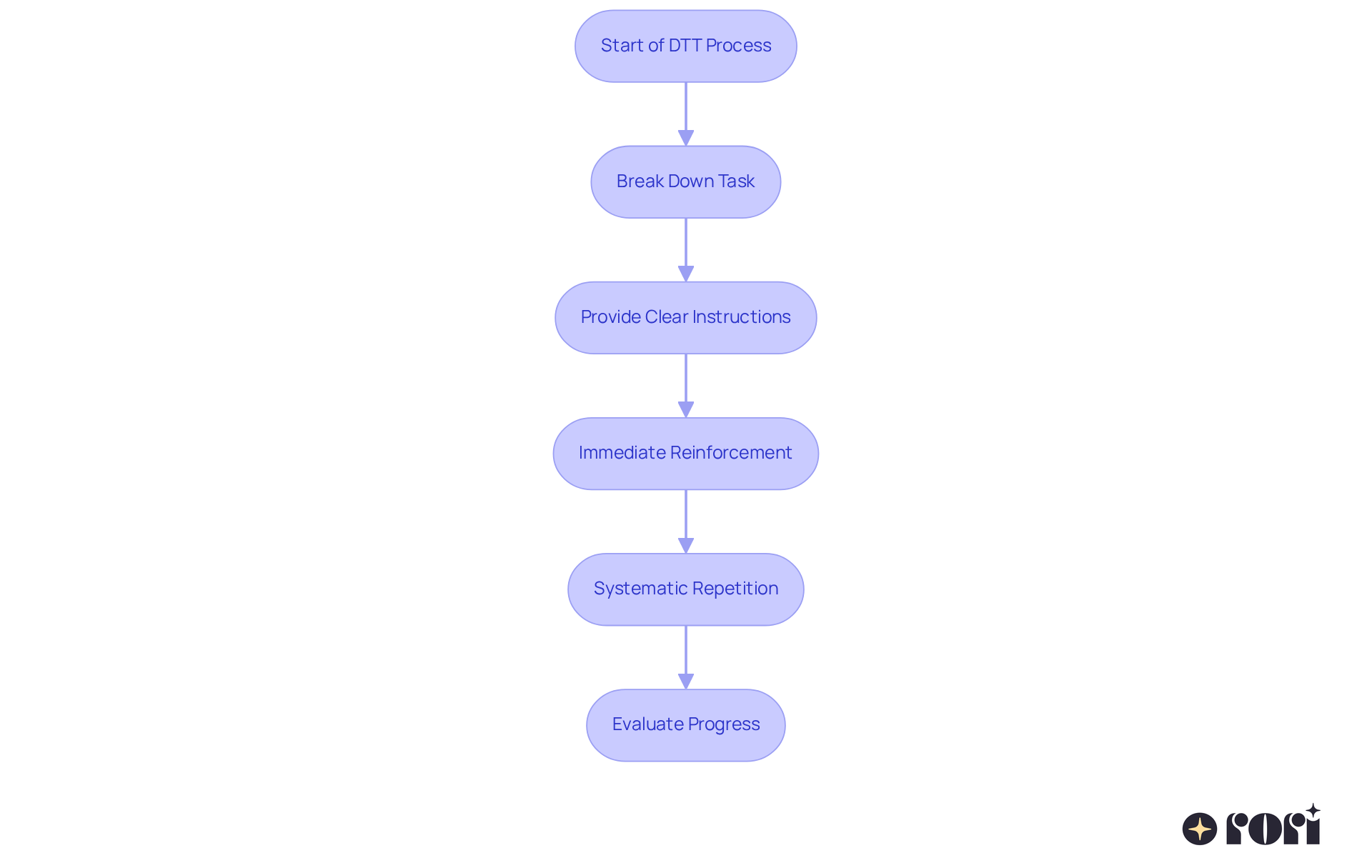
At Rori Care, we embrace advanced methods, which are an , by breaking down complex tasks into simple, manageable steps. This approach includes clear instructions, immediate reinforcement, and systematic repetition. For instance, an is when a therapist teaches a young learner to recognize colors by showing a red object and encouraging the child to point to it, rewarding correct answers with praise or a small treat. This structured method not only helps in skill acquisition but also creates a .
The effectiveness of DTT is supported by case studies, like ‘,’ which highlight . These advancements lead to greater independence and integration into various environments. The innovative serve as an example of DTT in ABA, crafted with to ensure that therapy is both personalized and effective.
Our skilled behavior analysts play a crucial role in developing these tailored plans, empowering caregivers with to support their children’s behavioral goals through active participation and data collection. By implementing these strategies, Rori Care is dedicated to uplifting youth and their families on their . We also support individuals with ADHD, learning disabilities, and other behavioral challenges, demonstrating our and the success of young individuals. Let’s explore this journey together!
Communication Skills Development: Effective DTT Example
A practical to is teaching a young person to request items. Imagine a therapist holding a desired toy and asking the young one, ‘What do you want?’ If the young one responds correctly with, ‘I want the toy,’ they are rewarded with the toy! 🎉 This method not only but also motivates the young one to express their needs clearly.
Research shows that can significantly enhance , ADHD, and other behavioral challenges. For instance, a study discovered that assertiveness increased with a statistical significance of F=7.81 and P=0.009, which serves as an , highlighting its effectiveness in encouraging young individuals to express desires and engage in social interactions efficiently.
By consistently applying DTT techniques, therapists can create a and enhances overall communication abilities. Plus, is crucial! It empowers them with , enabling them to provide consistent support at home.
This collaboration not only enhances the young one’s progress but also improves overall family dynamics, as caregivers become more informed and confident in their roles. It’s essential to customize these interventions to address the distinct requirements of every individual. have shown . Let’s explore this together and see how we can support our young ones on their journey!

Behavioral Management Skills: Transformative DTT Application
serves as a valuable for teaching , particularly in helping young people manage frustration. Imagine a therapist recreating a frustrating situation, like a toy just out of reach, and guiding the child through a to express their feelings appropriately. This process typically follows a simple five-step model:
- Antecedent
- Prompt
- Response
- Consequence
- Inter-trial Interval
By reinforcing positive behaviors—like asking for help instead of throwing a tantrum—children learn to handle their emotions more effectively.
Recent research shows that an can significantly enhance . By breaking down complex emotional responses into smaller, manageable steps, therapists can help children practice coping strategies in a safe environment. This not only builds their confidence but also encourages them to apply these skills in real-life situations, promoting independence.
But the benefits of DTT don’t stop at the therapy sessions! Parents play a crucial role in reinforcing these techniques at home, creating a nurturing environment that supports learning. By setting up a calm space with minimal distractions and using visual aids like charts or timers, parents can effectively implement , further aiding their child’s . Plus, caregivers gain empowerment through education, developing a deeper understanding of that help them make informed decisions and provide better support at home. As children master these coping techniques, they often display increased confidence and improved social interactions, which serves as for behavioral management. Let’s explore this together!

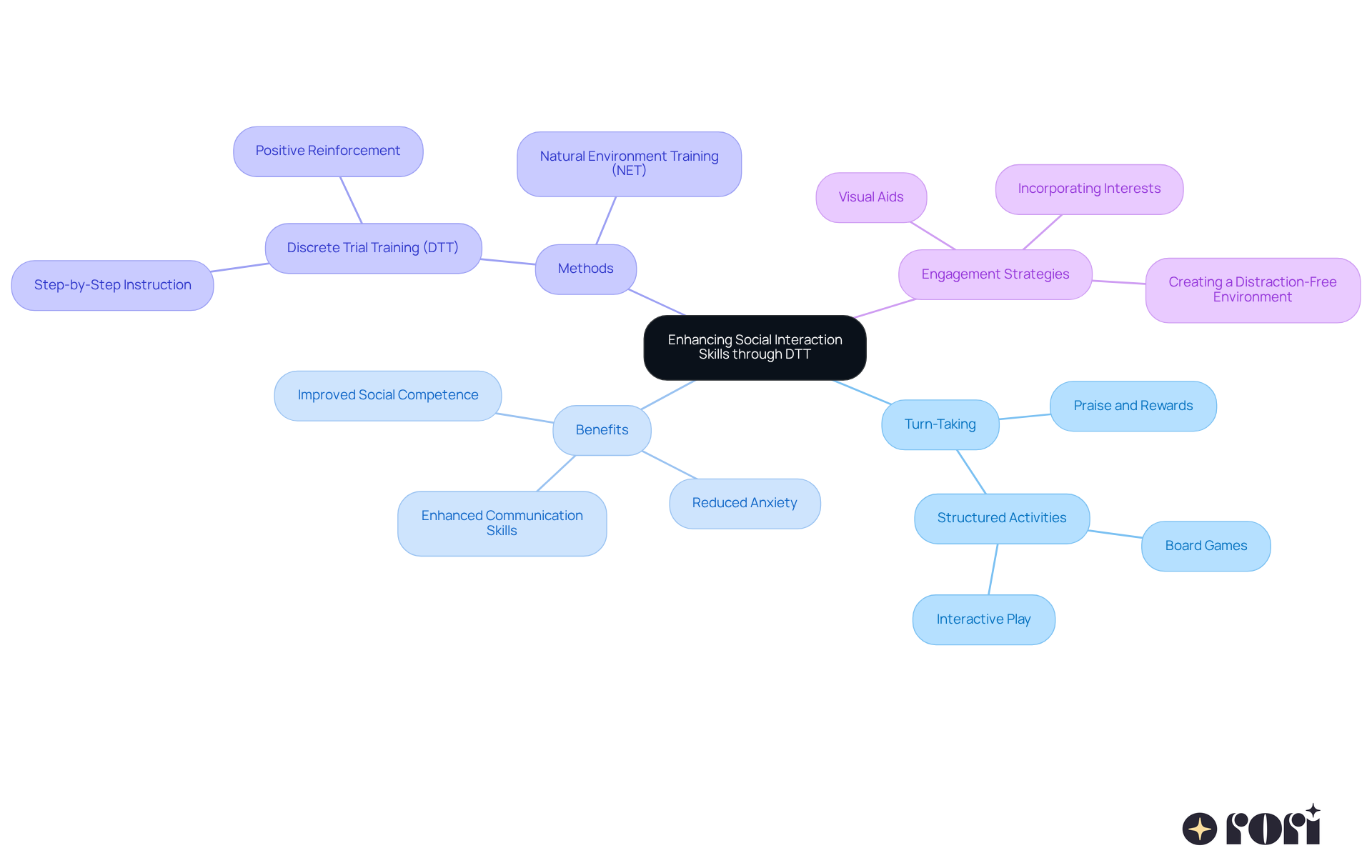
Social Interaction Skills: Engaging DTT Example
A great way to enhance is by using an to effectively teach turn-taking during play. Imagine a therapist setting up a fun game where a young participant learns to wait for their turn with a toy. Each time the child patiently waits, they receive a little praise or a small reward. This not only helps them understand the concept of but also encourages patience and social engagement.
Many individuals with autism face challenges with turn-taking, which is so important for successful social interactions. Research shows that , leading to greater overall social competence. For instance, kids who participated in serve as an , as they showed remarkable improvements in sharing and alternating, with evaluations highlighting a significant rise in social reciprocity and involvement.
Incorporating turn-taking games into can be super effective! Simple activities like board games or interactive play with friends can be structured to emphasize waiting for one’s turn. By using , therapists can create an engaging learning atmosphere that motivates kids to practice these vital skills in a fun and nurturing environment.
As ABA therapists often point out, but also helps reduce anxiety related to social interactions. This, in turn, leads to better communication and emotional regulation. An example of DTT in ABA is teaching turn-taking, which equips young learners with the more confidently, empowering caregivers with ABA principles and techniques to support their children’s behavioral goals.
Let’s explore this together! By embracing these strategies, you can help your child thrive in social settings. We’re here to help you every step of the way!
Structured Environment: Foundation for Successful DTT
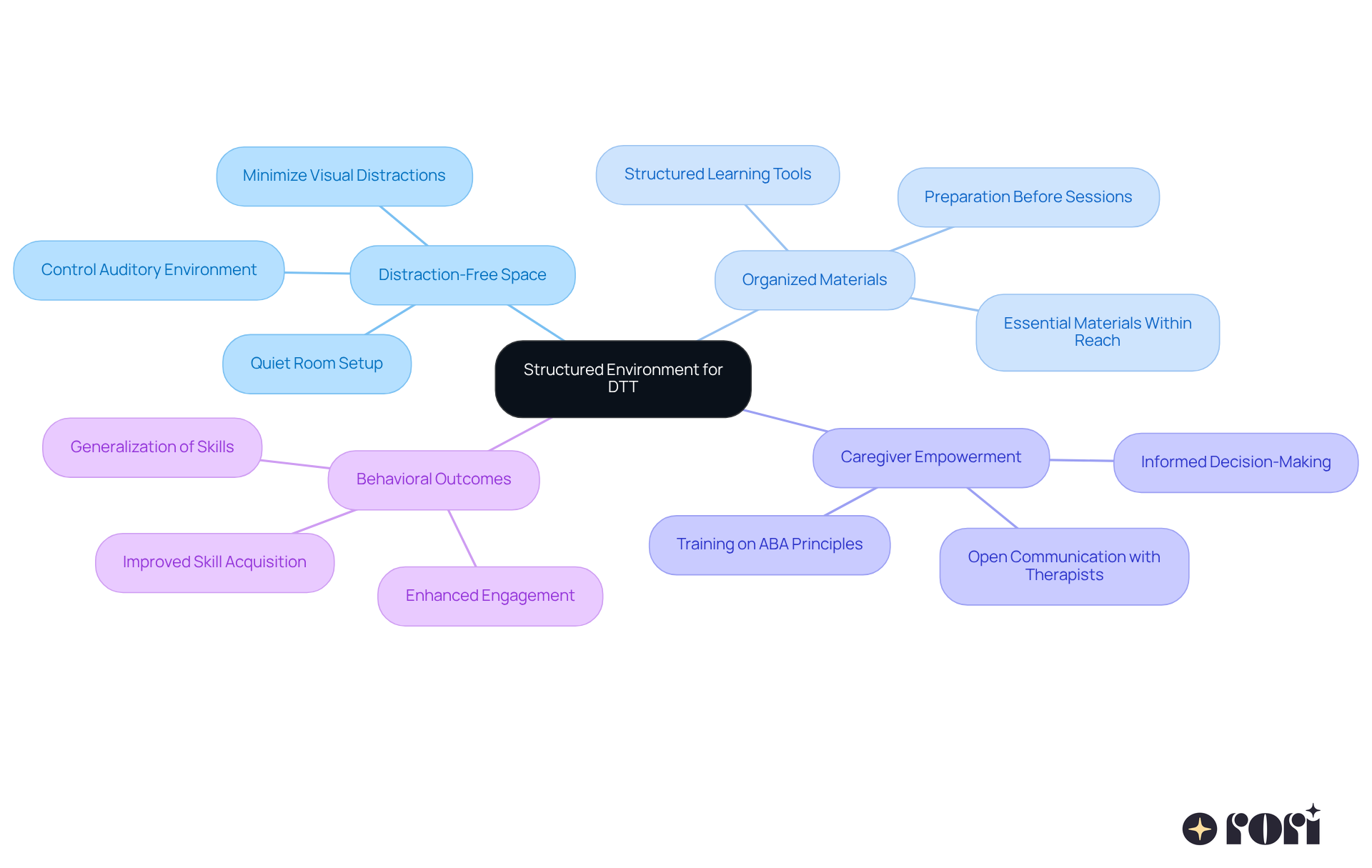
Creating a structured environment is an example of that is key to . This means setting up a where your little one can focus entirely on the task at hand. For example, a can really help your child concentrate better during trials. Plus, having all the and within reach can make the learning process smoother.
When caregivers are equipped with , they can build an that complements professional interventions. This can lead to ! Caregivers who grasp these strategies feel empowered to make informed decisions that positively affect their child’s progress. Ultimately, this , serving as an example of . Let’s explore this together and see how we can make a difference for our kids!
Individualized Programs: Customizing DTT for Unique Needs
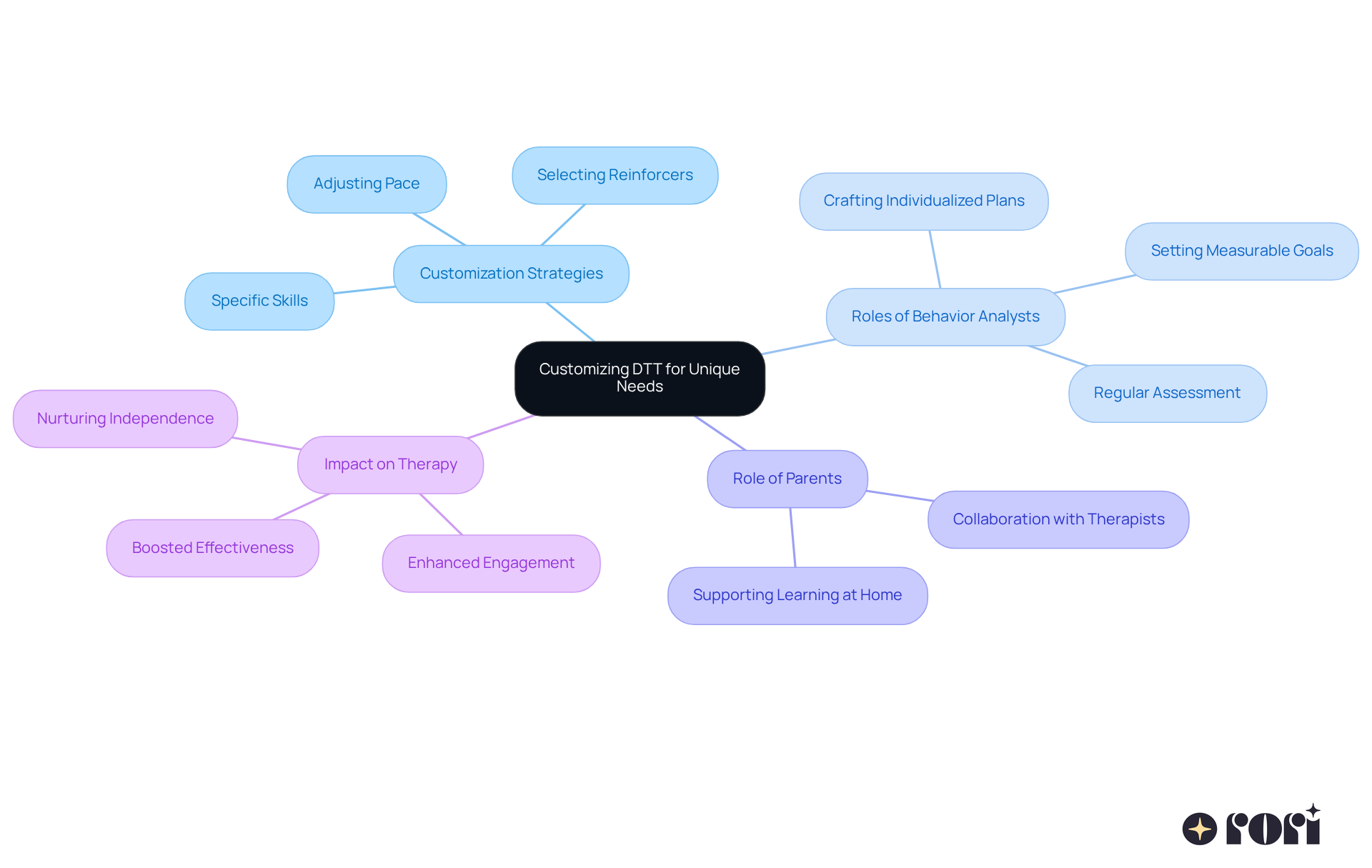
Customizing is an important for effectively meeting the . This process might involve adjusting the pace of teaching, selecting the right reinforcers, and honing in on specific skills tailored to individual profiles. For instance, an is when a young learner who has difficulty with verbal communication is provided with language-based tasks, using visual aids and prompts to make learning more engaging. These personalized strategies not only enhance engagement but also significantly boost the effectiveness of therapy.
A certified behavior analyst crafts these , setting measurable goals and employing and skill development. Regular assessment and adjustments ensure that these plans remain in sync with the young person’s progress and needs. each individual’s unique profile leads to more effective therapy, ultimately nurturing greater independence and social skills.
Additionally, introducing serves as an example of DTT in ABA to maximize benefits for individuals with ASD. Parents can play a crucial role in this process by that the DTT strategies resonate with their child’s specific needs. This teamwork creates a more . Plus, equipping caregivers with ABA principles and strategies boosts their ability to provide the right support at home, complementing professional interventions and fostering consistency in their child’s development. Let’s explore this together and see how we can make a difference!
Progress Monitoring: Enhancing DTT Effectiveness
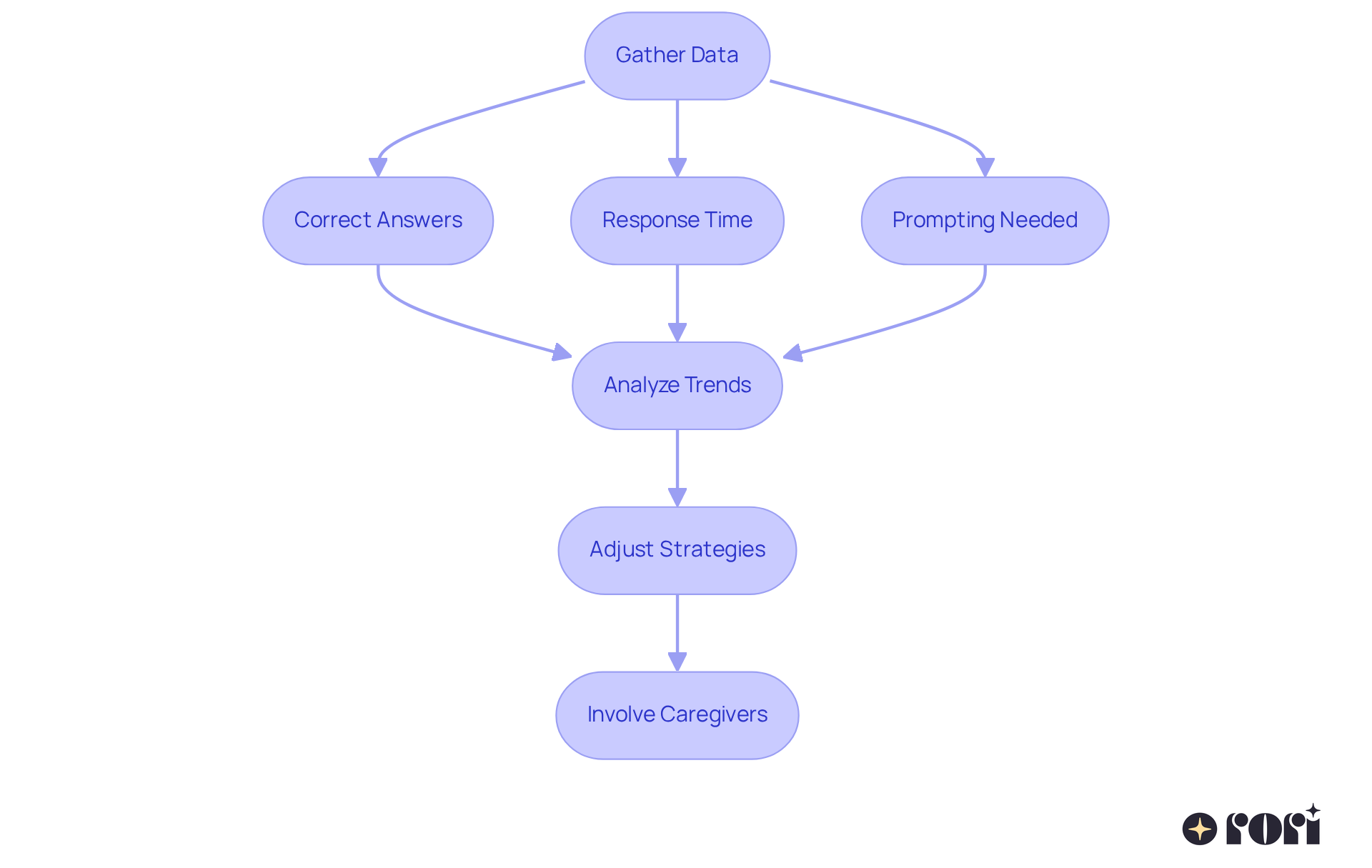
is such an important part of effective DTT! It involves systematically gathering information about how the individual is doing during each trial. This means keeping an eye on things like the number of correct answers, how long it takes to respond, and how much prompting is needed. By looking at this information, therapists can spot trends, adjust teaching strategies, and make sure that the individual is truly making meaningful progress toward their goals.
We believe in , which means that every behavioral plan is tailored to meet the unique needs of each individual. provide a clear standard for tracking progress. Plus, with and adjustments to treatment strategies—based on progress report data and —parents can play a vital role in their child’s development. This flexible approach is key to achieving significant advancements, especially in , which can greatly enhance verbal and social skills in children with autism.
Let’s explore this together! Your involvement is crucial, and we’re here to !
Dynamic DTT: Incorporating Real-Life Situations for Better Learning
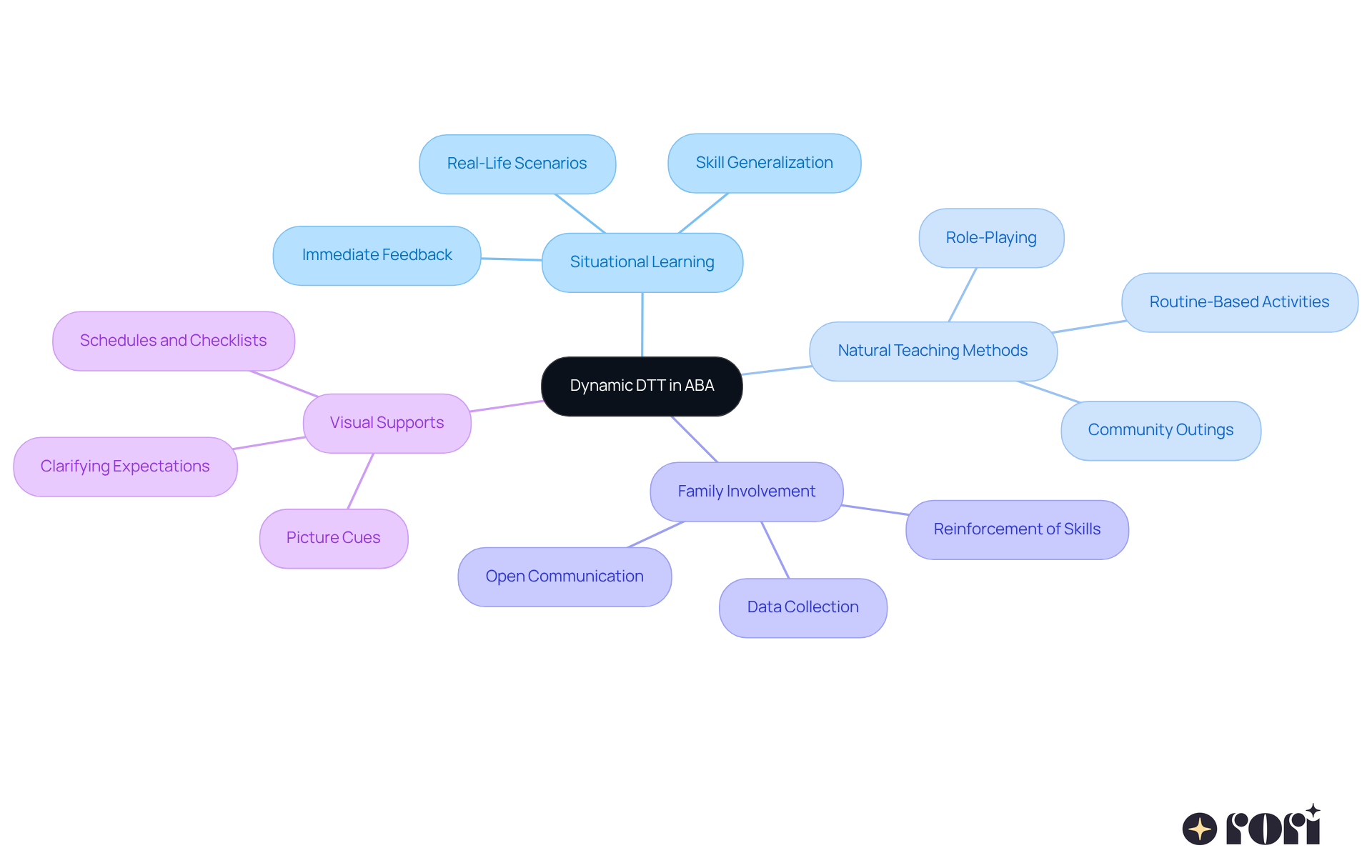
is , as it effectively incorporates real-life scenarios into training sessions to make a significant difference for individuals with autism. Imagine taking a young child to a grocery store, encouraging them to ask for help in finding a specific product. This not only boosts their skills in a natural setting but also helps them apply what they’ve learned to everyday situations, .
Did you know that kids who engage in situational learning through DTT, , are more likely to use their ? This leads to better communication and social interactions! By incorporating daily tasks like cooking or shopping into therapy, children can practice while receiving immediate feedback and support.
Moreover, therapists have noticed that using , such as role-playing during , allows kids to practice their skills in real situations. This transforms routine tasks into meaningful learning experiences, promoting independence and self-regulation—key ingredients for long-term success!
, providing [an example of DTT in ABA](https://discoveryaba.com/aba-therapy/the-role-of-discrete-trial-training-dtt-in-aba-therapy) by reinforcing the skills learned during DTT and ensuring consistency across various settings. By equipping caregivers with ABA principles and strategies, they can actively participate in their child’s educational journey, making informed decisions that positively impact behavioral outcomes. like schedules and checklists can also help clarify expectations and ease anxiety, making the learning process smoother. This collaboration between therapy and caregiver involvement is vital for providing personalized support and tracking progress effectively.
Let’s explore this together! We’re here to help you every step of the way!
Performance Tracking: Evaluating DTT Success
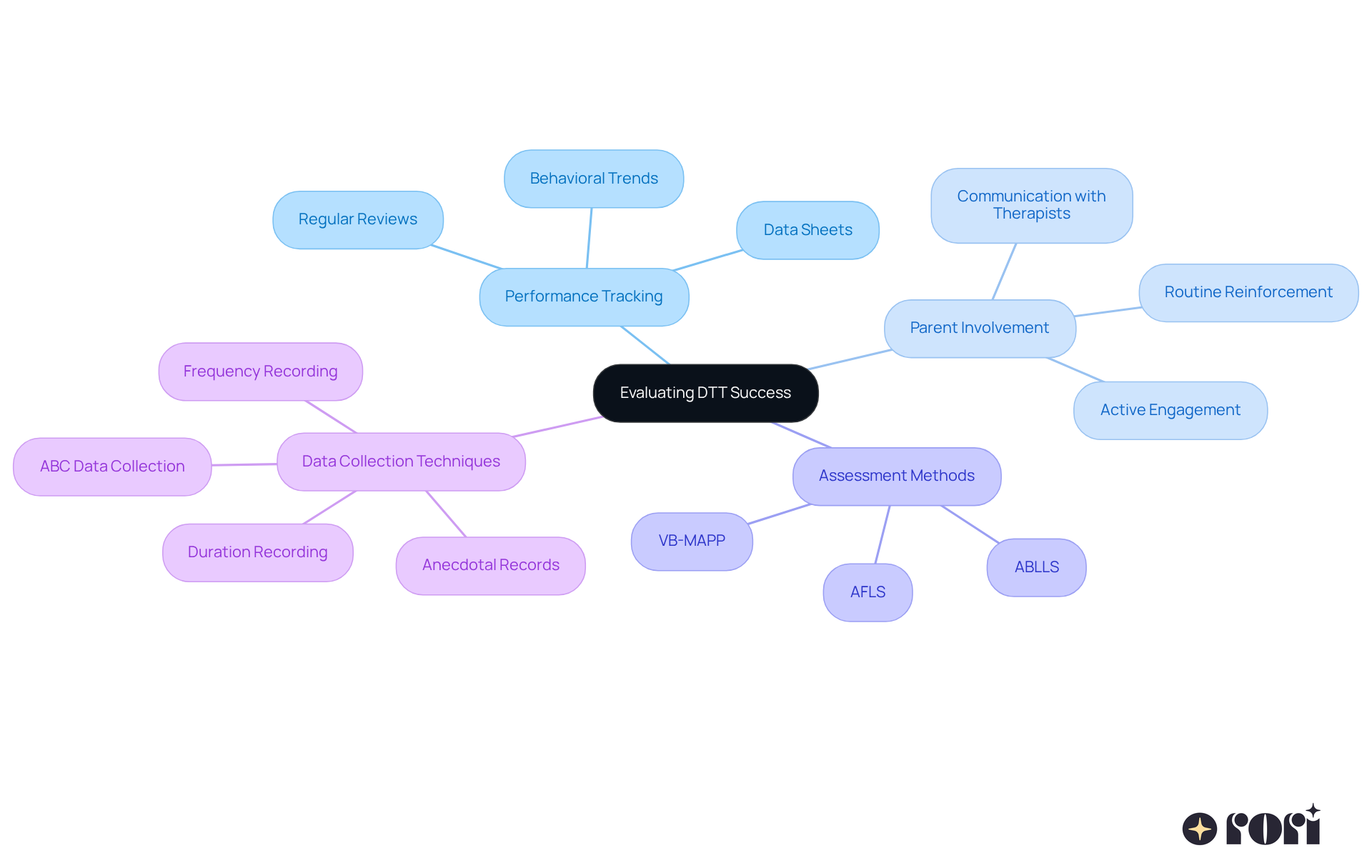
Performance tracking is essential for understanding how effective are, which serves as an example of . By using data sheets, therapists can carefully document each trial’s results, including how the young participant responds and the level of prompting needed. Did you know that programs where parents are actively involved see outcomes two to three times better than those without that collaboration? This really highlights how crucial and are!
When therapists regularly , they can see if the individual is mastering skills and identify areas that might need a bit more attention. This process is an example of , which helps them make informed decisions about necessary program adjustments. It’s a systematic approach that not only boosts the accuracy of treatment but also fosters a collaborative atmosphere where families can truly engage in their child’s progress.
Having and is key to achieving positive behavior change. Behavior Analysts rely on standardized assessments like VB-MAPP, ABLLS, and AFLS to quantify progress effectively. Plus, various —like frequency recording, duration recording, and ABC data collection—offer a complete picture of a young person’s development.
To support their child’s growth, parents can create that reinforce the skills learned during therapy. And let’s not forget the importance of communication! Parents should touch base with therapists regularly to discuss progress and share strategies that can be implemented at home. After all, we’re here to help you every step of the way!
Benefits of DTT: Transforming Learning in ABA Therapy
The advantages of an example of are truly remarkable! By providing a , an shines, particularly for individuals with autism. Research shows that young individuals can learn new skills more effectively when complex tasks are broken down into manageable steps. This method is an , as it and fosters independence by teaching .
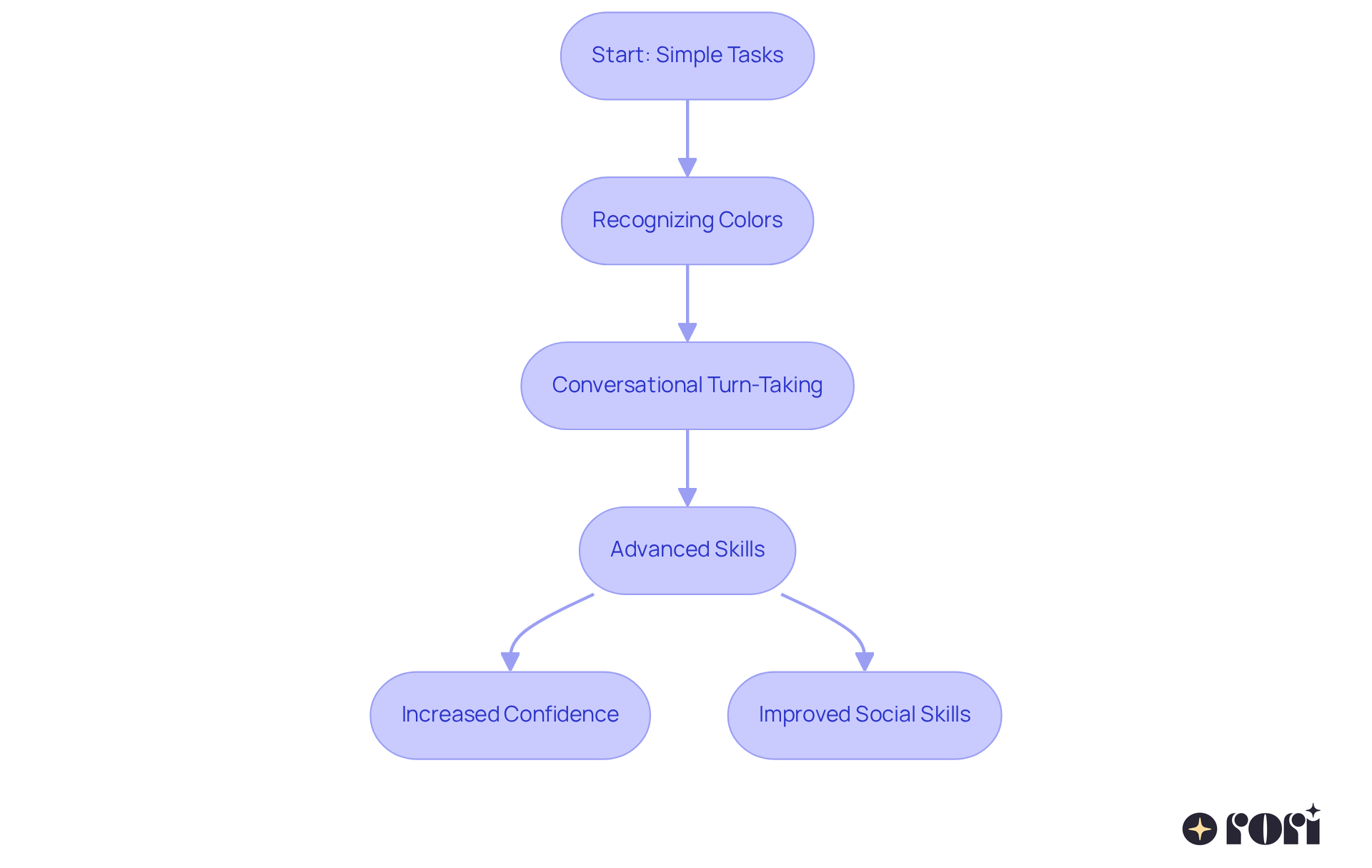
For instance, an example of DTT in ABA is when children begin with simple tasks, such as recognizing colors, before advancing to more complex skills like conversational turn-taking. This builds confidence and excitement about learning, making the journey enjoyable! Plus, DTT’s organized structure allows for smooth transitions between different environments, like home and school, which is so important for kids who may struggle to adapt.
Statistics reveal that children engaged in DTT programs show , leading to greater independence in daily activities. The consistent application of techniques that serve as an example of DTT in ABA, along with parent involvement, has been shown to yield long-lasting developmental benefits. Experts in the field have noted that DTT not only but also creates an environment where children can thrive in various settings. Overall, , equipping kids with the skills they need to succeed. Let’s explore this together!
Conclusion
This article shines a light on the transformative power of Discrete Trial Training (DTT) in Applied Behavior Analysis (ABA) therapy. By breaking down complex tasks into manageable steps, DTT not only enhances skill acquisition but also fosters independence. It’s amazing how it improves communication, social interaction, and behavioral management in children with autism and other developmental challenges.
Throughout the article, we’ve explored various effective DTT techniques that illustrate how this structured approach can lead to significant progress. From teaching communication skills through simple requests to managing emotions and promoting social interaction, each example shows just how important a tailored and collaborative approach can be. Plus, the role of caregivers in reinforcing these techniques at home really highlights the necessity of creating a supportive environment where children can thrive.
In summary, embracing DTT strategies opens up a pathway to meaningful learning experiences for children. By actively participating in their child’s therapy journey and utilizing the principles of ABA, caregivers can truly help unlock their child’s potential. The insights shared here remind us of the positive impact that innovative DTT techniques can have on the development and well-being of young individuals. Let’s explore these strategies together, paving the way for a brighter future filled with growth and opportunity!
Frequently Asked Questions
What is Discrete Trial Training (DTT) in ABA therapy?
Discrete Trial Training (DTT) is a structured teaching method used in Applied Behavior Analysis (ABA) that breaks down complex tasks into simple, manageable steps. It involves clear instructions, immediate reinforcement, and systematic repetition to facilitate learning.
How does DTT help in skill acquisition?
DTT helps in skill acquisition by providing a structured method where tasks are simplified and reinforced. For example, a therapist may teach a child to recognize colors by showing a colored object and rewarding correct identification, which creates a positive learning atmosphere.
What are some benefits of DTT for children with Autism?
DTT has been shown to significantly improve communication and social skills in children with Autism, leading to greater independence and better integration into various environments.
How are DTT techniques personalized at Rori Care?
At Rori Care, DTT techniques are personalized through individualized planning and measurable goals, ensuring that therapy is tailored to meet the unique needs of each child.
What role do behavior analysts play in the DTT process?
Skilled behavior analysts develop tailored plans for therapy and empower caregivers with ABA principles and strategies to support their children’s behavioral goals through active participation and data collection.
Can DTT be used for children with other behavioral challenges?
Yes, DTT is also effective for individuals with ADHD, learning disabilities, and other behavioral challenges, demonstrating a commitment to neurodiversity and supporting the success of young individuals.
How does DTT enhance communication skills?
DTT enhances communication skills by using structured interactions, such as teaching a child to request items. For instance, a therapist may hold a desired toy and prompt the child to express their desire, rewarding correct responses to strengthen verbal communication.
What is the significance of caregiver involvement in DTT?
Caregiver involvement is crucial as it empowers them with ABA principles and strategies, enabling them to provide consistent support at home, which enhances the child’s progress and improves family dynamics.
How does DTT assist in behavioral management skills?
DTT assists in behavioral management by teaching children how to manage frustration through structured processes, such as expressing feelings appropriately instead of resorting to tantrums.
What steps are involved in the behavioral management DTT model?
The five-step model for behavioral management in DTT includes: 1. Antecedent 2. Prompt 3. Response 4. Consequence 5. Inter-trial Interval
How can parents reinforce DTT techniques at home?
Parents can reinforce DTT techniques by creating a calm environment with minimal distractions, using visual aids, and practicing coping strategies, which further aids their child’s emotional growth.
What outcomes can be expected from mastering DTT techniques?
Mastering DTT techniques can lead to increased confidence, improved social interactions, and better emotional regulation in children, promoting their independence and overall development.
List of Sources
- Rori Care – ABA Therapy: Innovative Discrete Trial Training Techniques
- scribd.com (https://scribd.com/document/858720296/Yeni-Davranışlar-Oğretme)
- The Effectiveness of DTT (Discrete Trial Training) in ABA Therapy (https://mastermindbehavior.com/post/the-effectiveness-of-dtt-discrete-trial-training-in-aba-therapy)
- Communication Skills Development: Effective DTT Example
- researchgate.net (https://researchgate.net/publication/389715775_Effect_of_Discrete_Trial_Training_Intervention_on_Social_Skills_Development_of_Children_with_Autism_Spectrum_Disorder)
- Communication interventions for autism spectrum disorder in minimally verbal children – PMC (https://pmc.ncbi.nlm.nih.gov/articles/PMC6516977)
- Data and Statistics on Autism Spectrum Disorder (https://cdc.gov/autism/data-research)
- Behavioral Management Skills: Transformative DTT Application
- autismlearningpartners.com (https://autismlearningpartners.com/understanding-discrete-trial-training)
- mastermindbehavior.com (https://mastermindbehavior.com/post/how-to-implement-discrete-trial-training-dtt-in-aba-therapy)
- Social Interaction Skills: Engaging DTT Example
- autismlearningpartners.com (https://autismlearningpartners.com/understanding-discrete-trial-training)
- Effect of social skills training on interpersonal interactions of children with autism: an interventional research – PMC (https://pmc.ncbi.nlm.nih.gov/articles/PMC9788721)
- alpacahealth.io (https://alpacahealth.io/blog/dtt-aba-therapy-guide)
- supportivecareaba.com (https://supportivecareaba.com/aba-therapy/discrete-trial-training-examples)
- Structured Environment: Foundation for Successful DTT
- alpacahealth.io (https://alpacahealth.io/blog/dtt-aba-therapy-guide)
- intellistarsaba.com (https://intellistarsaba.com/blog/the-role-of-discrete-trial-training-in-skill-acquisition)
- 39 Interactive Learning Statistics: 2026 Data, Trends & Predictions | Research.com (https://research.com/education/interactive-learning-statistics)
- eyaslanding.com (https://eyaslanding.com/discrete-trial-teaching-dtt-vs-natural-environment-teaching-net-in-applied-behavior-analysis)
- autismspeaks.org (https://autismspeaks.org/expert-opinion/what-discrete-trial-training)
- Individualized Programs: Customizing DTT for Unique Needs
- researchgate.net (https://researchgate.net/publication/389715775_Effect_of_Discrete_Trial_Training_Intervention_on_Social_Skills_Development_of_Children_with_Autism_Spectrum_Disorder)
- risingaboveaba.com (https://risingaboveaba.com/autism-blog/how-to-measure-progress-in-dtt)
- Dynamic DTT: Incorporating Real-Life Situations for Better Learning
- intellistarsaba.com (https://intellistarsaba.com/blog/the-benefits-of-integrating-aba-strategies-into-daily-routines)
- supportivecareaba.com (https://supportivecareaba.com/aba-therapy/discrete-trial-training-examples)
- discoveryaba.com (https://discoveryaba.com/aba-therapy/the-role-of-discrete-trial-training-dtt-in-aba-therapy)
- Performance Tracking: Evaluating DTT Success
- autismlearningpartners.com (https://autismlearningpartners.com/understanding-discrete-trial-training)
- The Importance of Regular Progress Reviews in ABA Programs (https://goldenstepsaba.com/resources/the-importance-of-regular-progress-reviews-in-aba-programs)
- soaringhighaba.com (https://soaringhighaba.com/post/the-role-of-data-in-tracking-progress-in-aba-therapy)
- The Effectiveness of DTT (Discrete Trial Training) in ABA Therapy (https://mastermindbehavior.com/post/the-effectiveness-of-dtt-discrete-trial-training-in-aba-therapy)
- Benefits of DTT: Transforming Learning in ABA Therapy
- autismlearningpartners.com (https://autismlearningpartners.com/understanding-discrete-trial-training)
- The Effectiveness of DTT (Discrete Trial Training) in ABA Therapy (https://mastermindbehavior.com/post/the-effectiveness-of-dtt-discrete-trial-training-in-aba-therapy)
- behaviornation.com (https://behaviornation.com/blog/5-reasons-why-discrete-trial-teaching-is-beneficial)