
Introduction
Creating a peaceful sleep environment for children with autism can feel overwhelming, can’t it? Many parents face sleep-related challenges that can disrupt not just their child’s rest but the whole family’s well-being. Restorative sleep is so important – it’s not just about waking up refreshed; it’s key to overall health and daily functioning.
In this article, we’ll explore ten essential sleep tips tailored specifically for kids on the autism spectrum. These strategies are designed to help you enhance your child’s sleep quality. Let’s dive in and see how simple adjustments to routines, environments, and habits can lead to more restful nights and happier days! We’re here to help you every step of the way!
Establish a Consistent Bedtime Routine
Creating a regular nighttime routine is important for implementing sleep tips for kids with autism to help them transition smoothly to sleep. Think about including relaxing activities like:
- Reading a book
- Taking a warm bath
- Enjoying some quiet playtime
Ideally, this should last about 20-30 minutes before bedtime. These calming activities signal to your little one that it’s time to wind down, promoting a sense of tranquility and better sleep quality.
Consistency is key! Keeping the same sequence of activities each night reinforces the routine, giving your child a sense of security that can really help reduce nighttime challenges. Research shows that sleep tips for kids with autism, including structured bedtime routines, not only help regulate sleep patterns but also boost overall well-being.
By actively involving caregivers in this process, parents can use principles from Applied Behavior Analysis (ABA) therapy, which focuses on tailored interventions and caregiver education. This approach empowers you to make informed decisions that positively impact your child’s progress, leading to better behavioral outcomes and enhanced support. So, let’s prioritize this practice together! It aligns perfectly with the goals of ABA therapy and supports your child’s development.

Create an Optimal Sleep Environment
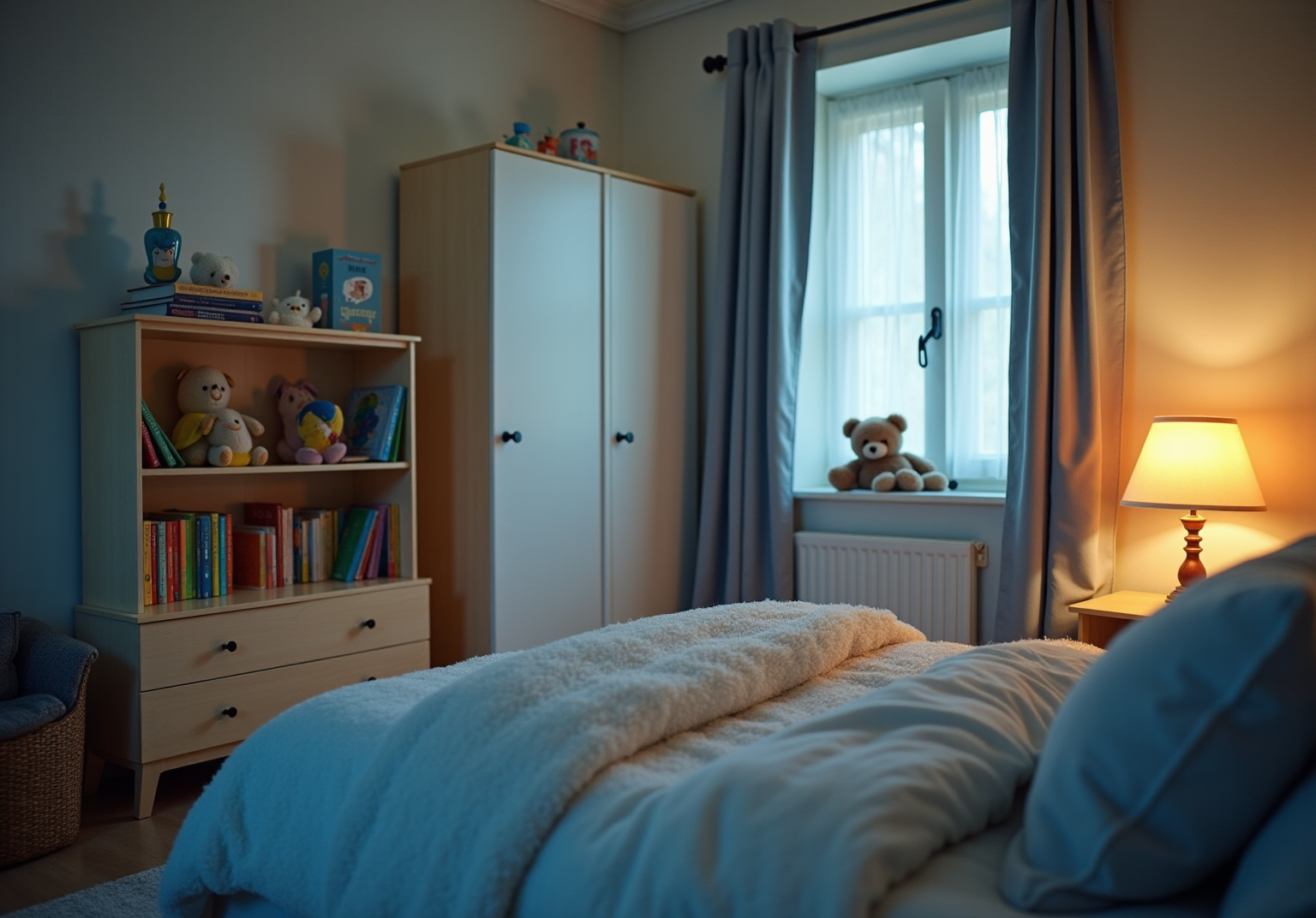
Creating a restful environment for your child is so important! Start by making their bedroom a cozy retreat. Keep it dark, quiet, and cool. Blackout curtains work wonders to block out light, and a white noise machine can help drown out any distracting sounds. A tidy room is key, too; it can really help reduce anxiety and promote relaxation.
Now, let’s talk about the bed. It should be super comfy and used just for sleep. This helps your child associate their bed with relaxation. Did you know that up to 80% of autistic kids might struggle with sleep during their early years? It’s true! Many children with autism often sleep less than what’s expected for their age.
As Annette Estes, Ph.D., wisely points out, “Understanding how to identify and tackle sleep issues can have beneficial impacts on young individuals and their families.” By using strategies from Applied Behavior Analysis (ABA), like setting up consistent bedtime routines and rewarding good sleep habits, you can really make a difference. Tailoring these approaches to fit your child’s unique needs can enhance their ability to rest.
These small changes can significantly improve sleep quality for kids on the autism spectrum by following sleep tips for kids with autism, who often face unique challenges. Let’s explore this together! We’re here to help you every step of the way!

Incorporate Regular Physical Activity
Getting your kids to stay active is so important for helping them sleep better! Think about fun activities like:
- Playing outside
- Swimming
- Joining a sports team
Aim for at least 30 minutes of moderate exercise most days of the week. Did you know that being active can actually reduce anxiety and boost mood? This makes it easier for your little ones to wind down at night.
Regular physical activity can really improve sleep patterns, which is important to consider alongside sleep tips for kids with autism. Research shows that those who are active 4-6 days a week have an odds ratio of 1.85 for getting enough sleep. Plus, engaging in physical activities can lead to fewer mood swings and less hyperactivity, which means a more restful night for everyone!
Mixing in enjoyable activities like dancing or jumping can keep your kids interested and provide the sensory input they crave. Let’s explore this together and find sleep tips for kids with autism to help create a healthier sleep routine for your family!

Manage Late-Night Eating and Drinking
Hey there, parents! 🌟 Let’s chat about bedtime snacks. It’s best to steer clear of those heavy meals and sugary treats right before sleep. They can really cause some discomfort and mess with your little one’s rest. Instead, if your child is feeling peckish, how about offering a light snack? Yogurt or a piece of fruit can be great options!
Also, try to make sure your little one finishes eating at least 1-2 hours before bedtime. This helps with proper digestion and sets the stage for a peaceful night’s sleep, which is one of the important sleep tips for kids with autism. Remember, we’re all in this together, and every little step counts toward better sleep for your family! Let’s explore this together!

Utilize Relaxation Techniques Before Bed
Let’s discuss some simple relaxation techniques as well as sleep tips for kids with autism that can help your little one wind down before bedtime. Think about introducing:
- Deep breathing exercises
- Gentle stretching
- Guided imagery
These activities are great sleep tips for kids with autism, as they help your child relax and signal that it’s time to rest.
You might also consider playing some calming music or nature sounds to create a soothing atmosphere. Imagine how peaceful it would be to drift off to the sound of gentle waves or soft melodies! 🌙
By incorporating these techniques, you’re not just helping your child; you’re also creating a lovely bedtime routine that everyone can look forward to. So, why not give it a try? We’re here to help you every step of the way!

Consider Melatonin Therapy with Professional Guidance
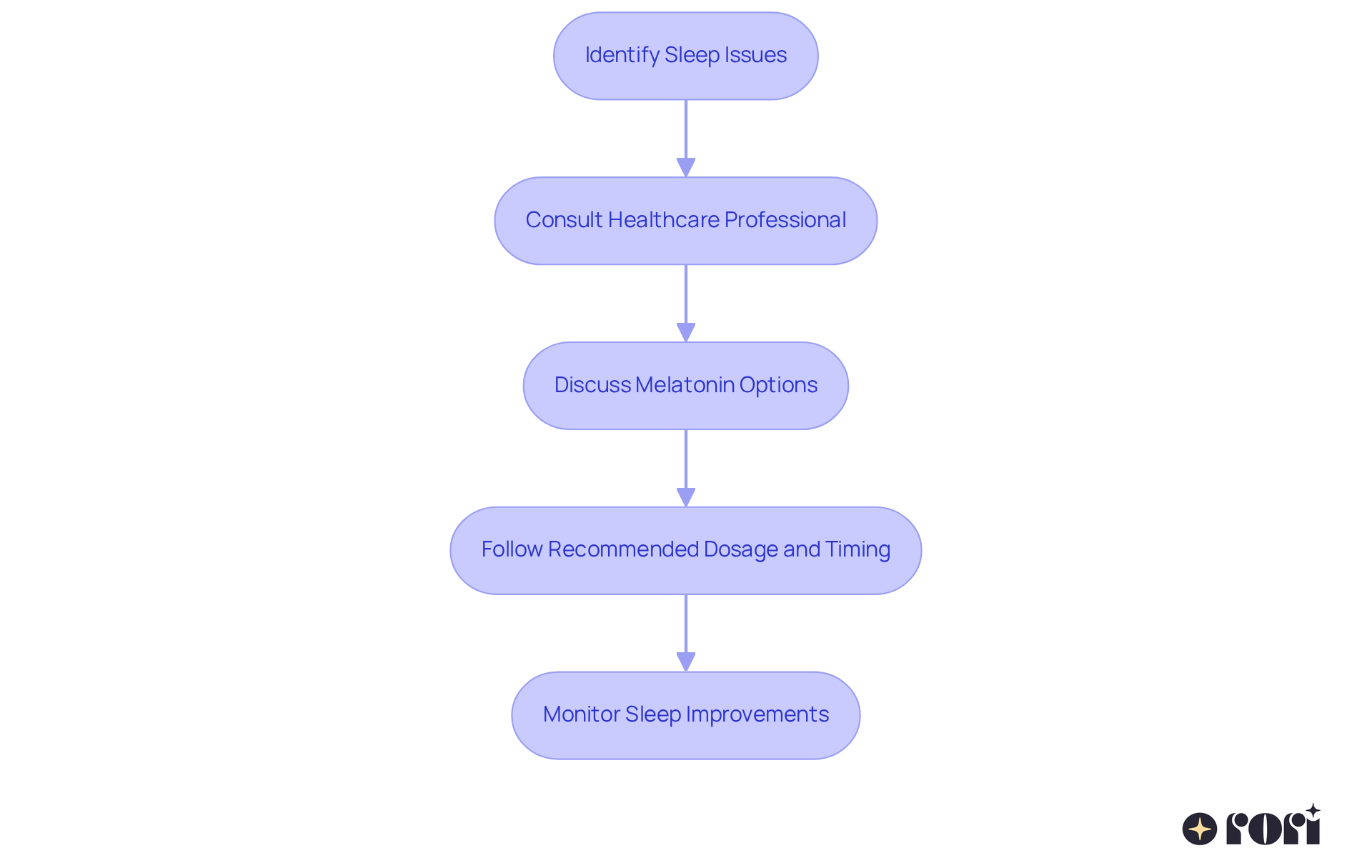
If you’re dealing with sleep issues, chatting with a healthcare professional about melatonin supplements can be a game changer. Melatonin is known for helping regulate sleep-wake cycles, making it a potential option among sleep tips for kids with autism. In fact, studies have shown that kids aged 2 to 15.25 years who took melatonin saw their sleep duration increase by an average of 21 minutes, while also falling asleep 28 minutes faster compared to those on a placebo.
Finding the right dosage and timing is super important for safety and effectiveness, so it’s best to stick closely to your healthcare provider’s recommendations. By following these guidelines, you can feel more confident in managing this treatment option, which could help ease those bedtime struggles and reduce stress for your family.
At Rori Care, we’re all about empowering caregivers like you through informed decision-making and active participation in your child’s development. Let’s explore this together!
Keep a Sleep Diary to Monitor Patterns
Keeping a rest journal for at least two weeks can really help you keep track of your child’s sleep patterns. It’s a good idea to jot down important details like:
- Bedtime
- Wake time
- Any nighttime awakenings
Plus, don’t forget to note things that might affect their rest, like:
- What they eat
- How active they are
- Their emotional state
This thorough record can be a game-changer for you and your healthcare provider, helping you spot patterns and make adjustments to improve sleep quality.
The rest diary, which provides sleep tips for kids with autism, is a fantastic resource. It helps caregivers by allowing parents to provide detailed sleep histories that support effective management strategies. By actively tracking sleep patterns, families can significantly boost their child’s well-being and therapeutic outcomes. Understanding sleep challenges also means parents can better address their child’s unique sleep needs.
Research shows that regularly monitoring sleep patterns can lead to improvements in sleep quality when using sleep tips for kids with autism. So, think of the rest log as an essential tool for caregivers. Let’s explore this together! If you have any thoughts or experiences to share, we’d love to hear from you!

Reduce Light Exposure in the Bedroom
If you’re a parent of a child with developmental disorders, you know how important good rest is for their well-being, and you might be looking for sleep tips for kids with autism. One simple way to help improve sleep quality is by reducing exposure to bright lights in the hour before bedtime. Think about it: blackout curtains can really help keep the room dark, and using dim lighting during evening activities can create a calming atmosphere that sets the stage for a good night’s sleep.
Another tip? Try to steer clear of screens – like tablets, TVs, and phones – at least two hours before bedtime. Those pesky blue lights can really mess with melatonin production, which is crucial for regulating sleep. In fact, studies show that too much screen time is linked to sleep disturbances, emphasizing the need for sleep tips for kids with autism, as up to 80% of those with developmental disorders are not getting the quality and quantity of sleep they need for their age. Can you believe that boys with access to media in their bedrooms sleep about 1.5 hours less per night than those without?
By adopting these strategies and setting a two-hour gap between dinner and bedtime, you can implement sleep tips for kids with autism to help create a more restful environment for your child. It’s all about enhancing their overall well-being, and every little bit helps! Let’s explore this together and see how we can make bedtime a more peaceful experience for everyone!

Eliminate Disruptive Household Noises
Improving rest quality for youngsters with autism can be a challenge, but using sleep tips for kids with autism can help manage disruptive sounds that invade their bedtime routine. One effective way to tackle this is by using white noise machines or fans. These create a soothing auditory backdrop that helps mask sudden noises, making for a more peaceful environment. Research shows that white noise can really boost self-regulation and emotional stability in kids with Autism Spectrum Disorder (ASD).
For instance, a study with 54 patients aged 7 to 17 found that after using white noise, there were noticeable drops in attention issues and irritability. In fact, the ASD + ID group had a 100% tolerance rate to the white noise! Isn’t that encouraging? Plus, soundproofing measures like heavy curtains or rugs can absorb sound and further cut down on disturbances, creating a quieter sleeping space.
By incorporating these sleep tips for kids with autism, families can create a more supportive environment for rest. It’s all about enhancing your child’s overall well-being. Let’s explore this together and see how these small changes can make a big difference!

Seek Professional Support for Personalized Sleep Strategies at Rori Care – ABA Therapy
If sleep challenges keep popping up, it might be time to reach out for a little extra support. At Rori Behavioral Innovations Inc., their caring team is ready to help! They offer personalized assessments and interventions tailored just for your child’s needs. This way, you can take a comprehensive approach to improving sleep quality together. Let’s explore this journey together!
Conclusion
Creating a peaceful and restorative sleep environment for children with autism is so important for their overall well-being. By setting up structured routines, optimizing their sleep space, and including some physical activity, parents can really boost their child’s sleep quality. These targeted strategies not only tackle common sleep challenges faced by autistic kids but also foster a sense of security and comfort that’s essential for those restful nights.
Let’s dive into some effective sleep tips for kids with autism! Establishing consistent bedtime routines, managing late-night snacks, and using relaxation techniques can all help create a calming atmosphere that encourages better sleep patterns. Plus, keeping a sleep diary can offer valuable insights for parents and healthcare professionals, helping to tailor interventions that fit each child’s unique needs.
Ultimately, prioritizing sleep is a key part of supporting children with autism. By taking proactive steps and reaching out for professional guidance when needed, families can nurture healthier sleep habits that lead to improved behavior, emotional stability, and a better quality of life. Embracing these strategies not only benefits the child but the whole family, paving the way for more peaceful nights and happier days. So, let’s explore this together and make those nights a little brighter!
Frequently Asked Questions
Why is establishing a consistent bedtime routine important for kids with autism?
A consistent bedtime routine helps kids with autism transition smoothly to sleep by incorporating relaxing activities, promoting tranquility, and improving sleep quality. It also reinforces a sense of security, which can reduce nighttime challenges.
What activities can be included in a bedtime routine?
Suggested activities for a bedtime routine include reading a book, taking a warm bath, and enjoying some quiet playtime. This routine should ideally last about 20-30 minutes before bedtime.
How does a structured bedtime routine benefit children with autism?
Research shows that structured bedtime routines help regulate sleep patterns and boost overall well-being in children with autism.
How can caregivers support their child’s bedtime routine?
Caregivers can use principles from Applied Behavior Analysis (ABA) therapy, which focuses on tailored interventions and caregiver education, to enhance the bedtime routine and positively impact the child’s progress.
What should be considered when creating an optimal sleep environment?
An optimal sleep environment should be dark, quiet, and cool. Using blackout curtains, a white noise machine, and maintaining a tidy room can help reduce anxiety and promote relaxation.
Why is it important for a child’s bed to be associated only with sleep?
Associating the bed solely with sleep helps children relax and reinforces the sleep environment, making it easier for them to wind down at night.
How does regular physical activity impact sleep for kids with autism?
Regular physical activity can improve sleep patterns, reduce anxiety, and boost mood, making it easier for children to wind down at night. Activities like playing outside, swimming, or joining a sports team are beneficial.
What is the recommended amount of physical activity for children to improve sleep?
It is recommended that children engage in at least 30 minutes of moderate exercise most days of the week to help enhance their sleep quality.
How can enjoyable physical activities contribute to better sleep?
Engaging in enjoyable physical activities, such as dancing or jumping, can keep children interested and provide the sensory input they crave, leading to fewer mood swings and less hyperactivity, which contributes to a more restful night.
List of Sources
- Establish a Consistent Bedtime Routine
- Creating Effective Bedtime Routines for Autistic Children: A Guide for Parents – Transformative Autism Care for Children (https://propelautism.com/bedtime-routines)
- Bedtime routines and sleep strategies help autistic kids sleep, study reveals (https://monash.edu/news/articles/bedtime-routines-and-sleep-strategies-help-autistic-kids-sleep,-study-reveals)
- Consistent bedtime linked with better child emotion and behavior regulation | Penn State University (https://psu.edu/news/health-and-human-development/story/consistent-bedtime-linked-better-child-emotion-and-behavior)
- Study shows that children sleep better when they have a nightly bedtime routine – American Academy of Sleep Medicine – Association for Sleep Clinicians and Researchers (https://aasm.org/study-shows-that-children-sleep-better-when-they-have-a-nightly-bedtime-routine)
- Create an Optimal Sleep Environment
- Autism in Children and Sleep | Sleep Health Foundation (https://sleephealthfoundation.org.au/sleep-topics/austism-in-children-and-sleep)
- psychiatryonline.org (https://psychiatryonline.org/doi/full/10.1176/appi.focus.20230028)
- Inspiring Autism Quotes for Understanding and Acceptance – Kids First (https://kidsfirstservices.com/first-insights/autism-quotes)
- Inspirational Quotes About Autism | Grateful Care ABA (https://gratefulcareaba.com/blog/inspirational-quotes-about-autism)
- 10 inspiring quotes from people with autism | Autism Speaks (https://autismspeaks.org/life-spectrum/autism-quotes)
- Incorporate Regular Physical Activity
- Breaking the Cycle: Impact of Physical Activity on Sleep Disorders in Autism—A Five-Year Longitudinal Analysis – PMC (https://pmc.ncbi.nlm.nih.gov/articles/PMC12840406)
- Autism and Physical Activity: The Benefits of Exercise (https://bluegemsaba.com/autism-and-exercise)
- Benefits of Exercise For Children With Autism | Foundations (https://fbh.com/blog/benefits-of-exercise-for-children-with-autism)
- Sufficient Sleep Duration in Autistic Children and the Role of Physical Activity – PMC (https://pmc.ncbi.nlm.nih.gov/articles/PMC9010343)
- 10 inspiring quotes from people with autism | Autism Speaks (https://autismspeaks.org/life-spectrum/autism-quotes)
- Manage Late-Night Eating and Drinking
- Nutritionist reveals the sleep-boosting foods kids really need (https://newsweek.com/nutritionist-reveals-sleep-boosting-foods-kids-really-need-11387535)
- Sleep, diet and exercise | Autism Awareness Australia (https://autismawareness.com.au/navigating-autism/sleep-diet-and-exercise-for-autistic-children)
- Best Snacks for Autistic Child – SilverSwing ABA (https://silverswingaba.com/best-snacks-for-autistic-child)
- Bedtime Snacks (https://edmondkidsdentist.com/blog/bedtime-snacks)
- Healthy Bedtime Snacks for Kids | Dole (https://dole.com/blog/a-guide-to-healthy-bedtime-snacks-for-kids)
- Consider Melatonin Therapy with Professional Guidance
- Study Shows that Melatonin is an Effective Treatment for Sleep Problems in Children with Autism – American Academy of Sleep Medicine – Association for Sleep Clinicians and Researchers (https://aasm.org/study-shows-that-melatonin-is-an-effective-treatment-for-sleep-problems-in-children-with-autism)
- Keep a Sleep Diary to Monitor Patterns
- Sleep diary to note sleep-related troubles in a child with Autism – Nayi Disha (https://nayi-disha.org/article/autism/maintain-sleep-diary-note-sleep-related-troubles-child-autism)
- New study improves criteria to identify sleep problems in autistic children and adolescents | Autism Speaks (https://autismspeaks.org/science-news/new-study-improves-criteria-identify-sleep-problems-autistic-children-and-adolescents)
- Home (https://whittington.nhs.uk/default.asp?c=43920&print=1)
- Reduce Light Exposure in the Bedroom
- How does screen use affect the sleep quality of children with autism? | SOM Salud Mental 360 (https://tea.som360.org/en/blog/how-does-screen-use-affect-sleep-quality-children-autism)
- Bedroom computers, TV may add to autism sleep issues (https://consultant360.com/story/bedroom-computers-tv-may-add-autism-sleep-issues)
- Impact of screen use on behavior and sleep in patients with autism spectrum disorder – PMC (https://pmc.ncbi.nlm.nih.gov/articles/PMC12721963)
- Frontiers | Screen Time and Autism: Current Situation and Risk Factors for Screen Time Among Pre-school Children With ASD (https://frontiersin.org/journals/psychiatry/articles/10.3389/fpsyt.2021.675902/full)
- Eliminate Disruptive Household Noises
- Application of White Noise in Minors with Autism Spectrum Disorder – PMC (https://pmc.ncbi.nlm.nih.gov/articles/PMC12292941)